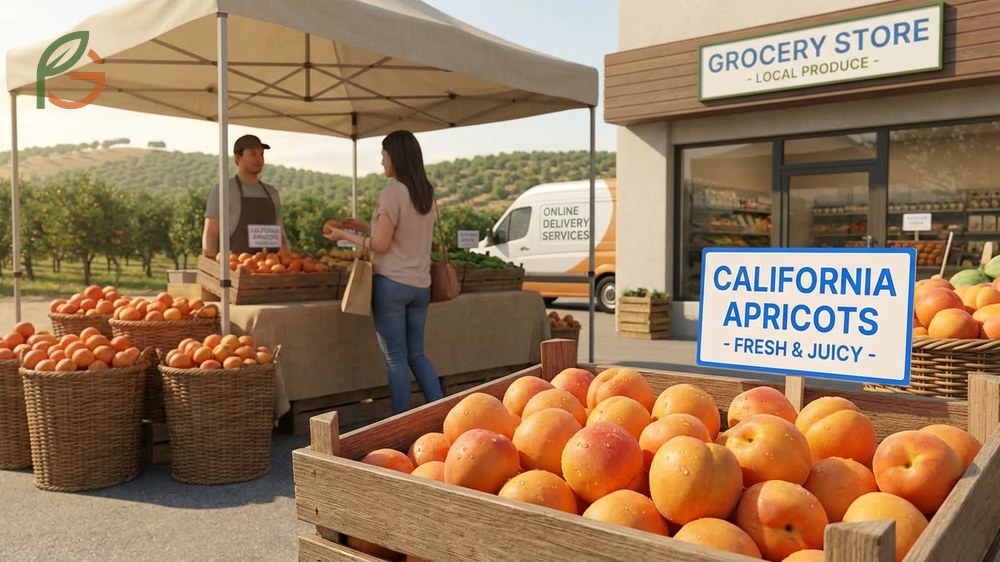
Where to buy fresh apricots? You’ll find them at farmers markets, grocery stores, local orchards, and online delivery services during peak season from May through July. California produces 90% of U.S. apricots[1], so that’s where you’ll get the freshest fruit. Research shows the best buying strategy combines understanding seasonal timing with knowing quality indicators—firm texture, deep orange color, and floral aroma signal peak ripeness. FruitGarden connects home gardeners and fruit enthusiasts with practical sourcing strategies backed by agricultural data and seasonal availability patterns.
Quick Answer
- California’s apricot season peaks from mid-May to mid-July[2], with the best selection in June
- Farmers markets offer the freshest apricots, often picked within 24-48 hours of sale
- Online orchards like Frog Hollow Farm and Fresh California Fruit ship nationwide during season
- Look for firm, plump fruit with deep orange color—avoid pale yellow or greenish apricots[3]
Where to Buy Fresh Apricots
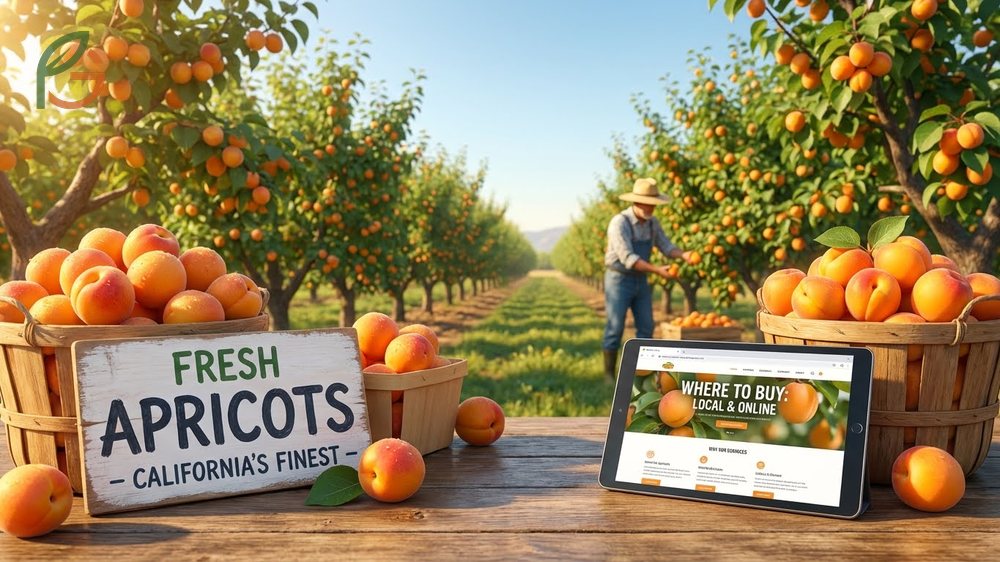
Fresh apricots aren’t available year-round like apples or oranges. They’ve got a short harvest window that makes timing crucial. You’ll find the best selection from late May through early July, when California’s orchards hit peak production.
Studies show California produces 31,430 tons of apricots annually[4], accounting for 90% of the U.S. crop[1]. This concentration means most Americans buy California apricots whether they’re shopping locally or online. Washington State contributes the remaining production, with harvest timing running slightly later from mid-July through August.
Your buying options break down into five main categories: farmers markets, local orchards, grocery stores, online specialty farms, and delivery services. Each offers different advantages in freshness, variety selection, and convenience.
Seasonal Availability and Timing
Apricot season typically runs from mid-May to mid-July in California’s Central Valley[2]. June represents the peak month when you’ll find the widest variety selection and best prices. Early season varieties appear in late May, while late-season types extend availability into early July.
The harvest window lasts just 4-6 weeks per variety, which explains why fresh apricots disappear from stores quickly. Unlike storage fruits that stay available for months, apricots need immediate sale or processing. If you spot pale yellow or greenish apricots in February or March, they’re likely imports with inferior flavor compared to domestic summer fruit.
California’s Production Dominance
California’s Central Valley—particularly around Patterson in Stanislaus County—serves as America’s apricot capital. The region’s warm days and cool nights create ideal growing conditions that concentrate sugars while maintaining firm texture. Historical production centered in Santa Clara County, but urban expansion shifted commercial orchards to the San Joaquin Valley.
Current data shows California’s production at approximately 10,000 acres, down from historical peaks but still dominating national supply. Washington State adds about 2,000 tons annually, though 2024 production dropped 43% from the previous year due to weather challenges.
Farmers Market Apricots
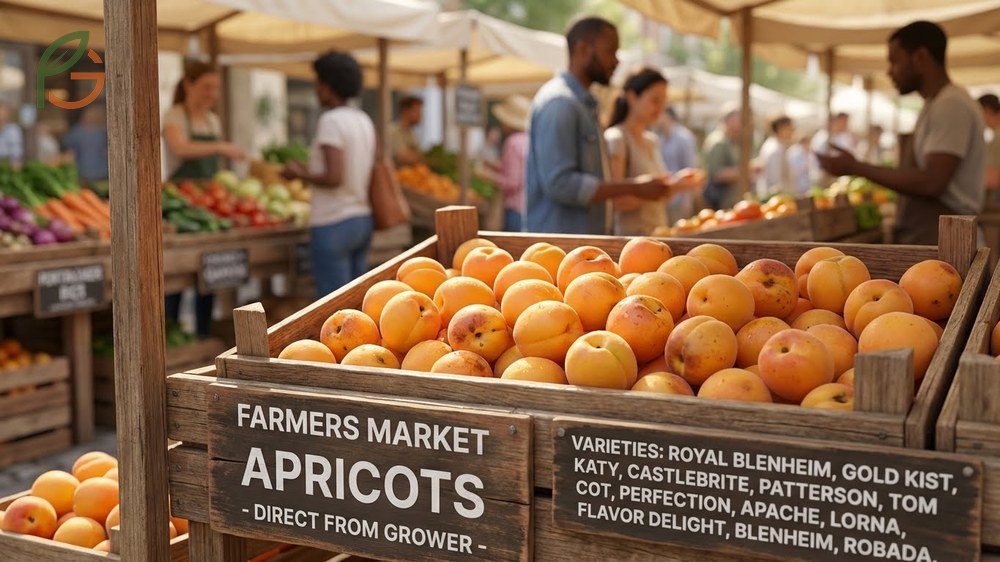
Farmers markets offer the freshest apricots you’ll find anywhere. Growers typically harvest fruit 24-48 hours before market day, compared to 7-10 days for grocery store produce that travels through distribution chains. This shorter timeline delivers superior flavor and longer shelf life at home.
You’ll also find varieties that never make it to supermarkets. Commercial grocers stick with 2-3 shipping-friendly cultivars, while farmers markets feature 8-12 varieties with diverse flavor profiles. Blenheim apricots—prized by chefs for intense sweetness—rarely appear in stores but show up regularly at California farmers markets during June.
Most markets run weekly during summer months. California farmers markets peak from June through early July, matching local harvest timing. Prices typically range from $3-6 per pound, depending on variety and organic certification.
From My Experience: My cousin in Guadalajara, Mexico grows apricot trees in her backyard orchard. She visits California farmers markets every June when traveling north, buying 10-15 pounds of Blenheim and Royal varieties to compare with her Mexican harvest—the California fruit consistently shows deeper orange color and firmer texture at peak ripeness.
Peak Harvest Windows
Early season apricots (mid-May to early June) tend toward firmer texture with balanced sweet-tart flavor. Mid-season varieties (June) deliver peak sweetness and the broadest selection. Late season apricots (late June to mid-July) offer slightly softer fruit ideal for immediate eating or baking.
Plan your farmers market visits for peak morning hours between 8-10 AM. The best fruit sells out quickly, especially popular varieties like Blenheim. Many growers accept pre-orders if you’re buying quantities over 5-10 pounds for canning or preserving.
Quality Advantages
Farmers market apricots ripen on the tree longer than commercial fruit destined for long-distance shipping. This extended ripening develops fuller flavor and higher sugar content. You can ask growers about harvest timing, variety characteristics, and organic practices—information that’s impossible to get from grocery store produce.
Tree-ripened apricots show deeper orange color throughout, with minimal green tinges near the stem. The skin feels slightly fuzzy (similar to peaches) and gives slightly to gentle pressure without feeling mushy. A sweet, floral aroma indicates proper ripeness.
- Harvest timing within 24-48 hours ensures maximum freshness and flavor
- Access to 8-12 heritage and specialty varieties not found in grocery stores
- Direct grower communication about organic practices, harvest methods, and ripeness timing
- Tree-ripened fruit with higher sugar content and fuller flavor development
- Lower prices per pound compared to specialty grocery stores—typically $3-6 versus $6-8
Local Apricot Orchards
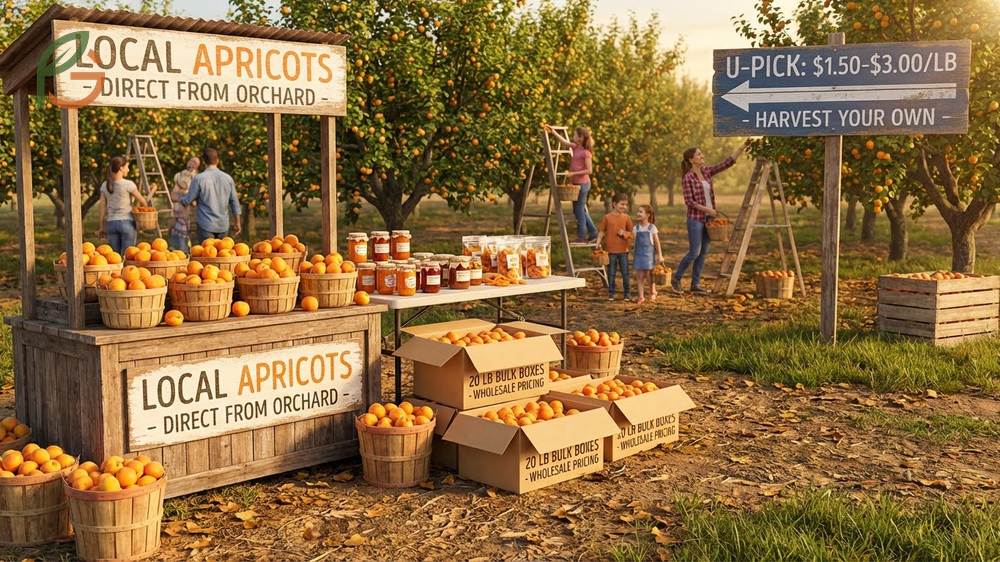
Direct orchard purchases let you buy fruit at source, often at wholesale-style pricing for bulk quantities. Many California orchards open farm stands during peak season, selling both fresh fruit and value-added products like dried apricots, jams, and preserves. You’ll get better prices buying 20-40 pound boxes compared to retail grocery pricing.
Some operations offer u-pick services where you harvest your own fruit at reduced rates. U-pick typically runs $1.50-3.00 per pound versus $4-6 for pre-picked fruit. This works well if you’re planning to preserve large quantities or want specific ripeness levels for different uses.
California’s u-pick orchards concentrate in traditional growing regions including Contra Costa County, El Dorado County, Fresno County, and the Patterson area. Most require advance reservations during peak season since the harvest window stays tight at just 4-6 weeks per variety.
U-Pick Operations
U-pick orchards typically open in mid-June when fruit reaches optimal ripeness. Operations run for 2-4 weeks depending on variety mix and weather conditions. You’ll need to bring your own containers—most orchards suggest shallow boxes or crates that prevent fruit bruising under weight.
Call ahead before visiting since harvest timing shifts by 5-7 days depending on spring weather. A cool May delays ripening, while warm conditions advance harvest. Many orchards post updates on Facebook or Instagram showing current fruit conditions and expected opening dates.
Direct Farm Sales
Farm stands offer convenience without the picking labor. You’ll find pre-sorted fruit graded by size and ripeness level, making selection easier for different uses. Firmer apricots work better for transport and storage, while softer fruit suits immediate eating or same-day cooking.
Popular direct-sale orchards include Frog Hollow Farm (organic certified with 13 varieties), ApricotKing Orchards (heritage Blenheim specialists), and Novakovich Orchards (family operation since 1925). Most accept cash and cards, with some offering online pre-orders for pickup during season.
Important Note: Many u-pick orchards closed operations in 2024-2025 due to labor costs and insurance requirements. Call ahead to confirm current status before driving long distances—several historic operations now sell only through farmers markets or wholesale channels.
Grocery Store Apricots
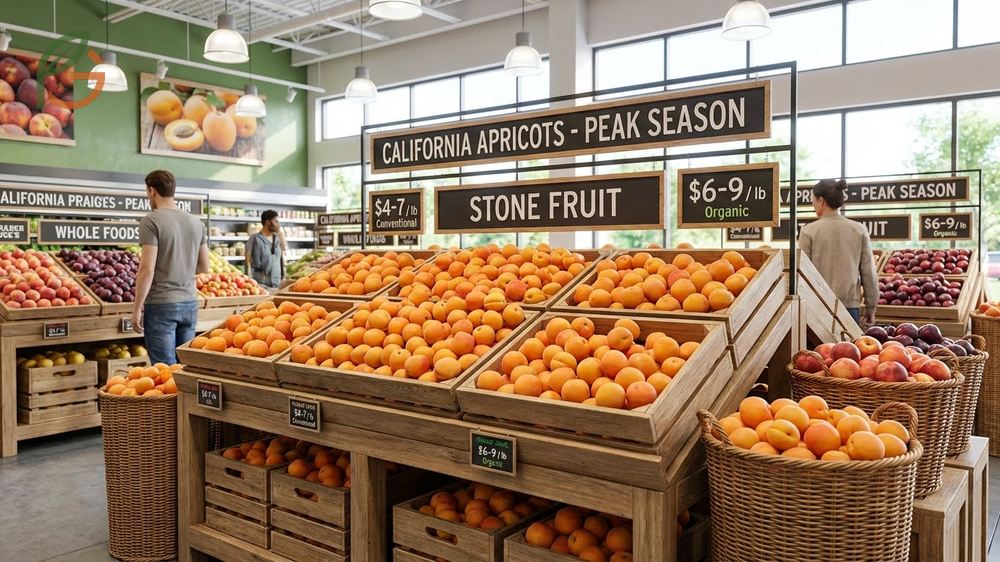
Major grocery chains stock apricots during California’s peak season, typically from late May through July. You’ll find them in the stone fruit section near peaches, plums, and nectarines. Expect to pay $4-7 per pound at conventional supermarkets, with organic options running $6-9 per pound.
National chains like Trader Joe’s, Whole Foods, and Sprouts reliably carry apricots during season. Trader Joe’s often offers competitive pricing at $2.99 per 16-ounce package. Regional grocers with strong produce programs—like Raley’s in California or PCC in Washington—source directly from local orchards for better variety selection.
Grocery store apricots are picked 5-7 days before full ripeness to withstand distribution handling. This means you’ll need to ripen them at home for 2-4 days at room temperature. Look for fruit that’s already showing orange color with minimal green patches—fully green apricots won’t develop proper sweetness even with home ripening.
The main advantage of grocery shopping is convenience and consistent availability during season. You can inspect fruit before buying and purchase small quantities for testing before committing to larger amounts. However, you’ll typically find only 1-2 commercial varieties rather than the specialty cultivars available at farmers markets or direct from orchards.
- Shop during peak season (June-July) for best selection and prices
- Choose firm fruit with deep orange color—avoid pale yellow or greenish apricots
- Check stem ends for mold or soft spots that indicate poor storage conditions
- Buy slightly firmer fruit if you won’t use it within 2-3 days
- Ask produce managers about delivery schedules—shop day-after-delivery for freshest stock
Online Apricot Delivery
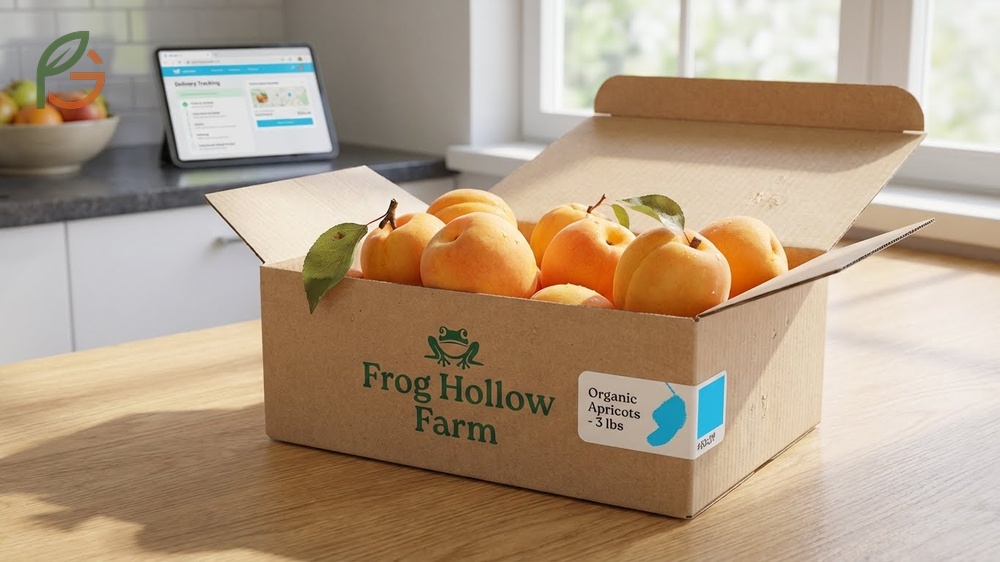
Online orchards ship fresh apricots nationwide during California’s harvest season. This option works well if you don’t live near major production areas or want access to specialty varieties. Shipping costs add $15-30 to your order, but you’re getting fruit that’s often fresher than what sits in grocery distribution for a week.
Frog Hollow Farm ships organic apricots in 3-pound and 6-pound boxes with 1-3 day express delivery. They grow 13 varieties including hard-to-find apriums (apricot-plum hybrids). Pre-orders open in early spring for delivery during peak season weeks. Fresh California Fruit offers similar service with conventional fruit at lower price points.
Instacart and other grocery delivery apps provide same-day service if you’re near participating stores. You’ll pay regular grocery prices plus delivery fees ($3-10) and tips, but you can get apricots within 2 hours during season. This works best for small quantities when you need fruit immediately for recipes or fresh eating.
Online ordering requires advance planning since most orchards ship only during specific harvest weeks. Pre-orders typically open 2-3 months before season, with delivery windows assigned based on variety ripening schedules. You can’t choose exact delivery dates beyond 1-2 week windows, so plan accordingly if you need fruit for specific events.
Shipping Tip: Order early in the week (Monday-Tuesday) for delivery before Friday. Weekend deliveries risk fruit sitting in hot trucks or on porches, which accelerates ripening and potential spoilage. Most orchards won’t ship to extreme heat zones (above 95°F) without temperature-controlled transport.
- Frog Hollow Farm—13 organic varieties, 1-3 day express shipping, pre-orders open early spring
- Fresh California Fruit—conventional apricots, wholesale pricing for bulk orders (5+ pounds)
- Instacart—same-day delivery from local grocery stores during peak season
- ApricotKing—heritage Blenheim specialists, limited online availability, primarily farmers markets
- Amazon Fresh and Whole Foods—select metro areas only, seasonal availability June-July
Selecting Quality Fresh Apricots
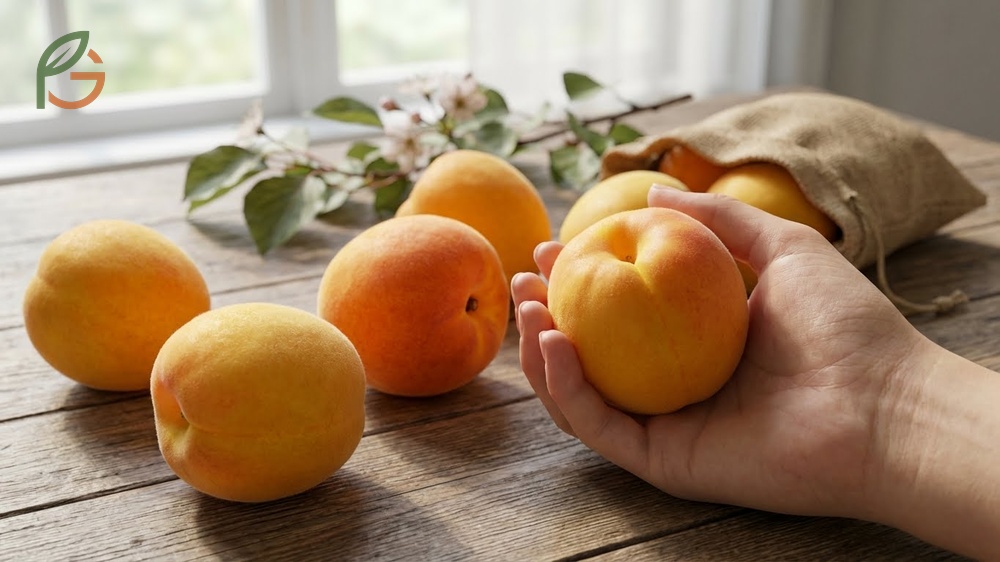
Quality apricots show firm texture with slight give when gently pressed. The skin should display deep orange or golden-yellow color—not pale yellow or greenish tones that indicate premature picking[3]. A smooth, unwrinkled surface indicates proper moisture content and careful handling from orchard to sale.
Research shows ripe apricots emit a sweet, floral aroma detectable when you hold the fruit near your nose. If there’s no scent, the fruit was picked too early and won’t develop full flavor even with home ripening. Strong fermented smells indicate overripeness or beginning spoilage.
Avoid apricots with cuts, bruises, or soft spots. These defects spread quickly in stone fruits, causing nearby fruit to deteriorate within 24-48 hours. Check the stem end carefully—this area shows damage first since it’s where handling stress concentrates.
Size doesn’t correlate with quality or sweetness. Small apricots (1.5-2 inches diameter) often pack more concentrated flavor than larger specimens. What matters is color intensity, firmness, and aroma—the three key indicators of proper harvest timing and ripeness.
This table compares quality indicators for selecting fresh apricots across optimal, acceptable, and avoid categories for color, texture, aroma, and skin condition
| Quality Indicator | Optimal Choice | Acceptable | Avoid |
|---|---|---|---|
| Color | Deep orange to golden-yellow throughout | Orange with small green patches near stem | Pale yellow, greenish, or with brown spots |
| Texture | Firm with slight give to gentle pressure | Firm throughout (will ripen at home) | Hard as rocks or mushy/squishy |
| Aroma | Sweet, floral scent when held close | Mild fruity smell | No aroma or fermented/alcohol smell |
| Skin Condition | Smooth, slightly fuzzy, unwrinkled | Minor surface scratches | Cuts, bruises, wrinkles, or mold |
- Store firm apricots at room temperature for 2-3 days to complete ripening
- Move ripe fruit to refrigerator crisper drawer—they’ll keep 4-5 days when cold
- Don’t wash apricots until ready to eat—moisture promotes mold growth
- Keep apricots separate from ethylene-producing fruits like bananas and apples
- Freeze overripe fruit within 24 hours for smoothies or baking—they’ll keep 6-8 months frozen
Conclusion
The evidence is clear: where to buy fresh apricots depends on your priorities for freshness, variety, and convenience. Farmers markets deliver the best combination of tree-ripened flavor and specialty cultivars, while grocery stores offer reliable access during California’s May-July season. Online orchards extend reach to areas without local production, though shipping costs make bulk purchases more economical.
Current agricultural guidance emphasizes buying during peak regional harvest—June for California, late July for Washington—when prices drop and quality peaks. Whether you’re selecting fruit for fresh eating, preserving, or baking, focus on deep orange color, firm texture, and floral aroma as your three key quality indicators. FruitGarden recommends trying multiple sources during peak season to find your preferred varieties and establish relationships with reliable suppliers for future years.
Frequently Asked Questions
What’s the best month to buy fresh apricots?
June offers the best selection and quality for California apricots. Early season fruit appears in late May, while Washington apricots arrive in late July. Mid-season timing (early to mid-June) delivers peak sweetness and the widest variety selection at farmers markets and orchards.
How much do fresh apricots cost per pound?
Expect to pay $3-6 per pound at farmers markets, $4-7 at grocery stores, and $6-9 for organic options. U-pick orchards charge $1.50-3.00 per pound, while online delivery adds $15-30 shipping costs. Prices drop during peak season (June) when supply reaches maximum levels.
Where can I find organic apricots?
Frog Hollow Farm ships certified organic apricots nationwide with 13 varieties available during season. Whole Foods and natural food co-ops stock organic options from California growers during June-July. Many farmers market vendors offer organic fruit—look for USDA Organic certification or ask about growing practices directly.
Do apricots ripen after picking?
Yes, but only if picked when mature. Apricots harvested too early won’t develop full sweetness even with home ripening. Store firm fruit at room temperature for 2-4 days until they give slightly to pressure and emit floral aroma. Once ripe, refrigerate immediately—they’ll keep 4-5 days cold.
Can I buy apricots year-round?
Fresh apricots are seasonal, available primarily May-July from California and late July-August from Washington. Imports from Chile appear February-March but lack the flavor of domestic summer fruit. For year-round access, buy extra during peak season and freeze for 6-8 months, or choose dried apricots available continuously.
What’s the difference between grocery store and farmers market apricots?
Farmers market apricots are typically harvested 24-48 hours before sale versus 7-10 days for grocery chains. This shorter timeline means better flavor and longer home storage. Markets also offer 8-12 specialty varieties compared to 1-2 commercial types in stores, with tree-ripened fruit showing deeper color and higher sugar content.
How do I find local apricot orchards near me?
Search PickYourOwn.org by state for u-pick operations, or check LocalHarvest.org for farm stands and orchards. California’s main growing regions include Contra Costa, Stanislaus, Fresno, and El Dorado counties. Call ahead before visiting since many orchards closed u-pick services in recent years due to operational costs.