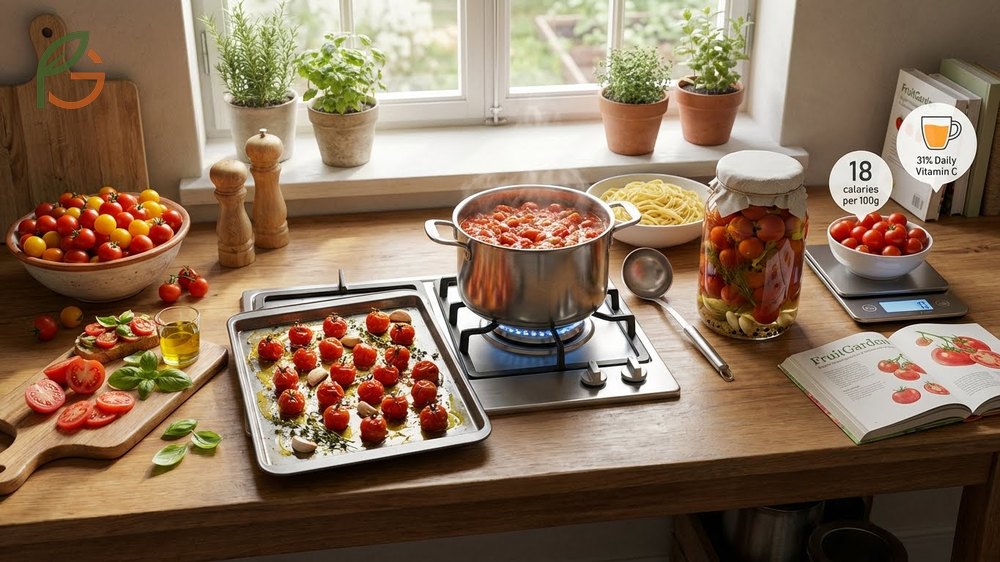
What to do with cherry tomatoes? You can roast them for concentrated sweetness, turn them into quick pasta sauces, pickle them for tangy snacks, or use them fresh in salads and bruschettas. Research shows cherry tomatoes contain 18 calories per 100g and deliver 31% of your daily vitamin C[1] in just one cup. FruitGarden provides expert growing advice and seasonal recipe ideas to help you make the most of your cherry tomato harvest.
Quick Answer
- Roast at 375°F (190°C) for 90 minutes[2] or 250°F (121°C) for 2-3 hours[3] for caramelized flavor
- Air fry halved tomatoes at 390°F (199°C) for 6-8 minutes[4] for quick roasting
- Store at room temperature for 5-7 days[5] for best flavor or refrigerate up to 10 days
- Preserve by pickling, making confit, or freezing for year-round use
What to Do With Cherry Tomatoes
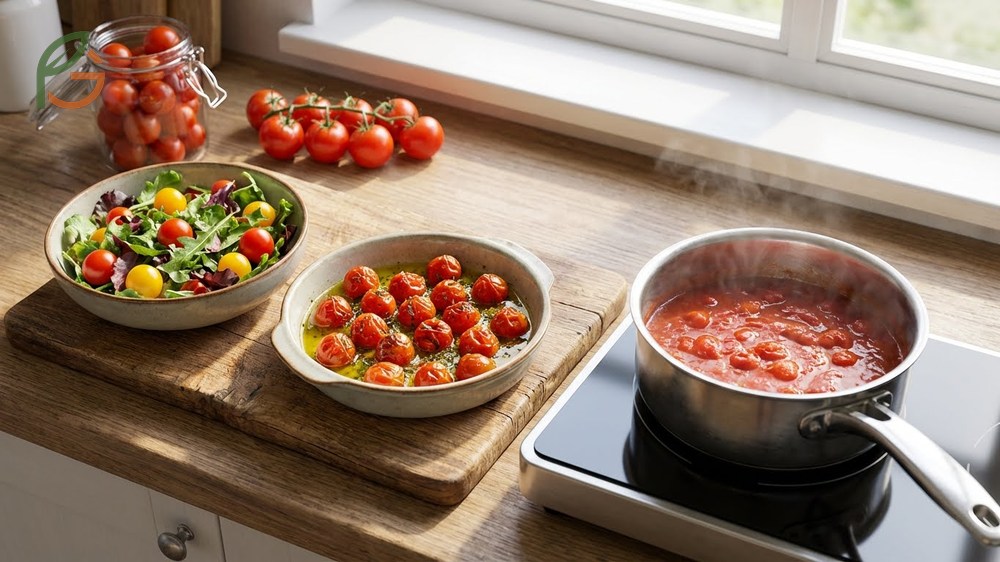
Cherry tomatoes are incredibly versatile in the kitchen. Their naturally sweet flavor and compact size make them perfect for both raw and cooked preparations. You can pop them whole into salads, roast them to concentrate their sugars, or simmer them into quick sauces.
Most people don’t realize that cherry tomatoes have a higher skin-to-flesh ratio than larger varieties. This means they pack more concentrated flavor and contain higher amounts of lycopene per serving. The small size also makes them ideal for appetizers, snacks, and recipes where you don’t want to spend time chopping.
When choosing what to make, consider your tomatoes’ ripeness. Firm cherry tomatoes work great for roasting or grilling since they hold their shape. Softer, very ripe ones break down beautifully into sauces or can be frozen for later use.
Fresh Uses
Fresh cherry tomatoes shine in no-cook dishes. Their burst of juicy sweetness adds brightness to salads, grain bowls, and wraps. Store them at room temperature for best flavor, as cold temperatures reduce the production of aroma compounds[5].
If you’re using cherry tomatoes within a few days, keep them on your counter away from direct sunlight. Research shows tomatoes stored at room temperature maintain their fresh flavor and aroma better than refrigerated ones.
- Caprese Skewers: Thread cherry tomatoes with fresh mozzarella balls and basil leaves
- Cherry Tomato Bruschetta: Dice tomatoes with fresh basil, garlic, olive oil, and balsamic vinegar
- Greek Salad: Combine halved tomatoes with cucumber, feta, olives, and oregano
- Tomato Salsa: Mix with diced onion, cilantro, lime juice, and jalapeño
- Grain Bowls: Add whole or halved tomatoes to quinoa, farro, or rice bowls
- Sandwich Topping: Slice in half for sandwiches and wraps
From My Experience: My cousin in Guadalajara, Mexico grows cherry tomatoes in containers on her balcony. She harvests about 40-50 tomatoes per plant between June and September, which matches the typical yield range for determinate varieties.
Cooked Applications
Cooking cherry tomatoes transforms their flavor profile. Heat breaks down cell walls, concentrating sugars and creating deep, caramelized notes. The natural sugars caramelize beautifully when roasted or sautéed.
You’ll get different results depending on cooking method. High-heat roasting creates charred edges and intense flavor. Low-and-slow roasting produces jammy, spreadable tomatoes. Quick sautéing keeps them slightly firm with bursts of juice.
- Roasted: Perfect for pasta, pizza topping, or spreading on toast
- Sautéed: Cook with garlic for a 5-minute pasta sauce
- Grilled: Thread on skewers for smoky flavor
- Confit: Slow-cook in olive oil for preservation
- Blistered: Pan-fry in hot oil until skins burst
- Tomato Jam: Simmer with sugar and spices for a sweet-savory spread
Important Note: Don’t refrigerate cherry tomatoes unless they’re fully ripe and starting to soften. Cold temperatures mute flavor compounds but can extend shelf life when needed.
How to Roast Cherry Tomatoes
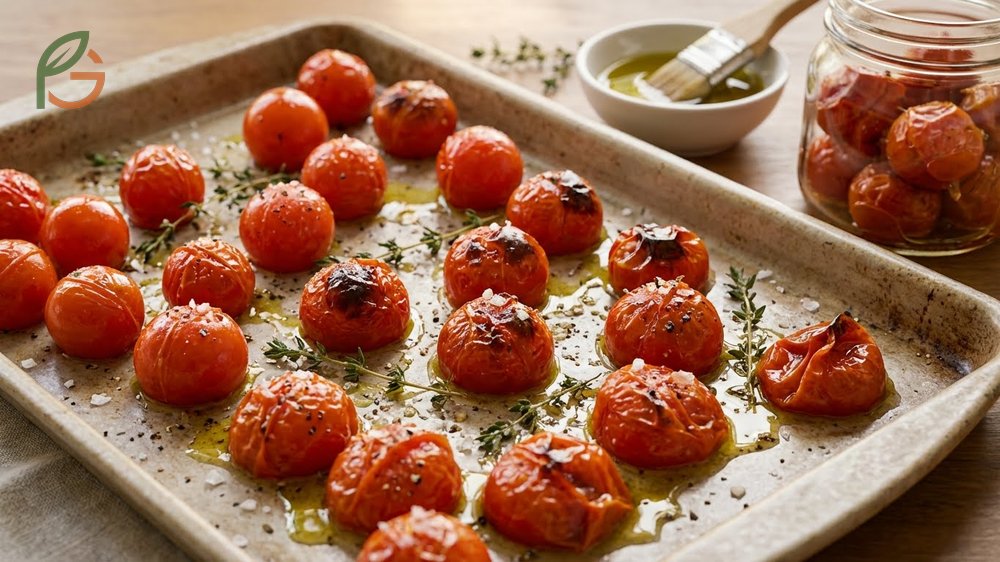
Roasting is the most popular cooking method for cherry tomatoes. The dry heat concentrates sugars, reduces moisture, and creates intense flavor. You can choose between high-heat roasting for caramelization or low-and-slow roasting for jammy texture.
The key to great roasted cherry tomatoes is using enough oil. Coat them generously with olive oil before roasting—this helps with caramelization and prevents sticking. Season with salt, pepper, and herbs like thyme or oregano for extra flavor.
Your tomatoes’ water content affects roasting time. Peak-season summer tomatoes with less water roast faster. Winter tomatoes with higher water content need longer cooking times.
Oven Roasting Methods
For quick roasting, preheat your oven to 375°F (190°C). Place halved cherry tomatoes cut-side up on a baking sheet, drizzle with olive oil, and roast for 90 minutes[2] until they’re soft and caramelized around the edges.
For slow-roasted tomatoes with deeper flavor, set your oven to 250°F (121°C). This method takes 2 to 3 hours[3] but produces intensely sweet, shriveled tomatoes perfect for storing in oil. The time varies based on tomato size and water content.
This table compares oven temperature, cooking time, and best uses for two different cherry tomato roasting methods
| Method | Temperature | Time | Best For |
|---|---|---|---|
| Quick Roast | 375°F (190°C)[2] | 90 minutes[2] | Pasta, pizza topping, immediate use |
| Slow Roast | 250°F (121°C)[3] | 2-3 hours[3] | Preserving, spreading, tomato confit |
| Air Fryer | 390°F (199°C)[4] | 6-8 minutes[4] | Quick side dish, small batches |
Air Fryer Method
Air frying cherry tomatoes delivers roasted flavor in a fraction of the time. Cut tomatoes in half and toss with olive oil, salt, and Italian herbs. Place them cut-side down in your air fryer basket in a single layer.
Cook at 390°F (199°C) for 6 minutes[4] for juicy tomatoes, or 7-8 minutes[4] if you prefer them more caramelized. No flipping required—the circulating air cooks them evenly.
Pro Tip: Don’t overcrowd your air fryer basket. Cook in batches if needed to ensure proper air circulation and even roasting.
Cherry Tomato Pasta Recipe
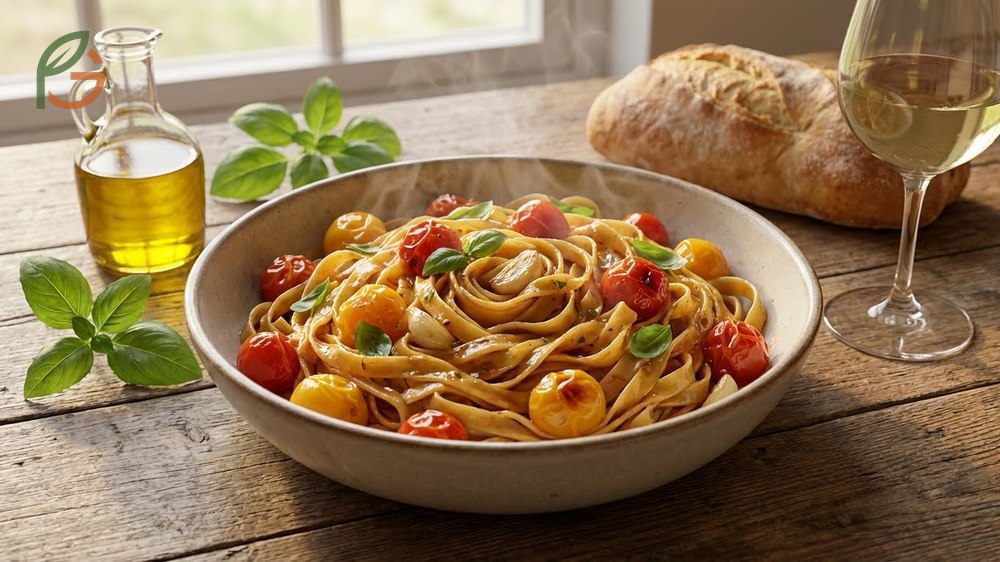
Cherry tomato pasta is a weeknight dinner hero. The tomatoes cook down into a light, fresh sauce in just 15-20 minutes. Unlike canned tomato sauce, this version tastes bright and summery with bursts of sweet tomato flavor.
The basic technique works for any pasta shape. Start by sautéing garlic in olive oil, add whole or halved cherry tomatoes, and cook until they burst and release their juices. The natural pectin in tomato skins helps create a silky sauce that clings to pasta.
For a classic preparation, heat 3 tablespoons olive oil in a large skillet over medium-high heat. Add 3 minced garlic cloves and cook for 30 seconds until fragrant. Toss in 4 cups whole cherry tomatoes and cook for 8-10 minutes, stirring occasionally, until skins split and tomatoes break down.
Season with salt, pepper, and red pepper flakes. Add cooked pasta directly to the sauce along with a splash of pasta water. The starchy water helps emulsify the sauce. Finish with fresh basil and grated Parmesan cheese.
- Bruschetta Pasta: Add diced red onion, fresh basil, and balsamic glaze
- Creamy Version: Stir in heavy cream or mascarpone cheese
- Puttanesca Style: Include capers, olives, and anchovies
- Arrabbiata: Double the red pepper flakes for spicy heat
- Summer Garden: Add zucchini, yellow squash, and fresh corn
- Protein Boost: Top with grilled chicken, shrimp, or white beans
This simple sauce works equally well with spaghetti, penne, orecchiette, or any short pasta shape. You can prep the sauce ahead and refrigerate it for up to 3 days, then reheat and toss with freshly cooked pasta.
Quick Pickled Cherry Tomatoes
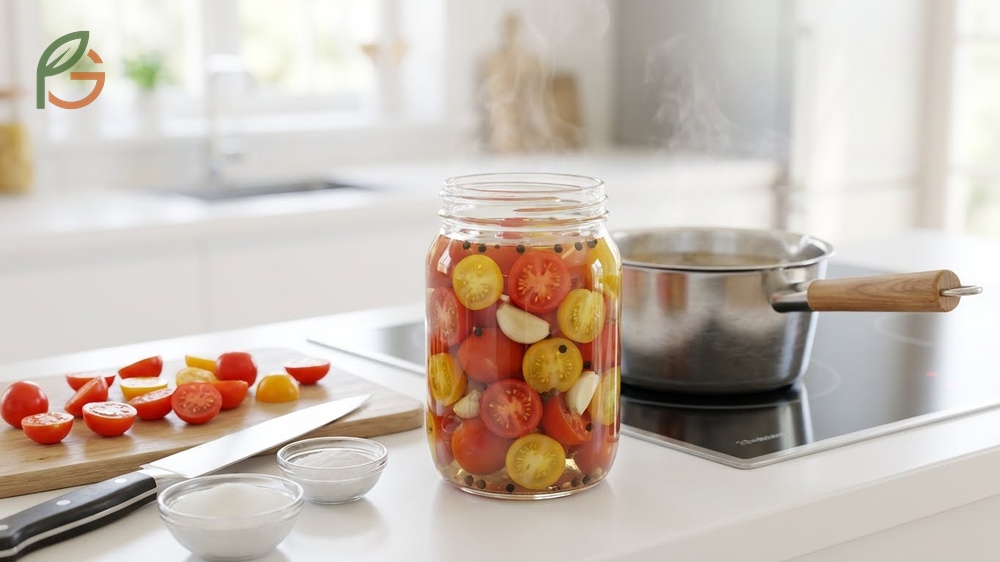
Pickling cherry tomatoes extends their shelf life while adding tangy flavor. Quick pickles don’t require canning equipment—just pack tomatoes in jars with hot brine and refrigerate. They’re ready to eat in 24 hours and last up to 3 weeks in the fridge.
Start by halving 2 pounds of cherry tomatoes and packing them into clean jars. In a saucepan, bring 2 cups white vinegar, 1 cup water, 2 tablespoons sugar, and 1 tablespoon salt to a boil. Add aromatics like garlic cloves, dill sprigs, peppercorns, or red pepper flakes.
Pour the hot brine over tomatoes, leaving 1/2 inch headspace. Let cool to room temperature, then seal and refrigerate. The tomatoes will soften slightly but maintain a pleasant texture. Use them in salads, on cheese boards, or as a tangy pizza topping.
For longer preservation, you can water-bath can pickled tomatoes to store them up to 6 months[6] in your pantry. Process filled jars in boiling water for 15 minutes, following proper canning safety guidelines.
- Classic Dill: Fresh dill, garlic, and black peppercorns
- Spicy: Jalapeño slices, red pepper flakes, and cumin seeds
- Italian Style: Oregano, basil, and garlic
- Sweet and Tangy: Increase sugar to 1/4 cup, add cinnamon stick
- Asian Inspired: Rice vinegar, ginger slices, and Szechuan peppercorns
Using Up Too Many Cherry Tomatoes
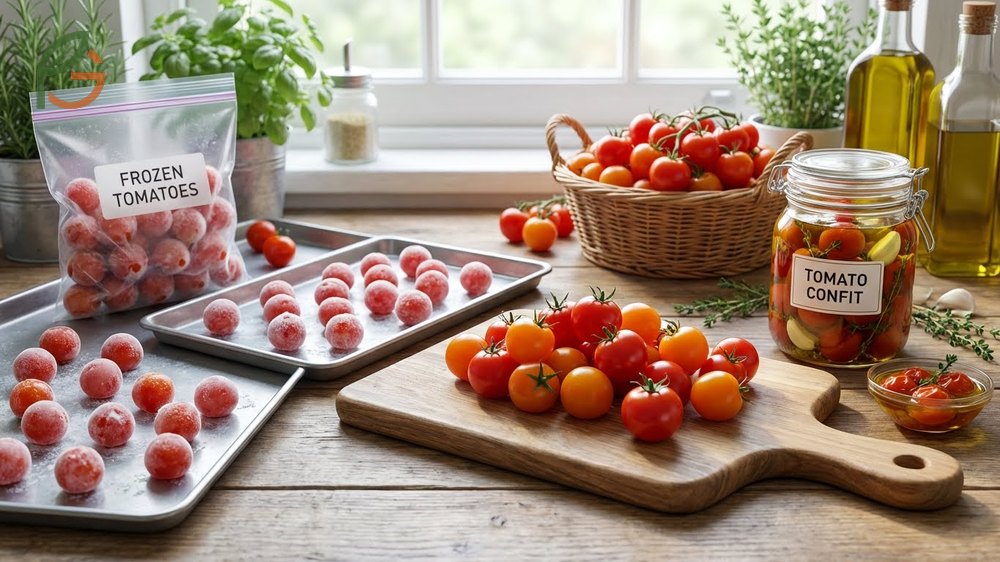
When you’re drowning in cherry tomatoes from your garden or a farmers market haul, preservation is key. Cherry tomatoes freeze well, making them perfect for winter cooking. You can also make tomato confit, which stores in the fridge for weeks.
The simplest preservation method is freezing. Wash and dry tomatoes thoroughly, then spread them on a baking sheet in a single layer. Freeze until solid (about 2 hours), then transfer to freezer bags. Frozen cherry tomatoes keep for 6-8 months and work great in cooked dishes.
For tomato confit, place cherry tomatoes in a baking dish and cover completely with olive oil. Add garlic cloves, herbs, and salt. Bake at 250°F (121°C) for 2-3 hours until tomatoes are soft and jammy. Store in jars with the infused oil covering the tomatoes. They’ll last 2 weeks in the fridge[6].
If you’re looking for a unique preserve, try making tomato jam. Simmer halved cherry tomatoes with sugar, lemon juice, and warm spices until thick and spreadable. This sweet-savory condiment pairs beautifully with cheese, roasted meats, or toast.
- Freeze Whole: Best for soups, stews, and sauces
- Make Tomato Confit: Slow-cooked in olive oil for rich flavor
- Dehydrate: Create tomato chips for snacking
- Tomato Jam: Sweet preserve for cheese boards
- Tomato Powder: Grind dried tomatoes into seasoning
- Share With Neighbors: Fresh tomatoes make great gifts
- Blend Into Gazpacho: Cold soup perfect for summer
Storage Reminder: Whole ripe cherry tomatoes last 5-7 days at room temperature[5] or 7-10 days refrigerated. Once refrigerated, let them sit at room temperature for 1-2 hours before eating to restore flavor.
Conclusion
The evidence is clear: what to do with cherry tomatoes comes down to understanding their versatility. Whether you’re roasting them for concentrated sweetness, quick-pickling for tangy preservation, or simmering into 15-minute pasta sauces, cherry tomatoes deliver exceptional flavor in countless applications.
Current culinary guidance emphasizes using peak-season tomatoes fresh while preserving surplus through roasting, freezing, or pickling methods. FruitGarden provides growing tips and seasonal recipes to help gardeners maximize their cherry tomato harvests from spring planting through fall preservation.
Frequently Asked Questions
How long do cherry tomatoes last at room temperature?
Cherry tomatoes last 5-7 days at room temperature when stored properly. Keep them in a cool spot away from direct sunlight and don’t stack them. Research shows room temperature storage preserves aroma compounds better than refrigeration, resulting in superior flavor for fresh eating.
Can you freeze cherry tomatoes whole?
Yes, you can freeze cherry tomatoes whole without blanching. Wash and dry them thoroughly, freeze on a baking sheet until solid, then transfer to freezer bags. They’ll keep for 6-8 months and work perfectly in cooked dishes like soups, sauces, and stews.
What’s the best temperature for roasting cherry tomatoes?
For quick roasting, use 375°F (190°C) for 90 minutes. For slow-roasted tomatoes with deeper flavor, roast at 250°F (121°C) for 2-3 hours. Air fryers work great at 390°F (199°C) for just 6-8 minutes when you need roasted tomatoes fast.
Should cherry tomatoes be stored in the refrigerator?
Store cherry tomatoes at room temperature for best flavor unless they’re fully ripe and starting to soften. Cold temperatures reduce aroma compounds that give tomatoes their fresh taste. Refrigerate only to extend shelf life, then bring them to room temperature 1-2 hours before eating.
How do you make cherry tomato confit?
Place cherry tomatoes in a baking dish and cover completely with olive oil. Add garlic cloves, fresh herbs, and salt. Bake at 250°F (121°C) for 2-3 hours until soft and jammy. Store in jars with oil covering the tomatoes for up to 2 weeks in the refrigerator.
What’s the quickest way to cook cherry tomatoes?
Sautéing is the fastest method—just 5-8 minutes in a hot skillet with olive oil and garlic creates a fresh pasta sauce. Air frying takes 6-8 minutes for roasted flavor. Both methods deliver cooked tomatoes faster than traditional oven roasting.
Can you eat cherry tomatoes raw in salads?
Absolutely. Cherry tomatoes are perfect for eating raw in salads, on cheese boards, or as snacks. They contain 18 calories per 100g and provide 31% of your daily vitamin C in one cup. Their naturally sweet flavor and firm texture make them ideal for fresh preparations.