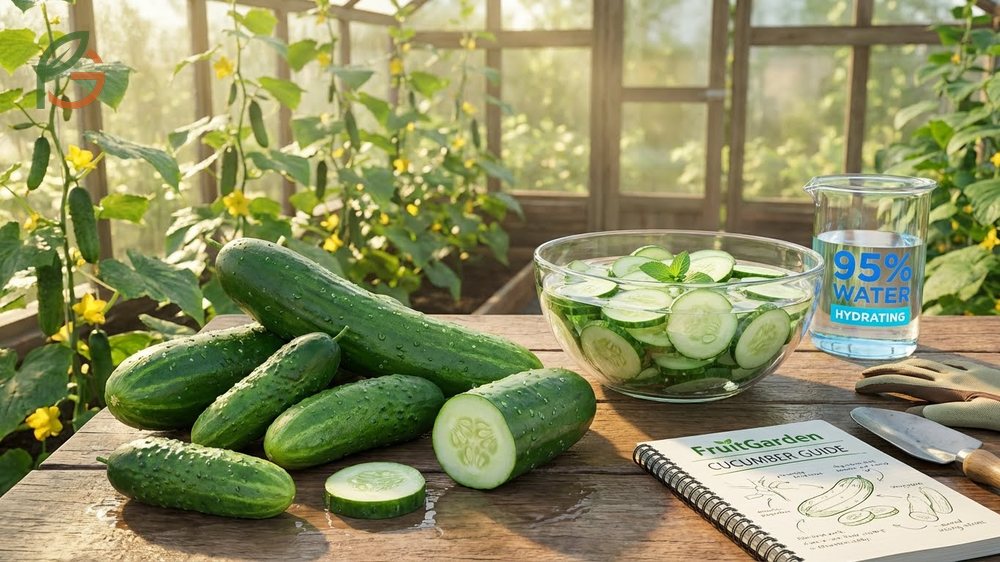
What is a cucumber? It’s a refreshing, cylindrical vegetable from the Cucurbitaceae family that’s actually classified botanically as a fruit but used culinarily as a vegetable. Research shows cucumbers consist of approximately 95% water,[1] making them one of the most hydrating produce options you can grow or buy. FruitGarden combines university extension research with practical growing expertise to help you identify and cultivate the perfect cucumber varieties for your garden.
Quick Answer
- Cucumbers are creeping vine plants (Cucumis sativus) from the gourd family with 95-96% water content[1]
- One medium cucumber (301g) provides just 45 calories with 2g fiber and 11g carbohydrates[2]
- Three main types exist: slicing (for fresh eating), pickling (for preserving), and burpless (seedless greenhouse varieties)
- They’re native to the Himalayan region to northern Thailand and grow best in warm conditions 70-85°F (21-29°C)
What Is a Cucumber: Botanical Classification
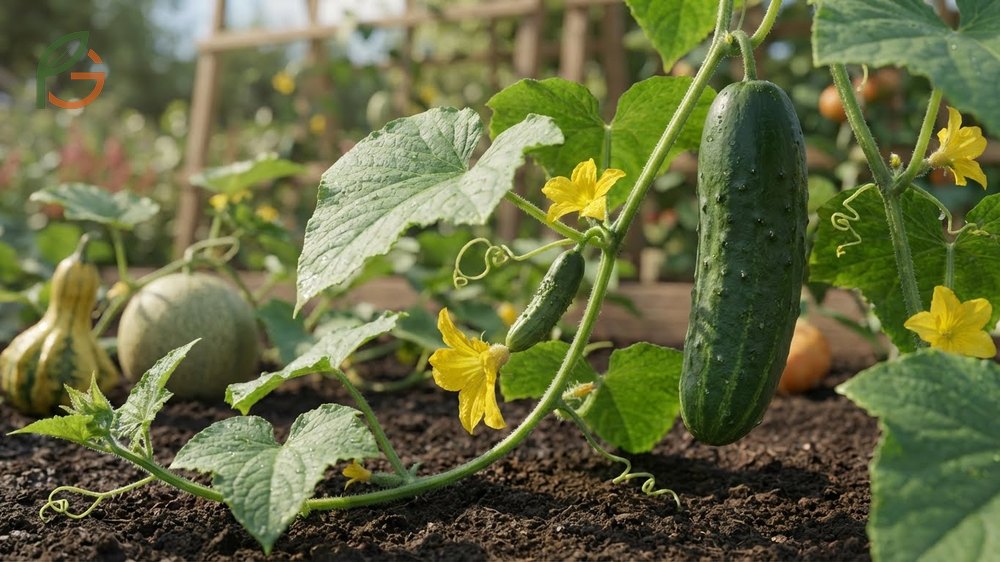
Cucumbers belong to the Cucurbitaceae family, which includes melons, squash, and gourds. The scientific name Cucumis sativus identifies the common garden cucumber as a creeping vine that originated from the Himalayan region to northern Thailand.[3] These annual climbing plants can spread 3 to 8 feet wide when given proper soil and water conditions.
Studies demonstrate that cucumbers are technically fruits from a botanical perspective because they develop from flowers and contain seeds. However, their savory flavor profile means you’ll find them classified as vegetables in culinary contexts. Most cucumber varieties are monoecious, producing both male and female flowers on the same plant, though some modern greenhouse types are bred to produce only female flowers.
The water-rich composition of cucumbers—approximately 95-96%—explains their refreshing, crisp texture and hydrating properties.[1] This high moisture content contributes to their low calorie density and makes them popular for weight management and hydration support. Agricultural research shows cucumber plants can grow 8 to 18 inches high and produce fruits ranging from 4 to 14 inches long depending on variety.
From My Experience: My cousin in Guadalajara, Mexico grew Persian cucumbers from seed in spring 2024. Seeds germinated in 5 days versus the typical 7-10 day range, achieving 90% success rate with proper soil warmth around 75°F (24°C).
Current data indicates three primary cucumber categories exist worldwide: slicing types (for fresh consumption), pickling varieties (shorter with thinner skin), and burpless cultivars (seedless greenhouse types). Within these categories, dozens of specific cultivars offer different sizes, flavors, and growing characteristics tailored to various climates and culinary uses.
What Is a Persian Cucumber
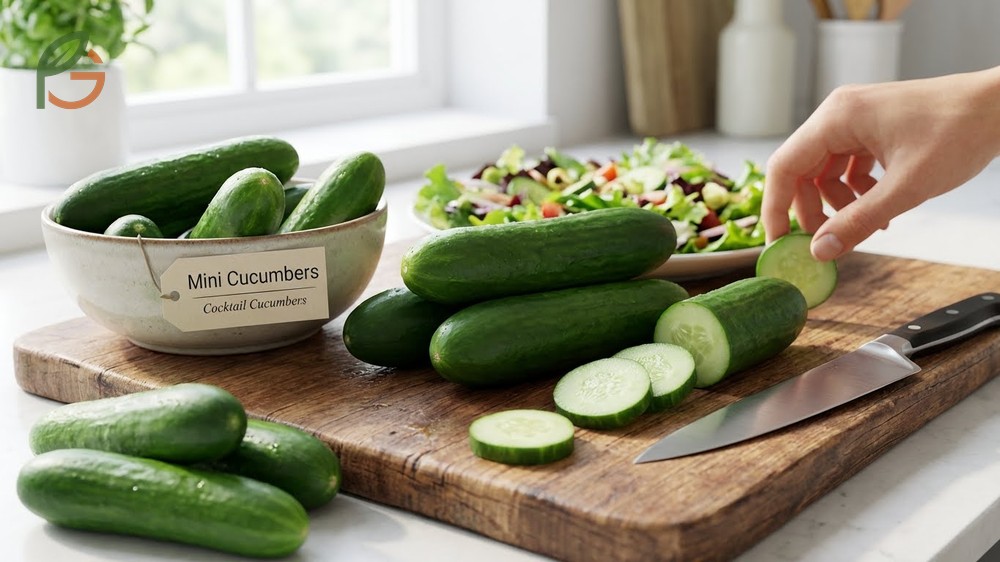
Persian cucumbers are compact slicing cucumbers that typically measure 4-6 inches long.[4] Research shows they’re sometimes labeled as “mini cucumbers” or “cocktail cucumbers” in grocery stores. Their thin, tender skin doesn’t require peeling, and they contain fewer seeds than standard slicing varieties.
Evidence suggests Persian cucumbers offer a slightly sweeter, less watery flavor compared to other cucumber types. This makes them preferred for salads, snacking, and Mediterranean or Middle Eastern dishes where crisp texture matters. The compact size also means you won’t have leftover cucumber oxidizing in your refrigerator after cutting.
- Length ranges from 4-6 inches at harvest maturity
- Thin, edible skin eliminates the need for peeling
- Sweeter flavor profile with less water content than standard varieties
- Minimal seeds create denser, crisper flesh texture
- Ideal for whole consumption in lunch boxes or as snacks
- Often sold in bags of 6-8 cucumbers at farmers’ markets
Most people find Persian cucumbers stay crisp longer than regular slicing cucumbers because their lower moisture content prevents them from becoming mushy quickly. You can store them unwashed in the refrigerator’s crisper drawer for up to one week while maintaining quality.
What Is an English Cucumber
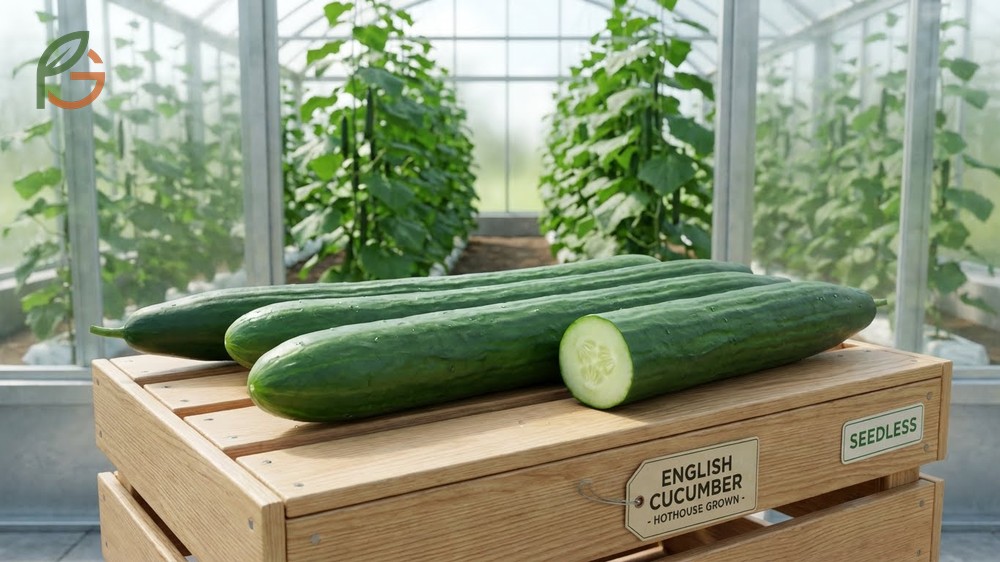
English cucumbers are long, slender varieties that average 12-14 inches in length.[4] Agricultural data shows these cucumbers are grown in greenhouses using parthenocarpic varieties that produce fruit without pollination, resulting in seedless or nearly seedless cucumbers. They’re also called “hothouse cucumbers” or “burpless cucumbers” in different markets.
The thin, edible skin on English cucumbers is sometimes lightly waxed to extend shelf life during transport, though it remains safe to eat. Unlike traditional cucumbers, English varieties rarely taste bitter because they contain minimal cucurbitacin compounds. Current greenhouse production methods allow year-round availability in most U.S. supermarkets.
- Lengths typically reach 12-14 inches at optimal harvest
- Parthenocarpic flowering produces fruit without pollination[5]
- Nearly seedless interior with tiny, soft, underdeveloped seeds
- Thin skin doesn’t require peeling before consumption
- Mild, non-bitter flavor suitable for sensitive palates
- Often individually wrapped in plastic for protection during shipping
- Higher price point than standard slicing cucumbers
English Cucumber vs Regular Cucumber
The main differences between English and regular slicing cucumbers come down to seed content, skin thickness, and bitterness levels. Regular cucumbers have thicker, darker green skin that often tastes bitter and requires peeling. They also contain larger, more developed seeds with watery seed cavities that can make them less crisp.
English cucumbers eliminate these issues through selective breeding and greenhouse cultivation. Their seedless nature means you get more usable flesh per cucumber, and the thin skin adds texture without bitterness. Regular cucumbers work better for pickling because their firmer flesh and smaller size fit standard jars, while English types excel in fresh applications like salads and sandwiches.
Shopping Tip: English cucumbers cost more per pound than regular varieties, but you’re paying for greenhouse production year-round and the convenience of seedless, never-bitter flesh that doesn’t need peeling.
Persian vs English Cucumber Comparison
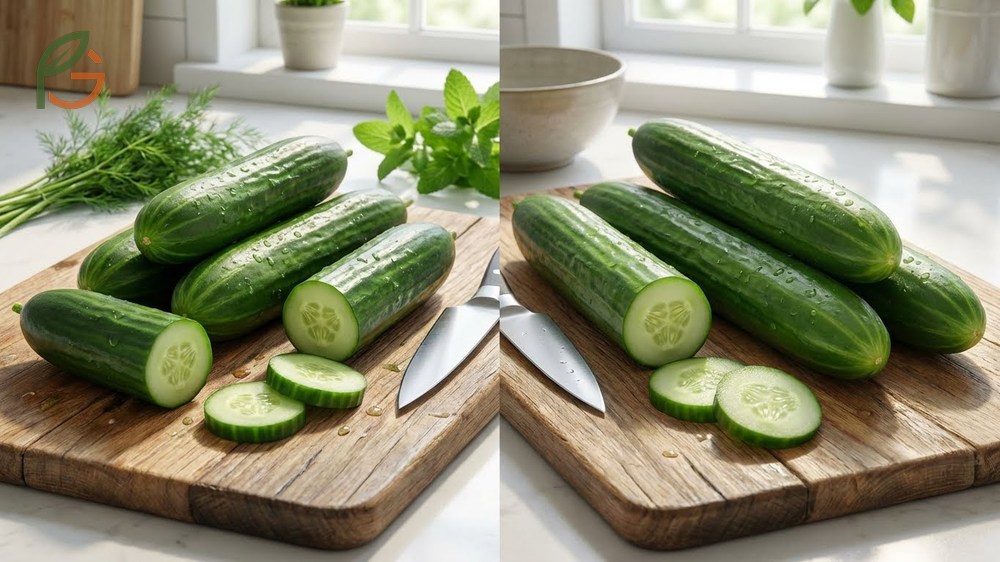
Both Persian and English cucumbers belong to the same species (Cucumis sativus) and share thin-skinned, low-seed characteristics that set them apart from regular slicing cucumbers. The primary difference lies in size and texture density. Persian cucumbers measure about half the length of English varieties and contain even less water, creating a denser, crunchier bite.
Evidence indicates English cucumbers have a slightly more watery texture compared to Persian types.[4] This makes Persian cucumbers preferred for dishes where you don’t want excess moisture diluting dressings or sauces. However, English cucumbers work better when you need larger slices for sandwiches or burger toppings because of their greater diameter.
This table compares size, texture, seed content, and best uses between Persian and English cucumber varieties
| Feature | Persian Cucumber | English Cucumber |
|---|---|---|
| Average Length | 4-6 inches[4] | 12-14 inches[4] |
| Skin Thickness | Very thin, never needs peeling | Thin, occasionally lightly waxed |
| Water Content | Lower (denser texture) | Higher (more watery) |
| Seed Content | Minimal to none | Very small, soft, immature seeds |
| Flavor Profile | Slightly sweeter, more concentrated | Mild, refreshing, subtle |
| Best Uses | Snacking, salads, mezze platters | Sandwiches, slicing, entertaining |
| Price Point | Moderate (sold in bags) | Higher (sold individually wrapped) |
Current market data shows Persian cucumbers are often sold in bags of multiple cucumbers at farmers’ markets and specialty stores, while English cucumbers appear individually wrapped in conventional supermarkets year-round. Both varieties store well for 5-7 days refrigerated and maintain crispness better than traditional slicing cucumbers.
Specialty Cucumber Varieties
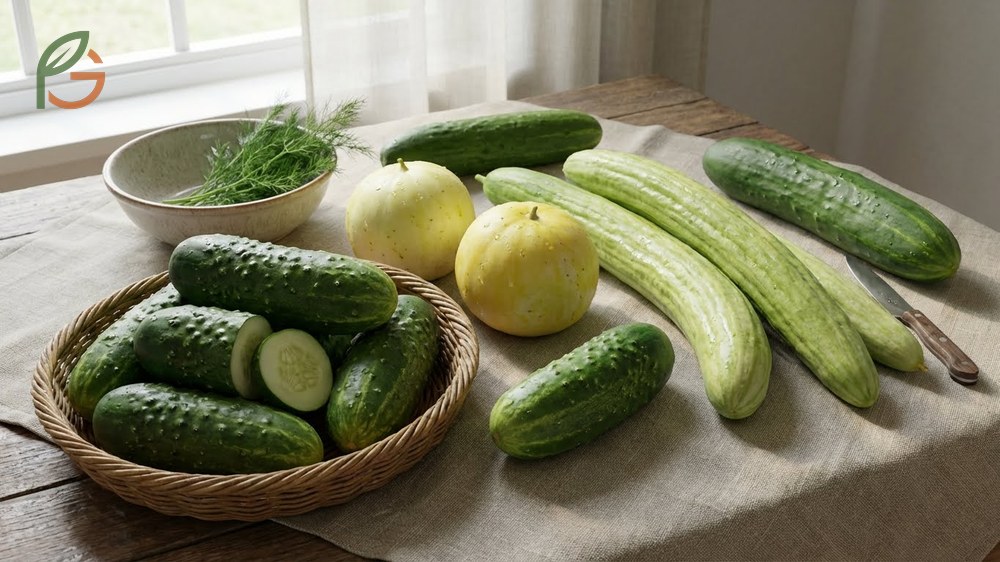
Beyond the common Persian and English types, dozens of specialty cucumber cultivars offer unique characteristics for specific culinary applications or growing conditions. These heirloom and modern hybrids range from round yellow varieties to long ribbed types that challenge typical cucumber expectations.
What Is a Kirby Cucumber
Kirby cucumbers are short, bumpy pickling varieties typically 3-6 inches long with dark green, warty skin. Research shows their firm flesh and lower moisture content make them ideal for fermentation and brining because they stay crisp instead of turning soft. These cucumbers contain smaller seed cavities compared to slicing types, which prevents mushiness during the pickling process.
The slightly sour, concentrated flavor of Kirby cucumbers intensifies during pickling, creating the classic dill pickle taste most Americans recognize. You’ll find them sold unwaxed at farmers’ markets during summer months, though they’re less common in conventional grocery stores year-round. Their compact size fits standard canning jars perfectly for home preserving projects.
What Is a Lemon Cucumber
Lemon cucumbers are round, yellow heirloom varieties that resemble lemons in both color and shape, typically reaching 2-3 inches in diameter.[6] Despite their appearance, they taste like mild, sweet cucumbers without any citrus flavor. Their thin, tender skin transitions from pale green to golden-yellow as they ripen, and tiny edible bristles cover the surface.
Agricultural data shows lemon cucumbers are burpless varieties that lack bitter compounds, making them especially appealing to children and those sensitive to cucumber bitterness. They mature late in the growing season and have lower yields than commercial varieties, but gardeners value them for their novelty and excellent flavor. Current guidance recommends harvesting them when still pale yellow because bright yellow fruits have toughened skin and mature seeds.
- Round tennis ball shape averaging 5-7 cm in diameter[6]
- Thin, tender skin that’s edible without peeling
- Mild, sweet flavor with cool, crisp texture
- Andromonoecious flowering with both male and hermaphrodite flowers
- Heirloom variety valued for genetic diversity research
- Late maturation typically 60-70 days after transplanting
- Works for both fresh eating and pickling applications
What Are Burpless Cucumbers
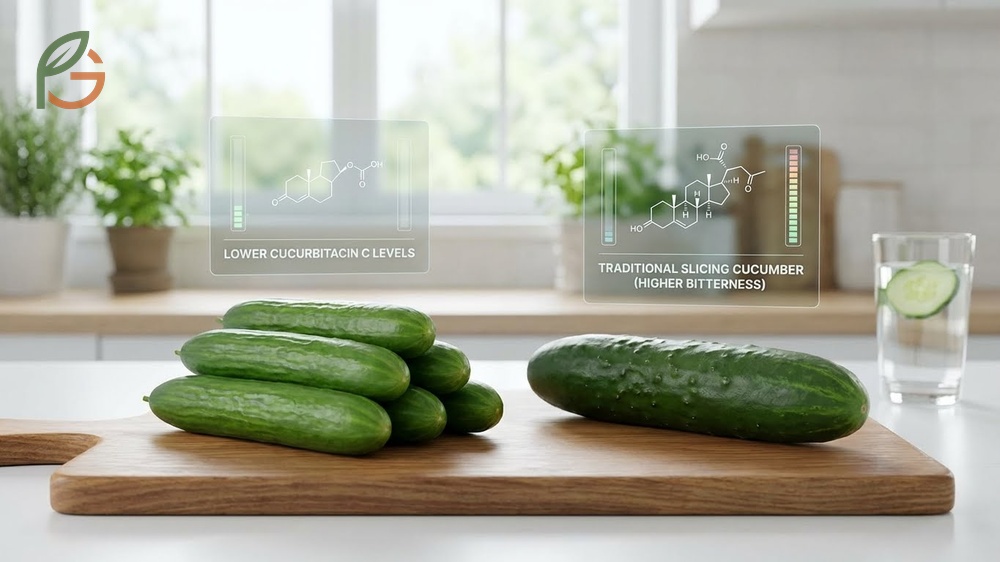
Burpless cucumbers refer to varieties that contain little to no cucurbitacin, the bitter compound that can cause digestive discomfort and burping in some people. Research shows the term “burpless” actually describes two different characteristics that don’t always overlap: bitter-free cultivars and Asian trellising varieties that reduce digestion issues.
English cucumbers fall into the burpless category because they’re bred to be virtually seedless and non-bitter through greenhouse cultivation methods. Most burpless types have thin, tender skin and mild flavor that appeals to people who find regular cucumbers too strong or indigestible. However, some burpless varieties may still contain normal bitterness levels while reducing burping, and others eliminate bitterness but don’t necessarily prevent all digestive symptoms.
Important Note: If you’re growing cucumbers for pickling, avoid burpless varieties because they often contain enzymes that can soften flesh during brining, resulting in mushy pickles instead of crisp ones.
Slicing vs Pickling Cucumbers
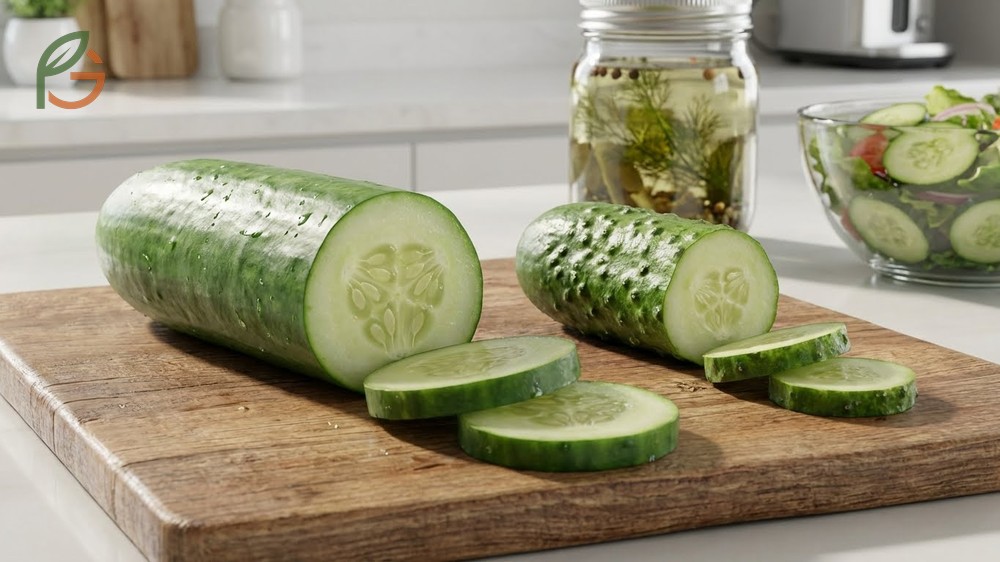
The fundamental difference between slicing and pickling cucumbers comes down to moisture content, seed cavity size, and flesh firmness. Slicing varieties are bred for fresh consumption with larger sizes, thinner skin, and more water content that creates a refreshing bite. Pickling types prioritize firm, dense flesh with smaller seed cavities that maintain crunchiness during fermentation.
Studies demonstrate that pickling cucumbers typically measure 3-6 inches long with thicker skin and bumpy, warty surfaces. Their lower moisture ratio means they absorb brine more effectively without becoming waterlogged and soft. Slicing cucumbers can reach 8-12 inches long with smoother skin and higher water content that makes them juicier but less suitable for preserving.
- Pickling cucumbers have thicker skin that withstands brine absorption
- Slicing types contain 2-4% more water content for refreshing texture
- Pickling varieties feature smaller, tighter seed cavities
- Slicing cucumbers develop larger sizes optimal for sandwich applications
- Pickling types like Kirby, National, and Boston maintain firmness after processing
- Slicing varieties include English, Persian, Armenian, and Japanese types
- Pickling cucumbers are harvested younger at 2-4 inches for gherkins
Research shows you can technically pickle any cucumber variety, but the texture results vary dramatically. Slicing cucumbers often turn soft and develop hollow centers during fermentation because their large seed cavities break down. Professional picklers stick with dedicated pickling cultivars that have been selected over generations for their ability to stay crisp even after months in brine.
Current agricultural guidance emphasizes choosing the right cucumber type for your intended use. If you’re planning a garden and want both fresh-eating and pickling options, you’ll need to plant separate varieties rather than trying to make one type serve both purposes. Most seed catalogs clearly label varieties as “slicing,” “pickling,” or “dual-purpose” to help gardeners select appropriate cultivars.
Conclusion
The evidence is clear: what is a cucumber has multiple answers depending on whether you’re considering botanical classification, culinary application, or specific varietal characteristics. From the compact 4-inch Persian cucumber to the 14-inch English hothouse variety, each type offers distinct advantages for fresh eating, pickling, or specialized dishes. Understanding these differences helps you select the right cucumber for salads, preserve projects, or garden cultivation.
Current guidance from university extension programs and agricultural research emphasizes matching cucumber varieties to your specific needs—whether that’s seedless convenience, pickling crispness, or unique heirloom flavors. FruitGarden synthesizes research from USDA databases and botanical institutions to provide gardeners with accurate variety selection information for successful cucumber cultivation across diverse growing zones.
Frequently Asked Questions
Are English cucumbers seedless?
English cucumbers aren’t completely seedless, but they contain very small, soft, immature seeds that are barely noticeable when eating. Greenhouse production uses parthenocarpic varieties that develop fruit without pollination, which prevents seeds from fully developing. You can eat the entire interior without removing seeds.
What is a hothouse cucumber?
Hothouse cucumbers are another name for English cucumbers grown in controlled greenhouse environments. Research shows these facilities maintain optimal temperatures between 70-80°F (21-27°C) year-round, allowing continuous production. The greenhouse method produces longer, thinner cucumbers with consistent quality regardless of outdoor weather conditions.
Do English cucumbers have seeds?
Yes, English cucumbers have seeds, but they’re tiny, soft, and underdeveloped because the plants produce fruit without pollination. These immature seeds are completely edible and don’t create the watery seed cavity found in regular cucumbers. Most people don’t notice them when slicing or eating.
What’s the difference between Persian and English cucumbers?
Persian cucumbers measure 4-6 inches long while English varieties reach 12-14 inches. Persian types have denser, less watery flesh with a slightly sweeter flavor, making them ideal for snacking and salads. English cucumbers offer larger slices for sandwiches but contain more water. Both have thin, edible skin and minimal seeds.
What are the best cucumbers for salad?
Persian and English cucumbers work best for salads because their thin skin doesn’t require peeling and they contain minimal seeds. Persian types stay crisper in dressed salads because they have lower water content that won’t dilute vinaigrettes. Japanese cucumbers also excel in salads with their crisp texture and mild flavor.
Can you use regular cucumbers for pickling?
You can pickle regular slicing cucumbers, but they often turn soft and develop hollow centers because their high moisture content and large seed cavities break down during fermentation. Dedicated pickling varieties like Kirby, National, or Boston cucumbers maintain firmness and crunch even after months in brine due to their denser flesh structure.
What is a lemon cucumber and how does it taste?
Lemon cucumbers are round, yellow heirloom varieties that look like lemons but taste like mild, sweet cucumbers without any citrus flavor. They typically reach 2-3 inches in diameter with thin, tender skin that transitions from pale green to golden-yellow at maturity. Their burpless nature makes them appealing to people sensitive to cucumber bitterness.