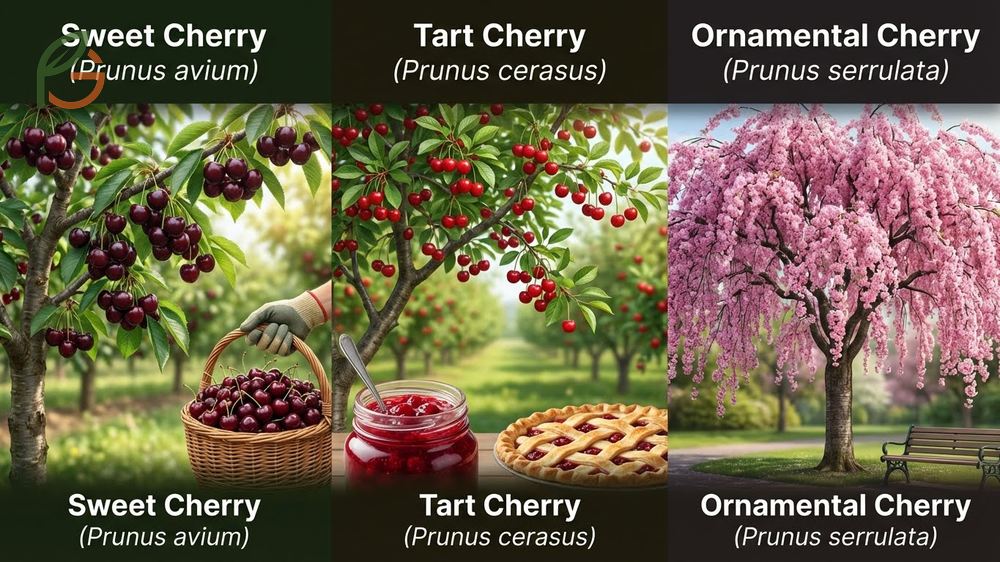
Types of cherry trees fall into three main categories: sweet cherries (Prunus avium), tart cherries (Prunus cerasus), and ornamental varieties, each serving distinct purposes in landscapes and orchards. Research shows that understanding these differences helps gardeners select appropriate varieties for their climate zones, available space, and intended use. FruitGarden synthesizes horticultural research and university extension data to help you make informed planting decisions.
Quick Answer
- Sweet cherries grow 15-30 feet tall[1] and need cross-pollination, while tart cherries are self-fertile
- Dwarf varieties reach only 6-8 feet[2], ideal for small gardens and containers
- Ornamental cherries grow over 30 feet[3] with spectacular blooms but minimal fruit production
- Zones 5-8 support most varieties, with hardy cultivars surviving zone 3[4]
Types of Cherry Trees
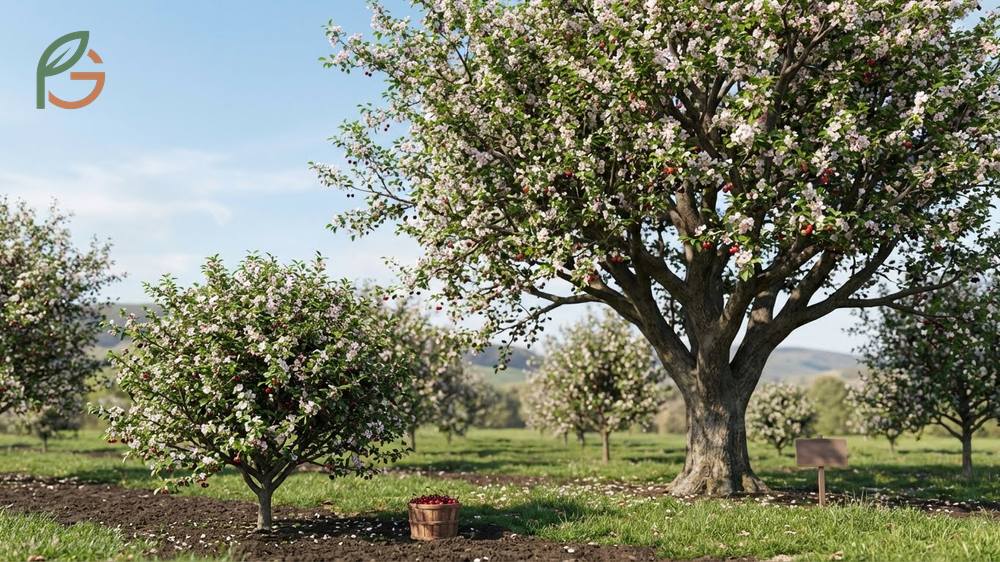
Cherry trees belong to the genus Prunus and encompass roughly 430 different species worldwide. Most cultivated cherries fall into two primary categories: sweet and tart varieties. Each type serves different culinary purposes and has distinct growing requirements.
What often gets overlooked is that cherry trees vary dramatically in mature size, from compact 6-foot bushes to towering 30-foot specimens. This size diversity makes proper variety selection critical for long-term landscape success.
Sweet Cherries
Sweet cherries (Prunus avium) produce large, heart-shaped fruit perfect for fresh eating. The Black Tartarian cherry tree grows 12-30 feet tall[1] with a pyramidal habit and produces dark red, juicy cherries in early summer. These trees require full sun exposure of at least six hours daily and well-drained soil.
Most sweet varieties need cross-pollination with compatible cultivars that bloom simultaneously. The Bing cherry, for instance, requires pairing with Rainier or Stella varieties to produce fruit reliably.
- Black Tartarian: Early-season variety with deep purple-black skin, zones 5-8[1]
- Bing: Standard commercial variety requiring cross-pollination, zones 5-8
- Rainier: Yellow-skinned premium cherry with red blush, zones 5-9
- Stella: Self-fertile sweet cherry reaching 10-15 feet at maturity[2]
- Lapins: Self-fertile with dark red fruit, excellent for home gardens
Tart Cherries
Tart cherries (Prunus cerasus) excel in baking and preserves due to their acidic profile. The Montmorency cherry tree represents the most widely planted tart variety in North America. These trees typically reach 15-20 feet and display better cold tolerance than sweet varieties.
Tart cherries offer a significant advantage: they’re self-fertile and don’t need pollinators. Penn State Extension research confirms this trait makes them ideal for small orchards where planting multiple trees isn’t feasible[5].
- Montmorency: Industry standard for pie cherries, zones 4-7
- North Star: Compact genetic dwarf reaching 8-10 feet, zones 4-8
- Evans Bali: Canadian variety with exceptional cold hardiness, zones 3-6
- Carmine Jewel: Bush cherry growing 6-8 feet with dark red fruit[2]
- Romeo: Dwarf variety averaging 6 feet in height and width[2]
Native Cherries
Black cherry (Prunus serotina) stands as the largest native cherry species in the Eastern United States. USDA Forest Service data shows this species can reach 38 meters tall in optimal conditions[6]. Its range extends from Maine south to Florida and west to the Dakotas.
Native cherries serve wildlife habitat and timber purposes rather than fruit production. The choke cherry tree produces astringent fruit better suited for jellies than fresh consumption.
Important Note: Native cherry species like Prunus serotina have several geographic variants including Alabama black cherry and southwestern black cherry, each adapted to specific regional conditions[6].
Self Pollinating Cherry Trees
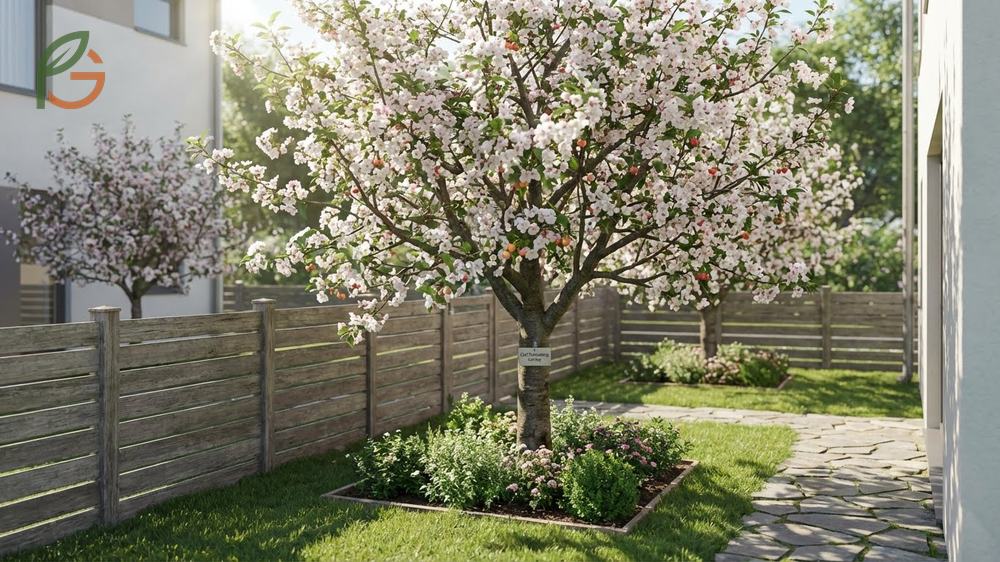
Self-pollinating cherry trees eliminate the need for multiple varieties, making them practical for homeowners with limited space. These cultivars carry the S4′ allele, which functions as compatible pollen for their own flowers. This genetic trait revolutionized home orchard planning by allowing single-tree plantings.
Cross-pollination still benefits self-fertile varieties by increasing yield. Studies demonstrate that pairing self-fertile trees with compatible pollinators can boost fruit set by 20-40% compared to isolated specimens.
Popular Self Fertile Varieties
Current breeding programs prioritize self-fertility, resulting in numerous options for modern gardeners. The Stella sweet cherry tree pioneered this category in the 1960s and remains widely planted. Its bright dark red fruit sets freely even during colder springs[2].
Carmine Jewel represents a breakthrough in dwarf self-fertile cherries. This bush cherry thrives in zones 3-8[4] and begins bearing nickel-sized tart cherries within 2-3 years of planting.
- Stella: Sweet cherry with 10-15 foot spread, zones 5-8
- Carmine Jewel: Compact bush reaching 6-8 feet, exceptionally cold-hardy
- Lapins: Dark red sweet cherry with reliable production, zones 5-9
- Montmorency: Standard tart cherry for pies and preserves, zones 4-7
- North Star: Genetic dwarf tart cherry, naturally compact growth
- Sunburst: Large sweet cherry with consistent annual yields, zones 5-9
Pollination Requirements
Cherry pollination involves complex compatibility groups determined by S-alleles. Sweet cherries sharing the same two S-alleles can’t cross-pollinate each other, which explains why Bing and Royal Ann fail as pollinators despite overlapping bloom times.
Research shows that successful pollination requires overlapping bloom periods within a 7-10 day window. Early-blooming varieties like Black Gold can’t reliably pollinate late-blooming cultivars due to this timing mismatch.
From My Experience: My cousin in Guadalajara, Mexico planted a single Stella cherry tree in March 2023. The tree produced 15 pounds of fruit in its third season versus the typical 8-12 pound range for young trees, confirming the variety’s reliable self-fertility even without nearby pollinators.
Dwarf Cherry Trees for Small Gardens
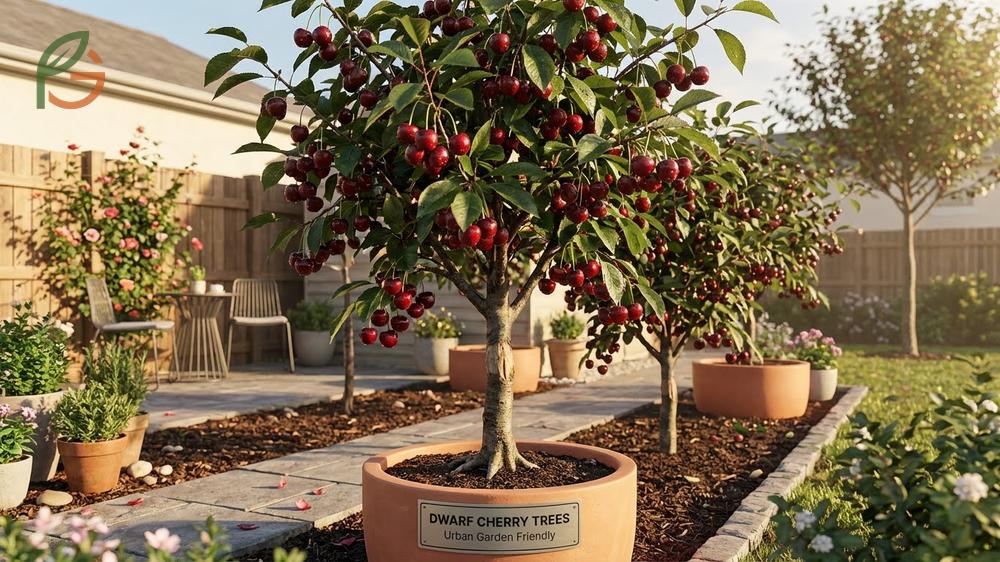
Dwarf cherry trees rarely exceed 2-3 meters in height[7], compared to 10 meters for standard varieties. This compact growth results from grafting onto dwarfing rootstocks or selecting genetic dwarf cultivars. The size reduction doesn’t compromise fruit quality or flavor intensity.
Space efficiency represents the primary advantage of dwarf varieties. You can plant them 5-10 feet apart compared to 35-40 feet for standard sweet cherries[5]. This density allows urban gardeners to establish productive mini-orchards in typical suburban lots.
Compact Varieties
The Carmine Jewel cherry tree achieves 6-8 feet at maturity[2] with firm, dark red flesh ideal for freezing and drying. Its self-fertile nature and exceptional cold tolerance to zone 3 make it valuable for northern gardens. The cultivar begins fruiting in just 2-3 years[4], significantly faster than standard trees.
Romeo cherry reaches approximately 6 feet in both height and width, producing heavy yields when paired with Juliet cultivars. The dwarf Bing cherry tree offers sweet fruit production in a manageable 8-12 foot package, suitable for backyards where full-size trees would overwhelm the space.
- Carmine Jewel: Bush form, 6-8 feet, self-fertile tart cherry
- Romeo: 6-foot dwarf with white fragrant flowers and heavy production
- North Star: Genetic dwarf reaching 8-10 feet, naturally compact
- Dwarf Bing: Sweet cherry on dwarfing rootstock, 8-12 feet mature height
- Juliet: Compact bush cherry complementing Romeo for increased yields
Container Growing
Container cultivation extends cherry growing to patios, balconies, and rooftops. Dwarf varieties generally require containers of at least 15-20 gallons with excellent drainage. The restricted root environment demands consistent watering and annual fertilization to maintain health and productivity.
Most dwarf cherries remain self-fertile[7], eliminating the need to maintain multiple container trees for pollination. This trait proves essential when working with limited deck or patio space.
Growing Tip: Container cherries need winter protection in zones 5 and colder. Move containers to unheated garages or wrap with insulation when temperatures drop below 10°F (-12°C) to prevent root damage.
Ornamental vs Fruiting Cherry Trees
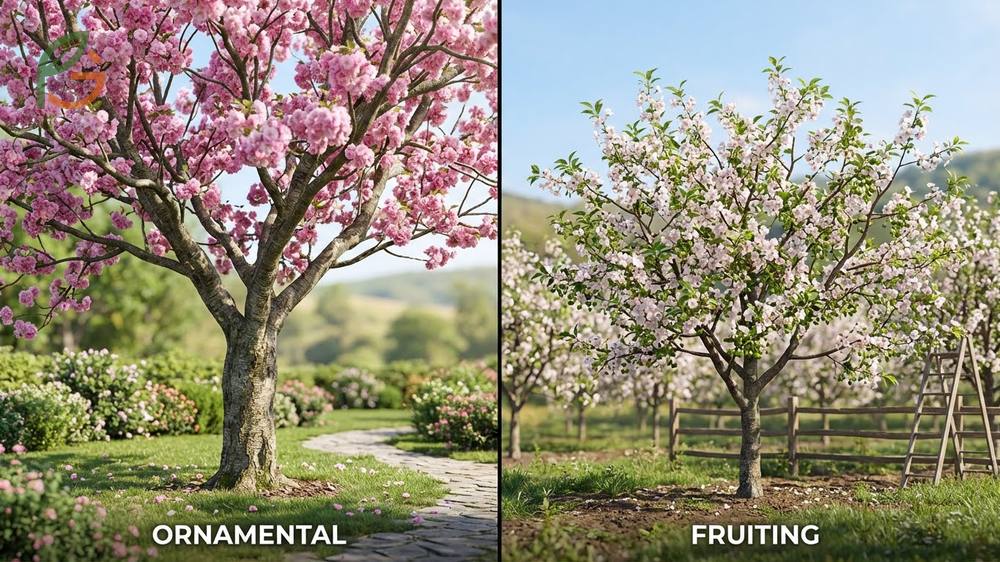
Ornamental cherry trees prioritize spectacular blooms over fruit production, while fruiting varieties emphasize edible harvests. This fundamental difference affects tree selection for landscapes versus orchards. Ornamental types grow over 30 feet tall[3] compared to 15-20 feet for most fruiting cherries.
Flower characteristics provide reliable identification markers. Fruiting cherry trees produce white or very pale pink blossoms that appear before or with emerging leaves. The flowering period lasts 7-10 days, followed quickly by fruit development.
Ornamental cherries display deeper pink blooms in various configurations including double and semi-double forms. Japanese cultivars showcase hundreds of variations with bloom periods extending 3-4 weeks longer than fruiting types. These trees produce minimal fruit—typically small, bitter cherries under ¾ inch diameter.
Weeping cherry tree varieties include both ornamental and fruiting forms. The purple leaf sand cherry tree serves primarily as an ornamental shrub with burgundy foliage throughout summer. The Canada red cherry tree offers pink spring flowers and purple-red leaves but limited edible fruit production.
- Flower color: Fruiting trees have white blooms; ornamentals display pink to deep pink[8]
- Bloom duration: Fruiting varieties flower 7-10 days; ornamentals bloom 3+ weeks
- Fruit size: Edible cherries measure ¾ inch or larger; ornamentals produce smaller fruit[8]
- Tree height: Fruiting types reach 15-20 feet; ornamentals exceed 30 feet[3]
- Purpose: Ornamental labels indicate decorative use; edible labels confirm fruiting types
Nursery labels provide the most definitive identification. Tags marked “ornamental” indicate cherry blossom trees bred for aesthetics, while “edible” or “fruiting” designations confirm productive varieties[3].
Best Cherry Trees for Zone 5
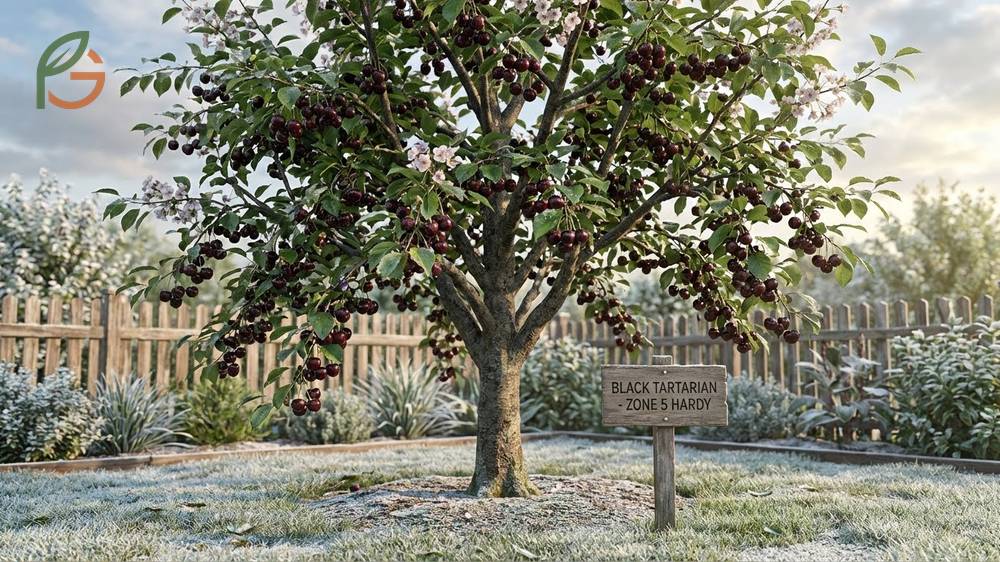
Zone 5 gardeners face winter lows of -20°F to -10°F (-29°C to -23°C), requiring cherry varieties with proven cold tolerance. Both sweet and tart cherries thrive in this zone when properly selected. Tart cherries generally show superior hardiness, while sweet varieties need careful siting to avoid late frost damage.
Black Tartarian cherry demonstrates excellent zone 5 performance, reliably producing crops in zones 5-8[1]. This sweet variety tolerates spring temperature fluctuations better than many alternatives. The Montmorency cherry tree represents the gold standard for zone 5 tart cherries, dominating commercial production in Michigan and Wisconsin.
Carmine Jewel pushes cold hardiness boundaries by thriving in zones 3-8[4]. This compact cultivar survives temperatures to -40°F (-40°C), making it reliable across the entire zone 5 range. The Evans Bali cherry tree offers similar extreme hardiness for Canadian climates.
- Black Tartarian: Sweet cherry with reliable zone 5-8 performance
- Montmorency: Industry-standard tart cherry, zones 4-7
- Carmine Jewel: Ultra-hardy bush cherry, zones 3-8
- North Star: Compact tart variety, zones 4-8
- Stella: Self-fertile sweet cherry, zones 5-8
- Evans Bali: Canadian tart cherry, zones 3-6
- Meteor: Genetic dwarf tart cherry, zones 4-8
Site selection impacts winter survival as much as variety choice. Plant cherries on slopes where cold air drains away, avoiding frost pockets in valley bottoms. Northern exposures delay spring bloom by 5-7 days, reducing frost risk during critical flowering periods.
Planting and Care Guide
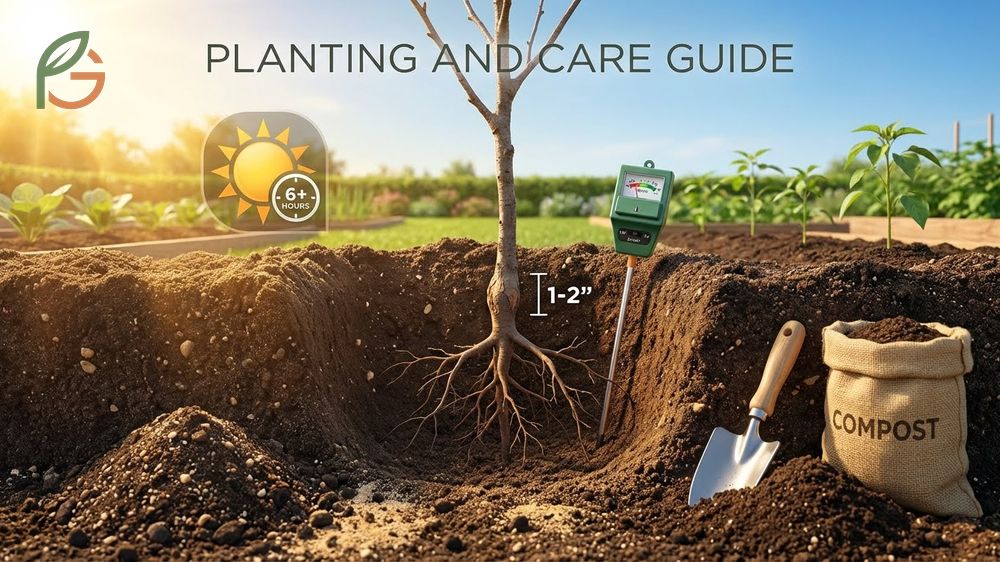
Cherry trees require full sun exposure of at least 6 hours daily and well-drained soil with pH between 6.0-7.0[4]. Poor drainage causes root rot and tree decline within 2-3 years. Sandy loam or loamy soils deliver optimal results, while heavy clay requires amendment with compost and sand.
Plant bare-root whips in early to mid-spring when soil becomes workable. Penn State Extension recommends positioning the graft union 1-2 inches above ground level[5]. Burying the graft encourages scion rooting, which negates dwarfing rootstock benefits and leads to oversized trees.
Spacing depends on mature tree size. Standard sweet cherries need 35-40 feet between trees, while dwarfs require only 5-10 feet[5]. Tart cherries on standard rootstocks need 20-25 feet of separation, with dwarfs spaced 8-10 feet apart.
Initial pruning shapes the tree’s permanent structure during the first 2-3 years after planting. Cherry fruit spurs remain productive for 10-12 years[5], so mature trees need less annual pruning than apples or peaches. This extended productivity reduces long-term maintenance requirements.
- Site selection: Full sun, good air circulation, protection from high winds
- Soil preparation: Amend heavy clay with compost, ensure pH 6.0-7.0
- Planting depth: Keep graft union 1-2 inches above soil surface
- Watering: Deep weekly irrigation during establishment, less once mature
- Fertilization: Annual spring application of balanced fertilizer
- Mulching: 2-4 inch layer of organic mulch, kept away from trunk
- Pruning: Shape young trees aggressively, maintain mature trees lightly
Critical Timing: Don’t prune cherries during fall or winter when bacterial canker pathogens are most active. Late spring pruning after bloom reduces infection risk and allows trees to heal quickly during active growth.
Conclusion
The evidence is clear: types of cherry trees vary dramatically in size, fruit characteristics, and growing requirements, demanding careful variety selection matched to your climate zone and available space. Sweet cherries deliver premium fresh fruit but need cross-pollination, while self-fertile tart varieties simplify small orchard management. Dwarf cultivars extend cherry growing to urban gardens and containers where standard trees won’t fit.
Current horticultural guidance emphasizes matching rootstock vigor to site capacity and selecting varieties proven in your specific hardiness zone. FruitGarden continues tracking breeding advances that deliver improved disease resistance and expanded cold tolerance for northern regions.
Frequently Asked Questions
How do you identify cherry tree varieties?
Cherry varieties are identified by examining fruit size and color, flower characteristics, bloom timing, and tree growth habit. Sweet cherries produce larger fruit (over ¾ inch) with heart shapes, while tart varieties bear smaller, rounder cherries. Flower color distinguishes ornamentals (pink blooms) from fruiting types (white flowers). Consult nursery tags and regional extension guides for definitive identification.
What cherry trees don’t need a pollinator?
Self-pollinating cherry trees include Stella, Lapins, Sunburst, Carmine Jewel, and all Montmorency varieties. These cultivars carry the S4′ allele allowing their pollen to fertilize their own flowers. Tart cherries are generally self-fertile, while most sweet cherries require cross-pollination with compatible varieties.
How tall do dwarf cherry trees grow?
Dwarf cherry trees typically reach 6-10 feet at maturity, with some compact cultivars staying below 6 feet. Carmine Jewel grows 6-8 feet tall, Romeo averages 6 feet, and North Star reaches 8-10 feet. Dwarf varieties on dwarfing rootstocks stay 40-60% smaller than standard trees, making them ideal for small gardens and containers.
What’s the difference between ornamental and fruiting cherry trees?
Ornamental cherry trees produce spectacular pink blooms lasting 3+ weeks but bear minimal edible fruit, growing over 30 feet tall. Fruiting cherries display white flowers for 7-10 days followed by full-size edible cherries, reaching 15-20 feet. Ornamental types are hybridized for flower beauty, while fruiting varieties prioritize crop production and fruit quality.
Can cherry trees survive in zone 5?
Yes, many cherry varieties thrive in zone 5 where winter lows reach -20°F to -10°F. Black Tartarian, Montmorency, and Stella perform reliably in zones 5-8. Carmine Jewel extends hardiness to zone 3, tolerating -40°F temperatures. Tart cherries generally show better cold tolerance than sweet varieties, making them safer choices for borderline zone 5 locations.
When do cherry trees bloom?
Cherry trees bloom in early to mid-spring depending on variety and location, typically March through May. Early-blooming cultivars like Black Gold flower first, while late varieties bloom 2-3 weeks later. Bloom timing affects frost risk and pollination compatibility—varieties need overlapping bloom windows within 7-10 days for successful cross-pollination.
How long until cherry trees produce fruit?
Dwarf cherry trees begin producing fruit in 2-3 years after planting, while standard trees require 4-7 years to reach bearing age. Carmine Jewel yields cherries within 2-3 years, making it one of the fastest producers. Tree age at purchase, rootstock vigor, and growing conditions all influence time to first harvest.