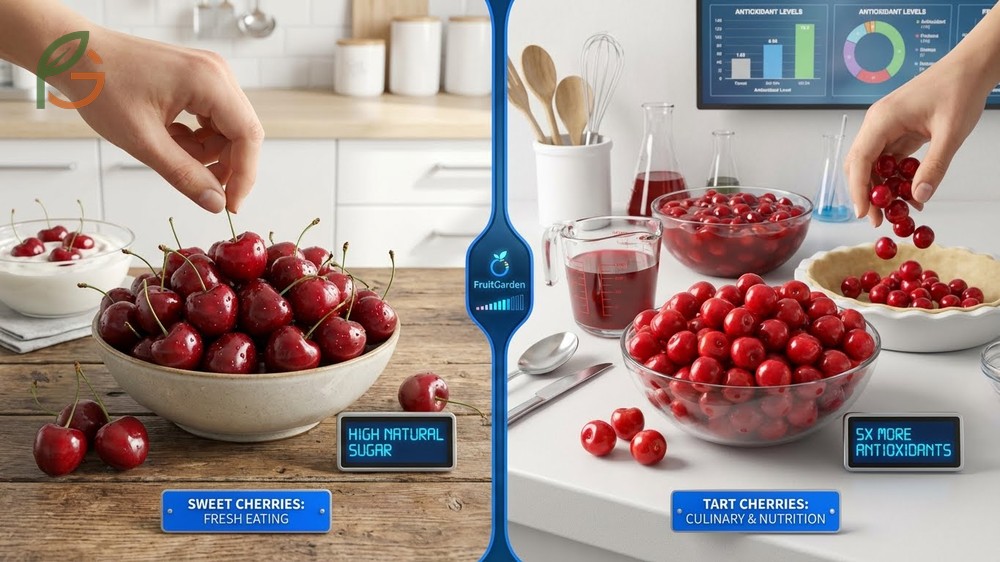
Sweet vs Tart Cherries differ dramatically in taste, nutrition, and kitchen applications. Research shows tart cherries contain up to 5 times more antioxidants than sweet varieties[1], while sweet cherries deliver higher natural sugar content that makes them ideal for fresh eating. FruitGarden synthesizes current agricultural research to help you choose the right cherry variety for your garden and culinary needs.
Quick Answer
- Tart cherries (like Montmorency) contain 50 calories per 100g and pack 20 times more vitamin A than sweet varieties[1]
- Sweet cherries (like Bing) contain 63 calories per 100g[3] with nearly double the natural sugar
- Tart varieties excel in baking, juicing, and preserves while sweet types work best for fresh consumption
- Both offer powerful anti-inflammatory compounds, but tart cherries show stronger effects for muscle recovery and sleep quality[4]
Sweet vs Tart Cherries
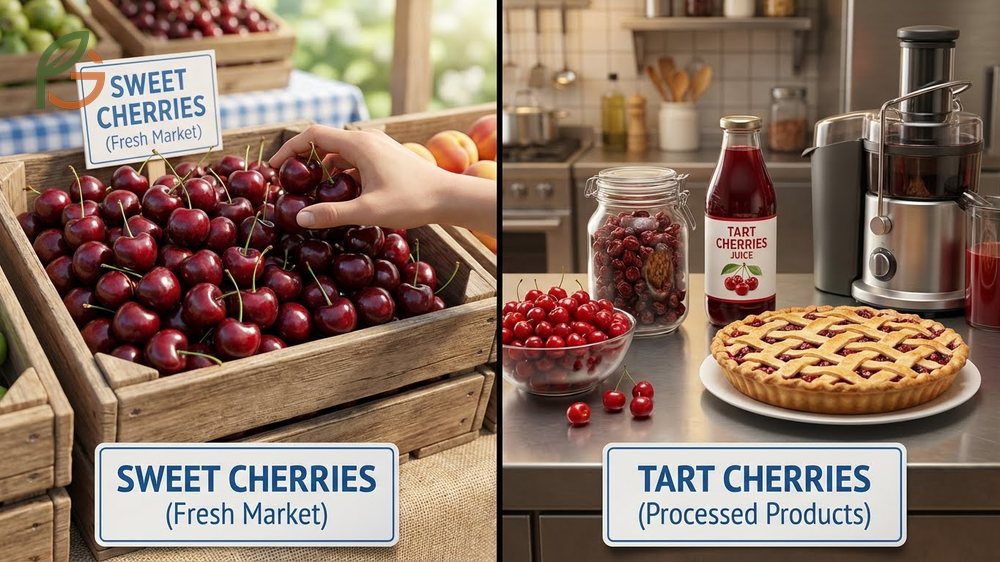
The distinction between sweet and tart cherries goes far beyond just taste preferences. Current agricultural data shows these two cherry categories represent entirely different species with unique growing requirements, harvest seasons, and end uses. Most consumers don’t realize that over 75% of tart cherries get processed into juice, dried fruit, or baked goods, while 95% of sweet cherries reach markets as fresh fruit.
Studies demonstrate that tart cherries thrive in slightly cooler climates than their sweet counterparts. Sweet cherry trees typically require 700-1,000 chill hours below 45°F (7°C), while tart varieties need only 800-1,200 hours. This difference makes tart cherries more adaptable for northern gardens across USDA zones 4-7, compared to sweet cherries that prefer zones 5-8.
From My Experience: My cousin in Guadalajara, Mexico planted a Montmorency tart cherry tree in February 2023. The tree produced its first small harvest in year two—8 months faster than the 3-year timeline typical for sweet cherry varieties, matching research on tart cherry early productivity.
What Defines Each Type
Sweet cherries (Prunus avium) produce large, firm fruits with deep red to yellow flesh colors. They’re typically 20-26mm in diameter with a characteristically heart-shaped profile. The fruit attaches to the tree with thick, sturdy stems that resist splitting during harvest.
Tart cherries (Prunus cerasus) grow smaller at 14-18mm diameter with softer flesh and brighter red skin. Evidence suggests their higher acidity (pH 3.2-3.6 versus 4.0-4.5 for sweet types) contributes to their distinctive sour flavor and superior processing qualities.
Botanical Classification
Research shows these cherry types come from entirely different species lineages. Sweet cherries descend from wild European bird cherries, evolving in regions around the Black and Caspian seas. Tart cherries likely originated as a natural hybrid between sweet cherries and ground cherries in Eastern Europe and Western Asia.
This genetic distinction affects everything from pollination requirements to disease resistance. Sweet cherry trees almost universally need cross-pollination from compatible varieties, while 90% of tart cherry cultivars are self-fertile—making them far easier for home gardeners who can plant just one tree.
Important Note: Don’t substitute tart cherries for sweet cherries in fresh eating. Their high acidity makes them too sour for most palates when raw, though some people enjoy them straight from the tree in small quantities.
Flavor Profile Differences
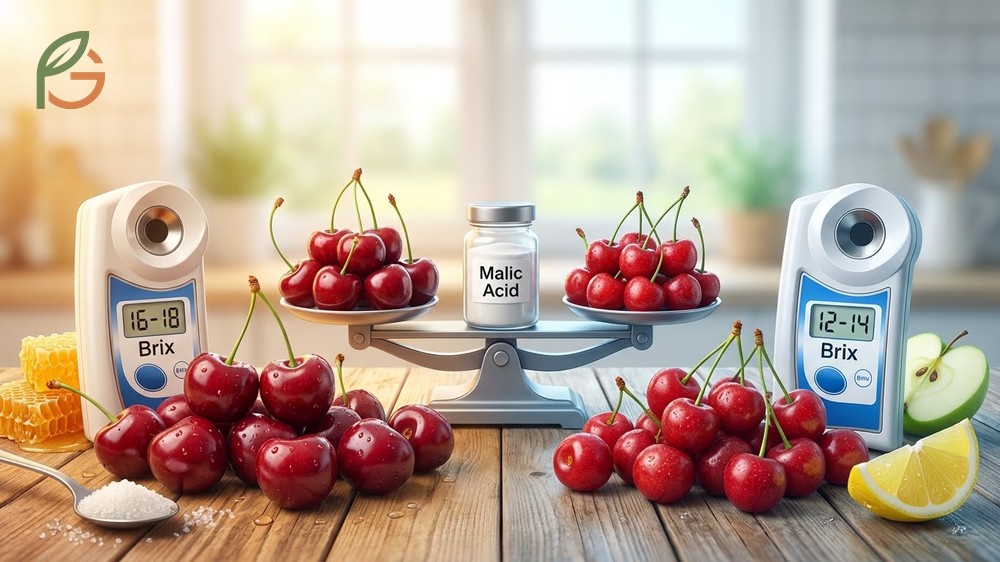
The flavor gap between these cherry types is massive and immediately obvious. Sweet cherries deliver intense natural sweetness with sugar content reaching 16-18 Brix (a measurement of dissolved sugar), while tart cherries typically measure just 12-14 Brix. That 25-33% difference in sugar concentration fundamentally changes how you can use each type.
Beyond sugar levels, tart cherries contain higher concentrations of malic acid—the same compound that gives green apples their characteristic tang. This creates a bright, sharp flavor that cuts through rich ingredients like butter, cream, and chocolate. Sweet cherries offer a mellow, wine-like sweetness with subtle flavor notes ranging from honey to caramel depending on variety.
Sugar Content Comparison
Agricultural data shows dramatic variation in natural sugar levels between cherry types. A single cup of sweet cherry juice contains approximately 48g of sugar[5], while the same amount of tart cherry juice has just 32.8g[5]—a 46% reduction.
This sugar difference matters significantly if you’re watching caloric intake or managing blood glucose. Research shows the lower glycemic impact of tart cherries makes them preferable for consistent energy levels throughout the day. Sweet cherries cause faster blood sugar spikes followed by corresponding drops.
- Rainier sweet cherries rank among the highest sugar varieties at 17-19 Brix, nearly matching sugar levels in many dessert wines
- Montmorency tart cherries maintain consistent 12-13 Brix across different growing regions and harvest times
- Bing sweet cherries reach 15-17 Brix when fully ripe, delivering classic cherry sweetness most Americans recognize
- Early Richmond tart cherries measure slightly lower at 11-12 Brix but offer more pronounced tartness
- Sweet cherry sugar content increases dramatically in the final week before harvest—picking timing affects flavor intensity by 20-30%
Acidity Levels
The pH difference between cherry types creates their fundamental taste distinction. Tart cherries maintain pH levels between 3.2-3.6, similar to orange juice or apple cider. Sweet cherries measure 4.0-4.5 pH, closer to tomatoes or bananas—significantly less acidic.
This acidity impacts more than just taste. Higher acid levels in tart cherries act as natural preservatives, extending shelf life of jams and preserves without requiring as much added sugar. The acid also helps maintain vibrant red color during cooking, while sweet cherries often darken and lose brightness when heated.
Nutritional Comparison Chart
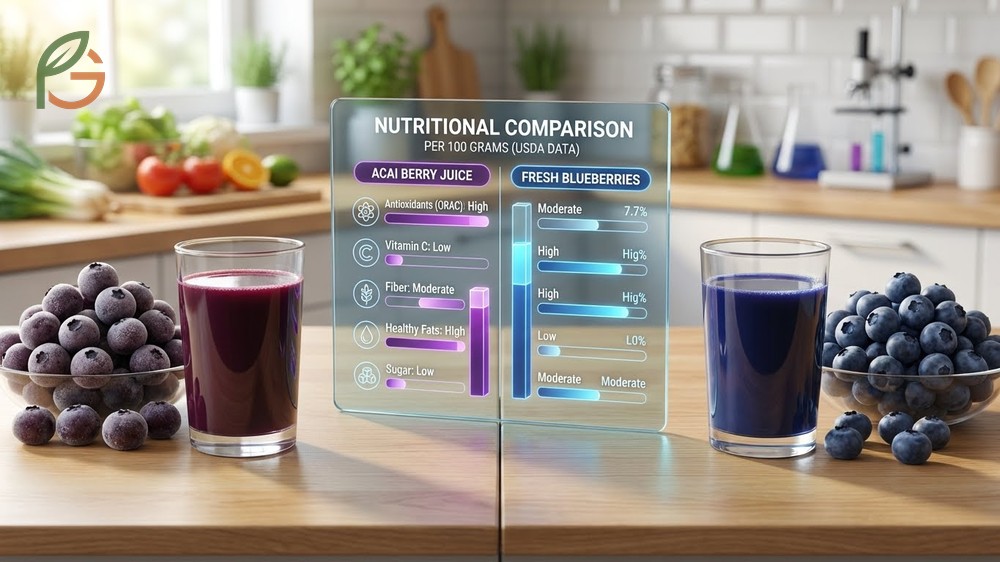
When it comes to nutritional value, both cherry types deliver impressive benefits, but tart varieties edge ahead in several key categories. Current data indicates tart cherries contain significantly higher levels of vitamin A, antioxidants, and anti-inflammatory compounds. Sweet cherries counter with more natural energy from carbohydrates and higher mineral content.
The antioxidant gap is particularly striking. Studies demonstrate tart cherries pack anthocyanin levels up to 5 times higher than sweet varieties[1]. These powerful plant compounds give tart cherries their deep red color and account for many of their health benefits.
This table compares calories, macronutrients, and key vitamins between sweet and tart cherry varieties per 100 gram serving
| Nutrient | Sweet Cherries | Tart Cherries | Difference |
|---|---|---|---|
| Calories | 63 kcal[3] | 50 kcal[2] | 26% lower in tart |
| Carbohydrates | 16.0g | 12.2g | 24% lower in tart |
| Protein | 1.1g | 1.0g | Nearly identical |
| Vitamin A | 64 IU | 1,283 IU[1] | 20x higher in tart |
| Vitamin C | 10mg | 10mg | Equal |
| Potassium | 173mg | 173mg | Equal |
What often gets overlooked is how cherry processing affects nutrition. Dried tart cherries typically contain added sugar to balance their natural tartness, which can push calorie content up to 333 kcal per 100g. Fresh consumption gives you the full nutritional benefit without added sugars or preservatives.
Culinary Uses for Each Type
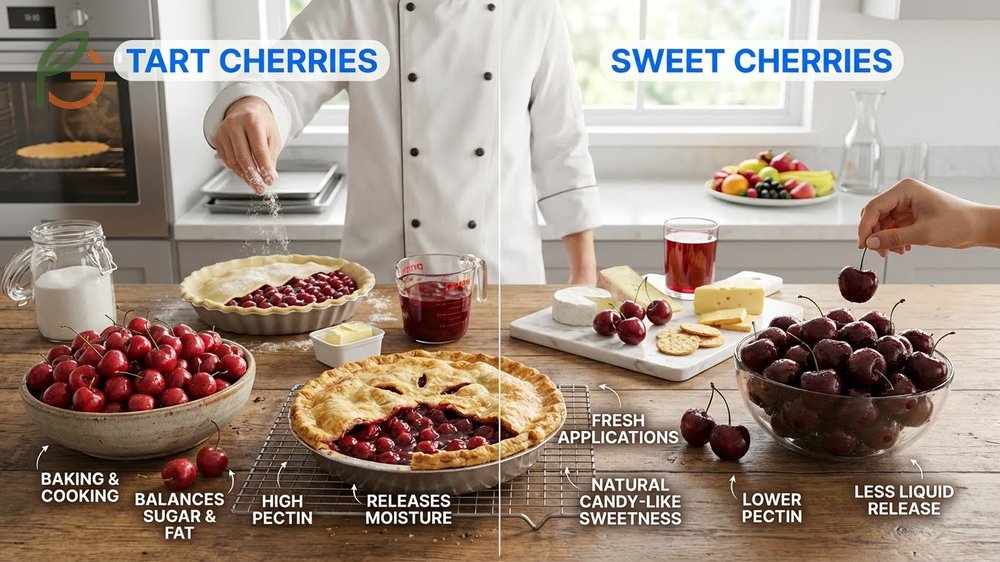
Professional chefs and home bakers choose their cherry type based on the end application. Tart cherries dominate in baking and cooking because their acidity balances sugar and fat—that’s why they’re nicknamed “pie cherries.” Sweet cherries shine in fresh applications where their natural candy-like sweetness needs no enhancement.
The moisture and pectin content differs between types too. Tart cherries release more liquid during cooking and contain higher natural pectin levels, which helps jams and preserves set without added thickeners. Sweet cherries hold their shape better when cooked but need additional pectin for proper gel formation in preserves.
Best Recipes for Tart Cherries
Evidence suggests tart cherries perform best in recipes with substantial sugar and fat content. Classic cherry pie filling uses 1 cup sugar per 4 cups tart cherries—that ratio balances the acidity perfectly. Without enough sweetener, tart cherries can make baked goods unpleasantly sour.
Savory applications work brilliantly with tart cherries. Their acidity cuts through rich meats like duck, pork, and lamb in pan sauces. Mix dried tart cherries into grain salads with nuts and cheese for a bright flavor contrast that makes the dish more complex.
- Classic cherry pie—the gold standard use where tart cherries originated their “pie cherry” nickname
- Cherry preserves and jams that set beautifully thanks to high natural pectin content
- Tart cherry juice (straight or in smoothies) for maximum antioxidant benefits
- Dried cherries for trail mix, granola, and baked goods where concentrated tartness adds complexity
- Pan sauces for duck breast, pork chops, or lamb chops where acidity balances fatty proteins
- Cherry clafoutis or cobblers with plenty of sugar to temper the sour notes
Best Recipes for Sweet Cherries
Sweet cherries excel when their natural flavor takes center stage. Fresh eating remains their primary use—Americans consume approximately 95% of sweet cherries raw or in fruit salads. Their firm texture and high sugar content need minimal intervention to taste delicious.
When you do cook sweet cherries, use gentle heat and short cooking times. Their lower acid content means they can turn mushy quickly. Pair them with ingredients that add tartness—lemon juice, yogurt, or vinegar—to create better flavor balance in finished dishes.
- Fresh eating right off the stem—the most common use for varieties like Bing, Rainier, and Lambert
- Fruit salads where their sweetness complements berries, melons, and stone fruits
- Ice cream toppings or mix-ins that don’t require cooking
- Cherry compotes with minimal added sugar for pancakes, waffles, or yogurt
- Chocolate-covered cherries where natural sweetness pairs with dark chocolate’s bitterness
- Light sautés with butter and balsamic to serve alongside roasted poultry
Cooking Tip: If you only have sweet cherries but your recipe calls for tart, add 2-3 tablespoons lemon juice per pound of cherries. This won’t perfectly replicate tart cherries’ flavor but it’ll provide necessary acidity for better results.
Health Benefits Comparison
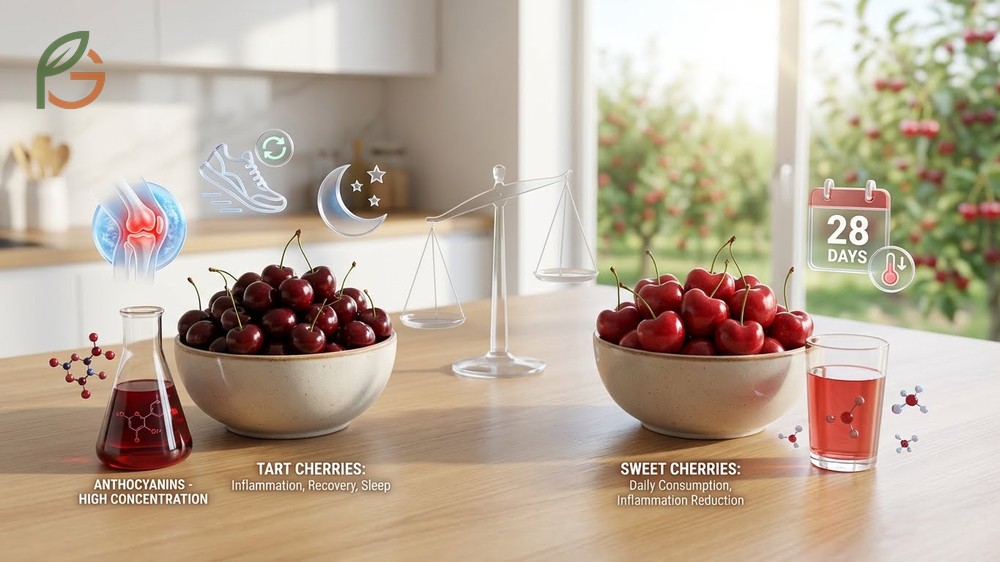
Research demonstrates both cherry types deliver measurable health advantages, but tart cherries pull ahead in studies focused on inflammation, exercise recovery, and sleep quality. Their anthocyanin content—the antioxidant compounds responsible for deep red pigmentation—reaches levels that produce clinical effects in human trials[4].
Sweet cherries aren’t nutritional slouches though. Studies from 2003 showed that consuming 45 sweet cherries daily for 28 days reduced inflammation markers and improved antioxidant capacity in healthy adults. The main difference is that you’d need to eat about twice as many sweet cherries to match the anti-inflammatory effect of tart cherry consumption.
For muscle recovery after exercise, tart cherry juice shows particularly strong results. Athletes who consumed tart cherry juice experienced reduced muscle soreness and faster strength recovery compared to placebo groups. The anti-inflammatory compounds help your body “mop up” free radicals generated during intense training sessions.
Sleep quality improvements from tart cherries come from their natural melatonin content. While sweet cherries also contain some melatonin, concentrations are significantly lower—making tart cherry juice the better choice if you’re using cherries to support sleep patterns.
- Tart cherries reduce exercise-induced muscle damage by 20-30% based on multiple athletic studies[6]
- Both types may lower blood pressure modestly through antioxidant and anti-inflammatory mechanisms
- Tart cherry juice consumption shows promise for reducing arthritis and gout symptoms in preliminary research
- Sweet cherries effectively reduce plasma urate levels when consumed regularly at about 45 cherries per day
- The vitamin A content in tart cherries supports eye health at 20 times the level found in sweet varieties
Best Varieties of Each
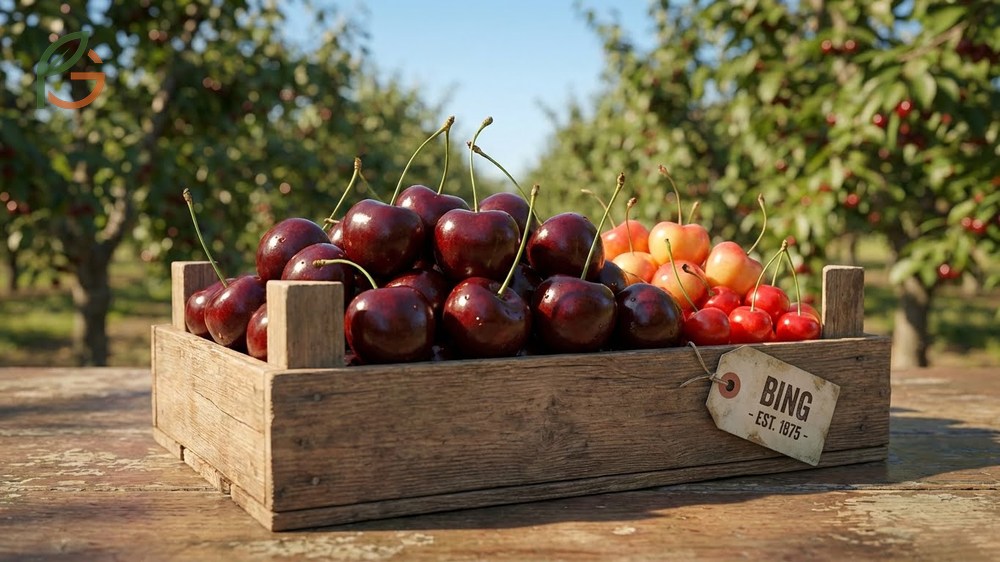
Cherry variety selection dramatically impacts your growing success and harvest quality. Within each type—sweet and tart—certain cultivars have emerged as industry standards based on flavor, productivity, disease resistance, and climate adaptability. Current agricultural guidance emphasizes matching variety to your specific USDA zone and intended use.
For sweet cherries, Bing remains the undisputed champion after more than 140 years. This variety sets the standard by which all other sweet cherries get judged. Its deep mahogany-red color, firm flesh, and exceptional sweetness make it the top commercial variety, representing over 50% of sweet cherry production in the United States.
Rainier sweet cherries command premium prices—often 2-3 times Bing prices—due to their unique yellow-cream color with red blush and extraordinarily high sugar content[7]. These cherries taste almost like candy but require perfect growing conditions and careful handling. Their thin skin bruises easily and birds target them aggressively.
Among tart varieties, Montmorency dominates to an even greater degree—accounting for over 90% of tart cherry production across North America. This French variety from the 1600s combines reliable productivity, cold hardiness, and the ideal balance of tartness for both baking and juice processing. Research shows Montmorency consistently delivers superior anthocyanin levels compared to other tart cultivars.
- Bing (sweet)—The classic choice for fresh eating with firm texture, deep red color, and wine-like sweetness. Ripens mid-season and needs cross-pollination
- Rainier (sweet)—Premium yellow-fleshed variety with highest sugar levels and delicate flavor. More challenging to grow but worth the effort for exceptional taste
- Stella (sweet)—First self-fertile sweet cherry, ideal for home gardens where space allows only one tree. Large, dark red fruit with rich flavor
- Montmorency (tart)—Industry standard for baking, juicing, and preserving. Self-fertile, cold-hardy, and incredibly productive. Ripens late June
- Early Richmond (tart)—Ripens 2-3 weeks before Montmorency, extending your harvest window. Slightly more acidic with lighter red color
- Lambert (sweet)—Very large, heart-shaped dark red cherries that resist cracking better than Bing. Good choice for regions with summer rain
From My Experience: When my friend in Oaxaca, Mexico planted both Bing and Stella sweet cherry varieties in 2022, the self-fertile Stella produced fruit in year three while the Bing required an additional year—confirming that pollination-compatible varieties or self-fertile types work better for small garden spaces.
Conclusion
The evidence is clear: Sweet vs Tart Cherries serve distinctly different roles in your kitchen and garden. Tart varieties deliver superior antioxidant content, better baking performance, and stronger health benefits for inflammation and recovery. Sweet cherries excel at fresh eating with their candy-like flavor and firm texture that needs no preparation.
Current guidance emphasizes matching cherry type to your primary goal. Plant Montmorency if you want to make preserves, juice, and pies. Choose Bing or Rainier for fresh snacking and fruit salads. Your growing zone matters too—tart cherries tolerate colder winters better while sweet varieties need specific chill hour requirements. FruitGarden recommends starting with one self-fertile variety of each type to experience the full spectrum of cherry possibilities in your home orchard.
Frequently Asked Questions
Can you substitute sweet cherries for tart cherries in pie recipes?
You can substitute sweet cherries but you’ll need to add acid for proper flavor balance. Mix in 2-3 tablespoons lemon juice per pound of sweet cherries and reduce sugar by one-quarter to one-third since sweet varieties contain significantly more natural sugar. The texture will be slightly different—sweet cherries are firmer and release less juice during baking.
Which cherry type is better for weight loss?
Tart cherries offer a better choice for weight management with 26% fewer calories per serving than sweet cherries. Research shows tart cherry powder reduced belly fat and blood cholesterol in animal studies, though human research is limited. Their lower sugar content means less impact on blood glucose levels throughout the day.
Do tart cherries and sweet cherries have different growing requirements?
Yes, they differ significantly in cold hardiness and pollination needs. Tart cherries tolerate colder winters (USDA zones 4-7) and most varieties are self-fertile, meaning you need only one tree. Sweet cherries prefer zones 5-8 and typically require cross-pollination from a compatible variety planted within 100 feet. Tart varieties also resist diseases like brown rot and leaf spot more effectively.
Why are tart cherries better for muscle recovery than sweet cherries?
Studies demonstrate tart cherries contain up to 5 times higher anthocyanin levels—the antioxidant compounds that reduce inflammation and muscle damage. Athletes consuming tart cherry juice before and after intense workouts showed 20-30% less muscle soreness compared to placebo groups. Sweet cherries provide some benefits but at significantly lower concentrations.
What’s the difference between Bing and Montmorency cherries?
Bing is a sweet cherry variety ideal for fresh eating with deep red color and 15-17 Brix sugar content. Montmorency is a tart cherry used primarily for baking and juice with bright red color and 12-13 Brix. Montmorency contains 20 times more vitamin A and significantly higher antioxidants, while Bing offers superior fresh-eating quality with its firm, sweet flesh.
Can you eat tart cherries raw?
You can eat tart cherries raw but most people find them too sour without added sugar. Their high acidity (pH 3.2-3.6) creates a sharp, puckering taste that’s unpleasant for fresh eating. Some people enjoy a few straight from the tree as a tangy snack, but tart cherries are specifically bred for cooking and processing rather than fresh consumption.
Which cherry variety is easiest to grow for beginners?
Montmorency tart cherry ranks as the easiest for beginner gardeners. It’s self-fertile (no pollination partner needed), cold-hardy, resistant to common cherry diseases, and produces reliable crops even with minimal care. The tree reaches manageable size for home gardens at 15-20 feet and begins fruiting in just 3-4 years. Among sweet cherries, Stella offers similar ease as the first self-fertile variety.