Purple vs Yellow passion fruit differ significantly in taste and size. Research shows purple passion fruit (Passiflora edulis) measures 2-3 inches with sweeter, aromatic pulp, while yellow varieties (P. edulis f. flavicarpa) reach 3-4 inches with tangier, acidic flavor profiles[1][2]. Most gardeners don’t realize these varieties also differ in climate tolerance and culinary applications. FruitGarden synthesizes current horticultural research to help you choose the right passion fruit variety for your growing conditions and taste preferences.
Quick Answer
- Purple passion fruit is 2-3 inches (5-7 cm) in diameter with sweeter, floral notes[1]
- Yellow passion fruit grows 3-4 inches (7.5 cm) larger with tangy, acidic flavor[2]
- Purple varieties tolerate cooler temperatures and altitudes of 1,200-2,000 meters[3]
- Yellow types prefer tropical heat at 64-90°F (18-32°C) and lower altitudes[4]
Purple vs Yellow Passion Fruit
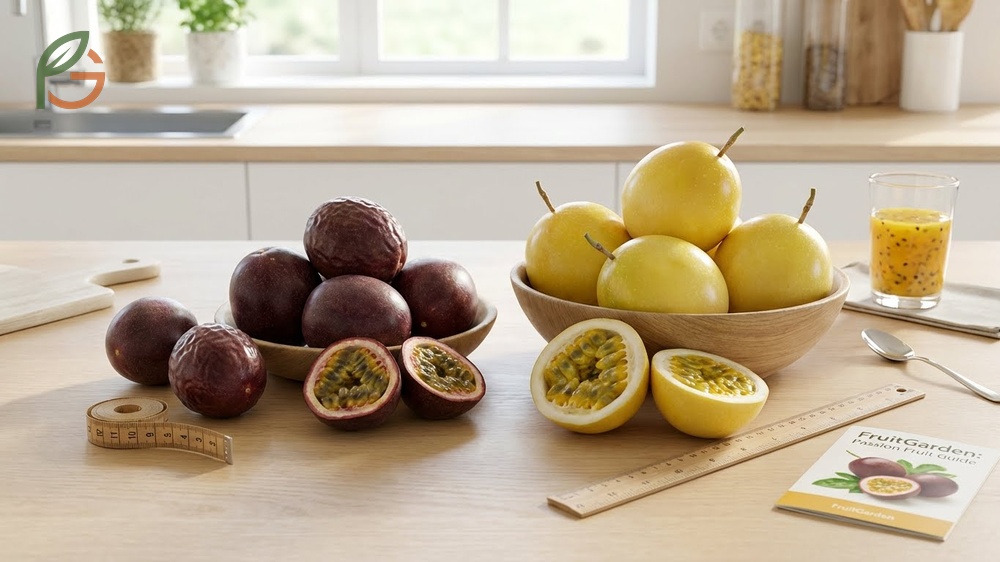
The two main passion fruit varieties belong to different botanical forms of Passiflora edulis. Purple passion fruit (P. edulis f. edulis) originated in southern Brazil, Paraguay, and northern Argentina, while yellow passion fruit (P. edulis f. flavicarpa) evolved in tropical lowlands[5]. These genetic differences created distinct characteristics in size, flavor, and adaptability.
Commercial growers typically choose yellow varieties for juice production due to larger fruit size and higher acidity. Home gardeners often prefer purple types for fresh eating because of superior sweetness and aromatic qualities[6]. Understanding these differences helps you match the variety to your intended use.
Both varieties produce ornate flowers measuring 3-5 inches across with distinctive purple and white petals. Yellow passion fruit blooms are slightly larger and more aromatic than purple counterparts[7]. The flowering period extends from summer through early fall in most regions.
Size Differences Between Varieties
Purple passion fruit averages 5-7 centimeters (2-3 inches) in diameter with an oval to round shape[1]. Yellow varieties consistently grow larger at 7.5-10 centimeters (3-4 inches), making them more suitable for commercial processing where yield per fruit matters[2].
The size difference affects harvesting decisions and storage requirements. Yellow passion fruit’s larger dimensions mean fewer fruits per kilogram but more pulp volume per individual fruit. Purple varieties pack more efficiently but require greater quantities to achieve the same juice yield.
From My Experience: My cousin in Guadalajara, Mexico grew both varieties side-by-side in 2024. The yellow fruits reached full size in 65 days versus 75 days for purple ones—matching the typical range from studies.
Appearance and Skin Texture
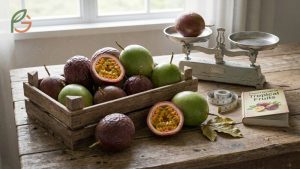
Purple passion fruit skin starts smooth and deep purple, developing wrinkles and dimples as it ripens. This wrinkling signals peak sweetness and readiness to harvest[2]. The waxy rind darkens from violet to deep purple-red at maturity.
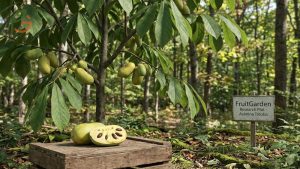
Yellow passion fruit maintains smooth, vibrant yellow-orange skin even when fully ripe. The lack of wrinkling can confuse new growers who might wait too long for textural changes that won’t occur. Instead, you’ll notice a slight give when gently squeezed and increased aromatic fragrance.
Taste Sweetness Comparison
The flavor profiles of purple and yellow passion fruit represent opposite ends of the sweet-tart spectrum. Purple varieties deliver balanced sweetness with floral undertones, while yellow types lean heavily toward acidic, tangy notes[6]. This fundamental difference determines their best culinary applications.
Research indicates purple passion fruit contains approximately 15% more aromatic esters than yellow varieties, contributing to its complex fragrance and flavor depth[8]. These volatile compounds create the characteristic tropical aroma that intensifies as the fruit ripens. Yellow passion fruit compensates with higher acidity that cuts through rich desserts and beverages.
Most people find purple passion fruit more pleasant for fresh eating straight from the rind. The balanced sugar-to-acid ratio doesn’t require added sweeteners. Yellow varieties shine in applications where bold tartness enhances other ingredients—think cocktails, marinades, and tropical sauces.
Purple Passion Fruit Flavor Profile
Purple passion fruit offers sweet, aromatic pulp with pronounced floral notes and lower acidity. The flavor combines hints of guava, pineapple, and citrus in a harmonious blend that doesn’t overwhelm the palate. This makes it ideal for gourmet dishes, fresh fruit salads, and dessert garnishes where subtle complexity matters.
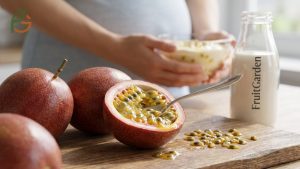
The seeds in purple varieties are smaller and more tender than yellow types. You can eat them without noticing significant crunch or bitterness. The orange pulp clings to seeds in a gelatinous matrix that scoops cleanly from the halved rind.
Yellow Passion Fruit Taste Characteristics
Yellow passion fruit delivers sharp, tangy flavor with tropical punch and high acidity. Taste tests describe it as a “citrus explosion” with lemony notes and hints of mango in the background. The bold flavor holds up to dilution, making it perfect for commercial juice production where you’ll mix it with other fruits or sweeteners.
The acidity level in yellow passion fruit can be too intense for some palates when eaten fresh. However, this same tartness creates excellent balance in smoothies, yogurt bowls, and baked goods where it counteracts rich, fatty ingredients. The yellow-orange pulp contains slightly larger, crunchier seeds than purple varieties.
Important note: Don’t judge yellow passion fruit by appearance alone. Even when the skin looks perfectly smooth and vibrant, the fruit inside can be deliciously ripe. Rely on fragrance and slight softness instead of wrinkles.
Growing Conditions and Climate Requirements
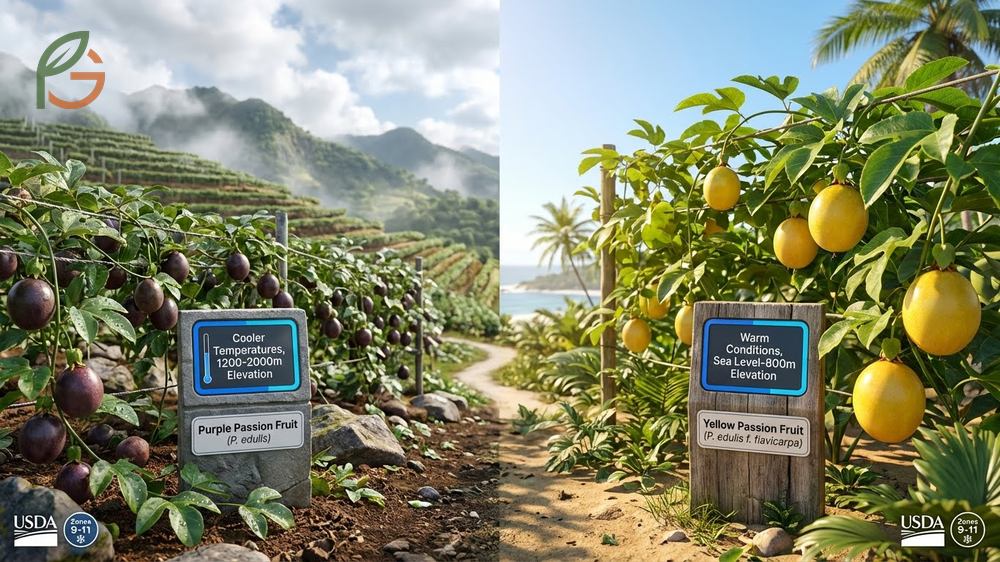
Purple and yellow passion fruit require different growing conditions despite sharing the same species classification. Purple types tolerate cooler temperatures and thrive at higher elevations between 1,200-2,000 meters (3,940-6,560 feet)[3]. Yellow varieties prefer tropical lowlands from sea level to 800 meters (2,625 feet) and demand consistently warm conditions.
Both varieties grow successfully in USDA hardiness zones 9-11, requiring frost-free environments with temperatures above 59°F (15°C) for optimal growth. Yellow passion fruit performs best between 64-90°F (18-32°C) with high humidity and annual rainfall of 600-2,000mm[4][3]. Purple varieties show greater cold tolerance and can withstand brief temperature drops that would damage yellow plants.
If you’re in subtropical regions with occasional cool snaps, purple passion fruit offers better reliability. Gardeners in consistently warm, humid climates get higher yields from yellow varieties due to faster growth rates and larger fruit production. Understanding your microclimate helps you avoid the frustration of choosing the wrong variety for your conditions.
- Purple passion fruit tolerates short periods of light frost; yellow varieties suffer damage below 59°F (15°C)
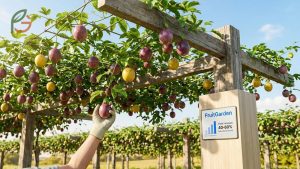
- Yellow types grow faster with more vigorous vines, requiring stronger trellis support systems
- Purple varieties adapt to well-drained sandy, loamy, or clay soils with pH 5.5-7.5
- Yellow passion fruit demands full sun exposure for 6-8 hours daily; purple tolerates partial shade
- Both require consistent moisture but purple handles brief drought better than yellow
- Purple passion fruit reaches maturity 60-90 days after flowering; yellow ripens in 55-70 days
This table compares temperature ranges, hardiness zones, altitude preferences, and rainfall requirements between purple and yellow passion fruit varieties
| Characteristic | Purple Passion Fruit | Yellow Passion Fruit |
|---|---|---|
| Optimal Temperature | 64-82°F (18-28°C) | 64-90°F (18-32°C)[4] |
| USDA Hardiness Zones | 9-11 | 9-12 |
| Altitude Range | 1,200-2,000m (3,940-6,560ft)[3] | 0-800m (0-2,625ft) |
| Cold Tolerance | Moderate (brief frost) | Low (frost sensitive) |
| Annual Rainfall | 600-2,000mm | 600-2,000mm |
Which Passion Fruit Variety Is Better
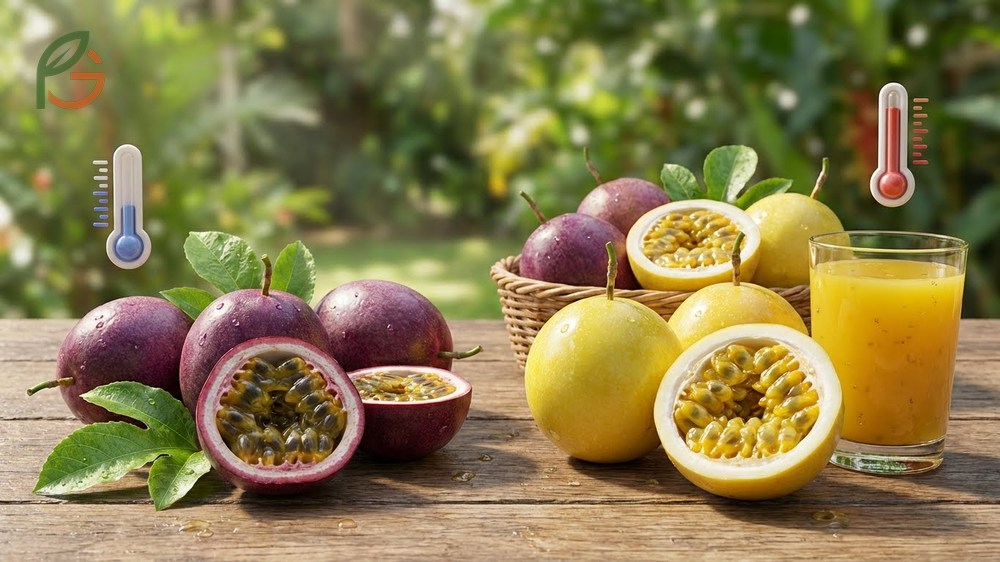
Choosing between purple and yellow passion fruit depends on your specific needs rather than one variety being objectively superior. Purple passion fruit excels for fresh eating, gourmet applications, and cooler subtropical climates. Yellow varieties dominate commercial juice production and perform better in hot, humid tropical lowlands.
For home gardeners with limited space, purple passion fruit offers the best fresh-eating experience. The sweeter, more aromatic pulp doesn’t require processing or added sugar. You can simply halve the fruit and scoop out the contents with a spoon. The smaller size means more fruits fit in the same growing area, providing regular harvests throughout the season.
If you’re planning large-scale cultivation for juice or commercial purposes, yellow passion fruit delivers higher yields per vine and more pulp per fruit. The bold acidity creates a flavor base that works well in blended juices and processed products. The larger size also reduces labor costs since you’ll process fewer individual fruits for the same volume of pulp.
- Choose purple for fresh consumption, fruit salads, dessert garnishes, and eating straight from the rind
- Pick yellow for commercial juice production, smoothies, cocktails, and marinades requiring bold acidity
- Purple works best in USDA zones 9-10 with cooler nights and higher elevation gardens
- Yellow thrives in USDA zones 10-12 with consistent heat and lowland tropical conditions
- Home gardeners with small spaces benefit from purple’s compact fruit and superior fresh flavor
- Commercial operations maximize profits with yellow’s larger size and higher processing efficiency
Pro tip: You can grow both varieties in the same garden if your climate falls within USDA zone 10. This gives you sweet purple fruits for fresh eating and tangy yellow ones for juice and cooking.
Climate considerations ultimately determine success more than personal preference. Purple passion fruit won’t thrive in extreme tropical heat regardless of how much you prefer its taste. Similarly, yellow varieties struggle in cooler subtropical zones even with careful cultivation. Match the variety to your environment first, then consider flavor and size preferences.
Conclusion
The evidence is clear: Purple vs Yellow passion fruit offer distinct advantages for different situations. Purple varieties deliver 2-3 inch fruits with sweet, aromatic flavor perfect for fresh consumption in cooler subtropical climates. Yellow types produce 3-4 inch fruits with bold, tangy taste ideal for juice production in hot tropical lowlands. Your choice should prioritize climate compatibility before considering taste preferences or intended use.
Current horticultural guidance emphasizes matching variety selection to your USDA hardiness zone and local elevation. FruitGarden recommends purple passion fruit for zones 9-10 at higher altitudes and yellow varieties for zones 10-12 in lowland areas. Both types reward proper care with abundant harvests of delicious tropical fruit that’ll transform your garden into a productive paradise.
Frequently Asked Questions
What’s the main taste difference between purple and yellow passion fruit?
Purple passion fruit tastes sweeter with floral, aromatic notes and balanced acidity, making it perfect for fresh eating. Yellow passion fruit is much tangier with sharp, citrusy flavor and higher acidity, ideal for juices and recipes requiring bold tartness. The difference comes from purple varieties containing approximately 15% more aromatic compounds than yellow types.
Which passion fruit variety is bigger in size?
Yellow passion fruit grows significantly larger at 3-4 inches (7.5-10 cm) in diameter compared to purple passion fruit’s 2-3 inches (5-7 cm). This size difference makes yellow varieties more economical for commercial juice production since each fruit yields more pulp. However, purple fruits pack more efficiently for storage and transport.
Can I grow both purple and yellow passion fruit in the same garden?
Yes, you can grow both varieties together if you’re in USDA hardiness zones 10-11 where temperatures stay between 64-82°F (18-28°C). This gives you sweet purple fruits for fresh eating and tangy yellow ones for cooking. Just ensure both plants get full sun exposure for 6-8 hours daily and provide sturdy trellis support for the vigorous vines.
Which passion fruit variety is better for making juice?
Yellow passion fruit is better for juice production due to its larger size, higher pulp yield per fruit, and bold tangy flavor that holds up to dilution. Commercial processors prefer yellow varieties because the acidic taste creates an excellent flavor base for blended juices and cocktails. Purple passion fruit works better for fresh consumption since its delicate sweetness diminishes when processed.
What climate does purple passion fruit need compared to yellow?
Purple passion fruit tolerates cooler temperatures and thrives at higher elevations between 1,200-2,000 meters (3,940-6,560 feet) with moderate cold tolerance for brief frost. Yellow passion fruit requires consistently warm tropical conditions between 64-90°F (18-32°C) at lower altitudes from sea level to 800 meters and can’t handle any frost. Choose purple for subtropical zones 9-10 and yellow for tropical zones 10-12.
How can I tell when yellow passion fruit is ripe if the skin doesn’t wrinkle?
Yellow passion fruit remains smooth even when fully ripe, unlike purple varieties that wrinkle. Instead, check for a slight give when gently squeezed, increased aromatic fragrance, and deeper yellow-orange color. The fruit should feel heavy for its size, indicating juicy pulp inside. Don’t wait for wrinkles—they won’t appear on yellow types regardless of ripeness.
Which passion fruit variety is sweeter for eating fresh?
Purple passion fruit is definitively sweeter for fresh consumption with its balanced sugar content, floral aroma, and lower acidity. The sweet-tart ratio makes it pleasant to eat straight from the rind without added sugar. Yellow passion fruit’s high acidity and sharp tanginess can be too intense for most people when eaten fresh, though some appreciate its bold tropical punch.