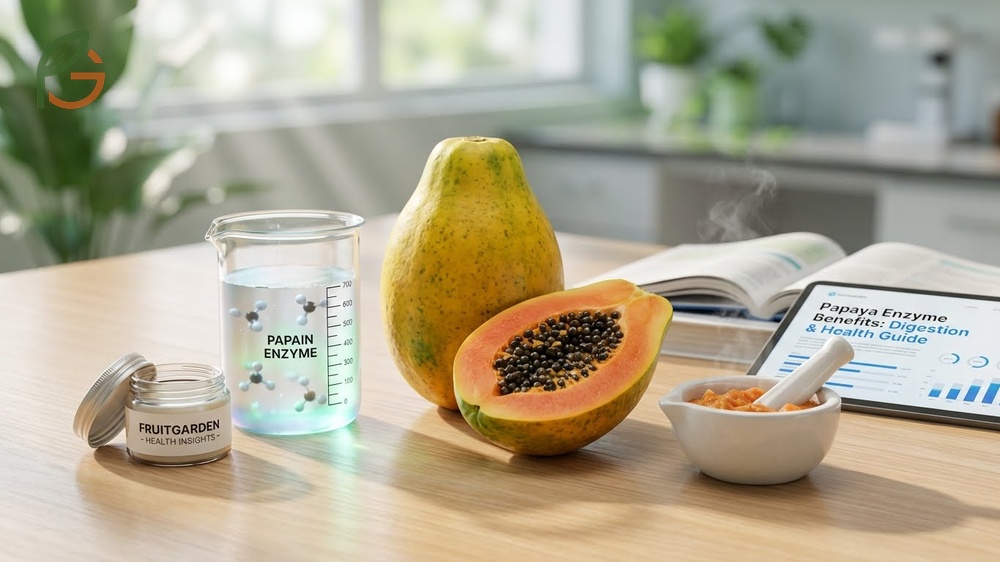
Papaya enzyme benefits extend far beyond digestive support. Research demonstrates that papain, the primary proteolytic enzyme in papaya, breaks down proteins effectively while reducing inflammation throughout the body[1][2]. FruitGarden brings you evidence-based insights into how this tropical fruit can enhance your health naturally.
Quick Answer
- Papain improves protein digestibility by 25% compared to placebo in clinical studies[3]
- Research shows papain reduces inflammatory cytokines and enhances gut microbiota health[1]
- Safe dosage ranges from 300-1200 mg daily for up to 9 weeks according to clinical guidelines[4]
- Papain works best at stomach acidity levels, making it effective throughout the digestive process[3]
Papaya Enzyme Benefits
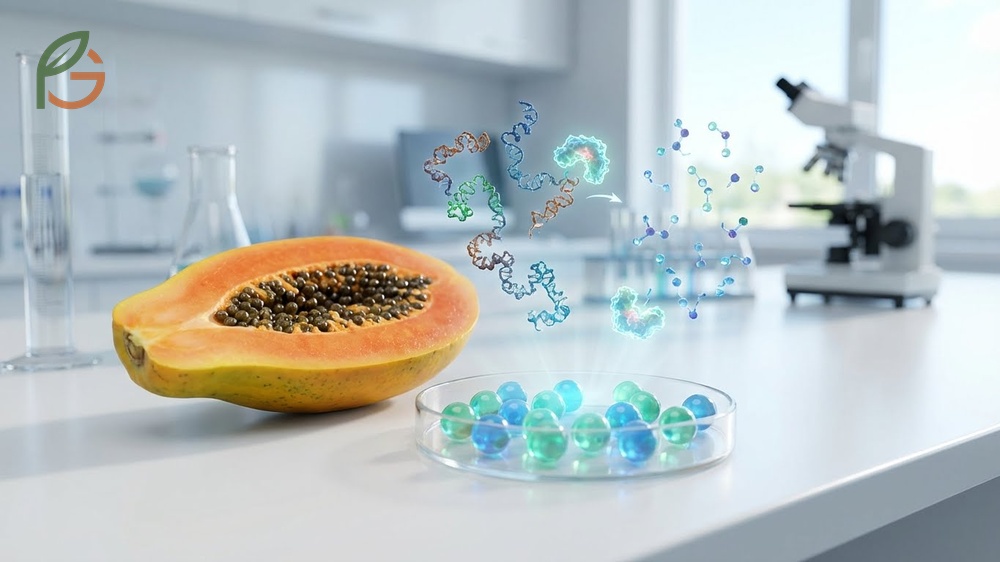
Studies confirm that papaya enzymes offer multiple therapeutic effects for digestive and systemic health. The primary enzyme, papain, belongs to a family of proteolytic compounds that break down complex proteins into simpler peptides and amino acids[5]. This action doesn’t just improve digestion—it also reduces the workload on your pancreas and small intestine.
Research across multiple clinical trials shows that papain remains active even at the low pH levels found in your stomach. Ripe papaya displays the highest enzyme activity among all maturation stages, with proteolytic enzymes maintaining functionality throughout the digestive tract[3]. This means you’re getting continuous digestive support from the moment food enters your stomach until it reaches your colon.
The enzyme’s benefits extend beyond basic digestion. Current data indicates that regular papain consumption modulates gut bacteria composition by decreasing harmful Proteobacteria while increasing beneficial microbes[1]. This shift in microbial balance can improve overall gut health and reduce digestive discomfort.
What Is Papain
Papain is a cysteine protease enzyme extracted from the latex of unripe papaya fruit (Carica papaya). The enzyme appears in all plant parts but reaches its highest concentration in green, developing fruits[5]. Unlike many other plant enzymes, papain maintains its activity across a wide pH range from 3.0 to 9.0.
The enzyme’s molecular structure allows it to cleave peptide bonds in proteins with remarkable efficiency. Activation requires the presence of cysteine, a sulfur-containing amino acid, with optimal activation occurring at 5 mM cysteine concentration[6]. This characteristic makes papain particularly effective as a digestive supplement.
How Papain Works
Papain functions by hydrolyzing polypeptide chains at specific amino acid sequences. The enzyme targets peptide bonds adjacent to basic amino acids like lysine and arginine, breaking large protein molecules into smaller, more digestible fragments. This process begins in your stomach and continues throughout your small intestine.
Evidence suggests that papain’s effectiveness stems from its ability to work independently of your body’s natural digestive enzymes. When you consume protein-rich foods, papain supplements the action of pepsin in your stomach and trypsin in your small intestine. This collaborative effect can increase total protein digestibility by up to 25% in individuals with reduced enzyme production[3].
Papain Enzyme Benefits
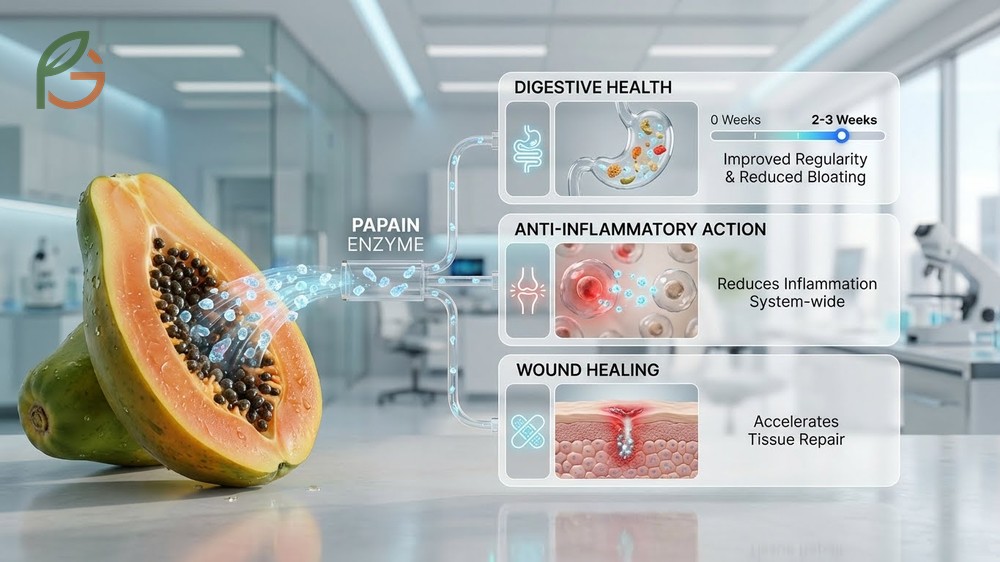
The therapeutic applications of papain extend across multiple body systems. Clinical research has documented significant improvements in digestive function, inflammatory conditions, and wound healing when papain is used appropriately. Most people notice reduced bloating and improved regularity within 2-3 weeks of consistent use.
What makes papain particularly valuable is its dual action on both digestion and inflammation. The enzyme doesn’t just break down dietary proteins—it also degrades inflammatory protein mediators in your tissues[2]. This property explains why papain supplements are often recommended for conditions involving both digestive and inflammatory components.
Protein Digestion Enhancement
Studies demonstrate that papain supplementation significantly improves protein breakdown in the gastrointestinal tract. In one clinical trial, participants with gluten intolerance who took 1800 mg of papain daily experienced fewer loose stools and reduced malabsorption symptoms[7]. The enzyme helped compensate for impaired digestive function.
Research shows that ripe papaya pulp produces the largest displacement of meat bolus during digestion tests. This indicates superior protein-digesting capacity compared to unripe or processed papaya[3]. If you’re looking to maximize digestive benefits, choose ripe fruit over supplements made from green papaya.
Important Note: Don’t take papain supplements on an empty stomach if you have a sensitive digestive system. The enzyme’s protein-degrading action can irritate stomach lining when no food is present to digest.
Gut Microbiota Improvement
Recent research reveals that fruit proteases like papain can reshape your gut bacterial community. Studies found that papain treatment decreased the abundance of potentially harmful Proteobacteria while promoting beneficial bacteria growth[1]. This shift creates a healthier intestinal environment that supports better nutrient absorption.
The mechanism involves papain’s enhancement of protein digestive capacity in your cecum and colon. By breaking down proteins more thoroughly in the upper digestive tract, papain provides optimal substrates for beneficial bacteria in your large intestine. This explains why many people report improved regularity and reduced gas after starting papain supplements.
Digestive Enzyme Papaya
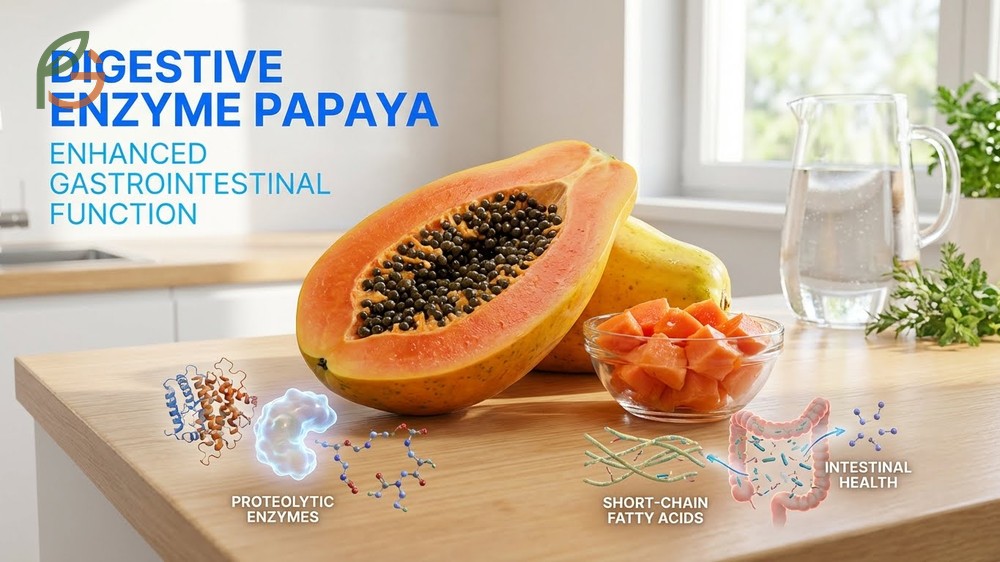
Papaya fruit provides natural digestive enzymes that work synergistically with dietary fiber to enhance gastrointestinal function. The combination of proteolytic enzymes and soluble fiber creates a dual benefit—improved protein breakdown plus increased short-chain fatty acid production in your colon[3]. These fatty acids nourish your intestinal cells and reduce inflammation.
Research indicates that consuming 100 grams of fresh papaya with meals can significantly improve digestive comfort. In human trials, participants who ate fresh papaya for two days showed enhanced immune cell regulation and reduced inflammatory markers[2]. The enzyme content in whole fruit appears to be more effective than isolated supplements for some individuals.
When you eat papaya with protein-rich foods like chicken or fish, the enzymes immediately begin breaking down complex proteins. This pre-digestion effect can reduce the burden on your pancreas, which normally secretes large amounts of digestive enzymes after meals. For people with pancreatic insufficiency or age-related enzyme decline, this support can make a meaningful difference in digestive comfort.
- Eat ripe papaya 30 minutes before protein-heavy meals to prime your digestive system
- Combine papaya with Greek yogurt for breakfast to maximize protein digestion throughout the morning
- Choose fresh fruit over processed papaya, which loses up to 40% of enzyme activity during pasteurization[3]
- Store cut papaya in the refrigerator for no more than 3 days to maintain enzyme potency
- Avoid cooking papaya if your goal is enzyme supplementation, as heat denatures papain above 140°F (60°C)
Proteolytic Enzyme Health
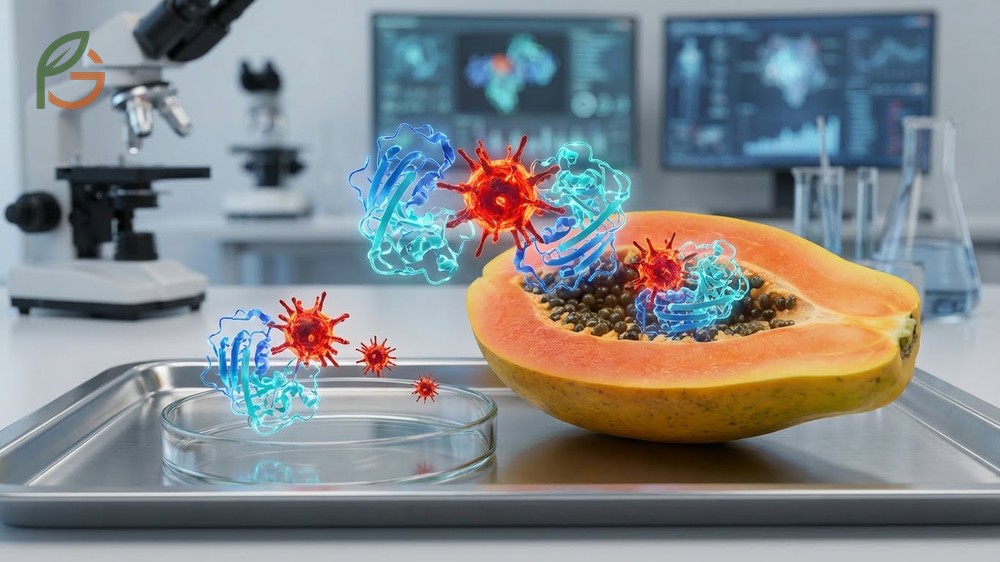
Proteolytic enzymes like papain offer anti-inflammatory benefits that extend far beyond the digestive tract. Research shows that papain administration significantly reduces inflammatory cytokines including TNF-α and IL-6 in both animal models and human cell studies[8]. These inflammatory molecules play key roles in chronic pain and tissue damage.
Clinical trials demonstrate that papain combined with other proteolytic enzymes can reduce transforming growth factor-β1 levels in patients with rheumatoid arthritis. Lower TGF-β1 correlates with reduced joint inflammation and improved mobility[2]. While papain alone won’t cure arthritis, it can complement conventional treatments by addressing inflammatory pathways.
The enzyme’s wound healing properties stem from multiple mechanisms. Papain activates antioxidant enzymes like glutathione peroxidase and heme oxygenase-1, which protect cells from oxidative damage during tissue repair[8]. This antioxidant boost accelerates healing while minimizing scar formation.
This table compares papain’s therapeutic effects across different body systems with evidence level ratings and primary mechanisms of action
| Body System | Primary Effect | Evidence Level | Mechanism |
|---|---|---|---|
| Digestive System | 25% improved protein digestion[3] | High | Proteolytic breakdown of peptide bonds |
| Immune System | Modulation of inflammatory cytokines[2] | Moderate | Reduction of TNF-α and IL-6 production |
| Integumentary System | Enhanced wound closure[9] | Moderate | Activation of antioxidant enzymes |
| Microbial Balance | Decreased Proteobacteria abundance[1] | Emerging | Altered substrate availability for bacteria |
- Pancreatic insufficiency with inadequate enzyme production for protein digestion
- Post-operative inflammation and tissue swelling following surgical procedures
- Chronic digestive complaints including bloating, gas, and irregular bowel movements
- Sports-related soft tissue injuries requiring faster recovery and reduced inflammation
- Mild inflammatory conditions affecting joints, muscles, or connective tissues
- Wound healing support for minor cuts, abrasions, or surgical incisions
Safety Warning: Don’t use papain supplements if you’re allergic to latex or papaya fruit. Cross-reactivity between latex and papaya proteins can trigger severe allergic reactions in sensitive individuals.
Papaya Enzyme Supplement
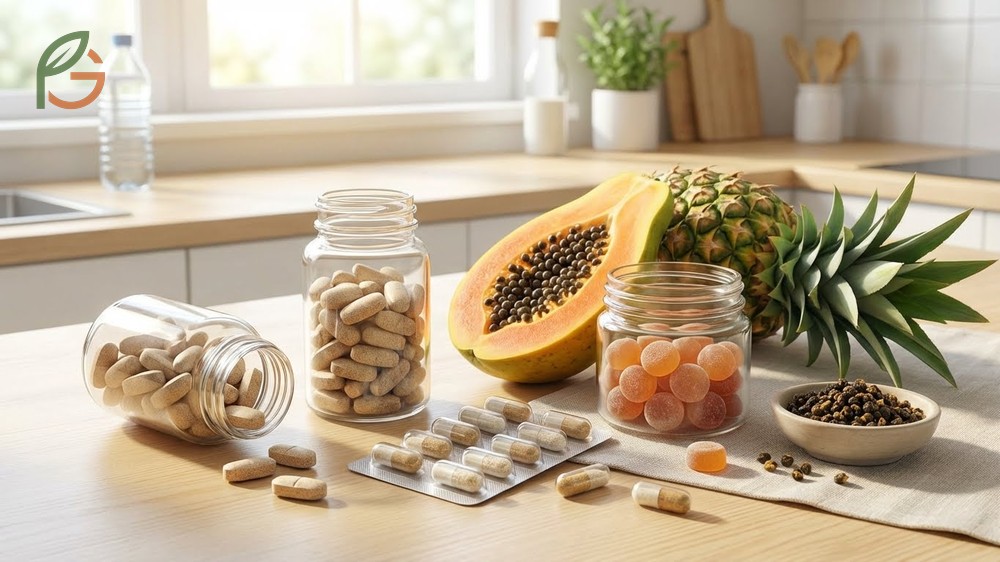
Commercial papain supplements come in various forms including tablets, capsules, and chewable preparations. Clinical guidelines indicate that dosages between 300-1200 mg daily are safe for up to 9 weeks of continuous use[4]. Higher doses exceeding 1500 mg daily increase the risk of esophageal irritation and stomach discomfort.
Most digestive enzyme formulas contain papain combined with other proteases like bromelain from pineapple. This combination approach can provide broader protein-digesting coverage than papain alone. However, if you’re specifically targeting digestive issues, look for products containing at least 500 mg of papain per serving.
Timing matters when you’re taking enzyme supplements. Research shows that consuming papain 15-30 minutes before meals allows the enzyme to mix with gastric juices and begin working as soon as food enters your stomach. Taking enzymes with meals works too, but you might not get the same pre-digestive priming effect.
Quality varies significantly among papain supplements. Enzyme activity should be measured in papain units (PU) or FIP units rather than just milligrams of powder. A high-quality supplement will list 6000-15000 PU per capsule. Products that only list weight without activity units may contain inactive or degraded enzymes.
| Use Case | Recommended Dosage | Timing |
|---|---|---|
| General Digestive Support | 300-500 mg per meal | 15-30 minutes before eating |
| Pancreatic Insufficiency | 500-1200 mg per meal[4] | Immediately before or with meals |
| Anti-inflammatory Support | 400-800 mg twice daily | Between meals on empty stomach |
Side effects from papain supplements are generally mild but can include throat irritation, stomach upset, and allergic reactions in sensitive individuals. If you experience persistent heartburn or difficulty swallowing while taking papain, discontinue use immediately. These symptoms may indicate esophageal irritation, which can become serious if ignored.
Pregnant women should avoid papain supplements entirely. Research indicates that papain may cause uterine contractions and potentially increase miscarriage risk[10]. While eating small amounts of ripe papaya fruit is generally considered safe during pregnancy, concentrated enzyme supplements present greater risks.
Conclusion
The evidence is clear: papaya enzyme benefits span multiple aspects of health, from enhanced protein digestion to reduced systemic inflammation. Research consistently shows that papain supplementation can improve digestive comfort, support beneficial gut bacteria, and accelerate tissue healing when used appropriately. For individuals with digestive challenges or mild inflammatory conditions, papain offers a natural therapeutic option backed by clinical studies.
Current guidance emphasizes using papain as part of a comprehensive approach to digestive health rather than a standalone solution. Combine enzyme supplementation with adequate hydration, balanced nutrition, and appropriate medical care for optimal results. FruitGarden synthesizes current agricultural and nutritional research to help you make informed decisions about incorporating papaya and its enzymes into your wellness routine.
Medical Disclaimer
Important Medical Disclaimer: This content is for informational and educational purposes only. It’s not intended as a substitute for professional medical advice, diagnosis, or treatment. Always consult a qualified healthcare professional before making any changes to your diet, medication, or health routine, especially if you have digestive disorders, allergies, or other medical conditions. Don’t use papain supplements during pregnancy or while breastfeeding without medical supervision.
Frequently Asked Questions
What’s the difference between papain and bromelain?
Papain comes from papaya while bromelain comes from pineapple, but both are proteolytic enzymes that break down proteins. Studies show they work through similar mechanisms but have slightly different pH optima—papain works best at pH 6.0-7.0 while bromelain prefers pH 4.5-5.5. Many supplements combine both enzymes to provide broader digestive coverage across different stomach acidity levels.
Can papaya enzymes help with weight loss?
Research indicates papain may support weight management indirectly by improving protein digestion and reducing inflammation, but it’s not a weight loss solution on its own. One study found that papain supplementation reduced lipid accumulation in liver cells, suggesting metabolic benefits. However, sustainable weight loss requires caloric deficit, regular exercise, and balanced nutrition—enzymes can optimize digestion but won’t burn fat directly.
How long does it take for papain to work?
Papain begins working within 30-60 minutes of consumption as it mixes with stomach contents and starts breaking down proteins. Most people notice improved digestive comfort within 2-3 weeks of consistent use. For anti-inflammatory effects, clinical trials show measurable reductions in inflammatory markers after 4-6 weeks of daily supplementation at appropriate dosages.
Is it better to eat papaya or take supplements?
Fresh ripe papaya provides active enzymes plus fiber, vitamins, and other beneficial compounds that work synergistically. Research shows ripe papaya fruit has the highest enzyme activity and produces more short-chain fatty acids during digestion compared to supplements. However, supplements offer convenience and standardized dosing, making them practical for therapeutic use. If you’re treating a specific condition, supplements may provide higher enzyme concentrations than eating fruit alone.
Can I take papain with other medications?
Papain may interact with blood-thinning medications like warfarin and can enhance the effects of certain antibiotics. The enzyme can also interfere with protein-based drugs by breaking them down before absorption. Always consult your healthcare provider before combining papain supplements with prescription medications, especially anticoagulants, diabetes medications, or immunosuppressants.
Are there any side effects of papain?
Common side effects include mild throat irritation, stomach upset, and nausea, particularly at higher doses. Rare but serious reactions include esophageal damage from excessive intake and severe allergic reactions in people with latex sensitivity. Dosages exceeding 1500 mg daily significantly increase the risk of adverse effects. Stop using papain immediately if you experience difficulty swallowing, persistent heartburn, or signs of allergic reaction like hives or breathing difficulty.
Does cooking destroy papaya enzymes?
Yes, heat denatures papain and destroys its enzymatic activity. Temperatures above 140°F (60°C) begin inactivating the enzyme, with complete denaturation occurring around 185°F (85°C). If you want to preserve papain’s digestive benefits, eat papaya raw or add it to smoothies and cold dishes. Processed papaya products like canned fruit or pasteurized juice contain significantly reduced enzyme activity compared to fresh fruit.