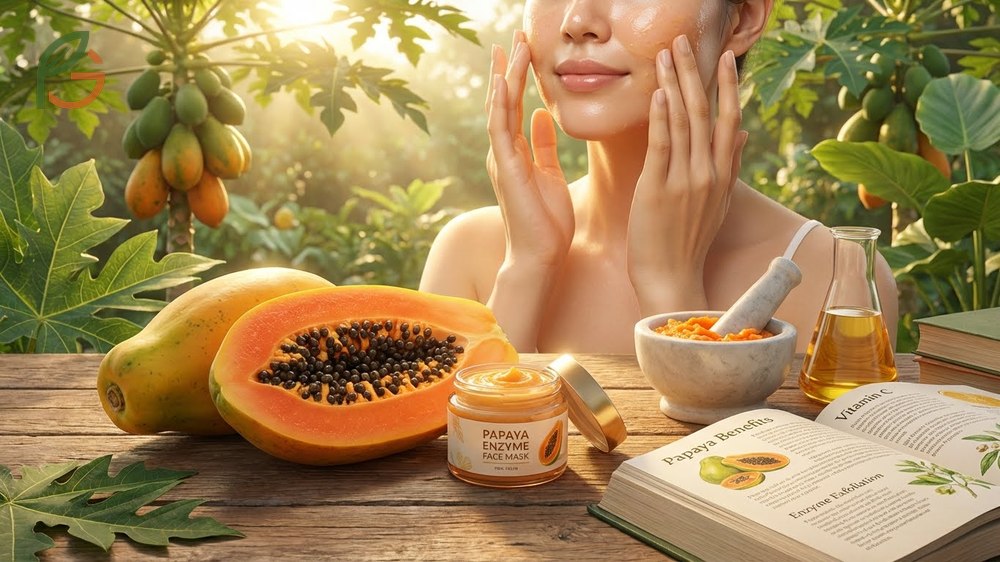
Papaya benefits for skin include gentle enzyme-based exfoliation, enhanced glow from high vitamin C content, and anti-aging protection through powerful antioxidants. Research shows papaya delivers 137% of daily vitamin C[1] per cup plus papain enzymes that break down dead skin cells without harsh scrubbing. FruitGarden synthesizes current dermatological research and botanical data to help gardeners understand how homegrown papaya fruit transforms into effective natural skincare.
Quick Answer
- Papain enzyme gently dissolves keratin bonds in dead skin cells for natural exfoliation[2]
- One cup of papaya provides 123.1mg vitamin C[1] to stimulate collagen production and brighten skin tone
- Beta-carotene and lycopene antioxidants protect against free radical damage that causes premature aging[3]
- Anti-inflammatory properties reduce redness and soothe irritated skin conditions[4]
Papaya Benefits for Skin
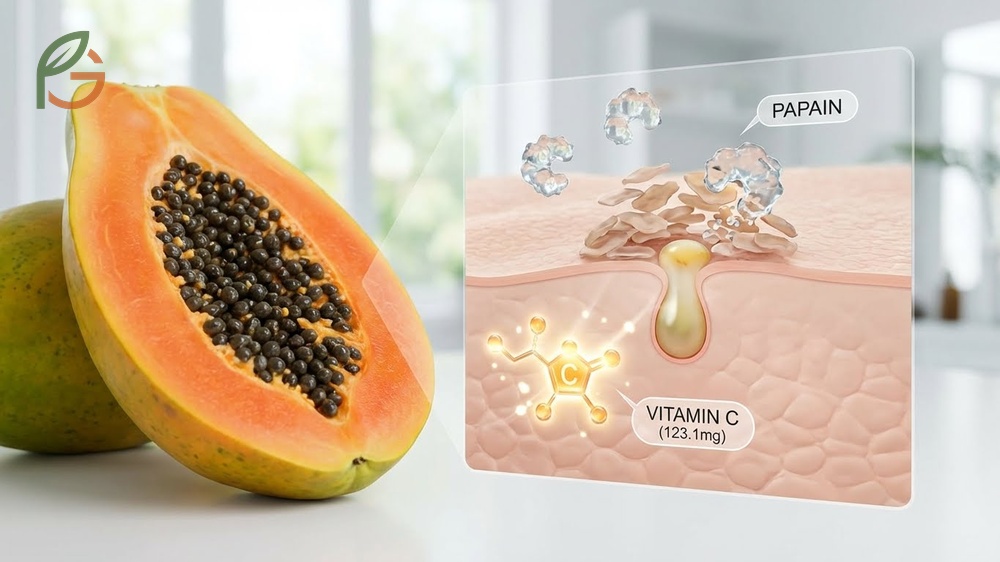
Studies demonstrate that papaya fruit delivers multiple skin-enhancing compounds through three primary mechanisms. The proteolytic enzyme papain breaks down keratin proteins on the skin’s surface, promoting gentle cell turnover without mechanical abrasion[2]. This enzymatic action smooths rough texture and unclogs pores by dissolving keratin plugs that trap oil and debris.
The vitamin C concentration in fresh papaya reaches 123.1mg per cup[1], exceeding daily requirements by 37%. This high level stimulates fibroblast cells to produce collagen, the structural protein responsible for skin firmness and elasticity. Regular papaya application can reduce irregular pigmentation while creating more even skin tone.
Carotenoid content provides additional benefits through free radical neutralization. Current data indicates papaya contains lycopene and beta-carotene that protect collagen fibers from oxidative damage caused by UV exposure and environmental stressors[3]. These compounds work together to slow visible signs of aging while maintaining skin hydration and suppleness.
Papain Enzyme Exfoliation Mechanism
Papain functions as a biological exfoliant by selectively targeting dead keratinocytes on the skin’s outermost layer. Unlike physical scrubs that mechanically abrade all surface cells, this enzyme recognizes and breaks down only the protein bonds holding dead cells together. The process reveals fresh skin underneath while preserving healthy tissue integrity.
Research shows papain activity remains most concentrated in unripe green papaya fruit[1]. As the fruit ripens and sweetens, enzyme levels decrease but don’t disappear entirely. For maximum exfoliating benefit, choose fruit that’s partially ripe with some yellow coloring but still firm to the touch.
Important Note: Individuals with latex allergies should exercise caution when using papaya topically. Papain can cross-react with latex proteins and trigger inflammation in sensitized individuals[2]. Always perform a patch test on a small skin area before full application.
Vitamin C Collagen Boost
Vitamin C acts as an essential cofactor in collagen synthesis, enabling enzymes to stabilize the collagen triple helix structure. Without adequate vitamin C, fibroblast cells can’t produce functional collagen molecules. This relationship explains why papaya’s high vitamin C content directly improves skin firmness and reduces fine line visibility.
The water-soluble nature of vitamin C means topical application provides direct delivery to skin cells. Fresh papaya pulp transfers this nutrient across the epidermis more effectively than many processed products. For best results, use freshly mashed papaya within 30 minutes of preparation before oxidation reduces vitamin potency.
Antioxidant Protection Against Aging
Evidence suggests the combined antioxidant profile in papaya creates synergistic protection stronger than individual compounds alone. Beta-carotene neutralizes singlet oxygen radicals from UV exposure, while lycopene quenches peroxyl radicals that damage cell membranes. Together with vitamin C, these antioxidants form a comprehensive defense system against photoaging.
Agricultural data shows papaya grown in tropical climates with intense sun exposure develops higher antioxidant concentrations as a natural protective response. This makes homegrown papaya from sunny garden locations potentially more beneficial for skin than commercially grown fruit from controlled environments.
Skin Health Papaya Enzyme Exfoliation
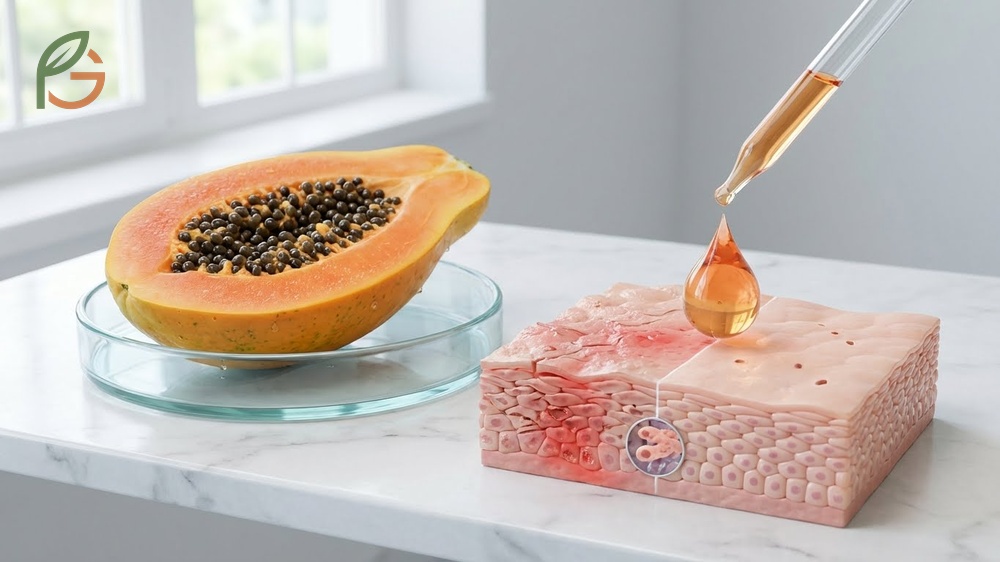
Clinical applications demonstrate papain’s unique ability to remove damaged tissue while promoting healthy cell regeneration. Dermatological research confirms this enzyme reduces inflammation in affected skin areas, creating favorable conditions for healing[4]. The anti-inflammatory properties make papaya suitable for sensitive skin that reacts poorly to harsh chemical peels.
The protein-dissolving action extends beyond simple exfoliation to include pore refinement and acne management. By breaking down keratin plugs that block sebaceous glands, papain prevents the buildup that leads to comedones and inflammatory breakouts. This mechanism creates clearer skin without the dryness associated with salicylic acid or benzoyl peroxide treatments.
Most people don’t realize that timing papaya application affects results significantly. Evening use allows the enzyme to work overnight when skin enters its natural repair phase. Morning application before sun exposure can increase photosensitivity temporarily, so proper sunscreen use becomes essential after exfoliating treatments.
How Papain Works on Skin
The enzymatic mechanism begins when papain contacts keratin-rich dead cells on the skin surface. Proteolytic activity cleaves specific peptide bonds within the keratin structure, causing these cells to detach from the underlying tissue. This process happens gradually over 15-20 minutes, allowing controlled exfoliation without sudden barrier disruption.
Studies show papain demonstrates selectivity for damaged versus healthy proteins[5]. The enzyme preferentially digests denatured proteins found in dead keratinocytes while leaving intact cells relatively undisturbed. This selectivity explains why papaya treatments don’t cause the same irritation as non-selective chemical exfoliants.
Gentle Versus Harsh Exfoliants
Comparing papaya enzyme exfoliation to alpha hydroxy acids reveals fundamental differences in skin interaction. AHAs like glycolic acid work by loosening the bonds between all surface cells regardless of cell health status. This non-selective action can compromise the skin barrier when used too frequently or at high concentrations.
Papain offers a gentler alternative for individuals with rosacea, eczema, or reactive skin conditions. The enzyme’s targeted approach removes dead buildup without triggering the inflammation cascade that worsens these conditions. However, even gentle exfoliation requires moderation—2-3 times weekly provides optimal results without over-processing skin.
This table compares papaya enzyme exfoliation against chemical and physical exfoliants across action mechanism, skin suitability, frequency recommendations, and side effect profiles
| Exfoliant Type | Action Mechanism | Best for Skin Type | Recommended Frequency |
|---|---|---|---|
| Papaya Enzyme (Papain) | Selective protein digestion of dead cells[2] | Sensitive, reactive, rosacea-prone | 2-3 times weekly |
| Alpha Hydroxy Acids (AHA) | Non-selective bond loosening between all surface cells | Normal to oily, sun-damaged | 1-2 times weekly (start) |
| Physical Scrubs | Mechanical abrasion removes surface layers | Thick, non-sensitive skin only | 1-2 times weekly maximum |
| Beta Hydroxy Acid (BHA) | Oil-soluble penetration into pores | Acne-prone, oily, blackhead-prone | Daily for tolerant skin |
- Preserves skin barrier integrity through selective dead cell removal without damaging healthy tissue
- Reduces post-inflammatory hyperpigmentation by promoting even cell turnover and melanin distribution
- Minimizes pore appearance through keratin plug dissolution and improved sebum flow
- Supports acne healing by creating unfavorable environment for bacterial growth while reducing inflammation
- Enhances absorption of subsequent skincare products by clearing surface obstruction
- Provides natural alternative for those avoiding synthetic chemical exfoliants
Anti-Aging Papaya Skin Care
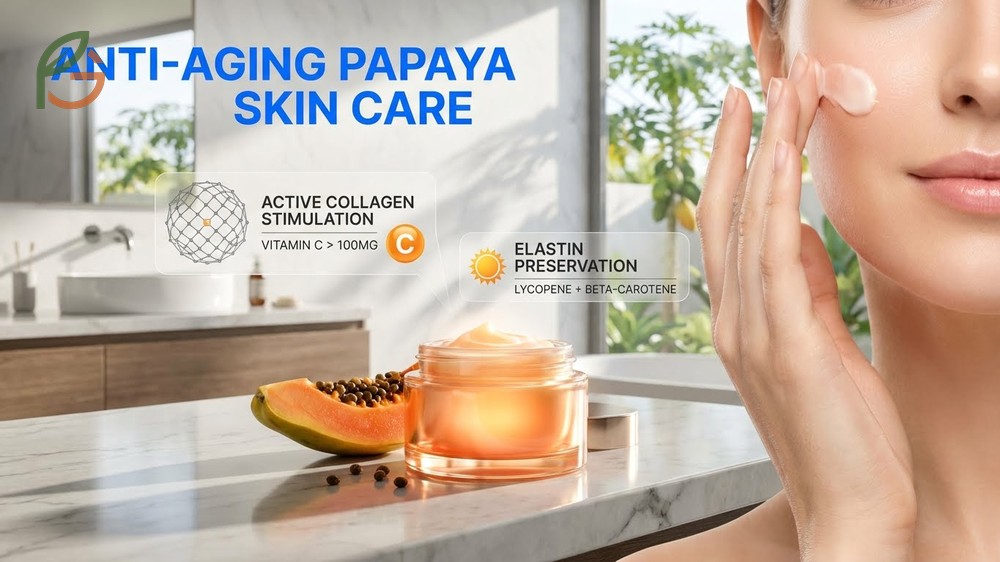
The anti-aging mechanisms in papaya extend beyond simple antioxidant protection to include active collagen stimulation and elastin preservation. Research confirms that vitamin C concentrations above 100mg daily value trigger increased fibroblast activity[1]. This cellular response produces new collagen molecules that replace damaged fibers degraded by chronological aging and UV exposure.
Lycopene and beta-carotene work synergistically to protect existing collagen and elastin networks from enzymatic breakdown. These carotenoids neutralize matrix metalloproteinases (MMPs), the enzymes responsible for collagen degradation during photoaging[3]. By inhibiting MMP activity, papaya helps maintain skin structure and prevents the sagging associated with collagen loss.
What often gets overlooked is that papaya’s water content hydrates skin while delivering active compounds. The fruit’s 88% water composition plumps skin cells temporarily, reducing fine line visibility immediately upon application. Combined with long-term collagen effects, this dual action creates both instant and sustained anti-aging benefits.
Collagen and Elastin Protection
Collagen represents approximately 75% of skin’s dry weight, making it the primary determinant of firmness and structural support. As production declines by roughly 1% annually after age 30, external vitamin C sources become increasingly important. Papaya provides ascorbic acid in bioavailable form that skin cells readily absorb and utilize for collagen synthesis.
Elastin fibers complement collagen by providing skin’s ability to return to original shape after stretching. While elastin doesn’t regenerate as readily as collagen, antioxidant protection prevents existing fibers from fragmenting. The combination of papaya’s vitamin C, lycopene, and beta-carotene creates comprehensive protection for both protein networks.
Reducing Wrinkles and Fine Lines
Visible wrinkle reduction requires addressing multiple aging pathways simultaneously. Papaya accomplishes this through exfoliation that removes damaged surface cells, antioxidants that prevent new damage, and vitamin C that rebuilds underlying structure. This multi-mechanism approach produces more noticeable results than single-action treatments.
Current guidance emphasizes consistency over intensity for anti-aging routines. Applying papaya masks 2-3 times weekly for 8-12 weeks shows progressive improvement as cumulative collagen production increases. Expecting immediate wrinkle erasure leads to disappointment, but realistic expectations aligned with skin’s natural renewal cycle yield satisfying outcomes.
- Stimulates new collagen production through high vitamin C delivery exceeding daily requirements
- Protects existing collagen from UV-induced degradation via lycopene and beta-carotene
- Reduces fine line depth through improved hydration and surface cell turnover
- Evens skin tone by fading age spots and sun damage through gentle exfoliation
- Improves skin elasticity by preserving elastin fiber integrity with antioxidant protection
- Enhances overall skin texture through combined smoothing and plumping effects
Realistic Timeline: Most people observe initial brightening within 2-3 weeks of regular papaya use, while structural improvements like reduced fine lines require 6-8 weeks of consistent application as new collagen matures. Patience produces better results than aggressive overuse.
Papaya Face Mask Recipes
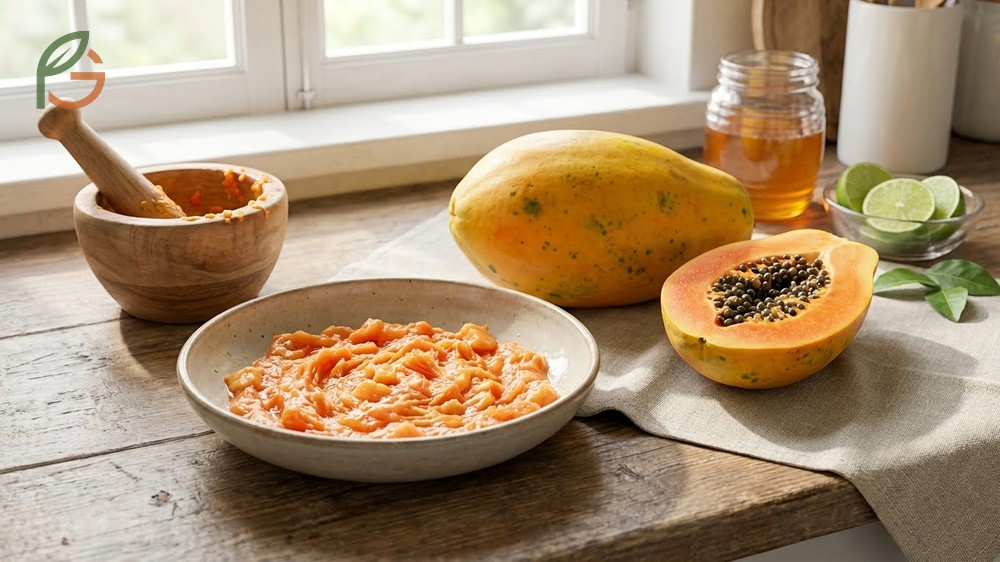
Homemade papaya masks deliver fresh enzymes and vitamins without the processing that degrades active compounds in commercial products. The key is using ripe but firm fruit that balances enzyme activity with antioxidant content. Overripe papaya loses papain potency, while underripe fruit may irritate sensitive skin with excessive enzyme concentration.
Preparation technique affects results significantly. Mashing papaya by hand preserves more vitamin C than blending at high speeds, which introduces oxygen that accelerates oxidation. Working with small batches you’ll use immediately prevents nutrient loss during storage. Fresh preparation takes only 3-5 minutes but provides substantially better benefits than refrigerated mixtures.
Combining papaya with complementary ingredients enhances specific benefits while buffering enzyme intensity for sensitive skin. Honey adds antimicrobial properties and extra hydration, while yogurt contributes lactic acid for additional gentle exfoliation. The recipes below target different skin concerns through strategic ingredient pairing.
Basic Papaya Glow Mask
This simple two-ingredient mask works well for normal to combination skin seeking brightening and gentle exfoliation. Mash 2 tablespoons fresh papaya with 1 teaspoon raw honey until smooth. Apply evenly to cleansed skin, avoiding the eye area. Leave on for 15 minutes, then rinse with lukewarm water and pat dry.
The honey in this formula provides humectant properties that draw moisture into skin while papain exfoliates. Use this mask 2-3 times weekly for progressively brighter, more even-toned skin. You’ll notice immediate softness after first application, with cumulative glow developing over 3-4 weeks of regular use.
Anti-Aging Papaya Honey Mask
For mature skin targeting fine lines and firmness, combine 3 tablespoons mashed papaya, 1 tablespoon plain Greek yogurt, and 1 teaspoon extra virgin olive oil. Mix thoroughly and apply in upward strokes following natural facial contours. Leave on for 20 minutes before rinsing.
The Greek yogurt adds lactic acid for enhanced exfoliation plus protein to support skin structure. Olive oil contributes vitamin E and fatty acids that reinforce the skin barrier. This richer formula suits dry or aging skin better than the basic recipe. Apply twice weekly and follow with your regular moisturizer for optimal anti-aging results.
- Start with freshly cleansed skin free of makeup, oils, and debris for maximum absorption
- Perform patch test on inner forearm 24 hours before first full face application to check sensitivity
- Apply mask in thin, even layer using clean fingers or brush, avoiding eye and lip areas
- Set timer for recommended duration (15-20 minutes) to prevent over-exfoliation from extended exposure
- Rinse thoroughly with lukewarm water, never hot water which can increase irritation risk
- Follow immediately with hydrating serum and moisturizer to lock in benefits and support barrier recovery
- Use sunscreen if applying mask during daytime, as exfoliation increases photosensitivity temporarily
Best Practices for Using Papaya
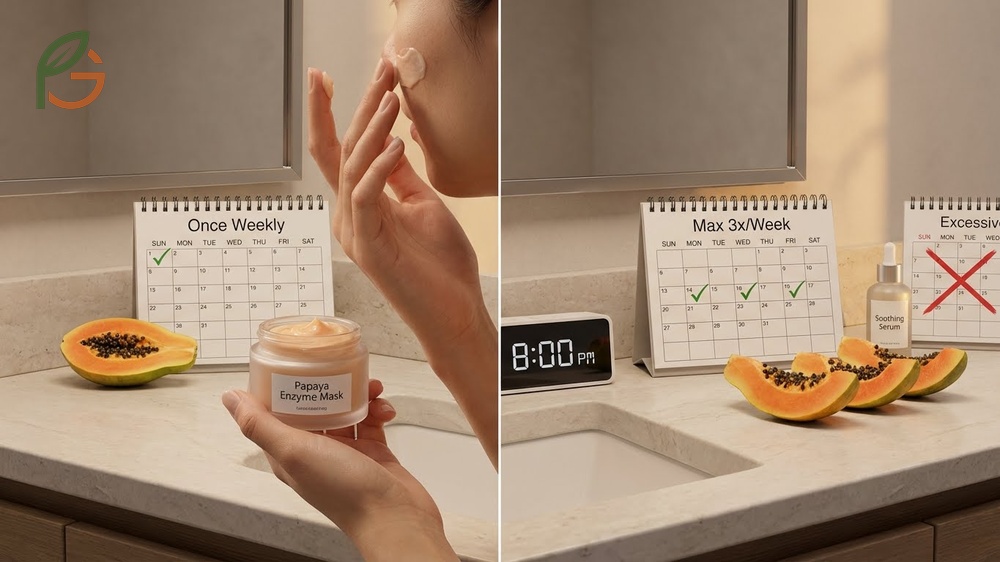
Frequency and timing determine whether papaya skincare produces benefits or causes problems. Starting with once-weekly application allows your skin to adapt to enzymatic exfoliation without overwhelming natural barrier function. If no irritation develops after two weeks, increase to twice weekly. Don’t exceed three times weekly even for tolerant skin, as excessive exfoliation triggers compensatory oil production and sensitivity.
Evening application optimizes results by aligning with skin’s natural nighttime repair cycle. The circadian rhythm increases cell turnover and collagen synthesis during sleep hours. Applying papaya masks before bed capitalizes on this heightened regenerative activity. Morning use isn’t harmful but provides less synergy with natural skin processes.
Storage and preparation methods impact active compound retention significantly. Cut papaya oxidizes rapidly, losing vitamin C at approximately 25% per hour at room temperature. Prepare masks immediately before use rather than batch-preparing for the week. If you must store prepared papaya, use an airtight container in the refrigerator and consume within 24 hours maximum.
Sun Protection Essential: Exfoliation temporarily reduces skin’s natural UV defense by removing protective dead cell layers. Apply broad-spectrum SPF 30 or higher every morning when using papaya treatments, even on cloudy days. This prevents the photoaging you’re working to reverse.
- Leaving masks on longer than 20 minutes hoping for better results but actually risking irritation and over-exfoliation
- Using papaya on active breakouts or open wounds where enzymes may delay healing or cause stinging
- Combining papaya with other exfoliants like AHAs, BHAs, or retinoids in same routine, creating excessive irritation
- Skipping sunscreen after exfoliation, negating anti-aging benefits through increased UV damage
- Applying to severely dry or compromised skin barriers that need repair before tolerating exfoliation
- Expecting dramatic overnight results instead of allowing 6-8 weeks for collagen remodeling to show visible improvement
Conclusion
The evidence is clear: papaya benefits for skin stem from three scientifically validated mechanisms working together. Papain enzyme provides gentle protein-based exfoliation that removes dead cells without mechanical damage. Exceptional vitamin C content exceeding 137% daily value stimulates collagen synthesis for firmer, younger-looking skin. Carotenoid antioxidants protect against free radical damage that accelerates visible aging.
Current guidance emphasizes using fresh, properly prepared papaya 2-3 times weekly for 8-12 weeks to achieve noticeable anti-aging and brightening results. FruitGarden synthesizes dermatological research showing that homegrown tropical fruit offers gardeners a scientifically-backed natural skincare ingredient. Success requires consistency, realistic expectations, and proper sun protection to maintain the improvements papaya delivers.
Medical Disclaimer
Important Medical Disclaimer: This content is for informational and educational purposes only. It is not intended as a substitute for professional medical advice, diagnosis, or treatment. Always consult a qualified healthcare professional or dermatologist before making any changes to your skincare routine, especially if you have sensitive skin, allergies, eczema, rosacea, or other skin conditions. Discontinue use and seek medical attention if you experience severe irritation, swelling, or allergic reactions.
Frequently Asked Questions
How Often Should I Use Papaya on My Face?
Start with once weekly application for two weeks to assess skin tolerance, then increase to 2-3 times weekly if no irritation occurs. Never exceed three times weekly as excessive enzymatic exfoliation can compromise your skin barrier and trigger increased sensitivity or oil production.
Can Papaya Lighten Dark Spots and Hyperpigmentation?
Yes, papaya’s vitamin C and gentle exfoliation work together to fade dark spots over time. The enzyme removes pigmented dead cells while vitamin C inhibits excess melanin production. Expect gradual lightening over 6-8 weeks of consistent use, not immediate results.
Is Papaya Safe for Sensitive Skin?
Papaya generally suits sensitive skin better than harsh chemical exfoliants due to its selective protein-digesting action[2]. However, individuals with latex allergies should avoid papaya as the enzyme can cross-react. Always perform a 24-hour patch test before full facial application.
What’s the Best Time to Apply Papaya Masks?
Evening application works best because it aligns with skin’s natural nighttime repair cycle when cell turnover and collagen synthesis peak. Morning use isn’t harmful but requires diligent sunscreen application since exfoliation increases UV sensitivity temporarily.
Can I Store Prepared Papaya Masks?
Freshly prepared masks deliver maximum benefits since vitamin C oxidizes rapidly once exposed to air, losing approximately 25% potency per hour. If you must store prepared papaya, use an airtight container in the refrigerator and use within 24 hours maximum for any remaining effectiveness.
Does Papaya Help With Acne?
Research shows papain’s anti-inflammatory properties and ability to unclog pores make it beneficial for acne-prone skin[4]. The enzyme dissolves keratin plugs blocking sebaceous glands while reducing bacterial growth. Avoid applying to active breakouts or open lesions where it may cause stinging.
What Type of Papaya Works Best for Skincare?
Choose ripe but firm papaya with yellow-orange flesh for optimal balance between enzyme activity and antioxidant content. Unripe green papaya contains maximum papain but may irritate sensitive skin, while overripe fruit loses enzyme potency. Medium ripeness offers the best combination for most skin types.