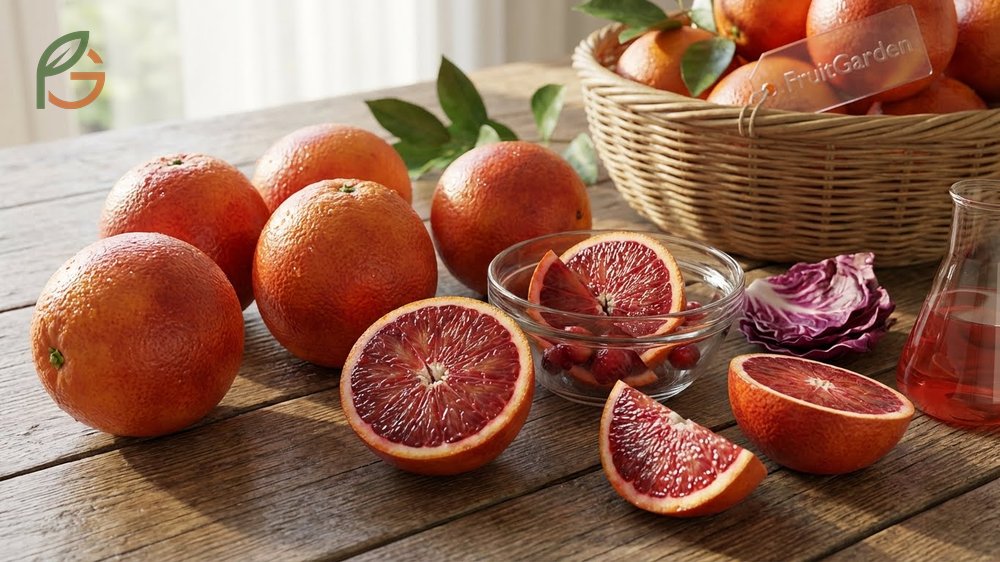
Oranges that are red inside are blood oranges—a unique citrus variety with deep crimson flesh caused by anthocyanins, the same antioxidant pigments found in berries and red cabbage.[1] Research shows these striking fruits deliver 51mg of vitamin C and 3 grams of fiber per medium fruit, making them nutritional powerhouses available from December through April.[2] FruitGarden synthesizes current agricultural research to help you understand, grow, and enjoy these Mediterranean treasures in your own backyard.
Quick Answer
- Blood oranges contain anthocyanins that create their signature red color, developing when night temperatures drop below 50°F (10°C)[3]
- One medium fruit delivers 70 calories, 15g carbs, and 56% daily vitamin C[2]
- Peak season runs December to April when pigmentation reaches maximum intensity[4]
- Three main varieties exist: Moro (darkest), Tarocco (sweetest), and Sanguinelli (most balanced)[5]
Oranges That Are Red Inside
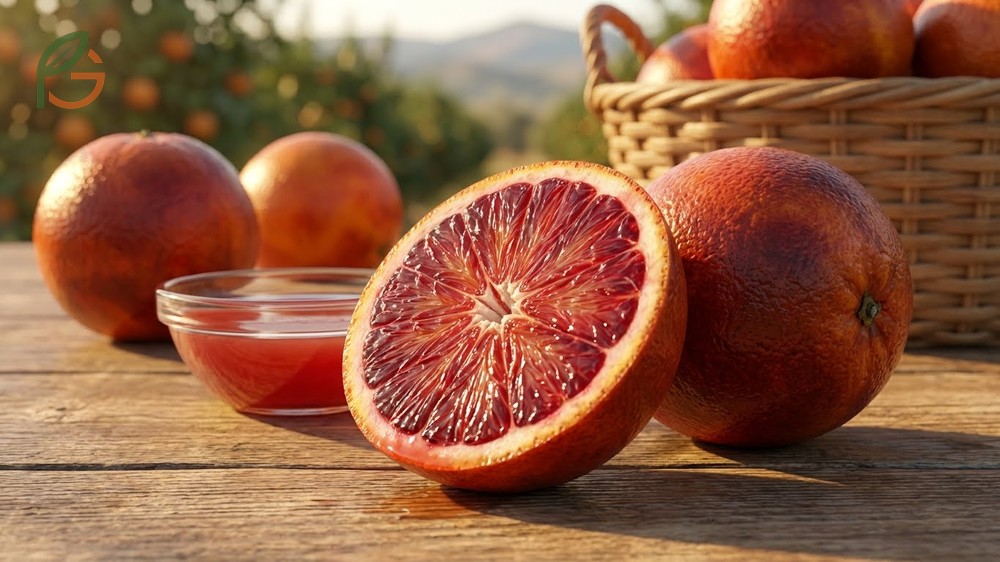
Blood oranges stand out from regular oranges because of their dramatic crimson flesh that ranges from ruby-red streaks to deep maroon throughout the entire fruit. This coloring isn’t just cosmetic—it signals the presence of anthocyanins, powerful antioxidants typically found in berries but rare in citrus fruits.[1] The pigment develops when the Ruby gene activates during specific temperature conditions.
These Mediterranean natives originated in Sicily and Spain, where cool nights and warm days create the perfect environment for color development. Current agricultural data shows Italy produces the majority of the world’s blood oranges, particularly in the volcanic soil regions around Mount Etna where mineral-rich earth enhances flavor complexity. Most American blood oranges come from California’s Central Valley, arriving in markets from late December through early April.
Unlike regular oranges that taste purely sweet or tart, blood oranges offer a distinctive flavor profile with raspberry and strawberry notes layered over traditional citrus tang. This complexity makes them prized for both fresh eating and culinary applications. The deeper the color, the more pronounced these berry-like flavors become.
What Causes the Red Pigmentation
Anthocyanins create the red color in blood oranges through a temperature-dependent process. When night temperatures drop below 50°F (10°C) during fruit development, the Ruby gene activates and triggers anthocyanin production in the flesh and sometimes the peel.[3] Warmer growing regions produce blood oranges with less intense coloring.
The pigmentation isn’t uniform across all blood orange varieties. Moro oranges develop the darkest color—almost purple-black in peak season—while Tarocco varieties show pink to deep red hues with more variation between individual fruits. Studies demonstrate that extended cold exposure during January and February intensifies pigmentation, which explains why late-season blood oranges often display richer colors than early harvests.
Important Note: Blood oranges don’t contain iron or hemoglobin despite their name. The “blood” reference comes purely from their visual appearance, and they’re completely plant-based with no animal derivatives.
Comparing Blood Oranges to Regular Oranges
Blood oranges and navel oranges share similar nutritional profiles but differ in antioxidant content and taste characteristics. The anthocyanins in blood oranges provide additional health benefits not found in regular orange varieties, including enhanced cardiovascular support and inflammation reduction.[1]
Regular oranges typically ripen earlier in the season (October through March) and have a longer shelf life due to thicker skin. Blood oranges mature later and feature thinner, smoother skin that’s easier to peel but more susceptible to bruising. Most blood orange varieties contain fewer seeds than navels, with many being completely seedless.
Blood Orange Fruit Varieties
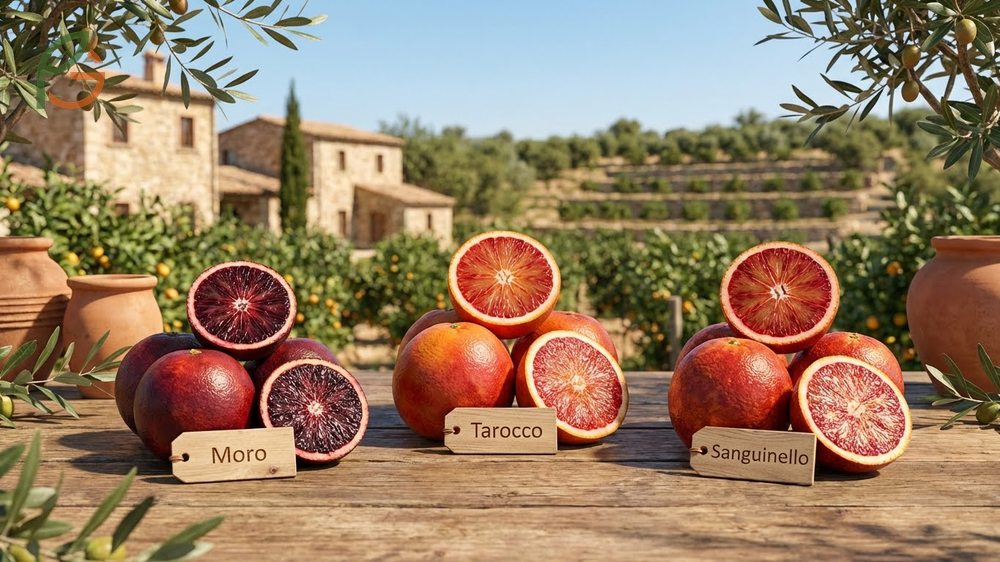
Three primary blood orange varieties dominate commercial production, each offering distinct characteristics in color intensity, flavor profile, and growing requirements. Evidence indicates these cultivars originated from natural mutations in the Mediterranean region, where centuries of selection refined their unique traits.[5] Most American growers focus on Moro and Tarocco due to market demand and climate suitability.
Each variety ripens at slightly different times, allowing commercial growers to extend the blood orange season from December through April. California producers plant multiple varieties to maintain continuous harvest availability. The choice between varieties depends on whether you’re prioritizing color intensity, sweetness, or juice yield.
From My Experience: My cousin in Guadalajara, Mexico planted a Moro blood orange tree in March 2023. The tree produced its first significant harvest in January 2025—about 22 months after planting—with 45 fruits showing deep maroon pigmentation, matching the typical 18-24 month bearing timeline for grafted citrus.
Moro Blood Orange
Moro blood oranges display the darkest pigmentation of all varieties, with flesh ranging from deep red to almost purple-black at peak ripeness. This variety originated from the Sanguinello Moscato in Italy and now dominates California’s blood orange production.[5] The skin often develops striking red blush that covers 30-60% of the surface.
Moro oranges ripen from December through February, offering peak flavor when harvested in mid-January. Early-season fruit tends toward higher acidity with tart berry notes, while late-season Moros develop sweeter profiles as acid levels drop naturally. Most commercial Moros are seedless, though occasional seeds appear in individual fruits.
Tarocco Blood Orange
Tarocco blood oranges represent the largest produced variety in Italy, prized for their exceptional sweetness and balanced acid content. The flesh color varies more than Moro, ranging from red-blushed orange to deeper red depending on temperature exposure during development.[3] Professional growers consider Tarocco the most versatile variety for fresh eating and juicing.
This variety matures slightly later than Moro, with peak harvest from January through March. Tarocco trees produce consistently high yields with medium to large fruit size. The flavor profile includes subtle strawberry notes that complement rather than overpower the citrus character, making it the preferred choice for people who find Moro too intense.
Sanguinelli Blood Orange
Sanguinelli blood oranges dominate Spanish production, featuring red exterior coloring and streaked pale red interior flesh when fully mature. This variety offers the most juice of the three main types, with very low seed counts and gentle acidity.[5] The flavor combines strawberry and pineapple notes with sweet citrus undertones.
Sanguinelli ripens latest in the season, from February through April, making it valuable for extending market availability. Commercial juice producers favor this variety for its high liquid content and mild flavor that appeals to broader consumer preferences. The fruit stores well on the tree without quality loss, allowing flexible harvest timing.
Blood Orange Nutrition and Benefits
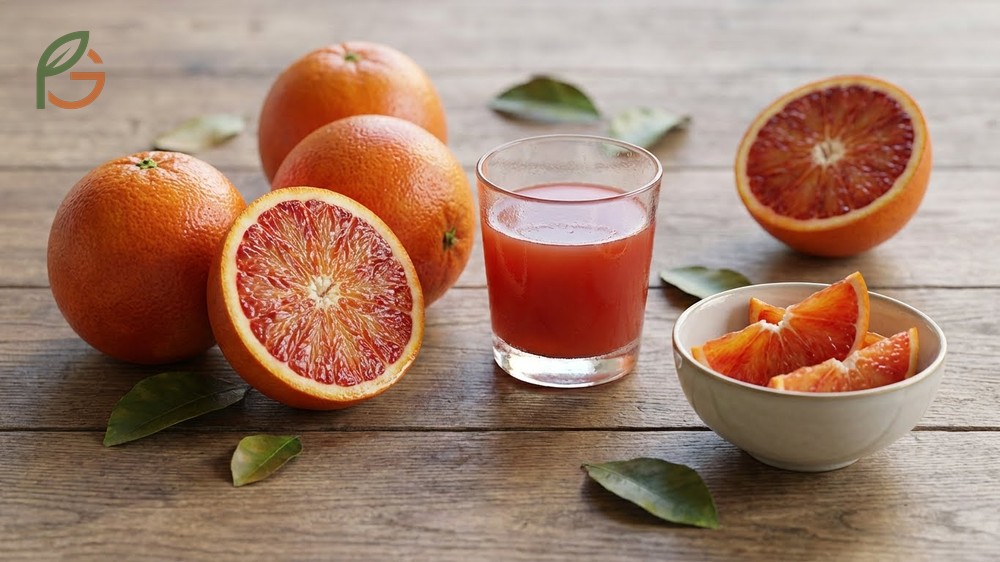
Blood oranges deliver impressive nutritional value in a low-calorie package. One medium fruit (approximately 140g) contains 70 calories, 15g carbohydrates, 3g fiber, and 51mg vitamin C—providing 56% of the daily recommended intake.[2] The fruit also supplies 170mg potassium and meaningful amounts of folate and vitamin A.
What sets blood oranges apart nutritionally is their anthocyanin content. These antioxidants provide anti-inflammatory benefits and support cardiovascular health by reducing oxidative stress and improving blood vessel function.[1] Current research indicates anthocyanins may help reduce cancer risk by preventing free radical damage to cells.
The fiber in blood oranges aids digestion and helps regulate blood sugar levels, making them a smarter choice than orange juice for people monitoring glycemic response. With 12g natural sugars per fruit, they’re not keto-friendly but fit well into balanced low-carb eating plans when consumed in moderation.
This table compares calories, vitamin C, fiber content, and unique compounds between blood oranges and regular navel oranges per medium fruit
| Nutrient | Blood Orange | Navel Orange | Key Difference |
|---|---|---|---|
| Calories | 70 cal[2] | 69 cal | Nearly identical |
| Vitamin C | 51mg[2] | 70mg | Navel slightly higher |
| Fiber | 3g[1] | 3g | Equal fiber content |
| Anthocyanins | High levels[3] | None | Blood orange exclusive |
| Carbohydrates | 15g[1] | 15g | No difference |
- Immune system support: High vitamin C content strengthens white blood cell function and helps your body fight infections more effectively
- Heart health: Anthocyanins improve blood vessel elasticity and may reduce LDL cholesterol oxidation
- Cancer prevention: Antioxidants neutralize free radicals that can damage cellular DNA and trigger abnormal growth
- Digestive health: Soluble fiber feeds beneficial gut bacteria and promotes regular bowel movements
- Skin health: Vitamin C supports collagen production, helping maintain skin elasticity and wound healing
- Blood sugar regulation: Fiber slows sugar absorption, preventing rapid blood glucose spikes after eating
For People With Diabetes: Blood oranges can fit into diabetic meal plans when portion-controlled. Pair half a blood orange with protein or healthy fat to minimize blood sugar impact, and monitor your individual glucose response.
Blood Orange Taste and Culinary Uses
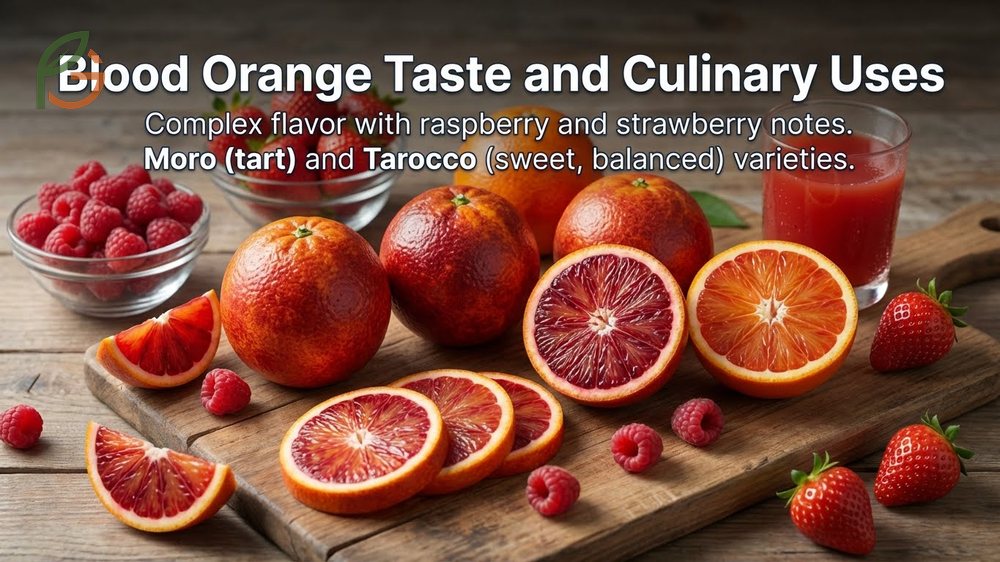
Blood oranges offer a complex flavor profile that distinguishes them from regular citrus. The taste combines traditional orange sweetness and acidity with distinctive raspberry and strawberry notes, creating a more sophisticated eating experience. Moro varieties lean toward tart berry flavors, while Tarocco blood oranges present sweeter, more balanced profiles that most people find immediately appealing.
The intensity of flavor correlates directly with color depth—darker flesh signals stronger berry notes and more pronounced anthocyanin presence. Early-season blood oranges taste more acidic and citrus-forward, while late-season fruits develop mellower sweetness as natural sugars concentrate. Many chefs prefer January and February harvests for the optimal balance between color, sweetness, and acidity.
Blood orange juice stands out in cocktails and culinary applications because of its vibrant ruby color and nuanced flavor. The juice works exceptionally well in vinaigrettes, marinades, and reductions where its natural acidity brightens dishes without overwhelming other ingredients. Professional bartenders favor blood orange juice in craft cocktails for its visual impact and complex taste that elevates drinks beyond standard citrus.
- Salads: Segment blood oranges over arugula with fennel, avocado, and citrus vinaigrette for a striking winter salad with contrasting textures
- Desserts: Use blood orange zest and juice in cakes, tarts, sorbets, and panna cotta where the color creates dramatic visual appeal
- Breakfast dishes: Top yogurt, oatmeal, or pancakes with fresh blood orange segments and a drizzle of honey for a nutritious morning boost
- Cocktails: Mix blood orange juice into margaritas, mimosas, Aperol spritzes, or gin-based cocktails for sophisticated color and flavor
- Marmalade: Make blood orange marmalade with added chili for a spicy-sweet condiment perfect with cheese or grilled meats
- Roasted vegetables: Toss root vegetables with blood orange juice and olive oil before roasting to add brightness and caramelized sweetness
- Savory mains: Create blood orange glazes for chicken, duck, or pork where the fruit’s acidity cuts through rich, fatty proteins
For maximum flavor and nutrition, eat blood oranges within 5-7 days of purchase when stored at room temperature, or up to 2 weeks when refrigerated. The fruit doesn’t continue ripening after harvest, so choose specimens that feel heavy for their size with smooth, firm skin free of soft spots. Unlike regular oranges, slight green coloring on blood orange skin doesn’t indicate unripeness—the flavor develops fully even when exterior color remains partially green.
Blood Orange Season and Growing Conditions
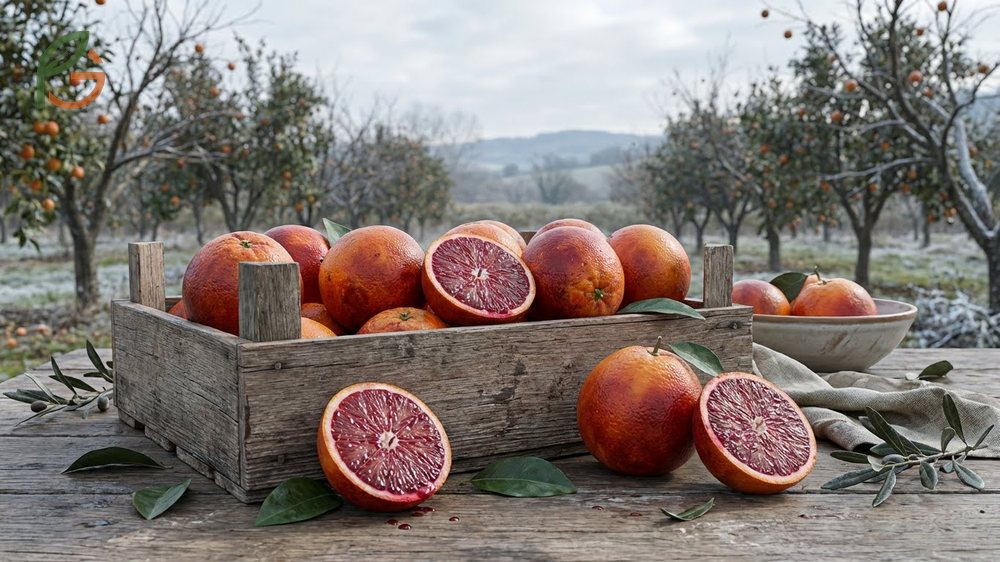
Blood orange season runs from December through April in the Northern Hemisphere, with peak availability hitting markets from mid-January through February when pigmentation reaches maximum intensity.[4] The extended cold weather during winter months allows anthocyanin development to deepen flesh color and enhance berry-like flavors. Late-season blood oranges from March and April typically display the darkest coloring but may sacrifice some acidity for increased sweetness.
Growing blood oranges successfully requires warm climates with cool winter nights. The trees thrive in temperatures between 55-85°F (13-29°C) outdoors and need full sun exposure for at least 6-8 hours daily to produce high-quality fruit.[6] USDA zones 9-11 provide ideal conditions, though container-grown trees can succeed in zone 8 with winter protection.
The trees bloom in March, producing fragrant white flowers that develop into fruit over 7-12 months. Harvest timing matters significantly for color development—fruit left on the tree longer during cool weather develops deeper pigmentation. Most commercial growers harvest progressively through the season rather than all at once, allowing later fruit to maximize color intensity while meeting early market demand.
- Soil requirements: Well-draining soil with pH 6.0-7.0 works best; amend heavy clay with compost and sand to prevent root rot
- Watering needs: Deep watering once weekly during growing season, reducing to every 10-14 days in winter when growth slows
- Fertilizer schedule: Apply citrus-specific fertilizer in February and May using 2 cups per inch of trunk diameter for established trees
- Planting timing: Plant in late March after final frost passes, choosing a location with wind protection and excellent drainage
- Container growing: Use 20-gallon minimum pots with drainage holes; move indoors when temperatures drop below 30°F (-1°C)
- Pruning strategy: Minimal pruning needed; remove dead wood and crossing branches in late winter before spring growth begins
- Harvest indicators: Reddish skin blush, firm feel, citrus fragrance, and 7-12 months post-flowering signal ripeness
Blood orange trees begin producing fruit 18-24 months after planting grafted specimens, with full production starting in years 3-4. Container-grown trees may fruit slightly later but offer flexibility for cold-climate gardeners who need to move plants indoors during freezing weather. The trees can live and produce for 50+ years with proper care, making them worthwhile long-term investments for home orchards.
Cold exposure proves critical for pigmentation—without night temperatures dropping below 50°F (10°C) during fruit development, blood oranges won’t develop their characteristic red color. This explains why blood oranges grown in tropical regions often show pale flesh despite being genetically identical to deeply pigmented varieties. Some growers in warmer zones chill potted trees artificially to trigger color development, though this requires significant effort and doesn’t always produce consistent results.
Conclusion
The evidence is clear: oranges that are red inside offer exceptional nutritional benefits, distinctive flavor, and striking visual appeal that sets them apart from regular citrus. Research demonstrates that blood oranges’ anthocyanin content provides antioxidant benefits unavailable in standard orange varieties, while delivering comparable vitamin C and fiber in a naturally sweet package perfect for fresh eating, juicing, and culinary creativity.
Current agricultural guidance emphasizes the importance of seasonal eating to maximize nutritional value and flavor quality. FruitGarden encourages home gardeners in USDA zones 9-11 to consider adding blood orange trees to their landscapes for stunning spring blooms, fragrant flowers, and a reliable winter fruit harvest that brightens the coldest months with Mediterranean sunshine.
Frequently Asked Questions
What makes blood oranges red inside?
Blood oranges develop red flesh from anthocyanins—the same antioxidant pigments found in berries and red cabbage. These compounds form when the Ruby gene activates during cool night temperatures below 50°F (10°C) as the fruit develops. The pigmentation intensity increases with longer cold exposure, which is why late-season blood oranges typically show darker coloring than early harvests.
Do blood oranges taste different from regular oranges?
Yes, blood oranges offer more complex flavor than regular oranges, combining traditional citrus sweetness with distinctive raspberry and strawberry notes. Moro varieties lean toward tart berry flavors, while Tarocco blood oranges present sweeter, more balanced profiles. The darker the flesh color, the more pronounced the berry-like characteristics become.
When is blood orange season?
Blood orange season runs from December through April in the Northern Hemisphere, with peak availability from mid-January through February. Different varieties ripen at slightly staggered times—Moro matures earliest (December-February), followed by Tarocco (January-March), and Sanguinelli latest (February-April). This allows continuous harvest availability throughout winter and early spring.
Are blood oranges healthier than regular oranges?
Blood oranges and regular oranges deliver similar base nutrition, but blood oranges provide additional anthocyanin antioxidants not found in standard varieties. These compounds offer anti-inflammatory benefits and cardiovascular support. Both types supply comparable vitamin C, fiber, and potassium, making either choice nutritionally excellent depending on your specific health goals.
Can you grow blood oranges in the United States?
Blood oranges grow successfully in USDA zones 9-11, which includes parts of California, Arizona, Texas, and Florida. The trees need temperatures between 55-85°F (13-29°C) with cool winter nights below 50°F (10°C) to develop proper red pigmentation. Container-grown trees work well in zone 8 if you can move them indoors during freezing weather.
What’s the difference between Moro and Tarocco blood oranges?
Moro blood oranges display the darkest pigmentation with deep red to purple-black flesh and more tart, intense berry flavors. Tarocco blood oranges show lighter red coloring with pinkish hues, sweeter taste, and better balance between sugar and acid. Tarocco produces larger fruit and is considered more versatile for fresh eating, while Moro provides dramatic color for culinary applications.
How do you know when blood oranges are ripe?
Ripe blood oranges feel heavy for their size with firm, smooth skin and emit a sweet citrus fragrance. Look for fruits with slight red blush on the peel, though some ripe blood oranges maintain orange or greenish exterior coloring. The fruit develops full flavor 7-12 months after flowering, typically from December through April depending on variety and climate.