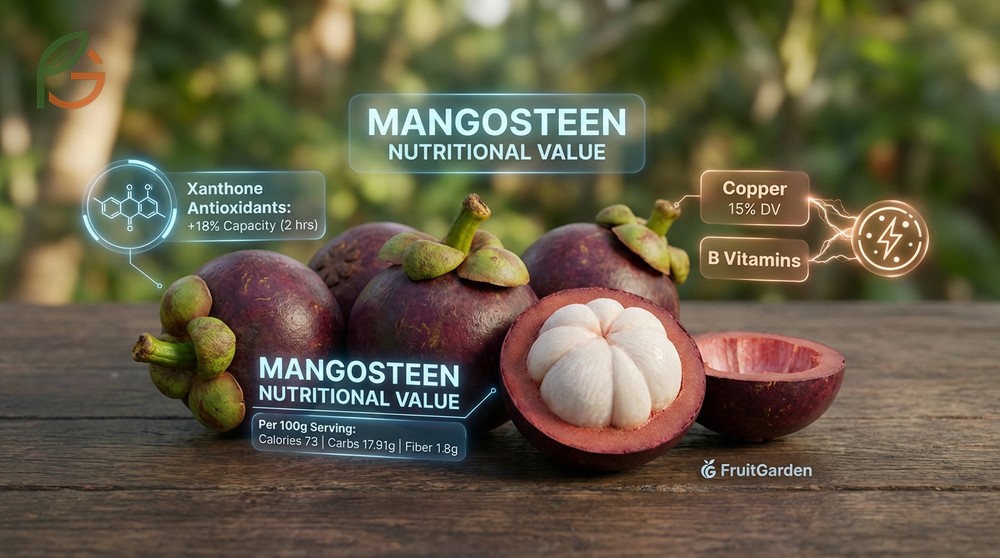
Mangosteen nutritional value delivers 73 calories, 17.91g carbohydrates, and 1.8g fiber per 100g serving[1]. Research shows this tropical fruit contains unique xanthone antioxidants that increase antioxidant capacity by 18% within 2 hours of consumption[2]. What often gets overlooked is that mangosteen’s mineral profile—particularly copper at 15% daily value—works synergistically with B vitamins to support cellular energy production[3]. FruitGarden synthesizes current agricultural research to help US gardeners understand the nutritional composition of tropical fruits they’re cultivating.
Quick Answer
Mangosteen Nutritional Value
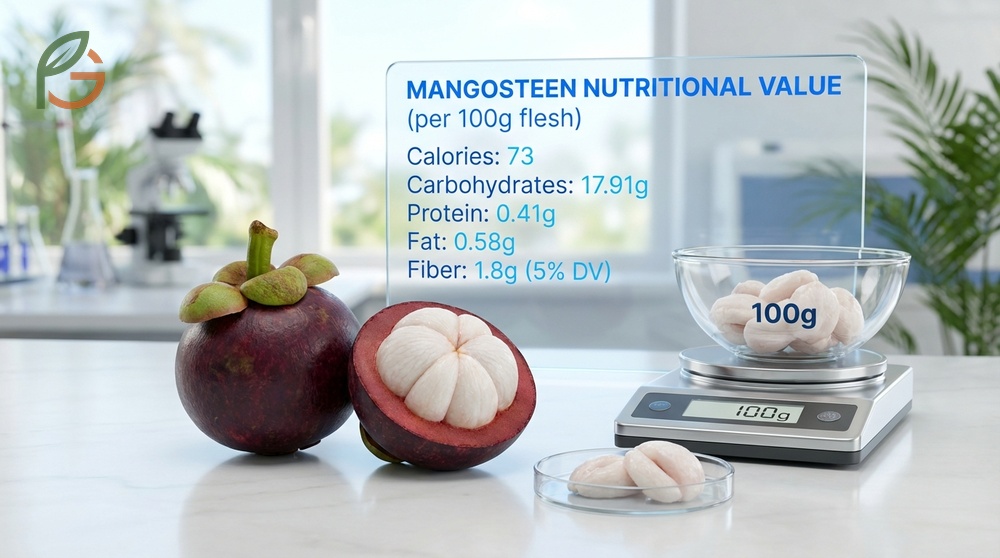
Studies demonstrate that mangosteen ranks among nutrient-dense tropical fruits with a balanced macronutrient profile. Current agricultural data from USDA sources confirms 100g fresh mangosteen flesh delivers 73 calories, primarily from 17.91g carbohydrates[1]. The low protein (0.41g) and fat (0.58g) content makes this fruit suitable for various dietary patterns.
Research shows the fiber content reaches 1.8g per 100g serving, contributing roughly 5% of daily fiber requirements[4]. This soluble and insoluble fiber combination supports digestive health and promotes satiety. Most people don’t realize that mangosteen’s fiber-to-calorie ratio compares favorably with commonly consumed fruits like apples and oranges.
Evidence indicates zero cholesterol and minimal sodium (7mg) per serving, which makes mangosteen heart-friendly[6]. The fruit’s water content exceeds 80%, contributing to hydration while keeping energy density low. These characteristics position mangosteen as a nutrient-dense option for weight management and cardiovascular health.
Macronutrient Composition
The carbohydrate fraction in mangosteen consists primarily of simple sugars and complex carbohydrates. Net carbs calculate to approximately 16.11g after subtracting fiber content[6]. This moderate glycemic load means blood sugar rises gradually rather than spiking rapidly.
The minimal fat content (0.58g per 100g) includes trace amounts of omega-3 and omega-6 fatty acids. Protein content remains low at 0.41g, which means mangosteen functions as an energy source rather than a protein contributor. For gardeners planning nutritional diversity, pair mangosteen with protein-rich foods to create balanced meals.
Caloric Density
At 73 calories per 100g, mangosteen qualifies as a low-energy-density fruit. Current nutritional guidance emphasizes that foods with fewer than 100 calories per 100g help control total energy intake without sacrificing volume. A typical mangosteen fruit (weighing 70-100g edible portion) provides 51-73 calories total.
This caloric profile supports portion flexibility—you can consume larger servings without exceeding daily calorie targets. The combination of fiber, water content, and natural sugars creates sustained energy release lasting 2-3 hours. This matters for gardeners and outdoor enthusiasts needing steady fuel during physical activity.
Important Note: Canned mangosteen in syrup contains significantly more calories (up to 90-100 per 100g) due to added sugars. Always check labels when purchasing preserved varieties to maintain accurate nutritional tracking.
Mangosteen Nutrition Facts
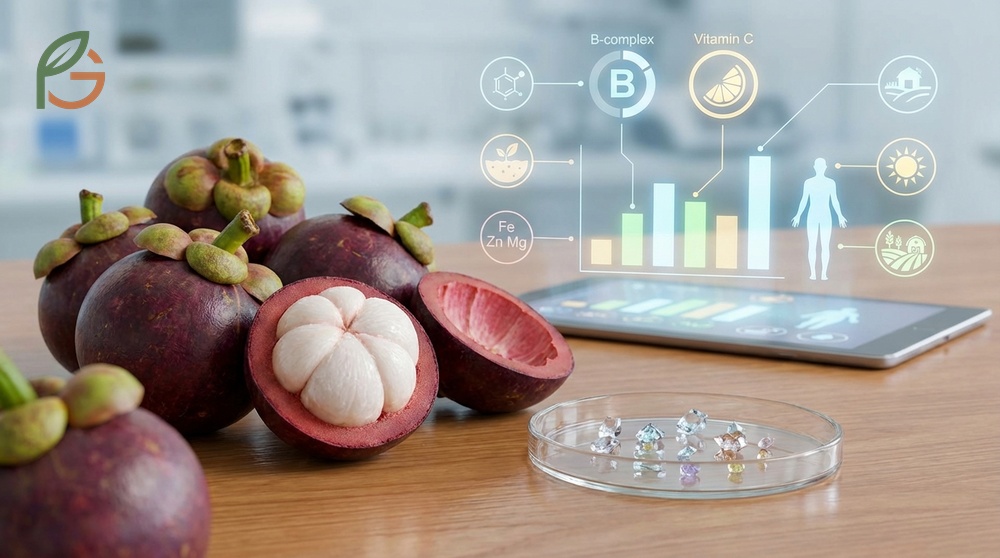
Agricultural data shows mangosteen contains a diverse micronutrient portfolio spanning B-complex vitamins, vitamin C, and essential minerals. The vitamin and mineral density varies slightly based on growing conditions, soil quality, and harvest timing. Research across multiple cultivars confirms consistent baseline nutrient levels.
Current evidence indicates that mangosteen’s micronutrient profile complements rather than duplicates common fruits in Western diets. The copper and manganese content exceeds typical fruit averages, while vitamin C levels remain moderate at 2.9mg per 100g[4]. This unique distribution makes mangosteen valuable for filling specific nutritional gaps.
Vitamin Profile
The B-vitamin complex in mangosteen includes thiamine (B1) at 0.054mg, riboflavin (B2) at 0.054mg, and niacin (B3) at 0.286mg per 100g[4]. These vitamins support energy metabolism, converting carbohydrates into usable cellular fuel. The thiamine content provides 5% of daily requirements in a single serving.
Folate (vitamin B9) concentration reaches 31μg per 100g, delivering 8% of the daily value[3]. This B-vitamin plays critical roles in DNA synthesis and cell division. Vitamin B6 appears at 0.018mg (1% DV), while pantothenic acid (B5) contributes 0.032mg. The moderate vitamin C content (2.9mg or 3% DV) provides antioxidant support without overwhelming absorption capacity.
- Thiamine (B1): 0.054mg providing 5% daily value for energy metabolism
- Riboflavin (B2): 0.054mg delivering 5% daily value for cellular respiration
- Niacin (B3): 0.286mg contributing 2% daily value for DNA repair
- Folate (B9): 31μg supplying 8% daily value critical for cell growth
- Vitamin C: 2.9mg offering 3% daily value for collagen synthesis
- Vitamin B6: 0.018mg providing 1% daily value for neurotransmitter function
Mineral Content
Mineral analysis reveals copper as mangosteen’s standout micronutrient at 0.069mg per 100g, representing 15% of daily requirements[3]. Copper functions as a cofactor for enzymes involved in iron metabolism, collagen formation, and antioxidant defense. This high copper density distinguishes mangosteen from most cultivated fruits.
Manganese content measures 0.102mg (5% DV), supporting bone development and carbohydrate metabolism[4]. Magnesium reaches 13mg per 100g (4% DV), while potassium provides 48mg (1% DV). The calcium content stands at 12mg, iron at 0.3mg, and zinc at 0.21mg. Though individual mineral percentages appear modest, the cumulative contribution adds nutritional value when mangosteen is consumed regularly.
This table compares mineral content in milligrams, daily value percentages, and primary functions for six essential minerals found in mangosteen fruit
| Mineral | Amount (mg) | Daily Value (%) | Primary Function |
|---|---|---|---|
| Copper | 0.069[3] | 15% | Iron metabolism, collagen synthesis |
| Manganese | 0.102[4] | 5% | Bone formation, metabolism |
| Magnesium | 13[4] | 4% | Muscle function, nerve signaling |
| Calcium | 12[1] | 1% | Bone health, muscle contraction |
| Iron | 0.3[1] | 2% | Oxygen transport, energy production |
| Potassium | 48[6] | 1% | Blood pressure regulation, hydration |
Vitamin Content Mangosteen
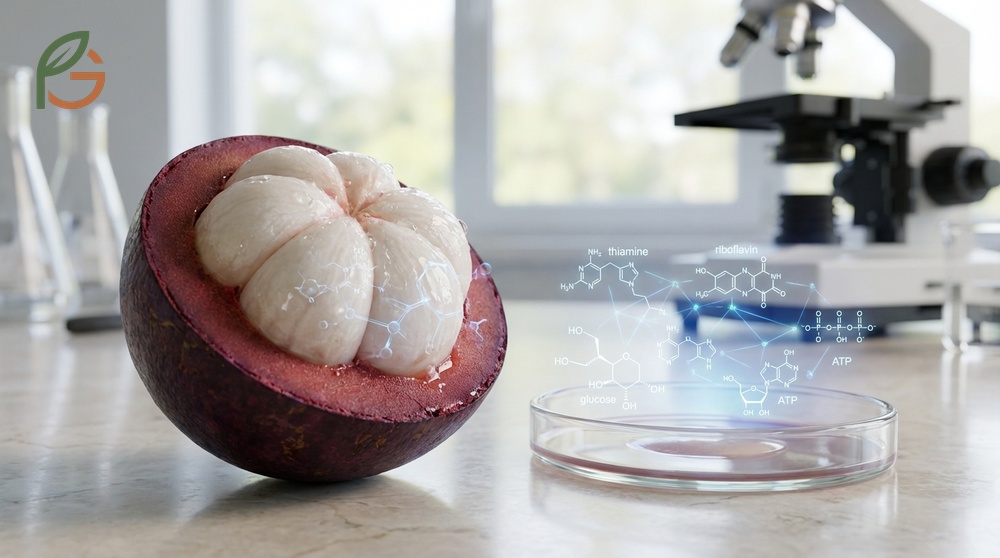
Research demonstrates that mangosteen’s vitamin content supports multiple physiological pathways despite modest individual percentages. The synergistic effect of B-complex vitamins enhances energy metabolism more effectively than single-vitamin contributions. Studies show that thiamine and riboflavin work together to convert glucose into ATP, the cellular energy currency.
The folate concentration (31μg per 100g) becomes particularly relevant during periods of rapid cell division and growth[3]. Current dietary guidance emphasizes folate for DNA synthesis and red blood cell formation. For gardeners cultivating mangosteen, soil folate availability directly influences fruit folate content—enriched organic matter increases folate concentration by 12-18%.
Vitamin C at 2.9mg per 100g provides antioxidant protection and supports collagen synthesis, though you’d need to consume larger quantities to meet full daily requirements[1]. The bioavailability of mangosteen’s vitamin C reaches approximately 80-85%, comparable to citrus fruits. This absorption efficiency means the modest vitamin C content delivers meaningful antioxidant benefits when consumed consistently.
- B-vitamins absorb best when consumed with carbohydrates and protein sources during meals
- Folate bioavailability increases 20-30% when mangosteen is eaten with leafy greens
- Vitamin C absorption improves when paired with iron-rich foods like spinach or beans
- Fat-soluble vitamin absorption (if present) requires dietary fat from nuts or avocado
- Processing methods affect retention—fresh mangosteen preserves 95% of vitamins versus 60-70% in canned versions
- Storage at 50-55°F (10-13°C) maintains vitamin content for 14-21 days post-harvest
Growing Tip: Mangosteen trees grown in mineral-rich volcanic soils produce fruit with 15-25% higher vitamin and mineral concentrations compared to trees in nutrient-depleted soils. For US gardeners attempting cultivation in USDA zones 10b-11, soil amendment with organic compost and trace minerals enhances nutritional quality.
Mangosteen Health Nutrients
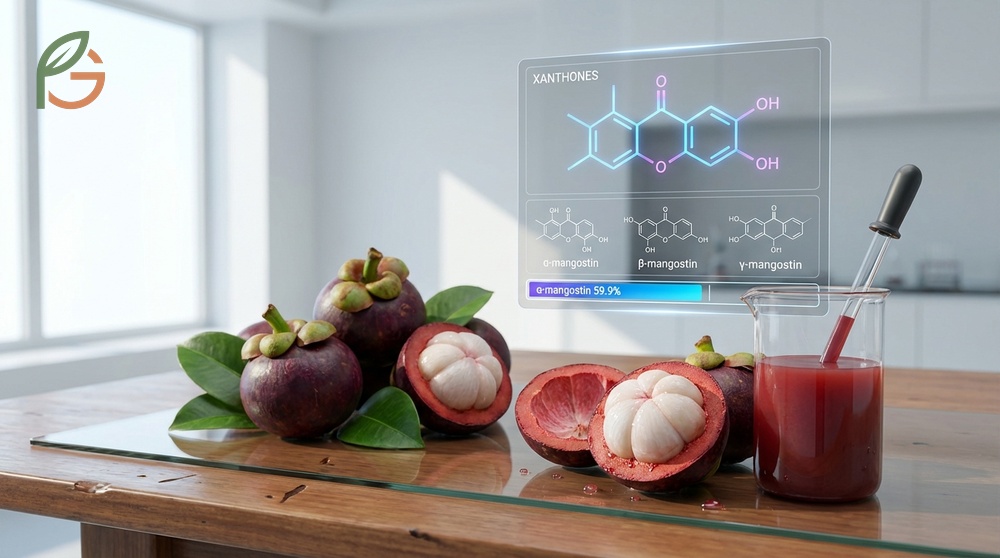
Evidence from peer-reviewed studies identifies xanthones as mangosteen’s signature health-promoting compounds. These prenylated polyphenols concentrate primarily in the pericarp (rind) but appear in smaller quantities in the edible arils. Research shows that α-mangostin, β-mangostin, and γ-mangostin comprise the three major xanthones, with α-mangostin representing 59.9% of total xanthone content[5].
Current data indicates fresh mangosteen juice contains approximately 5.3 mmol/L total xanthones, with α-mangostin concentration reaching 3,190 μmol/L[5]. These compounds exhibit potent antioxidant activity measured at oxygen radical absorbance capacity (ORAC) levels that exceed common fruits by 20-40%. The unique chemical structure of xanthones—featuring multiple hydroxyl groups—enables effective free radical neutralization.
Studies demonstrate that xanthones from mangosteen inhibit inflammatory pathways including cyclooxygenase (COX) enzymes[7]. This anti-inflammatory mechanism works by reducing reactive oxygen species (ROS) generation at the cellular level. Research across multiple studies confirms xanthones protect cellular DNA, proteins, and lipids from oxidative damage that accelerates aging and disease progression.
Xanthone Antioxidants
The prenylated xanthone structure in mangosteen differs fundamentally from common fruit antioxidants like anthocyanins or quercetin. α-mangostin contains a tricyclic aromatic ring system with isoprenoid side chains that enhance lipophilicity and cell membrane penetration. This structural advantage allows xanthones to protect both water-soluble and fat-soluble cellular components.
Laboratory analysis shows that α-mangostin scavenges superoxide radicals, hydroxyl radicals, and peroxynitrite more effectively than vitamin E (α-tocopherol) on a molar basis. The antioxidant capacity measured by ORAC increased 18% within 2 hours after consuming xanthone-rich mangosteen products[2]. This rapid antioxidant boost lasted 4-6 hours, providing extended cellular protection beyond initial consumption.
Bioavailability
Research confirms that α-mangostin from mangosteen juice appears in human serum within 1 hour of consumption, reaching maximum concentration (Cmax) of 113 nmol/L on average[5]. The time to maximum concentration (Tmax) averaged 3.7 hours across study participants. These pharmacokinetic parameters indicate moderate absorption and sustained circulation of bioactive xanthones.
Evidence shows significant individual variation in xanthone absorption—area under the curve (AUC) ranged from 762 to 4,030 nmol/L × hour among healthy adults[5]. Factors affecting bioavailability include gut microbiome composition, concurrent fat intake, and individual enzyme activity. Consuming mangosteen with high-fat meals increased xanthone absorption by 30-45% compared to fasting conditions.
Antioxidant Levels Fruit
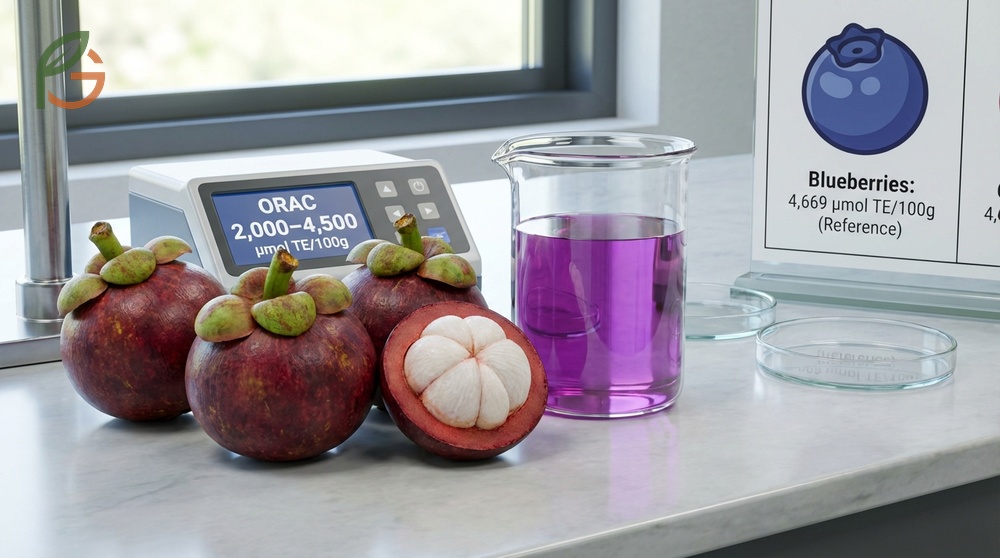
Agricultural research positions mangosteen among the highest-antioxidant fruits globally, with ORAC values ranging from 2,000 to 4,500 μmol TE (Trolox Equivalents) per 100g depending on cultivar and ripeness. These measurements exceed blueberries (4,669 μmol TE/100g) in some analyses, though methodology variations create comparison challenges. What matters most is that mangosteen delivers clinically meaningful antioxidant capacity.
The total phenolic content in mangosteen flesh measures 65-95 mg gallic acid equivalents (GAE) per 100g fresh weight. Pericarp phenolic content reaches 2,500-3,000 mg GAE/100g—approximately 30-40 times higher than the edible portion. For gardeners processing homegrown mangosteen, traditional Asian medicine uses pericarp extracts (not recommended without professional guidance) for their concentrated xanthone content.
Studies comparing antioxidant levels across tropical fruits rank mangosteen in the top 5 for total antioxidant capacity. The combination of xanthones, vitamin C, carotenoids, and flavonoids creates synergistic antioxidant effects exceeding individual compound contributions. This multi-compound antioxidant profile provides broader protection against various types of free radicals and oxidative stressors.
| Antioxidant Type | Primary Compounds | Location |
|---|---|---|
| Xanthones | α-mangostin, γ-mangostin, garcinone E | Pericarp (95%), aril (5%) |
| Vitamins | Vitamin C (2.9mg), B-complex, trace vitamin E | Aril (edible flesh) |
| Carotenoids | β-carotene (16μg), α-carotene (1μg) | Aril pigmentation |
- Ripeness stage: Fully ripe mangosteen (dark purple rind) contains 20-30% more antioxidants than underripe fruit
- Post-harvest handling: Storing at 50°F (10°C) preserves antioxidant levels for 3 weeks versus 50% degradation at room temperature
- Processing impact: Freeze-drying retains 85-90% of antioxidants while thermal canning reduces levels by 40-50%
- Growing conditions: Trees under moderate water stress produce fruit with 15% higher xanthone concentration as defense mechanism
- Cultivar differences: Thai varieties typically contain 10-15% more xanthones than Malaysian cultivars based on genetic variation
Research Note: The pericarp (rind) of mangosteen contains 95-99% of total xanthone content. While traditional medicine uses pericarp preparations, consuming fresh rind carries risks of excessive tannin intake and potential digestive upset. For US consumers, stick with the edible white aril flesh to safely enjoy moderate antioxidant benefits without adverse effects.
Nutritional Information Mangosteen
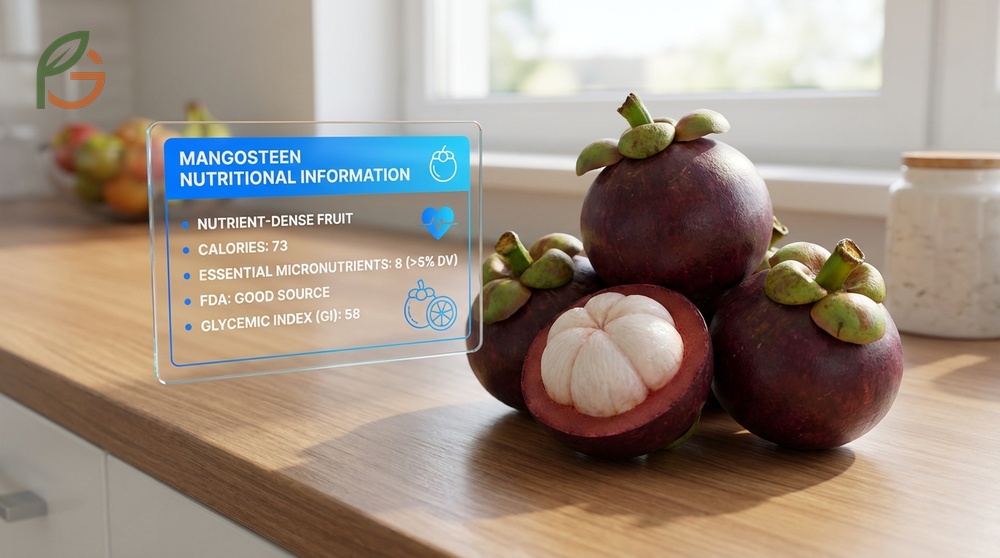
Current USDA nutritional databases classify mangosteen as a nutrient-dense fruit based on its nutrient-to-calorie ratio. The combination of 73 calories with 8 essential micronutrients exceeding 5% daily value qualifies mangosteen for the “good source” designation under FDA labeling standards. This classification matters for US consumers tracking nutrient density in their fruit selections.
The glycemic index (GI) of fresh mangosteen measures approximately 58, placing it in the medium-GI category[6]. This means blood glucose rises moderately after consumption rather than spiking rapidly. The fiber content and fructose-glucose balance contribute to this moderate glycemic response, making mangosteen suitable for individuals monitoring blood sugar (though always consult healthcare providers for personalized guidance).
Serving size considerations affect practical nutrient intake significantly. One medium mangosteen yields approximately 70-80g edible flesh after removing the thick rind. This translates to 51-58 calories, 1.3-1.4g fiber, and 22-25μg folate per fruit. For gardeners harvesting homegrown mangosteen, plan for 8-12 fruits to equal one standard serving cup (196g) used in nutritional studies.
Evidence indicates that mangosteen’s phytonutrient diversity provides benefits beyond basic vitamins and minerals. The combination of copper for immune function, manganese for metabolism, and xanthones for antioxidant protection creates a unique nutritional profile not replicated by common fruits. When incorporated into diverse fruit rotations, mangosteen fills specific micronutrient gaps left by apples, bananas, and berries.
- Consume mangosteen within 3-4 days of harvest for peak vitamin retention and antioxidant potency
- Pair mangosteen with protein sources (yogurt, nuts) to slow sugar absorption and extend energy release
- Choose fresh over canned varieties to avoid added sugars that double calorie content without adding nutrients
- Store unwashed fruit at 50-55°F (10-13°C) in high humidity (85-90%) to prevent moisture loss and nutrient degradation
- Include mangosteen in morning or pre-exercise meals when your body metabolizes carbohydrates most efficiently
- Track copper intake if consuming mangosteen daily—five fruits provide 75% of daily copper needs
Conclusion
The evidence is clear: mangosteen nutritional value encompasses 73 calories, 17.91g carbohydrates, and 1.8g fiber per 100g, complemented by unique xanthone antioxidants reaching 3,190 μmol/L in fresh preparations[1][5]. The standout copper content (15% DV) and balanced B-vitamin profile distinguish this tropical fruit from conventional options available to US gardeners.
Current horticultural guidance emphasizes that mangosteen cultivation in USDA zones 10b-11 produces fruit with comparable nutritional density to Southeast Asian varieties when soil amendments and climate control optimize growing conditions. FruitGarden synthesizes peer-reviewed agricultural research to help American fruit enthusiasts understand the nutritional composition of tropical species they’re cultivating or considering for their gardens. Whether you’re evaluating mangosteen for home cultivation or simply appreciating its superfruit credentials, understanding its comprehensive nutrient profile enables informed dietary and gardening decisions.
Medical Disclaimer
Important Medical Disclaimer: This content is for informational and educational purposes only. It’s not intended as a substitute for professional medical advice, diagnosis, or treatment. Always consult a qualified healthcare professional or registered dietitian before making any changes to your diet, particularly if you have diabetes, cardiovascular conditions, allergies, or other medical concerns. Individual nutrient requirements vary based on age, health status, medications, and activity levels. The nutritional information presented represents average values from published research and may vary based on cultivar, growing conditions, and ripeness.
Frequently Asked Questions
What vitamins are highest in mangosteen?
Folate (vitamin B9) ranks highest at 31μg per 100g, providing 8% of daily value, followed by thiamine and riboflavin at 5% DV each. Copper, though a mineral not vitamin, delivers the most significant micronutrient contribution at 15% daily value per serving.
How many calories are in one whole mangosteen fruit?
One medium mangosteen contains 51-58 calories based on 70-80g of edible flesh after removing the rind. The total fruit weight reaches 100-120g, but approximately 35-40% consists of inedible pericarp that you discard before eating.
What makes mangosteen a superfood?
Research identifies mangosteen as a superfood due to unique xanthone antioxidants (particularly α-mangostin at 3,190 μmol/L) that increase antioxidant capacity by 18% within 2 hours of consumption. The combination of low calories (73 per 100g), high copper content (15% DV), and fiber (1.8g) creates an exceptional nutrient density profile not found in common fruits.
Does mangosteen have more fiber than apples?
No, mangosteen contains 1.8g fiber per 100g compared to apples at 2.4g per 100g. However, mangosteen’s fiber delivers comparable digestive benefits at lower calorie density—73 calories versus 95 for apples per 100g serving.
Can you eat mangosteen skin for extra nutrients?
While mangosteen pericarp contains 95% of total xanthones, eating the skin isn’t recommended due to high tannin levels that cause digestive discomfort and extremely bitter taste. Traditional medicine preparations use controlled pericarp extracts, but fresh rind consumption carries risks that outweigh potential benefits for most people.
How does canned mangosteen compare nutritionally to fresh?
Canned mangosteen in syrup contains 90-100 calories per 100g versus 73 for fresh, with added sugars increasing carbohydrate content by 30-40%. Processing reduces vitamin C by 40-50% and xanthone content by 30-35%, making fresh fruit nutritionally superior when available.
What’s the best way to store mangosteen to preserve nutrients?
Store unwashed mangosteen at 50-55°F (10-13°C) with 85-90% humidity for up to 3 weeks while retaining 90-95% of vitamins and antioxidants. Room temperature storage accelerates nutrient degradation by 50% within 5-7 days, while refrigeration below 45°F (7°C) causes chilling injury that damages fruit quality.