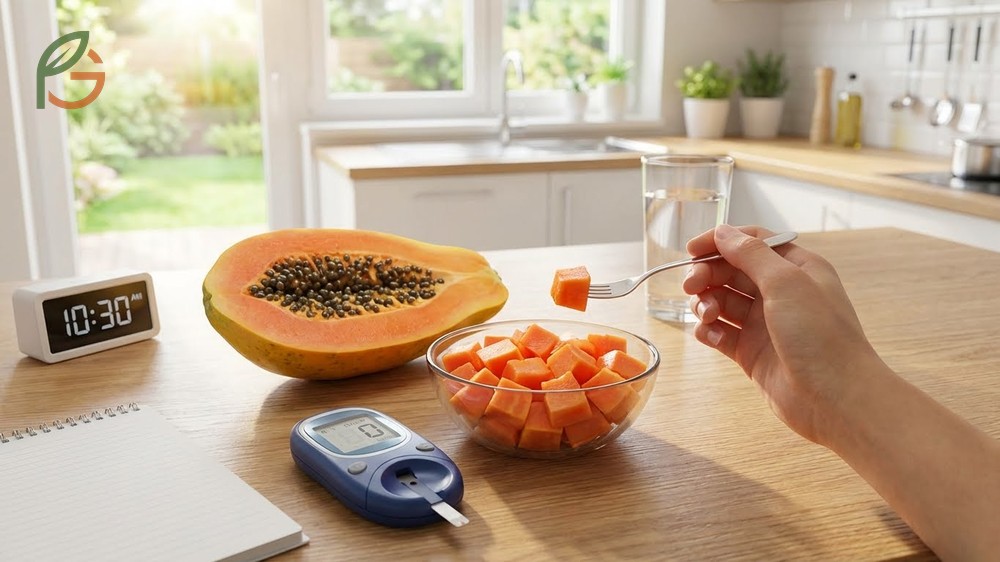
Is papaya good for diabetes? Yes, when eaten in moderation. Research shows that papaya has a glycemic index of 60, which doesn’t spike blood sugar too quickly, and it’s packed with fiber and antioxidants that support blood sugar management[1][2]. What many people don’t realize is that timing and portion size matter more than just whether you can eat papaya. FruitGarden provides evidence-based guidance on incorporating tropical fruits into diabetic-friendly diets.
Quick Answer
- Papaya has a glycemic index of 60, making it safe for diabetics when consumed in moderation[1]
- One cup contains just 62 calories and 2.5g fiber that slows sugar absorption[3]
- Studies show papaya contains flavonoids that may improve insulin sensitivity[2]
- The American Diabetes Association includes papaya in their list of recommended fruits for diabetics[4]
Is Papaya Good for Diabetes
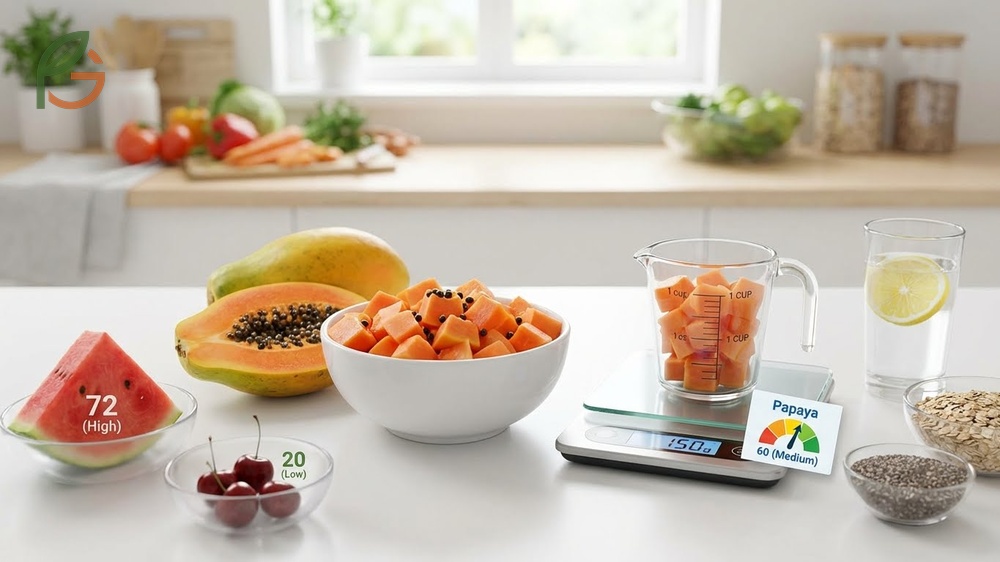
Studies demonstrate that papaya can be safely included in a diabetic diet when you follow proper portion guidelines. The fruit scores 60 on the glycemic index, placing it in the medium range that won’t cause rapid blood sugar spikes[1]. This is lower than watermelon at 72 but higher than cherries at 20.
Research shows that papaya’s fiber content slows down carbohydrate digestion, which helps prevent sudden glucose increases. One cup of fresh papaya delivers 2.5 grams of fiber alongside 15.7 grams of total carbohydrates[3]. The fiber acts as a buffer, making papaya more diabetic-friendly than you’d expect from its natural sugar content.
Current data indicates that papaya contains flavonoids and other antioxidants that may help regulate blood sugar levels beyond just the glycemic response. Laboratory studies found that papaya treatment reduced fasting blood glucose levels in diabetic rats by improving insulin signaling pathways[2]. While human trials are still limited, these findings suggest potential metabolic benefits.
Understanding Papaya’s Glycemic Index
The glycemic index measures how quickly a food raises blood sugar on a scale from 0 to 100. Foods are categorized as low (55 or below), medium (56-69), or high (70 and above)[1]. Papaya’s score of 60 falls right in the middle zone.
What’s interesting is that ripeness affects the GI value. Riper papayas have more converted sugars, which can push the glycemic response slightly higher. If you’re managing diabetes, choosing papayas that are ripe but not overly soft gives you better blood sugar control.
Important Note: Don’t rely on GI alone. The glycemic load (GL), which factors in portion size, matters more for real-world eating. One cup of papaya has a GL of around 9, which is considered low.
How Papaya Affects Blood Sugar
Evidence suggests that papaya’s effect on blood sugar isn’t just about carbohydrates. The fruit contains papain, a digestive enzyme, plus vitamin C and beta-carotene that act as antioxidants. These compounds help reduce oxidative stress, which is often elevated in people with type 2 diabetes[5].
Research shows that papaya may have a hypoglycemic effect, meaning it could actually help lower blood sugar rather than just raising it moderately. Laboratory tests demonstrated that papaya improved insulin resistance markers (HOMA-IR) and increased glucose transporter levels in muscle tissue[2]. This suggests papaya works through multiple mechanisms.
Papaya Good for Diabetics
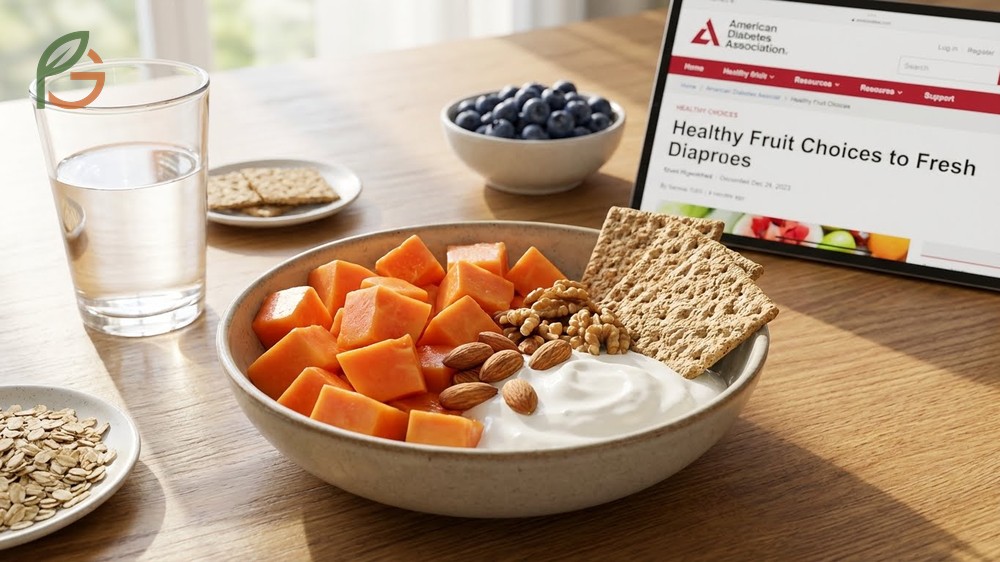
Current guidance emphasizes choosing whole fruits over processed options for diabetes management. The American Diabetes Association lists papaya among recommended fruits, noting that fresh, frozen, or canned versions without added sugars are all acceptable choices[4]. This recognition from a leading health authority validates papaya’s place in a diabetic diet.
Most people find that eating papaya with other foods works better than consuming it alone. Pairing papaya with protein sources like Greek yogurt or nuts helps slow sugar absorption even further. This combination approach makes the fruit work harder for your blood sugar control.
Agricultural data shows papaya’s nutrient density makes it stand out compared to other tropical fruits. You’re not just getting carbohydrates—you’re getting a package of vitamins, minerals, and plant compounds that support overall health.
Nutritional Benefits
One cup of fresh papaya delivers impressive nutrition for just 62 calories. You get 98mg of vitamin C (107% of daily value), 2.5g of fiber, and only 0.4g of fat[3]. This makes papaya one of the most nutrient-dense fruit choices for people watching their calorie intake.
The vitamin C content is particularly relevant for diabetics. Studies demonstrate that people with diabetes often have lower vitamin C levels and may benefit from dietary sources that help combat oxidative stress[5]. Papaya’s natural antioxidants support this need without added supplementation.
- Fiber: 2.5g per cup slows carbohydrate absorption and improves glycemic response
- Vitamin C: 98mg provides antioxidant protection and supports immune function
- Folate: Supports cardiovascular health, which is crucial for diabetics
- Potassium: Helps regulate blood pressure and fluid balance
- Beta-carotene: Converted to vitamin A, supporting eye health that’s often at risk in diabetes
Insulin Sensitivity Benefits
Research demonstrates that papaya may actively improve how your body responds to insulin, not just avoid worsening it. Animal studies found that papaya extract reduced fasting blood glucose levels and improved HOMA-IR scores, which measure insulin resistance[2]. The improvement was comparable to metformin, a common diabetes medication.
The mechanism appears to involve increased expression of insulin receptors and glucose transporters (GLUT4) in muscle tissue. This means papaya doesn’t just prevent blood sugar spikes—it may help your cells use glucose more efficiently. These findings need confirmation in human trials, but they’re promising.
Sugar Content in Papaya
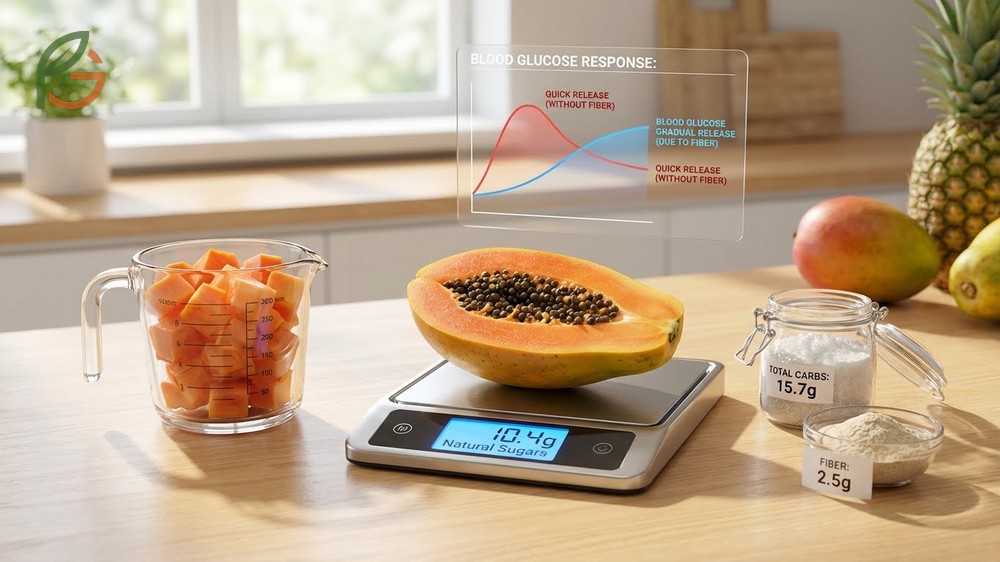
One cup of fresh papaya contains about 10.4 grams of natural sugars, which accounts for most of its 15.7 grams of total carbohydrates[3]. The remaining carbs come from fiber (2.5g) and small amounts of starch. This sugar content is moderate compared to other tropical fruits like mango or pineapple.
What matters more than the absolute sugar content is how it affects your blood glucose. The fiber in papaya creates a more gradual sugar release. When you calculate net carbs (total carbs minus fiber), papaya has 13.2g per cup, which fits within most diabetic meal plans when properly portioned.
Current dietary guidelines for diabetics suggest limiting added sugars but being flexible with natural fruit sugars. The American Diabetes Association recommends counting fruit as part of your carbohydrate budget—about 15 grams of carbs per serving[4]. One cup of papaya fits this framework perfectly.
This table compares glycemic index values, sugar content per serving, and fiber content across five common fruits for diabetics
| Fruit | Glycemic Index | Sugar per Cup | Fiber per Cup |
|---|---|---|---|
| Papaya | 60[1] | 10.4g[3] | 2.5g[3] |
| Watermelon | 72 | 9.4g | 0.6g |
| Pineapple | 59 | 16.3g | 2.3g |
| Banana | 51 | 14.4g | 3.1g |
| Cherries | 20 | 12.6g | 2.1g |
Portion Control Tip: If you’re counting carbs strictly, half a cup of papaya (about 8g carbs) can be paired with protein to stay within a 15g carb snack limit.
Papaya Diabetic Diet
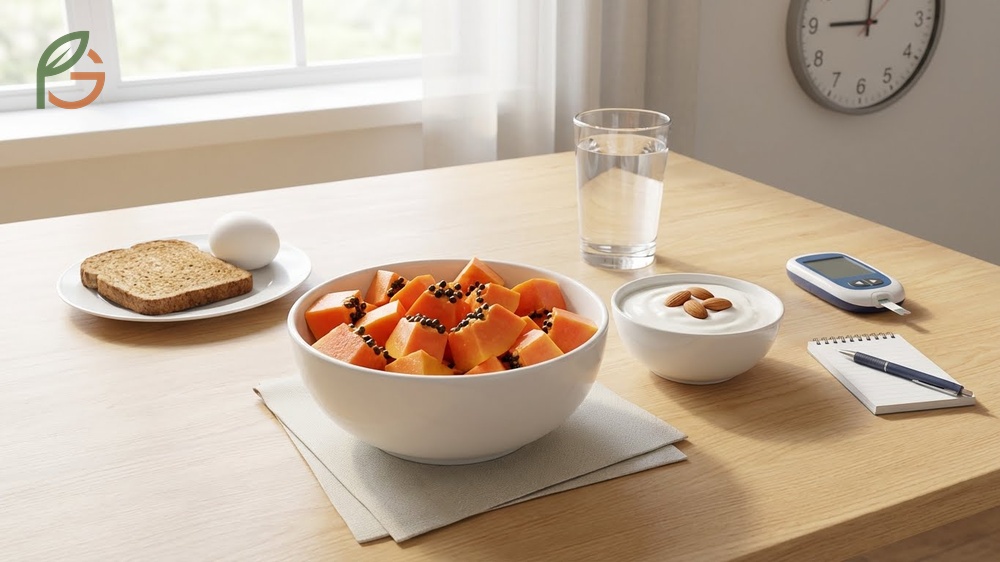
Studies demonstrate that successful fruit incorporation for diabetics focuses on three principles: portion control, meal timing, and food pairing. For papaya specifically, one cup per day is the recommended maximum for most diabetics. This provides nutritional benefits without overwhelming your carbohydrate budget.
The best time to eat papaya is with breakfast or as a mid-morning snack paired with protein. Research shows that eating fruit earlier in the day, when insulin sensitivity tends to be higher, produces better glucose responses. Avoid eating papaya alone on an empty stomach, especially late at night when metabolism slows.
Evidence indicates that combining papaya with foods that have protein or healthy fats creates a more balanced glycemic response. Try these combinations: papaya with Greek yogurt and chia seeds, papaya chunks mixed into cottage cheese, or papaya slices with a handful of almonds. These pairings help stabilize blood sugar better than fruit alone.
- Morning advantage: Eat papaya with breakfast when insulin sensitivity is naturally higher and you have the day ahead to burn glucose
- Protein pairing: Always combine with protein sources—Greek yogurt, nuts, or eggs—to slow sugar absorption and extend fullness
- Fresh over processed: Choose fresh or frozen papaya without added syrups; dried papaya concentrates sugars into smaller portions
- Monitor your response: Test blood sugar 1-2 hours after eating papaya to learn your individual tolerance and adjust portions accordingly
- Ripeness matters: Select papayas that are ripe but firm rather than overly soft, which indicates higher converted sugar content
- Frequency spacing: If eating papaya daily, keep portions to half a cup; if eating it 2-3 times weekly, one cup servings work better
Current agricultural guidance from FruitGarden emphasizes that growing your own papaya can give you control over ripeness and freshness. Papayas harvested at optimal ripeness rather than picked early for shipping have better nutrient profiles. If you’re in a suitable climate (USDA zones 10-12), home-grown papayas let you pick fruit at the perfect stage for blood sugar management.
The Diabetes Plate Method recommends filling half your plate with non-starchy vegetables, a quarter with protein, and a quarter with carbohydrates. Within this framework, papaya can serve as either your carb portion or as a dessert complement. For a balanced diabetic meal, try grilled chicken with roasted vegetables and a half-cup of papaya mixed with lime juice for dessert.
Conclusion
The evidence is clear: is papaya good for diabetes—yes, when you eat it mindfully as part of a balanced diet. Papaya’s moderate glycemic index of 60, combined with its fiber and antioxidant content, makes it a smarter choice than many processed snacks diabetics often reach for. Current research suggests potential insulin-sensitizing benefits that go beyond just managing blood sugar spikes.
FruitGarden synthesizes current nutritional research to help you make informed decisions about tropical fruits in your diabetic diet. Start with small portions, monitor your individual response, and pair papaya with protein to maximize its benefits while minimizing blood sugar impact.
Medical Disclaimer
Important Medical Disclaimer: This content is for informational and educational purposes only. It’s not intended as a substitute for professional medical advice, diagnosis, or treatment. Always consult a qualified healthcare professional before making any changes to your diet, medication, or health routine, especially if you have diabetes or other medical conditions. Individual responses to foods vary, and what works for one person may not work for another.
Frequently Asked Questions
Can diabetics eat papaya every day?
Yes, diabetics can eat papaya daily in moderation, typically up to one cup. Studies show that this amount fits within standard carbohydrate recommendations for diabetic meal plans when properly balanced with other foods[4]. Monitor your blood glucose response and adjust portion sizes based on your individual tolerance and medication regimen.
Is papaya better than bananas for diabetics?
Papaya and bananas both work for diabetics, but they differ slightly. Papaya has a glycemic index of 60 compared to banana’s 51, but papaya contains less sugar per cup (10.4g vs 14.4g)[3]. The best choice depends on your carbohydrate budget and personal preference—both can fit into a diabetic diet when portioned properly.
Does papaya raise blood sugar quickly?
No, papaya doesn’t raise blood sugar too quickly. With a glycemic index of 60, it causes a moderate and gradual rise rather than a spike[1]. The fiber content (2.5g per cup) further slows sugar absorption, making the glycemic response more manageable for most diabetics.
What’s the best time to eat papaya for diabetics?
The best time is with breakfast or as a mid-morning snack when insulin sensitivity tends to be higher. Research shows that eating fruit earlier in the day produces better glucose responses than consuming it late at night. Always pair papaya with protein sources like Greek yogurt or nuts to slow sugar absorption and create a more balanced blood sugar curve.
Can papaya help lower blood sugar levels?
Research suggests papaya may have blood sugar-lowering properties beyond just its glycemic response. Laboratory studies found that papaya reduced fasting blood glucose and improved insulin resistance markers in diabetic subjects[2]. The flavonoids in papaya appear to support insulin sensitivity, though more human clinical trials are needed to confirm these effects.
How much papaya should a diabetic eat per serving?
A standard serving for diabetics is half to one cup of fresh papaya, which provides about 8-15 grams of carbohydrates. This fits the American Diabetes Association’s guideline that fruit servings should contain approximately 15 grams of carbs[4]. Start with half a cup if you’re new to incorporating papaya and monitor your blood sugar response before increasing portions.
Is dried papaya safe for diabetics?
Dried papaya can be safe but requires more caution than fresh papaya. The drying process concentrates sugars, meaning a small portion contains significantly more carbohydrates and calories than an equivalent weight of fresh fruit. If choosing dried papaya, select versions without added sugars and limit portions to 2-3 small pieces. Fresh or frozen papaya without added syrups remains the better choice for blood sugar management.