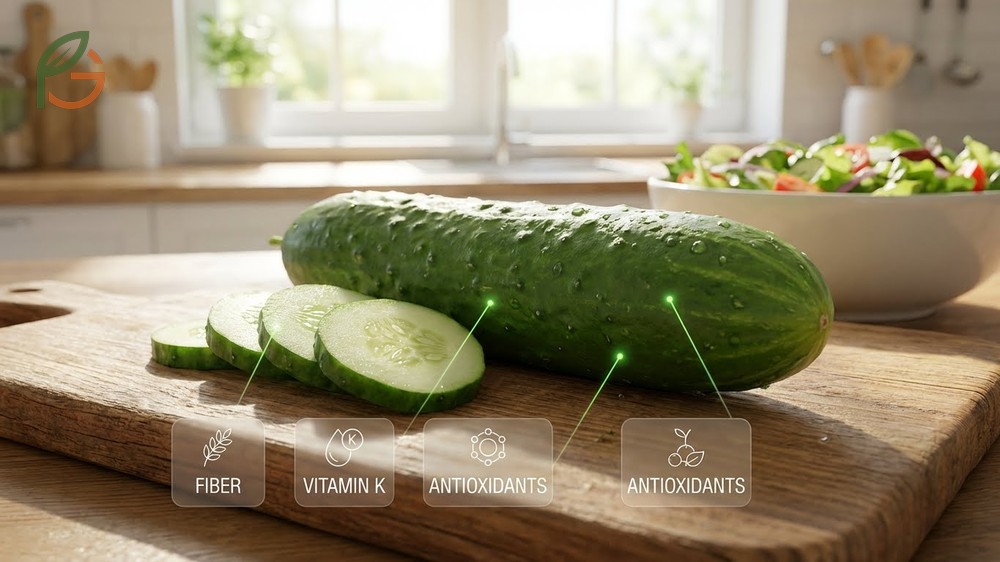
Is cucumber skin good for you? Yes, it’s one of the healthiest parts of the vegetable. Research shows that cucumber peel contains most of the fiber, vitamin K, and antioxidants—nutrients that support digestion, bone health, and protection against cellular damage[1]. Peeling cucumbers means you’re tossing away the most nutritious part. FruitGarden synthesizes current agricultural research to help you make informed decisions about eating fruits and vegetables with their peels intact.
Quick Answer
- Cucumber skin contains 0.5g fiber per 100g[1]—that’s where most of the fiber lives
- The peel provides 41% of daily vitamin K[1] when you eat one large cucumber with skin
- Antioxidants like beta-carotene and vitamin C are concentrated in the skin[2]
- Wash thoroughly under running water for 1+ minute[3] to remove pesticides and wax safely
Is Cucumber Skin Good for You
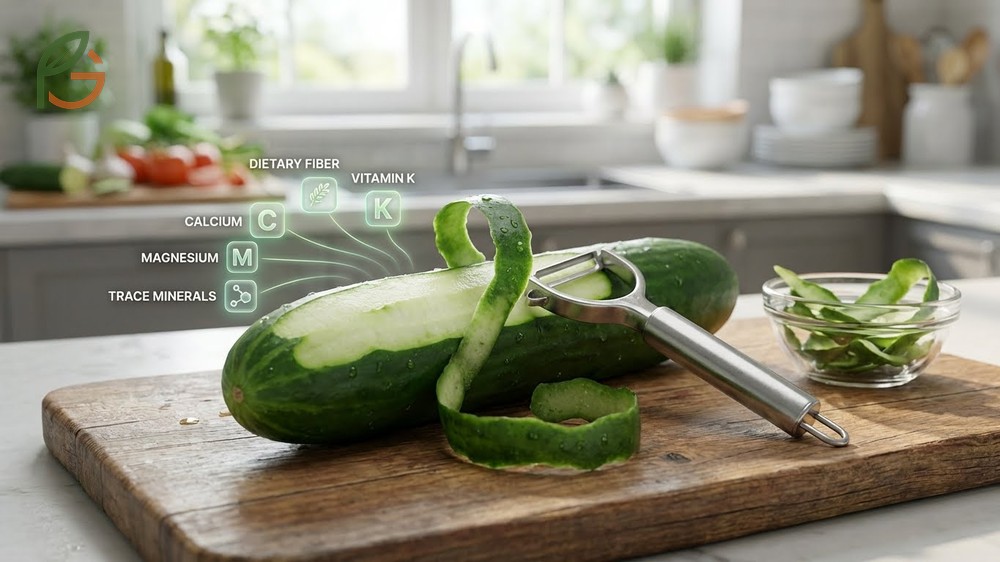
Studies demonstrate that cucumber peel is where the vegetable stores its most valuable nutrients. When you peel a cucumber, you’re removing the portion that contains the highest concentration of dietary fiber, vitamin K, and beneficial plant compounds[1]. Research from the journal Health SA Gesondheid found that cucumber peel contains measurable calcium, magnesium, and trace minerals that support overall health[4].
The skin provides structural benefits too. It adds crunch and texture that many people enjoy in salads and sandwiches. What often gets overlooked is that the peel acts as a natural barrier, protecting the cucumber’s water-rich flesh from environmental damage while concentrating protective compounds in a thin outer layer.
Current nutritional guidance emphasizes eating fruits and vegetables with their skins intact whenever possible. This approach maximizes nutrient intake while reducing food waste—you’re getting more nutrition from the same amount of produce.
Nutrients in Cucumber Peel
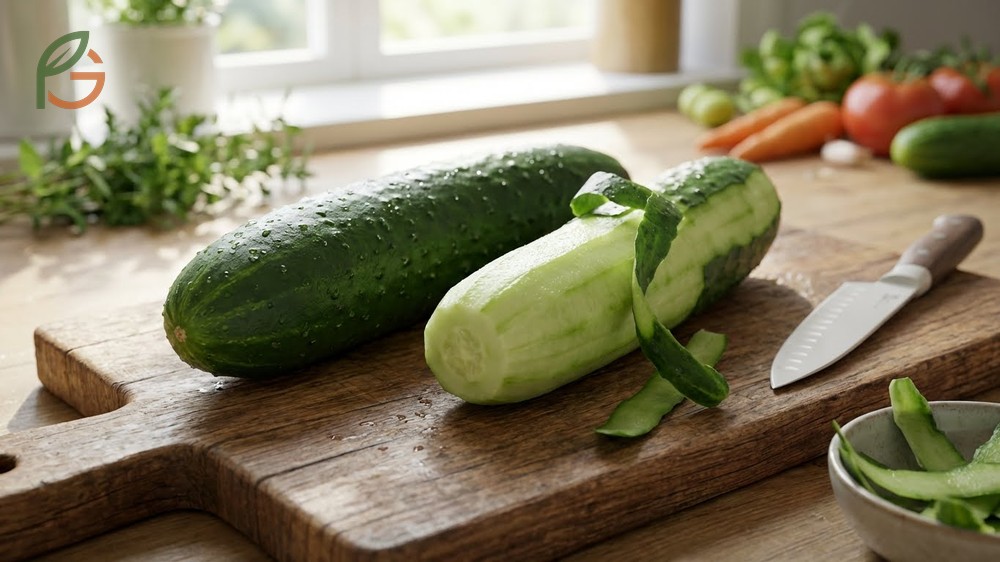
The nutritional profile of cucumber changes dramatically when you compare peeled versus unpeeled samples. A whole cucumber with its peel contains 11g of carbohydrates, including 2g of fiber. Strip away that skin, and you lose most of the fiber along with concentrated vitamins and minerals.
Agricultural data shows that peels across multiple fruit types consistently contain higher levels of bioactive compounds compared to flesh. This pattern holds true for cucumbers, where antioxidant activities and carotenoid content peak in the peel rather than the inner flesh[2].
Fiber in Cucumber Skin
Fiber in cucumber skin is predominantly insoluble, which means it doesn’t dissolve in water. This type of fiber adds bulk to your stool and helps food move through your digestive system more efficiently. Evidence suggests that cucumber peel contributes to improved digestive regularity when consumed as part of a varied diet[5].
Here’s what makes this important: fewer than 1 in 10 American adults get enough dietary fiber daily[1]. While cucumbers aren’t as fiber-dense as legumes or whole grains, every gram counts when you’re trying to reach the recommended 25-38 grams per day.
Vitamins and Minerals
Vitamin K stands out as the star nutrient in cucumber skin. One large cucumber with its peel provides 41% of the daily value for vitamin K[1], compared to just 17% if you peel it first. This fat-soluble vitamin plays critical roles in blood clotting and bone metabolism.
The peel also concentrates other essential micronutrients. You’ll find vitamin C for immune support and collagen production, beta-carotene for eye health, and minerals like magnesium that help regulate blood pressure and support muscle function[4].
This table compares fiber, vitamin K, and calorie content between peeled and unpeeled cucumbers per 100g serving
| Component | With Peel (per 100g) | Peeled (per 100g) | Difference |
|---|---|---|---|
| Calories | 16 cal[6] | 12 cal | -25% |
| Dietary Fiber | 0.5g[1] | 0.2g | -60% |
| Vitamin K | 16.4 mcg[7] | 7 mcg | -57% |
| Water Content | 95.5%[6] | 96.2% | +0.7% |
Benefits of Cucumber Skin
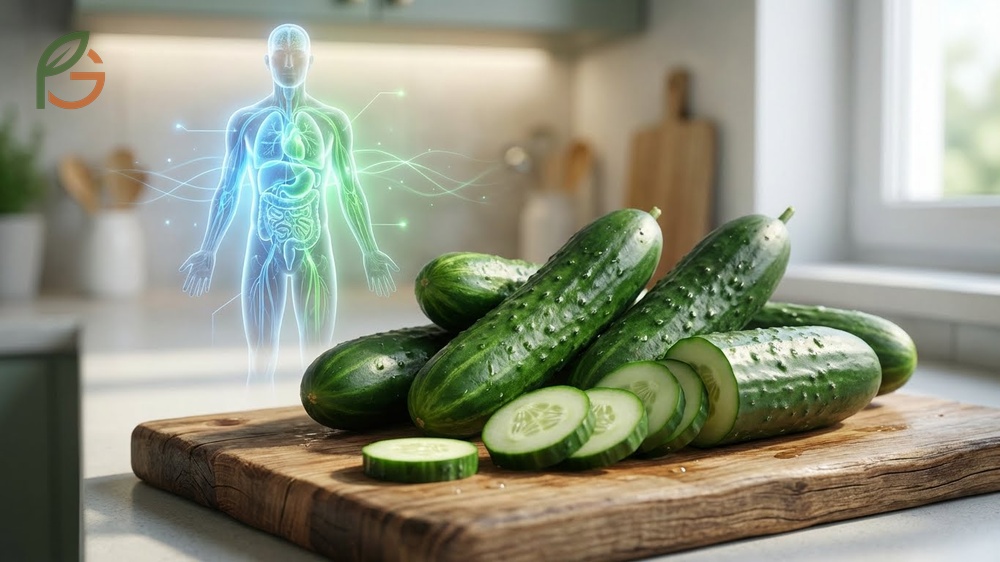
The advantages of eating cucumber skin extend beyond basic nutrition. When you keep the peel on, you’re getting a package of compounds that work together to support multiple body systems. These benefits become more pronounced when cucumbers are part of your regular eating pattern rather than an occasional addition.
Most people don’t realize that the skin’s bitter compounds—called cucurbitacins—aren’t just flavor elements. Research indicates these phytochemicals may help reduce bloating and indigestion by promoting smooth muscle relaxation in the digestive tract[8].
Eating Cucumber Skin Digestion
Your gut benefits from cucumber skin in two distinct ways. First, the insoluble fiber adds bulk to stool and stimulates peristalsis—the wave-like muscle contractions that move food through your intestines[5]. Second, the high water content keeps everything moving smoothly through your system.
Evidence suggests that water-rich foods with fiber, like unpeeled cucumbers, help maintain the mucosal lining of your intestines. This protective layer aids nutrient absorption while preventing irritation or inflammation. People with sensitive digestive systems often find cucumbers easier to tolerate than other raw vegetables.
Important Note: If you’re taking blood-thinning medications like warfarin, talk to your healthcare provider about vitamin K intake. Cucumber skin’s high vitamin K content can affect how these medications work[6].
Antioxidant Protection
Cucumber skin contains a concentrated mix of antioxidants that combat oxidative stress. Beta-carotene, vitamin C, and caffeic acid—all present in higher amounts in the peel—work to neutralize free radicals before they damage your cells[2].
Current research shows that these antioxidants help protect against environmental stressors like UV radiation and pollution. The vitamin C in cucumber peel also supports collagen synthesis, which keeps your skin firm and helps wounds heal properly.
- Beta-carotene: Converts to vitamin A in your body, supporting eye health and immune function
- Vitamin C: Protects cells from oxidative damage and supports immune defense
- Caffeic acid: A polyphenol that helps calm inflammation and irritation
- Cucurbitacins: Unique compounds that may have anti-inflammatory properties
- Silica: A trace mineral that contributes to skin suppleness and connective tissue strength
Should You Peel Cucumbers
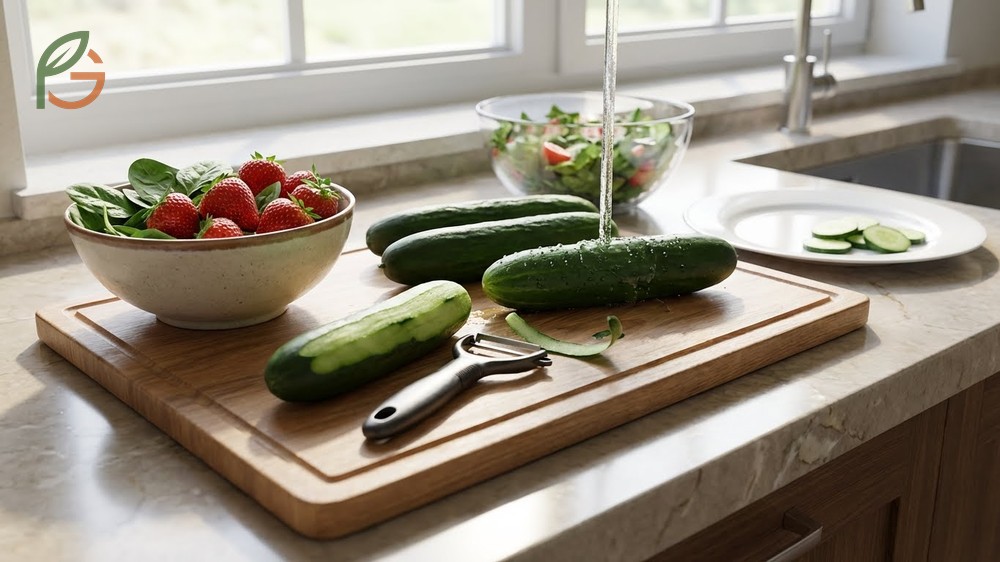
The decision to peel or not peel comes down to three factors: pesticide exposure, wax coatings, and personal preference. For most people, the nutritional benefits of keeping the skin on outweigh potential concerns—especially when you wash properly.
Here’s what matters most: cucumbers don’t rank high on pesticide contamination lists. Unlike strawberries or spinach, which consistently appear on the Environmental Working Group’s Dirty Dozen, cucumbers aren’t flagged as particularly problematic. Data from USDA testing shows that more than 99% of produce samples have pesticide residues below EPA safety tolerances[9].
Pesticides on Cucumber Skin
Conventional cucumbers may carry pesticide residues, but levels typically fall well within safe limits. The 2025 Clean Fifteen list doesn’t include cucumbers in its top rankings, but they’re not among the highest-concern produce either. What this means for you: washing matters more than peeling for pesticide removal.
Research on pesticide removal methods found that proper washing techniques can eliminate 40-60% of surface residues[10]. Running water combined with gentle scrubbing proves more effective than detergents or produce washes in most cases.
Cucumber Skin Wax Safety
That waxy coating on grocery store cucumbers isn’t natural—it’s applied after harvest to prevent moisture loss and extend shelf life. Some waxes are food-grade and perfectly safe, while others may contain pesticides or other compounds you’d rather avoid.
Agricultural experts advise thoroughly washing or peeling waxed cucumbers from conventional sources, since synthetic wax can trap pesticides and microorganisms against the skin’s surface[11]. The good news: most wax comes off with vigorous scrubbing under running water, especially if you use a vegetable brush.
Texture Preference: If you dislike the slight bitterness or tougher texture of cucumber skin, peeling is fine. You’ll lose some nutrients, but eating vegetables in any form beats avoiding them entirely because of texture issues.
- Waxed cucumbers from unknown sources where you can’t wash thoroughly
- Non-organic cucumbers when you’re concerned about pesticide exposure
- Recipes requiring a softer, more uniform texture (like tzatziki or chilled soups)
- Personal preference for milder flavor without the skin’s slight bitterness
- Digestive sensitivity to tough vegetable skins or raw fiber
Washing Cucumbers Properly

Most people rinse cucumbers for just a few seconds—that’s not enough. Current guidance emphasizes holding each cucumber under running water for at least one full minute while using your hands to gently rub the entire surface[3]. This mechanical action removes visible dirt and breaks down surface residues.
For conventionally grown cucumbers with waxy coatings, a soft-bristled vegetable brush works better than hands alone. Pay extra attention to the ends where dirt accumulates, and scrub along the length of the cucumber rather than just the middle section.
If you want maximum pesticide removal, try a baking soda soak. Mix about one teaspoon of baking soda per cup of water in a bowl, submerge the cucumber for 10-15 minutes, then rinse thoroughly under running water[3]. Studies show baking soda helps break down pesticide residues more effectively than water alone.
- Wait until right before eating to wash—moisture promotes mold growth during storage
- Hold cucumber under cold running water for 60+ seconds minimum
- Rub the entire surface with your hands or a soft vegetable brush
- For extra cleaning, soak in baking soda solution (1 tsp per cup water) for 10-15 minutes
- Rinse again under running water to remove all baking soda residue
- Pat dry with a clean towel before cutting or eating
- Store unwashed cucumbers in the refrigerator to prevent premature spoilage
Organic Cucumber Skin Benefits
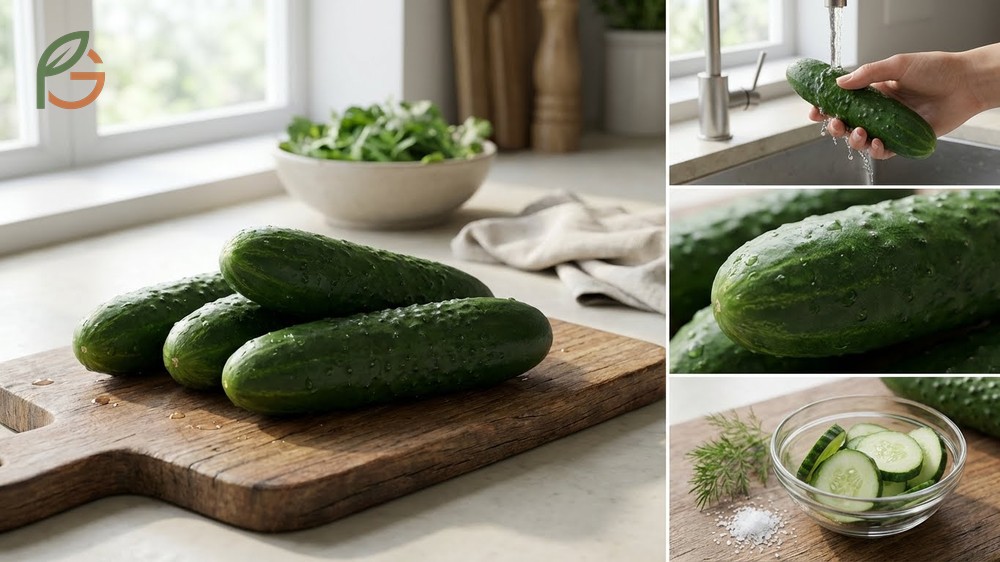
Organic cucumbers give you peace of mind if pesticide exposure concerns you. These vegetables are grown without synthetic pesticides or waxes, making the skin safer to eat with minimal washing. Agricultural standards for organic certification prohibit most conventional pesticides and require natural alternatives.
The nutritional content between organic and conventional cucumber skin doesn’t differ significantly—both provide the same fiber, vitamins, and minerals. What changes is the chemical residue load. Evidence indicates that choosing organic reduces your overall pesticide exposure, particularly for produce you eat with the skin on.
Here’s the practical angle: if your budget allows organic cucumbers, prioritize them for recipes where you’ll eat the peel raw (salads, crudités, infused water). For cooked dishes or situations where you’ll peel anyway, conventional cucumbers work fine after proper washing.
Conclusion
The evidence is clear: is cucumber skin good for you? Absolutely. Keeping the peel intact delivers more fiber, vitamin K, and protective antioxidants than peeling ever could. Current nutritional guidance emphasizes eating produce with edible skins whenever possible, and cucumbers fit perfectly into this approach. FruitGarden encourages home gardeners and produce consumers to embrace whole vegetables, maximizing both nutrition and sustainability by reducing unnecessary waste.
Whether you choose organic or conventional, what matters most is that you’re eating cucumbers regularly. Wash them properly, keep the skin on when you can, and you’ll get the full spectrum of health benefits this hydrating vegetable offers.
Medical Disclaimer
Important Medical Disclaimer: This content is for informational and educational purposes only. It’s not intended as a substitute for professional medical advice, diagnosis, or treatment. Always consult a qualified healthcare professional before making any changes to your diet, medication, or health routine, especially if you take blood-thinning medications, have digestive conditions, or experience food sensitivities.
Frequently Asked Questions
Is it healthy to eat cucumber skin?
Yes, cucumber skin is healthy and contains most of the vegetable’s fiber, vitamin K, and antioxidants. Studies show that eating cucumber with the peel provides significantly more nutrients than peeled cucumbers, particularly for digestive health and bone support. Just wash thoroughly before eating to remove any surface contaminants.
Are cucumber peels good for digestion?
Cucumber peels support digestion through their insoluble fiber content, which adds bulk to stool and promotes regular bowel movements. Research indicates that the peel’s high water content and natural compounds like cucurbitacin help reduce bloating and support smooth digestive tract function. Most people tolerate cucumber skin well, even with sensitive stomachs.
Should I peel cucumbers before eating?
You don’t need to peel cucumbers in most cases. The skin contains the highest concentration of nutrients and fiber. Peel only if you’re dealing with heavily waxed conventional cucumbers you can’t wash properly, if you have texture preferences, or if a recipe specifically requires peeled cucumbers. Otherwise, wash thoroughly and eat with the skin on.
How do you remove pesticides from cucumber skin?
Hold cucumbers under cold running water for at least one minute while rubbing the surface with your hands or a vegetable brush. For deeper cleaning, soak in a baking soda solution (one teaspoon per cup of water) for 10-15 minutes, then rinse thoroughly. This method removes 40-60% of pesticide residues according to research studies.
Is the wax on cucumber skin safe to eat?
Food-grade wax itself isn’t harmful, but it can trap pesticides and microorganisms against the skin. Agricultural experts recommend washing waxed cucumbers vigorously with water and a brush, or peeling them if you’re concerned. Organic cucumbers typically don’t have synthetic wax coatings, making them easier to eat with the skin on.
What nutrients are in cucumber peel?
Cucumber peel contains dietary fiber (0.5g per 100g), vitamin K (16.4 mcg per 100g), vitamin C, beta-carotene, calcium, magnesium, and trace minerals. The peel has higher antioxidant levels than the flesh, including compounds like caffeic acid and cucurbitacins. These nutrients support digestion, bone health, immune function, and cellular protection.
Do organic cucumbers have more nutrients in the skin?
Organic and conventional cucumber skins contain similar nutrient levels—both provide fiber, vitamin K, and antioxidants. The main difference is pesticide exposure, not nutritional value. Organic cucumbers are grown without synthetic pesticides and waxes, making the skin safer to eat with minimal washing. Choose based on your budget and pesticide concerns rather than nutrient differences.