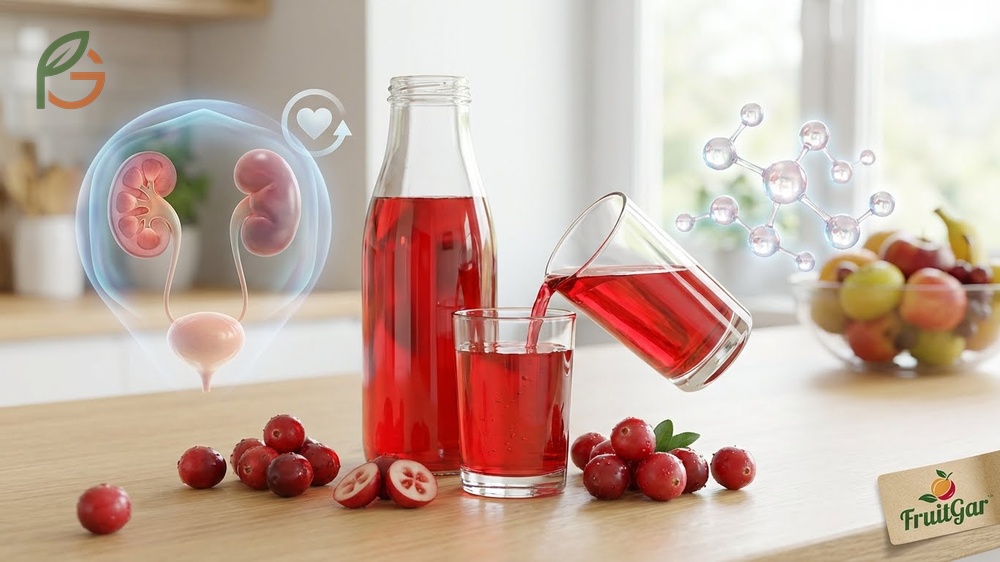
Is cranberry juice good for you? Yes, when consumed in moderation. Research shows that cranberry juice offers scientifically proven health benefits, from reducing urinary tract infections to supporting heart health and providing powerful antioxidants. Whether you’re managing specific health concerns or simply looking to boost your nutrition, understanding what cranberry juice does for your body can help you make informed choices. FruitGarden brings you evidence-based insights into this tart beverage’s remarkable health properties.
Quick Answer
- Reduces UTI risk by 30% in susceptible populations[1]
- Provides 26% of daily vitamin C per 8-ounce serving[2]
- Contains 270 mg of antioxidants per 100g to fight oxidative stress[3]
- Recommended daily intake: 8-16 ounces of unsweetened juice for optimal benefits
Is Cranberry Juice Good for You

Research demonstrates that cranberry juice delivers multiple health benefits when you choose the right type and amount. Studies show it’s particularly effective for urinary tract health, cardiovascular protection, and antioxidant support. The key is selecting pure or low-sugar varieties rather than heavily sweetened cocktails.
Most health benefits come from cranberry’s unique polyphenol content, especially proanthocyanidins. These compounds don’t just provide antioxidant effects—they actively prevent harmful bacteria from adhering to your urinary tract walls. This mechanism explains why cranberry juice has become a research-backed intervention for UTI prevention.
Current evidence indicates that cranberry juice works best as part of a balanced diet. You’ll get optimal results when you consume it regularly rather than waiting until symptoms appear. The antioxidants and vitamins in cranberry juice support multiple body systems, from your immune response to cardiovascular function.
Nutritional Profile
An 8-ounce serving of cranberry juice contains 107 calories and is 86% water, making it a relatively low-calorie beverage option. The macronutrient breakdown shows 26.2g carbohydrates, with most coming from natural sugars.
Vitamin content stands out in cranberry juice. You’ll get 26% of your daily vitamin C and 20% of vitamin E per cup[2]. These aren’t just numbers—vitamin C supports immune function and collagen production, while vitamin E protects your cells from oxidative damage.
This table shows the vitamin and mineral content per 8-ounce serving of cranberry juice compared to the daily recommended value
| Nutrient | Amount | % Daily Value |
|---|---|---|
| Vitamin C | 23.5 mg[2] | 26% |
| Vitamin E | 1.32 mg[2] | 20% |
| Vitamin K1 | 11% DV | 11% |
| Copper | 15% DV | 15% |
| Vitamin B6 | 8% DV | 8% |
Key Bioactive Compounds
Proanthocyanidins represent cranberry’s most researched bioactive compounds. These unique polyphenols prevent E. coli bacteria from sticking to urinary tract cells, reducing infection risk by up to 30% in susceptible groups[1]. This anti-adhesion property sets cranberries apart from other fruits.
The total antioxidant content reaches 270 mg per 100g when measured by amperometric methods[3]. These antioxidants neutralize free radicals like hydroxyl radicals and superoxide, preventing cellular damage that contributes to chronic disease.
Flavonoids in cranberry juice support multiple health pathways. Studies demonstrate they reduce inflammatory markers, improve blood vessel function, and enhance metabolic health. The concentration varies by product type, with pure juice containing higher levels than sweetened cocktails.
Important Note: Pure cranberry juice contains significantly more bioactive compounds than cranberry cocktails, which often contain only 25-30% real cranberry juice. Check labels carefully to maximize health benefits.
Benefits of Cranberry Juice

Scientific evidence supports several distinct health benefits from regular cranberry juice consumption. The effects range from preventing infections to protecting your cardiovascular system. What often gets overlooked is that cranberry juice works through multiple biological mechanisms simultaneously, making it more versatile than many realize.
Current data shows the strongest evidence exists for urinary tract health, with robust meta-analyses confirming effectiveness. Heart health benefits emerge from 8-week intervention studies showing measurable improvements in cardiovascular risk markers. Antioxidant effects appear both in laboratory settings and human trials.
Urinary Tract Health
A comprehensive meta-analysis of 23 trials involving 3,979 participants found that cranberry products reduce UTI incidence by 30% in susceptible populations[1]. The risk ratio of 0.70 indicates significant protective effects, particularly for people with recurring infections.
Cranberry juice showed even better results than cranberry capsules or tablets. The analysis revealed a 35% relative risk reduction for juice consumers compared to those using supplements[1]. This suggests the liquid form delivers superior bioavailability of active compounds.
The mechanism works by preventing bacterial adhesion rather than killing bacteria. Proanthocyanidins change the surface properties of E. coli, making it harder for them to attach to urinary tract cells. This means you’re less likely to develop an infection in the first place.
- Consistency matters—daily consumption provides better protection than sporadic use
- Effects appear within 2-4 weeks of regular intake for most people
- Works best as prevention, not treatment for active infections
- Pure juice or products with at least 25% cranberry content show measurable results
- Benefits persist as long as you maintain regular consumption
Cardiovascular Support
Research from the USDA demonstrated that drinking 8 ounces of low-calorie cranberry juice twice daily for 8 weeks lowered five key cardiovascular risk markers[4]. The study involved 56 participants in a double-blind, controlled setting.
The improvements weren’t subtle. Researchers observed reduced levels of inflammatory markers, better lipid profiles, and enhanced blood vessel function. These changes directly correlate with decreased risk of cardiovascular disease, diabetes, and stroke—conditions that cause over 930,000 deaths annually in the United States.
Polyphenols in cranberry juice improve heart health by reducing cholesterol oxidation and lowering blood pressure. Studies show these compounds enhance nitric oxide synthesis, which helps blood vessels relax and improves circulation. The anti-inflammatory properties complement these vascular benefits.
Immune System Boost
The high vitamin C content in cranberry juice supports immune function year-round. With 26% of your daily vitamin C per serving, it provides substantial immune support without excessive calories. Vitamin C enhances white blood cell production and function, critical for fighting infections.
Antioxidants in cranberry juice reduce oxidative stress throughout your body. Evidence shows they decrease protein and lipid oxidation, protecting cellular structures from damage. This preservation of cellular integrity supports overall immune resilience and healthy aging.
Research demonstrates that cranberry polyphenols possess antibacterial, antiviral, and anti-inflammatory properties beyond just UTI prevention[3]. These compounds may help your body resist various pathogens, though more human studies are needed to quantify these effects.
- Vitamin C acts as a powerful antioxidant and supports immune cell function
- Vitamin E protects cell membranes from oxidative damage
- Copper supports immune system enzyme production
- Polyphenols provide anti-inflammatory and antimicrobial effects
- Flavonoids enhance overall antioxidant defense systems
Research Insight: Studies using at least 364 mg of polyphenols daily showed the most consistent health benefits across various markers. This typically translates to 8-16 ounces of pure cranberry juice or a blend with at least 25% cranberry content.
Cranberry Juice Benefits for Women
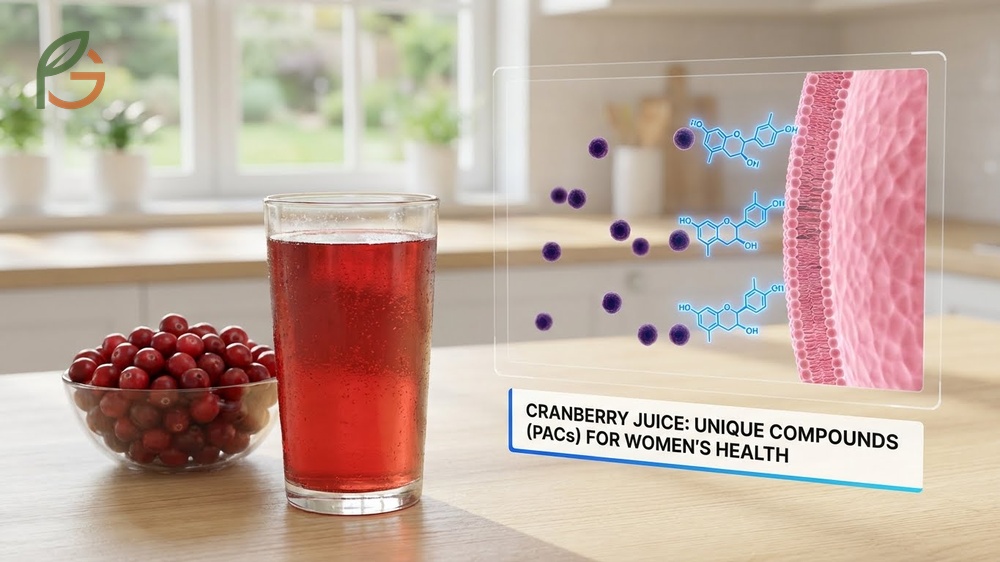
Women experience specific health advantages from cranberry juice consumption. The most documented benefit relates to UTI prevention, since women develop urinary tract infections at rates 30 times higher than men due to anatomical differences. Proanthocyanidins in cranberry juice provide targeted protection against this common concern.
Beyond infection prevention, cranberry juice supports women’s hormonal health transitions. Research suggests the antioxidant and anti-inflammatory compounds may ease PMS symptoms, including cramps and bloating. The magnesium content, though modest, contributes to reducing menstrual discomfort when consumed regularly.
Emerging evidence points to skin health benefits. A 2024 clinical trial found that women drinking a polyphenol-rich cranberry beverage for six weeks experienced improved skin elasticity and smoothness. The antioxidants reduced UV-induced redness, suggesting protective effects against environmental stressors and premature aging.
Postmenopausal women may benefit from cranberry juice’s cardiovascular protective effects. Since heart disease risk increases after menopause, the demonstrated ability to lower five cardiovascular risk markers becomes particularly relevant. The anti-inflammatory properties also support bone health during this life stage.
- Reduces recurring UTI risk by up to 30% through bacterial anti-adhesion properties
- Provides anti-inflammatory compounds that may ease menstrual cramps and PMS symptoms
- Delivers antioxidants that support skin elasticity and protect against UV damage
- Supports cardiovascular health during and after menopause when risk increases
- Contains compounds that may help maintain healthy vaginal flora balance
- Offers vitamin C for collagen production and overall skin health
Women’s Health Tip: Don’t wait for UTI symptoms to start drinking cranberry juice. Research shows preventive daily consumption works better than using it reactively. Consistency delivers the best protection for urinary tract health.
Cranberry Juice Benefits for Men

Men gain distinct advantages from cranberry juice, particularly for prostate health. A study published in the British Journal of Nutrition examined 42 men with prostate concerns who consumed 1,500 mg of cranberry powder daily for six months. Results showed improvements in prostate-specific antigen (PSA) levels and reduced lower urinary tract symptoms.
The anti-inflammatory properties of cranberry polyphenols benefit men’s prostate health through multiple pathways. Research demonstrates these compounds reduce inflammatory markers associated with benign prostatic hyperplasia (BPH) and non-bacterial prostatitis. The protective effects appear most significant in men with elevated PSA levels.
Cardiovascular benefits apply equally to men, who face higher heart disease risk at younger ages than women. The USDA study showing reduced cardiovascular risk markers included both men and women, with consistent results across genders. For men concerned about heart health, cranberry juice offers a research-backed dietary addition.
Male athletes and active individuals benefit from cranberry juice’s antioxidant capacity. Studies show the polyphenols reduce exercise-induced oxidative stress and inflammation. While more research is needed, early evidence suggests faster recovery and reduced muscle soreness when consumed regularly.
- Supports prostate health and may reduce PSA levels in men with prostatitis
- Decreases lower urinary tract symptoms associated with BPH
- Provides anti-inflammatory compounds that protect prostate tissue
- Reduces cardiovascular disease risk through improved metabolic markers
- Delivers antioxidants that combat exercise-induced oxidative stress
- Supports overall urinary tract function and bladder health
How Much Cranberry Juice Should You Drink
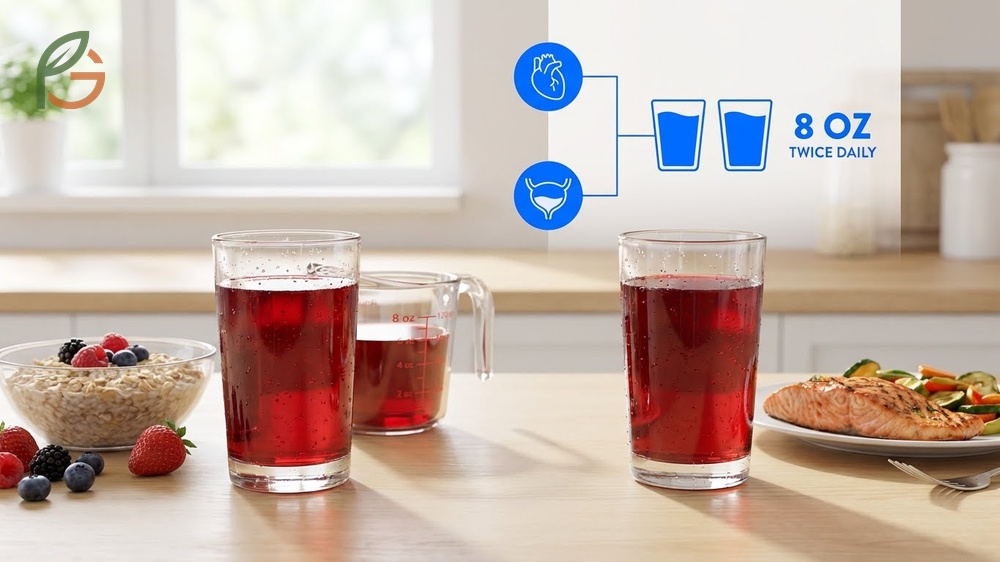
Current guidance recommends 8-16 ounces daily for maintaining urinary tract health and gaining cardiovascular benefits. The USDA heart health study used 8 ounces twice daily—once at breakfast and once at dinner—showing this split-dose approach delivers measurable results within 8 weeks.
For UTI prevention specifically, studies demonstrate effectiveness with 40-300ml of 25% pure cranberry juice reducing bacteriuria by 50%. You don’t need gallons to see benefits—consistency matters more than quantity. Most people find 8 ounces daily sufficient for preventive effects.
Choose pure cranberry juice or blends containing at least 25% real cranberry juice. Heavily sweetened cranberry cocktails often contain only 10-15% juice, diluting the beneficial compounds while adding excessive sugar. Check nutrition labels for added sugars—aim for products with less than 10g per serving.
If you’re drinking pure cranberry juice (100%), start with smaller amounts diluted in water. Pure cranberry is extremely tart and acidic, which can irritate your stomach or damage tooth enamel when consumed undiluted. Most people tolerate 2-4 ounces of pure juice mixed with 4-6 ounces of water.
- Start with 8 ounces daily and increase to 16 ounces if targeting specific health concerns
- Divide your daily intake—drink half in the morning and half in the evening
- Dilute pure cranberry juice with water to reduce acidity and improve palatability
- Rinse your mouth with water after drinking to protect tooth enamel from acid erosion
- Consume with or after meals to minimize potential stomach upset
- Monitor sugar intake if using cranberry cocktails—they can contain 20-30g per serving
- Don’t exceed 24 ounces daily without consulting a healthcare provider
Sugar Warning: Sweetened cranberry cocktails can contain as much sugar as soda. A typical cranberry juice cocktail has 23-30g of sugar per 8-ounce serving. This excessive sugar intake may offset health benefits, particularly for people managing diabetes or weight.
Conclusion
The evidence is clear: cranberry juice is good for you when you choose the right type and consume appropriate amounts. Research demonstrates a 30% reduction in UTI risk, significant cardiovascular improvements, and robust antioxidant protection. The key is selecting pure or low-sugar varieties and maintaining consistent daily intake of 8-16 ounces.
Current dietary guidance emphasizes whole fruit sources and minimally processed juices for maximum health benefits. FruitGarden synthesizes the latest nutritional research to help you make informed choices about incorporating cranberries and other beneficial fruits into your diet. Whether you’re growing cranberries yourself or selecting quality juice products, understanding the science behind their benefits empowers better health decisions.
Medical Disclaimer
Important Medical Disclaimer: This content is for informational and educational purposes only. It’s not intended as a substitute for professional medical advice, diagnosis, or treatment. Always consult a qualified healthcare professional before making changes to your diet, medication, or health routine, especially if you have urinary tract infections, cardiovascular disease, diabetes, or other medical conditions. Cranberry juice may interact with certain medications, including blood thinners.
Frequently Asked Questions
What Does Cranberry Juice Do for Your Body?
Cranberry juice provides three primary benefits: it prevents bacteria from adhering to urinary tract walls (reducing UTI risk by 30%), delivers powerful antioxidants that fight cellular damage, and supports cardiovascular health by lowering inflammatory markers and improving blood vessel function. These effects come from its unique polyphenol content, particularly proanthocyanidins.
Is Drinking Cranberry Juice Good for You Every Day?
Yes, drinking 8-16 ounces of cranberry juice daily is beneficial for most people. Studies show daily consumption provides consistent UTI protection and cardiovascular benefits. However, choose unsweetened or low-sugar varieties to avoid excessive sugar intake, which can negate health benefits. Dilute pure cranberry juice with water if the tartness is too intense.
What Does Cranberry Juice Do for Women Specifically?
For women, cranberry juice offers targeted urinary tract protection since women develop UTIs 30 times more frequently than men. Research also shows it may ease PMS symptoms through anti-inflammatory effects, improve skin elasticity with regular consumption, and support cardiovascular health during menopause. The proanthocyanidins provide specific benefits for maintaining healthy vaginal flora balance.
Are There Benefits of Pure Cranberry Juice Compared to Cocktails?
Pure cranberry juice contains significantly higher concentrations of beneficial polyphenols and antioxidants—up to 270 mg per 100g—compared to cranberry cocktails that often contain only 25-30% real juice. Pure juice delivers more proanthocyanidins for UTI prevention and cardiovascular protection. However, you’ll need to dilute it with water due to its extreme tartness and acidity.
Can Cranberry Juice Help Men’s Prostate Health?
Yes, research published in the British Journal of Nutrition found that men consuming 1,500 mg of cranberry powder daily for six months experienced improved prostate-specific antigen (PSA) levels and reduced lower urinary tract symptoms. The anti-inflammatory properties of cranberry polyphenols benefit men with benign prostatic hyperplasia (BPH) and non-bacterial prostatitis.
How Much Cranberry Juice Should I Drink for UTI Prevention?
Studies show that 8-16 ounces daily of cranberry juice containing at least 25% real cranberry reduces UTI risk by 30% in susceptible populations. The key is consistency—daily consumption works better than sporadic use. Split your intake between morning and evening for optimal results, and start drinking it preventively rather than waiting for symptoms.
Is Cranberry Juice Healthy if It Contains Added Sugar?
Cranberry cocktails with added sugar provide reduced health benefits compared to pure juice. Sweetened versions can contain 23-30g of sugar per 8-ounce serving—similar to soda—which may offset cardiovascular and metabolic benefits. Choose products with less than 10g sugar per serving, or opt for pure cranberry juice diluted with water to maximize health benefits while controlling sugar intake.