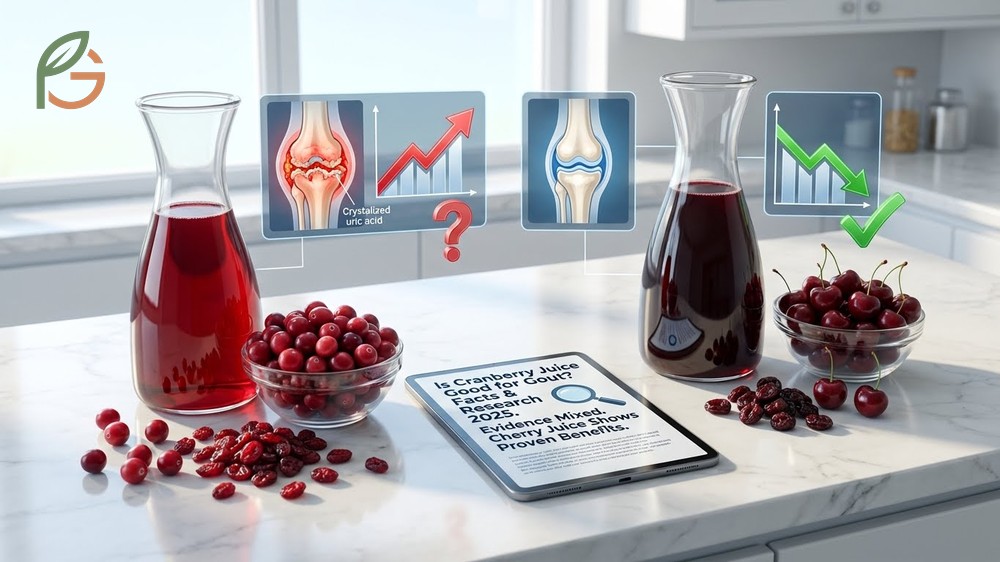
Is cranberry juice good for gout? The evidence is mixed—while cranberries are low in purines, research shows drinking cranberry juice may actually increase uric acid levels in some people, potentially triggering gout flares rather than preventing them.[1] Current data indicates cherry juice offers more proven benefits for gout management than cranberry juice.[2] FruitGarden brings you research-backed insights to help you make informed choices about gout-friendly beverages and fruit consumption.
Quick Answer
- Cranberry juice may increase uric acid stone formation risk despite lowering serum uric acid[1]
- Cherry juice is more effective—studies show it significantly lowers uric acid and reduces gout flares[2]
- Cranberries contain low purines (9-72 mg/100g in vegetables) but high sugar content is problematic[3]
- Water remains best—drinking 2,000-3,000 ml daily reduces gout attack risk by 46%[4]
Is Cranberry Juice Good for Gout
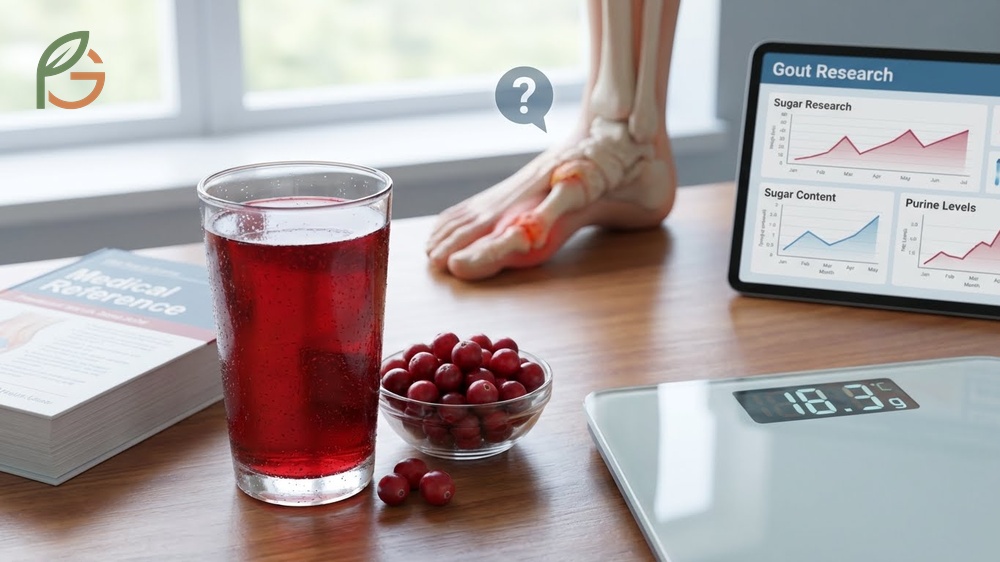
Research shows no direct clinical trials have examined cranberry juice’s effects on gout management or prevention.[3] Most studies on cranberries focus on urinary tract health, not arthritis conditions. What often gets overlooked is that cranberry juice’s high natural sugar content can contribute to weight gain, which exacerbates gout symptoms.
Evidence suggests cranberries are low in purines—the compounds that break down into uric acid in your body. Cranberries fall within the 9-72 mg/100g range for vegetables, making them theoretically safe.[3] However, this doesn’t mean drinking cranberry juice prevents gout attacks.
Current guidance emphasizes that incorporating cranberry juice into a balanced diet may offer hydration benefits, but it shouldn’t replace proven gout treatments. Always consult your doctor before adding any juice to your gout management plan.
What Research Shows
A 2005 study published in the Journal of Urology found cranberry juice decreases urinary uric acid and serum uric acid levels.[1] Sounds good, right? Here’s the catch—the same study showed cranberry juice increases the risk of calcium oxalate and uric acid stone formation because it lowers urinary pH.
Studies on cranberry’s anti-inflammatory properties exist, but they focus on rheumatoid arthritis, not gout. One 2019 trial found 500 ml daily of low-calorie cranberry juice reduced disease activity in rheumatoid arthritis patients.[5] This doesn’t translate directly to gout benefits.
Potential Risks
Higher uric acid levels from cranberry juice could potentially lead to crystal formation in your joints—the exact cause of painful gout flares. More research is needed to confirm this connection definitively.[6]
Important Note: If you’re prone to kidney stones or have a history of gout flares, cranberry juice may not be your best hydration choice. The acidifying effect on urine creates conditions that favor uric acid crystal formation.
Is Cranberry Juice Bad for Gout
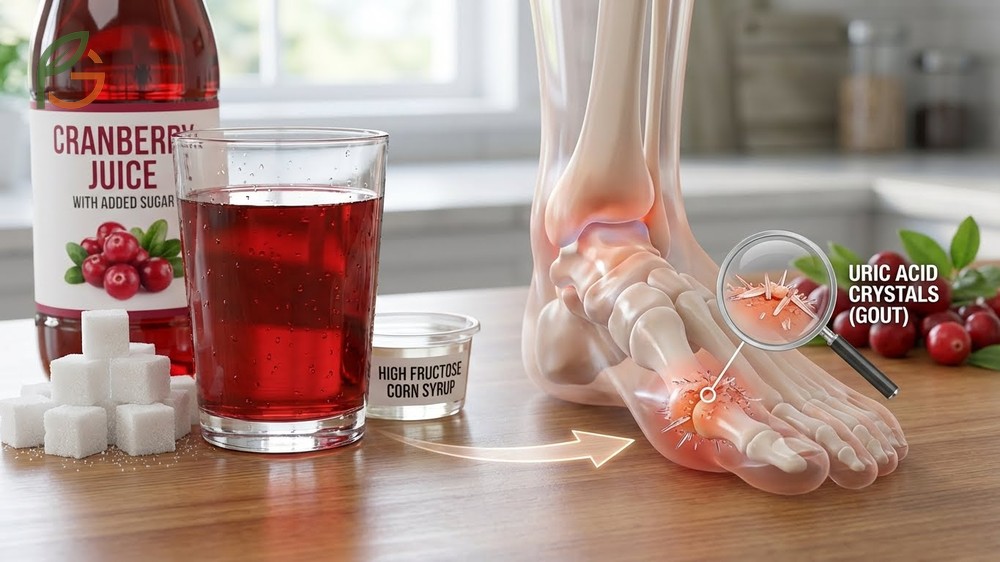
Cranberry juice isn’t necessarily “bad,” but it’s not the miracle solution some claim it to be. The biggest concern is what most commercial cranberry juices contain—added sugars and high fructose corn syrup. These ingredients actively work against gout management by raising uric acid levels.
Studies demonstrate that fructose increases purine metabolism, leading to higher uric acid production.[7] Most people don’t realize that a single glass of sweetened cranberry juice can contain up to 30 grams of sugar. That’s more than the daily recommended limit for added sugars.
Sugar Content Concerns
Commercial cranberry juice cocktails typically contain only 25-30% real cranberry juice. The rest is water, sweeteners, and sometimes other fruit juices. This dilution means you’re drinking more sugar than actual cranberries.
Current data indicates excessive sugar intake contributes to weight gain, which is a major gout trigger. For every 10 pounds of extra body weight, your risk of developing gout increases significantly.
- High fructose corn syrup increases uric acid production through purine metabolism
- Added sugars contribute to weight gain, a primary gout risk factor
- Sweetened beverages can spike blood sugar, creating inflammation
- Many cranberry drinks contain less than 30% actual cranberry juice
- Excessive sugar intake interferes with medication effectiveness
Uric Acid Paradox
Here’s where it gets confusing. Cranberry juice lowers serum uric acid levels (the uric acid in your blood) but simultaneously creates conditions that favor uric acid crystal formation in your joints and kidneys.[1] It’s like taking one step forward and two steps back.
The mechanism involves urinary pH changes. Cranberry juice acidifies your urine, which sounds beneficial but actually makes uric acid less soluble. This means it’s more likely to form crystals that cause gout attacks.
Cherry Juice vs Cranberry Juice for Gout
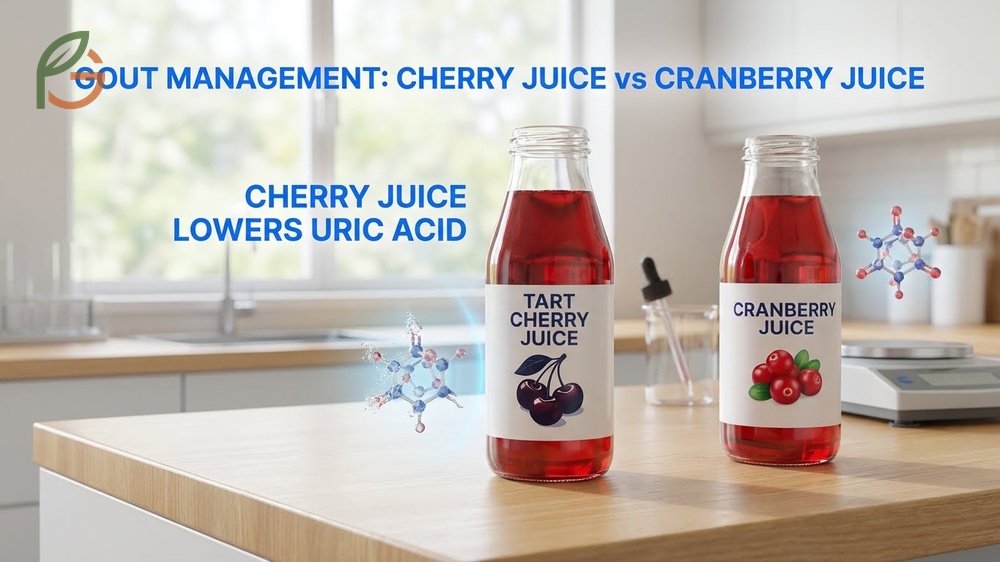
When it comes to gout management, cherry juice is the clear winner. Research published by the Arthritis Foundation shows tart cherry juice significantly lowers uric acid levels and reduces gout flare frequency.[2] A 2019 study found people drinking 8 ounces of diluted tart cherry juice daily for four weeks experienced significant drops in both uric acid and C-reactive protein.
Cherry juice works differently than cranberry juice. Tart cherries contain anthocyanins—powerful antioxidants that reduce inflammation and lower uric acid production. Studies demonstrate cherry consumption is associated with a 35% lower risk of recurrent gout attacks.[2]
This table compares cranberry juice and cherry juice across effectiveness for gout, uric acid impact, research support, sugar content, and recommended intake
| Factor | Cranberry Juice | Cherry Juice |
|---|---|---|
| Effectiveness for Gout | No clinical trials[3] | Reduces flares by 35%[2] |
| Uric Acid Impact | Lowers serum levels but increases crystal formation risk[1] | Significantly lowers uric acid and inflammation[2] |
| Research Support | Limited to urinary tract studies | Multiple gout-specific studies |
| Sugar Content Concern | High in commercial varieties | Available unsweetened or diluted |
| Recommended Intake | Not recommended as primary beverage | 8 oz daily of tart cherry juice concentrate |
Most people find tart cherry juice more palatable when diluted with water, which also helps with hydration. Unlike cranberry juice, which may increase stone formation risk, cherry juice doesn’t acidify urine to problematic levels.
Expert Tip: If you’re choosing between the two, opt for pure tart cherry juice (not cherry-flavored drinks) or cherry concentrate diluted in water. Look for products with no added sugars to maximize benefits.
Is Cranberry Juice Anti Inflammatory
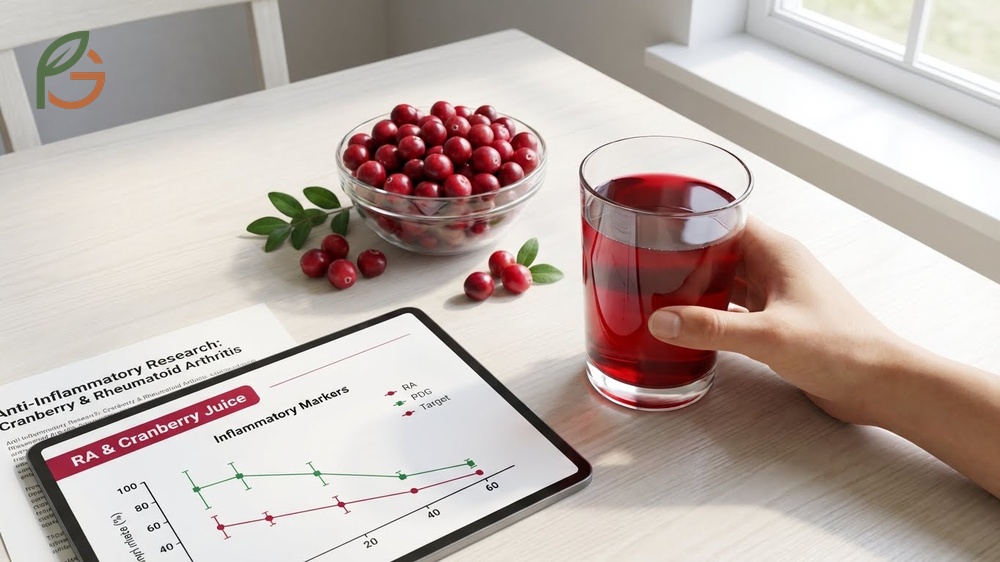
Research demonstrates cranberry juice has anti-inflammatory properties, but the evidence comes primarily from rheumatoid arthritis studies, not gout research. The antioxidants in cranberries—particularly flavonoids and polyphenols—do combat oxidative stress and reduce certain inflammatory markers.[5]
A 2019 study showed women with rheumatoid arthritis who consumed 500 ml daily of low-calorie cranberry juice experienced decreased disease activity after 90 days. However, this doesn’t mean it works the same way for gout—the inflammatory mechanisms differ between these two conditions.
The reason this matters for gout patients is simple. Gout involves uric acid crystal-triggered inflammation, while rheumatoid arthritis is an autoimmune response. Anti-inflammatory effects that work for one condition don’t automatically transfer to another.
- Anthocyanins: reduce oxidative stress and inflammation markers
- Quercetin: inhibits inflammatory enzymes and cytokine production
- Proanthocyanidins: prevent bacterial adhesion and reduce inflammation
- Vitamin C: powerful antioxidant supporting immune function
- Polyphenols: modulate inflammatory pathways in the body
- Benzoic acid: natural preservative with antimicrobial properties
Foods to Avoid with Gout

Studies show the highest purine foods contain 96-448 mg/100g in meats and seafood, with organ meats reaching even higher levels.[8] Current dietary guidance emphasizes avoiding or strictly limiting these high-purine items to prevent uric acid buildup. What’s interesting is that vegetable purines (9-72 mg/100g) don’t seem to trigger gout the same way animal purines do.
The Mayo Clinic recommends completely avoiding organ meats like liver, kidney, and sweetbreads due to their extremely high purine content.[9] Red meats like beef, lamb, and pork should be limited to small portions. Most people don’t realize that seafood like anchovies, sardines, and shellfish can be just as problematic as red meat.
- Organ meats: liver, kidneys, sweetbreads, brain (extremely high purines)
- Red meats: beef, lamb, pork, veal in large portions
- Seafood: anchovies, sardines, mackerel, scallops, shellfish, herring
- Alcohol: beer and spirits increase uric acid production and reduce excretion
- Sugary drinks: soda, fruit juice with added sugar, high fructose corn syrup
- Refined carbohydrates: white bread, white rice, sugary cereals
Evidence suggests alcohol deserves special attention. Beer is particularly problematic because it contains both purines and alcohol, creating a double whammy for gout sufferers. Even moderate alcohol consumption can trigger flares in susceptible individuals.
Hydration for Gout Relief

Research shows people with gout who drink at least 1,920 ml (about 65 fluid ounces) of water in 24 hours have a 46% lower risk of recurrent gout attacks compared to those drinking less.[4] Current guidance recommends 2,000-3,000 ml of fluid daily for optimal gout management. Water isn’t just background—it’s an active treatment strategy.
Proper hydration helps your kidneys flush out uric acid before it accumulates in your joints. When you’re dehydrated, uric acid becomes more concentrated in your blood, making crystal formation more likely. The National Kidney Foundation emphasizes that consistent water intake is foundational for preventing both gout flares and uric acid kidney stones.
Coffee is another suitable option for gout patients. Studies suggest regular coffee consumption can lower uric acid levels.[4] However, it’s best to consume it in moderation and discuss it with your healthcare provider.
Hydration Goal: Aim for 8-12 glasses (64-100 fluid ounces) of water daily. During a gout flare, increase intake to help flush uric acid crystals. Spread consumption throughout the day rather than drinking large amounts at once.
Kidney Stones and Gout Connection
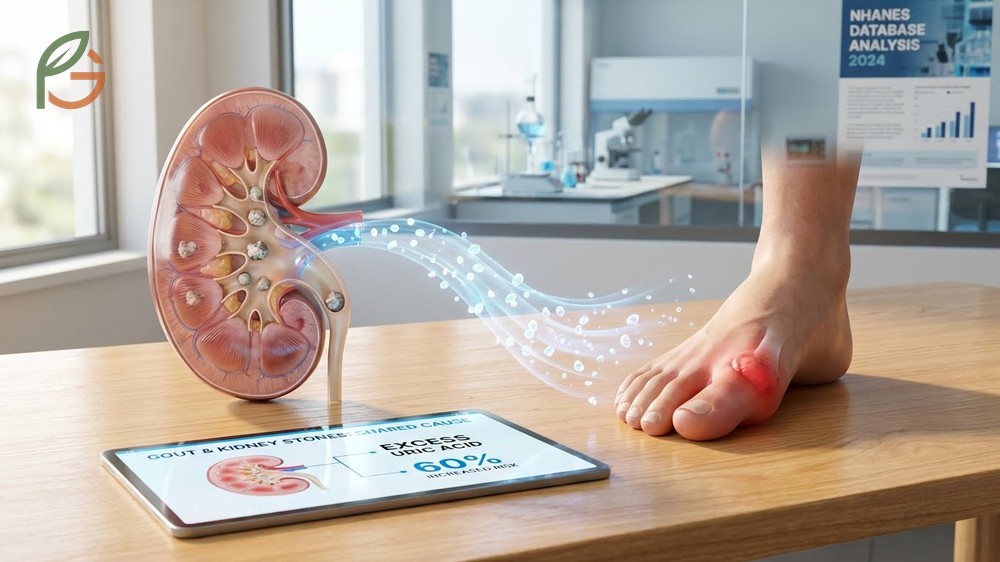
Evidence shows a strong link between gout and kidney stones—if you have recurrent gout, there’s a significant chance you’ll develop kidney stones too. Both conditions share the same root cause: excess uric acid accumulation in the body. People with gout are 60% more likely to develop kidney stones than those without gout.
Research published in 2024 confirms a causal relationship between gout status and kidney stone risk based on large-scale NHANES database analysis.[10] The mechanism involves high circulating uric acid levels acidifying urine, which favors stone formation. When uric acid crystals deposit in your kidneys instead of your joints, they can develop into painful kidney stones.
What often gets overlooked is that both conditions respond to similar prevention strategies. Adequate hydration remains the single most important factor—drinking 2,000-3,000 ml of water daily helps prevent both gout attacks and kidney stone formation by diluting uric acid and supporting kidney function.
Studies demonstrate that individuals with chronic gout face increased risk of permanent kidney damage if left untreated. This can progress to chronic kidney disease or even kidney failure requiring dialysis. The connection underscores why managing uric acid levels is critical for overall kidney health, not just joint health.
Conclusion
The evidence is clear: cranberry juice isn’t a reliable solution for gout management. While cranberries are low in purines, research shows cranberry juice may actually increase uric acid crystal formation risk despite lowering serum uric acid levels. Cherry juice offers more proven benefits with multiple studies demonstrating significant reductions in both uric acid levels and gout flare frequency.
Current medical guidance emphasizes hydration with plain water as your primary strategy—aim for 2,000-3,000 ml daily to reduce gout attack risk by up to 46%. FruitGarden encourages you to work with your healthcare provider to develop a comprehensive gout management plan that includes proven dietary strategies, proper hydration, and appropriate medications when needed.
Medical Disclaimer
Important Medical Disclaimer: This content is for informational and educational purposes only. It’s not intended as a substitute for professional medical advice, diagnosis, or treatment. Always consult a qualified healthcare professional before making any changes to your diet, medication, or health routine, especially if you have gout, kidney stones, or other medical conditions. Individual responses to dietary changes vary, and what works for one person may not work for another.
Frequently Asked Questions
Can I drink cranberry juice if I have gout?
You can drink small amounts of unsweetened cranberry juice, but it’s not recommended as a primary beverage for gout management. Research shows cranberry juice may increase uric acid crystal formation risk despite being low in purines. Water remains the best choice for hydration, with cherry juice as a better alternative if you want fruit juice benefits.
How much cherry juice should I drink for gout?
Studies show 8 ounces of diluted tart cherry juice concentrate daily can significantly lower uric acid levels and reduce gout flare frequency. Choose unsweetened varieties or cherry concentrate you can dilute with water. Don’t exceed recommended amounts, as even natural fruit sugars can contribute to weight gain and potentially worsen gout symptoms.
What drinks should I avoid with gout?
Avoid alcohol (especially beer), sugary sodas, sweetened fruit juices, and drinks containing high fructose corn syrup. These beverages raise uric acid levels and trigger gout attacks. Beer is particularly problematic because it contains both purines and alcohol. Even moderate alcohol consumption can cause flares in susceptible individuals.
Is drinking water better than cranberry juice for gout?
Yes, plain water is significantly better than cranberry juice for gout management. Research demonstrates drinking at least 1,920 ml of water daily reduces gout attack risk by 46%. Water helps flush uric acid from your system without the sugar content or pH-lowering effects that make cranberry juice problematic for gout patients.
Does cranberry juice lower uric acid levels?
Cranberry juice does lower serum uric acid levels in the blood, but it creates a paradox—it simultaneously increases the risk of uric acid crystal formation by acidifying urine. This makes uric acid less soluble and more likely to form crystals in joints and kidneys. The net effect isn’t beneficial for most gout patients.
What foods reduce uric acid quickly?
Foods that help reduce uric acid include cherries, coffee in moderation, low-fat dairy products, whole grains, and vitamin C-rich fruits and vegetables. Plant-based proteins like lentils, chickpeas, and tofu are better choices than animal proteins. Focus on increasing fiber intake through vegetables, fruits, and whole grains while avoiding high-purine meats and seafood.
Can you get kidney stones from gout?
Yes, people with gout are 60% more likely to develop kidney stones than those without gout. Both conditions are caused by excess uric acid accumulation. When uric acid crystals deposit in kidneys rather than joints, they form kidney stones. Proper hydration with 2,000-3,000 ml of water daily helps prevent both gout attacks and kidney stone formation.