Is cranberry juice good for diabetics? Yes, when you choose unsweetened varieties and control portions. Research shows that consuming one cup of cranberry juice daily for 12 weeks reduces fasting blood glucose by approximately 20 mg/dL[1] and improves insulin sensitivity among diabetics[2]. What often gets overlooked is that the type of cranberry juice matters more than the amount—unsweetened versions have a glycemic index of 50[3], while sweetened varieties jump to 59[4], making smart selection crucial for blood sugar management. FruitGarden synthesizes current research on fruit nutrition to help you make informed decisions about incorporating cranberries into your diabetic-friendly diet.
Quick Answer
- Unsweetened cranberry juice contains 19.55g carbs[5] per cup (150 ml) with a low glycemic index of 50[3]
- Studies demonstrate 20 mg/dL reduction[1] in fasting glucose after 12 weeks of daily consumption
- Unsweetened versions are best—avoid cocktails with added sugars that spike blood glucose rapidly
- Limit portions to 4 oz (half cup) daily and pair with protein or fiber to minimize insulin response
Is Cranberry Juice Good for Diabetics
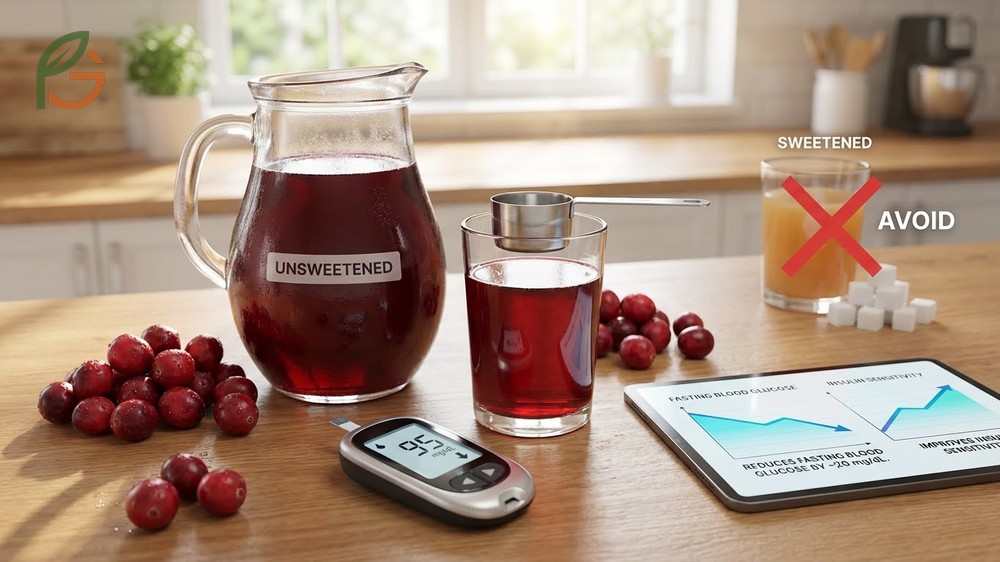
Research shows that unsweetened cranberry juice offers measurable benefits for people with type 2 diabetes. A double-blind randomized clinical trial found that participants who consumed one cup daily for 12 weeks experienced significant reductions in fasting glucose levels—approximately 20 mg/dL lower than baseline[1]. This improvement matters because even modest glucose reductions can decrease long-term complications.
The key lies in choosing pure, unsweetened cranberry juice rather than sweetened cocktails. Unsweetened varieties contain polyphenols and antioxidants that work through multiple mechanisms to improve glucose metabolism[6]. Most people don’t realize that cranberries’ natural compounds can enhance insulin function without adding excessive sugar to your diet.
Evidence from a comprehensive meta-analysis of 22 studies demonstrates that regular cranberry consumption significantly reduces both fasting blood glucose and glycated hemoglobin (HbA1c) in diabetic individuals[2]. The glycated hemoglobin reduction of 0.32% represents meaningful improvement in long-term blood sugar control.
Blood Glucose Benefits from Research
Studies demonstrate that cranberry juice affects blood glucose through several pathways. The polyphenols in cranberries improve glucose uptake in cells and reduce post-meal blood sugar spikes[7]. This matters most when you consume cranberry juice with meals rather than alone.
Clinical trials consistently show timing impacts results. Participants who drank 240 ml twice daily before meals experienced greater glucose improvements compared to single daily doses. The reason is simple—cranberry compounds work best when they’re present during digestion and nutrient absorption.
- Reduces fasting glucose levels by 17-20 mg/dL in type 2 diabetics after 12 weeks of daily consumption[1]
- Lowers glycated hemoglobin (HbA1c) by 0.32%, indicating improved long-term glucose control[2]
- Decreases post-meal glucose excursions by slowing carbohydrate absorption[7]
- Reduces inflammatory markers (IL-18) that worsen insulin resistance in diabetic patients
- Enhances the effectiveness of oral diabetes medications like metformin when taken together
Insulin Sensitivity Improvements
Current data indicates that cranberry juice improves how your body responds to insulin. An 8-week study found that participants consuming cranberry extract beverage had significantly lower blood insulin levels compared to placebo groups[6]. Lower insulin levels while maintaining stable glucose suggest better insulin efficiency.
The polyphenol content in cranberries appears responsible for these effects. Research demonstrates that high-polyphenol diets reduce diabetes risk factors and improve cellular glucose uptake. If you’re like most Americans managing diabetes, this means your cells can use glucose more effectively without requiring extra insulin production.
Important Note: Cranberry juice works best as part of comprehensive diabetes management, not as a replacement for medication. Always monitor your blood sugar when adding new foods and adjust portions based on your individual response.
Carbs in Cranberry Juice
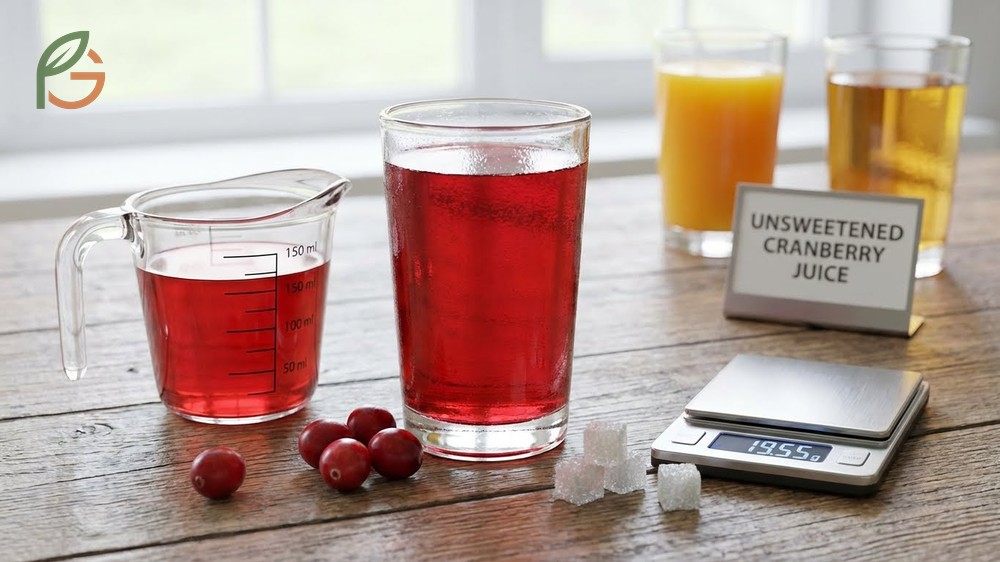
Unsweetened cranberry juice contains approximately 19.55 grams of carbohydrates per 150 ml (about 5 oz) serving[5]. For comparison, a full cup (8 oz or 253g) provides roughly 31 grams of carbohydrates. This carb content sits between that of orange juice and apple juice, making portion control essential for diabetics.
The carbohydrate composition matters as much as the total amount. Cranberry juice contains primarily glucose and fructose—about 6.8g glucose and 5g fructose per 100g[4]. Unlike juices with added sugars, unsweetened cranberry juice provides these natural fruit sugars alongside beneficial compounds that moderate their absorption.
Most nutritionists recommend counting cranberry juice toward your daily carbohydrate targets. If you’re following a 45-60g carb limit per meal, a 4 oz serving (approximately 13g carbs) leaves room for other foods. This approach prevents blood sugar spikes while letting you enjoy cranberry’s benefits.
Unsweetened vs Sweetened Varieties
The difference between unsweetened and sweetened cranberry juice is dramatic. Pure unsweetened juice contains only the fruit’s natural sugars, while cranberry cocktails add substantial sweeteners—often high-fructose corn syrup or cane sugar. Sweetened versions can contain 2-3 times more carbohydrates per serving.
Commercial cranberry juice cocktails typically contain only 27-33% actual cranberry juice, with the remainder being water and sweeteners. This dilution adds empty calories without providing proportional benefits. Evidence suggests that higher cranberry concentrations deliver better glucose improvements[1].
This table compares nutritional content including carbohydrates, sugars, calories, and glycemic index across pure unsweetened cranberry juice, cranberry cocktail, and zero-sugar cranberry options
| Type | Carbohydrates | Natural Sugars | Calories | Glycemic Index |
|---|---|---|---|---|
| Pure Unsweetened | 31g[8] | 12g per 100ml[4] | 116 cal | 50[3] (Low) |
| Cranberry Cocktail | 35-40g | 30-35g (added sugars) | 140-160 cal | 59[4] (Medium) |
| Zero Sugar Options | 7-10g | 0g (artificial sweeteners) | 10-15 cal | Not applicable |
Glycemic Impact on Blood Sugar
The glycemic index (GI) of unsweetened cranberry juice sits at 50, classifying it as a low-GI food[3]. This means it raises blood sugar more slowly than high-GI foods like white bread (GI 75) or glucose tablets (GI 100). The glycemic load per serving is 7.3, which also falls into the low category.
Fresh raw cranberries have an even lower GI of 42, while sweetened dried cranberries jump to 64[4]. Processing and sweetening significantly alter how cranberries affect your blood sugar. This difference explains why studies using pure cranberry juice show better results than those using sweetened products.
- Dilute 2-4 oz pure cranberry juice with sparkling water to reduce carb concentration while maintaining benefits
- Consume with protein sources like Greek yogurt or nuts to slow sugar absorption and extend satiety
- Drink cranberry juice with meals rather than alone to moderate the glucose response
- Start with 2 oz servings and monitor blood sugar to determine your individual tolerance level
- Time consumption earlier in the day when insulin sensitivity is typically higher
Cranberry Juice Sugar Content
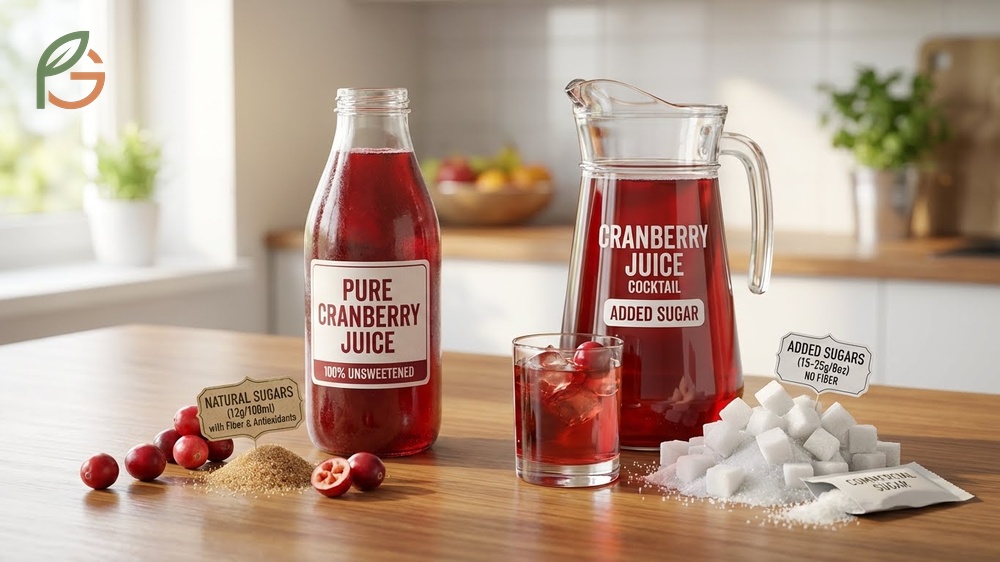
Pure unsweetened cranberry juice contains approximately 12 grams of naturally occurring sugars per 100 ml[4]. This breaks down into 6.8g glucose and 5g fructose, with trace amounts of maltose. These natural fruit sugars differ fundamentally from added sugars in cranberry cocktails because they come packaged with fiber remnants, polyphenols, and antioxidants that moderate absorption.
Commercial cranberry juice cocktails add 15-25 grams of extra sugar per 8 oz serving beyond what occurs naturally. This additional sugar comes from high-fructose corn syrup or cane sugar, providing no nutritional benefits while dramatically increasing the glycemic load. For diabetics, this distinction isn’t trivial—added sugars spike blood glucose faster and higher than natural fruit sugars.
The tartness of pure cranberry juice indicates its low natural sugar content. Raw cranberries are one of the lowest-sugar fruits, containing only 4g sugar per 100g of fresh berries. Manufacturers add sweeteners to make cocktail versions palatable, but this defeats the metabolic benefits you’re seeking.
- Read labels carefully—look for “100% juice” with zero grams added sugars listed in nutrition facts
- Avoid products with “cranberry juice cocktail” or “cranberry juice drink” on the label, as these contain substantial sweeteners
- Check ingredient lists—cranberries should be the first and ideally only ingredient besides water
- Compare sugar content across brands—some “unsweetened” versions still add grape juice as a sweetener
- Consider making your own by blending fresh or frozen cranberries with water for complete control
- Track how your blood sugar responds 1-2 hours after drinking to identify your personal tolerance threshold
Sugar Content Warning: Even unsweetened cranberry juice contains enough natural sugars to affect blood glucose. Don’t treat it as “free” food—count it toward your daily carbohydrate targets and test your blood sugar regularly when incorporating it into your routine.
Best Cranberry Juice for Diabetics
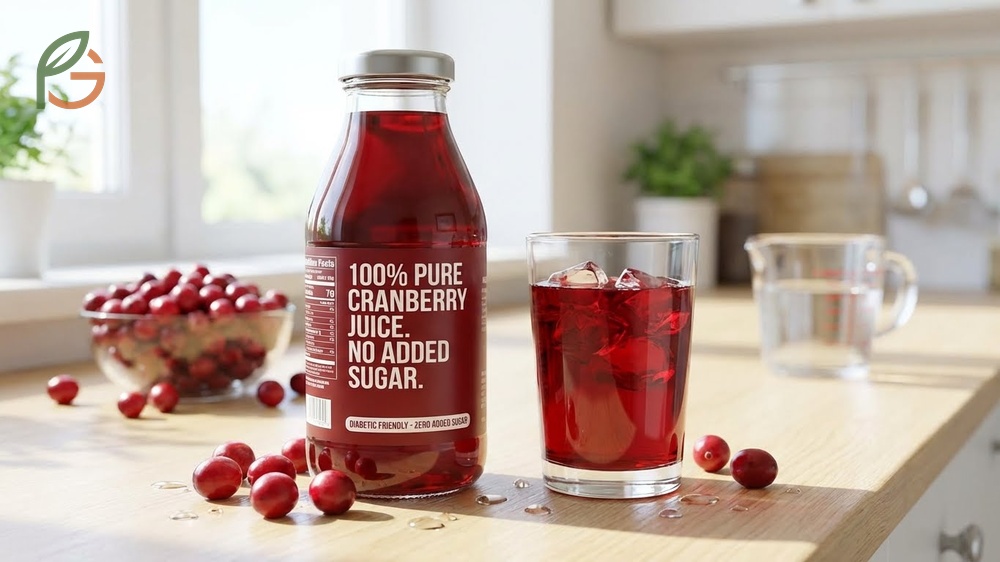
The best cranberry juice for diabetics contains 100% pure cranberry juice with no added sugars or sweeteners. Look for products listing only cranberries and water in the ingredient panel. Ocean Spray and similar brands offer zero-sugar versions that use no artificial sweeteners while delivering real fruit benefits. These products typically contain 7-10g carbohydrates per serving compared to 35-40g in cocktail versions.
Organic unsweetened cranberry juice provides another excellent option. Organic varieties ensure no pesticides interfere with the beneficial polyphenols and antioxidants that improve glucose metabolism. Studies demonstrating blood sugar benefits used pure cranberry juice concentrations, not diluted cocktails[1].
Consider cranberry juice concentrate that you dilute yourself. This approach gives you complete control over sweetness and carbohydrate content. You can start with higher dilution ratios (1 part juice to 3-4 parts water) and adjust based on taste preferences and blood sugar response.
For diabetics who find pure cranberry juice too tart, mixing it with other low-glycemic ingredients works better than choosing pre-sweetened options. Blend cranberry juice with sparkling water, add it to green tea, or mix with a small amount of fresh lemon juice. These combinations provide flavor variety without spiking blood sugar.
- Zero added sugars—verify the nutrition label shows 0g added sugars, not just low sugar claims
- 100% juice content—avoid products containing less than 100% actual cranberry juice
- No fruit juice sweeteners—some brands add grape or apple juice concentrate as hidden sweeteners
- Short ingredient list—the fewer ingredients beyond cranberries and water, the better
- Low sodium content—excessive sodium can affect blood pressure, a common diabetic complication
Research supports limiting portions to 4-8 oz daily. The clinical trials showing glucose benefits used approximately 240 ml (8 oz) servings[1]. Starting with smaller amounts lets you assess individual tolerance without risking blood sugar spikes.
| Diabetic Management Level | Starting Serving Size | Maximum Daily Serving |
|---|---|---|
| Well-Controlled (HbA1c <7%) | 4-6 oz unsweetened | 8 oz |
| Moderately Controlled (HbA1c 7-9%) | 2-4 oz unsweetened | 4-6 oz |
| Poorly Controlled (HbA1c >9%) | 1-2 oz diluted | 4 oz |
Conclusion
The evidence is clear: is cranberry juice good for diabetics depends entirely on choosing unsweetened varieties and controlling portions. Research demonstrates that one cup daily of pure cranberry juice reduces fasting glucose by 20 mg/dL and improves insulin sensitivity significantly[1][2]. Avoid sweetened cocktails that spike blood sugar and negate these benefits.
Current guidance emphasizes incorporating cranberry juice as part of comprehensive diabetes management rather than relying on it alone. Monitor your blood sugar response, start with small portions, and pair cranberry juice with protein or fiber for optimal results. FruitGarden provides evidence-based fruit nutrition information to support your health goals through informed dietary choices.
Medical Disclaimer
Important Medical Disclaimer: This content is for informational and educational purposes only. It is not intended as a substitute for professional medical advice, diagnosis, or treatment. Always consult a qualified healthcare professional before making any changes to your diet, medication, or diabetes management routine, especially if you have diabetes or other medical conditions. Individual responses to foods vary, and what works for others may not work for you. Monitor your blood sugar regularly and work with your healthcare team to determine appropriate dietary choices for your specific situation.
Frequently Asked Questions
Can Diabetics Drink Cranberry Juice?
Yes, diabetics can drink cranberry juice when choosing unsweetened varieties and controlling portions. Research shows that 4-8 oz of pure unsweetened cranberry juice daily can improve blood sugar control without causing dangerous spikes. Always monitor your blood glucose response and count the carbohydrates toward your daily targets.
Is Dried Cranberry Good for Diabetics?
Dried cranberries are generally not recommended for diabetics because most commercial varieties contain added sugars that increase their glycemic index to 64 compared to 42 for fresh cranberries. If you choose dried cranberries, look for unsweetened versions and limit portions to 1-2 tablespoons, as the sugar becomes concentrated during the drying process.
What Is the Glycemic Index of Cranberry Juice?
Unsweetened cranberry juice has a glycemic index of 50, classifying it as a low-GI food. Sweetened cranberry juice cocktails have a higher GI of 59, placing them in the medium category. The lower glycemic index means unsweetened versions raise blood sugar more slowly and steadily compared to sweetened alternatives.
How Much Sugar Does Cranberry Juice Have?
Pure unsweetened cranberry juice contains approximately 12 grams of naturally occurring sugars per 100 ml, consisting mainly of glucose and fructose. Sweetened cranberry cocktails contain 25-40 grams of sugar per 8 oz serving due to added high-fructose corn syrup or cane sugar. Always check labels for added sugar content.
What’s the Best Cranberry Juice for Diabetics?
The best cranberry juice for diabetics is 100% pure unsweetened cranberry juice with no added sugars or sweeteners. Look for products with only cranberries and water in the ingredient list. Zero-sugar versions using no artificial sweeteners also work well, providing 7-10g carbohydrates per serving compared to 35-40g in cocktail versions.
Does Cranberry Juice Spike Blood Sugar?
Unsweetened cranberry juice causes a moderate, gradual rise in blood sugar due to its low glycemic index of 50. However, sweetened cranberry cocktails can spike blood sugar more dramatically because of added sugars. Pairing cranberry juice with protein or fiber and limiting portions to 4-6 oz helps minimize blood glucose spikes.
Are Cranberries Good for Diabetics?
Yes, cranberries are good for diabetics when consumed in appropriate forms and amounts. Studies show that cranberry consumption reduces fasting glucose by 17-20 mg/dL and lowers HbA1c by 0.32% over 12 weeks. Fresh cranberries have the lowest glycemic impact (GI 42), while unsweetened juice and limited amounts of unsweetened dried cranberries can also provide benefits.