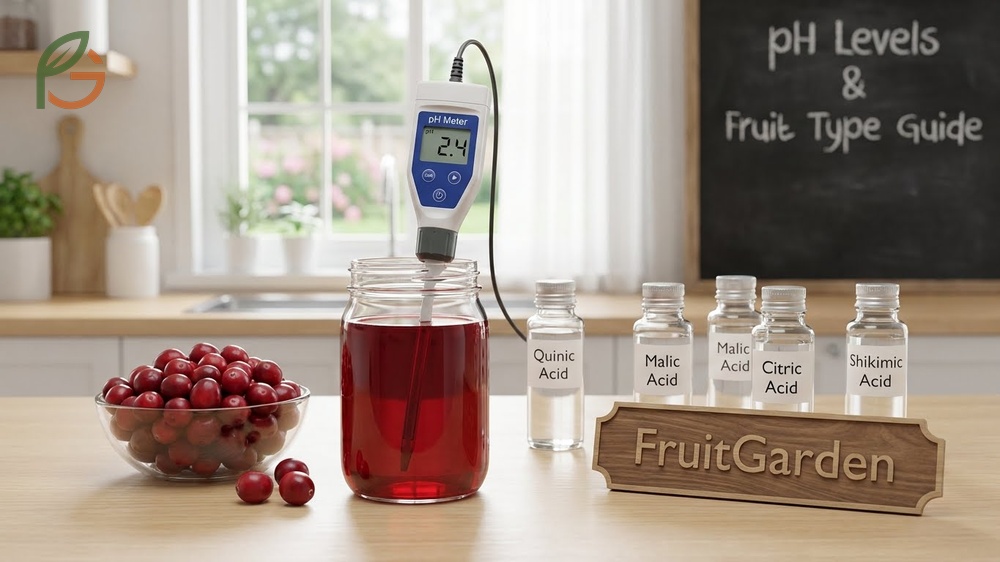
Is cranberry juice acidic? Yes, cranberry juice is highly acidic with a pH ranging from 2.3 to 2.5, making it one of the most acidic fruit juices available[1][2]. This acidity comes from organic acids like quinic, malic, citric, and shikimic acid found naturally in cranberries. FruitGarden provides research-backed insights into fruit properties to help gardeners and consumers understand what they’re growing and drinking.
Quick Answer
- Cranberry juice has a pH of 2.3-2.5[1], more acidic than orange or apple juice
- Cranberries are true berries from the Ericaceae family, not citrus fruits[3]
- Regular cranberry juice isn’t a clear liquid due to its deep red color
- The acidity can help prevent UTIs but may trigger GERD symptoms in sensitive individuals
Is Cranberry Juice Acidic
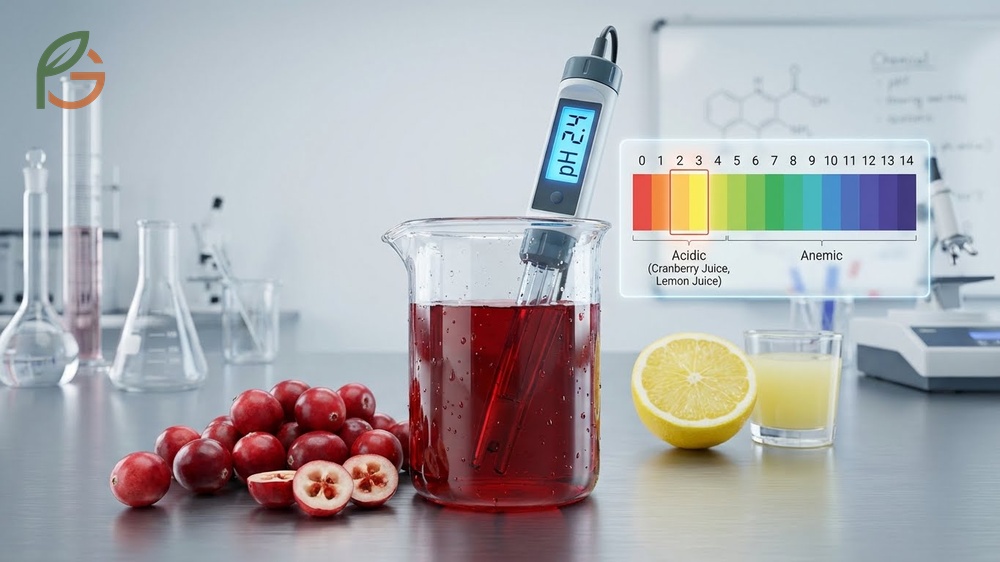
Research shows that cranberry juice is among the most acidic beverages you can drink. The pH scale runs from 0 to 14, with 7 being neutral. Anything below 7 is acidic, and cranberry juice sits at a pH of 2.3 to 2.5[1]. This makes it more acidic than lemon juice in some cases.
The high acidity isn’t a flaw—it’s what gives cranberries their characteristic tart taste and contributes to their antimicrobial properties. Studies demonstrate that this acidity, combined with specific organic acids, can reduce bacterial colonization in the urinary tract. The tartness you taste is your taste buds reacting to these natural acids.
What often gets overlooked is that commercial cranberry juice cocktails may have slightly different pH levels than pure cranberry juice. Sweeteners and dilution can raise the pH closer to 2.6-2.9[2], but they’re still highly acidic compared to most beverages.
pH of Cranberry Juice
Current data indicates that pure cranberry juice maintains a consistent pH of approximately 2.5[1]. This level of acidity is comparable to stomach acid and significantly more acidic than coffee, which has a pH around 5. The low pH contributes to cranberry juice’s shelf stability and helps inhibit bacterial growth during storage.
When you drink cranberry juice, it can temporarily lower your urinary pH from about 6.5 to 5.8[1]. This acidification effect is why cranberry juice has been traditionally recommended for urinary health. The acids are absorbed, metabolized, and eventually excreted through urine.
Organic Acids in Cranberries
Cranberries contain a unique blend of four primary organic acids that work together to create their distinctive properties. Quinic acid is the most abundant, followed by citric acid, malic acid, and shikimic acid[1]. These acids don’t just contribute to flavor—they have measurable health effects.
Evidence suggests that combinations of these organic acids are effective against bacterial infections. Research using mouse models found that a mixture of malic and citric acid, or malic and quinic acid, reduced bacterial counts in bladder infections by 47% to 81%[1]. The total organic acid concentration in fresh cranberry juice is approximately 2.1% by weight.
Important Note: The ratio of quinic acid to malic acid in authentic cranberry juice is consistently around 1.36, which food scientists use to verify juice authenticity and calculate cranberry content in blended products.
Is Cranberry a Berry
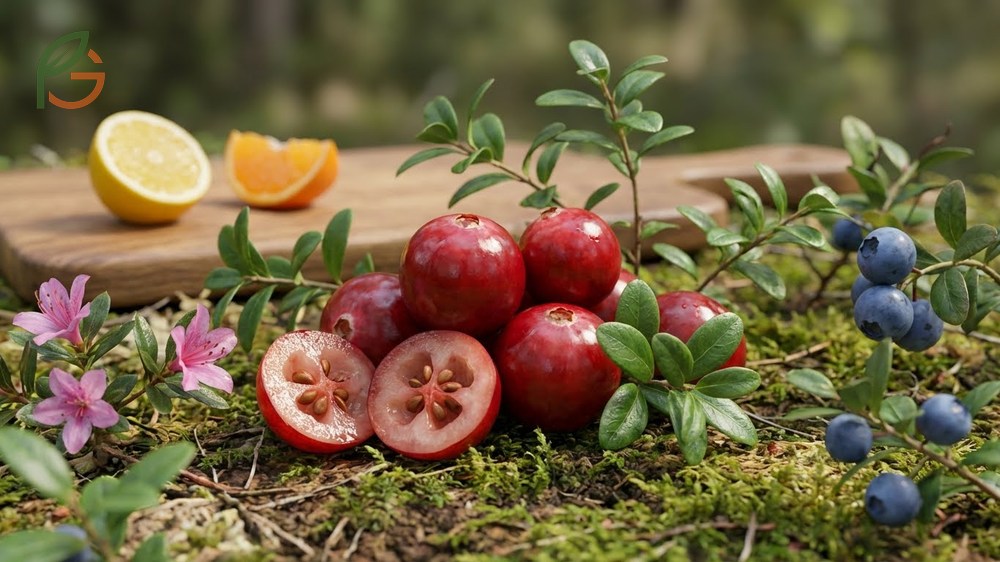
Cranberries are true berries—botanically and literally. They belong to the genus Vaccinium within the Ericaceae family, which also includes blueberries, lingonberries, and azaleas[3]. This classification is based on their structure: small fruits with seeds embedded in fleshy tissue, grown from a single ovary.
Most people confuse cranberries with citrus fruits because both taste tart and acidic. However, citrus fruits belong to the completely different Rutaceae family and genus Citrus[3]. The two fruit types evolved separately over millions of years and share no close botanical relationship.
American cranberries (Vaccinium macrocarpon) grow on low-lying shrubs in bogs and wetlands, primarily in North America. They’re about 1 cm in diameter with smooth, tough skin that bounces when dropped—a quality farmers use to test ripeness and quality.
Botanical Classification
Understanding cranberry classification helps you appreciate what makes them unique. The Ericaceae family is known for acid-loving plants that thrive in nutrient-poor, acidic soils with pH levels between 4.0 and 5.5. This growing preference explains why cranberry bogs are deliberately maintained with acidic water.
Unlike citrus fruits that grow on trees in warm climates, cranberries prefer cooler temperatures and require winter chilling to produce flowers and fruit. They can tolerate temperatures as low as -40°F (-40°C) when dormant. This cold hardiness makes them perfect for northern growing zones.
- Family: Ericaceae (heath family)
- Genus: Vaccinium (includes blueberries and huckleberries)
- Species: Vaccinium macrocarpon (American cranberry)
- Growth habit: Evergreen, low-growing shrubs with trailing vines
- Native range: Eastern North America, particularly Massachusetts, Wisconsin, and New Jersey
- Fruit structure: True berry with multiple small seeds inside
Citrus vs Berry Comparison
The confusion between cranberries and citrus fruits stems from their shared tartness, but the similarities end there. Citrus fruits have thick, aromatic rinds filled with oil glands that cranberries lack. Inside, citrus fruits contain segmented pulp divided by membranes, while cranberry flesh is uniform with scattered seeds[3].
Their acid profiles differ significantly too. While both are acidic, citrus fruits rely heavily on citric acid for their flavor, whereas cranberries get their tartness from a balanced mix of quinic, malic, citric, and shikimic acids. This unique acid blend is what makes cranberries stand out nutritionally.
Acidity of Cranberry Juice
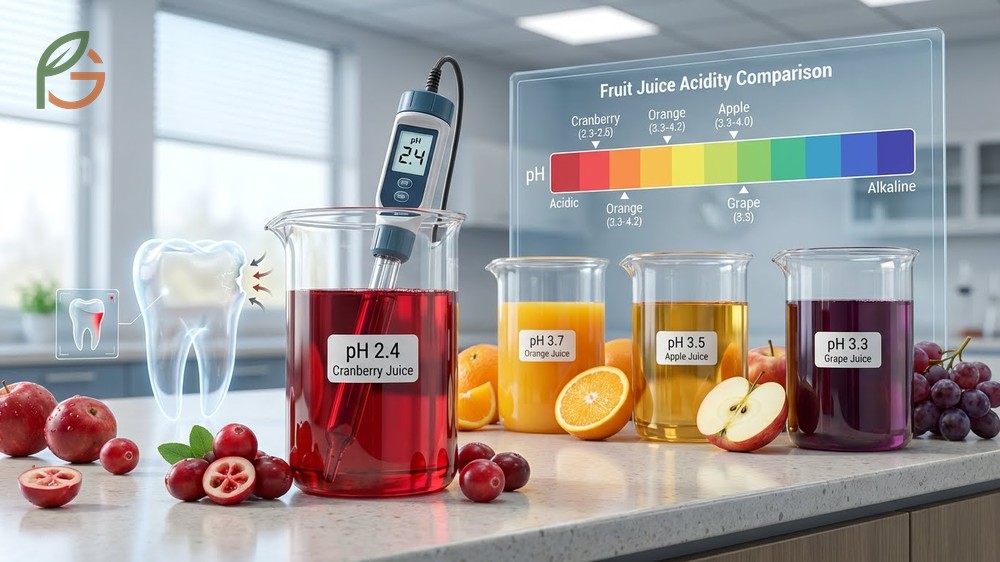
When you compare cranberry juice to other popular fruit juices, its acidity becomes immediately apparent. With a pH of 2.3-2.5, it’s significantly more acidic than orange juice (pH 3.3-4.2), apple juice (pH 3.3-4.0), or grape juice (pH 3.3)[4]. Only certain berry concentrates come close to cranberry’s acidity level.
This high acidity has practical implications beyond taste. The acidic environment can erode tooth enamel if you drink cranberry juice frequently without rinsing your mouth afterward. Dentists recommend drinking it with meals or using a straw to minimize contact with teeth.
Commercial processing and dilution can reduce acidity slightly, but even cranberry juice cocktails remain highly acidic. The addition of sugar or other sweeteners doesn’t neutralize the acids—it just masks the tartness, making the juice more palatable while keeping the pH low.
Comparison with Other Juices
This table compares pH levels of five common fruit juices from most acidic to least acidic, showing cranberry juice as the most acidic option
| Juice Type | pH Range | Acidity Level |
|---|---|---|
| Cranberry Juice | 2.3-2.5[1] | Highly acidic |
| Lemon Juice | 2.0-2.5 | Highly acidic |
| Orange Juice | 3.3-4.2[4] | Moderately acidic |
| Apple Juice | 3.35-4.0[4] | Moderately acidic |
| Grape Juice | 3.3[4] | Moderately acidic |
Taste Profile
Pure cranberry juice tastes intensely tart and astringent—so much so that most people can’t drink it undiluted. The astringency comes from tannins called proanthocyanidins, which create that dry, puckering sensation in your mouth. These same compounds contribute to cranberry’s health benefits.
Commercial cranberry juice cocktails typically contain only 25-27% actual cranberry juice, with the rest being water and sweeteners. This dilution makes the product drinkable for most consumers while retaining some beneficial compounds. If you’re growing cranberries at home, you’ll quickly understand why sweetening is nearly universal.
- Primary taste: Sharp, tart acidity that dominates the palate
- Secondary taste: Slight bitterness from tannins and organic acids
- Astringency: Strong drying sensation caused by proanthocyanidins
- Sweetness: Nearly absent in pure juice; natural sugars are minimal
- Aftertaste: Lingering tartness that can persist for several minutes
Cranberry Juice Health Effects

The acidity of cranberry juice creates both benefits and challenges for different health conditions. Research shows that cranberry juice’s organic acids can reduce bacterial colonization in the bladder, making it helpful for preventing urinary tract infections[1]. However, that same acidity can trigger symptoms in people with acid reflux or GERD.
The key is understanding your individual tolerance. For urinary health, the acids work by creating an inhospitable environment for bacteria like E. coli. Studies found that mice drinking cranberry juice had 47% fewer bacteria in their bladders compared to control groups[1].
For digestive health, the picture is more complex. While some research suggests cranberry compounds might help reduce harmful bacteria in the esophagus associated with reflux[5], the high acidity itself can worsen symptoms in sensitive individuals. Timing and quantity matter significantly.
Acid Reflux Considerations
If you have GERD or frequent heartburn, cranberry juice’s pH of 2.3-2.5 can be problematic. This acidity level is low enough to trigger symptoms even in people with mild reflux. The organic acids can relax the lower esophageal sphincter temporarily, allowing stomach contents to flow backward more easily.
That said, emerging research shows cranberry polyphenols might offer protective effects for the esophagus. Studies found that cranberry-derived compounds reduced reflux-induced bacteria and inflammation in animal models[5]. This creates an interesting paradox where the juice’s immediate effect differs from its potential long-term benefits.
GERD Management Tip: If you want to try cranberry juice but have acid reflux, start with heavily diluted versions (1 part juice to 3 parts water) and consume only with meals. Never drink it on an empty stomach or within 3 hours of bedtime.
Urinary Health Benefits
Cranberry juice’s reputation for preventing UTIs has solid scientific backing. The organic acids—particularly when malic acid combines with either citric or quinic acid—create an antibacterial effect in the urinary tract[1]. These acids are absorbed, metabolized, and excreted in urine, where they work directly against bacteria.
The effect isn’t just about acidity alone. Research tested whether low pH without organic acids would work by giving test subjects plain acidic water at pH 3. It didn’t reduce bacterial counts[1]. This proves that cranberry’s specific acid combination matters, not just any acidic drink.
For prevention, drinking 8-10 oz of cranberry juice cocktail daily shows the most consistent results in studies. Pure juice is too concentrated and unpalatable for most people. The diluted versions still provide enough organic acids to be effective while being realistic to consume regularly.
Is Cranberry Juice Clear Liquid
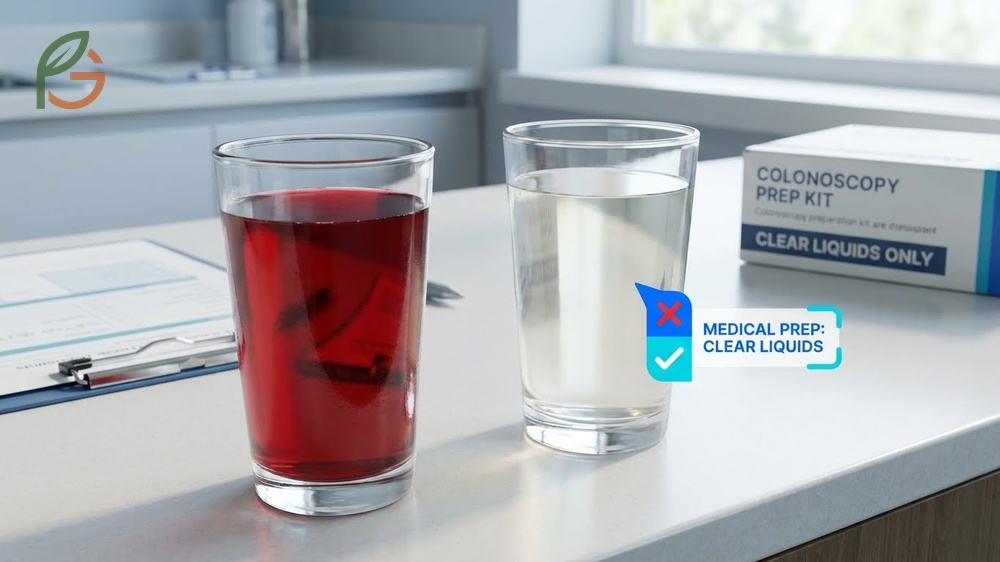
Regular cranberry juice is not considered a clear liquid for medical purposes like colonoscopy preparation. Clear liquids are defined as beverages you can see through, and cranberry juice’s deep red color disqualifies it. The pigments from anthocyanins make it opaque and can interfere with visual examination of the digestive tract.
However, white cranberry juice does qualify as a clear liquid. White cranberry juice is made from cranberries harvested early, before they develop their characteristic red pigmentation. This version appears pale yellow to clear and is explicitly approved for clear liquid diets in most medical protocols.
Medical facilities typically provide specific lists of approved clear liquids that include white cranberry juice, white grape juice, apple juice, and clear broths. Always follow your healthcare provider’s exact instructions, as requirements can vary based on the specific procedure.
- Regular red cranberry juice: Not approved for clear liquid diets
- White cranberry juice: Generally approved as a clear liquid
- Cranberry-flavored water: Usually approved if truly transparent
- Cranberry gelatin: May be approved if free of red/purple dyes
- Commercial brands: Ocean Spray and other manufacturers make white cranberry products specifically for medical diets
Conclusion
The evidence is clear: cranberry juice is highly acidic with a pH of 2.3-2.5, making it one of the most acidic beverages available. This acidity comes from a unique blend of organic acids that contribute both to its tart taste and its antibacterial properties. Cranberries themselves are true berries from the Ericaceae family, not citrus fruits, despite their similar tartness.
Current guidance emphasizes understanding both the benefits and limitations of cranberry juice. While it can support urinary tract health and provides beneficial polyphenols, the high acidity may not suit everyone—particularly those with GERD or sensitive teeth. FruitGarden encourages informed decisions based on individual health needs and growing conditions when cultivating or consuming cranberries and their products.
Medical Disclaimer
Important Medical Disclaimer: This content is for informational and educational purposes only. It is not intended as a substitute for professional medical advice, diagnosis, or treatment. Always consult a qualified healthcare professional before making any changes to your diet, particularly if you have medical conditions like GERD, diabetes, kidney issues, or take medications that interact with cranberry products. The information about urinary tract infections and acid reflux is general in nature and may not apply to your specific situation.
Frequently Asked Questions
What is the pH level of cranberry juice?
Cranberry juice has a pH level between 2.3 and 2.5, making it highly acidic[1]. This is more acidic than orange juice (pH 3.3-4.2) and comparable to stomach acid. Commercial cranberry juice cocktails may have a slightly higher pH of 2.6-2.9 due to dilution and added ingredients.
Is cranberry juice more acidic than orange juice?
Are cranberries citrus fruits or berries?
Cranberries are true berries, not citrus fruits. They belong to the genus Vaccinium in the Ericaceae family, which includes blueberries[3]. Citrus fruits belong to the completely different Rutaceae family. The confusion arises because both taste tart, but they’re not botanically related.
Can cranberry juice worsen acid reflux or GERD?
Yes, cranberry juice can trigger or worsen acid reflux symptoms in sensitive individuals due to its very low pH of 2.3-2.5. The high acidity can irritate the esophagus and may relax the lower esophageal sphincter. However, some research suggests cranberry polyphenols might offer protective effects for esophageal health long-term[5]. If you have GERD, consult your healthcare provider before consuming cranberry juice regularly.
What organic acids are in cranberry juice?
Cranberry juice contains four main organic acids: quinic acid (most abundant), citric acid, malic acid, and shikimic acid[1]. These acids total about 2.1% by weight in fresh cranberry juice. The ratio of quinic to malic acid is consistently around 1.36, which scientists use to verify juice authenticity.
Is cranberry juice considered a clear liquid for medical procedures?
Regular red cranberry juice is not considered a clear liquid for medical procedures like colonoscopies because you can’t see through it. However, white cranberry juice—made from early-harvest berries before they turn red—is generally approved as a clear liquid. Always follow your healthcare provider’s specific instructions for clear liquid diets.
Does cranberry juice help prevent urinary tract infections?
Research demonstrates that cranberry juice can help reduce bacterial colonization in the bladder. Studies found that organic acids in cranberry juice reduced bladder bacteria by 47% in experimental models[1]. The effect comes from combinations of malic acid with either citric or quinic acid, which create an antibacterial environment in the urinary tract. However, cranberry juice is more effective for prevention than treatment of active infections.