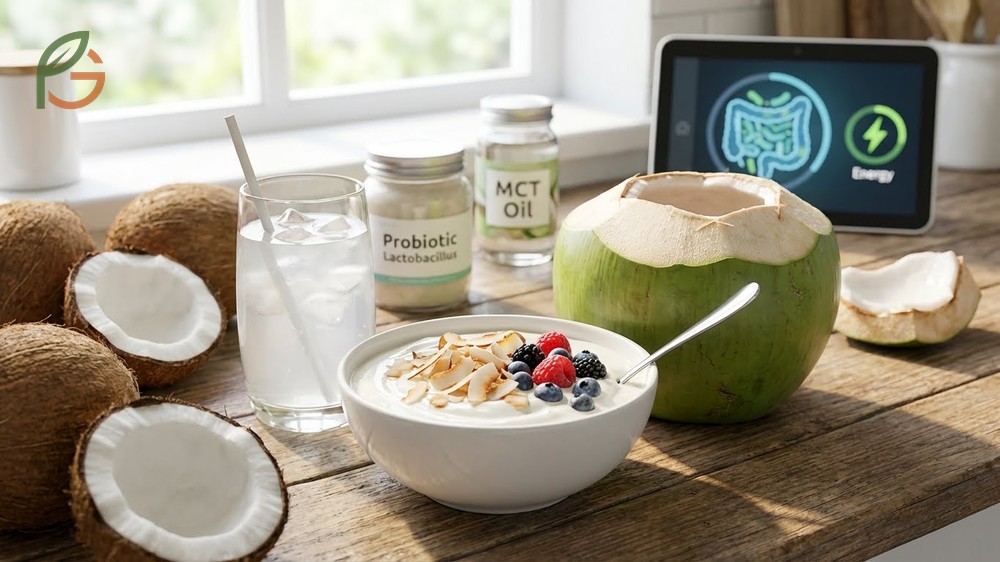
Is coconut yogurt healthy? Yes, it’s a nutrient-dense dairy-free alternative that provides probiotics for gut health, medium-chain triglycerides for energy, and complete lactose-free nutrition. Research shows fermented coconut products contain 7.5-8.5 log CFU/mL of beneficial Lactobacillus bacteria[1], making them an excellent choice for people with lactose intolerance or those following plant-based diets. FruitGarden synthesizes current nutritional research and agricultural data to help you make informed decisions about incorporating coconut-based products into your daily routine.
Quick Answer
- Contains 7.5-8.5 log CFU/mL live probiotics[1] that support digestive health
- Provides 120-180 calories per serving with healthy medium-chain fats[2]
- 100% lactose-free, making it safe for those with dairy sensitivities
- Coconut water offers 1,420mg potassium per liter for electrolyte balance
Is Coconut Yogurt Healthy
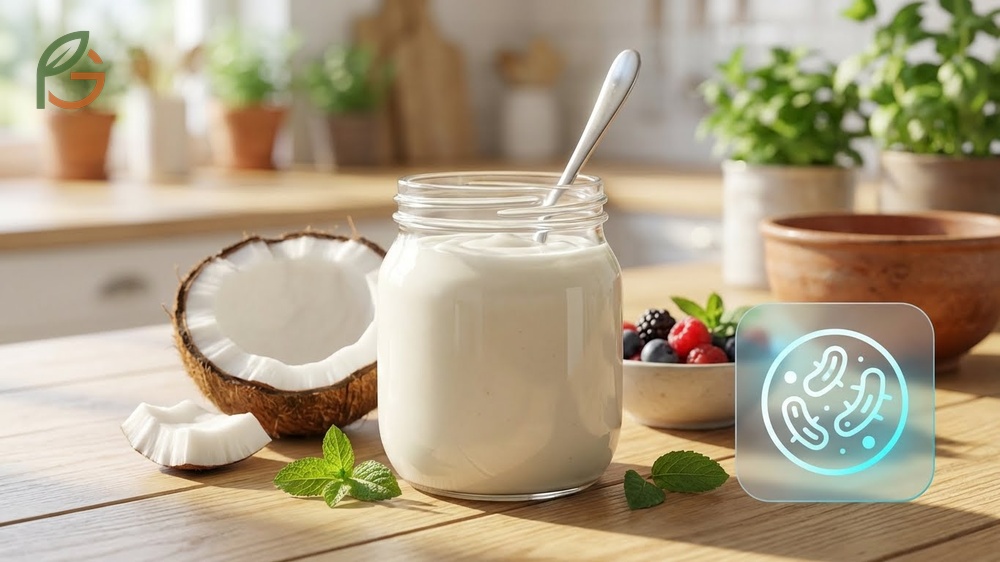
Research shows coconut yogurt delivers substantial health benefits through its unique combination of probiotics, healthy fats, and plant-based nutrients. Studies demonstrate that fermented coconut products maintain viable probiotic populations of 7.55-8.57 log CFU/mL after 30 days of refrigeration[1], comparable to traditional dairy yogurt. This makes it an effective vehicle for gut health support.
The fermentation process transforms coconut milk into a functional food that’s easier to digest than many dairy alternatives. Current data indicates coconut yogurt contains medium-chain triglycerides that your body absorbs quickly for energy, unlike the longer-chain fats found in most foods. These MCTs don’t require bile salts for digestion, making them gentler on your digestive system.
Most people find coconut yogurt particularly beneficial when they’re managing dietary restrictions. It’s naturally free from lactose, casein, and whey proteins that commonly trigger sensitivities. Evidence suggests regular consumption supports immune function through probiotic activity in your gut, where approximately 70% of immune cells reside.
Coconut Yogurt Probiotics
Studies demonstrate that specific Lactobacillus strains thrive in coconut milk matrices, producing organic acids and beneficial compounds during fermentation. Research on L. reuteri strains shows they produce reuterin concentrations of 0.14-0.15 mM[1], an antimicrobial peptide that helps maintain healthy gut flora balance. This process creates a probiotic-rich product without relying on dairy substrates.
The live cultures in coconut yogurt survive passage through your stomach acid to reach your intestines, where they colonize temporarily and support digestive function. Unlike heat-treated products, refrigerated coconut yogurt with “live and active cultures” on the label maintains its probiotic potency. You’ll get the most benefit from products containing at least 1 billion CFU per serving.
- Improves nutrient absorption by enhancing intestinal barrier function
- Reduces bloating and gas through balanced gut microbiome support
- Supports immune response by stimulating antibody production
- Produces short-chain fatty acids that nourish colon cells
- Helps manage symptoms of irritable bowel syndrome in sensitive individuals
- Maintains healthy pH levels in your digestive tract
Lactose Free Benefits
Coconut yogurt provides complete relief for people with lactose intolerance because it contains zero lactose naturally. Unlike dairy yogurt, which still contains 4-5 grams of lactose per serving despite the fermentation process, coconut alternatives eliminate this digestive trigger entirely. This matters because approximately 65% of the global population has reduced ability to digest lactose after infancy.
The absence of dairy proteins means you won’t experience the inflammation or allergic responses that affect people with casein or whey sensitivities. Current guidance shows plant-based alternatives like coconut yogurt can provide similar probiotic benefits without the immune system activation that dairy causes in sensitive individuals. You’ll get the gut health support without the digestive discomfort.
Important Note: If you’re switching from dairy yogurt, give your body 7-10 days to adjust to the different fat composition. The medium-chain triglycerides in coconut yogurt digest differently than dairy fats, and some people notice temporary changes in bowel movements during the transition period.
Coconut Yogurt Nutrition
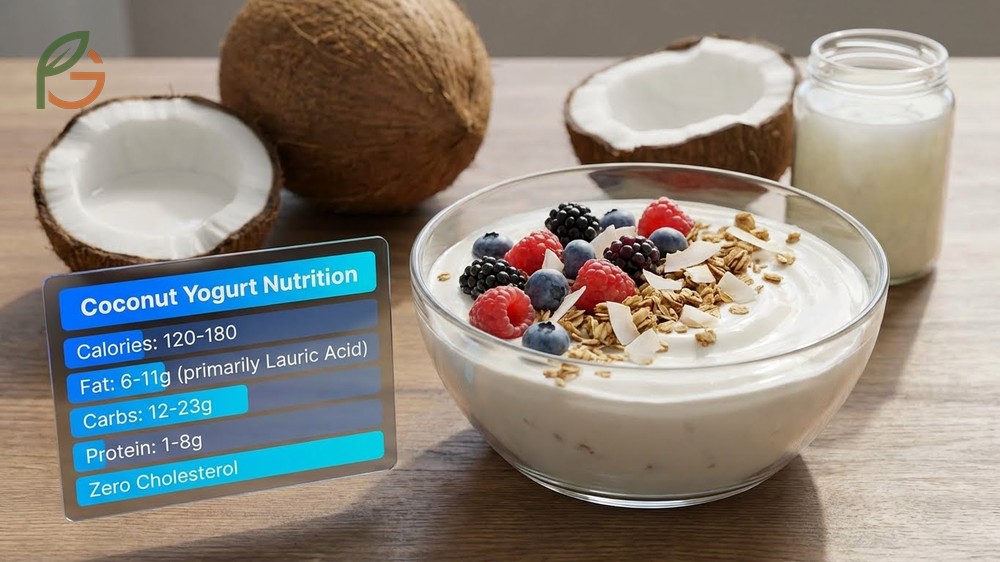
A typical 5.3-ounce serving of coconut yogurt contains 120-180 calories, depending on whether it’s sweetened or plain. The macronutrient breakdown shows 6-11g fat, 12-23g carbohydrates, and 1-8g protein. What sets coconut yogurt apart isn’t just what it contains, but what it doesn’t—zero cholesterol and no saturated fats from animal sources.
The fat content comes primarily from coconut’s lauric acid, a medium-chain fatty acid that your liver converts directly to energy rather than storing as body fat. Research shows coconut products provide cardioprotective factors including magnesium, potassium, and L-arginine[2], which support heart health despite the saturated fat classification. This makes the nutritional profile more complex than simple fat percentages suggest.
Calories and Macros
Plain unsweetened coconut yogurt delivers about 120 calories per 150g serving, with 7g total carbohydrates and 6g fat. Sweetened varieties can jump to 180 calories with 23g carbs due to added sugars. The protein content ranges from 1-3g per serving, significantly lower than dairy yogurt’s 10-15g, but adequate when you’re getting protein from other plant sources throughout the day.
The carbohydrate profile varies widely between brands. Naturally occurring sugars from coconut milk contribute 4-6g, while sweetened versions add another 10-15g. If you’re watching your sugar intake, check labels carefully—some brands use maple syrup or cane sugar, while others rely on fruit purees or stevia for sweetness without the calorie load.
This table compares calories, protein, fat, and carbohydrates between plain and sweetened coconut yogurt per standard serving size
| Type | Calories (per 150g) | Protein | Fat | Carbohydrates |
|---|---|---|---|---|
| Plain Unsweetened | 120 cal | 2g | 7g | 12g |
| Sweetened | 180 cal | 2g | 6g | 23g |
| Fortified | 140 cal | 3g | 8g | 14g |
Vitamins and Minerals
Unfortified coconut yogurt provides modest amounts of iron, magnesium, and potassium from the coconut base. You’ll typically get 3-5% of your daily value for these minerals per serving. However, many brands now fortify their products with calcium (10-30% DV), vitamin D (15-25% DV), and vitamin B12 (25-50% DV) to match dairy yogurt’s nutritional profile.
The fortification makes a significant difference if you’re relying on yogurt as a calcium source. Always check the label—some brands add 300mg calcium per serving, matching dairy yogurt, while others provide minimal amounts. Vitamin B12 fortification is particularly important for vegans, as this nutrient occurs naturally only in animal products.
- Calcium: 0-300mg per serving depending on fortification status
- Magnesium: 15-25mg supporting muscle and nerve function
- Potassium: 120-180mg helping regulate blood pressure
- Vitamin D: 0-3mcg in fortified varieties for bone health
- Vitamin B12: 0-1.2mcg added in many vegan-friendly brands
- Iron: 0.2-0.8mg contributing to oxygen transport
Benefits of Drinking Organic Coconut Water

Studies demonstrate coconut water significantly improves exercise performance compared to plain water. Research participants who consumed coconut water showed enhanced time to exhaustion during endurance tests[3], likely due to the high potassium content of 1,420mg per liter. This natural electrolyte concentration helps maintain cellular tonicity and supports hydration better than water alone.
The potassium-to-sodium ratio in coconut water mirrors your body’s natural electrolyte balance more closely than commercial sports drinks. One cup provides approximately 600mg potassium and only 40mg sodium, making it an effective rehydration solution after sweating. Mayo Clinic research confirms coconut water contains electrolytes including potassium, sodium, and manganese[4], though amounts vary by brand.
Organic varieties offer additional benefits by eliminating pesticide residues and synthetic fertilizers from the production process. Research shows organic coconut water maintains higher antioxidant activity[5], including compounds that support longevity and reduce cellular stress. You’re getting cleaner hydration without the chemical exposure that comes with conventionally grown coconuts.
The natural sugars in coconut water—about 11g per cup—provide quick energy without the crash from processed sweeteners. It contains only 45 calories per cup, making it a low-calorie hydration option that won’t derail your nutrition goals. Unlike sugary sports drinks with artificial colors and flavors, coconut water delivers minerals your body actually needs for recovery.
Hydration Tip: Drink coconut water within 30 minutes after moderate-to-intense exercise lasting longer than 60 minutes. For shorter workouts, plain water works just as well and costs less. The electrolyte benefits matter most when you’ve lost significant fluids through sweat.
- Replenishes electrolytes lost during exercise or heat exposure
- Supports kidney function by increasing citrate and chloride excretion
- Provides natural hydration with 95% water content
- Contains cytokinins that may have anti-aging properties
- Helps regulate blood pressure through potassium-sodium balance
- Delivers vitamin C for immune support and collagen production
Greek Yogurt vs Coconut Yogurt
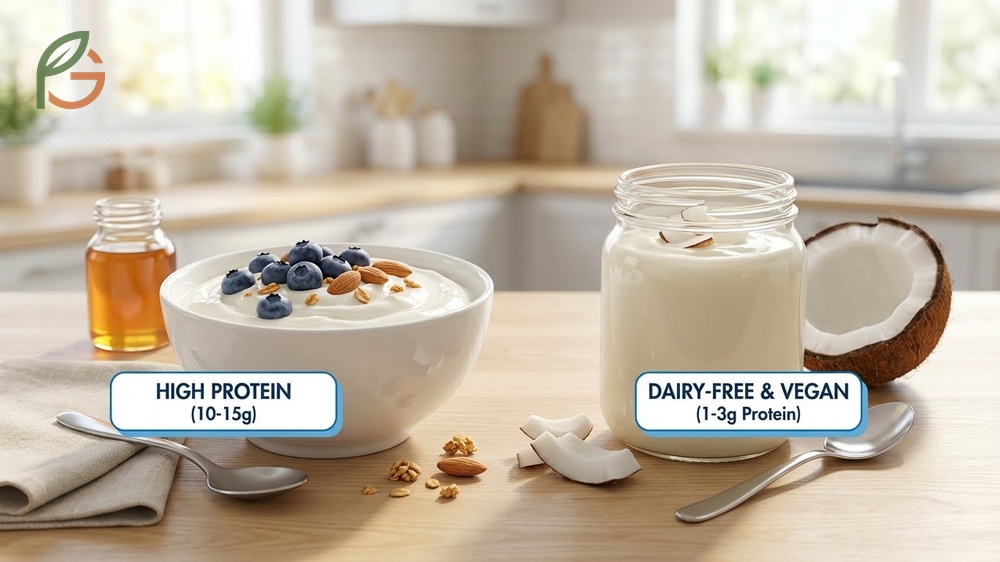
The protein difference stands out immediately—Greek yogurt delivers 10-15g per serving while coconut yogurt provides only 1-3g. This gap matters if you’re using yogurt as a protein source for muscle recovery or satiety between meals. However, coconut yogurt wins for people with dairy allergies, lactose intolerance, or those following vegan diets who can’t consume animal products.
Greek yogurt contains 4-5g lactose per serving, significantly reduced from regular milk through straining and fermentation, but not eliminated entirely. The probiotics in Greek yogurt do help digest this remaining lactose, making it tolerable for some people with mild sensitivities. Coconut yogurt eliminates this concern completely with zero lactose.
Fat composition differs dramatically between the two. Greek yogurt’s fat comes from milk—primarily saturated fat with some cholesterol—while coconut yogurt provides plant-based saturated fats from medium-chain triglycerides. Your body metabolizes these differently, with MCTs converting more readily to energy rather than being stored. Neither option is inherently “better”—it depends on your dietary needs and restrictions.
The probiotic content can be similar if both products contain live and active cultures. Greek yogurt naturally harbors Lactobacillus bulgaricus and Streptococcus thermophilus, while coconut yogurt typically includes Lactobacillus acidophilus and other strains. Both support gut health effectively when consumed regularly as part of a balanced diet.
This table contrasts nutritional values and key characteristics between Greek yogurt and coconut yogurt across six important factors
| Factor | Greek Yogurt (per 150g) | Coconut Yogurt (per 150g) |
|---|---|---|
| Protein | 10-15g | 1-3g |
| Calories | 100-150 cal | 120-180 cal |
| Lactose | 4-5g | 0g |
| Fat Type | Dairy saturated fats | MCT saturated fats |
| Calcium | 150-250mg | 0-300mg (if fortified) |
| Best For | Protein needs, bone health | Dairy-free, vegan diets |
Making Coconut Yogurt at Home

You can make coconut yogurt at home with just three ingredients: full-fat coconut milk, a thickener like cornstarch, and probiotic cultures. The process mirrors traditional yogurt making but requires careful attention to temperature. Heat the coconut milk to 180°F (82°C) to denature proteins and create a better environment for fermentation, then cool to 108-111°F (42-44°C) before adding your starter cultures.
The thickener is essential because coconut milk lacks the casein proteins that give dairy yogurt its structure. You’ll need 1 tablespoon cornstarch or 2 tablespoons tapioca starch per 13.5-ounce can of coconut milk. Mix the starch with a small amount of cold coconut milk first to prevent lumps, then add it to the heated mixture. This creates a gel-like consistency that mimics traditional yogurt’s texture.
Sterilization prevents contamination that can ruin your batch. Wash all jars and utensils in hot soapy water, then heat them in a 325°F (163°C) oven for 10-15 minutes or boil for 10 minutes. This step eliminates competing bacteria that would interfere with your chosen probiotic strains. Don’t skip it—contamination is the most common reason homemade yogurt fails.
The fermentation temperature and time determine your yogurt’s tanginess and thickness. Maintain 108-111°F (42-44°C) for 12-24 hours in a warm spot like an oven with the light on or a yogurt maker. Longer fermentation produces more lactic acid, creating a tangier flavor and firmer texture. Check at 12 hours—if it’s not thick enough, give it another 6-12 hours.
For the starter culture, you’ve got two options: probiotic powder (1 teaspoon per can) or 2 tablespoons store-bought coconut yogurt with live cultures. Once you’ve made your first batch, save 2 tablespoons to start the next one. You can perpetuate this for 4-5 batches before the culture weakens and you’ll need fresh probiotics.
Pro Tip: Use high-quality coconut milk with minimal additives—brands like Aroy-D or Native Forest work best. Guar gum is okay, but avoid carrageenan as it can interfere with probiotic activity. The coconut milk’s fat content directly affects your final yogurt’s creaminess.
- Sterilize all equipment in boiling water or a 325°F oven for 10-15 minutes
- Heat coconut milk with cornstarch slurry to 180°F to prepare the base
- Cool mixture to 108-111°F before adding probiotic starter cultures
- Transfer to sterilized jars and maintain fermentation temperature for 12-24 hours
- Refrigerate for at least 6 hours to set before serving
- Store for up to 7 days in airtight containers in the refrigerator
Conclusion
The evidence is clear: is coconut yogurt healthy isn’t just answered with a simple yes—it’s a resounding endorsement for people seeking dairy-free probiotics, lactose-free nutrition, and plant-based alternatives that don’t compromise gut health. Research demonstrates it maintains viable probiotic populations, delivers beneficial medium-chain fats, and provides a complete alternative for those with dairy sensitivities.
Current guidance emphasizes choosing varieties with live and active cultures, minimal added sugars, and fortification with calcium and vitamin B12 if you’re relying on it as a dairy replacement. Whether you’re making it at home or buying from trusted brands, coconut yogurt offers a scientifically supported path to better digestive health without the inflammatory triggers that affect millions with lactose intolerance. FruitGarden continues to synthesize emerging research on plant-based nutrition to help you navigate the evolving landscape of healthful eating.
Medical Disclaimer
Important Medical Disclaimer: This content is for informational and educational purposes only. It’s not intended as a substitute for professional medical advice, diagnosis, or treatment. Always consult a qualified healthcare professional or registered dietitian before making any changes to your diet, especially if you have food allergies, digestive disorders, or other medical conditions. Individual nutritional needs vary, and what works for most people may not be appropriate for your specific health situation.
Frequently Asked Questions
Is Coconut Yogurt Good for You?
Yes, coconut yogurt is good for you if you need a dairy-free probiotic source. It provides beneficial bacteria for gut health, medium-chain triglycerides for energy, and complete lactose-free nutrition. Research shows it maintains 7.5-8.5 log CFU/mL of live probiotics[1], comparable to dairy yogurt, making it an effective digestive health support.
Does Coconut Yogurt Have Probiotics?
Yes, most coconut yogurts contain live probiotic cultures if they’re properly fermented and labeled with “live and active cultures.” Look for brands listing specific strains like Lactobacillus acidophilus or Lactobacillus reuteri. Studies confirm these bacteria survive fermentation and storage, maintaining therapeutic levels that support your gut microbiome. Avoid ultra-pasteurized or heat-treated varieties, as the high temperatures kill beneficial bacteria.
What Are the Best Dairy Free Yogurt Options?
The best dairy-free yogurts depend on your nutritional priorities. Coconut yogurt offers the creamiest texture and healthy fats but lower protein. Soy yogurt provides the most protein (6-8g per serving) closest to dairy. Almond yogurt has the fewest calories and highest nutrient density according to research. Oat yogurt delivers more fiber. Choose based on whether you prioritize protein, fat content, calories, or specific allergen avoidance.
Is Bai Coconut Water Good for You?
Bai coconut water can be a decent hydration option, but check the ingredients carefully. Some Bai products contain added sweeteners, natural flavors, and antioxidant blends that increase sugar content beyond plain coconut water. If you’re looking for pure coconut water benefits—the 1,420mg potassium per liter and natural electrolytes[3]—choose unflavored varieties or brands with just one ingredient: coconut water.
How Many Calories in Coconut Yogurt?
Coconut yogurt contains 120-180 calories per 150g serving depending on whether it’s plain or sweetened. Unsweetened varieties typically have 120 calories with 7g fat and 12g carbs. Sweetened versions jump to 180 calories due to added sugars that increase the carbohydrate content to 23g. If you’re watching calories, stick with plain unsweetened coconut yogurt and add your own fresh fruit for natural sweetness.
Is Coconut Yogurt Better Than Greek Yogurt?
It’s not about better—it’s about different. Greek yogurt wins for protein (10-15g vs 1-3g) and natural calcium content. Coconut yogurt wins for being lactose-free, vegan-friendly, and containing medium-chain triglycerides that digest easily. Choose Greek yogurt if you tolerate dairy and need protein. Choose coconut yogurt if you’re lactose intolerant, vegan, or have dairy allergies. Both provide probiotics when they contain live cultures.
What Is the Healthiest Coconut Water to Drink?
The healthiest coconut water has one ingredient: coconut water. Look for organic, not-from-concentrate varieties in the refrigerated section or shelf-stable tetrapaks without added sugars, flavors, or preservatives. Research shows organic coconut water maintains higher antioxidant activity[5] than conventional varieties. Brands like Harmless Harvest, Taste Nirvana, and C2O offer pure coconut water without unnecessary additives.