Is coconut water good for you? Yes, research shows it’s a nutrient-rich beverage that delivers 250mg potassium[1] per 100ml with only 19 calories[1]. Studies demonstrate that coconut water supports hydration, heart health, and post-exercise recovery better than many commercial sports drinks. FruitGarden synthesizes current nutritional research and USDA data to help you understand what makes coconut water a smart choice for your health.
Quick Answer
Is Coconut Water Good for You
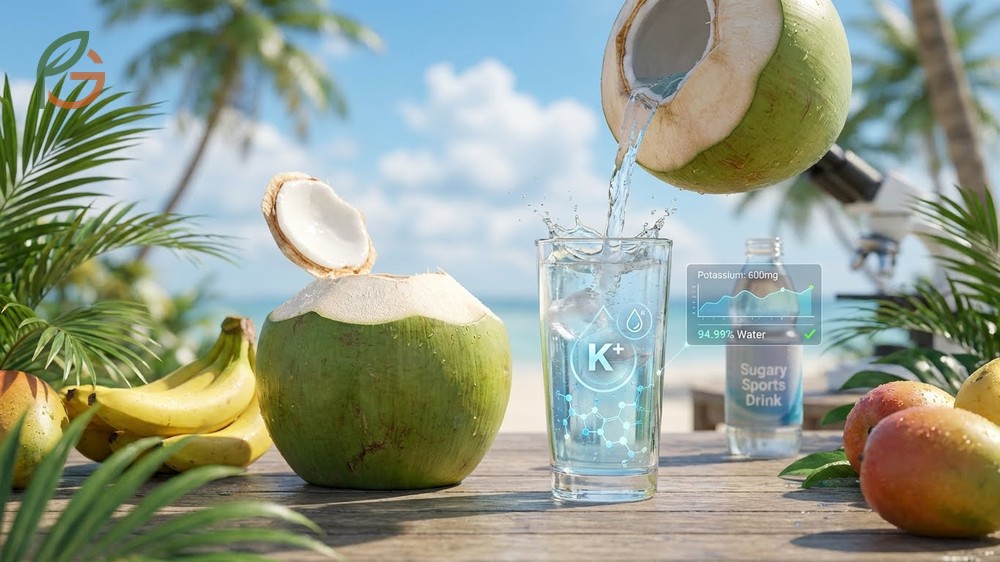
Research shows coconut water is a naturally hydrating beverage packed with essential nutrients. Studies demonstrate it contains 94.99% water[1] alongside key electrolytes that support cellular function.
Current data from USDA indicates one cup (240ml) provides approximately 600mg potassium[1]—nearly 13% of your daily requirement. Unlike sugary sports drinks, it delivers these minerals with minimal calories and no artificial additives.
Evidence from peer-reviewed studies confirms coconut water’s role in supporting post-exercise recovery and maintaining fluid balance. The natural sugar content (2.61g per 100ml[1]) provides quick energy without the spike you’d get from sodas.
Nutritional Profile
USDA nutritional analysis reveals coconut water’s impressive mineral density. Per 100ml, you’ll find 24mg calcium[1], 25mg magnesium[1], and 20mg phosphorus[1].
The carbohydrate content sits at 3.71g per 100ml[1], with 1.1g dietary fiber[1]. This makes it suitable for low-calorie diets while still providing sustained energy.
This table compares key nutrients per 100ml between coconut water and commercial sports drinks, including calories, potassium, sodium, and sugar content
| Nutrient (per 100ml) | Coconut Water | Typical Sports Drink |
|---|---|---|
| Calories | 19 kcal[1] | 25-30 kcal |
| Potassium | 250mg[1] | 15-30mg |
| Sodium | 105mg[1] | 100-110mg |
| Total Sugars | 2.61g[1] | 6-7g |
Hydration Power
Studies published in PMC demonstrate coconut water’s effectiveness for rehydration after moderate exercise. Research involving athletes showed coconut water containing 1,420mg potassium per liter[2] supported fluid balance comparable to commercial beverages.
The natural electrolyte balance—particularly the high potassium-to-sodium ratio—helps your body retain fluids more efficiently than plain water alone. This matters most during recovery from illness or after sweating through light-to-moderate activity.
Benefits of Coconut Water
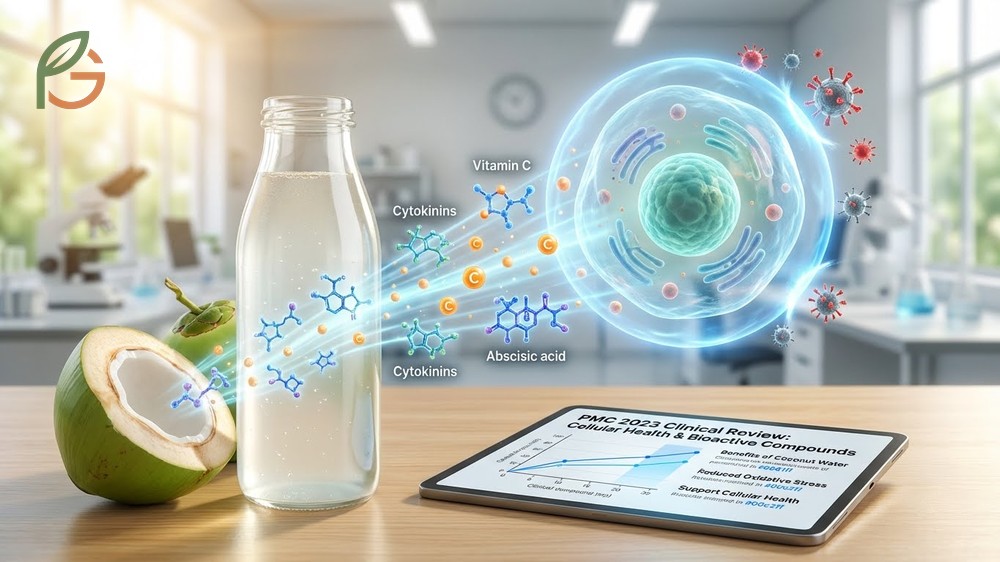
Evidence indicates coconut water offers multiple health advantages beyond basic hydration. Clinical research has identified specific mechanisms through which its bioactive compounds support physiological function.
A 2023 review in PMC identified coconut water as containing cytokinin compounds, vitamin C, and abscisic acid—all contributing to its therapeutic potential[3]. These components work synergistically to reduce oxidative stress and support cellular health.
Electrolyte Replenishment
Research demonstrates coconut water’s superior potassium content addresses electrolyte imbalances effectively. A clinical study measuring serum potassium levels found consumption increased levels from 2.92 to 3.71 mmol/L within five days[4] in patients with hypokalemia.
The potassium concentration in coconut water reaches approximately 1,420mg per liter[2]—significantly higher than most sports drinks. This makes it particularly effective after sweating or during recovery from dehydrating conditions.
- Potassium: Regulates fluid balance and supports nerve signals
- Sodium: Maintains blood pressure and aids nutrient absorption
- Magnesium: Supports muscle relaxation and energy production
- Calcium: Strengthens bones and enables muscle contractions
- Phosphorus: Helps build strong bones and produces cellular energy
Cardiovascular Support
Current research indicates coconut water may help manage blood pressure in hypertensive individuals. The high potassium content helps counterbalance sodium’s effects, potentially reducing cardiovascular strain.
Studies suggest coconut water provides cardioprotective factors including L-arginine, which supports healthy blood vessel function[3]. When combined with its magnesium and vitamin C content, these compounds may reduce the risk of coronary heart disease.
Important Note: If you’re taking blood pressure medications—especially ACE inhibitors or potassium-sparing diuretics—consult your doctor before drinking coconut water regularly. The added potassium could interact with your medication.
Antioxidant Properties
Research published in PMC confirms coconut water contains phenolic compounds with significant antioxidant activity[5]. These compounds donate hydrogen atoms to neutralize free radicals, protecting cells from oxidative damage.
The phenolic content in tender coconut water showed concentration-dependent radical scavenging ability in laboratory tests. This antioxidant capacity helps reduce lipid peroxidation—a process linked to aging and chronic disease development.
Health Benefits of Coconut Water
Clinical evidence supports specific health applications for coconut water beyond general wellness. Multiple studies have documented measurable improvements in various physiological markers.
Blood Pressure Management
Studies show coconut water’s potassium content helps lower blood pressure in people with hypertension. The mechanism works through potassium’s ability to relax blood vessel walls and help your kidneys excrete excess sodium.
Research participants consuming coconut water daily showed positive trends in both systolic and diastolic blood pressure measurements[4]. What often gets overlooked is that consistency matters more than quantity—regular, moderate intake produces better results than occasional large amounts.
Digestive Health
Research from the World Gastroenterology Organization examined coconut water’s effects on inflammatory bowel disease. A study found coconut water induced clinical remission in 53.1% of patients with mild to moderate ulcerative colitis, compared to just 28.3% in the placebo group[6].
The anti-inflammatory compounds in coconut water—including cytokinins and vitamin C—help reduce gut inflammation and may promote mucosal healing. The high potassium content also supports smooth muscle function, potentially reducing cramping and digestive discomfort.
- Reduces inflammation in the digestive tract through cytokinin compounds
- Provides gentle hydration during stomach upset or diarrhea
- Supports electrolyte balance after digestive illness
- Contains natural enzymes that may soothe the gut lining
- Helps maintain regular bowel movements through mineral content
Coconut Water Side Effects

While coconut water is safe for most people, certain groups should exercise caution. Current medical guidance identifies specific conditions where coconut water consumption requires monitoring or avoidance.
People with kidney disease face the highest risk. Damaged kidneys can’t properly excrete excess potassium, leading to hyperkalemia—a dangerous buildup that affects heart rhythm and muscle function. Symptoms include weakness, nausea, and potentially life-threatening irregular heartbeats.
Those taking blood pressure medications need to watch their intake. If you’re on ACE inhibitors or potassium-sparing diuretics, your medication already helps your body retain potassium. Adding coconut water could push levels too high.
- Individuals with chronic kidney disease or renal failure
- People taking potassium-sparing diuretics or ACE inhibitors
- Those with known coconut or tree nut allergies
- Individuals with irritable bowel syndrome (large amounts may trigger symptoms)
- People with diabetes should monitor portions due to natural sugar content
Watch for Allergic Reactions: Though rare, coconut allergies can cause itching, hives, swelling, or difficulty breathing. Studies show around 90% of children with coconut allergy develop skin-related symptoms, while nearly 10% experience more severe anaphylaxis. Stop consumption immediately if you notice any unusual reactions.
Most healthy adults can safely consume 1-2 cups daily without issues. The key is knowing your individual health status and discussing regular consumption with your healthcare provider if you have any underlying conditions.
Best Time to Drink Coconut Water

The timing of coconut water consumption can maximize its benefits depending on your specific needs. Research suggests different scenarios call for strategic hydration approaches.
For morning hydration, drinking coconut water upon waking provides a clean electrolyte boost without stimulants. Your body has spent 7-8 hours without fluids, and the natural minerals help restore balance gently—particularly helpful if you tend toward morning fatigue or muscle cramps.
Post-workout consumption makes the most sense after light-to-moderate exercise lasting 60-90 minutes. Studies show coconut water effectively replenishes electrolytes lost through sweat without the excess sugar found in many sports drinks[2]. For intense training sessions exceeding 90 minutes, you’ll need additional sodium beyond what coconut water provides.
During illness recovery—especially after stomach viruses or diarrhea—coconut water helps restore lost fluids and minerals. The gentle nature and natural sugar content make it easier to tolerate than plain water or harsh sports drinks when your digestive system is sensitive.
Before bed isn’t ideal for most people. The natural diuretic effect of potassium means you’ll likely wake up needing to use the bathroom. If nighttime hydration is necessary, stick to smaller amounts (4-6 oz) 1-2 hours before sleeping.
Timing Tip: Avoid drinking large amounts (more than 8 oz) on an empty stomach if you have a sensitive digestive system. The potassium concentration can cause mild cramping in some people. Pair it with a light snack for better tolerance.
Conclusion
The evidence is clear: is coconut water good for you? Yes, when consumed appropriately, it delivers measurable health benefits through its natural electrolyte profile, antioxidant compounds, and low-calorie content. Research consistently shows it supports hydration, cardiovascular function, and digestive health with fewer additives than commercial alternatives.
Current guidance emphasizes consuming 1-2 cups daily for optimal benefits without exceeding potassium intake limits. FruitGarden recommends choosing fresh or minimally processed coconut water without added sugars, and timing your consumption around physical activity or morning hydration for maximum effectiveness.
Medical Disclaimer
Important Medical Disclaimer: This content is for informational and educational purposes only. It is not intended as a substitute for professional medical advice, diagnosis, or treatment. Always consult a qualified healthcare professional before making any changes to your diet, medication, or health routine, especially if you have kidney disease, heart conditions, diabetes, or are taking blood pressure medications. Individual health needs vary, and what works for one person may not be appropriate for another.
Frequently Asked Questions
Is Drinking Coconut Water Good for You Every Day?
Yes, drinking 1-2 cups of coconut water daily is safe and beneficial for most healthy adults. Research shows it provides essential electrolytes and hydration with only 19 calories per 100ml. However, people with kidney disease or those taking certain blood pressure medications should consult their doctor first, as the high potassium content could cause complications.
What Is Coconut Water Good For?
Coconut water is excellent for post-exercise hydration, replenishing electrolytes after illness, and supporting cardiovascular health. Studies show it contains 250mg potassium per 100ml, which helps regulate blood pressure and muscle function. It’s particularly effective for recovery after light-to-moderate workouts or during mild dehydration.
Is Coconut Water Healthy for Weight Loss?
Coconut water can support weight loss efforts due to its low calorie content—just 19 calories per 100ml—while still providing natural sweetness and hydration. It’s a smart alternative to sugary sodas or juices. However, it’s not a weight loss solution on its own; it works best as part of a balanced diet and regular exercise routine.
Why Is Coconut Water Good for You After Exercise?
Research demonstrates coconut water effectively replaces electrolytes lost through sweat, particularly potassium and magnesium. A study in PMC showed athletes consuming coconut water with 1,420mg potassium per liter maintained fluid balance comparable to commercial sports drinks. It works best after sessions lasting 60-90 minutes; longer, intense workouts require additional sodium.
Can Coconut Water Lower Blood Pressure?
Studies suggest coconut water may help lower blood pressure in people with hypertension due to its high potassium content. The potassium helps blood vessels relax and assists kidneys in excreting excess sodium. However, if you’re already taking blood pressure medications—especially ACE inhibitors or potassium-sparing diuretics—consult your doctor before adding coconut water to your routine.
What Are the Nutritional Benefits of Coconut Water?
USDA data shows coconut water provides 250mg potassium, 25mg magnesium, 24mg calcium, and 1.1g fiber per 100ml—all with only 19 calories. It contains 94.99% water with natural electrolytes, making it more nutrient-dense than plain water. The 2.61g natural sugars provide quick energy without the spike from processed drinks.
Does Coconut Water Have Side Effects?
Coconut water is safe for most people, but excessive consumption can cause problems in specific groups. People with kidney disease risk hyperkalemia (dangerous potassium buildup), while those with irritable bowel syndrome may experience digestive upset from large amounts. Rare coconut allergies can cause itching, hives, or in severe cases, anaphylaxis. Healthy adults can safely consume 1-2 cups daily.