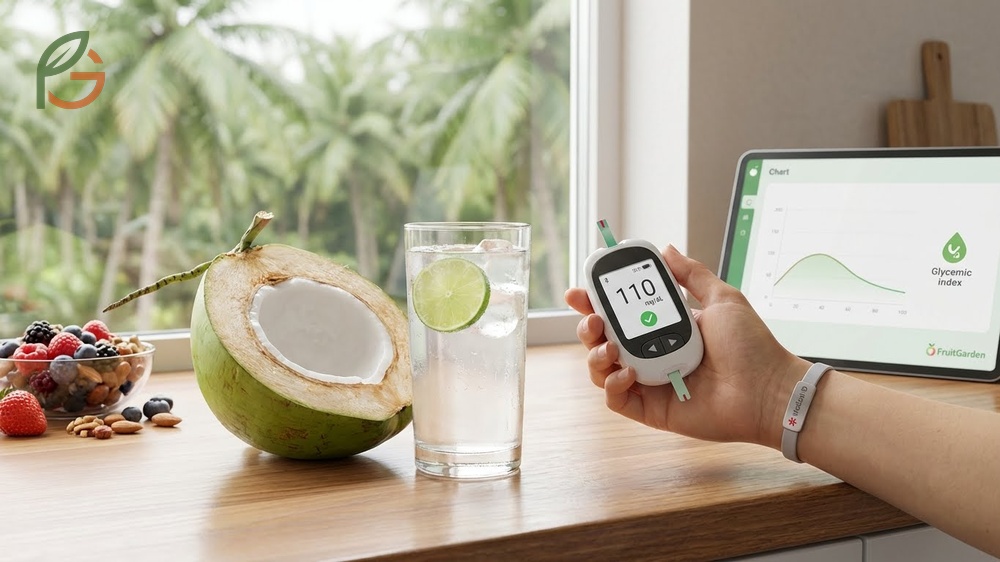
Is coconut water good for diabetics? Yes, when consumed in moderation. Research demonstrates that coconut water has a low glycemic index between 40-47%, which prevents rapid blood sugar spikes[1]. Studies also show that 250 mL of coconut water increases blood glucose by only 8.90 mg/dL on average, with levels returning to baseline within 2 hours[2]. FruitGarden synthesizes current nutritional research to help you make informed dietary decisions for optimal health.
Quick Answer
- Coconut water has a low glycemic index of 40-47%, making it diabetic-friendly when consumed moderately[1]
- One cup contains 45-60 calories and 8-15g carbohydrates, requiring portion control for blood sugar management[3]
- Rich in 250mg potassium per 100mL, supporting kidney function and blood pressure regulation[3]
- Limit intake to one coconut daily (300-400mL) to avoid excess sugar accumulation
Is Coconut Water Good for Diabetics
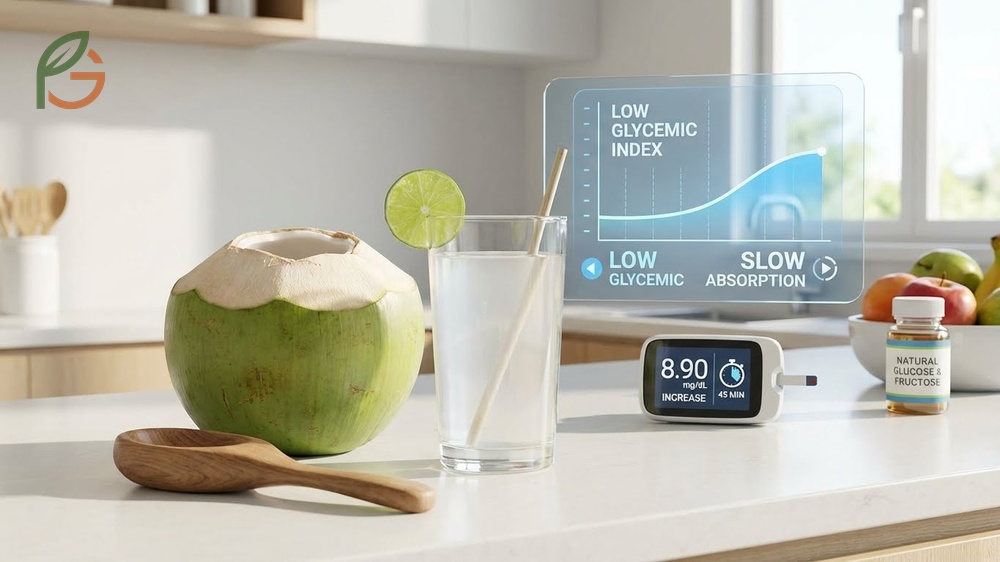
Coconut water can be included in a diabetic diet when consumed mindfully. Research shows that its low glycemic index prevents the rapid blood sugar spikes associated with high-GI beverages[1]. The natural sugars in coconut water—primarily glucose and fructose—are absorbed gradually, making it safer than sweetened drinks or fruit juices.
Clinical studies demonstrate that 250 mL of coconut water increases blood glucose by an average of 8.90 mg/dL in 45 minutes, with levels returning to baseline within 2 hours[2]. Prediabetic subjects showed higher increases than those with normal glucose metabolism, emphasizing the need for individualized portion control. Pairing coconut water with protein or fiber-rich foods can further slow sugar absorption.
Current nutritional guidance recommends limiting coconut water to one small coconut per day (300-400 mL) for diabetics. Consuming it in the morning or post-exercise optimizes nutrient absorption while minimizing blood sugar impact. Always choose unsweetened, 100% pure coconut water without added sugars or artificial flavors.
Important Note for Diabetics: Monitor your blood glucose response after drinking coconut water, especially if you’re taking insulin or diabetes medications. Individual responses vary based on overall carbohydrate intake and medication regimen.
Glycemic Index of Coconut Water
The glycemic index of coconut water ranges from 40% to 47%, classifying it as a low-GI food according to international standards[1]. This classification applies across different coconut varieties, including West African Tall, Malaysian Yellow Dwarf, and hybrid cultivars. Low-GI foods cause gradual glucose elevation rather than rapid spikes, making them preferable for blood sugar management.
The GI measurement accounts for how quickly carbohydrates convert to glucose in your bloodstream. Foods with GI values below 55 are considered low, 56-69 are medium, and 70 or above are high. Coconut water’s positioning well within the low-GI category makes it comparable to most non-starchy vegetables and whole grains.
Does Coconut Water Spike Blood Sugar
Coconut water doesn’t cause rapid blood sugar spikes when consumed in recommended amounts. Studies indicate a gradual increase with blood glucose rising 8.90 mg/dL over 45 minutes before returning to baseline[2]. This moderate response contrasts sharply with sodas or fruit juices, which can elevate blood sugar by 30-50 mg/dL within 30 minutes.
The key factor is volume and timing. Drinking more than 400 mL at once or consuming it on an empty stomach may produce larger glucose increases. Insulin sensitivity also influences your response—those with insulin resistance experience higher peaks than metabolically healthy individuals.
Is Coconut Water Good for Kidneys
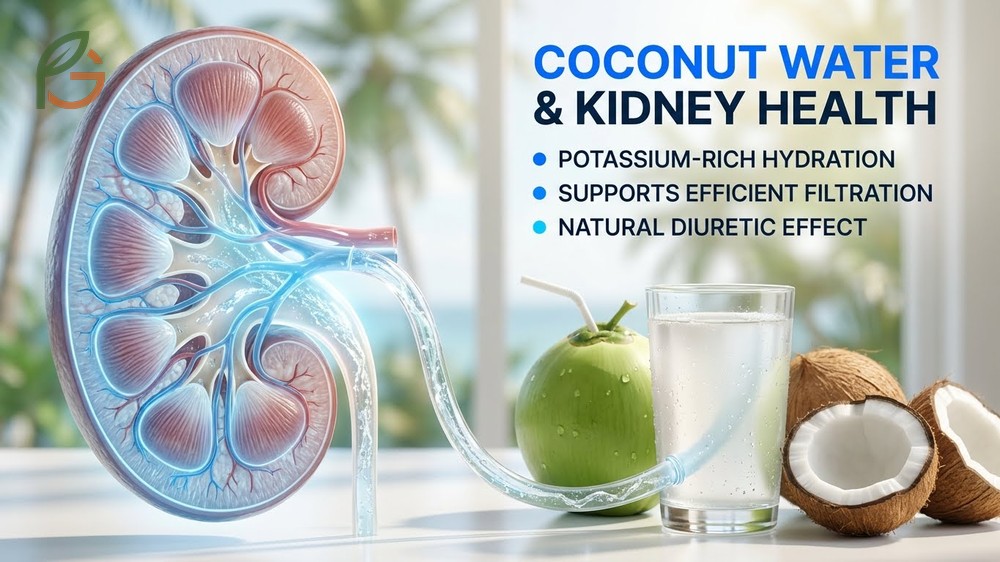
Coconut water supports kidney health through its natural diuretic properties and high potassium content. Research demonstrates that adequate fluid intake, particularly from electrolyte-rich sources, helps kidneys filter blood efficiently and expel waste products[4]. The mild diuretic effect increases urine output without causing dehydration, promoting optimal kidney function.
Each 100 mL of coconut water contains approximately 250 mg of potassium, a mineral essential for maintaining electrolyte balance[3]. Healthy kidneys regulate potassium levels by excreting excess amounts through urine. This process helps maintain proper pH balance and prevents mineral accumulation that could lead to complications.
Evidence suggests coconut water consumption of 2 liters daily for four days may assist with kidney stone prevention by reducing crystal formation in the urinary tract[4]. However, individuals with chronic kidney disease, type 1 diabetes, or conditions affecting potassium excretion should consult healthcare professionals before increasing coconut water intake.
Caution for Kidney Disease Patients: If you have chronic kidney disease or conditions that impair potassium excretion, high potassium intake from coconut water may cause dangerous accumulation. Always consult your nephrologist before adding coconut water to your diet.
Coconut Water for Kidney Stones
Coconut water may reduce kidney stone formation by lowering crystal concentrations in urine. Studies show that increasing fluid intake dilutes urine, making it harder for minerals to crystallize and form stones. The electrolyte composition of coconut water supports this protective effect.
Research protocols have used 2 liters of coconut water daily for four-day periods to address kidney stone concerns[4]. This amount significantly exceeds typical daily consumption recommendations, suggesting therapeutic use should occur under medical supervision. Regular moderate intake (300-400 mL daily) provides preventive benefits without excessive potassium load.
Is Coconut Water Good for Acid Reflux
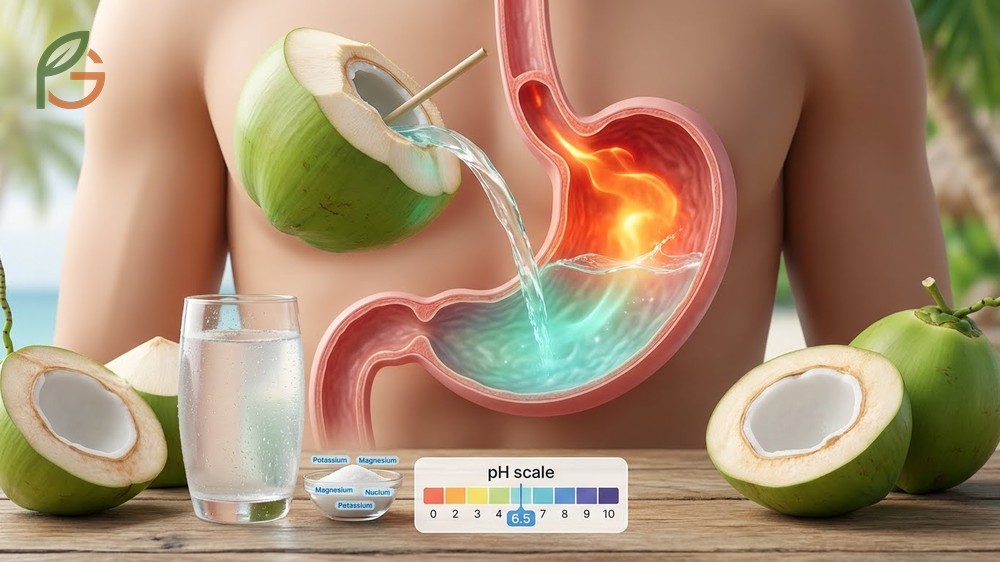
Coconut water’s naturally alkaline pH between 6 and 7 helps neutralize stomach acid, providing relief for many people with acid reflux. Its gentle nature soothes the esophagus and reduces the burning sensation associated with gastric acid backflow. Unlike commercial antacids with pH values above 9, coconut water offers mild alkalinity without disrupting your body’s natural acid-base balance.
The electrolytes in coconut water—particularly potassium, magnesium, and calcium—support digestive health by maintaining proper pH levels throughout your gastrointestinal tract. Consuming 200-300 mL after meals may reduce acid reflux symptoms for some individuals. However, responses vary based on individual digestive chemistry and the severity of reflux conditions.
Current guidance emphasizes moderation when using coconut water for digestive issues. Drinking too much too quickly can distend your stomach, potentially worsening reflux symptoms. Additionally, the natural sugars (approximately 4g per 100 mL) may cause fermentation in sensitive individuals, leading to gas or bloating that exacerbates discomfort.
- Drink 200-300 mL at room temperature rather than cold to avoid shocking your digestive system
- Consume 30-60 minutes after meals rather than on an empty stomach
- Choose fresh, unsweetened coconut water without added flavors or preservatives
- Avoid drinking within 2-3 hours of bedtime to prevent nighttime reflux
- Track your symptoms to identify whether coconut water helps or triggers your specific reflux pattern
Is Coconut Water Good for Diarrhea
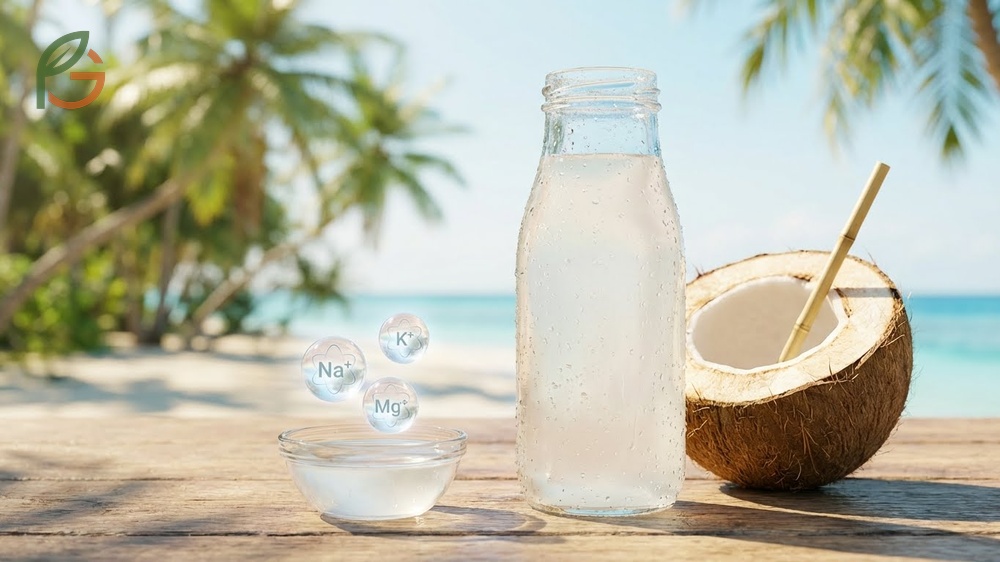
Coconut water effectively replenishes fluids and electrolytes lost during diarrhea episodes. Studies confirm it contains electrolyte levels similar to those in human blood, making it particularly effective for rehydration[5]. The natural composition includes sodium, potassium, and magnesium—all critical minerals depleted during gastrointestinal distress.
Research demonstrates that lauric acid in coconut water converts to monolaurin when ingested, providing antibacterial, antiviral, and anti-parasitic properties[5]. These compounds combat intestinal infections that may be causing diarrhea while supporting faster recovery. This makes coconut water more therapeutic than plain water for digestive disturbances.
Coconut water is safe for all age groups during diarrhea episodes, including pregnant women, children, and elderly individuals. Sip small amounts (50-100 mL) every 15-30 minutes rather than drinking large volumes at once. This gradual intake prevents overwhelming your digestive system while maintaining steady rehydration.
- Start with small sips (50-100 mL) every 15-30 minutes to test tolerance
- Gradually increase to 200-300 mL servings as symptoms improve
- Combine with bland foods like rice, bananas, or toast once appetite returns
- Continue intake for 24-48 hours after symptoms resolve to ensure full rehydration
- Seek medical attention if diarrhea persists beyond 3 days or includes blood
Is Coconut Water Good for High Blood Pressure
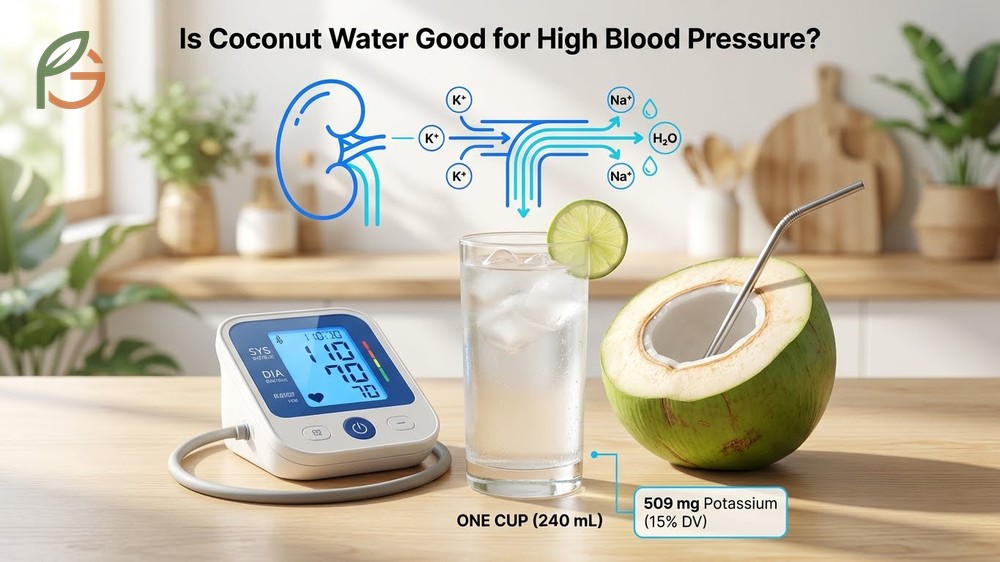
Coconut water shows promise for blood pressure management through its high potassium content and diuretic effects. Research indicates that coconut water acts like a natural diuretic, increasing urination and promoting sodium excretion[4]. Since excess sodium contributes to hypertension, this mechanism helps reduce blood pressure in susceptible individuals.
One cup (240 mL) of coconut water provides approximately 509 mg of potassium, representing 15% of the daily recommended value[3]. Potassium counteracts sodium’s blood pressure-raising effects by relaxing blood vessel walls and promoting sodium elimination. Current nutritional guidance recommends 150 mL of fresh coconut water each morning for individuals with hypertension or prehypertension.
Studies have used 300 mL twice daily for two weeks to boost potassium levels in people with deficiencies[4]. If you’re currently taking blood pressure medications, particularly potassium-sparing diuretics, consult your physician before adding coconut water to avoid dangerous potassium accumulation.
This table compares key nutrients in coconut water versus sports drinks and plain water per 100 mL serving
| Beverage | Calories | Carbohydrates | Sugars | Potassium |
|---|---|---|---|---|
| Coconut Water | 19 kcal[3] | 4.5g | 4.0g | 250mg[3] |
| Sports Drink | 26 kcal | 6.0g | 5.5g | 12mg |
| Plain Water | 0 kcal | 0g | 0g | 0mg |
Is Coconut Water Good for Weight Loss
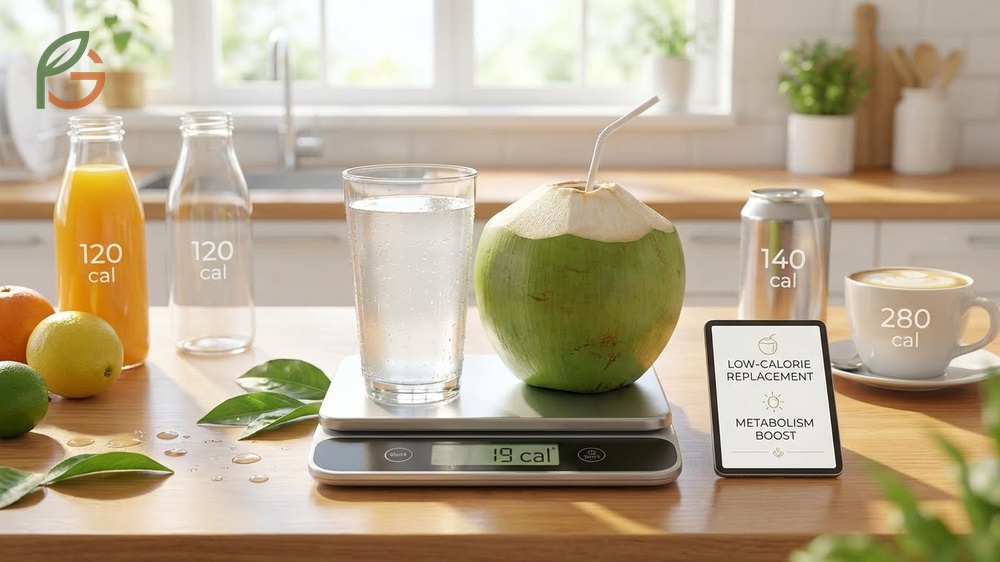
Coconut water can support weight loss goals when used strategically as a low-calorie beverage replacement. At approximately 19 calories per 100 mL, it’s significantly lighter than fruit juices, sodas, or specialty coffee drinks[3]. Substituting high-calorie beverages with coconut water creates a calorie deficit without requiring dramatic dietary changes.
Research indicates that coconut water’s natural enzymes boost metabolism and improve nutrient conversion to energy. The electrolyte balance—particularly potassium and magnesium—enhances metabolic functions, enabling your body to burn calories more effectively. Consuming it on an empty stomach in the morning kickstarts metabolism and energizes your body for the day ahead.
Current nutritional guidance emphasizes limiting coconut water to one coconut daily (300-400 mL) for weight management. Exceeding this amount introduces excess natural sugars that your body may store as fat rather than burn for energy. The sweet spot for weight loss is consuming it post-exercise or before meals to promote satiety and reduce overall calorie intake.
The presence of lauric acid provides a feeling of fullness despite coconut water’s low carbohydrate content. Potassium assists in removing excess sodium from your body, reducing water retention and bloating. These combined effects make coconut water particularly effective for reducing belly fat when paired with regular physical activity.
- Drink 200-300 mL on an empty stomach each morning to boost metabolism
- Consume 150-200 mL 30 minutes before meals to reduce appetite and portion sizes
- Use post-workout (within 30 minutes) to replenish electrolytes while supporting fat burning
- Replace one high-calorie beverage daily with coconut water to create a 100-200 calorie deficit
- Avoid drinking coconut water after 6 PM to prevent excess sugar storage during low-activity evening hours
- Track total daily carbohydrate intake to ensure coconut water fits within your calorie goals
Is Coconut Water Keto
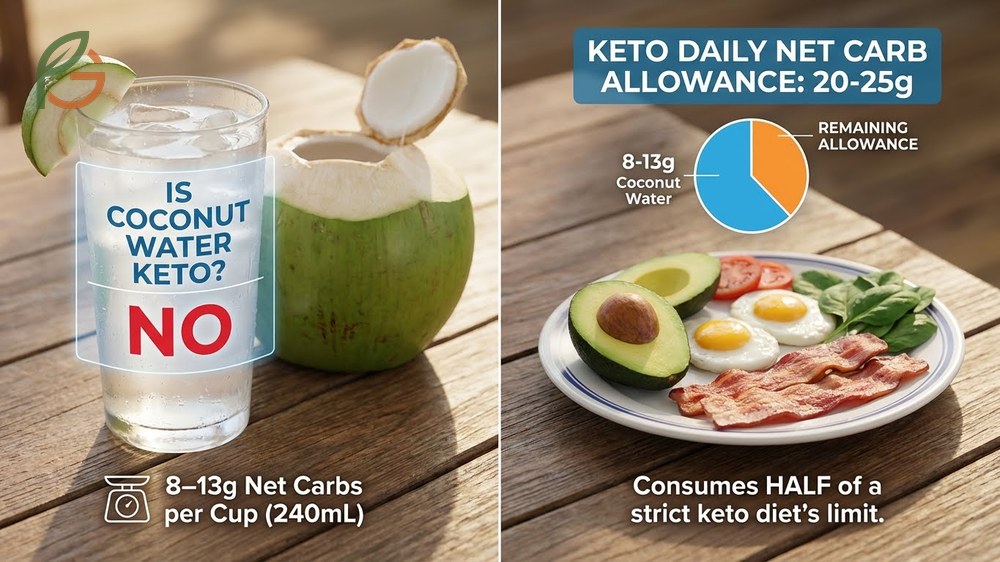
Coconut water is generally not keto-friendly due to its carbohydrate content. One cup (240 mL) contains 8-13g of net carbohydrates, which can consume half of a strict ketogenic diet’s daily 20-25g carb allowance in a single serving. Even smaller portions add up quickly, making it difficult to maintain ketosis while regularly consuming coconut water.
The ketogenic diet requires keeping daily net carbs below 20-50g to maintain the metabolic state where your body burns fat for fuel instead of glucose. With 100 mL of coconut water providing 3.5-5g net carbs, you’d need to account for this carefully within your daily macro targets. Most keto practitioners find the carb cost too high relative to the hydration benefits.
For strict keto dieters, plain water with electrolyte supplements offers better macronutrient alignment. However, if you’re following a more liberal low-carb approach (50-100g carbs daily), a small serving of 100-150 mL coconut water post-workout may fit your macros. Always measure portions precisely and track them in your food diary to avoid accidental carb overload.
| Serving Size | Net Carbs | % of Daily Keto Limit (20g) | Keto-Friendly? |
|---|---|---|---|
| 100 mL | 3.5-5g | 18-25% | Moderate |
| 240 mL (1 cup) | 8-13g | 40-65% | Not Recommended |
| 360 mL (1.5 cups) | 12-20g | 60-100% | No |
Conclusion
The evidence is clear: coconut water provides meaningful health benefits for diabetics and various medical conditions when consumed within recommended guidelines. Its low glycemic index (40-47%), moderate calorie content, and rich electrolyte profile make it a valuable addition to balanced diets focused on blood sugar management, kidney health, and cardiovascular wellness[1].
Current nutritional guidance emphasizes moderation—limiting intake to 300-400 mL daily optimizes benefits while preventing excess sugar accumulation. Always choose unsweetened, 100% pure coconut water and monitor your individual response, particularly if you have diabetes, kidney disease, or take medications affecting potassium levels. FruitGarden continues to synthesize emerging nutritional research to support your health journey with evidence-based dietary insights.
Medical Disclaimer
Important Medical Disclaimer: This content is for informational and educational purposes only. It’s not intended as a substitute for professional medical advice, diagnosis, or treatment. Always consult a qualified healthcare professional before making any changes to your diet, medication, or health routine, especially if you have diabetes, kidney disease, heart conditions, or other medical concerns. Individual responses to coconut water vary based on overall health status, medications, and underlying conditions.
Frequently Asked Questions
Can diabetics drink coconut water daily?
Yes, diabetics can drink coconut water daily in moderation. Research shows that limiting intake to 300-400 mL per day prevents blood sugar spikes while providing beneficial electrolytes[2]. Always choose unsweetened varieties and monitor your individual blood glucose response.
Does coconut water lower blood sugar levels?
Coconut water doesn’t actively lower blood sugar but prevents rapid spikes due to its low glycemic index of 40-47%[1]. It causes gradual glucose elevation that returns to baseline within 2 hours, making it safer than high-GI beverages for blood sugar management.
Is coconut water safe for people with kidney disease?
People with chronic kidney disease should consult their nephrologist before drinking coconut water. While it supports healthy kidney function, the high potassium content (250 mg per 100 mL) can accumulate dangerously in individuals with impaired potassium excretion[4].
What’s the best time to drink coconut water for weight loss?
The optimal times are on an empty stomach in the morning to boost metabolism, 30 minutes before meals to reduce appetite, or immediately post-workout to support recovery while burning fat. Avoid drinking after 6 PM to prevent excess sugar storage during low-activity evening hours.
How much coconut water is too much for diabetics?
Exceeding 400 mL (approximately one coconut) daily can introduce too much natural sugar, potentially causing blood glucose elevation. Current guidance recommends limiting intake to 300-400 mL per day, consumed at strategic times like morning or post-exercise to minimize blood sugar impact[2].
Can coconut water help with gout?
Yes, coconut water benefits gout patients through mild diuretic properties that help eliminate uric acid. Its potassium and bicarbonate content maintains alkaline pH levels, preventing urate crystal formation in joints[6]. Limit to one small coconut daily and consult your physician if taking diuretics.
Is fresh coconut water better than packaged for health benefits?
Fresh coconut water contains more active enzymes and nutrients since it hasn’t undergone heat pasteurization. However, high-quality packaged brands without added sugars, concentrates, or artificial flavors provide similar electrolyte benefits. Always check labels for “100% coconut water” and avoid products listing “natural flavors” or added sweeteners.