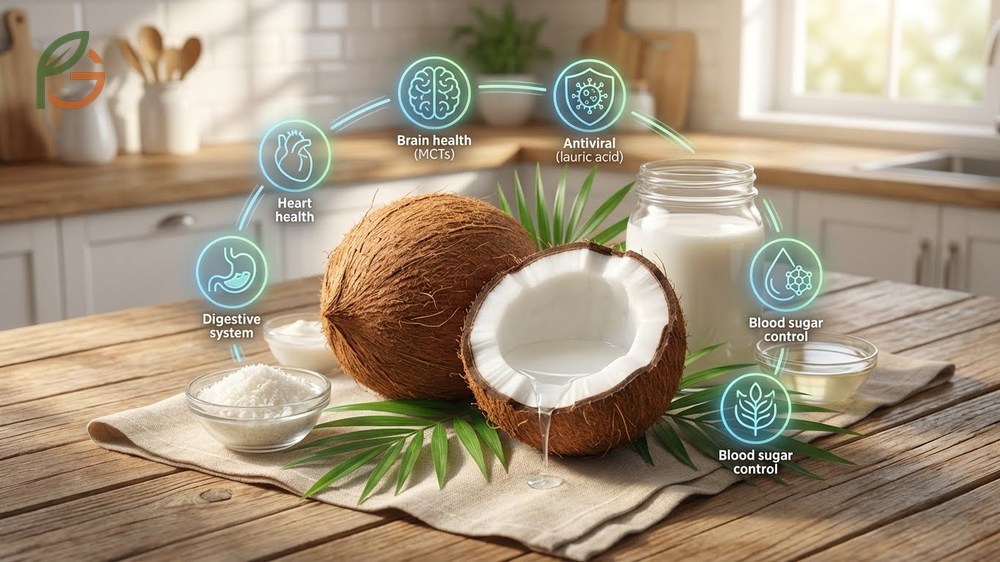
Is coconut good for you? Yes, when eaten in moderation. Research shows that coconut delivers 9g of fiber per 100g[1], supports brain health through medium-chain triglycerides, and contains lauric acid with proven antiviral properties[2]. Studies demonstrate that coconut’s unique fatty acid profile benefits heart health, blood sugar control, and digestive wellness when it’s part of a balanced diet. FruitGarden synthesizes current nutritional research and USDA data to help US readers understand which fruits support their health goals.
Quick Answer
- Provides 354 calories and 9g fiber per 100g serving
- Contains 50% lauric acid[2] that converts to antiviral monolaurin in your body
- MCTs boost brain energy by producing ketone bodies[3]
- High fiber slows digestion to prevent blood sugar spikes[4]
- Delivers 65% daily manganese[1] for bone and brain health
Is Coconut Good for You

Research shows coconut provides exceptional nutritional value when you consume it as part of a balanced diet. It’s packed with fiber, minerals, and medium-chain fatty acids that work differently in your body compared to other fats. Current data indicates that coconut’s unique composition supports multiple health systems simultaneously.
Evidence suggests coconut works best when you don’t overconsume it. A 100g serving delivers significant calories and fat, so portion control matters. What often gets overlooked is that coconut’s saturated fat isn’t the same as the saturated fat in processed foods—it’s mostly medium-chain triglycerides that your liver processes differently.
Nutritional Powerhouse
Coconut meat stands out for its mineral density. It provides 65% of your daily manganese[1], which supports bone density and brain function. Studies demonstrate that this level of manganese intake may reduce seizure risk and support healthy brain aging[4].
The fiber content reaches 9g per 100g[1], which is 36% of your daily requirement. This amount significantly exceeds most fruits—it’s about 3.8 times more fiber than oranges provide.
- Iron: 2.4mg per 100g provides 30% daily value for oxygen transport
- Copper: 0.44mg delivers 48% daily value for immune function
- Potassium: 356mg supports heart rhythm and muscle function
- Phosphorus: 113mg contributes 16% daily value for bone health
- Selenium: 10µg provides 18% daily value as a powerful antioxidant
Unique Fat Composition
Coconut’s fat profile differs dramatically from other plant foods. About 50% of coconut oil consists of lauric acid[2], a 12-carbon medium-chain fatty acid. Your body converts lauric acid into monolaurin, which has documented antimicrobial effects.
The medium-chain triglycerides in coconut get absorbed differently than long-chain fats. They travel directly to your liver through the portal vein for quick energy production rather than storage in fat tissue[2]. This metabolic advantage makes coconut a unique addition to your diet.
Important Note: While coconut contains 30g saturated fat per 100g[1], it’s primarily MCTs that behave differently than saturated fats in meat or dairy. Don’t treat all saturated fats as equal when making dietary decisions.
Health Benefits of Coconut
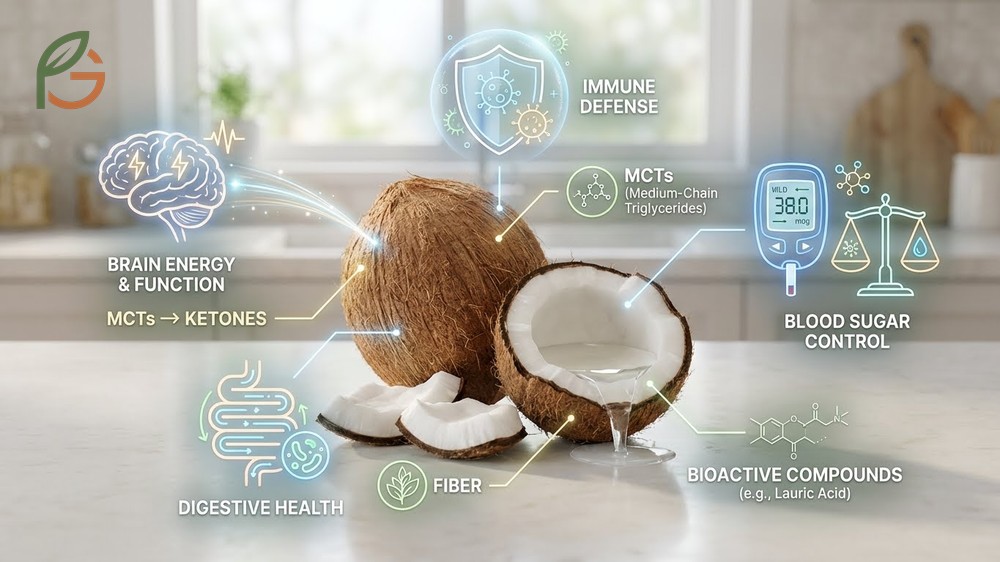
Current research confirms that coconut offers multiple evidence-based health benefits. Studies demonstrate improvements in brain energy, immune defense, digestive health, and blood sugar control. These benefits stem from coconut’s unique combination of MCTs, fiber, and bioactive compounds like lauric acid.
Supports Brain Function
Coconut’s MCTs provide an alternative fuel source for your brain. Your liver converts these medium-chain fatty acids into ketone bodies—specifically β-hydroxybutyrate and acetoacetate—that cross the blood-brain barrier[3]. This matters because ketones can power brain cells even when glucose metabolism is impaired.
Research across cognitive studies shows that MCT consumption increases brain ketone uptake by 230%[3] compared to baseline. This boost correlates with improvements in episodic memory, language processing, and executive function. Most people don’t realize that brain energy deficits contribute to cognitive decline, making alternative fuel sources valuable.
The manganese content supports brain health through a different mechanism. It’s linked to lower seizure risk and may reduce Parkinson’s disease development[4]. You’re getting neurological support from multiple coconut components simultaneously.
Antiviral and Immune Support
Lauric acid and its metabolite monolaurin exhibit strong antiviral activity through three distinct mechanisms. First, they cause disintegration of lipid-coated virus envelopes, which inactivates the pathogen[2]. Second, they act as virus maturation inhibitors with more potency than other saturated fatty acids.
Studies demonstrate that monolaurin prevents viruses from binding to host cell membranes and interrupts viral membrane protein synthesis[2]. This triple-action approach makes lauric acid particularly effective against enveloped viruses. Evidence indicates that virgin coconut oil demonstrates activity against respiratory pathogens while reducing inflammation.
Research confirms the safety profile of lauric acid at doses up to 2,000mg per kilogram of body weight, showing no toxicity signs in biochemical or histopathological assessments[2]. You’re getting immune support from a compound that’s been thoroughly tested for safety.
- Disrupts lipid envelopes of viruses including influenza and herpes simplex
- Inhibits virus replication by blocking maturation processes
- Prevents viral attachment to cell membranes through competitive binding
- Reduces inflammatory markers like C-reactive protein in clinical trials
- Supports gut microbiome diversity through prebiotic fiber effects
- Provides selenium and zinc that support immune cell function
Digestive Health Benefits
Coconut’s insoluble fiber slows food transit through your stomach and intestines, allowing complete digestion and better nutrient absorption. This property benefits people with obesity or diabetes by helping control blood sugar levels[4]. The slower digestion prevents the rapid glucose spikes that damage blood vessels over time.
The fiber acts as food for beneficial gut bacteria, which produce short-chain fatty acids during fermentation. These SCFAs provide energy to colon cells and maintain the intestinal barrier. Research shows they reduce inflammation and may lower the risk of inflammatory bowel diseases, type 2 diabetes, and obesity.
Coconut’s medium-chain fatty acids add anti-inflammatory benefits beyond what fiber alone provides. They help prevent symptoms associated with Crohn’s disease, irritable bowel syndrome, and colitis. You’re getting both mechanical benefits from fiber and biochemical support from MCFAs in a single food.
Digestive Tip: If you’re not used to high-fiber foods, start with small coconut portions (20-30g daily) and increase gradually. Sudden fiber increases can cause bloating or digestive discomfort as your gut microbiome adjusts.
Coconut Meat Nutrition
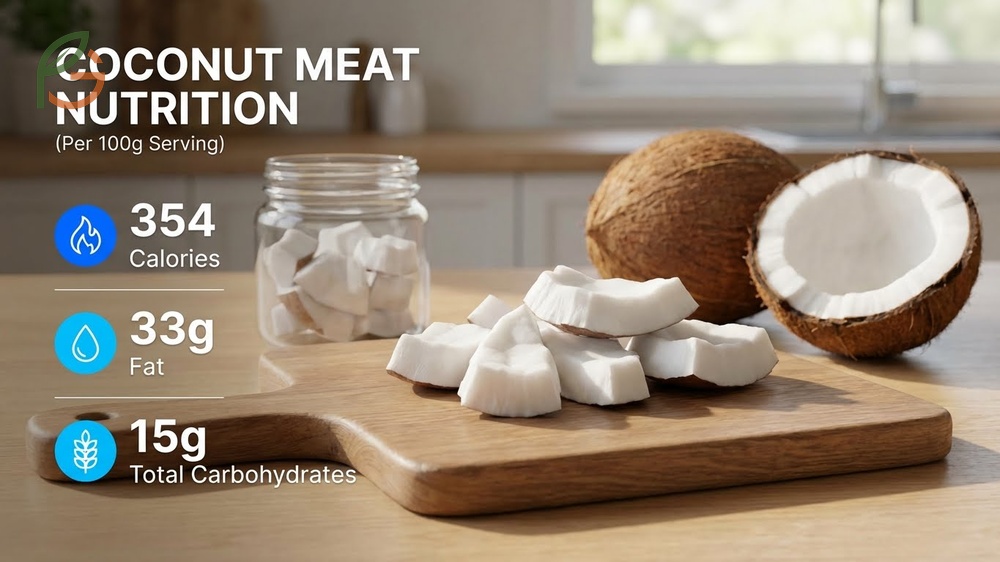
Raw coconut meat delivers concentrated nutrition in a relatively small serving. Understanding the complete nutritional profile helps you incorporate it effectively into your meal planning. The USDA nutritional database provides standardized values for comparison across different coconut forms.
A standard 100g serving contains 354 calories[1], which makes coconut more energy-dense than most fruits. The macronutrient breakdown shows 33g fat[1], 15g total carbohydrates[1], and 3.3g protein[1]. The net carbs calculate to just 6.2g after subtracting the 9g fiber.
This table compares the nutritional composition, daily value percentages, and key benefits of major nutrients found in 100g of raw coconut meat
| Nutrient | Amount | % Daily Value | Primary Benefit |
|---|---|---|---|
| Calories | 354 kcal[1] | 18% | Quick energy from MCTs |
| Total Fat | 33g[1] | 52% | Brain fuel, hormone production |
| Saturated Fat | 30g[1] | 148% | MCT metabolism, ketone production |
| Fiber | 9g[1] | 36% | Blood sugar control, gut health |
| Protein | 3.3g[1] | 8% | Tissue repair, enzyme function |
| Manganese | 1.5mg[1] | 65% | Bone health, brain function |
| Iron | 2.4mg[1] | 30% | Oxygen transport, energy |
| Potassium | 356mg[1] | 10% | Heart rhythm, blood pressure |
The vitamin profile includes modest amounts of B vitamins and vitamin C, though coconut isn’t a significant vitamin source. It contains zero cholesterol and minimal sodium at just 20mg per 100g[1]. This makes it suitable for low-sodium diets when you’re watching blood pressure.
- Provides 3.8 times more fiber than oranges for digestive health
- Delivers 7.5 times more calories than oranges for sustained energy
- Contains equal fat content to cheese but with different fatty acid profiles
- Offers 2.4 times more potassium than cucumbers for electrolyte balance
- Supplies copper at 48% daily value for immune system support
- Zero trans fats and zero dietary cholesterol for heart-healthy choices
Raw vs Dried Coconut
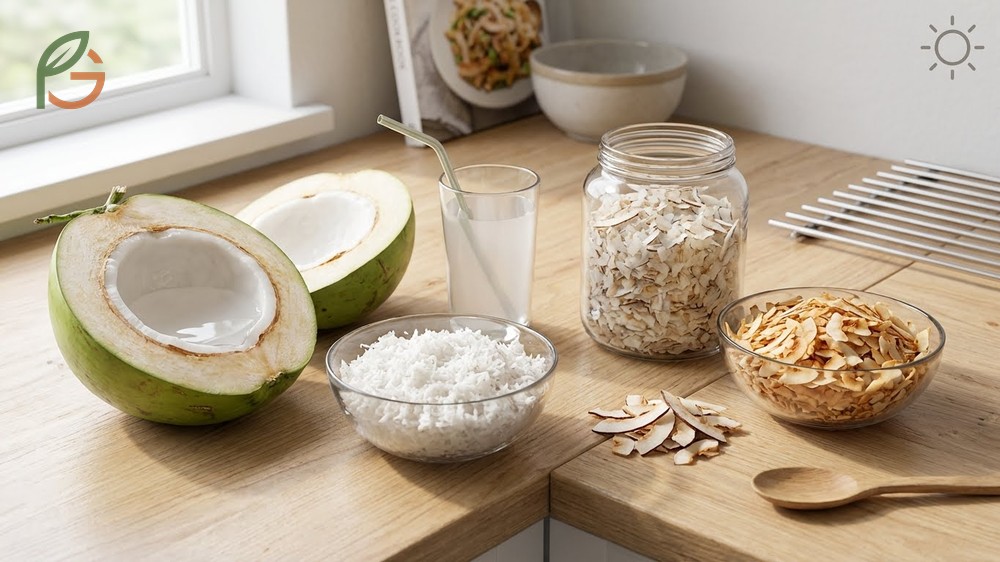
Fresh raw coconut and dried shredded coconut deliver different nutritional profiles due to water content changes. Raw coconut contains about 47% water, while dried coconut has most moisture removed through dehydration. This concentration affects calorie density, texture, and how you use each form in recipes.
Dried coconut concentrates the nutrients into a smaller volume. You’ll get approximately 2-3 times more calories per gram in dried versus fresh coconut. The fiber, minerals, and fat content all increase proportionally when water is removed. Research confirms that dried coconut products like coconut flour can support weight management and may help prevent diseases including diabetes and obesity[5].
Fresh young coconut flesh has a softer, jelly-like texture compared to mature coconut. It contains more water and slightly less fat, making it lower in calories per serving. Young coconut provides 26µg folate per 100g and delivers vitamin C for antioxidant support. The softer texture makes fresh coconut ideal for eating raw or blending into smoothies.
Toasted coconut develops different flavor compounds through the Maillard reaction, creating nutty, caramel notes. The toasting process doesn’t significantly change the nutritional content, though some heat-sensitive vitamins may decrease slightly. You’ll still get the same MCTs, fiber, and minerals whether you choose raw or toasted forms.
| Coconut Type | Water Content | Best Uses |
|---|---|---|
| Fresh Young | ~50-55% | Raw snacking, smoothies, desserts |
| Fresh Mature | ~47% | Grating, cooking, coconut milk |
| Dried Shredded | ~3-5% | Baking, granola, trail mixes |
| Coconut Flour | ~3% | Gluten-free baking, breading |
Shopping Tip: Check labels on dried coconut products for added sugars. Sweetened shredded coconut can contain 5-10g added sugar per serving, which significantly changes the health profile. Choose unsweetened versions for maximum nutritional benefits.
How to Use Coconut
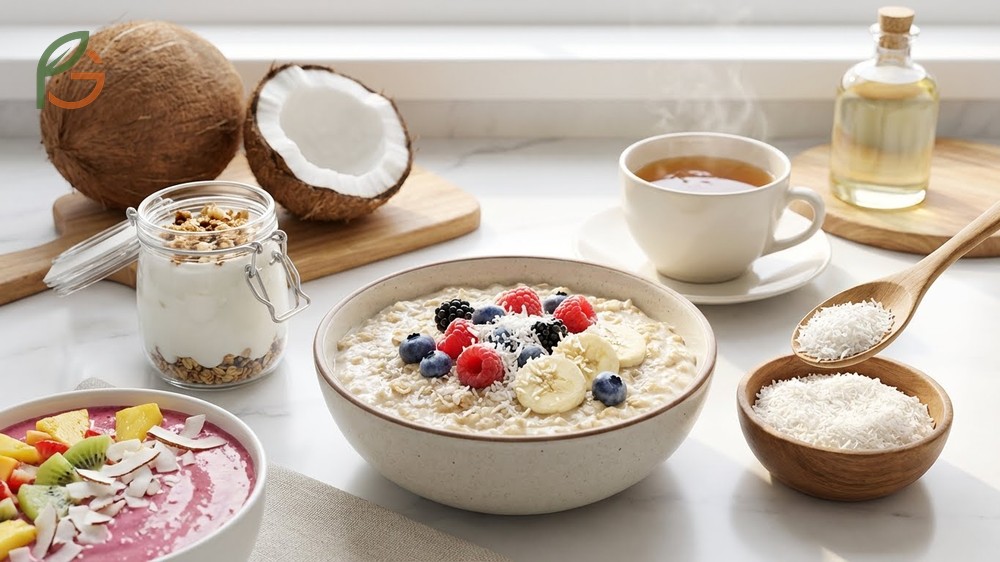
Incorporating coconut into your daily diet doesn’t require complicated recipes. Studies confirm that coconut products improve overall well-being when consumed regularly as part of balanced nutrition[5]. Start with small portions if you’re new to coconut to allow your digestive system to adjust to the high fiber content.
For breakfast, add 2-3 tablespoons of shredded coconut to oatmeal, yogurt, or smoothie bowls. This provides sustained energy through the morning from the MCTs while the fiber keeps you full longer. Pair coconut with protein sources like Greek yogurt or nut butter to create balanced macronutrient ratios.
Fresh coconut chunks work perfectly as pre-workout snacks. The quick-digesting MCTs provide immediate fuel for exercise, while the natural electrolytes support hydration. Many athletes use coconut water and coconut meat together for a complete electrolyte and energy boost before training sessions.
In cooking, substitute coconut flour for up to 25% of regular flour in baking recipes. This creates gluten-free options for those with celiac disease while adding fiber and protein[5]. You’ll need to increase liquid ingredients since coconut flour absorbs more moisture than wheat flour.
- Morning Smoothies: Blend 30g fresh coconut with berries, spinach, and protein powder for brain-boosting MCTs
- Trail Mix: Combine dried coconut chips with nuts and dark chocolate for balanced fat, protein, and antioxidants
- Curry Bases: Use fresh grated coconut to create authentic Thai or Indian curry pastes with maximum flavor
- Energy Balls: Mix coconut flour with dates, cocoa, and nut butter for no-bake protein snacks
- Salad Toppings: Toast coconut flakes until golden for crunchy texture and nutty flavor on green salads
- Dessert Crusts: Press shredded coconut mixed with melted coconut oil into pie pans for grain-free bases
For blood sugar management, consume coconut alongside meals rather than alone. The fiber and fat slow down overall digestion, which moderates glucose response from other foods you eat[4]. This strategy works particularly well for people monitoring their glycemic response.
Store fresh coconut in the refrigerator for up to one week after opening. Dried coconut keeps for several months in an airtight container at room temperature. You can extend shelf life by refrigerating or freezing dried forms, which prevents the fats from going rancid.
Conclusion
The evidence is clear: coconut is good for you when you consume it mindfully as part of a varied diet. It provides unique medium-chain triglycerides that support brain energy, contains lauric acid with proven antiviral properties, and delivers exceptional fiber for digestive and metabolic health. The combination of 9g fiber, 65% daily manganese, and MCTs makes coconut a nutritional standout among tropical fruits.
Current nutritional guidance emphasizes whole-food sources of healthy fats over processed alternatives. Fresh and dried coconut meet this criteria while offering versatility in cooking and snacking. Whether you’re managing blood sugar, supporting cognitive function, or building a stronger immune system, coconut’s evidence-based benefits deserve a place in your fruit rotation. FruitGarden continues tracking nutritional research to help you make informed choices about the fruits and plants that support your wellness goals.
Medical Disclaimer
Important Medical Disclaimer: This content is for informational and educational purposes only. It’s not intended as a substitute for professional medical advice, diagnosis, or treatment. Always consult a qualified healthcare professional or registered dietitian before making significant changes to your diet, especially if you have diabetes, heart disease, allergies, or other medical conditions. Individual nutritional needs vary based on age, health status, and activity level.
Frequently Asked Questions
Is coconut meat good for you every day?
Yes, eating coconut meat daily in moderate portions (30-50g) is healthy for most people. Research shows it provides consistent fiber, MCTs for brain energy, and minerals like manganese. However, it’s calorie-dense at 354 calories per 100g, so portion control matters for weight management.
Is coconut fat good for you or bad?
Coconut fat is good for you in moderation despite being saturated. About 50% consists of lauric acid, which converts to antimicrobial monolaurin in your body. The MCTs get processed differently than long-chain fats—they go directly to your liver for quick energy rather than storage as body fat.
Is raw coconut good for you compared to processed forms?
Raw coconut is excellent because it retains all natural enzymes, vitamins, and minerals without added sugars or preservatives. Fresh coconut provides the same MCTs and fiber as dried forms but with lower calorie density due to its 47% water content. Both raw and minimally processed dried coconut offer health benefits.
What is coconut good for in terms of specific health conditions?
Coconut supports several health conditions: it helps control blood sugar spikes due to its 9g fiber content, provides alternative brain fuel through ketone production for cognitive support, delivers antiviral lauric acid for immune health, and supplies 65% daily manganese for bone density and reduced seizure risk.
Is shredded coconut good for you as a snack?
Shredded coconut makes a nutritious snack when unsweetened. It delivers concentrated fiber, minerals, and MCTs in a portable form. Choose organic unsweetened versions to avoid added sugars. Limit portions to 20-30g per serving since the calorie density is high when water is removed during processing.
Is coconut healthy for you if you have diabetes?
Coconut can be healthy for people with diabetes due to its high fiber content that slows digestion and prevents blood sugar spikes. Studies show coconut’s fiber and MCTs improve glycemic control when eaten with meals. However, consult your healthcare provider about portion sizes since it’s calorie-dense and affects individual glucose response differently.
Are coconuts good for you when trying to lose weight?
Coconuts can support weight loss goals when consumed in controlled portions. The 9g fiber per 100g promotes satiety and reduces overall calorie intake. MCTs provide quick energy that’s less likely to be stored as body fat. However, at 354 calories per 100g, you need to account for coconut in your daily calorie budget to see weight loss results.