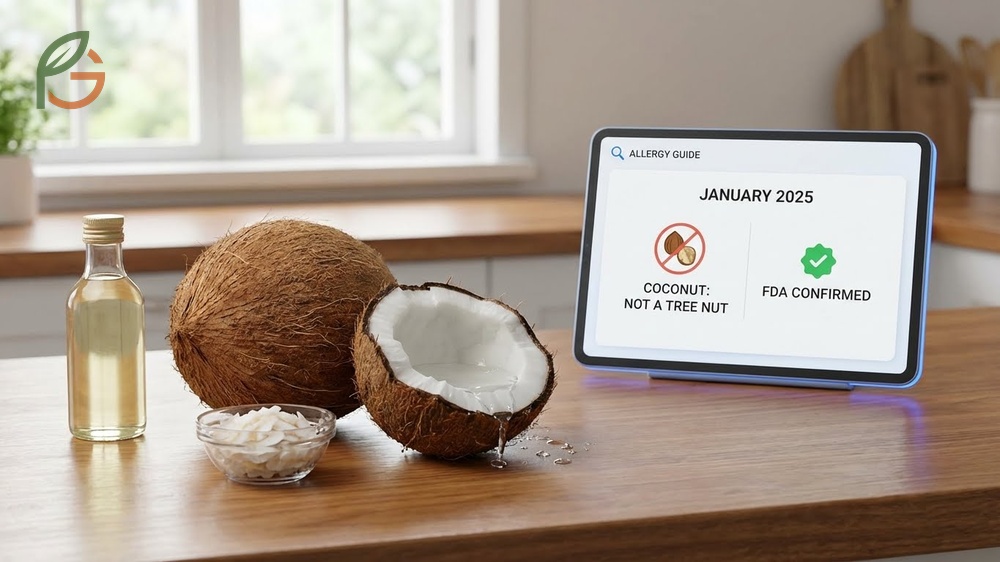
Is coconut a tree nut? No, coconut is botanically classified as a drupe (stone fruit), not a true nut. The FDA confirmed in January 2025 that coconut is no longer recognized as a major tree nut allergen and doesn’t require allergen labeling under federal law.[1] Research shows coconut allergies are significantly rarer than true tree nut allergies, with different protein structures causing reactions. FruitGarden synthesizes current FDA guidance and clinical research to help you understand coconut safety for tree nut-free diets.
Quick Answer
- Coconut is not a tree nut—it’s a drupe (stone fruit) like peaches and olives[2]
- The FDA removed coconut from the major tree nut allergen list in January 2025[3]
- Coconut allergies are rare and don’t typically cross-react with tree nut allergies
- Most people with tree nut allergies can safely consume coconut products
Is Coconut a Tree Nut
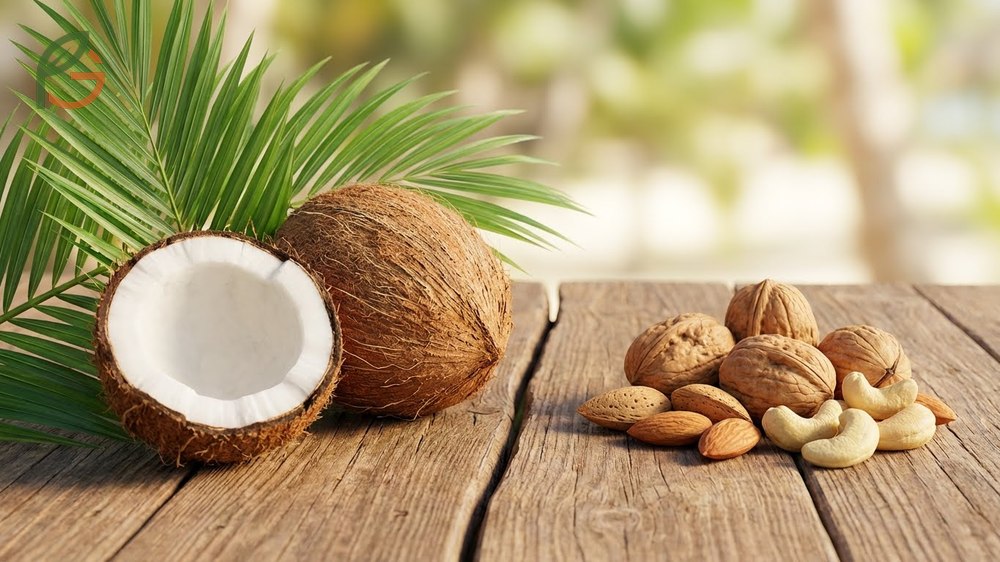
Coconut isn’t a tree nut despite its misleading name. The coconut palm (Cocos nucifera) belongs to the palm family (Arecaceae), which is botanically distinct from true nut-producing trees like walnuts, almonds, and cashews. Most people with tree nut allergies can safely eat coconut without reactions.
The confusion stems from coconut’s hard shell and the word “nut” in its name. Studies show that coconut proteins differ structurally from tree nut allergens, reducing cross-reactivity risks. This distinction matters for people managing food allergies and following tree nut-free diets.
Botanical Classification of Coconut
Botanists classify coconuts as fibrous one-seeded drupes—fruits with three distinct layers surrounding a seed.[2] Drupes include peaches, olives, and mangoes, all of which have an outer skin (exocarp), fleshy middle layer (mesocarp), and hard inner shell (endocarp). The coconut’s hard brown shell that you see at the grocery store is actually the endocarp protecting the seed inside.
True botanical nuts differ from drupes in their structure—they’re hard-shelled fruits that don’t split open at maturity and contain a single seed that’s fused to the fruit wall. Acorns, chestnuts, and hazelnuts fit this definition. Coconuts don’t meet these criteria, making them fundamentally different from true nuts at the cellular level.
FDA 2025 Allergen Classification Update
The FDA’s January 2025 guidance removed coconut from the list of tree nuts requiring allergen labeling under the Food Allergen Labeling and Consumer Protection Act (FALCPA).[1] This change came after research demonstrated coconut’s allergen prevalence and severity are significantly lower than major tree nut allergens. Food manufacturers no longer need to include coconut in “Contains” statements on product labels.
The updated guidance lists exactly nine tree nuts as major allergens: almond, Brazil nut, cashew, hazelnut (filbert), macadamia nut, pecan, pine nut, pistachio, and walnut (including black, California, English, Japanese, and Persian varieties).[3] Coconut doesn’t appear on this list, clarifying its status for manufacturers, healthcare providers, and consumers.
Important Note: Even though coconut isn’t legally classified as a tree nut allergen, individual coconut allergies do exist. If you’ve experienced reactions to coconut products, consult an allergist before consuming them again.
Is Coconut a Tree Nut Allergy
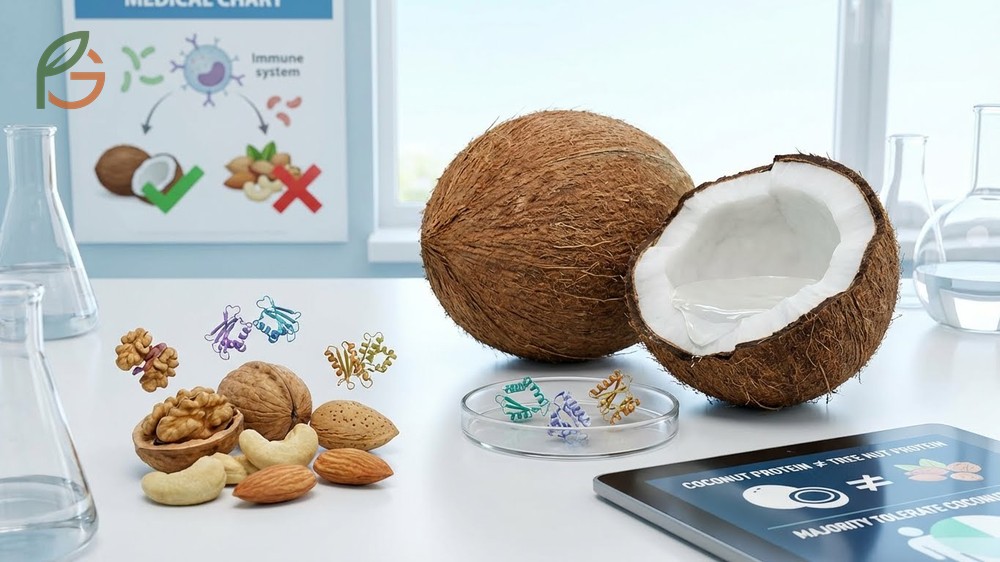
Coconut allergies exist independently from tree nut allergies and affect a small percentage of the population. Research indicates that coconut allergic reactions involve different protein structures than those triggering tree nut allergies. The majority of people with confirmed tree nut allergies tolerate coconut without problems.
Clinical studies examining coconut allergenicity found significantly lower reaction rates compared to major tree nut allergens. The proteins responsible for coconut allergic reactions don’t share the same molecular characteristics as tree nut allergens. This explains why cross-reactivity between coconut and tree nuts is uncommon in most allergy cases.
Cross-Reactivity Between Coconut and Tree Nuts
Cross-reactivity occurs when proteins in different foods share similar structures, causing the immune system to react to both. Coconut proteins rarely cross-react with tree nut proteins due to their distinct molecular structures. Evidence suggests coconut cross-reactivity is more commonly linked to latex allergies than tree nut allergies.
Studies on latex-fruit syndrome show that approximately 30-50% of people with latex allergies experience reactions to certain fruits.[4] Coconut can trigger reactions in latex-allergic individuals because both contain similar chitinase proteins. Research found about 21% of patients with Type I latex allergy also showed coconut sensitivity.[5]
Who Should Avoid Coconut
People with documented coconut allergies must avoid all coconut products regardless of their tree nut allergy status. Those with latex allergies should consider allergy testing before consuming coconut, as cross-reactivity affects up to one in five latex-allergic individuals. Anyone experiencing unexplained reactions after eating tropical fruits should consult an allergist.
Most tree nut-allergic individuals don’t need to avoid coconut unless they’ve had specific reactions to it. Current guidance emphasizes individualized approaches rather than blanket restrictions. An allergist can perform skin prick tests or blood tests to determine if coconut poses a risk for your specific situation.
Coconut Allergy Symptoms
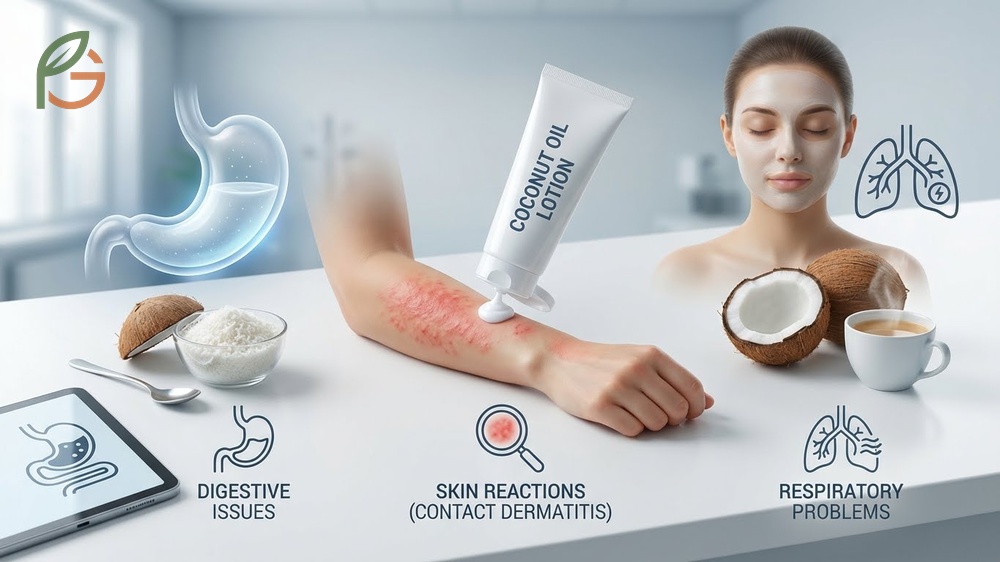
Coconut allergic reactions range from mild to severe, though serious reactions remain rare. Symptoms typically appear within minutes to two hours after consuming or touching coconut products. The severity varies based on individual sensitivity and the amount of exposure.
Common coconut allergy symptoms include digestive issues, skin reactions, and respiratory problems.[6] Contact dermatitis from topical coconut oil products affects people more frequently than ingestion reactions. Understanding these symptoms helps you identify potential coconut allergies early.
- Nausea, vomiting, and abdominal cramping within 30 minutes to 2 hours after consumption
- Diarrhea and digestive discomfort that may last several hours
- Itching or tingling in the mouth, throat, or lips immediately after contact
- Skin rashes, hives, or eczema flare-ups from ingestion or topical application
- Nasal congestion, runny nose, or sneezing when exposed to coconut products
- Difficulty swallowing or tightness in the throat in more severe cases
- Shortness of breath or wheezing, particularly in people with asthma
- Anaphylaxis (extremely rare but life-threatening emergency requiring immediate medical attention)
Warning: Anaphylaxis can cause difficulty breathing, rapid pulse, dizziness, and loss of consciousness. If you experience these symptoms after consuming coconut, call emergency services immediately and use an epinephrine auto-injector if prescribed.
Contact dermatitis from coconut oil appears as localized skin reactions rather than systemic allergic responses. These reactions manifest as red, itchy patches or blisters where coconut oil touched the skin. People sensitive to coconut should patch-test new beauty products containing coconut derivatives before full application.
FDA Coconut Tree Nut Classification
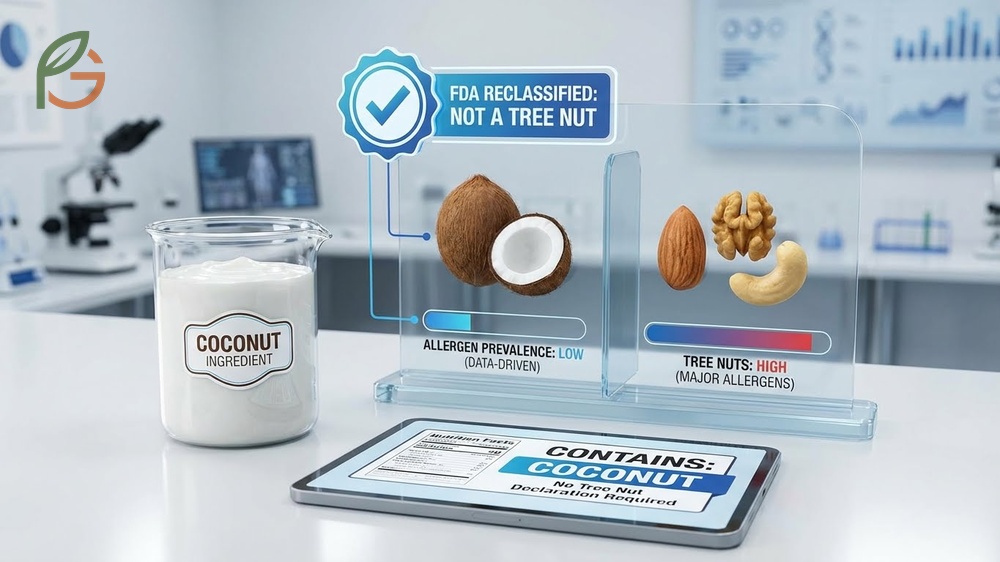
The FDA’s reclassification of coconut emerged from extensive research examining allergen prevalence, severity, and cross-reactivity patterns. Data showed coconut reactions occur far less frequently than reactions to the nine major tree nut allergens. This evidence-based approach ensures food labeling reflects actual allergy risks rather than botanical naming conventions.
Under the updated guidance, manufacturers can use coconut ingredients without declaring them as tree nut allergens on product labels. Products containing coconut won’t include it in “Contains” statements unless the manufacturer voluntarily chooses to mention it. This change reduces confusion for consumers with tree nut allergies who can safely eat coconut.
The FDA’s decision brings U.S. regulations in line with international allergen standards and clinical evidence. Healthcare providers now have clearer guidance when counseling patients about tree nut-free diets. Food manufacturers benefit from reduced regulatory burdens while maintaining consumer safety through accurate labeling.
This table compares FDA classification, botanical category, and allergen labeling requirements for coconut versus true tree nuts
| Characteristic | Coconut | True Tree Nuts |
|---|---|---|
| FDA Classification (2025) | Not a major food allergen[1] | Major food allergen |
| Botanical Category | Drupe (stone fruit)[2] | True nut or drupe (varies) |
| Labeling Required | No | Yes |
| Plant Family | Arecaceae (palm) | Various (Juglandaceae, Betulaceae, etc.) |
| Cross-Reactivity Risk | Low with tree nuts, moderate with latex | High among tree nut family members |
Foods to Avoid with Coconut Allergy
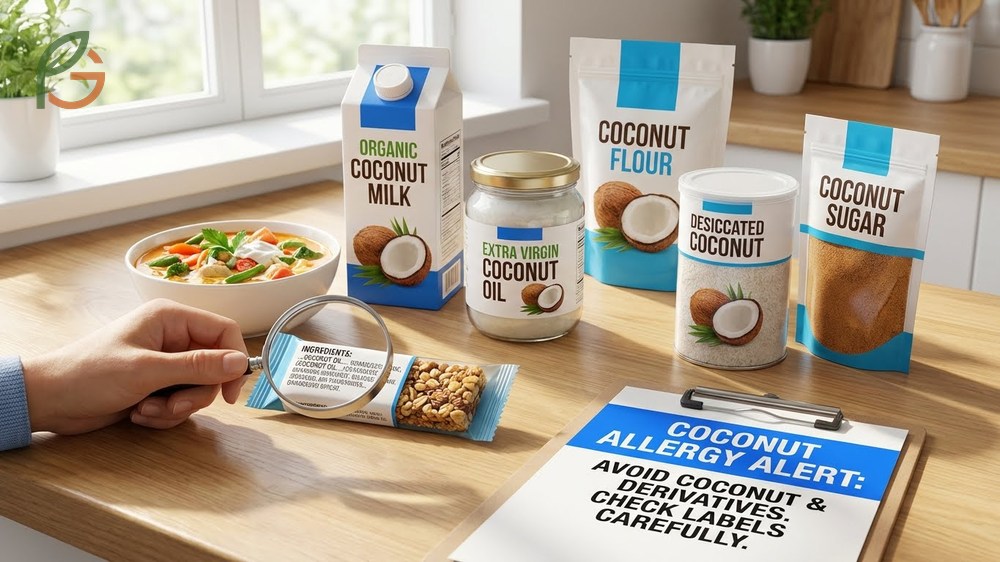
People with confirmed coconut allergies must read ingredient labels carefully, as coconut appears in many processed foods under various names. Coconut derivatives include coconut oil, coconut milk, coconut cream, coconut flour, coconut sugar, and desiccated coconut. Hidden sources make label vigilance essential for avoiding reactions.
Asian, Caribbean, and tropical cuisines frequently use coconut as a staple ingredient in both sweet and savory dishes. Thai curries, Indian chutneys, Hawaiian desserts, and Filipino recipes commonly contain coconut milk or cream. Restaurant dining requires specific questions about coconut content in sauces, marinades, and cooking oils.
- Coconut milk, cream, water, and milk beverages used in smoothies, coffee drinks, and dairy alternatives
- Coconut oil in cooking, baking, beauty products, and processed foods
- Shredded or desiccated coconut in baked goods, granola, trail mix, and candy bars
- Coconut flour used in gluten-free baking and paleo recipes
- Coconut butter, coconut nectar, and coconut sugar as alternative sweeteners
- Asian curries, satay sauces, and laksa soups made with coconut milk bases
- Tropical desserts like coconut macaroons, pina coladas, and coconut cream pie
- Beauty products including shampoos, lotions, soaps, and lip balms with coconut derivatives
Coconut derivatives on ingredient labels include terms like cocos nucifera, coconut alkanes, coconut diethanolamide, and cocamidopropyl betaine. These chemical names indicate coconut-derived ingredients in personal care products. Cross-contamination can occur in facilities processing both coconut and coconut-free products, though this risk varies by manufacturer.
Label Reading Tip: Look for ingredients starting with “coco-” or “coconut” on both food and cosmetic labels. Call manufacturers directly if ingredient sources aren’t clear, as some coconut derivatives have technical names that aren’t immediately recognizable.
Managing Coconut Allergy

Effective coconut allergy management starts with proper diagnosis through skin prick tests or serum-specific IgE blood tests. Allergists can confirm whether your symptoms result from true coconut allergy or other food sensitivities. Accurate diagnosis prevents unnecessary dietary restrictions while ensuring safety.
After diagnosis, create an action plan with your allergist that includes identifying trigger foods, reading labels systematically, and carrying emergency medications if prescribed. Many people with mild coconut allergies can tolerate coconut oil since refining removes most allergenic proteins. Your allergist can help determine which coconut products you should avoid based on your reaction history.
Communicate your coconut allergy clearly when dining out, purchasing packaged foods, or using personal care products. Most restaurants can accommodate coconut-free requests with advance notice. Keep a list of safe alternative ingredients like almond milk, olive oil, or other plant-based options that match coconut’s culinary functions.
Coconut Oil Allergy
Coconut oil allergies typically cause contact dermatitis rather than systemic reactions when applied topically. Symptoms include red, itchy patches, blisters, or eczema-like rashes where coconut oil touched the skin. These localized reactions differ from ingestion allergies, which cause digestive or respiratory symptoms.
Highly refined coconut oil contains fewer proteins than virgin or extra-virgin varieties, potentially reducing allergic reactions in sensitive individuals. Research shows contact dermatitis from coconut oil is more common than severe systemic reactions. Patch testing with a small amount on your inner forearm for 24-48 hours helps identify sensitivity before full application.
Can Nut-Free Schools Have Coconut
Most nut-free schools allow coconut products because coconut isn’t classified as a tree nut allergen. School policies typically restrict peanuts and tree nuts like almonds, cashews, and walnuts while permitting coconut and nutmeg. Individual schools may have specific guidelines based on their student population’s allergy profiles.
Parents should check their school’s specific nut-free policy to confirm coconut’s status. Some schools with students who have documented coconut allergies may restrict it as a precaution. When packing school lunches, products labeled “manufactured in a facility that also uses nuts” are generally acceptable if they don’t contain nuts as ingredients.
Conclusion
The evidence is clear: coconut is not a tree nut, and the FDA’s 2025 guidance confirms it doesn’t require allergen labeling. Coconut’s classification as a drupe makes it botanically and allergologically distinct from true tree nuts, allowing most tree nut-allergic individuals to consume it safely. Current guidance emphasizes individualized allergy management based on testing rather than blanket avoidance.
If you’re managing tree nut allergies or considering coconut products, consult an allergist for personalized advice. FruitGarden continues to monitor FDA updates and clinical research to provide accurate, evidence-based information for safe fruit consumption and allergy management.
Medical Disclaimer
Important Medical Disclaimer: This content is for informational and educational purposes only. It is not intended as a substitute for professional medical advice, diagnosis, or treatment. Always consult a qualified healthcare professional or board-certified allergist before making any changes to your diet, particularly if you have food allergies, latex allergies, or other medical conditions. Never disregard professional medical advice or delay seeking it because of information you read here. If you experience signs of anaphylaxis (difficulty breathing, swelling, rapid pulse), call emergency services immediately.
Frequently Asked Questions
Can you eat coconut if you’re allergic to tree nuts?
Yes, most people with tree nut allergies can safely eat coconut. Research shows coconut proteins differ structurally from tree nut allergens, resulting in minimal cross-reactivity. The FDA confirmed in 2025 that coconut isn’t classified as a tree nut allergen, though individual coconut allergies exist independently. Consult your allergist for personalized guidance if you’re uncertain about coconut safety.
Why did the FDA remove coconut from the tree nut allergen list?
The FDA removed coconut from the tree nut allergen list because extensive research demonstrated that coconut’s allergen prevalence and severity are significantly lower than major tree nut allergens. Studies showed coconut reactions occur rarely compared to almonds, cashews, and walnuts, and coconut proteins don’t share the same molecular characteristics as tree nut allergens. This evidence-based decision aligns U.S. regulations with international standards and clinical data.
What are the symptoms of a coconut allergy?
Coconut allergy symptoms include nausea, vomiting, diarrhea, abdominal cramps, itching in the mouth or throat, skin rashes, hives, and nasal congestion. Contact dermatitis from coconut oil causes localized skin reactions like red, itchy patches or blisters. Severe reactions are rare, but anaphylaxis can occur in extreme cases, causing difficulty breathing, rapid pulse, and dizziness requiring immediate emergency treatment.
Is coconut oil safe if you have a coconut allergy?
Coconut oil safety depends on your allergy severity and the oil’s processing level. Highly refined coconut oil contains fewer proteins than virgin varieties, potentially reducing reactions in some sensitive individuals. However, people with confirmed coconut allergies should avoid all coconut products, including coconut oil, unless their allergist specifically approves refined versions. Patch testing can help determine individual tolerance before full use.
Can children bring coconut products to nut-free schools?
Yes, most nut-free schools allow coconut products because coconut isn’t classified as a tree nut allergen. School policies typically restrict peanuts and true tree nuts like almonds, cashews, and walnuts while permitting coconut and nutmeg. However, individual schools may have specific guidelines if students have documented coconut allergies, so parents should verify their school’s exact policy before packing lunches.
Does coconut cross-react with latex allergies?
Yes, coconut can cross-react with latex allergies due to similar chitinase proteins found in both substances. Research indicates approximately 30-50% of latex-allergic individuals experience reactions to certain fruits, with about 21% showing coconut sensitivity. This latex-fruit syndrome occurs more frequently than coconut-tree nut cross-reactivity. People with latex allergies should consider allergy testing before consuming coconut products.
What foods should you avoid with a coconut allergy?
Avoid coconut milk, coconut cream, coconut water, coconut oil, shredded coconut, coconut flour, coconut sugar, and coconut butter if you have a coconut allergy. Watch for hidden sources in Asian curries, Thai soups, tropical desserts, granola, trail mix, and processed foods. Beauty products like shampoos, lotions, and lip balms also contain coconut derivatives. Read labels carefully for ingredients starting with “coco-” or technical names like cocamidopropyl betaine.