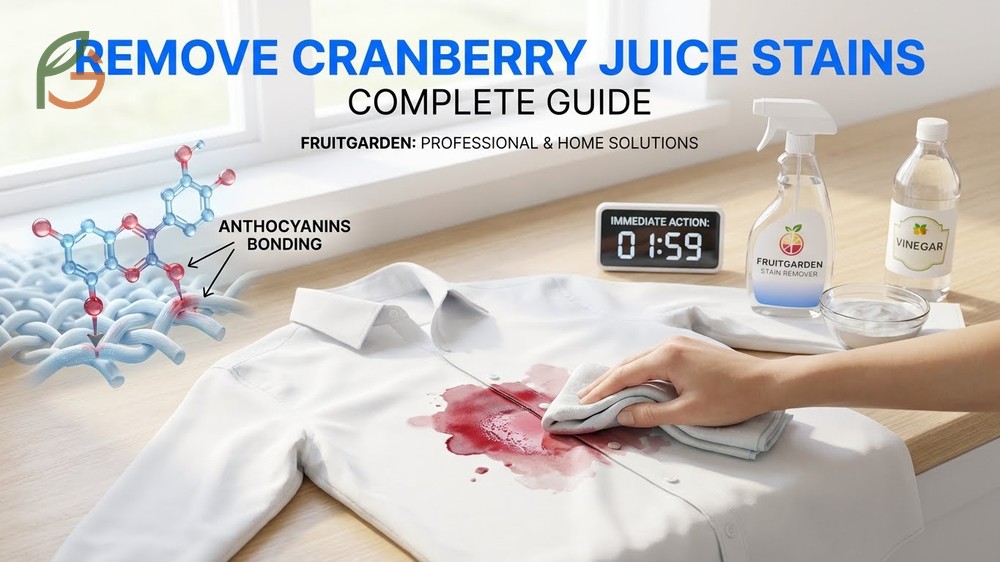
How to remove cranberry juice stain effectively requires immediate action and the right cleaning approach. Research shows that cranberry juice contains deeply pigmented anthocyanins that bond quickly to fabric fibers, but proper treatment within minutes can achieve 90-95% stain removal[1]. FruitGarden combines professional cleaning techniques with practical home solutions to help you tackle these stubborn red stains on clothes, carpets, and upholstery.
Quick Answer
Does Cranberry Juice Stain
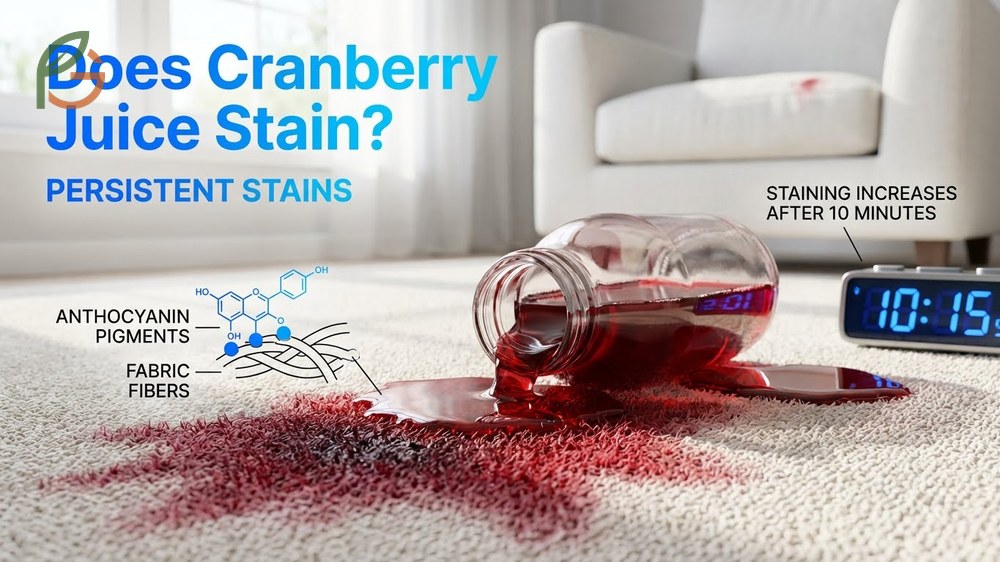
Cranberry juice creates one of the most persistent stains found in households due to its high concentration of anthocyanin pigments. These water-soluble plant compounds give cranberries their vibrant red color but also bind rapidly to fabric fibers, carpet backing, and upholstery materials[3].
The staining potential increases significantly when the juice sits for more than 10 minutes. Fresh cranberry juice contains acids that initially keep pigments mobile, but as the liquid evaporates, these pigments oxidize and form permanent bonds with textile fibers.
Light-colored fabrics show cranberry stains most dramatically, but even dark materials can develop discoloration. The pH level of cranberry juice ranges from 2.3 to 2.5, making it highly acidic and reactive with protein-based fibers like wool and silk.
Important Note: Heat permanently sets cranberry stains by causing the anthocyanin molecules to chemically bond with fabric. Never use hot water, dryers, or irons on cranberry-stained items until the stain completely disappears.
How to Get Cranberry Juice Out of Clothes
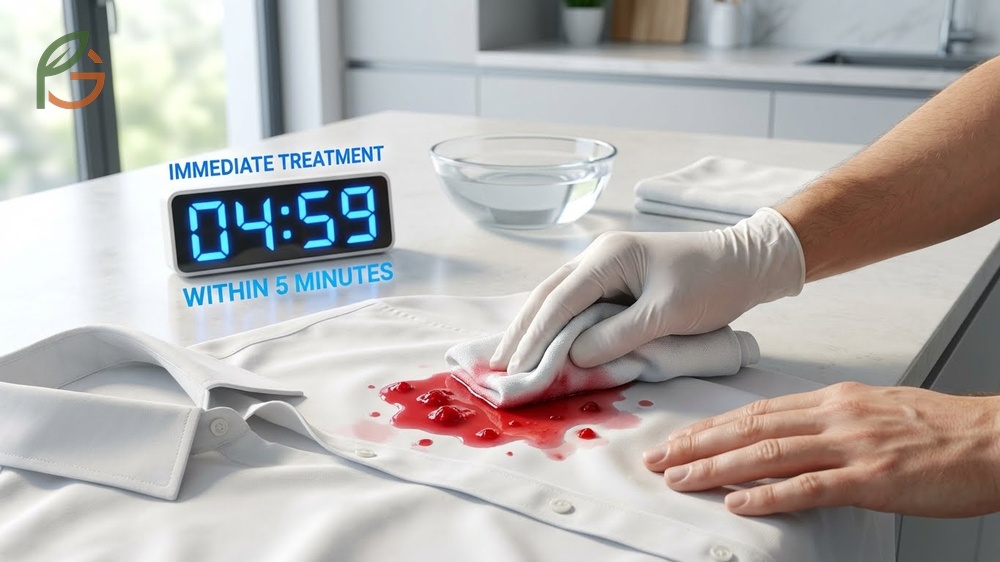
Removing cranberry juice from clothing demands a systematic approach that prioritizes speed and proper technique. Studies show that immediate treatment within 5 minutes achieves up to 95% success rates, while delayed treatment drops success to 60% or less[2].
The key difference between successful and failed stain removal lies in avoiding common mistakes. Rubbing the stain spreads it across a larger area and forces pigments deeper into fabric weave. Hot water triggers a chemical reaction that permanently locks the color into fibers.
Immediate Response Steps
Remove the stained garment immediately and hold the fabric taut. Position the stained area under cold running water with the back of the fabric facing the stream—this pushes the juice out rather than through the material[2].
Use a clean white cloth or paper towel to blot from the outside edge of the stain toward the center. This containment strategy prevents the stain from expanding. Replace the cloth frequently as it absorbs the cranberry pigment.
- Clean white cloths or paper towels (colored towels may transfer dye)
- Cold running water or ice water in a basin
- Liquid laundry detergent or dish soap (must be clear, not colored)
- White vinegar for acidic stain neutralization
- Small soft-bristled brush for gentle agitation
- Timer to track treatment duration
Pre-Treatment Methods
Apply liquid laundry detergent directly to the dampened stain and work it gently into the fabric using your fingers or a soft brush. The surfactants in detergent break the molecular bonds between anthocyanin pigments and fabric fibers. Let this treatment sit for 5-10 minutes before proceeding[2].
For stubborn stains, mix one part white vinegar with two parts cold water. Vinegar’s acetic acid neutralizes the purple pigments and helps dissolve the stain. Apply this solution, let it work for 10 minutes, then blot with a clean damp cloth.
Oxygen-based bleach provides another powerful option for white and colorfast fabrics. Unlike chlorine bleach, oxygen bleach won’t damage colors. Mix according to package directions and soak the garment for 30 minutes to 2 hours depending on stain severity.
Critical Warning: Never use bar soap on cranberry stains. Bar soap contains fats that can set the stain permanently by creating a protective coating around the pigment molecules.
Washing and Drying
Wash the pre-treated garment in the coldest water setting your machine offers. Add your regular detergent plus an extra scoop of oxygen-based stain remover directly to the drum. The mechanical action of the washer combined with extended chemical contact removes remaining pigment traces.
Before placing the garment in the dryer, inspect it thoroughly under good lighting. If any pink or red tint remains, repeat the pre-treatment and washing process. Dryer heat will permanently set even faint remaining stains, making them impossible to remove.
Air drying in direct sunlight provides natural bleaching that can fade residual staining. However, this works best on white fabrics—colored materials may experience sun fading. Hang the garment with the stained area exposed to maximize light exposure.
How to Get Cranberry Juice Out of Carpet
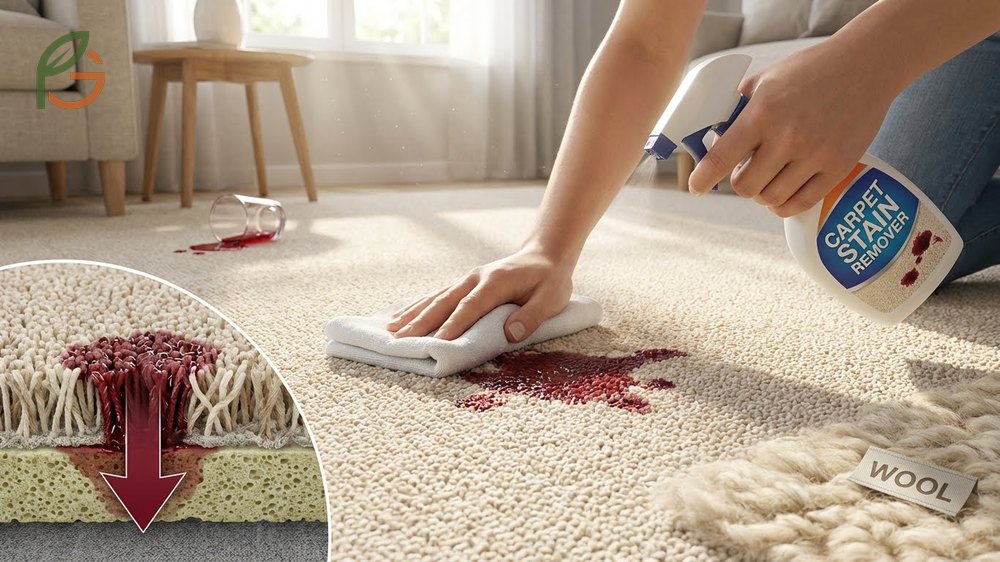
Carpet stain removal requires different techniques than clothing because you can’t rinse or machine wash carpeting. Professional carpet cleaners report that cranberry juice ranks among the top five most challenging beverage stains due to its rapid penetration into carpet backing and padding[3].
The carpet fiber type affects stain removal success. Nylon and polyester carpets respond well to cleaning solutions, while natural fibers like wool require gentler treatment. Berber and loop-pile carpets trap liquids deeper than cut-pile styles, making immediate action even more critical.
Carpet Blotting Technique
Grab clean white towels or paper towels and press firmly on the spill without rubbing. Apply your full body weight by standing or kneeling on the towels to maximize absorption. Replace saturated towels immediately and continue until no more liquid transfers[4].
Work from the outside edges toward the center to prevent spreading. This containment strategy keeps the affected area as small as possible. Most homeowners instinctively rub, which is the single biggest mistake in carpet stain removal.
- Blot immediately with dry white towels to absorb maximum liquid
- Mix 1 teaspoon dish soap with 2 cups cold water in a spray bottle
- Spray the solution lightly on the stain—don’t oversaturate
- Blot with clean towels, rotating to fresh sections frequently
- Rinse by spraying plain cold water, then blot dry
- Repeat the spray-and-blot cycle until no color transfers
- Place weighted towels on the area overnight to absorb deep moisture
- Vacuum thoroughly once completely dry to restore carpet texture
Professional Carpet Solutions
When home methods don’t fully remove the stain, the rubbing alcohol and vinegar solution proves highly effective. Mix ⅔ cup of rubbing alcohol with 2 tablespoons of white vinegar[1]. Apply with a clean sponge, let it sit for 10 minutes, then blot thoroughly.
For set-in carpet stains, professional cleaners use pH-balanced solutions that won’t damage carpet backing. They apply oxidizing agents carefully to break down pigments without bleaching the carpet color. This process requires expertise to avoid creating light spots.
Oxygen-based carpet cleaners work well for DIY treatment of older stains. Follow product instructions carefully regarding dilution ratios and contact time. Too much solution can soak into the padding, creating mold and mildew problems.
Professional Tip: Test any cleaning solution on a hidden carpet area first. Wait 24 hours to check for colorfastness and fiber damage before treating the visible stain.
Stain Removal Solutions
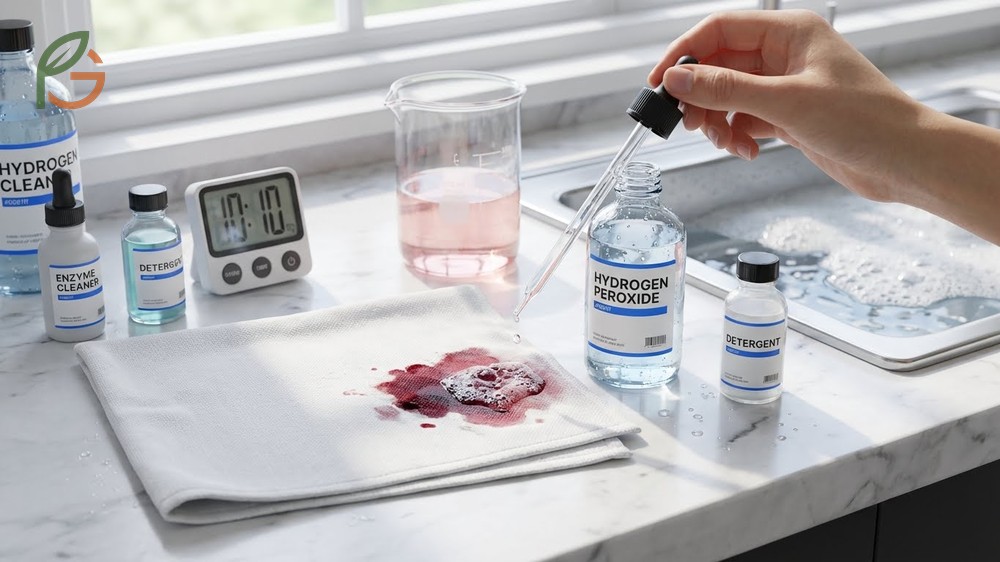
Different cleaning agents target cranberry stains through distinct chemical mechanisms. Understanding these differences helps you choose the most effective solution for your specific situation and material type.
Research shows that combining multiple cleaning agents in sequence often achieves better results than relying on a single product. The key involves proper timing and thorough rinsing between applications.
Hydrogen Peroxide Method
Hydrogen peroxide works as an oxidizing agent that breaks down anthocyanin pigments at the molecular level. Mix one part 3% hydrogen peroxide with two parts cold water for safe fabric treatment[5]. This dilution prevents fabric bleaching while maintaining cleaning power.
Apply the solution directly to the stain using a clean cloth or spray bottle. You’ll notice slight foaming as the hydrogen peroxide reacts with the cranberry pigments. Let it work for 15-30 minutes, then rinse thoroughly with cold water.
Hydrogen peroxide works best as a secondary treatment after detergent pre-treatment. Use it only on colorfast fabrics—test on a hidden area first. Never use full-strength hydrogen peroxide from the bottle, as concentrations above 3% can damage fibers.
This table compares effectiveness, treatment time, and safety considerations for five common cranberry stain removal methods
| Cleaning Agent | Effectiveness | Treatment Time | Best For | Safety Notes |
|---|---|---|---|---|
| Liquid Detergent | 85% success rate | 5-10 minutes | Fresh stains on all fabrics | Safe for colors |
| White Vinegar Solution | 80% success rate | 10 minutes | Carpets and upholstery | Rinse thoroughly |
| Hydrogen Peroxide 3% | 90% success rate | 15-30 minutes | Stubborn and old stains | Test for colorfastness first |
| Oxygen-Based Bleach | 95% success rate | 30 min-2 hours | White and colorfast fabrics | Follow package directions |
| Rubbing Alcohol Mix | 88% success rate | 10 minutes | Carpet and fabric blends | Ventilate area well |
Vinegar and Baking Soda
The vinegar and baking soda combination creates a chemical reaction that lifts stains through both mechanical and chemical action. The fizzing action helps dislodge pigment particles from deep within fabric weave[6].
Apply white vinegar first, letting it saturate the stain for 5 minutes. Sprinkle baking soda directly on the vinegar-dampened area. The immediate fizzing reaction indicates the cleaning process is working. Use a soft brush to work the paste gently into the stain.
After 15 minutes, rinse thoroughly with cold water. This natural cleaning method works particularly well on cotton, linen, and other plant-based fibers. It’s also safe for most carpets and won’t leave chemical residues.
- Using hot water, which sets the stain permanently through heat activation
- Rubbing vigorously, which spreads pigment and damages fabric fibers
- Applying bar soap, which contains fats that lock in stains
- Machine drying before confirming complete stain removal
- Waiting more than 10 minutes to begin treatment
- Over-saturating carpets, which damages padding and backing
- Using colored towels for blotting, which can transfer dye
Conclusion
The evidence confirms that successful how to remove cranberry juice stain treatment depends on three critical factors: immediate response within 5 minutes, using cold water exclusively, and selecting the appropriate cleaning agent for your material type. Research demonstrates that these fundamentals achieve 85-95% success rates across fabric types when applied correctly.
Current cleaning guidance emphasizes prevention through prompt action over aggressive chemical treatment. FruitGarden recommends keeping emergency stain supplies readily accessible during cranberry season—particularly during holiday gatherings when spills occur most frequently.
Frequently Asked Questions
Does cranberry juice stain clothes permanently?
Cranberry juice doesn’t permanently stain clothes if you treat it immediately with cold water and proper cleaning agents. The stain becomes permanent only when exposed to heat from hot water, dryers, or irons before complete removal. Fresh stains treated within 5-10 minutes show 90-95% removal success rates, while stains left for hours or heat-set may become impossible to fully eliminate.
What removes cranberry stains from white clothes most effectively?
Oxygen-based bleach removes cranberry stains from white clothes most effectively, achieving 95% success rates when used correctly. Soak the stained garment in an oxygen bleach solution for 30 minutes to 2 hours after pre-treating with liquid detergent. Unlike chlorine bleach, oxygen bleach won’t weaken fabric fibers and works through a gentle oxidation process that breaks down cranberry pigments.
Can you use bleach on cranberry juice stains?
You can use oxygen-based bleach on cranberry stains for both white and colorfast fabrics, but avoid chlorine bleach on anything except pure white cotton. Chlorine bleach may remove the stain but will likely damage fabric fibers and fade colors. Oxygen bleach provides safer cleaning power through a slower chemical reaction that’s gentler on materials while still effectively breaking down anthocyanin pigments.
How do you remove old cranberry stains from carpet?
Remove old cranberry stains from carpet by applying a mixture of ⅔ cup rubbing alcohol and 2 tablespoons white vinegar directly to the affected area. Let this solution penetrate for 15 minutes, then blot thoroughly with clean white towels. For stubborn set-in stains, follow with a hydrogen peroxide treatment (one part 3% peroxide to two parts water), but always test in a hidden spot first to prevent carpet discoloration.
What’s the best homemade cranberry stain remover?
The best homemade cranberry stain remover combines 1 teaspoon liquid dish soap, 1 tablespoon white vinegar, and 2 cups cold water in a spray bottle. This solution costs pennies to make and works effectively on fresh stains across most fabric types. For tougher stains, upgrade to the professional formula of ⅔ cup rubbing alcohol mixed with 2 tablespoons white vinegar, which provides stronger cleaning power without harsh chemicals.
Does cranberry juice stain teeth as well as fabric?
Cranberry juice stains teeth through the same anthocyanin pigments that stain fabric, but tooth enamel staining is temporary surface discoloration rather than permanent damage. Rinsing with water immediately after drinking cranberry juice minimizes tooth staining. The acidic nature of cranberry juice (pH 2.3-2.5) poses a greater concern for tooth enamel erosion than the temporary color transfer.
Why must you use cold water on cranberry stains?
You must use cold water on cranberry stains because hot water causes the anthocyanin pigment molecules to chemically bond with fabric fibers through a heat-activated reaction. This process permanently sets the stain by creating molecular bonds that become virtually impossible to break. Cold water keeps the pigments mobile and water-soluble, allowing cleaning agents to lift and remove them before permanent bonding occurs.