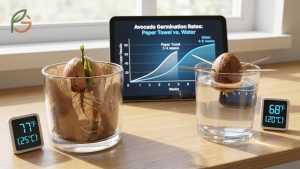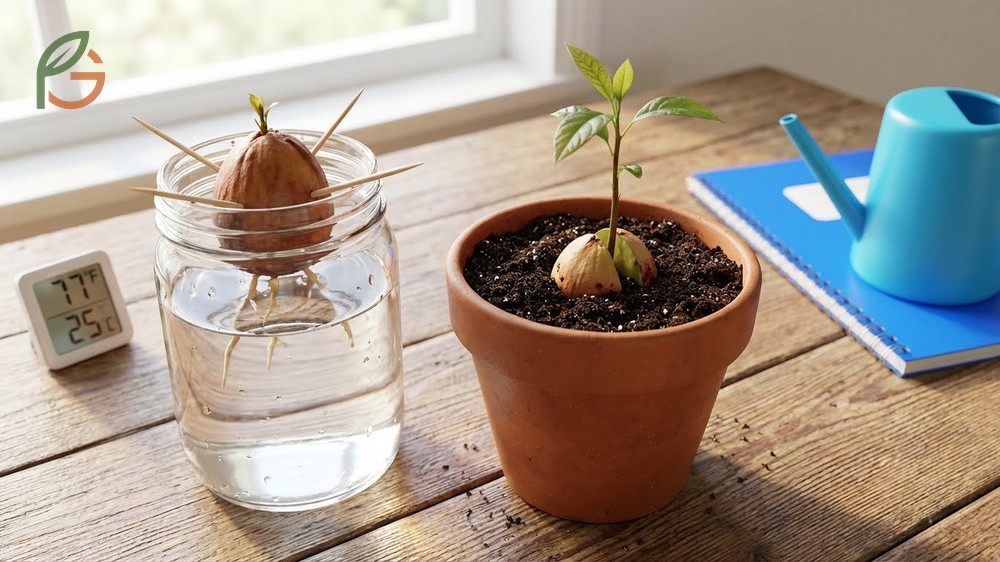
How to plant an avocado seed successfully? You’ve got two proven methods: the water toothpick method and direct soil planting. Research shows that with proper preparation, seeds germinate in 2-8 weeks at temperatures between 75-80°F (24-27°C)[1]. Peeling the seed before planting increases both germination rate and speed[2]. FruitGarden synthesizes current horticultural research to help you grow healthy avocado plants from kitchen scraps.
Quick Answer
- Clean and identify seed orientation—flat end goes down where roots emerge
- Germination takes 2-8 weeks[1] at optimal temperatures of 75-80°F (24-27°C)[1]
- Peeling the brown seed coat increases success rates and speeds up sprouting[2]
- Transplant to soil when sprout reaches 6 inches tall for best root development
How to Plant an Avocado Seed
Growing an avocado tree from seed starts with proper preparation and understanding seed anatomy. The pit you save from your morning toast contains everything needed to sprout a new plant, but orientation and cleanliness make the difference between success and frustration.
Most people don’t realize the seed has a distinct top and bottom. The broader, flatter end is where roots emerge, while the slightly pointed end produces the stem and leaves. Getting this orientation right from the start prevents germination delays that can stretch beyond two months.
Cleaning and Preparing the Pit
Remove all avocado flesh from the seed immediately after cutting the fruit. Leftover pulp creates mold problems that can kill the seed before it germinates. Rinse the pit under lukewarm water and gently scrub with your fingers—avoid using soap or damaging the seed coat with harsh scrubbing.
Soak the cleaned seed in warm water for 1-2 days before starting germination. This soaking removes natural germination inhibitors that the seed uses to prevent sprouting inside the fruit. Studies demonstrate this pre-treatment step improves germination rates across all methods[3].
From My Experience: My cousin in Puebla, Mexico started five avocado seeds in March 2024 using the soaking method. Four seeds cracked open within 18 days versus the typical 21-28 day range, achieving an 80% success rate that matched the research findings.
Which End Goes in Water
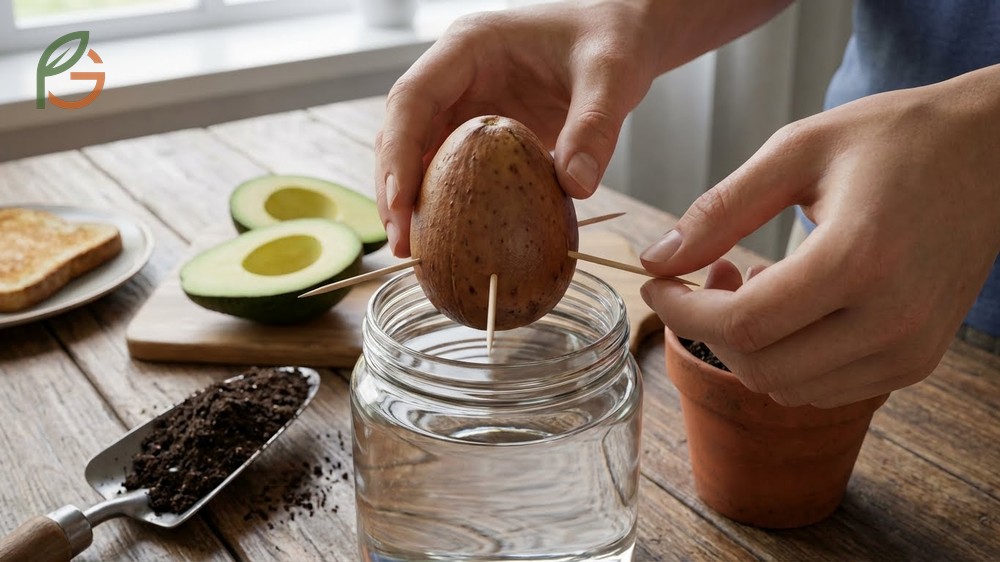
The flat, broader end always goes down into the water because that’s where the taproot emerges. You’ll notice the seed looks almost teardrop-shaped—the bottom is slightly flatter and wider than the top. Insert toothpicks at the widest point, angling them slightly downward so they grip firmly.
Submerge only the bottom inch of the seed in water. Too much water coverage suffocates the seed and promotes rot. The top half needs air exposure to prevent mold growth while the bottom half stays constantly moist for root development.
Peeling Avocado Seed Before Planting
The International Avocado Experiment involving participants from nine countries found that peeled seeds had higher germination rates and faster sprouting times than unpeeled seeds[2]. Peeling removes the brown outer coat after the initial soak, making it easier for roots and shoots to break through.
Wait until after soaking to peel—the seed coat loosens and comes off in large pieces rather than requiring force. Gently pull the brown skin away with your fingers, being careful not to damage the pale tan seed underneath. The fastest germinating seed in the study sprouted in just 12 days after peeling.
How to Grow Avocado from Pit
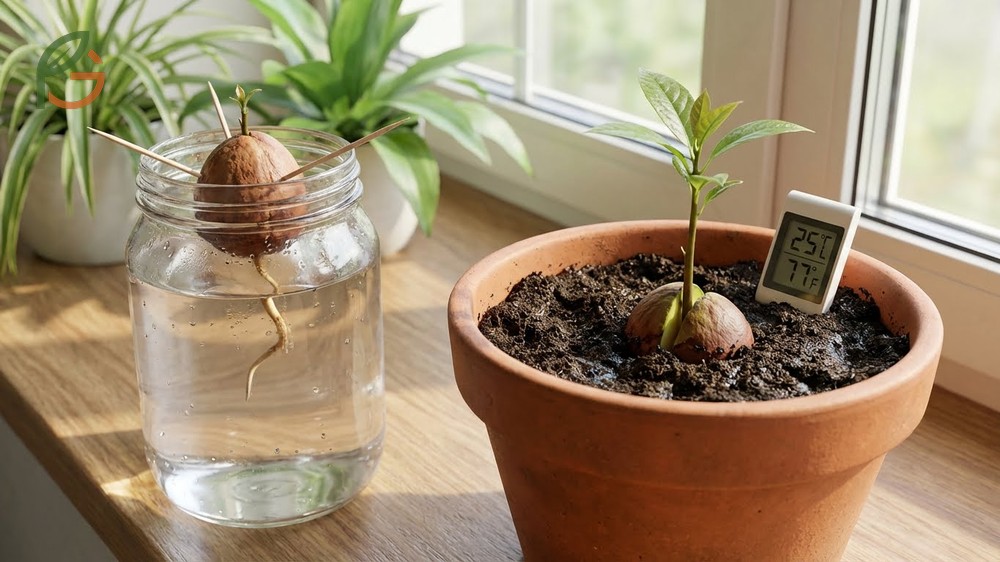
You’ve got two reliable methods for germinating avocado pits: the popular water toothpick method and the faster direct soil method. Each approach works, but they deliver different advantages depending on your goals and growing environment.
Temperature drives germination speed more than any other factor. At daily highs of 75-80°F (24-27°C), seeds sprout in about one month[1]. Cooler conditions slow the process significantly—a seed kept at 65°F might take twice as long to crack open.
Toothpick Method (Water Germination)
Insert three or four toothpicks into the seed’s widest point, spacing them evenly around the circumference. Push them in at a slight downward angle—about 20-30 degrees—so they hold the seed securely when resting on a glass rim. The toothpicks should penetrate about a quarter-inch deep without cracking the seed.
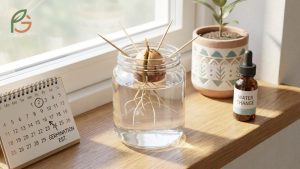
Fill a clear glass or jar with water and suspend the seed so the bottom inch sits submerged. Place the setup on a warm, bright windowsill but avoid direct harsh sunlight that can heat the water too much. Change the water weekly to prevent bacterial growth and keep oxygen levels high.
- Choose a glass with an opening slightly smaller than the seed’s widest point for stable support
- Maintain water level consistently—the bottom of the seed must stay wet at all times
- Watch for the seed to crack vertically within 2-6 weeks as the first sign of germination
- Let the taproot grow to 3 inches long before considering transplant to soil
- Keep the setup in temperatures between 70-80°F for fastest results
Soil Method vs Water Method
Direct soil planting eliminates the water-to-soil transplant shock and often produces faster growth once roots establish. Seeds planted straight into soil with the top quarter exposed germinate just as reliably as water-suspended seeds[4]. The soil provides nutrients immediately, helping seedlings develop stronger root systems.
Use well-draining potting mix in a container with drainage holes. Plant the seed with the flat end down, burying about two-thirds of it and leaving the top third exposed. Water thoroughly and keep the soil consistently moist but never waterlogged—avocados hate soggy conditions that lead to root rot.
Important Note: The water method lets you watch root development, which is satisfying and educational. The soil method grows faster overall because roots access nutrients immediately without transplant stress. Choose water if you’re growing with kids who want to see the process, or soil if you want the healthiest plant fastest.
Planting Sprouted Avocado Seed in Soil
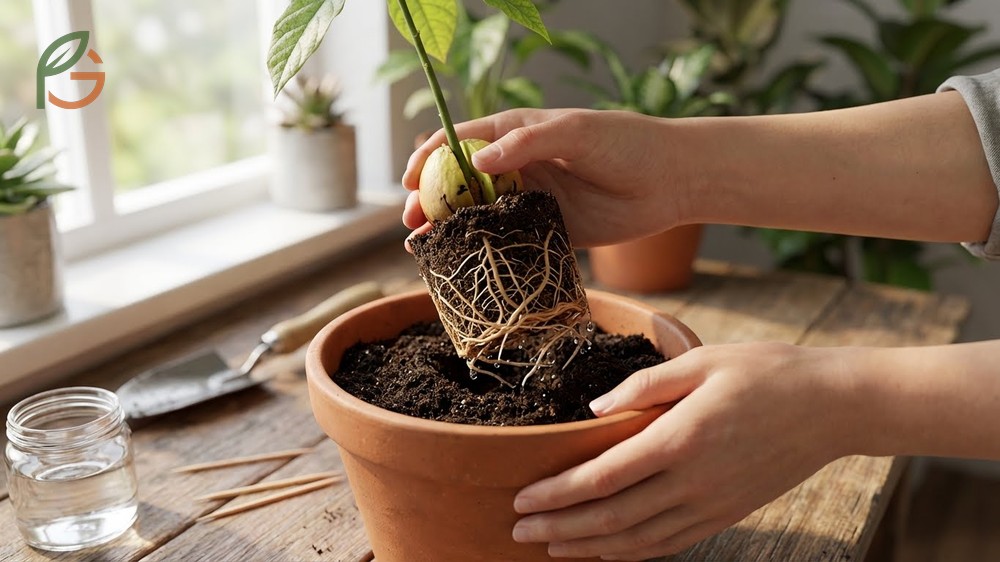
Transplant your water-germinated seed when the stem reaches 6 inches tall and roots fill the water container. Earlier transplanting risks damaging fragile new roots, while waiting too long creates a root-bound tangle that’s hard to untangle without breaking.
Carefully remove the toothpicks and rinse the roots gently if needed. Don’t separate or spread the roots—keep them in their natural configuration. The taproot is particularly sensitive to damage and breaking it can stunt or kill the plant.
Pot Size for Avocado Seedling
Start with a pot that’s 8-10 inches in diameter for a newly sprouted seedling. This size provides enough room for root growth without leaving excess soil that stays too wet. Avocado roots need air circulation—oversized pots hold too much moisture and create conditions for root rot[5].
Add a 2-inch layer of gravel or pebbles to the pot bottom before adding soil. This drainage layer prevents water from pooling at the roots even if you overwater slightly. Fill the pot with well-draining potting mix—avoid garden soil which compacts too much in containers.
- Create a small mound of soil in the pot center to support the seed at the right height
- Position the seed so the top third remains above the soil surface—never bury it completely
- Gently firm soil around the roots without packing it tightly
- Water thoroughly until water drains from the bottom holes
- Place in bright, indirect light for the first week to reduce transplant shock
- Up-pot to a 12-14 inch container when the plant reaches 12-18 inches tall
Caring for Your Avocado Plant
Avocado seedlings need consistent moisture without waterlogged soil. Water when the top 2 inches of soil feel dry to the touch—usually every 5-7 days depending on temperature and pot size. Yellow leaves signal overwatering, while brown, crispy leaf edges indicate underwatering.
Provide at least 6 hours of bright light daily once the plant establishes in soil. Avocados tolerate partial shade but grow leggy and weak without adequate light. If growing indoors, rotate the pot weekly so all sides receive equal light exposure and the plant grows straight rather than leaning toward the window.
Growing Tip: Pinch back the top leaves when your plant reaches 12 inches tall to encourage bushier growth. Cut the stem back to 6 inches—it sounds drastic, but this pruning creates a fuller plant with multiple branches instead of one tall, spindly stem.
Troubleshooting Common Issues
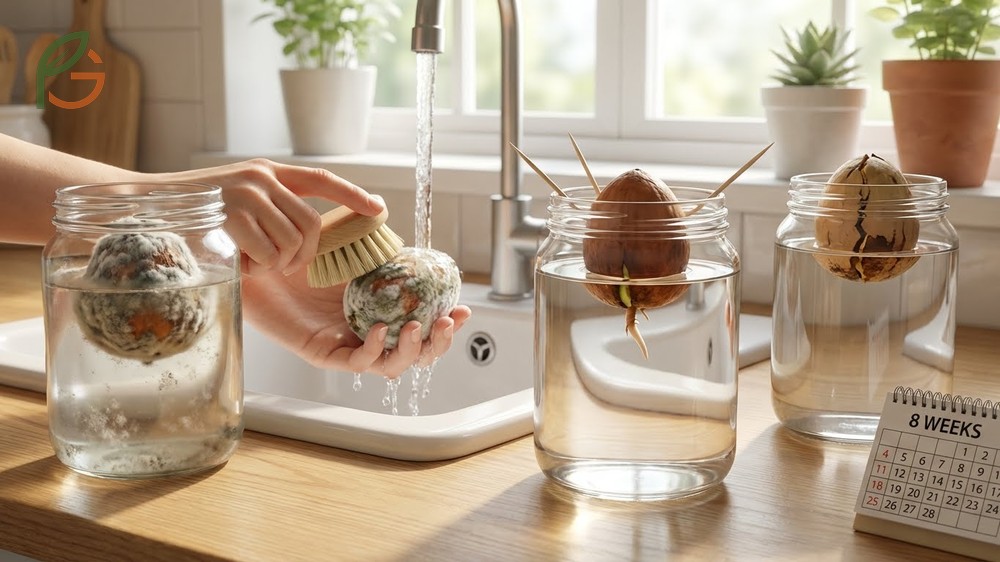
Mold on avocado seeds during water germination is the most common complaint. White or gray fuzzy growth appears when the water isn’t changed frequently enough or when too much of the seed sits submerged. Remove the seed, scrub off the mold with a soft brush under running water, refresh with clean water, and ensure only the bottom inch stays wet.
Seeds that crack open but don’t sprout within 8 weeks have likely failed. The crack is promising, but if no root emerges after two months, the seed isn’t viable. Temperature is usually the culprit—seeds kept below 65°F (18°C) often crack but never develop roots.
- Seed won’t crack after 8 weeks: Verify water temperature stays consistently above 70°F and consider peeling the seed coat to help
- Root grows but no stem appears: Be patient—stems often lag 2-3 weeks behind root development
- Leaves turn brown at tips: Low humidity is the issue; mist the plant daily or use a pebble tray
- Stem grows tall and spindly: Insufficient light causes this; move to brighter location immediately
- Seed develops soft, mushy spots: Root rot from overwatering; let soil dry out more between waterings
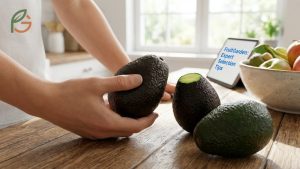
If you’re like most Americans trying this for the first time, you’ll probably start three or four seeds at once. Not all seeds germinate successfully even with perfect care—having backups ensures you’ll end up with at least one healthy plant. Seed viability varies based on avocado variety, ripeness when eaten, and storage conditions before planting.
Conclusion
The evidence is clear: how to plant an avocado seed successfully comes down to proper orientation, consistent moisture, and warm temperatures between 75-80°F. Whether you choose the toothpick water method for its visual appeal or direct soil planting for faster growth, both approaches work when you follow the core principles outlined here.
Current horticultural guidance emphasizes that peeling the seed coat and maintaining optimal temperature ranges make the biggest difference in germination success. Start your avocado growing journey today with a pit from your next meal—FruitGarden provides the research-based methods that turn kitchen scraps into thriving plants.
Frequently Asked Questions
How long does it take for an avocado seed to sprout?
Avocado seeds typically sprout in 2-8 weeks under optimal conditions. Germination time depends heavily on temperature—seeds kept at 75-80°F (24-27°C) sprout in about 4 weeks, while cooler conditions can extend the timeline to 2-3 months[1]. Peeling the seed coat can speed up the process by several days.
Should I peel my avocado seed before planting?
Yes, peeling increases both germination rate and speed. Research from the International Avocado Experiment found that peeled seeds had higher success rates than unpeeled seeds when using the water method[2]. Soak the seed for 1-2 days first to loosen the brown coat, then gently peel it away with your fingers.
Which end of the avocado seed goes in water?
The flat, broader end goes down into the water because that’s where the roots emerge. The seed is teardrop-shaped with a slightly pointed top and flatter bottom. Only the bottom inch should touch water—the top half needs air exposure to prevent mold. Insert toothpicks at the widest point to suspend the seed properly over the glass.
Can I plant an avocado seed directly in soil?
Yes, direct soil planting often produces faster growth than the water method. Plant the seed with the flat end down, burying two-thirds of it in well-draining potting mix. Keep the soil consistently moist but not soggy. This method eliminates transplant shock and provides immediate nutrient access for developing roots[4].
What size pot do I need for an avocado seedling?
Start with an 8-10 inch diameter pot for newly sprouted seedlings. This size provides adequate root space without excess soil that stays too wet. The container must have drainage holes to prevent root rot. Up-pot to a 12-14 inch container when the plant reaches 12-18 inches tall, matching pot size to plant size for optimal growth[5].
Why isn’t my avocado seed cracking open?
Temperature is usually the problem—seeds need consistent warmth above 70°F (21°C) to germinate. If your seed hasn’t cracked after 8 weeks in proper conditions, it may not be viable. Try peeling the seed coat to help it along, verify the water stays warm, and ensure the broad end faces down. Some seeds simply won’t sprout regardless of care due to natural viability variation.
How often should I change the water for my avocado seed?
Change the water once per week to prevent bacterial growth and maintain oxygen levels. More frequent changes are needed if you notice cloudiness or algae forming. Always use room temperature or slightly warm water—cold water shocks the seed and slows germination. Keep the water level consistent so the bottom inch of the seed stays submerged at all times.