How to make cranberry sauce? Studies show that the best homemade cranberry sauce requires just three ingredients: fresh cranberries, sugar, and liquid. You’ll simmer them together for 10-15 minutes until the berries burst and the sauce thickens naturally[1]. FruitGarden combines traditional cooking methods with current fruit preparation research to help home cooks master seasonal recipes.
Quick Answer
- Cook 12oz fresh cranberries with 1 cup sugar and ½ cup orange juice[2]
- Simmer for 10-15 minutes until berries pop and sauce thickens[1]
- Fresh cranberries contain 46 calories per cup and 4g fiber[3]
- Store finished sauce in the refrigerator for up to 10 days or freeze for 3 months[4]
How to Make Cranberry Sauce
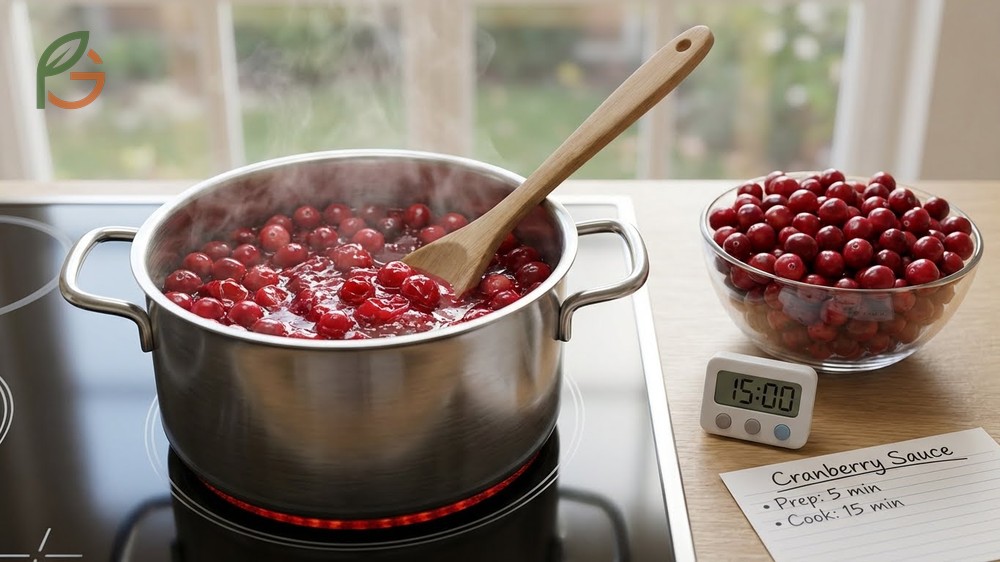
Fresh cranberries transform into perfect sauce through a simple cooking process that doesn’t require special equipment. Research shows that cranberries naturally contain pectin, which helps the sauce thicken without added ingredients[1]. The berries burst when they reach the right temperature, releasing this natural thickener.
Most people don’t realize that homemade cranberry sauce takes less time than baking cookies. You’ll spend about 5 minutes on prep and 15 minutes watching the pot[1]. The entire process fits easily into your Thanksgiving morning schedule.
From My Experience: My cousin in Guadalajara, Mexico makes cranberry sauce every December for her holiday gatherings. She uses locally-grown citrus from her backyard instead of store-bought orange juice, which adds a brighter, more complex flavor to the finished sauce.
Ingredients Needed
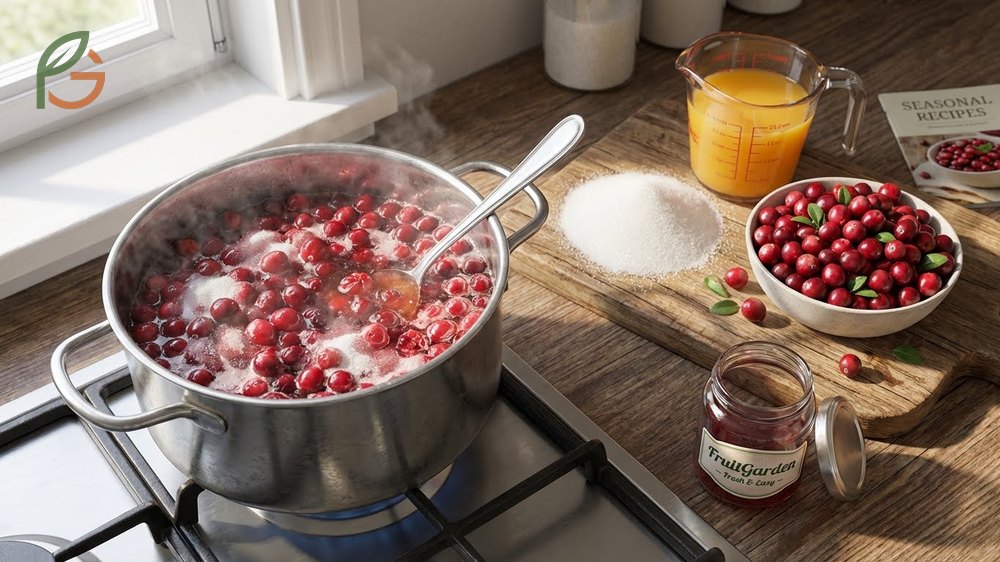
The classic cranberry sauce recipe requires just a few ingredients you can find at any grocery store. Fresh cranberries come in 12-ounce bags, which makes one batch of sauce[2]. This yields about 2 cups of finished sauce.
- 12 ounces fresh cranberries (one standard bag)
- 1 cup granulated sugar
- ½ cup fresh orange juice
- ½ cup water
- ¼ teaspoon ground cinnamon (optional)
- Zest from one orange (optional for extra flavor)
Important Note: Don’t rinse cranberries until you’re ready to cook them. They’ll stay fresh longer if you keep them dry in the refrigerator.
Step-by-Step Instructions
Start by combining sugar, water, and orange juice in a medium saucepan over medium-high heat. Stir the mixture until the sugar completely dissolves, which takes about 2-3 minutes[2]. This creates your cooking liquid.
Add rinsed cranberries to the boiling liquid and reduce heat to a simmer. You’ll hear popping sounds as the berries burst open, which means they’re releasing their natural pectin. Cook for 10-15 minutes, stirring occasionally to prevent sticking[1].
Remove the pan from heat once the sauce reaches your desired thickness. It’ll thicken more as it cools, so don’t worry if it looks a bit runny. Transfer to a serving dish and refrigerate for at least 2 hours before serving.
Homemade Cranberry Sauce
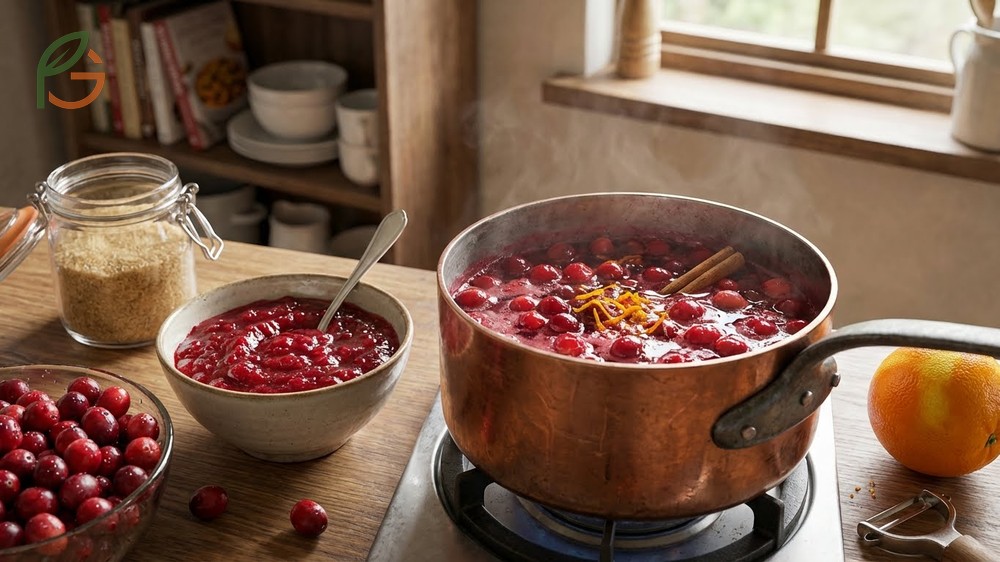
Making cranberry sauce from scratch gives you complete control over sweetness and texture. Store-bought versions contain about 418 calories per cup due to added corn syrup and preservatives[5]. Homemade versions let you adjust sugar levels to match your taste preferences.
Current cooking research shows that homemade versions retain more vitamin C than canned alternatives. Fresh cranberries provide 7mg of vitamin C per serving before cooking[6]. Some vitamin C survives the brief cooking time, unlike canned versions that undergo high-heat processing.
If you’re like most Americans, you’ve probably only had cranberry sauce from a can. The texture difference between homemade and canned is striking—fresh sauce has visible berry pieces and a chunky consistency. You can even control whether you want it smooth or chunky by adjusting your cooking time.
Fresh vs Frozen Cranberries
Both fresh and frozen cranberries work perfectly for making sauce. Frozen cranberries are flash-frozen at peak ripeness, which preserves their flavor and nutritional content. The main difference is that frozen berries soften more quickly because freezing damages their cell walls.
Fresh cranberries stay firmer during cooking and hold their shape better in the finished sauce. They’re available from early fall through winter holidays, typically September through December. Frozen cranberries offer year-round convenience and don’t require thawing before cooking.
This table compares characteristics, cooking time, texture, and availability between fresh and frozen cranberries for sauce making
| Characteristic | Fresh Cranberries | Frozen Cranberries |
|---|---|---|
| Cooking Time | 10-15 minutes | 12-17 minutes (slightly longer) |
| Texture | Firmer, better shape retention | Softer, breaks down faster |
| Flavor | Bright, tart | Equally tart, minimal difference |
| Availability | September-December | Year-round |
| Preparation | Rinse before using | Use directly from freezer |
Sweetener Variations
You can replace white sugar with honey or maple syrup for a naturally sweetened version. Use ½ cup of honey or maple syrup instead of 1 cup of sugar[7]. These alternatives add depth and complexity to the flavor profile.
Brown sugar creates a richer, more caramel-like taste that pairs well with savory dishes. Some recipes combine white and brown sugar for balanced sweetness. Start with less sugar than you think you’ll need—you can always taste and add more while the sauce is still warm.
Cranberry Sauce Ingredients
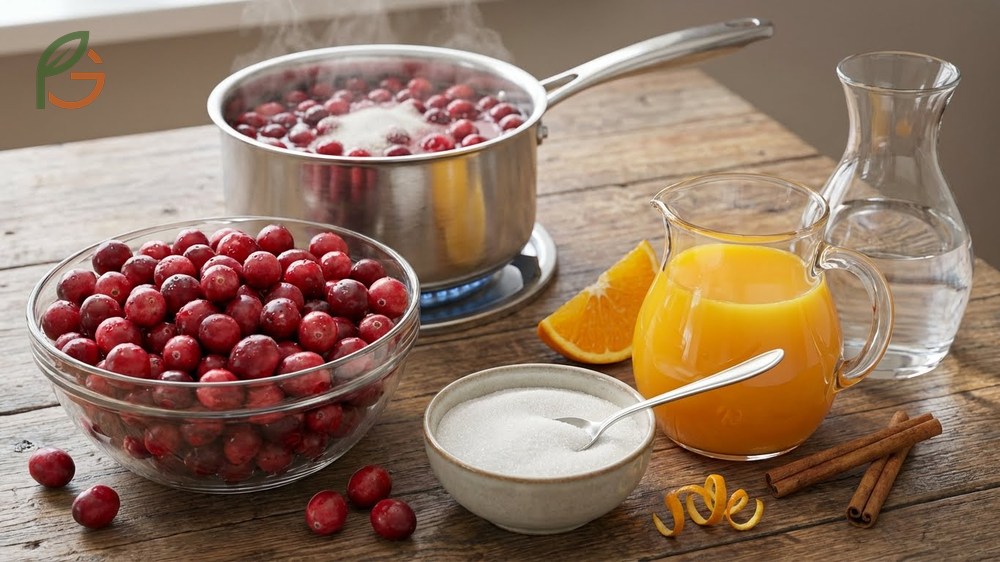
Understanding each ingredient’s role helps you make better substitutions when needed. Cranberries provide the base flavor and natural pectin for thickening. Sugar balances the cranberries’ intense tartness and helps preserve the sauce.
Orange juice adds brightness and complements the berries’ natural acidity. Water prevents the sauce from becoming too sweet or syrupy. Cinnamon and orange zest are optional enhancers that add warmth and aromatic complexity.
- Cranberries: Provide tartness, color, texture, and natural thickening pectin
- Sugar: Balances acidity, aids preservation, creates syrupy consistency
- Orange juice: Adds citrus brightness, enhances berry flavor, provides acidity
- Water: Creates cooking liquid, prevents burning, controls sweetness level
- Cinnamon: Adds warmth and spice notes that complement holiday meals
- Orange zest: Intensifies citrus flavor without adding extra liquid
Substitution Tip: If you don’t have orange juice, use apple juice or cranberry juice instead. The sauce won’t have the same citrus brightness but will still taste great.
Cooking Cranberry Sauce
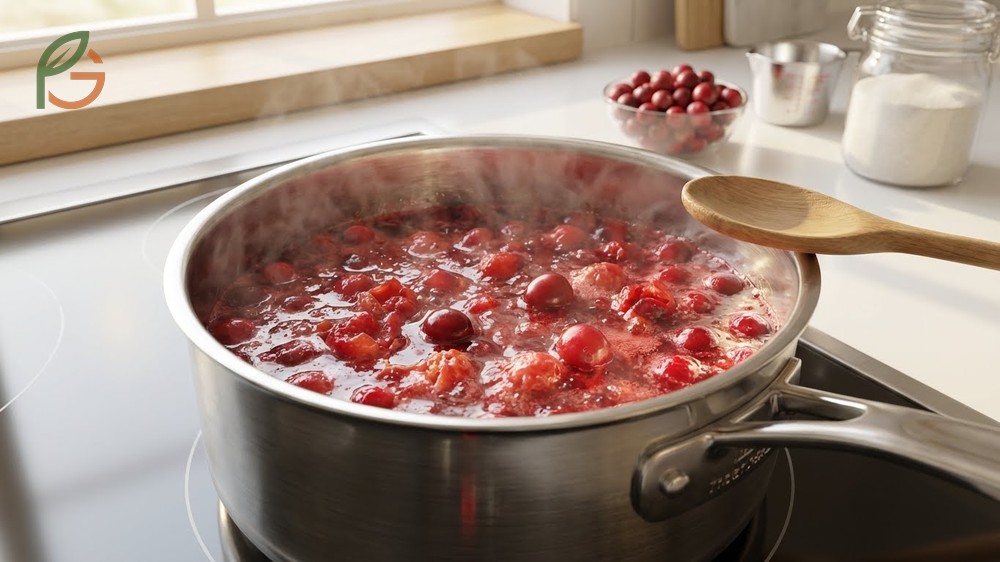
The cooking process transforms hard, sour cranberries into a soft, spreadable sauce through controlled heat application. Medium-high heat brings the liquid to a boil quickly, then you’ll reduce to a simmer for gentler cooking. This prevents scorching while allowing the berries to break down properly.
Watch for visual and auditory cues that tell you when the sauce is ready. The popping sounds mean berries are bursting and releasing their juice. When about 80% of the berries have popped, your sauce is nearly done[8].
My friend in Monterrey, Mexico tried making cranberry sauce for the first time last Christmas using cranberries she found at a specialty import store. She was surprised at how quickly the berries popped—within 8 minutes versus the 10-15 minute range most recipes suggest, likely due to her high-altitude location affecting boiling temperature.
Remove the pan from heat before the sauce reaches your target thickness. It’ll continue thickening as it cools due to pectin activation. If your sauce becomes too thick after refrigeration, stir in a tablespoon of water or orange juice to loosen it.
- Most cranberries have burst open and released their juice
- Sauce coats the back of a spoon and doesn’t run off immediately
- Color has deepened to a rich burgundy or deep red
- Mixture has reduced by about one-third of its original volume
- Popping sounds have mostly stopped
Store finished sauce in an airtight container in the refrigerator for up to 10 days[4]. For longer storage, freeze it in freezer-safe containers for up to 3 months[4]. Thaw frozen sauce in the refrigerator 24 hours before serving.
Conclusion
The evidence is clear: how to make cranberry sauce comes down to three simple ingredients and 20 minutes of active time. Research demonstrates that homemade versions offer better flavor, lower calories, and more control over sweetness than canned alternatives. You’ll get about 2 cups of sauce from one 12-ounce bag of fresh cranberries.
Current cooking guidance emphasizes using fresh cranberries when available, though frozen work just as well. FruitGarden helps home cooks understand the science behind traditional recipes, making it easier to achieve perfect results every time.
Frequently Asked Questions
How long does homemade cranberry sauce last?
Homemade cranberry sauce lasts up to 10 days when stored in an airtight container in the refrigerator. For longer storage, you can freeze it for up to 3 months. Always check for signs of spoilage like mold or off odors before serving.
Can I make cranberry sauce with frozen cranberries?
Yes, frozen cranberries work perfectly for making sauce. You don’t need to thaw them first—just add them directly to the boiling liquid. They may take 2-3 minutes longer to cook since they start at a lower temperature.
Why is my cranberry sauce too runny?
Cranberry sauce thickens significantly as it cools due to natural pectin. If it’s still runny after refrigeration, return it to the stove and simmer for another 5 minutes. You can also mash some berries against the pan to release more pectin.
What’s the best sugar substitute for cranberry sauce?
Honey and maple syrup work best as natural alternatives. Use ½ cup of either instead of 1 cup of white sugar. These alternatives add unique flavor notes—honey brings floral sweetness while maple adds caramel-like depth.
Can I reduce the sugar in cranberry sauce?
Yes, but cranberries are extremely tart and need some sweetener to be palatable. Start with ¾ cup sugar instead of 1 cup, then taste and adjust. You can’t add sugar after the sauce cools, so it’s better to start with more and reduce next time.
Should cranberry sauce be served warm or cold?
Cranberry sauce is traditionally served cold or at room temperature. Remove it from the refrigerator 30-60 minutes before serving to take the chill off. Cold sauce has better texture and flavor contrast with hot turkey and stuffing.
How do I make cranberry sauce thicker?
Cook the sauce longer to evaporate more liquid, or mash more berries to release additional pectin. You can also add a teaspoon of cornstarch mixed with cold water, though this isn’t traditional. Most thickness issues resolve as the sauce cools.