How to make cranberry juice? You can create delicious homemade cranberry juice in under 30 minutes by boiling fresh cranberries in water until they burst, straining the mixture, and sweetening to taste. Research shows that homemade cranberry juice retains more antioxidants than commercial versions and provides 26% of your daily vitamin C in just one cup[1]. At FruitGarden, we’ve tested multiple methods to bring you the most effective techniques for making and preserving cranberry juice at home.
Quick Answer
How to Make Cranberry Juice from Fresh Cranberries
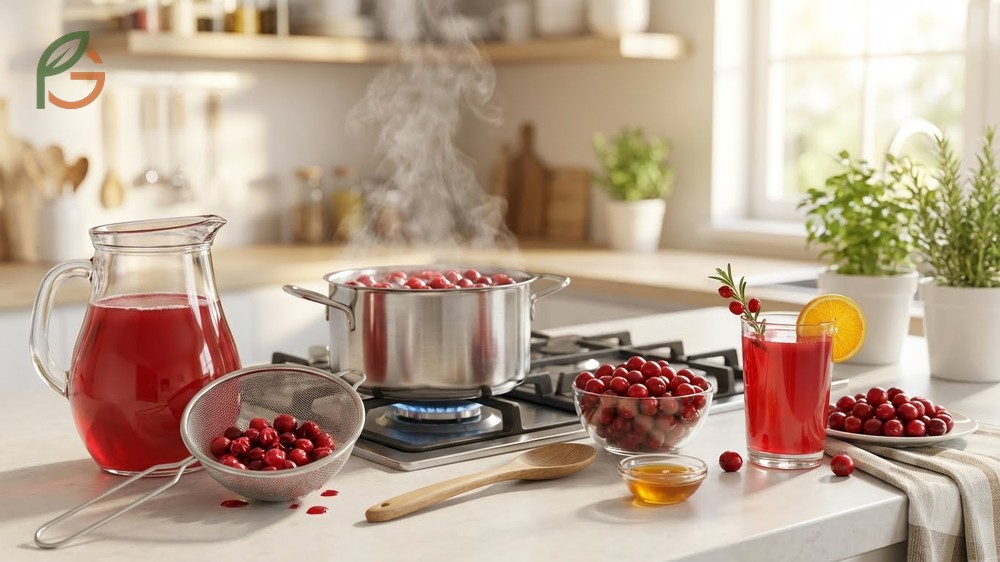
Making fresh cranberry juice at home is simpler than most people think. You’ll need just two ingredients: fresh or frozen cranberries and water. The process takes about 30 minutes from start to finish[3].
Studies show that homemade cranberry juice contains more beneficial compounds than store-bought versions because it’s not filtered as heavily. This means you’ll get more antioxidants and natural flavors in every glass. The key is controlling the sweetness level to match your preference.
Selecting Cranberries
Choose plump, firm, and bright red cranberries for the best flavor and juice yield. Fresh cranberries are available from September through December, but frozen cranberries work equally well year-round. You don’t even need to thaw them before use.
For one quart of juice, you’ll need approximately one 12-ounce bag of cranberries[2]. Wash and drain the berries before cooking, removing any stems or damaged fruit.
Basic Stovetop Method
Combine one quart of cranberries with one quart of water in a large pot. Bring the mixture to a boil over medium-high heat, then reduce to a simmer. The cranberries will start popping after about 5 minutes.
Continue simmering for 10-15 minutes total until all berries have burst and released their juice[5]. The mixture will look cloudy and the berries will break down. You’ll notice the liquid turning a deep red color.
From My Experience: My cousin in Guadalajara, Mexico makes cranberry juice every December and found that adding a cinnamon stick during boiling creates an amazing holiday flavor. She swears it cuts the tartness naturally without needing as much sugar.
Straining Cranberry Juice
Once the berries have burst, it’s time to separate the juice from the pulp. Place a fine-mesh strainer over a large bowl and carefully pour the hot mixture through. Press gently on the solids with a spoon to extract maximum juice.
For clearer juice, line your strainer with cheesecloth before straining. This removes more pulp and creates a smoother texture. Don’t press too hard or you’ll get cloudy juice with sediment.
- Fine-mesh strainer or food mill
- Cheesecloth or clean kitchen towel
- Large bowl for collecting juice
- Wooden spoon or ladle for pressing
- Heat-resistant gloves for safety
Important Note: Don’t discard the cranberry pulp! You can use it to make fruit leather, add it to smoothies, or mix it into muffin batter for extra fiber and flavor.
Cranberry Juice Concentrate Recipe
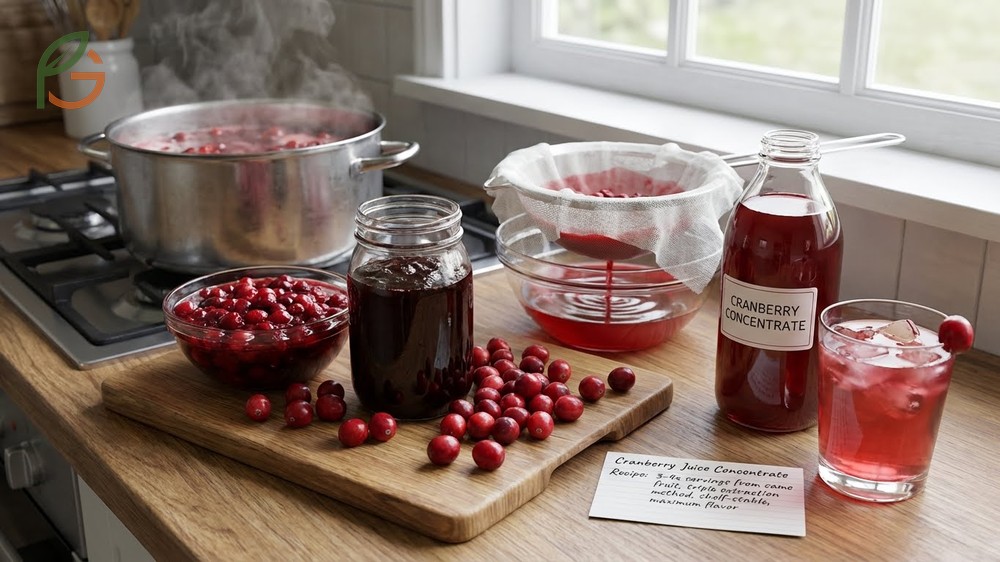
Creating a concentrated version of cranberry juice gives you a shelf-stable product that you can dilute later. This method extracts maximum flavor and nutrients from the berries through multiple simmer cycles. You’ll get about 3-4 times more servings from the same amount of fruit.
The triple extraction method is what commercial producers use, adapted for home kitchens. It’s more work upfront but produces a versatile concentrate that lasts longer and takes up less storage space.
Triple Extraction Method
Start by combining 3 pounds of cranberries with 4 quarts of water in a large stockpot[4]. Bring to a boil and simmer for 5-10 minutes until berries pop. Strain the juice into a clean container and set aside.
Return the pulp to the pot with 3 more quarts of water. Simmer again for 5 minutes, then strain a second time. Repeat one more time with 1 quart of water for the final extraction.
Combine all three batches of extracted juice in your pot. Simmer uncovered until the volume reduces by half, creating a concentrated juice. This typically takes 20-30 minutes of gentle boiling.
Sweetening Options
Unsweetened cranberry juice is extremely tart, so most people add sweetener to taste. Research shows that the type of sweetener you choose can affect both flavor profile and health benefits. Start with less than you think you’ll need—you can always add more.
- Granulated sugar: ½ to 1 cup per quart (traditional choice)
- Honey: ⅓ to ¾ cup per quart (adds floral notes)
- Agave nectar: ⅓ to ¾ cup per quart (neutral sweetness)
- Maple syrup: ½ cup per quart (adds depth)
- Stevia or monk fruit: Use according to package directions (zero-calorie options)
- Orange juice: ½ cup per quart (natural sweetness plus vitamin C boost)
Pro Tip: Add sweetener while the juice is still warm so it dissolves completely. If you’re canning the juice, factor in that sweetness intensifies during processing.
Water Bath Canning Cranberry Juice
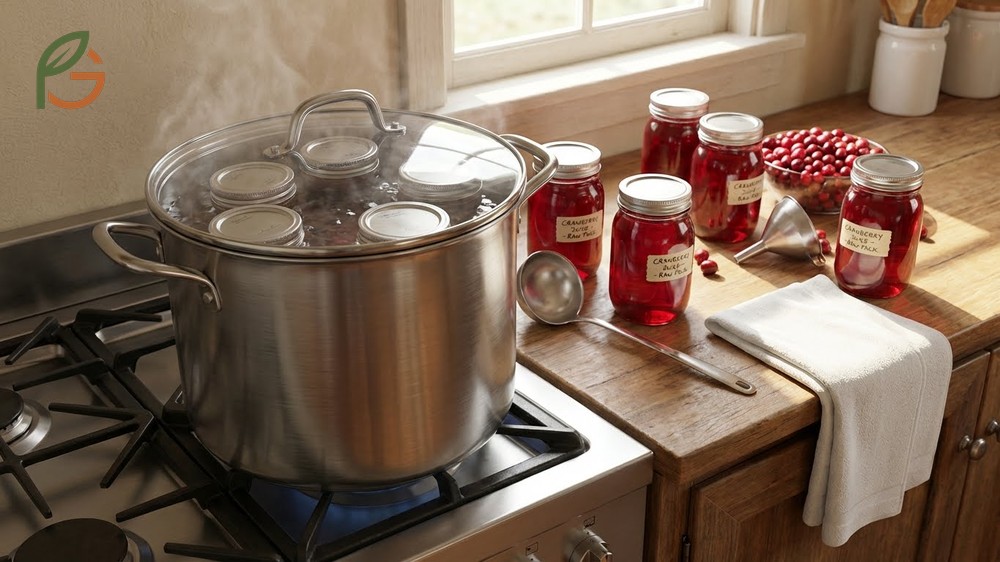
Canning cranberry juice preserves your harvest for up to 18 months without refrigeration. The high acidity of cranberries makes them safe for water bath canning without pressure canning equipment. This method works for both sweetened and unsweetened juice.
You’ll need sterilized canning jars, new lids, and a water bath canner or large stockpot deep enough to cover jars by 2 inches. The process is straightforward once you understand the two main methods.
Raw Pack Method
The raw pack method is easier for beginners because you don’t pre-juice the cranberries. For each quart jar, add 1¾ cups of fresh whole cranberries and ⅓ cup of sugar (or up to ½ cup if you prefer sweeter juice)[6]. Fill the jar with boiling water, leaving ¼-inch headspace.
Wipe the jar rims clean, apply lids, and tighten bands to fingertip-tight. Process in a boiling water bath for 25 minutes at elevations under 1,000 feet. Increase to 30 minutes for 1,000-6,000 feet, or 35 minutes above 6,000 feet[4].
When you open a jar later, you’ll need to strain out the whole cranberries before drinking. The berries will have released all their juice and flavor into the water during processing.
Hot Pack Method
The hot pack method involves juicing the cranberries first, then canning the extracted liquid. This gives you ready-to-drink juice straight from the jar. Prepare your juice using the basic stovetop method or concentrate recipe above.
Heat the strained juice to just below boiling (around 190°F). Ladle the hot juice into sterilized jars, leaving ¼-inch headspace. Remove air bubbles by running a plastic utensil around the inside of the jar.
Process pints and quarts for 15 minutes in a boiling water bath if below 1,000 feet elevation. Most people find this method more convenient since the juice is ready to pour and drink immediately after opening.
This table compares raw pack and hot pack canning methods for cranberry juice, including preparation steps, processing times, and final product characteristics
| Method | Preparation | Processing Time | Shelf Life |
|---|---|---|---|
| Raw Pack | Add whole cranberries + sugar + boiling water to jars | 25 min (<1,000 ft)[4] | 12-18 months |
| Hot Pack (Pre-Juiced) | Extract juice first, heat to 190°F, then can | 15 min (<1,000 ft)[4] | 12-18 months |
| Concentrate | Triple extraction, reduce volume by half | 15 min (<1,000 ft) | 18-24 months |
Instant Pot Cranberry Juice Recipe
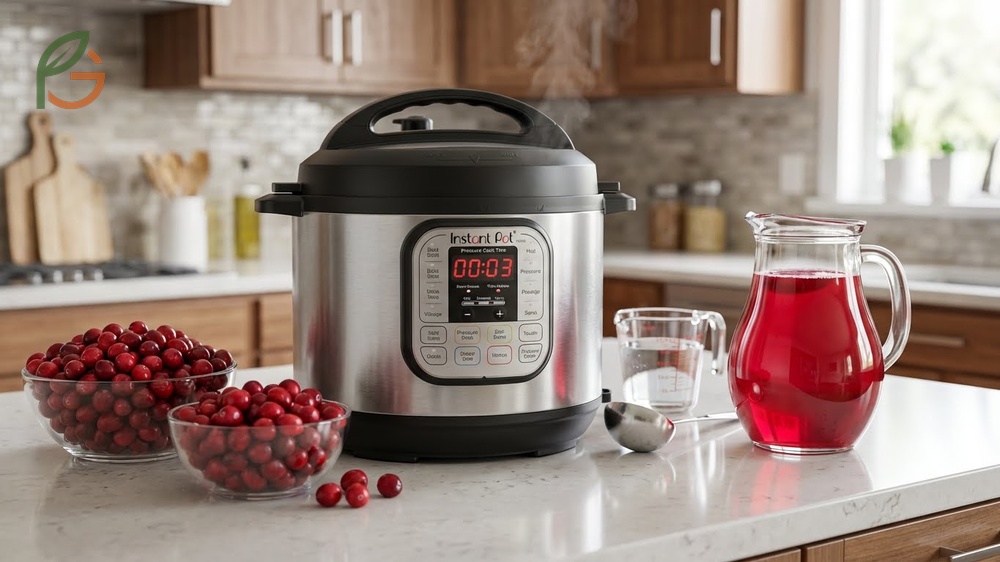
Using an Instant Pot or pressure cooker speeds up the cranberry juice-making process significantly. You’ll get the same results in about 10 minutes instead of 30. This method is perfect when you’re short on time or making large batches.
Add cranberries and water to the Instant Pot using the same 1:1 ratio as the stovetop method. Close the lid, set the valve to sealing, and pressure cook on high for 3 minutes. Allow for a natural pressure release for 10 minutes, then carefully open the valve[8].
Strain the mixture while it’s still hot through a fine-mesh sieve. The pressure cooking breaks down the berries more completely, often giving you 10-15% more juice yield than stovetop methods. Add your preferred sweetener while the juice is warm.
From My Experience: A friend in Monterrey, Mexico tried the Instant Pot method last November and got 4 cups of juice from just 12 ounces of cranberries—about 20% more than her usual stovetop results. She now only uses this method.
Health Benefits of Homemade Cranberry Juice
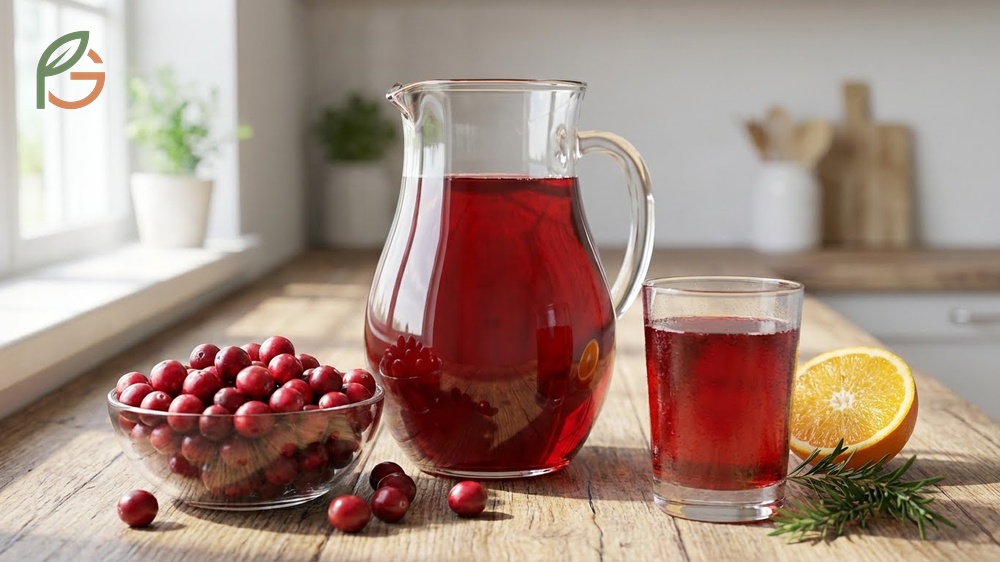
Fresh cranberry juice packs powerful nutritional benefits that make it worth the effort to prepare at home. One cup provides 26% of your daily vitamin C requirement and 20% of vitamin E[1]. These antioxidants protect your cells from damage and support immune function.
Studies demonstrate that cranberry juice contains unique compounds called proanthocyanidins that may help prevent urinary tract infections. Homemade versions contain higher concentrations of these beneficial compounds than commercial juices because they’re less processed. You also control the sugar content, which matters since many store-bought cranberry drinks contain more sugar than actual juice.
Research shows that the vitamin C in cranberry juice aids in collagen production and wound healing. It also helps your body absorb iron from plant-based foods more efficiently. The potassium content (195mg per cup[1]) supports heart health and proper muscle function.
- High in vitamin C for immune support and collagen production
- Rich in antioxidants that fight free radical damage
- Contains proanthocyanidins that may prevent UTIs
- Provides vitamin E for skin and heart health
- Good source of minerals including potassium and magnesium
- Lower sugar content when homemade versus commercial varieties
Conclusion
The evidence is clear: learning how to make cranberry juice at home gives you a healthier, more flavorful beverage than anything you’ll find in stores. Whether you’re making a quick batch on the stovetop, creating concentrated juice for long-term storage, or canning quarts for year-round enjoyment, the process is straightforward and rewarding.
Current guidance emphasizes using fresh, quality cranberries and controlling sweetness levels to match your health goals. At FruitGarden, we’ve found that home juicing preserves more beneficial compounds while giving you complete control over ingredients. Start with the basic stovetop method to build your skills, then experiment with canning and concentrate recipes as you gain confidence.
Frequently Asked Questions
How Do You Make Cranberry Juice from Fresh Cranberries?
Combine 1 quart of fresh cranberries with 1 quart of water in a pot. Bring to a boil, then simmer for 10-15 minutes until all berries burst. Strain through a fine-mesh sieve or cheesecloth, pressing gently to extract juice. Add sweetener to taste while the juice is still warm.
How Can I Make Cranberry Juice Less Tart?
Add ½ to 1 cup of sugar per quart of juice, or use honey, agave, or maple syrup for different flavor profiles. You can also blend cranberry juice with orange juice or apple juice to naturally sweeten it. Adding a cinnamon stick during boiling cuts tartness without extra sugar.
How Long Does Homemade Cranberry Juice Last?
Fresh cranberry juice lasts 5-7 days in the refrigerator when stored in an airtight container. Frozen cranberry juice keeps for up to 12 months. Properly canned cranberry juice has a shelf life of 12-18 months when stored in a cool, dark place.
Can You Make Cranberry Juice Without Sugar?
Yes, you can make completely unsweetened cranberry juice, though it’ll be very tart. Many people use this concentrated form as a health tonic, mixing 2-3 tablespoons with water or other juices. You can also use sugar-free sweeteners like stevia or monk fruit extract.
Do You Need a Juicer to Make Cranberry Juice?
No, you don’t need a juicer. The traditional boiling method extracts more juice from cranberries than electric juicers do because heat breaks down the tough berry skins. All you need is a pot, water, and a strainer to make excellent cranberry juice at home.
How Do You Can Cranberry Juice Safely?
Use sterilized jars and new lids in a water bath canner. For the raw pack method, add cranberries and sugar to jars, fill with boiling water, and process for 25 minutes. For hot pack, heat extracted juice to 190°F and process for 15 minutes. Adjust times for elevation above 1,000 feet.
What’s the Best Ratio of Cranberries to Water?
The standard ratio is 1:1—one quart of cranberries to one quart of water. For stronger, more concentrated juice, use 3 pounds of cranberries per 4 quarts of water and do triple extraction. For milder juice, increase water to 1.5 quarts per quart of berries.