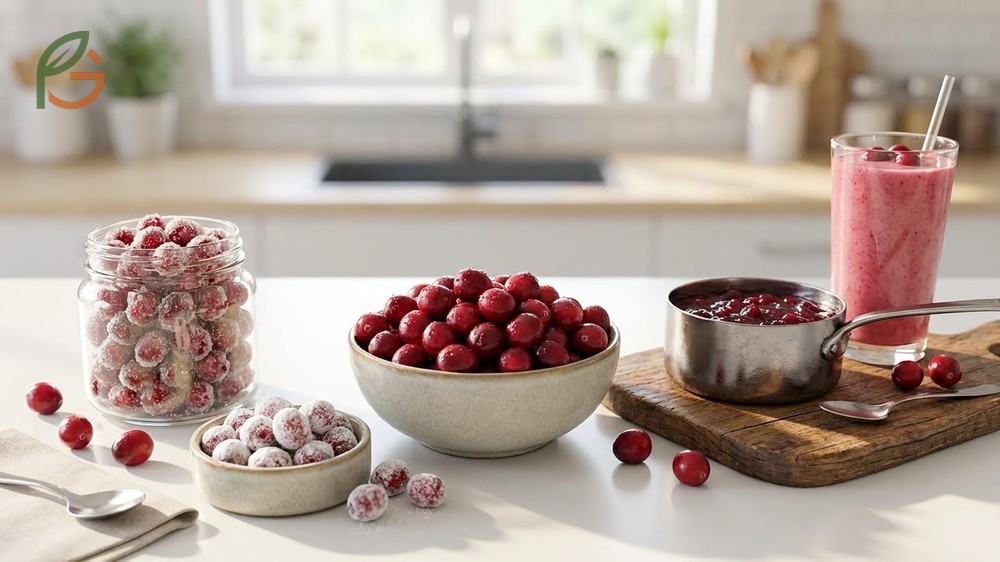
How to eat cranberries? You can eat them raw, candied with powdered sugar, cooked into sauces, or blended into smoothies. Research shows cranberries contain 46 calories per cup and 4g fiber[1], but their sharp, bitter taste means most people prefer them sweetened. FruitGarden helps you discover practical ways to enjoy cranberries year-round, from simple candied recipes to smoothie ideas.
Quick Answer
- Raw cranberries are safe to eat but extremely tart due to high tannin content
- Candied cranberries need a 1:1:0.5 ratio—1 cup berries, 1 cup liquid, 0.5 cup powdered sugar[2]
- Fresh cranberries provide 4g fiber[1] and virtually no fat per cup
- Balance cranberries’ tartness with bananas, oranges, or honey in smoothies
How to Eat Cranberries
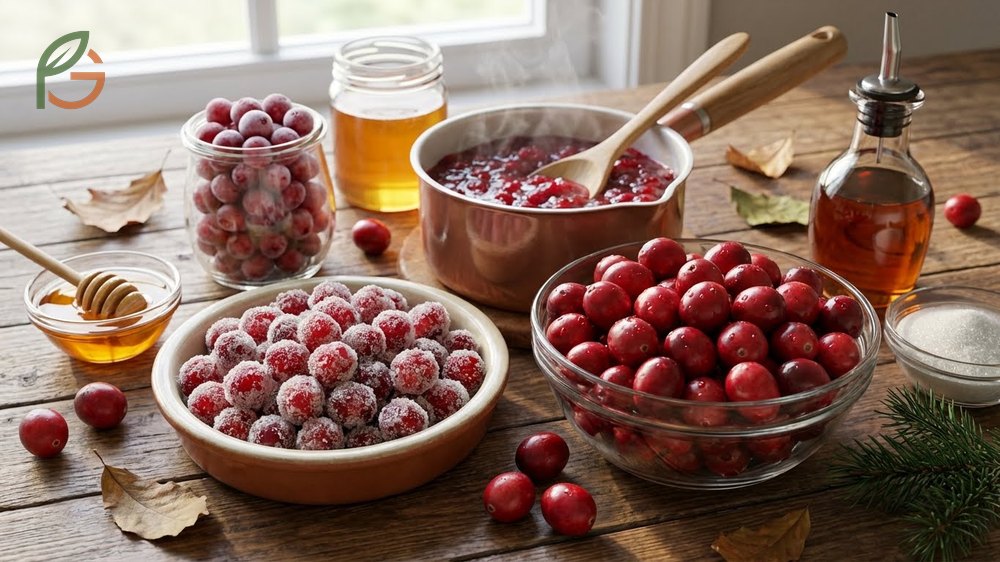
Cranberries are versatile berries you can enjoy in multiple ways—raw, candied, cooked, or frozen. Studies show raw cranberries are safe to eat, though their sharp taste surprises first-timers[3]. If you’re like most Americans, you’ll want to sweeten them before snacking.
Fresh cranberries work best when you balance their tartness with natural sweeteners like honey, maple syrup, or sugar. The bitterness comes from tannins, the same compounds found in coffee and dark chocolate[4]. Most recipes combine cranberries with orange juice or citrus zest to create flavor complexity.
You can also freeze fresh cranberries for up to a year without losing nutritional value. Wash them first, dry thoroughly, then spread on a baking sheet before transferring to freezer bags. Frozen cranberries blend easily into smoothies or baked goods.
From My Experience: My cousin in Guadalajara, Mexico tried adding fresh cranberries to her morning fruit bowl last December. She paired them with diced mango and a drizzle of agave—the tropical sweetness balanced the tartness perfectly, and now it’s her go-to breakfast combo.
What Raw Cranberries Taste Like
Raw cranberries taste aggressively tart with a bitter aftertaste that makes your mouth pucker[4]. The flavor isn’t sweet at all—it’s sharp, astringent, and challenging for most palates. This explains why you rarely see people eating them like blueberries or strawberries.
The tartness intensifies when cranberries are fully ripe and deep red. Underripe white or pink cranberries won’t burst with the same sour punch. Fresh cranberries also have subtle fruity and woodsy notes you’ll only notice once you reduce the acidity with sweeteners[4].
Washing Fresh Cranberries
You need to clean cranberries thoroughly before eating or cooking them. Fill a large basin with cold water, dump the berries in, and swirl them around for 30 seconds. This removes dirt, debris, and any stems clinging to the fruit[3].
After washing, transfer cranberries to a colander and let them drain completely. Spread them on a clean kitchen towel and pick through the batch. Discard any soft, mushy, or shriveled berries—those won’t taste good and might spoil faster.
- Look for firm, shiny berries that bounce when you squeeze them gently
- Fresh cranberries contain air pockets that make them float in water
- Avoid cranberries with brown spots, soft patches, or wrinkled skin
- Store unwashed cranberries in the fridge for up to four weeks
- Don’t wash cranberries until you’re ready to use them—moisture speeds up spoilage
Candied Cranberries with Powdered Sugar

Candied cranberries transform tart berries into sweet, crunchy treats perfect for desserts, cocktails, or snacking. The process involves soaking cranberries in sweetened liquid overnight, then coating them in powdered sugar. Research shows the sugar penetrates the fruit’s membrane, reducing acidity while preserving the cranberry’s shape.
The standard ratio works every time: 1 cup cranberries, 1 cup liquid (juice or soda), and 0.5 cup powdered sugar[2]. Most recipes use orange juice, Sprite, or cranberry juice for the soaking liquid. The choice affects the final sweetness and flavor profile.
You can double or triple the recipe as long as you maintain the ratio. Candied cranberries last up to two weeks in an airtight container at room temperature. They don’t need refrigeration once the sugar coating dries completely.
How to Make Sugared Cranberries
Start by combining 1 cup fresh cranberries with 1 cup liquid in a bowl. Cover and refrigerate for 8-12 hours or overnight. The berries will absorb the liquid and plump up slightly.
Drain the cranberries using a strainer, but don’t shake off the moisture—you want them wet for the sugar to stick. Place 0.5 cup powdered sugar in a large zip-lock bag, add the damp cranberries, seal, and shake vigorously for 30 seconds[2].
The sugar coating should be thick enough that you can’t see red peeking through. If needed, add more powdered sugar and shake again. Spread the coated cranberries on parchment paper and let them dry for 1-2 hours before serving.
- Use fresh cranberries, not frozen—frozen berries release too much moisture
- Orange juice creates a subtle citrus flavor that complements the berries
- Sprite or 7UP adds extra sweetness and helps the sugar adhere better
- Don’t skip the overnight soak—it’s essential for softening the tartness
- Store candied cranberries in a single layer to prevent clumping
Pro Tip: Don’t discard the soaking liquid after draining. You can use it as a festive holiday drink or freeze it in ice cube trays for cocktails. The liquid absorbs cranberry flavor overnight and tastes great mixed with sparkling water.
Sugared Cranberries for Cocktails
Sugared cranberries make stunning cocktail garnishes that add both visual appeal and flavor. Drop 3-4 candied berries into champagne flutes, martinis, or mojitos. They’ll float at the top and slowly release sweetness as they dissolve.
For holiday parties, pair sugared cranberries with fresh rosemary sprigs in champagne or prosecco. The herb’s piney aroma contrasts beautifully with the berries’ sweetness. You can also thread candied cranberries onto cocktail picks with orange slices or lime wedges.
My friend in Monterrey, Mexico hosted a holiday gathering in 2024 and rimmed margarita glasses with crushed candied cranberries mixed with coarse salt. Guests loved the sweet-tart-salty combination—it transformed a basic lime margarita into something memorable.
How to Eat Raw Cranberries
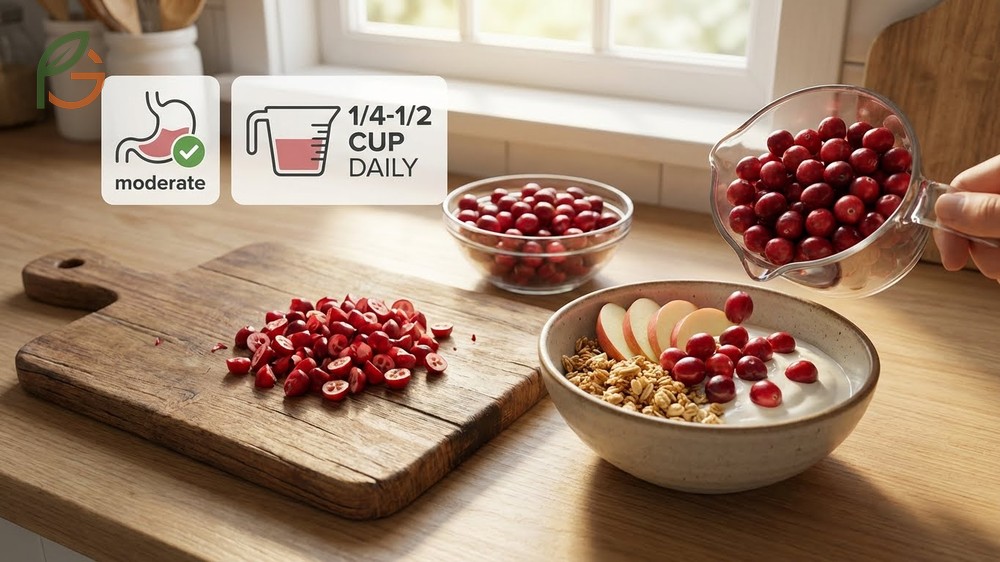
You can eat raw cranberries, but moderation matters—consuming too many may upset your stomach or cause diarrhea[3]. Start with small amounts, around 1/4 to 1/2 cup per day, especially if you’re new to eating them raw. The fiber content helps digestion, but overdoing it can backfire.
Raw cranberries work best when chopped and mixed into other foods rather than eaten alone. The sharp flavor becomes manageable when you dilute it with milder ingredients. Think of raw cranberries as a flavor accent, not the main event.
Fresh cranberries add a tart punch to salads, grain bowls, and yogurt parfaits. Dice them finely to distribute the tartness evenly. Whole raw cranberries can be jarring, but minced ones integrate seamlessly into dishes.
Balancing Tartness Naturally
The best way to make raw cranberries palatable is pairing them with sweet fruits or natural sweeteners. Studies show that sugar amplifies cranberries’ subtle fruity notes while masking the bitterness[4]. Honey, agave, and maple syrup all work well.
Chop 1/2 cup raw cranberries and mix them with diced green onions, minced jalapeño, cilantro, and a drizzle of honey for a fresh cranberry salsa[5]. This combination balances tart, sweet, spicy, and savory flavors. Serve it with grilled chicken or fish.
You can also macerate raw cranberries by tossing them with sugar and letting them sit for 10-15 minutes. The sugar draws out cranberry juice, creating a syrupy mixture that’s much easier to eat[4].
- Toss chopped raw cranberries into chicken or tuna salad for tartness
- Mix them into overnight oats with cinnamon and maple syrup
- Add finely diced cranberries to homemade vinaigrettes or salad dressings
- Blend raw cranberries into energy balls with dates and nuts
- Sprinkle them over roasted Brussels sprouts or sweet potatoes
Cranberry Smoothie Ideas
Cranberry smoothies let you enjoy raw berries without the harsh tartness. Blending cranberries with bananas, oranges, and Greek yogurt creates a balanced drink that’s both refreshing and nutritious. The creaminess from yogurt and banana softens the cranberries’ acidity.
A simple recipe uses 1/2 cup fresh or frozen cranberries, 1 banana, 1/4 cup orange juice, and 1/4 cup Greek yogurt[6]. Blend until smooth and add 1-2 tablespoons maple syrup if you want extra sweetness. This makes one serving with approximately 167 calories[6].
Adding 1/4 cup frozen blueberries boosts antioxidants and creates a deeper purple color. You can also substitute almond milk or coconut water for the orange juice if you prefer less citrus flavor.
Important Note: If you’re taking blood thinners like warfarin, talk to your doctor before consuming large amounts of cranberry juice or raw cranberries. They may interact with certain medications[3].
Cranberry Sauce Recipe
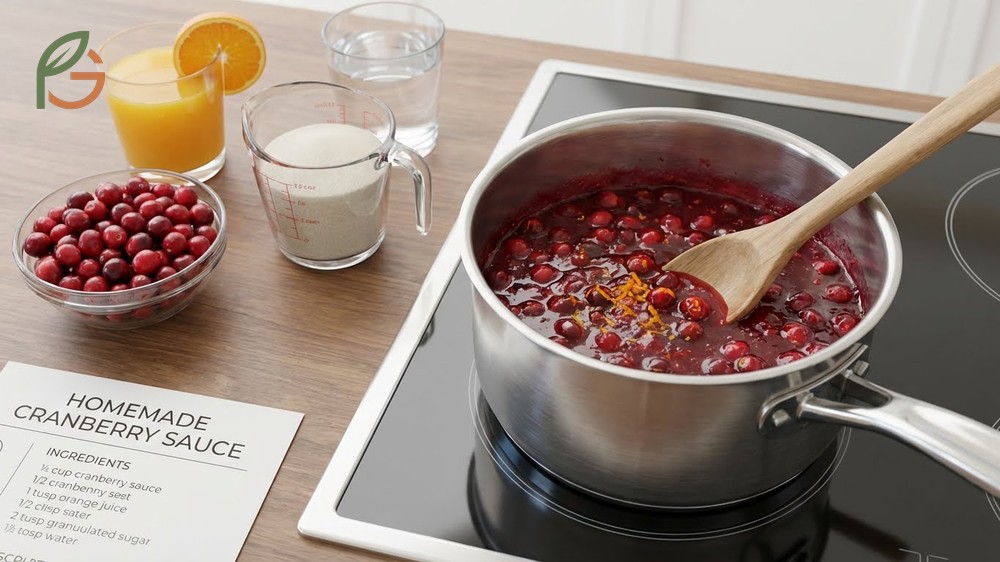
Homemade cranberry sauce takes 15 minutes and requires just four ingredients: cranberries, water, sugar, and orange juice. The berries burst during cooking, releasing natural pectin that thickens the sauce as it cools. You’ll end up with a spreadable condiment that’s miles better than canned versions.
For basic cranberry sauce, combine 1 cup water, 1/2 cup orange juice, and 3/4 cup sugar in a medium saucepan. Stir over medium heat until the sugar dissolves completely, then bring the mixture to a boil. Add 12 ounces (about 3 cups) fresh cranberries and reduce heat to a simmer.
Cook for 10-12 minutes, stirring occasionally, until most cranberries pop and the sauce turns deep red. The sauce will look thin at this stage—don’t worry, it’ll thicken considerably as it cools. Remove from heat and let it reach room temperature before refrigerating.
The final sauce should be thick enough to hold its shape on a spoon but still spreadable. If it’s too thick, stir in 1-2 tablespoons of water. If it’s too thin, return it to the stove and simmer for 2-3 more minutes.
- Add 1 tablespoon orange zest for brighter citrus flavor
- Substitute brown sugar for half the white sugar for deeper caramel notes
- Stir in 1/4 teaspoon cinnamon or 2 whole cloves for warm spice
- Mix in 1/4 cup chopped pecans or walnuts after cooking for crunch
- Use maple syrup instead of sugar for a different sweetness profile
- Add 1/4 cup dried cranberries in the last 2 minutes for extra texture
Store cranberry sauce in an airtight container in the refrigerator for up to two weeks. The flavors develop over time, so it often tastes better on day two or three. You can also freeze cranberry sauce for up to three months—just thaw it overnight in the fridge before serving.
Conclusion
The evidence is clear: how to eat cranberries depends entirely on your taste preferences and how much tartness you can handle. Raw cranberries deliver maximum nutrients but challenge most palates, while candied versions sacrifice some nutrition for incredible flavor. Smoothies and sauces split the difference perfectly.
Current culinary guidance emphasizes balancing cranberries’ acidity with natural sweeteners rather than processing them into juice or dried fruit with added sugars. Fresh and frozen cranberries from FruitGarden give you the most control over sweetness levels and let you experiment with different preparation methods.
Frequently Asked Questions
Can you eat whole cranberries?
Yes, you can eat whole cranberries, but they’re extremely tart and bitter due to high tannin content. Most people find them unpleasant to eat raw without sweeteners. Chopping cranberries and mixing them with honey, sugar, or sweet fruits makes them much more palatable.
Can you eat cranberry seeds?
Yes, cranberry seeds are completely safe to eat and you won’t even notice them. The seeds are tiny, soft, and blend into the fruit’s texture. They contain beneficial fiber and don’t require any special preparation or removal before eating.
How do you make sugared cranberries?
Soak 1 cup cranberries in 1 cup liquid (orange juice or soda) overnight, drain without drying, then shake vigorously with 0.5 cup powdered sugar in a sealed bag. Spread on parchment paper and let dry for 1-2 hours. The sugar coating should be thick enough that you can’t see red showing through.
How to cook cranberries without sugar?
Cook cranberries with naturally sweet ingredients like orange juice, apple cider, or ripe bananas instead of refined sugar. Combine 2 cups cranberries with 1 cup orange juice and simmer for 10 minutes until berries burst. The citrus provides enough sweetness to balance the tartness without added sugar.
What do raw cranberries taste like?
Raw cranberries taste sharply tart with a bitter aftertaste similar to unsweetened coffee or dark chocolate. The flavor is astringent and makes your mouth pucker immediately. Underneath the tartness, there are subtle fruity and woodsy notes, but you’ll only notice them once you reduce the acidity with sweeteners.
How to eat fresh cranberries?
Chop fresh cranberries and mix them with sweet fruits, honey, or yogurt to balance the tartness. You can also blend them into smoothies with bananas and orange juice, cook them into sauce with sugar, or candy them with powdered sugar. Eating them completely raw and unsweetened is safe but very challenging due to their sharp, bitter taste.
How to freeze fresh cranberries?
Wash cranberries in cold water, dry them thoroughly with a towel, then spread in a single layer on a baking sheet. Freeze for 2-3 hours until solid, then transfer to freezer bags or airtight containers. Frozen cranberries last up to 12 months and can be used directly in smoothies or recipes without thawing.