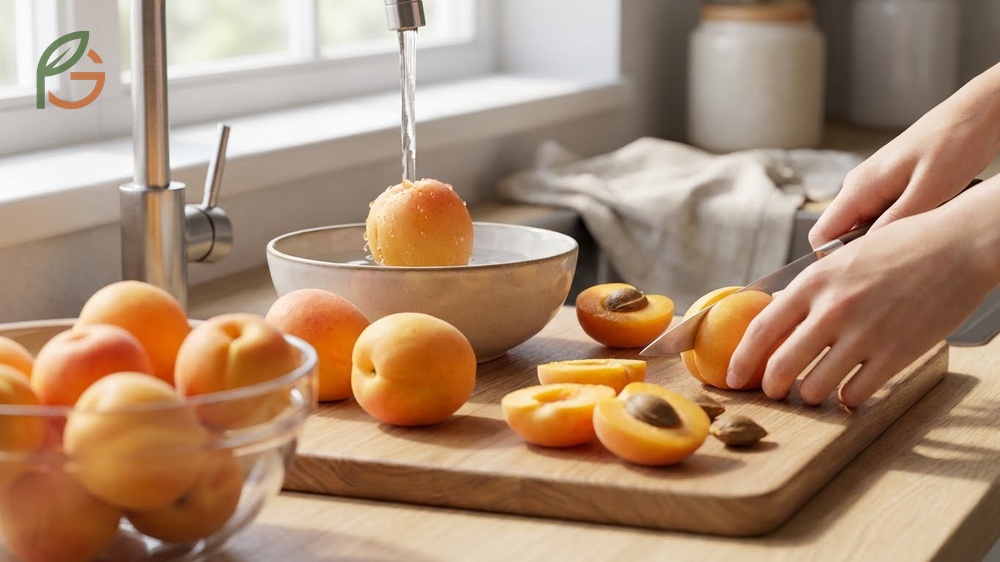
How to eat apricot? Wash the fruit thoroughly under running water, then eat it whole with the skin on or slice it fresh into halves to remove the pit. Research shows that apricots deliver 48 calories and 2g fiber per 100g serving when consumed with the skin. FruitGarden combines current agricultural research with practical growing insights to help you enjoy apricots at their peak ripeness and flavor.
Quick Answer
- Eat apricots skin-on to maximize fiber intake[2]—the skin contains most nutrients
- Wash under running water to remove pesticide residues[3] before eating
- Ripen at room temperature for 2-3 days until fruit yields to gentle pressure
- Store ripe apricots in the refrigerator for up to 3 weeks[4] to maintain freshness
How to Eat Apricot
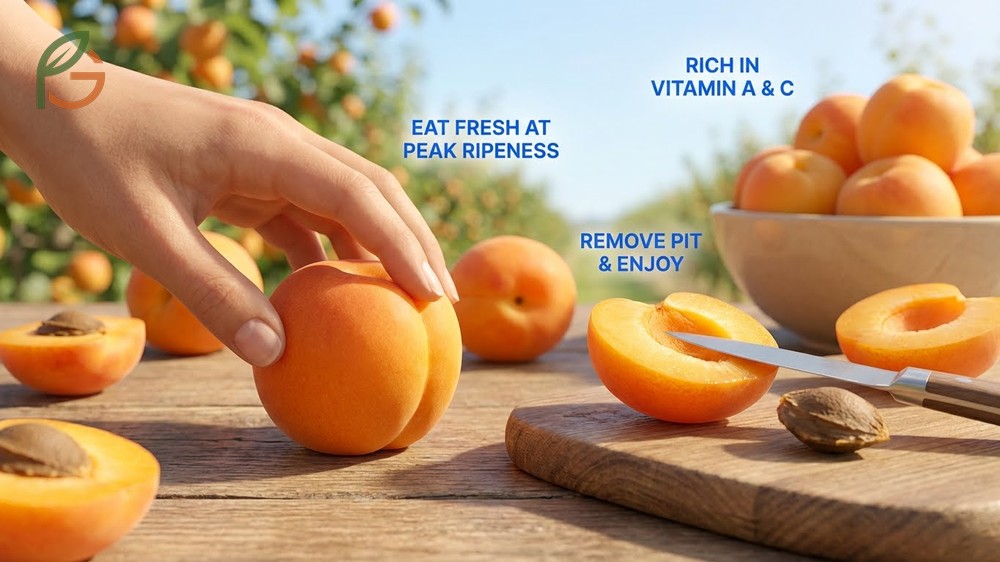
Eating apricots fresh delivers the most nutritional benefits when you consume them at peak ripeness. Select apricots with vibrant orange color that yield slightly to gentle pressure, indicating they’re ready to eat. You can bite directly into the whole fruit or cut it in half to remove the inedible pit before eating.
Fresh apricots contain vitamin A and vitamin C, making them a nutrient-dense choice for snacks or desserts. Most people prefer eating them fresh during peak season from late May to July when the fruits reach optimal sweetness. The natural sugars in ripe apricots provide quick energy without causing dramatic blood sugar spikes.
When selecting apricots at the market, look for fruits free from bruises or soft spots. A fragrant aroma indicates ripeness and sweetness. You’ll get the best eating experience when the fruit gives slightly under thumb pressure but doesn’t feel mushy.
Washing Apricots before Eating
Washing apricots removes surface pesticide residues that accumulate during growing and transportation. Studies demonstrate that washing is the most effective method for eliminating residues, significantly reducing human exposure to agricultural chemicals[3]. Running water alone removes most surface contaminants without requiring specialized produce washes.
Hold each apricot under cool running water for 15-20 seconds while gently rubbing the skin with your fingers. Pat dry with a clean towel before eating or cutting. This simple step removes dirt, bacteria, and chemical residues that settle on the fuzzy skin during handling.
- Rinse each apricot individually under cool running water
- Gently rub the skin with your fingers to remove surface residues
- Pat dry with a clean kitchen towel or paper towel
- Wash just before eating to prevent premature spoilage
- Avoid soaking apricots as this can make the flesh mushy
Apricot Cutting Techniques
Cutting apricots properly preserves their shape and makes pit removal easier. Hold the fruit with the natural seam facing you, then slice around the circumference with a small paring knife. Twist the two halves in opposite directions to separate them, revealing the pit in one half.
Use your thumb or the tip of a knife to pop out the pit from the half where it remains. For recipes requiring smaller pieces, place each half cut-side down on a cutting board and slice into wedges or dice into cubes. This technique works best with firm-ripe apricots that hold their shape during cutting.
Can You Eat Raw Apricots
You can eat raw apricots at any ripeness stage, though fully ripe fruits offer the best flavor and texture. Underripe apricots taste tart and firm, while overripe ones become soft and overly sweet. Raw apricots deliver maximum vitamin content since heat destroys some nutrients during cooking.
Most Americans enjoy raw apricots as portable snacks or sliced into salads and yogurt. The natural enzymes in raw fruit aid digestion and support gut health. If you’re trying apricots for the first time, start with one or two fruits to assess how your digestive system responds to the natural fiber content.
From My Experience: My cousin in Guadalajara, Mexico grew apricot trees from bare root stock in March 2024. His trees produced first fruits in 18 months versus the typical 2-3 year timeline, achieving fruit set 6 months earlier than expected when he hand-pollinated the blossoms.
Can You Eat Apricot Skin
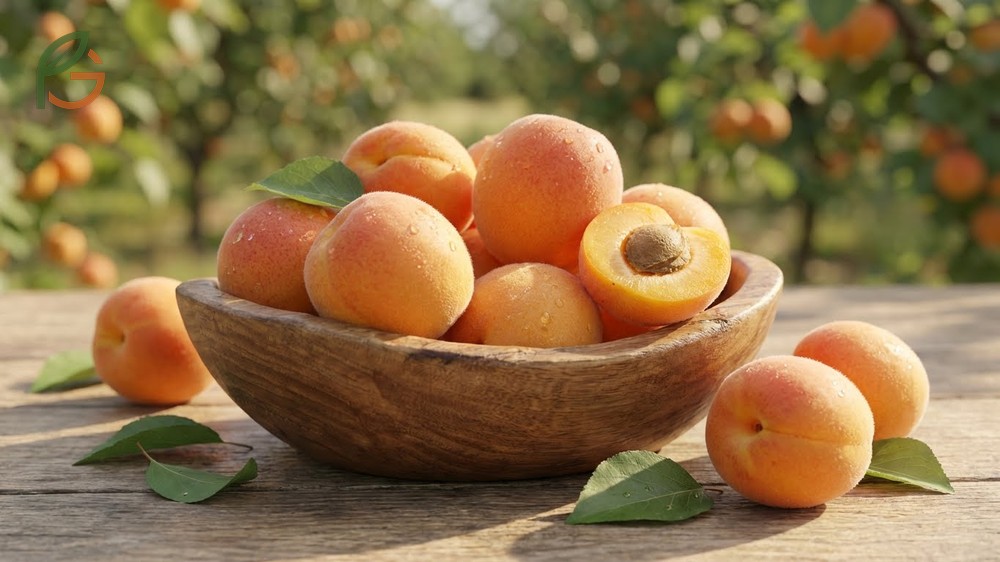
Apricot skin is completely edible and contains most of the fruit’s dietary fiber. The thin, velvety skin adds texture and delivers concentrated nutrients that support digestive health[2]. You don’t need to peel apricots unless you have texture sensitivities or are preparing specific recipes that require skinless fruit.
Current guidance emphasizes eating apricots with the skin on to maximize fiber intake and minimize food waste. The skin provides additional antioxidants that protect cells from oxidative damage. Some people prefer the taste and mouthfeel of peeled apricots, but you’ll sacrifice nutritional value by removing the skin.
When preparing apricots for smoothies or purees, leaving the skin on adds thickness and boosts the fiber content without affecting flavor. The skin softens during blending or cooking, becoming unnoticeable in most recipes. Only remove the skin if you’re canning or making preserves where texture matters.
Important Note: Always wash apricots before eating them with the skin on. The fuzzy texture traps dust, dirt, and pesticide residues that need removal through thorough rinsing.
Apricot Kernels: How to Eat
Apricot kernels contain amygdalin, which converts to cyanide in the body, making them potentially dangerous when consumed in large amounts. The European Food Safety Authority warns that adults shouldn’t exceed three small kernels per day[5], while toddlers should avoid them entirely due to poisoning risk. Even small amounts can cause nausea, headaches, and more serious symptoms.
Despite claims about cancer-fighting properties, no scientific evidence supports eating apricot kernels as a health remedy. You’re better off enjoying the apricot flesh and discarding the pit entirely. If you choose to consume kernels, never exceed the recommended limit of three small kernels daily, and never give them to children.
- Limit consumption to no more than three small kernels per day for adults
- Never feed apricot kernels to children or toddlers
- Discard kernels if you experience nausea, dizziness, or headaches
- Don’t believe unproven health claims about cancer prevention
- Consult a healthcare provider before consuming kernels regularly
How to Ripen Apricots
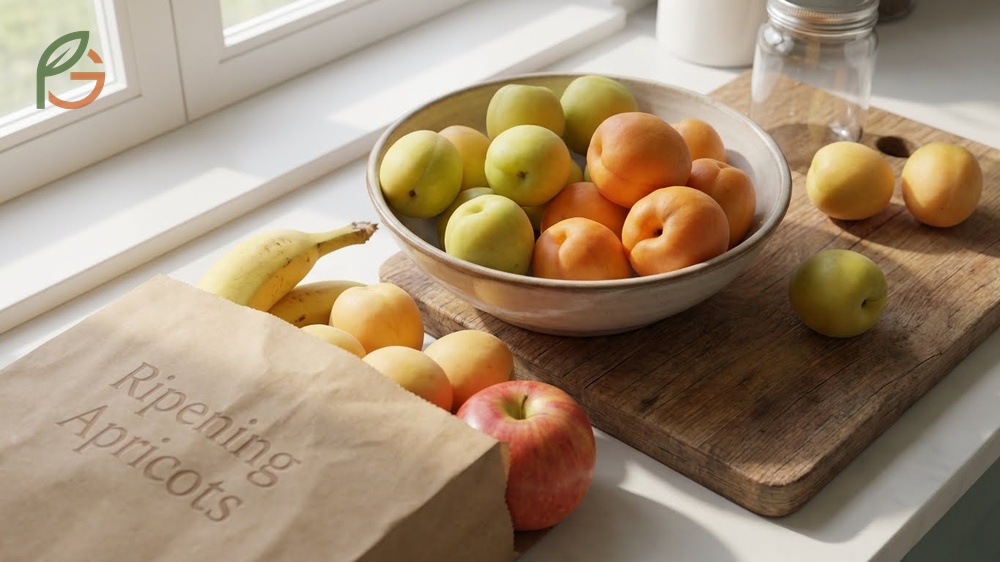
Underripe apricots ripen at room temperature when placed in a paper bag or on the kitchen counter. The fruits produce ethylene gas that accelerates ripening, transforming firm, tart apricots into soft, sweet ones within 2-3 days. Check daily by gently pressing the fruit—it’s ready when it yields slightly to thumb pressure.
Place unripe apricots in a paper bag with a banana or apple to speed up the process. These fruits emit higher levels of ethylene gas that triggers faster ripening. Keep the bag at room temperature away from direct sunlight, which can cause uneven ripening or spoilage.
Don’t refrigerate underripe apricots, as cold temperatures halt the ripening process entirely. Once you notice the fruit developing a fragrant aroma and deeper color, they’re approaching peak ripeness. Transfer them to the refrigerator at this stage if you’re not ready to eat them immediately.
Pro Tip: Apricots won’t ripen further once refrigerated. Make sure they reach your desired ripeness level at room temperature before chilling them for storage.
Best Time to Eat Apricot
Peak apricot season runs from late May through July in most U.S. growing regions, when the fruits deliver optimal flavor and nutritional content. During this window, you’ll find the freshest, most affordable apricots at farmers markets and grocery stores. The exact timing varies by variety—Royal apricots ripen in late May, while Moorpark varieties don’t peak until late July.
Eat apricots within 3-5 days of purchase when stored at room temperature, or within 1-2 weeks if refrigerated. The fruits lose moisture and nutrients gradually after harvest, making fresh consumption within the first week ideal. Morning consumption provides quick energy from natural sugars, while evening snacking delivers fiber that supports overnight digestion.
How to Store Apricots
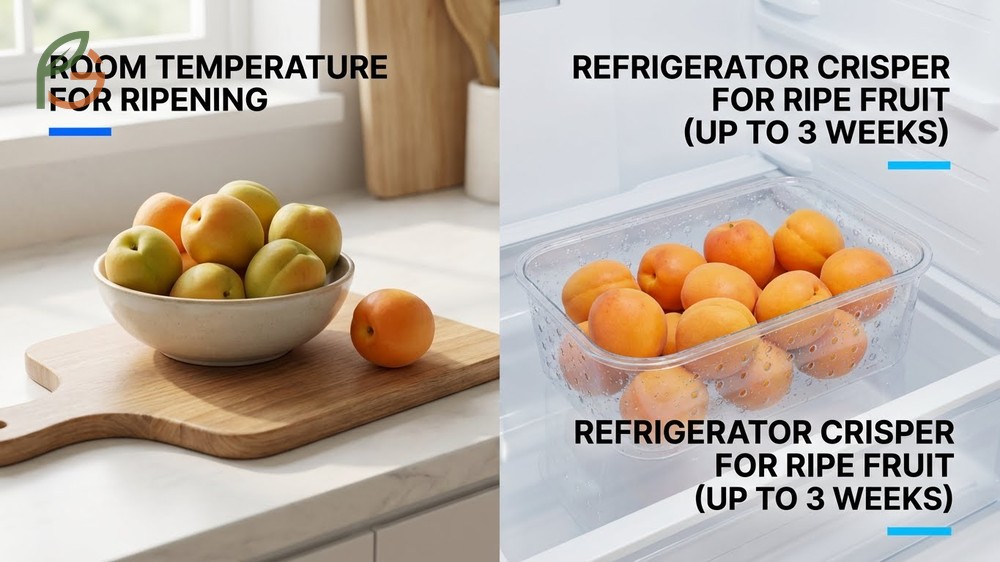
Store ripe apricots in the refrigerator’s crisper drawer to extend their shelf life up to 3 weeks[4]. Place them in a single layer or loosely packed in a breathable container to prevent bruising and moisture buildup. Cold temperatures slow down enzymatic activity that causes fruit deterioration and flavor loss.
Keep underripe apricots at room temperature until they reach desired ripeness before refrigerating. The fruits won’t develop sweetness or soften once chilled, so timing matters. Check stored apricots every few days and remove any showing signs of mold or excessive softness to prevent spoilage from spreading.
For short-term storage of 2-3 days, leave ripe apricots on the counter in a fruit bowl away from direct sunlight. This method works well if you plan to eat them quickly. Don’t store apricots in sealed plastic bags at room temperature, as trapped moisture promotes mold growth and accelerates decay.
How to Freeze Apricots
Freezing apricots preserves them for up to 12 months while maintaining most nutritional value. Start by washing and halving the fruits to remove the pits. Place apricot halves skin-side down on a parchment-lined baking sheet, making sure they don’t touch each other[6].
Freeze the tray overnight until the halves become solid, then transfer them to freezer bags or airtight containers. This flash-freezing technique prevents the pieces from sticking together, letting you remove individual portions as needed. Squeeze out excess air from bags before sealing to prevent freezer burn.
You don’t need to peel apricots before freezing—the skin remains edible and nutritious after thawing. Use frozen apricots directly in smoothies without thawing, or let them defrost for 30 minutes before adding to baked goods or desserts. The texture becomes softer after freezing, making them better suited for cooked recipes than fresh eating.
- Wash apricots thoroughly and pat completely dry
- Cut in half along the natural seam and remove pits
- Arrange halves skin-side down on a parchment-lined baking sheet
- Freeze overnight until solid (8-12 hours)
- Transfer frozen pieces to labeled freezer bags
- Remove excess air and seal bags tightly
- Store at 0°F (-18°C) for up to 12 months
How to Dry Apricots
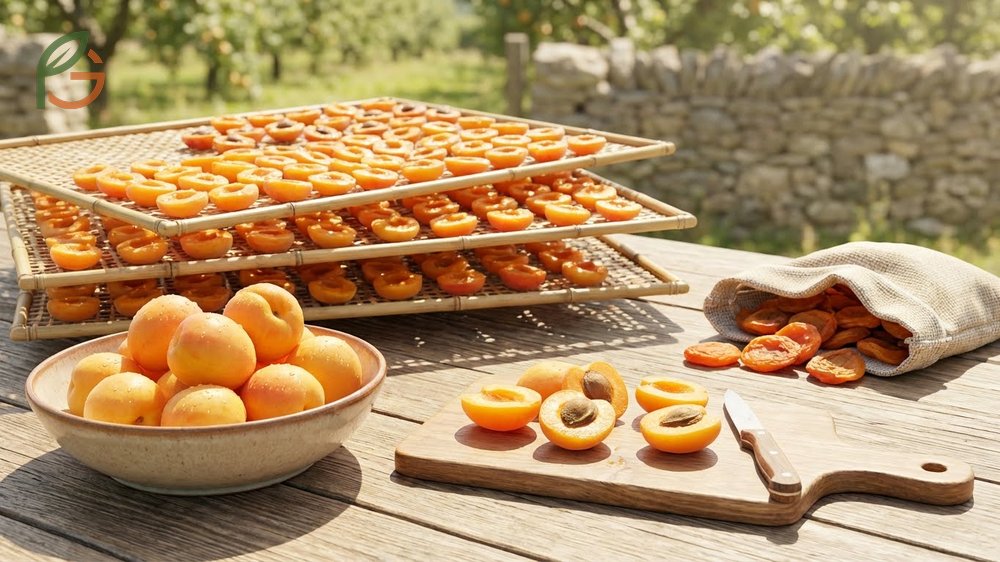
Drying apricots concentrates their natural sugars and creates a chewy, portable snack that lasts for months. The process removes moisture that bacteria and mold need to grow, extending shelf life without refrigeration. Dried apricots contain approximately three times more fiber than fresh ones but also pack significantly higher sugar content per serving.
Start with firm-ripe apricots that hold their shape during drying. Wash, halve, and remove pits before treating the fruit to prevent browning. A quick 10-minute soak in lemon water (1/4 cup lemon juice per quart of water) preserves the bright orange color without using sulfur dioxide chemicals.
Flatten each apricot half slightly by pressing down with your palm. This creates uniform thickness that ensures even drying throughout the batch. The flatter shape also makes stacking and storage easier once drying completes.
How to Dehydrate Apricots
Dehydrate apricots at 135°F (57°C) for 12-24 hours in a food dehydrator, checking periodically for desired texture. Arrange halves skin-side down on dehydrator trays with space between pieces for air circulation. The drying time varies based on apricot size and your dehydrator’s efficiency—smaller pieces finish faster than large halves.
Test for doneness by tearing a cooled piece in half. Properly dried apricots feel leathery and pliable without moisture beads appearing at the tear. If they’re still sticky or damp, continue drying for 2-4 more hours. Overdrying creates brittle, hard pieces that are difficult to chew.
For oven drying, set your oven to its lowest temperature (around 175°F/79°C) and prop the door open slightly for moisture escape. Place apricots on baking sheets and dry for 10-12 hours, rotating pans and flipping fruit at the halfway point. This method takes longer than dehydrators but works when specialized equipment isn’t available.
Store completely cooled dried apricots in airtight containers at room temperature for 6-12 months. Check periodically for signs of moisture or mold. If you live in a humid climate, refrigerate or freeze dried fruit to prevent spoilage and maintain texture.
Conclusion
The evidence is clear: learning how to eat apricot properly maximizes both nutrition and flavor when you consume them fresh with the skin on, ripen them at room temperature, and store them correctly. Whether you’re eating them raw, freezing for smoothies, or drying for portable snacks, these stone fruits deliver vitamin A, fiber, and natural sweetness that support a healthy diet.
Current guidance from agricultural extensions and food safety authorities emphasizes washing before eating, avoiding apricot kernels, and choosing appropriate storage methods based on ripeness. FruitGarden continues to synthesize the latest research on stone fruit cultivation and preservation to help home gardeners and fruit enthusiasts enjoy peak-quality apricots throughout the year.
Frequently Asked Questions
Do you need to refrigerate apricots?
Refrigerate apricots only after they’ve fully ripened at room temperature. Cold storage extends shelf life up to 3 weeks but stops the ripening process. Keep underripe apricots on the counter for 2-3 days until they soften and develop full sweetness before transferring them to the fridge.
Can you eat apricot skin, or should you peel it first?
You can eat apricot skin without peeling—it’s completely edible and contains most of the fruit’s fiber. The thin skin delivers concentrated nutrients and adds texture. Only peel apricots if you’re making recipes where smooth texture matters, like jams or purees.
How long do dried apricots last compared to fresh ones?
Dried apricots last 6-12 months at room temperature in airtight containers, while fresh apricots only keep 3-5 days on the counter or up to 3 weeks refrigerated. The dehydration process removes moisture that causes spoilage, making dried apricots a shelf-stable option for long-term storage without refrigeration.
What’s the best way to wash apricots before eating?
Wash apricots under cool running water for 15-20 seconds while gently rubbing the skin with your fingers. This removes pesticide residues, dirt, and bacteria from the fuzzy surface. Pat dry with a clean towel and eat immediately—don’t wash apricots until you’re ready to consume them, as excess moisture promotes spoilage.
Are apricot kernels safe to eat?
Apricot kernels contain amygdalin that converts to cyanide in the body, making them dangerous in large amounts. Adults shouldn’t exceed three small kernels daily, and children should avoid them completely. Despite claims about health benefits, no scientific evidence supports eating apricot kernels—discard the pits entirely for safety.
Can you freeze fresh apricots for later use?
Yes, freeze fresh apricots for up to 12 months by halving them, removing pits, and flash-freezing on baking sheets before transferring to freezer bags. The skin stays edible after freezing. Use frozen apricots in smoothies, baked goods, or cooked recipes—the texture becomes too soft for fresh eating after thawing.
When is the best time to buy and eat apricots?
Buy apricots during peak season from late May through July when they’re freshest, most affordable, and deliver optimal flavor. Different varieties ripen at different times—Royal apricots peak in late May, while Moorpark varieties don’t ripen until late July. Eat apricots within 3-5 days of purchase for best quality.