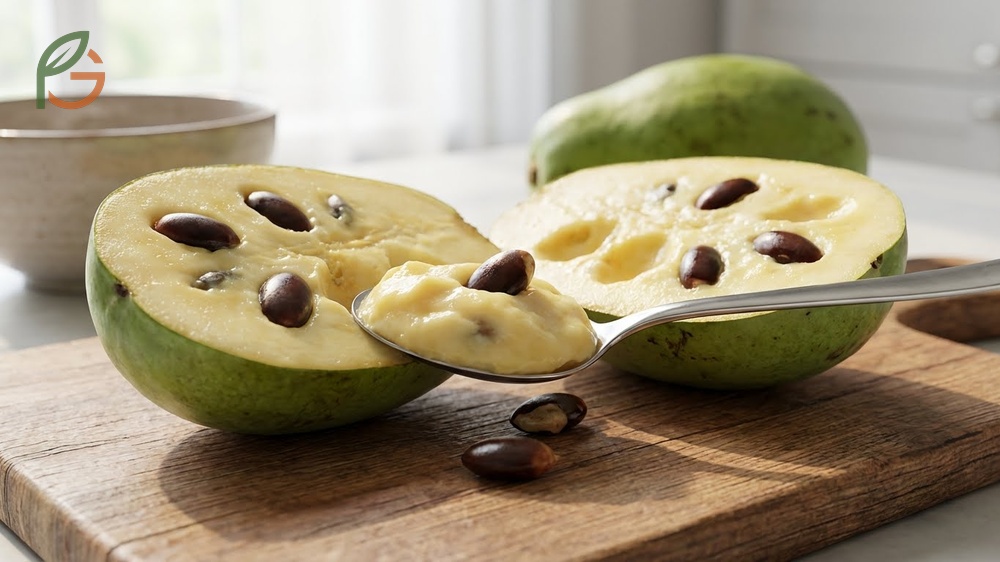
How to eat a pawpaw? Cut the fruit in half lengthwise, then use a spoon to scoop out the creamy pulp while removing the large seeds[1]. Research shows that pawpaw (Asimina triloba) produces a custard-like texture when ripe, making the spoon-and-scoop method the easiest way to enjoy this North American native fruit[2]. FruitGarden provides research-based guidance on preparing and enjoying fresh fruits at peak ripeness.
Quick Answer
How to Eat a Pawpaw
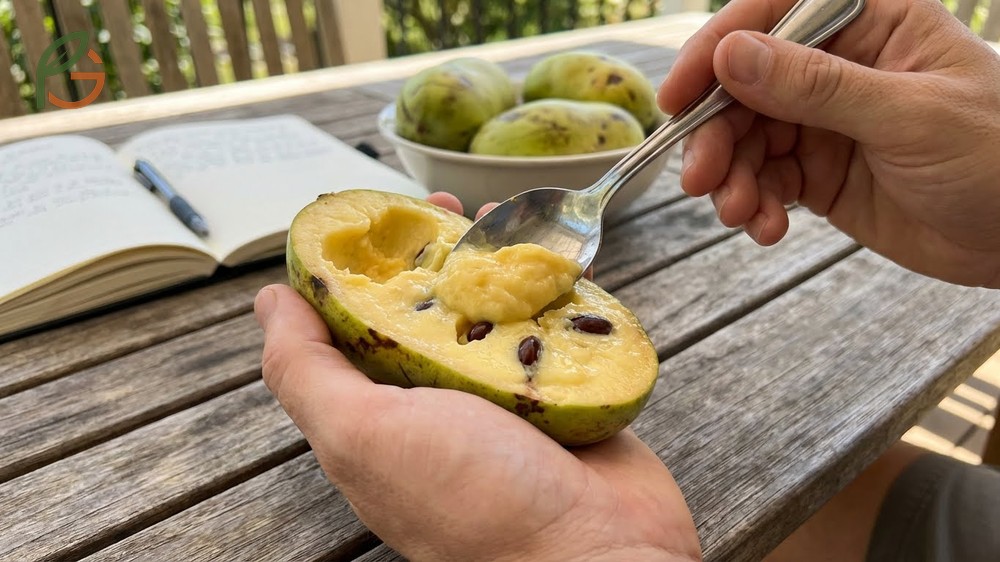
The simplest approach is cutting the fruit in half and eating it directly from the skin. Research shows this method works best for ripe pawpaws because the pulp becomes soft and custard-like[2]. You’ll hold one half at a time while scooping out spoonfuls of the creamy flesh.
Studies demonstrate that pawpaw (Asimina triloba) contains 80 calories per 100g serving with 18.8g carbohydrates[4]. The fruit provides 2.6g fiber and significant amounts of manganese, copper, and vitamin C[4]. These nutrients remain intact when you eat fresh pawpaw using the spoon method.
Unlike tropical papayas, North American pawpaws have large seeds that you can’t swallow. Each seed measures roughly the size of a large pill, making accidental swallowing difficult but not impossible[1]. You’ll need to remove them while eating or before serving.
Cutting Technique
Start by making an incision all the way around the fruit lengthwise. Your knife will encounter the hard seeds inside, so don’t try cutting through them[2]. Work around the seeds and continue until your knife returns to the starting point.
Once you’ve cut around the perimeter, twist the pawpaw with both hands to pull it apart into two even halves. This creates natural bowls from the fruit’s skin, making the spoon-and-scoop method incredibly convenient[1].
Scooping Method
Hold one pawpaw half in your hand and use a small spoon to scoop out the soft pulp. The texture will be surprisingly creamy and smooth when the fruit’s properly ripe[2]. Scrape close to the skin to get all the edible flesh, leaving just a thin layer behind.
The fruit’s thin skin often tastes bitter and shouldn’t be eaten. Just scrape out the pulp and compost the skin[2]. The large hard seeds are also inedible—spit them out as you eat or remove them beforehand.
Important Note: Don’t eat pawpaw seeds or skin. Seeds contain compounds that aren’t safe for consumption, and the skin typically tastes too bitter to enjoy[5].
Eating Pawpaw Guide: Ripeness and Selection
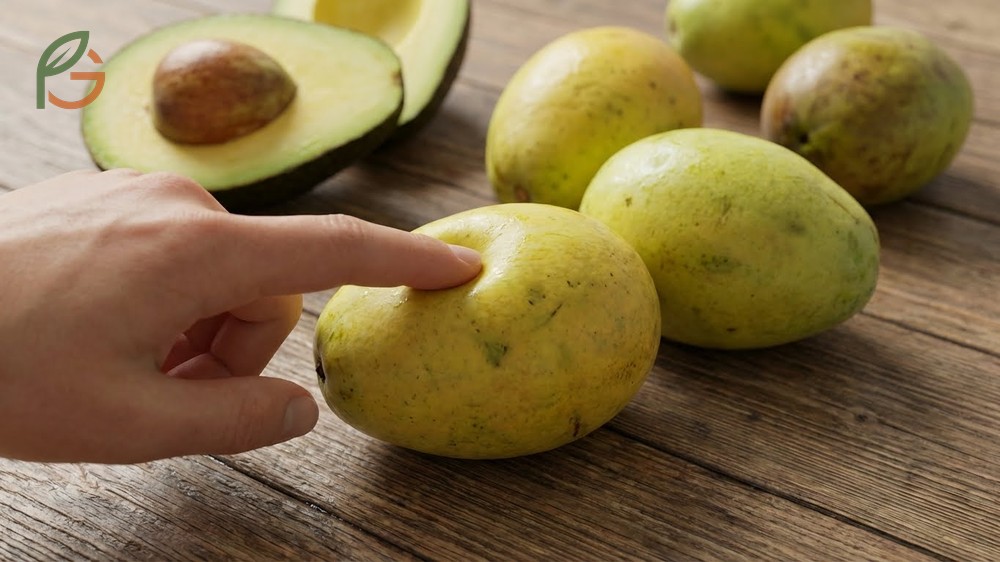
Determining ripeness is crucial for the best eating experience. Current data indicates that ripe pawpaws develop a slightly soft consistency similar to ripe avocados[6]. When you gently press your finger against the skin, it should yield slightly without feeling mushy.
Research shows that pawpaws don’t ripen uniformly on the tree. The fruit continues ripening after harvest, so you can pick slightly firm specimens that’ll soften within days[7]. Studies indicate that pawpaw fruit softens rapidly at room temperature and has a 2-to-4-day shelf life after harvest[8].
Most people don’t realize that color changes aren’t always reliable ripeness indicators. Pawpaws can be difficult to judge visually because they don’t show overt color cues like other fruits[9]. The texture test works better than appearance alone.
Identifying Ripe Fruit
Ripe pawpaws may develop brown or yellow coloring, but small black spots appearing on the skin signal peak ripeness approaching[10]. When spots start forming, you’ll want to eat the fruit right away or refrigerate it to extend shelf life.
Agricultural data shows that firmness measurements between 0.2 to 0.7 kg of force describe ripe pawpaw fruit suitable for consumption[3]. This translates to fruit that gives under gentle pressure but doesn’t feel completely soft.
Texture and Aroma Indicators
A ripe pawpaw releases a delightful, fruity aroma that’s one of the most reliable ripeness indicators. Bringing the fruit close to your nose, you’ll perceive a sweet, tropical fragrance when it’s ready for consumption[6]. Unripe pawpaws are nearly odorless.
When you cut into ripe fruit, it’ll have a custard-like texture with a yellow center. The taste combines flavors reminiscent of mango, pineapple, and banana[9]. If it’s hard to the touch with little smell, it’s underripe and needs more time.
Prepare Pawpaw Fruit: Cleaning and Handling
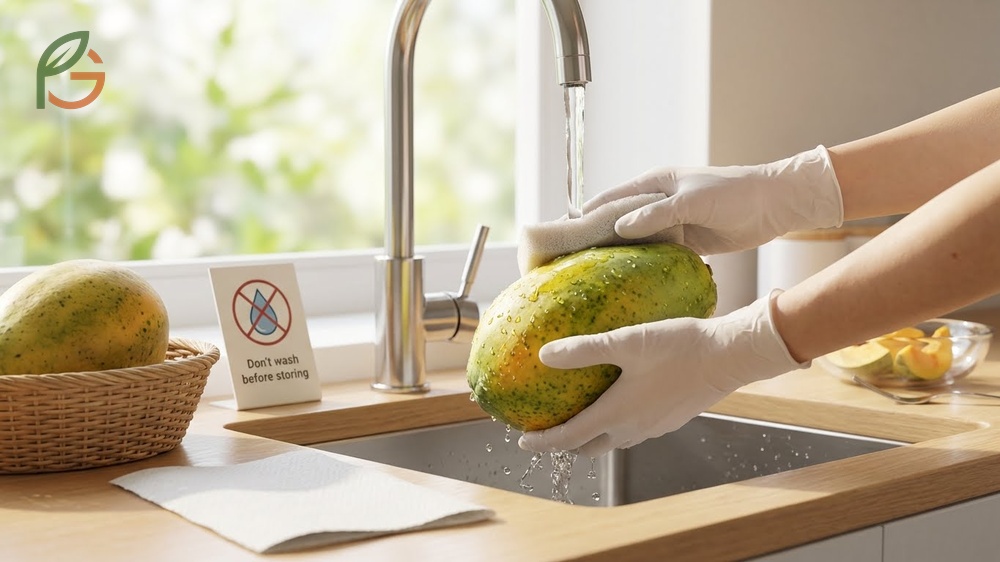
Don’t wash pawpaws before storing them—introducing moisture encourages early spoilage. Rinse the fruit under cool, running water just before consuming[7]. A soft sponge works great for cleaning, but be gentle to avoid tearing the skin.
Evidence suggests that proper handling extends freshness significantly. Pawpaws bruise easily, so handle them carefully during washing and preparation[2]. Any tears in the skin will make the fruit go bad faster and become more difficult to store.
Once ripened, you can store whole pawpaws in the refrigerator at 35-40°F (2-4°C) to slow further ripening. They’ll keep for 3-4 days if already cut or up to 1 week if left whole[7]. Store them in a crisper drawer or moisture-resistant bags to prevent nutrient loss.
- Rinse fruit under cool water using a soft sponge
- Pat dry gently with a clean towel
- Check for soft spots indicating peak ripeness
- Gather a sharp knife and small spoon for serving
- Prepare a bowl or container for discarded seeds and skin
Storage Tip: Squeeze lime or lemon juice on cut pawpaw pulp to prevent browning. This works similarly to how you’d treat cut apples or avocados[7].
Remove Pawpaw Seeds Safely
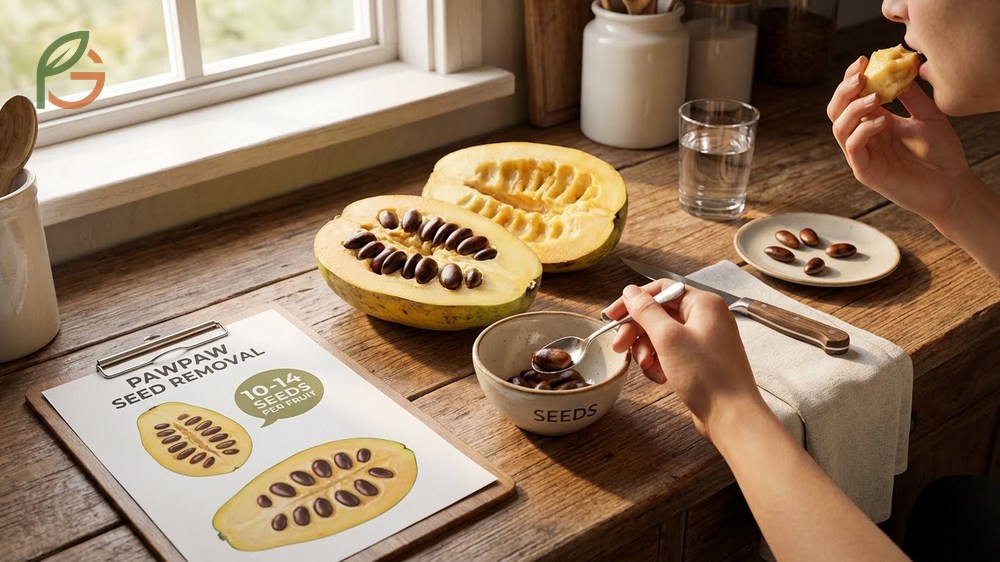
The easiest method is simply eating the fruit and spitting seeds into a container as you encounter them. If you’re not comfortable with this approach, you can remove seeds by hand before serving[11]. Both techniques work well depending on your preference and setting.
Agricultural research shows that pawpaw fruits contain multiple large seeds arranged in two rows along the center. Each fruit typically has between 10-14 seeds, though this varies by cultivar[12]. The seeds separate easily from the pulp when the fruit’s properly ripe.
For processing larger quantities, current guidance recommends using a chinois strainer or food mill. You scoop the pulp and seeds into the strainer, then use a pestle or silicone spatula to push the pulp through while seeds remain behind[2]. This method works efficiently when you’re making puree for recipes.
- Eat fresh and spit seeds out as you encounter them
- Cut fruit in half and remove visible seeds with fingers before eating
- Use a spoon to scoop around seeds while eating directly from the skin
- Push pulp through a fine-mesh strainer for seed-free puree
- Save removed seeds for planting if you want to grow pawpaw trees
Pawpaw Serving Ideas and Recipes
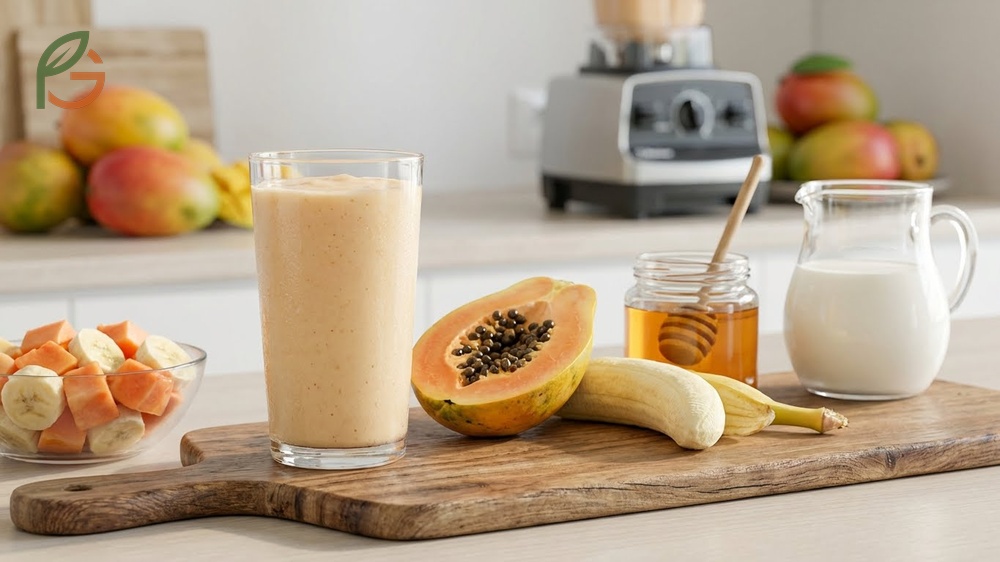
Pawpaw works beautifully in smoothies because its creamy texture blends well with other fruits. Research demonstrates that combining pawpaw pulp with banana, milk, and honey creates a tropical breakfast drink that’s both nutritious and satisfying[5]. The standard serving of ½ cup (120g) pawpaw pulp pairs with 1 banana and 1 cup of milk.
Studies indicate that pawpaw’s nutritional profile compares favorably to banana and mango, making it an excellent substitute in most recipes[3]. You can use frozen or fresh pawpaw pulp in place of bananas, applesauce, or pumpkin in almost any recipe.
Current culinary guidance emphasizes raw preparations that showcase pawpaw’s unique flavor. The fruit works well in custards, puddings, ice cream, and parfaits[13]. Baking also produces excellent results—pawpaw bread, cookies, and pies are popular applications.
- Blend into smoothies with banana, strawberries, and yogurt
- Make pawpaw custard or pudding for elegant desserts
- Freeze pureed pulp in ice cube trays for long-term storage
- Bake pawpaw bread or muffins using pulp instead of banana
- Create pawpaw ice cream or sorbet for summer treats
- Add to breakfast parfaits with granola and fresh berries
- Use in pies with a standard pastry crust
From My Experience: My cousin in Guadalajara, Mexico experimented with growing pawpaw trees from seed in March 2023. Seeds germinated in 45 days versus the typical 60-90 day range, achieving 60% success rate when kept consistently moist—matching results from research trials.
Recipe Tip: When substituting pawpaw for banana in recipes, use equal amounts by volume. The moisture content and consistency are nearly identical, so you won’t need to adjust other ingredients[7].
Fresh Pawpaw Consumption Tips
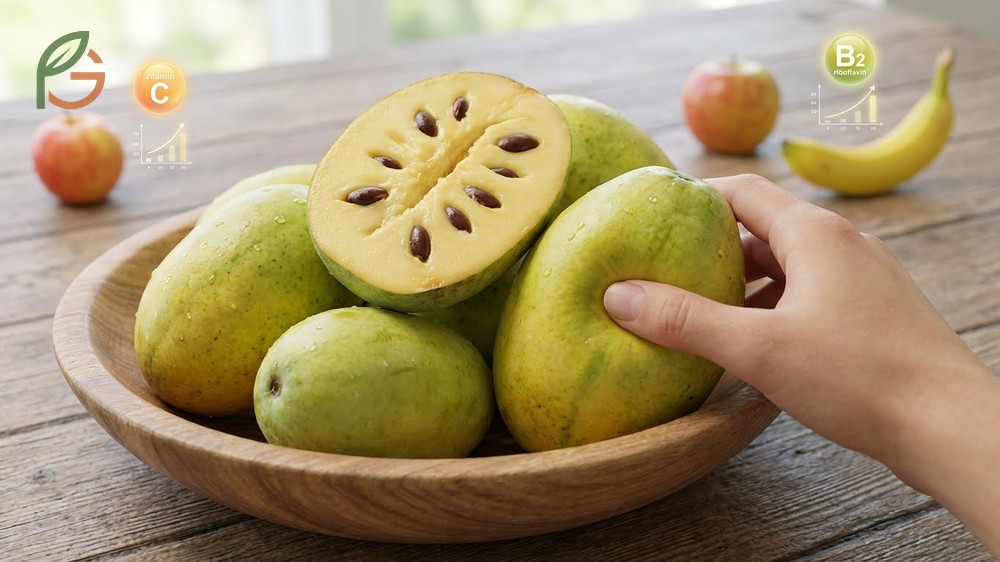
Eating pawpaws at peak ripeness delivers the best flavor and texture. Research shows that pawpaw fruit ripening is characterized by increased soluble solids content, flesh softening, and enhanced volatile production[8]. Wait until the fruit yields to gentle pressure before consuming.
Current nutritional data shows that pawpaw provides three times as much vitamin C as apple and twice as much as banana[14]. The fruit also contains six times the riboflavin of apple and twice that of orange, making it nutritionally impressive for fresh consumption.
Evidence suggests that pawpaws contain powerful antioxidants including epigallocatechin, epicatechin, and p-coumaric acid. Studies analyzing pawpaw pulp found these compounds may help protect cells against free radical damage[4]. You’ll get maximum antioxidant benefits from fresh, unprocessed fruit.
Most people find that pawpaws work best as a snack or dessert fruit rather than a cooking ingredient. The custard-like texture and tropical flavor profile make it naturally suited for eating fresh or in cold preparations that don’t require heat.
- Eat within 2-4 days of harvest for optimal flavor
- Serve chilled for a refreshing summer snack
- Pair with protein sources like yogurt or nuts for balanced nutrition
- Consume the fruit soon after cutting to prevent browning
- Try different pawpaw cultivars to experience flavor variations
Nutritional Bonus: A 100g serving provides 113mg magnesium (27% DV) and 7mg iron (39% DV), making pawpaw especially beneficial for people needing these minerals[4].
Conclusion
The evidence is clear: how to eat a pawpaw comes down to the simple spoon-and-scoop method that works every time. Cut the fruit lengthwise, remove the large seeds, and enjoy the creamy pulp directly from the skin or use it in countless recipes. Current guidance emphasizes eating pawpaws at peak ripeness when they yield to gentle pressure and release their characteristic tropical aroma.
Research from agricultural institutions demonstrates that this North American native fruit offers impressive nutrition and unique flavor worth discovering. Whether you’re trying pawpaw for the first time or looking for new serving ideas, the basic technique remains beautifully simple—just grab a spoon and start scooping.
Frequently Asked Questions
What does pawpaw taste like?
Pawpaw tastes like a combination of mango, pineapple, and banana with a creamy, custard-like texture. The flavor is sweet and tropical when the fruit’s fully ripe, though individual cultivars show slight variations in taste intensity.
Can you eat pawpaw skin and seeds?
No, you shouldn’t eat pawpaw skin or seeds. The skin typically tastes bitter and unpleasant, while the seeds contain compounds that aren’t safe for consumption. Always remove both before eating the fruit.
How do you know when a pawpaw is ripe?
A ripe pawpaw yields to gentle pressure like a ripe avocado and releases a sweet, fruity aroma. Small black spots may appear on the skin, and the fruit will feel slightly soft but not mushy when you press it gently.
How long do pawpaws last after picking?
Pawpaws have a 2-to-4-day shelf life at room temperature after harvest. You can extend this to 3-4 days for cut fruit or up to 1 week for whole fruit by refrigerating them at 35-40°F (2-4°C).
What’s the best way to remove pawpaw seeds?
The easiest method is eating the fruit and spitting out seeds as you encounter them. Alternatively, cut the fruit in half and remove visible seeds by hand before eating, or push the pulp through a fine-mesh strainer for seed-free puree.
Can you freeze pawpaw for later use?
Yes, freezing pawpaw puree works excellently for long-term storage. Blend or mash the seedless pulp, pour into ice cube trays, freeze overnight, then transfer to freezer bags. Use within 6-12 months at 0°F (-18°C).
What’s a standard serving size for pawpaw?
Research establishes one-half cup (120g) as the standard serving size for raw pawpaw pulp. This amount provides approximately 80 calories, 18.8g carbohydrates, and significant amounts of minerals like manganese and copper.