How much protein in an avocado? A medium avocado (200g) contains approximately 3-4 grams of protein[1], with 2 grams per 100g serving[2]. While avocados aren’t protein powerhouses, they contain all nine essential amino acids and offer unique muscle-building benefits through potassium, healthy fats, and B vitamins. FruitGarden synthesizes current nutritional research to help you understand how avocados fit into your fitness goals.
Quick Answer
- A whole medium avocado provides 3-4g protein[1], while a half avocado contains approximately 1.5-2g protein
- Avocados contain all 9 essential amino acids[3] but aren’t considered “complete” due to lower lysine and methionine levels
- For comparison, eggs contain 541% more protein[4] than avocados (12.6g vs 2g per 100g)
- Avocados support muscle recovery through 485mg potassium[2] per 100g and anti-inflammatory fats, making them ideal post-workout
How Much Protein in an Avocado
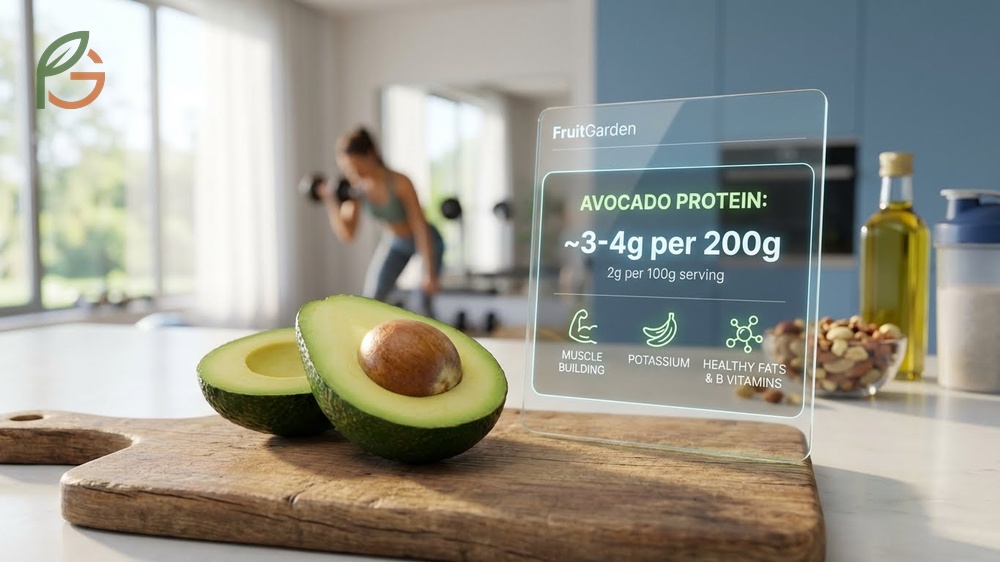
Research shows that avocados contain modest but measurable protein levels compared to other fruits. A medium avocado weighing approximately 200 grams delivers 3-4 grams of protein[5], making it one of the highest-protein fruits available. Studies demonstrate this represents roughly 4% of the daily recommended protein intake for most adults.
Current data indicates that protein concentration in avocados sits at 2 grams per 100-gram serving[2]. This might seem low compared to traditional protein sources, but it’s significantly higher than most fruits. For instance, bananas contain only 1.1g protein per 100g, while apples provide just 0.3g.
The protein quality in avocados differs from animal sources. While avocados won’t replace chicken or tofu in your meal plan, they contribute valuable amino acids alongside healthy fats and fiber. Most people don’t realize that pairing avocados with complementary proteins creates more complete nutrition profiles.
Protein by Serving Size
Understanding protein content across different avocado portions helps with meal planning. A standard 50-gram serving (about one-third of a medium avocado) provides 1 gram of protein[6]. This means you can adjust portions based on your daily protein targets.
Evidence suggests that one cup of cubed avocado contains approximately 3 grams of protein, while one cup of pureed avocado delivers 4.6 grams[5]. Half an avocado, a common breakfast portion, gives you roughly 1.5-2 grams of protein to start your day.
This table compares protein and calorie content across five common avocado serving sizes from 50g to one whole fruit
| Serving Size | Weight | Protein | Calories |
|---|---|---|---|
| Small serving | 50g (2 oz) | 1g[6] | 80 calories |
| Half avocado | 100g | 2g[2] | 160 calories |
| One cup cubed | ~150g | 3g[5] | 240 calories |
| Whole medium avocado | 200g | 4g[1] | 320 calories |
| One cup pureed | ~230g | 4.6g[5] | 368 calories |
Avocado Amino Acid Profile
Agricultural data shows that avocados contain all nine essential amino acids your body can’t produce[3]. These include leucine, isoleucine, valine (the BCAAs), plus lysine, methionine, phenylalanine, threonine, tryptophan, and histidine. This complete spectrum supports various body functions from muscle synthesis to neurotransmitter production.
The leucine content in avocados deserves attention since it triggers muscle protein synthesis. Research indicates that branched-chain amino acids like leucine help reduce muscle soreness and speed recovery after resistance training. Avocados also provide arginine at 177mg per serving, supporting blood flow and nutrient delivery to muscles.
Important note: While avocados contain all essential amino acids, the quantities vary significantly. Some amino acids appear in lower concentrations compared to animal proteins or legumes, which affects their overall protein quality rating.
Is Avocado a Complete Protein
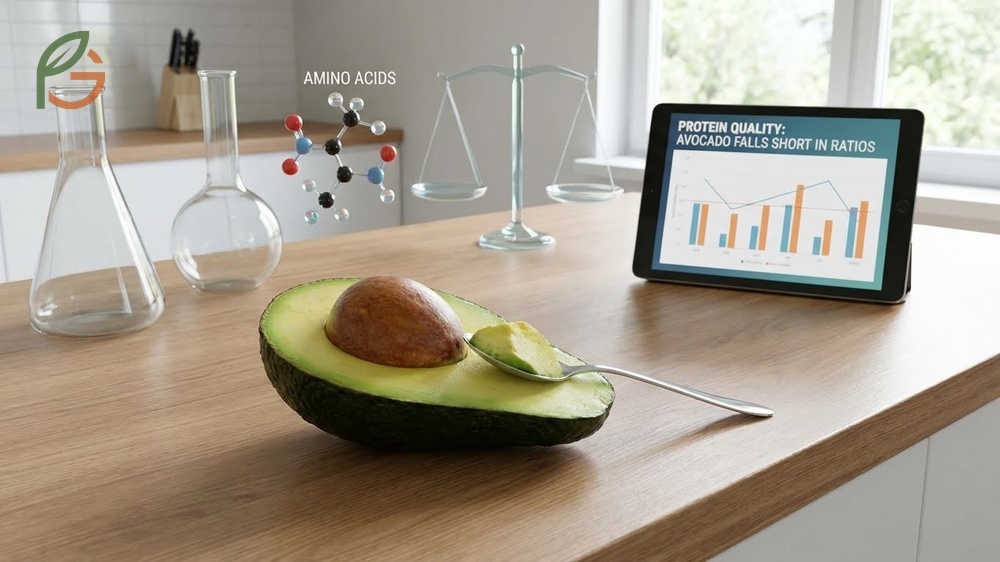
The term “complete protein” requires clarification when discussing avocados. Studies demonstrate that avocados technically contain all nine essential amino acids[3], meeting the basic definition of completeness. However, nutritionists often distinguish between “containing” all amino acids versus providing them in optimal ratios.
Research shows that protein quality depends on both presence and proportion of amino acids. The evidence is clear: avocados fall short of the gold standard set by eggs, dairy, or soy. What matters most for muscle building isn’t just having all amino acids, but having enough of each to support protein synthesis efficiently.
Current guidance emphasizes that plant-based eaters don’t need to stress about combining proteins in every meal. Your body pools amino acids throughout the day, so eating varied protein sources across multiple meals provides complete nutrition. Avocados contribute to this amino acid pool, especially when you’re eating other plant proteins.
Limiting Amino Acids in Avocados
Evidence suggests that lysine and methionine represent the limiting amino acids in avocados[3]. These amino acids appear in significantly lower amounts compared to your body’s requirements. Lysine plays crucial roles in collagen formation, calcium absorption, and immune function, while methionine supports metabolism and detoxification.
This limitation means relying solely on avocados for protein won’t support optimal muscle growth. For instance, lysine deficiency can impair recovery from workouts and reduce the effectiveness of other amino acids. The good news: combining avocados with lysine-rich foods like legumes, quinoa, or tofu creates a more balanced amino acid profile.
Protein Quality Comparison
Comparing avocado’s amino acid profile to other protein sources reveals important differences. Agricultural research demonstrates that avocados provide leucine for muscle synthesis, but in smaller quantities than chicken breast or lentils. Similarly, while avocados contain lysine, legumes and dairy products deliver 3-5 times more per serving.
The protein efficiency ratio matters when building muscle on limited calories. Studies indicate that you’d need to consume 800 calories of avocado to obtain 10 grams of protein[2]. By contrast, the same 10 grams comes from just 158 calories of chicken breast or 111 calories of lentils. This doesn’t make avocados inferior—it clarifies their role as nutrient-dense additions rather than primary protein sources.
Avocado vs Egg Protein
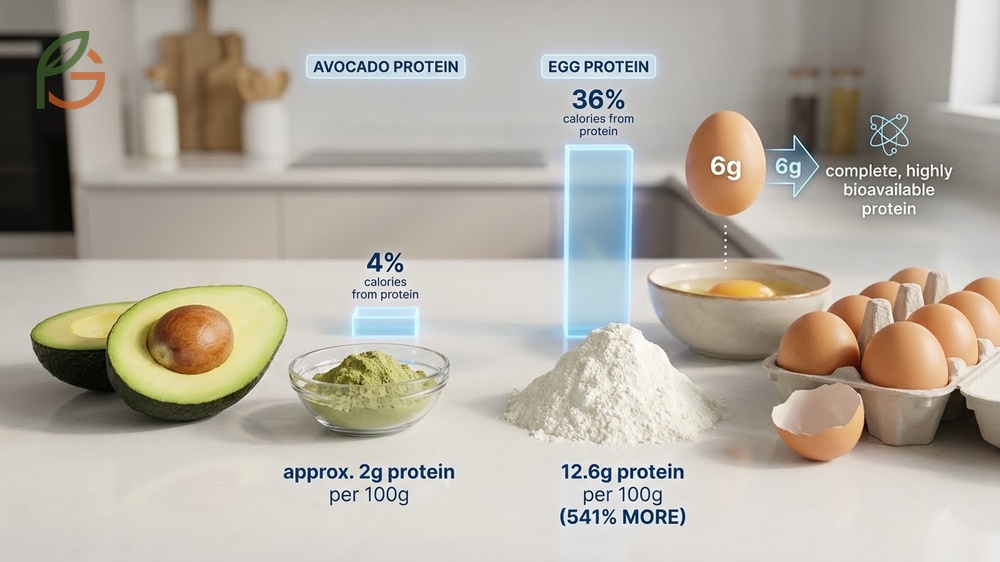
Nutritional data reveals striking differences between avocado and egg protein content. Research shows that eggs contain 12.6 grams of protein per 100 grams, representing 541% more protein than avocados[4]. A single large egg delivers approximately 6 grams of complete, highly bioavailable protein in just 70 calories.
The macronutrient ratios tell different nutritional stories. Evidence indicates that eggs derive 36% of calories from protein compared to just 4% for avocados[4]. Avocados allocate 77% of their calories to fats, while eggs split between 62% fat and 36% protein. This makes eggs far more protein-efficient when you’re watching calories.
Current nutritional guidance suggests viewing these foods as complementary rather than competitive. Studies demonstrate that combining avocados with eggs creates a powerhouse meal—you get complete proteins from eggs plus heart-healthy monounsaturated fats, fiber, and potassium from avocados. This combination supports both immediate protein needs and long-term cardiovascular health.
| Nutrient | Avocado | Egg |
|---|---|---|
| Protein | 2g[2] | 12.6g[4] |
| Calories | 160 | 143 |
| Fat | 14.7g | 10g |
| Fiber | 7g[2] | 0g |
Practical tip: Don’t choose between avocados and eggs—combine them. Two scrambled eggs with half an avocado provides roughly 14-15g protein, healthy fats for hormone production, and fiber for sustained energy. This combination works especially well for post-workout meals.
Muscle Building Benefits of Avocados
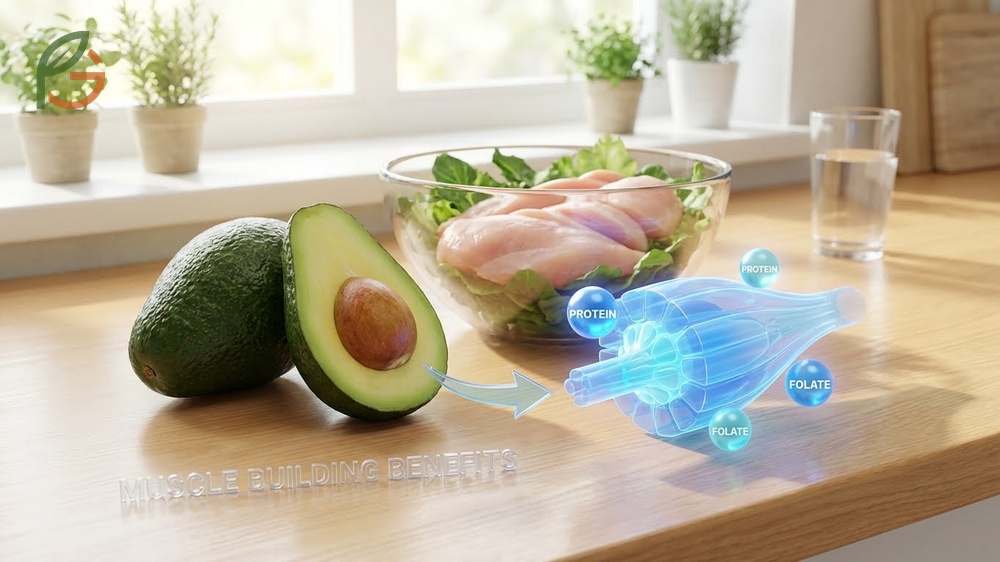
Avocados support muscle development through mechanisms beyond protein content. Research shows that avocados rank among the highest fruit sources for protein, containing 4 grams per whole fruit[7]. What sets them apart is their rich folate content (vitamin B9), which plays crucial roles in protein absorption and utilization.
Studies demonstrate that folate helps regulate growth hormone production, which promotes muscle development and recovery[7]. Current data indicates that one medium avocado provides approximately 90 micrograms of folate. This B vitamin also supports red blood cell formation, ensuring oxygen delivery to working muscles during training.
The potassium content in avocados deserves attention for muscle function. Evidence shows that 100 grams of avocado contains 485mg of potassium[2], which prevents cramps during intense workouts. Combined with magnesium, these minerals support muscle contraction, relaxation, and recovery between training sessions.
- Monounsaturated fats: Support testosterone production and hormone balance critical for muscle growth
- Vitamin B6: Aids protein metabolism and helps convert amino acids into usable forms for muscle tissue
- Vitamin C: Reduces oxidative stress from training and supports collagen synthesis for connective tissue health
- Vitamin E: Protects muscle cell membranes from exercise-induced damage and inflammation
- Biotin: Essential for energy production and muscle repair processes during recovery periods
Avocado Post Workout Nutrition
Nutritional research indicates that avocados excel as post-workout recovery foods despite modest protein content. Studies show their high antioxidant levels—including lutein, vitamin C, and vitamin E—help reduce inflammation and speed muscle recovery[8]. These compounds protect against free radical damage from intense training sessions.
The healthy fat profile in avocados supports recovery through multiple pathways. Evidence suggests that monounsaturated fats improve blood flow and oxygen delivery to fatigued muscles. This enhanced circulation brings nutrients and removes metabolic waste products more efficiently. Research demonstrates that anti-inflammatory fatty acids may reduce muscle soreness by 20-30% when consumed regularly.
Timing matters when using avocados for recovery. Current guidance emphasizes pairing avocados with complete protein sources like eggs, chicken, or Greek yogurt within 30-90 minutes post-workout. For example, a recovery bowl with grilled chicken, quinoa, and sliced avocado provides fast-acting protein plus sustained-release energy from healthy fats.
Plant Based Protein Combinations
Strategic protein pairing maximizes avocado’s nutritional value for vegetarian and vegan athletes. Agricultural data shows that combining avocados with legumes creates complementary amino acid profiles—legumes provide abundant lysine (avocado’s limiting amino acid), while avocados contribute healthy fats that improve nutrient absorption from beans and lentils.
Research shows that lentils deliver 19 grams of protein per half-cup cooked serving[9], making them excellent partners for avocados. A Buddha bowl with lentils, quinoa, and avocado provides 25-30 grams of complete protein plus fiber and micronutrients. Similarly, chickpeas offer 7.5 grams per half-cup serving and pair beautifully in guacamole-style dips.
- Avocado + Tofu: Tofu provides 9g protein per 3-oz serving with all essential amino acids; avocado adds creaminess and nutrients
- Avocado + Black beans: Creates complete protein with complementary amino acids plus 15g fiber per cup combined
- Avocado + Quinoa: Both contain all 9 essential amino acids; quinoa adds 8g protein per cooked cup
- Avocado + Hemp seeds: Hemp seeds contribute 10g protein per 3 tablespoons plus omega-3s that complement avocado fats
- Avocado + Tempeh: Fermented soy provides 15g protein per 3-oz serving with enhanced digestibility
- Avocado + Chia seeds: Chia adds 5g protein and 10g fiber per ounce while absorbing avocado’s healthy fats
Performance tip: Pre-workout, avocados provide sustained energy without causing digestive distress. Their B-vitamins help convert food to fuel, while vitamin C fights fatigue. Try half an avocado with whole grain toast 60-90 minutes before training for optimal results.
Macronutrients in Avocado
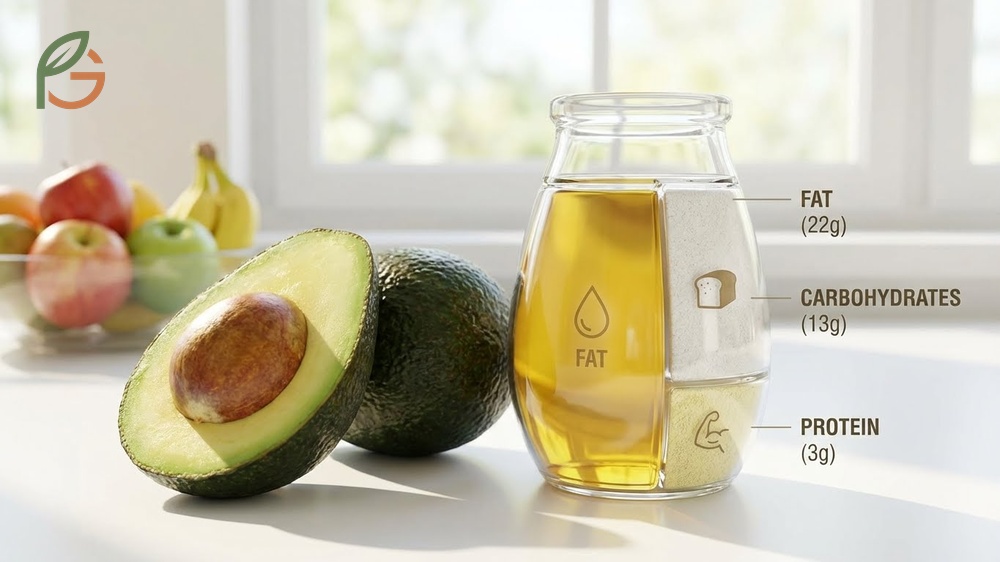
Avocado’s complete macronutrient profile extends beyond protein content. Studies show that a medium avocado contains approximately 240 calories, distributed across 3 grams protein, 13 grams carbohydrates, and 22 grams fat[10]. This distribution creates a unique nutritional signature compared to other fruits, which typically emphasize carbohydrates over fats.
The fat composition deserves closer examination since it drives most of avocado’s caloric content. Research indicates that 15 grams come from heart-healthy monounsaturated fats, 4 grams from polyunsaturated fats, and only 3 grams from saturated fats[10]. The predominance of monounsaturated fatty acids supports cardiovascular health and hormone production crucial for muscle growth.
Fiber content significantly impacts how your body processes avocado’s macronutrients. Evidence shows that 10 grams of dietary fiber per medium avocado[10] slows digestion and stabilizes blood sugar levels. This means the carbohydrates release energy gradually, preventing insulin spikes that can interfere with muscle recovery. The fiber also supports gut health, which enhances nutrient absorption from all foods you eat.
Sodium levels in avocados remain remarkably low at just 11 milligrams per fruit[10], with zero cholesterol. This combination makes avocados ideal for athletes managing blood pressure or those following heart-healthy eating patterns. Most people don’t realize that this mineral profile, combined with high potassium, creates an optimal electrolyte balance for muscle function and hydration.
- Calories: 240 total, providing sustained energy without blood sugar spikes
- Protein: 3-4 grams containing all 9 essential amino acids for muscle support
- Carbohydrates: 13 grams total with 10g fiber, resulting in just 3g net digestible carbs
- Total fat: 22 grams dominated by heart-healthy monounsaturated fats (15g)
- Saturated fat: Only 3 grams, significantly lower than many protein sources like cheese or beef
- Fiber: 10 grams (40% of daily value), supporting digestion and nutrient absorption
Conclusion
The evidence is clear: while how much protein in an avocado may seem modest at 3-4 grams per fruit, avocados earn their place in muscle-building nutrition through complementary nutrients. Their complete amino acid profile, combined with potassium for muscle function, folate for protein absorption, and anti-inflammatory fats for recovery, creates synergistic benefits that extend beyond simple protein numbers.
Current nutritional guidance emphasizes strategic integration rather than replacement—pair avocados with higher-protein foods like eggs, legumes, or tofu to optimize amino acid profiles. FruitGarden synthesizes research showing that this combination approach supports both immediate muscle recovery and long-term athletic performance while delivering essential micronutrients that isolated protein sources often lack.
Medical Disclaimer
Important Medical Disclaimer: This content is for informational and educational purposes only. It is not intended as a substitute for professional medical advice, diagnosis, or treatment. Always consult a qualified healthcare professional or registered dietitian before making any changes to your diet, nutrition plan, or exercise routine, especially if you have medical conditions, allergies, or specific health concerns. Individual nutritional needs vary based on age, activity level, health status, and other factors.
Frequently Asked Questions
How Much Protein in Half an Avocado?
Half a medium avocado contains approximately 1.5-2 grams of protein, equivalent to about 1 gram per 50-gram serving. While this isn’t substantial compared to traditional protein sources, it contributes to your daily amino acid pool when combined with other foods throughout the day.
How Many Grams of Protein in an Avocado?
A whole medium avocado (200g) provides 3-4 grams of protein, with 2 grams per 100-gram serving. This makes avocados the highest-protein common fruit, though they still fall short of protein-dense foods like eggs (12.6g per 100g) or legumes (19g per half-cup cooked).
Does Avocado Have Complete Protein?
Avocados contain all nine essential amino acids but aren’t considered a “complete” protein in practical terms. Research shows they’re lower in lysine and methionine compared to optimal ratios. Pair avocados with legumes, grains, or animal proteins to create balanced amino acid profiles for muscle building.
Is Avocado Good for Muscle Building?
Avocados support muscle building through folate (which aids protein absorption), potassium (485mg per 100g prevents cramps), and healthy fats that support hormone production. While not a primary protein source, they enhance recovery and nutrient absorption when combined with higher-protein foods in post-workout meals.
What Has More Protein, Avocado or Egg?
Eggs contain significantly more protein—12.6 grams per 100g compared to avocado’s 2 grams, representing 541% more protein. One large egg delivers 6 grams of complete, highly bioavailable protein. However, avocados provide fiber, potassium, and monounsaturated fats that eggs lack, making them complementary rather than competitive.
How Much Protein in Guacamole?
Basic guacamole made from two medium avocados provides approximately 6-8 grams of protein before adding other ingredients. Adding ingredients like Greek yogurt, hemp seeds, or white beans can boost protein content to 12-15 grams per serving, creating a more protein-rich dip for muscle-building snacks.
Are Avocados Good Post Workout?
Studies show avocados work well post-workout when paired with complete proteins. Their antioxidants (lutein, vitamins C and E) reduce exercise-induced inflammation, while potassium replenishes electrolytes lost through sweat. The healthy fats improve nutrient absorption and provide sustained energy for recovery. Combine with eggs, chicken, or Greek yogurt for optimal results.