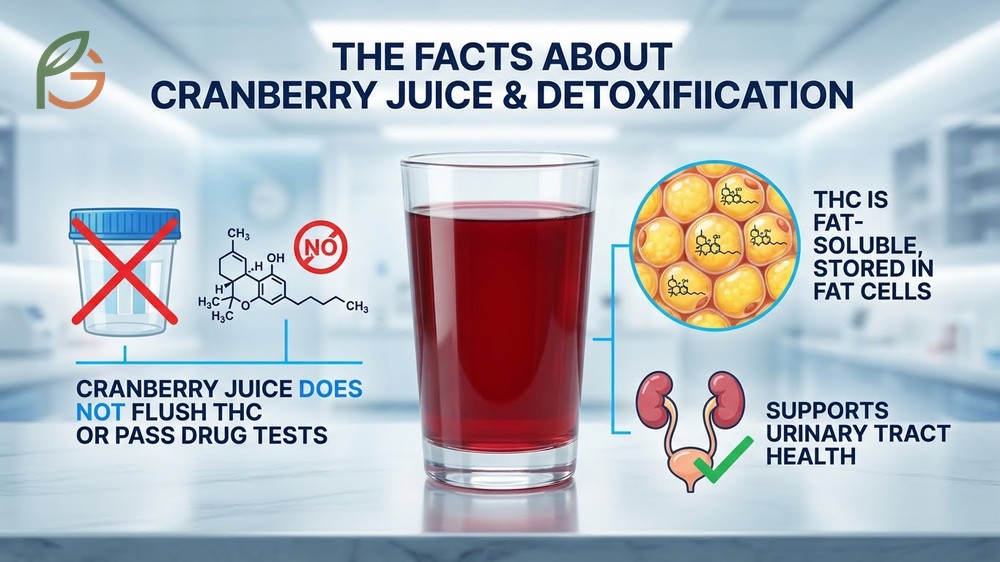
How much cranberry juice should I drink to detox? No amount of cranberry juice helps you pass a drug test or remove THC from your system. Research shows THC is fat-soluble and stored in fat cells, not flushed out by drinking cranberry juice.[1] While cranberry juice offers real health benefits for urinary tract health, FruitGarden presents evidence-based information to help you understand what actually works for detoxification.
Quick Answer
- Cranberry juice cannot remove THC from fat cells or help you pass drug tests[1]
- THC detection times range from 1-2 days for occasional users to 3-6 days for heavy users at standard cutoffs[2]
- Drug tests detect THC-COOH metabolites, not THC itself, which are stored in fat tissue[3]
- Excessive fluid intake can dilute urine and produce false-negative results, triggering retests[4]
How Much Cranberry Juice Should I Drink to Detox
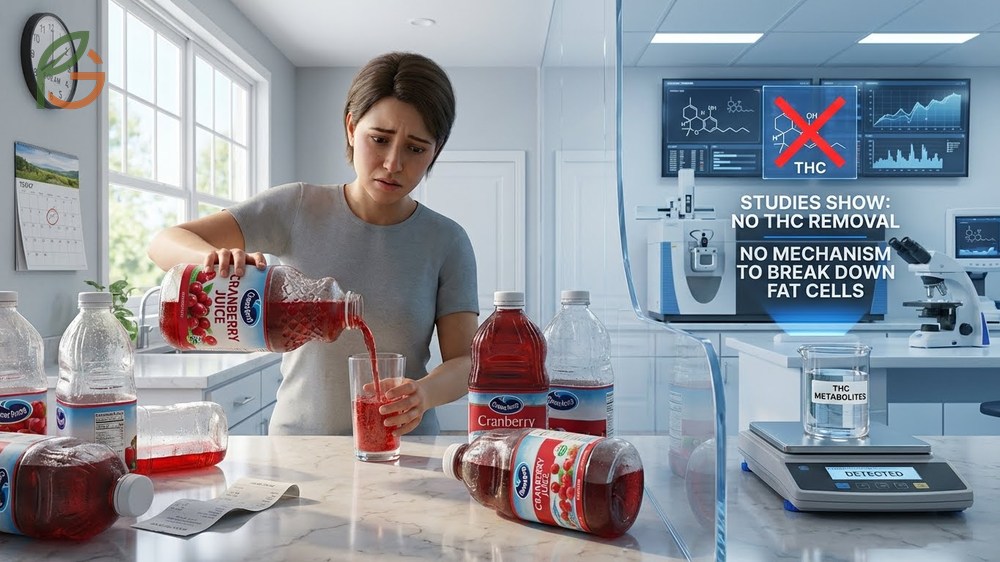
Studies demonstrate that no amount of cranberry juice removes THC or drug metabolites from your system.[5] Evidence shows cranberry juice lacks any mechanism to break down fat cells where THC is stored. The popular belief that drinking large quantities of cranberry juice helps you pass drug tests is entirely unsupported by scientific research.
Current data indicates people consume anywhere from 8 to 64 ounces of cranberry juice daily hoping to detox, but these efforts don’t affect drug test results.[6] What often happens is temporary urine dilution from excessive fluid intake. Most people don’t realize that diluted samples trigger validity checks at testing laboratories, which measure creatinine levels and specific gravity to detect tampering attempts.
Research shows the only proven way THC leaves your body is through your natural metabolism over time. The body slowly releases THC from fat tissue back into the bloodstream, where it’s processed by the liver and kidneys for elimination through urine, sweat, and breath.[7] This process typically takes 2-4 weeks for complete clearance, depending on usage patterns and individual factors.
Why Cranberry Juice Can’t Remove THC
THC is fat-soluble, meaning it binds to fat molecules throughout your body rather than water.[8] Cranberry juice is water-based and cannot access or break down these fat deposits. The moment THC enters your bloodstream, your body immediately pulls it out and stores it in fatty tissue—including the brain, which is largely composed of fat.
Studies confirm cranberry juice’s diuretic properties only increase water-soluble waste elimination through urine. Since THC metabolites are stored in fat, not floating freely in your bloodstream, increased urination doesn’t accelerate their removal.[9] This fundamental mismatch between cranberry juice’s effects and THC’s storage mechanism explains why the method doesn’t work.
Important Note: Claims about herbal products aiding drug test passage lack scientific validation. Research published in clinical journals demonstrates excess fluid ingestion produces false-negative results, but retesting protocols catch these attempts.[4]
The Dilution Myth
When you consume excessive cranberry juice or water, your urine becomes diluted with lower concentrations of everything—including drug metabolites. Modern drug testing laboratories use validity checks to identify diluted samples by measuring creatinine concentration and specific gravity.[10] Normal urine contains specific levels of waste products your kidneys filter out. When these levels drop too low, labs flag the sample as diluted and invalid.
Evidence indicates a diluted sample doesn’t prove you’re drug-free. Testing facilities require you to provide another sample under observation, often within hours. If drug metabolites are present in your system, they’ll appear in subsequent tests regardless of dilution attempts.
- Abnormally light or clear urine color compared to typical yellow
- Creatinine levels below 20 mg/dL (normal range is 20-400 mg/dL)
- Specific gravity readings below 1.003 or above 1.030
- Urine temperature outside the acceptable 90-100°F (32-38°C) range
- Unusual pH levels indicating sample tampering
Does Cranberry Juice Help with Drug Test
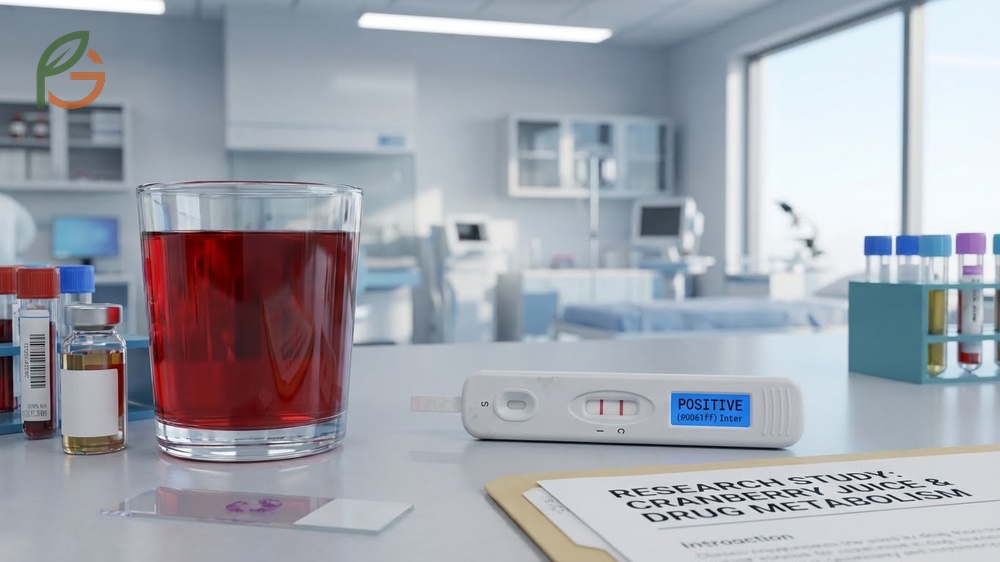
Research confirms cranberry juice doesn’t help you pass drug tests.[6] Studies examining cranberry juice consumption and drug metabolism found no significant impact on how quickly your body eliminates drug compounds. Most research on cranberry juice focuses on urinary tract health benefits, not drug metabolite clearance.
Current testing protocols detect specific metabolites—the breakdown products your body creates when processing drugs. For cannabis, labs look for 11-nor-9-carboxy-THC (THC-COOH), which persists in your system far longer than THC itself.[3] Standard urine tests flag positive when THC-COOH concentrations exceed 50 ng/mL. Drinking cranberry juice doesn’t reduce these metabolite levels below detection thresholds.
What often gets overlooked is that testing labs have decades of experience identifying dilution attempts. They’ve developed sophisticated validity testing that makes simple dilution strategies ineffective for cheating drug tests.
What Drug Tests Actually Detect
Drug tests don’t look for THC itself—they screen for THC-COOH, an inactive metabolite your body produces after processing cannabis.[11] This metabolite is fat-soluble and accumulates in fatty tissue throughout your body. Most urine immunoassays use competitive binding principles, where antibodies specifically target THC-COOH molecules.
Detection thresholds vary by testing protocol. Federal workplace programs typically use a 50 ng/mL cutoff for initial screening, with confirmation testing at 15 ng/mL using gas chromatography-mass spectrometry (GC-MS).[2] Lower cutoffs significantly extend detection windows, catching metabolites that higher thresholds might miss.
This table compares detection cutoff levels, typical detection windows, and testing applications across three standard marijuana testing thresholds
| Cutoff Level | Detection Window | Testing Application |
|---|---|---|
| 100 ng/mL | 0.5-1.5 days[2] | Older screening protocols |
| 50 ng/mL | 1-2 days (standard)[2] | Federal workplace, DOT testing |
| 20 ng/mL | 1-5 days occasional, 3-6 days heavy[2] | Military, sensitive positions |
| 15 ng/mL (GC-MS) | Approximately 2x longer than 50 ng/mL[2] | Confirmation testing |
Detection Times for Cannabis
Cannabis detection times depend on usage patterns, metabolism, and body composition. Research shows occasional users (1-2 times per week) typically test positive for 1-3 days after last use with standard 50 ng/mL cutoffs.[2] Heavy users who consume cannabis daily may test positive for 3-6 days or longer due to greater THC accumulation in fat tissue.
Studies demonstrate that individuals with higher body fat percentages retain metabolites longer than those with lower body fat. Your metabolism plays a crucial role—faster metabolisms clear THC more quickly through enhanced fat breakdown and elimination.[12] Age, hydration status, and physical activity levels also influence detection windows.
- Chronic daily use building cumulative THC in fat cells
- Higher body fat percentage storing more fat-soluble metabolites
- Slower metabolism reducing elimination rate
- Potency of cannabis products (concentrates vs. flower)
- Method of consumption (edibles vs. smoking affecting absorption)
- Individual genetics affecting enzyme production
Does Cranberry Juice Detox THC
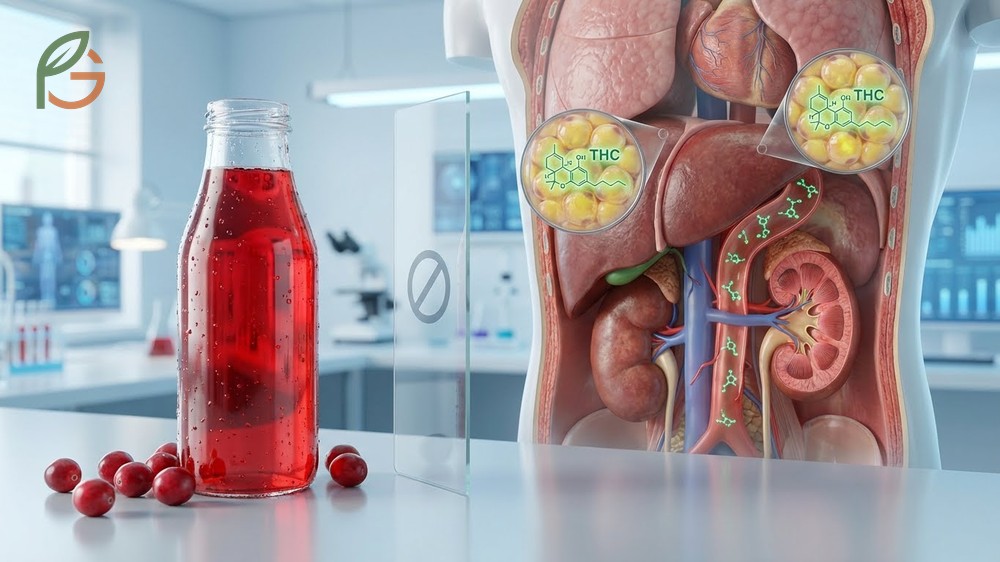
Evidence indicates cranberry juice doesn’t detox THC from your system.[1] The fundamental problem is that THC detoxification requires breaking down fat cells to release stored metabolites—something cranberry juice cannot do. Your liver and kidneys handle natural detoxification through metabolic processes that occur over days or weeks, not hours.
Research shows that under normal conditions, THC passively diffuses from fat tissue back into your bloodstream, explaining its long elimination half-life.[7] This slow release continues until your body completely eliminates all stored metabolites. Drinking any amount of cranberry juice doesn’t accelerate this natural timeline.
What works instead is time combined with healthy metabolism support. Your body’s natural detoxification system operates continuously without external interventions like juice cleanses or supplements.
How THC Is Stored and Eliminated
When THC enters your bloodstream, your body immediately begins pulling it out and depositing it in fatty tissue throughout your body.[8] The brain stores substantial amounts since it’s largely composed of fat. This storage happens while you’re still experiencing psychoactive effects, before you even stop feeling high.
After you stop consuming cannabis, the slow release process begins. Studies demonstrate that lipolysis (fat breakdown) releases THC from adipocytes back into circulation, where your liver metabolizes it into THC-COOH.[7] Your kidneys then filter these metabolites for excretion through urine. This natural cycle takes 2-4 weeks for complete elimination, with cumulative buildup occurring if you consume cannabis before clearing previous doses.
Scientific Insight: Research shows that conditions promoting enhanced fat metabolism—like fasting or intense exercise—may temporarily increase THC release into the bloodstream. This could theoretically elevate blood THC levels even days after last use.[7]
Factors Affecting THC Clearance
Your metabolism determines how quickly your body processes and eliminates THC metabolites. People with faster metabolisms experience shorter detection windows because their bodies break down fat stores more efficiently. Body composition matters significantly—individuals with lower body fat percentages clear THC faster than those with higher fat content.[13]
Frequency and amount of cannabis use create the biggest impact on clearance times. Occasional users who consume small amounts eliminate THC much faster than daily users. Heavy users build substantial THC reserves in fat tissue that take weeks to clear completely.
- Regular cardiovascular exercise increasing fat metabolism and circulation
- Adequate hydration supporting kidney function and metabolite excretion
- Healthy diet rich in fiber promoting digestive elimination
- Normal sleep patterns supporting optimal liver function
- Lower body fat percentage reducing THC storage capacity
- Younger age typically associated with faster metabolism
Cranberry Juice Actual Health Benefits
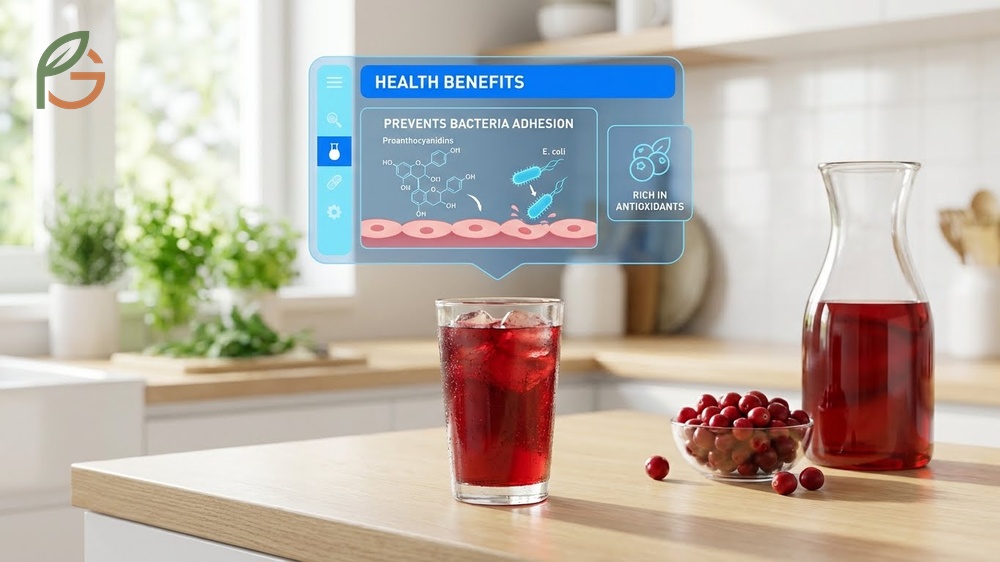
While cranberry juice doesn’t help with drug tests, it offers legitimate health benefits backed by research. Studies demonstrate cranberry juice may prevent urinary tract infections (UTIs) by reducing bacteria adhesion to bladder walls by approximately 26-30%.[14] Cranberries contain proanthocyanidins (PACs) and fructose that prevent E. coli bacteria from sticking to urinary tract linings.
Research shows cranberry juice is rich in antioxidants including vitamin C, vitamin E, and quercetin that protect cells from free radical damage.[15] One study found plasma vitamin C increased significantly in volunteers consuming cranberry juice daily. These antioxidants may support cardiovascular health by improving cholesterol levels and reducing inflammation.
Current guidance emphasizes cranberry juice’s role in urinary and digestive health rather than detoxification. The natural compounds support a balanced gut microbiome and promote overall wellness when consumed as part of a varied diet.
| Health Benefit | Evidence Level | Recommended Use |
|---|---|---|
| UTI Prevention | 26-30% reduction in recurring infections[14] | 8-10 oz daily for at-risk individuals |
| Antioxidant Support | Rich in vitamin C, E, quercetin[15] | 4-8 oz daily as part of varied diet |
| Cardiovascular Health | May improve cholesterol levels[16] | Moderate consumption with meals |
- Select 100% cranberry juice without added sugars or artificial sweeteners
- Look for products containing at least 25% cranberry concentrate
- Choose unsweetened varieties to avoid excess sugar intake
- Consider cranberry supplements standardized to 36 mg PACs if juice is too tart
- Limit consumption to 8-16 oz daily to avoid digestive discomfort
Conclusion
The evidence is clear: how much cranberry juice should I drink to detox for drug tests has a simple answer—none, because it doesn’t work. Research demonstrates THC is fat-soluble and stored in adipose tissue, where water-based cranberry juice cannot reach or affect it. The only reliable path to THC clearance is allowing your body’s natural metabolism to work over 2-4 weeks.
Current guidance emphasizes that attempting to manipulate drug tests through dilution creates more problems than it solves. Modern testing protocols easily detect sample tampering, resulting in automatic failures or retests. Instead, FruitGarden encourages readers to understand cranberry juice’s real benefits for urinary tract health and overall wellness, while maintaining realistic expectations about its limitations.
Medical Disclaimer
Important Medical Disclaimer: This content is for informational and educational purposes only. It is not intended as a substitute for professional medical advice, diagnosis, or treatment. Always consult a qualified healthcare professional before making any changes to your health routine, especially regarding substance use, drug testing concerns, or detoxification methods. Do not rely on this information for legal or employment-related decisions.
Frequently Asked Questions
Will Cranberry Juice Clean Your System for a Drug Test?
No, cranberry juice won’t clean your system for a drug test. Research shows it lacks any mechanism to remove THC or drug metabolites from fat cells where they’re stored.[9] Any perceived success likely results from temporary urine dilution, which modern labs easily detect through validity testing.
How Long Does THC Stay in Your System?
THC detection times range from 1-3 days for occasional users to 3-6 days for heavy users using standard 50 ng/mL cutoffs.[2] Complete elimination from fat stores typically takes 2-4 weeks. Factors like body fat percentage, metabolism, and usage frequency significantly affect clearance times.
Does Cranberry Juice Help Detox Weed Naturally?
No, cranberry juice doesn’t detox weed from your body. Studies confirm it can’t target THC specifically or expedite its removal from fat cells.[5] Your liver and kidneys handle THC elimination through natural metabolic processes that occur over days to weeks regardless of cranberry juice consumption.
Can Drinking Water Help Pass a Drug Test?
Drinking excessive water temporarily dilutes urine but doesn’t eliminate drug metabolites. Testing labs use validity checks measuring creatinine and specific gravity to identify diluted samples.[10] Diluted samples are flagged as invalid and require retesting, often under stricter observation.
What Is THC-COOH and Why Do Tests Look for It?
THC-COOH (11-nor-9-carboxy-THC) is the primary metabolite your body produces when processing cannabis. Drug tests detect this inactive metabolite rather than THC itself because it persists much longer in your system.[3] Most urine tests flag positive when THC-COOH exceeds 50 ng/mL.
Does Exercise Help Remove THC From Your System?
Exercise promotes fat metabolism (lipolysis), which can release stored THC back into your bloodstream. Research shows this may temporarily increase blood THC levels even days after last use.[7] Over time, regular exercise supports natural elimination through improved metabolism and circulation.
What Are the Real Benefits of Drinking Cranberry Juice?
Cranberry juice offers proven benefits for urinary tract health, reducing UTI frequency by 26-30% in susceptible individuals through compounds that prevent bacterial adhesion.[14] It’s also rich in antioxidants like vitamin C and quercetin that support immune function and cardiovascular health when consumed as part of a balanced diet.