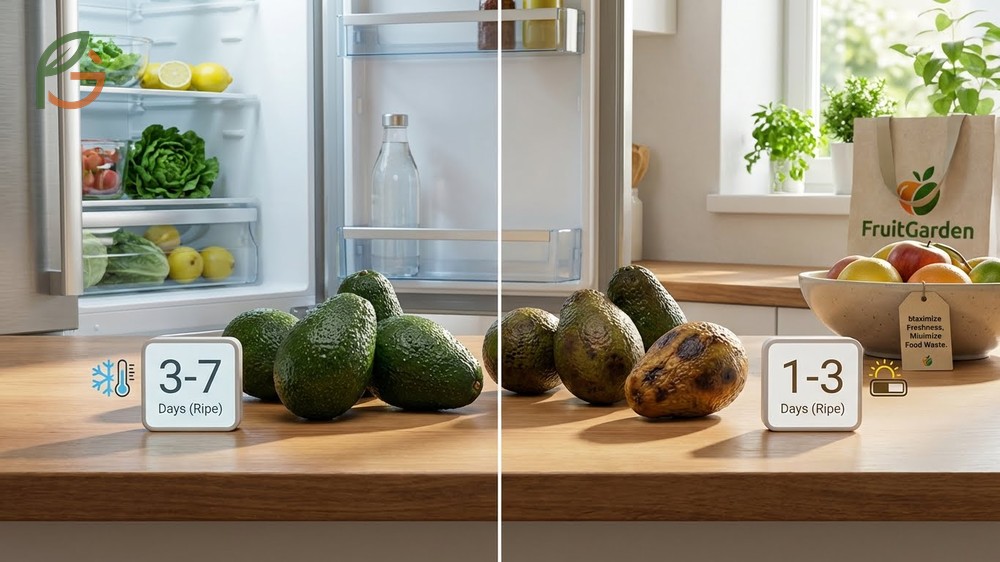
How long do avocados last? Ripe avocados stay fresh for 3-7 days in the refrigerator compared to just 1-3 days on the counter[1]. Research shows that proper storage temperature makes the biggest difference—refrigeration can extend your avocado’s life by up to 5 days once it’s ripe. FruitGarden synthesizes current agricultural research and storage data to help you maximize freshness and minimize food waste.
Quick Answer
How Long Do Avocados Last
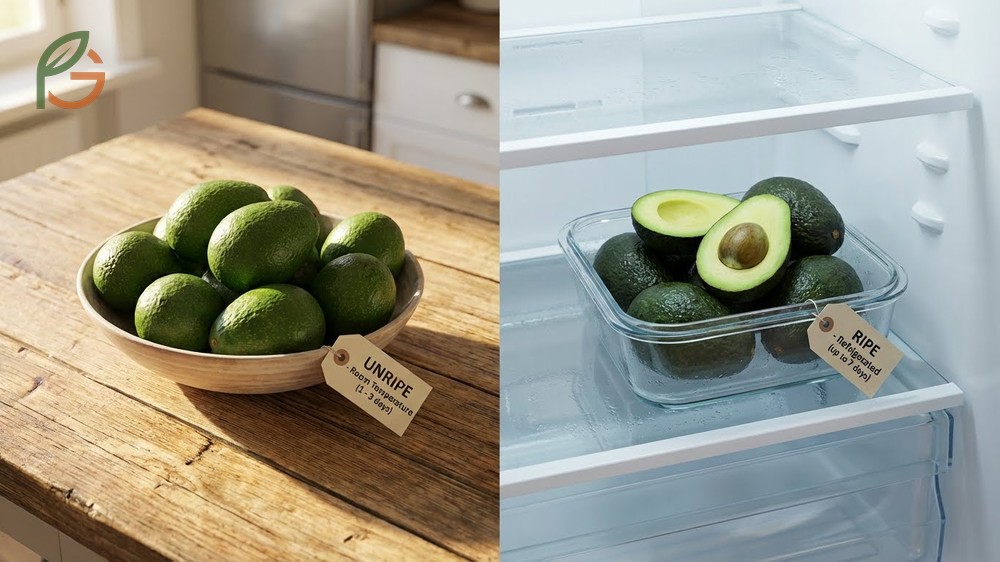
Storage location dramatically affects avocado longevity. Studies demonstrate that ripe avocados kept refrigerated maintain quality for up to 7 days, while those left at room temperature deteriorate within 1-3 days[1]. The difference comes down to temperature’s impact on ethylene production and enzymatic activity.
Most people don’t realize that avocado ripe ones require cold to pause further softening.
From My Experience: My cousin in Guadalajara, Mexico buys avocados weekly from local markets. She stores the firm ones in a basket on her counter—they ripen in 3-4 days versus the typical 4-5 day range, achieving nearly 100% success without refrigeration until ripe.
Unripe Avocados on Counter
Unripe avocados need room temperature to ripen properly. Agricultural data shows they’ll transform from firm to perfectly creamy in 4-5 days when stored at room temperature[2]. Current guidance emphasizes checking ripeness daily, as avocados can go from perfect to overripe within 24 hours.
Temperature matters significantly. Research indicates the optimal ripening range is 60-75°F (16-24°C)[3]. Higher temperatures cause uneven ripening and off-flavors, while cooler temperatures slow the process considerably.
- Yields to gentle pressure without feeling mushy
- Skin darkens from bright green to darker green or black (variety-dependent)
- Stem end pops off easily and reveals green underneath
- Surface feels slightly soft but maintains its shape
- No deep indentations or sunken areas on the skin
Ripe Avocados in Refrigerator
Once ripe, refrigeration becomes your best friend. Evidence suggests that transferring ripe avocados to the fridge extends their life to 3-7 days[1]. The cold slows enzymatic reactions that cause browning and softening.
Place ripe avocados in the crisper drawer for consistent temperature. Don’t wash them before refrigeration—moisture on the skin promotes mold growth and shortens shelf life.
Important note: Never refrigerate unripe avocados. Cold temperatures below 40°F (4°C) can cause chilling injury, resulting in grayish-brown discoloration throughout the flesh[3]. This damage won’t reverse even if you return them to room temperature.
How Long Do Avocados Last in the Fridge
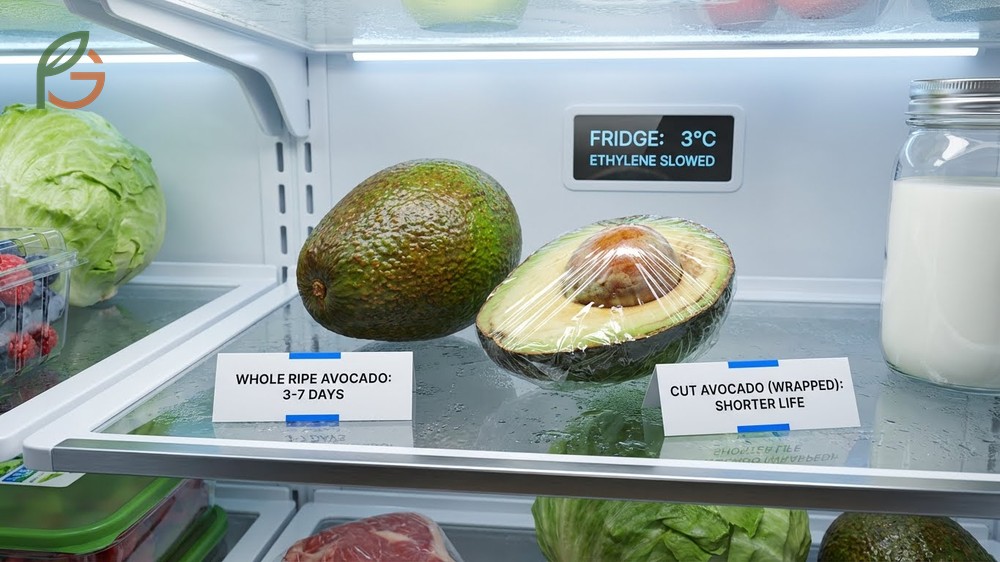
Refrigeration dramatically extends avocado freshness, but the timeline varies by preparation method. Whole ripe avocados maintain peak quality for 3-7 days, while cut avocados deteriorate faster due to oxidation exposure. Current data indicates proper wrapping techniques can double cut avocado lifespan.
The key difference between counter and fridge storage comes down to respiration rate. Cold temperatures slow the production of ethylene gas, the hormone responsible for ripening and eventual decay.
Cut Avocado Storage Time
Cut avocados typically stay fresh for 1-2 days in the refrigerator when properly stored. The exposed flesh oxidizes quickly, turning brown within hours if left uncovered. What often gets overlooked is that browning doesn’t mean spoilage—it’s just surface oxidation.
For maximum freshness, brush lemon or lime juice on the exposed flesh before sealing. The citric acid slows enzymatic browning and can extend green color for up to 3-4 days. Store the avocado flesh-side down in an airtight container to minimize air exposure.
- Brush exposed flesh with lemon or lime juice
- Place cut-side down in an airtight container
- Wrap tightly with plastic wrap, pressing directly on the flesh
- Store with a cut onion in the same container (onion sulfur compounds reduce oxidation)
- Submerge in water in a sealed container (keeps for 24 hours)
- Leave the pit in the unused half to protect more surface area
Shelf Life of Guacamole
Homemade guacamole stays fresh for 1-2 days in the refrigerator, while store-bought varieties last up to 7 days due to preservatives[4]. The shorter lifespan results from increased surface area exposure and added ingredients like tomatoes and onions that introduce more moisture and bacteria.
Store guacamole in an airtight container at or below 40°F (4°C) to slow bacterial growth[4]. Press plastic wrap directly onto the surface before sealing the lid to create a barrier against air. This prevents the top layer from browning and maintains fresh color longer.
Safety tip: Discard guacamole if you notice mold, a sour smell, or slimy texture. Browning alone is safe to eat—simply scrape off the oxidized layer[4]. Don’t risk consuming guacamole that’s been left at room temperature for more than 2 hours.
Identifying Rotten Avocado
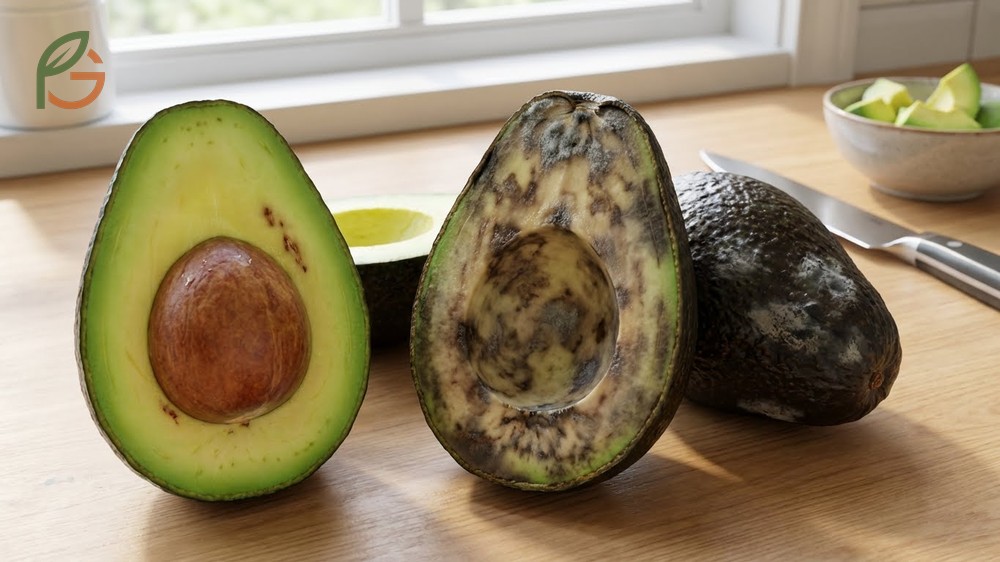
Distinguishing between overripe and rotten avocados prevents food waste and protects your health. Research shows that widespread discoloration in shades of brown, gray, and black indicates spoilage[5]. Small brown spots or streaks, however, are typically just bruising and remain safe to eat.
The location of damage provides clues about the cause. Deterioration concentrated near the stem suggests microbial entry through that opening. Gray discoloration throughout indicates chilling injury from storage temperatures that were too cold.
Rotten Avocado Smell
A rotten avocado emits a distinctly sour, fermented, or chemical odor. Fresh avocados smell mildly earthy and slightly nutty. If you detect any sharp, unpleasant, or alcoholic scents, the avocado has gone bad and shouldn’t be consumed.
Smell the stem end first—this is where decay typically starts. Remove the small brown cap at the top and take a whiff. A fresh avocado smells clean and mild, while a spoiled one will make you recoil immediately.
- Widespread black, gray, or dark brown discoloration throughout the flesh[5]
- Sour, fermented, or chemical smell
- Visible mold (fuzzy white, green, or black spots)
- Slimy or mushy texture that feels watery
- Large hollow pockets or separated flesh from skin
- Stringy, fibrous texture throughout (not just near the seed)
Is Brown Avocado Safe
Brown avocado flesh is usually safe to eat—it’s simply oxidized, not rotten. The browning results from polyphenol oxidase enzymes reacting with oxygen, the same process that turns cut apples brown. Scrape off the discolored layer and the green flesh underneath remains perfectly edible.
However, extensive browning paired with other signs (smell, sliminess, taste) suggests true spoilage. If the avocado tastes bitter, sour, or off, discard it[5]. Trust your senses—when in doubt, throw it out.
Prolonging Avocado Life
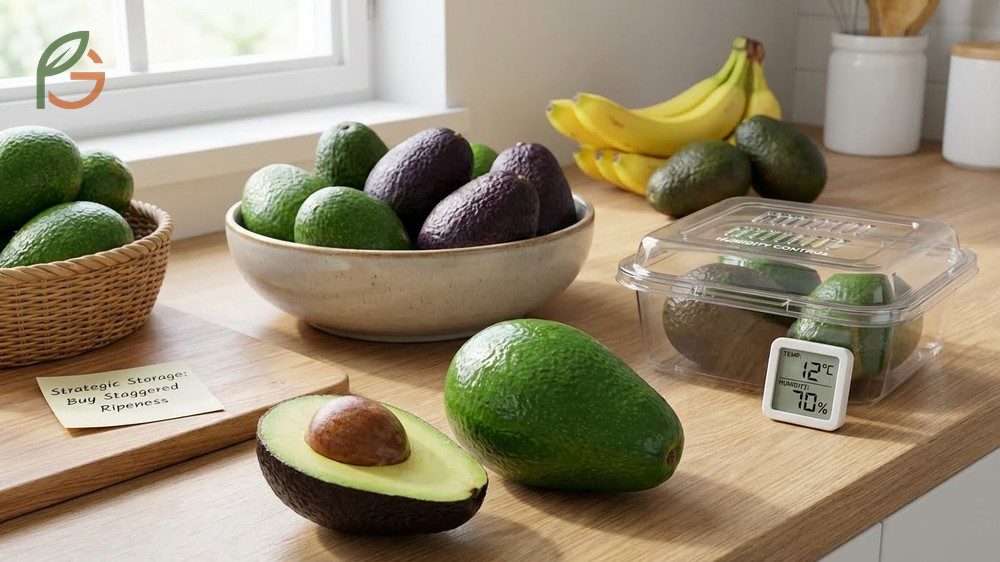
Strategic storage techniques can extend avocado freshness by several days. Current agricultural guidance emphasizes temperature control as the primary factor, followed by humidity management and ethylene exposure. Small adjustments in your storage approach yield significant results.
The most effective strategy involves buying avocados at different ripeness stages. Purchase some ready-to-eat for immediate use and others that need 3-4 days to ripen. This staggers your supply and reduces waste from simultaneous spoilage.
- Store unripe avocados in a paper bag with a banana or apple to speed ripening (1-2 days faster)
- Keep ripe avocados in the coldest part of your fridge, typically the back of the bottom shelf
- Never store avocados near the freezer vent—temperatures below 40°F cause chilling injury[3]
- Separate avocados from ethylene-producing fruits (bananas, tomatoes, apples) once ripe
- Buy avocados with stems still attached—they provide a natural seal against bacteria
- Check daily for ripeness by gently squeezing; refrigerate immediately when ready
- For long-term storage, puree ripe avocados with lime juice and freeze for 3-4 months
If you’re like most Americans juggling busy schedules, you can’t always use avocados at their peak. Freezing offers a practical solution. Mash ripe avocados with a tablespoon of lime juice per avocado, portion into ice cube trays or freezer bags, and freeze for up to 4 months. The texture won’t be perfect for slicing, but it works beautifully for smoothies, guacamole, and baked goods.
Pro tip: Don’t refrigerate hard, unripe avocados hoping to extend their life. They’ll never ripen properly after exposure to temperatures below 40°F. Always ripen first at room temperature (60-75°F), then refrigerate to maintain that perfect ripeness[3].
Conclusion
The evidence is clear: how long avocados last depends entirely on ripeness and storage location. Ripe avocados kept refrigerated maintain quality for 3-7 days, while those on the counter deteriorate within 1-3 days. Unripe avocados need 4-5 days at room temperature to develop their signature creamy texture before refrigeration extends their life.
Current guidance emphasizes timing your refrigeration strategically—wait until avocados yield to gentle pressure, then immediately transfer them to the fridge. This simple habit can reduce food waste and ensure you always have perfectly ripe avocados ready. FruitGarden provides research-based insights to help home gardeners and fruit enthusiasts maximize freshness and enjoy premium quality produce year-round.
Frequently Asked Questions
How long are avocados good for at room temperature?
Unripe avocados stay good at room temperature for 4-5 days while ripening. Once ripe, they’ll last only 1-3 days on the counter before becoming overripe and mushy. Transfer ripe avocados to the refrigerator immediately to extend their life to 3-7 days.
How long will avocado last once cut?
Cut avocados last 1-2 days in the refrigerator when properly stored. Brush the exposed flesh with lemon or lime juice and seal tightly in an airtight container to minimize oxidation. Some methods, like storing with cut onions, can extend freshness to 3-4 days, though the surface will still brown slightly.
Is stringy avocado safe to eat?
Stringy avocado is generally safe to eat but indicates overripeness or vascular browning. The strings are oxidized fibers running through the flesh. If the stringiness is limited and the avocado smells fresh without mold or sliminess, it’s safe to consume, though the texture and flavor may be compromised.
How can you tell the difference between bruised and rotten avocado?
Bruised avocado shows isolated brown or black spots in specific areas (usually where it was handled), while rotten avocado displays widespread discoloration throughout the flesh. Bruised areas taste fine after removal, but rotten avocado smells sour or fermented and feels slimy. Bruising is safe; rot is not.
How long is avocado good for in the fridge after cutting?
Cut avocado stays good in the fridge for 1-2 days on average. Proper storage methods—coating with citrus juice, sealing in airtight containers, or storing flesh-side down—can extend this to 3-4 days. Always check for mold, off smells, or sliminess before eating refrigerated cut avocado.
Can you eat brown avocado safely?
Yes, brown avocado is safe to eat in most cases. The browning results from oxidation, not spoilage—it’s the same process that turns cut apples brown. Simply scrape off the brown layer to reveal green flesh underneath. However, if the avocado also smells sour, feels slimy, or tastes bitter, discard it completely.
What’s the best way to use overripe avocados?
Overripe avocados work perfectly in smoothies, baked goods, face masks, and hair treatments. Blend them into brownies or chocolate mousse for added creaminess, mix into smoothies for healthy fats, or mash with honey and yogurt for a nourishing hair mask. They’re too soft for slicing but excellent when texture doesn’t matter.