Health benefits of cucumbers are backed by research showing they’re 95% water, provide 2g fiber per cup, and deliver vitamin K, potassium, and powerful antioxidants[1]. Most people don’t realize that eating cucumber with the peel maximizes these benefits—the skin contains concentrated flavonoids and tannins that fight inflammation[2]. FruitGarden synthesizes current nutritional research to help you understand why cucumbers deserve a place in your daily diet.
Quick Answer
- Cucumbers provide 2g dietary fiber per cup serving, supporting digestive health[1]
- One medium cucumber delivers 62% of daily vitamin K needs for bone health and blood clotting
- At 45 calories per cup, they’re one of the lowest-calorie vegetables for weight management[1]
- Cucurbitacins in cucumber skin reduce inflammation markers in research studies[2]
Health Benefits of Cucumbers
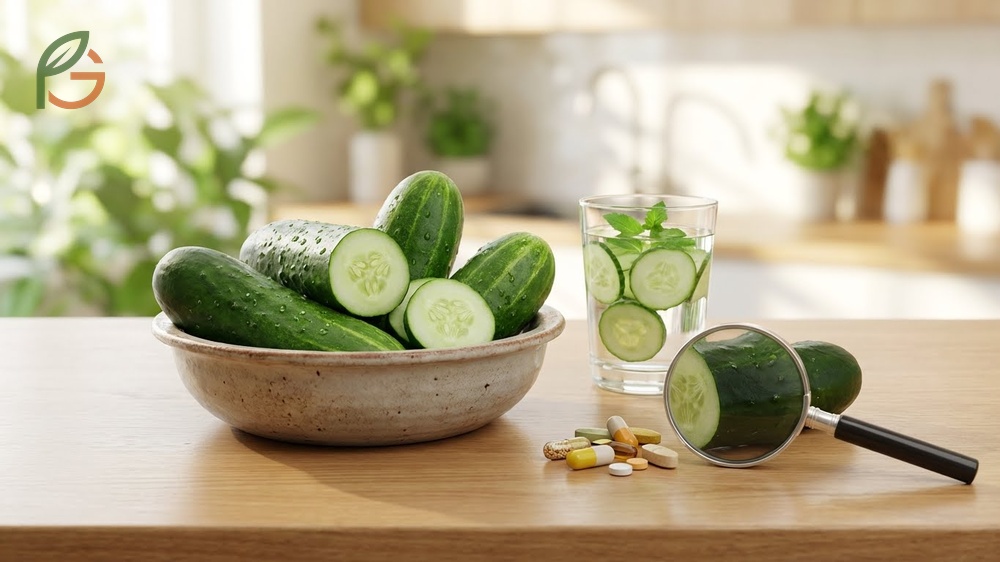
Research demonstrates that cucumbers pack significant nutritional value despite their high water content. Studies show they provide essential vitamins, minerals, and bioactive compounds that support multiple body systems[3]. What often gets overlooked is that the peel contains the highest concentration of beneficial nutrients.
Current nutritional data indicates one medium cucumber (approximately 300g) delivers 45 calories, 11g carbohydrates, and 2g dietary fiber[1]. The vegetable also provides meaningful amounts of vitamin K, potassium, and vitamin C. These nutrients work together to support bone health, regulate blood pressure, and strengthen immune function.
Unlike processed snacks, cucumbers provide nutrients without added sugars or unhealthy fats. They’re naturally sodium-free with just 6mg per cup, making them ideal for people monitoring salt intake. The combination of low calories and high nutrient density explains why nutritionists recommend them for balanced eating patterns.
Antioxidant Protection
Cucumber skin contains powerful antioxidants including flavonoids, tannins, and triterpenes that neutralize harmful free radicals. These compounds reduce oxidative stress markers in animal studies[3]. The antioxidant activity helps protect cells from damage that contributes to chronic diseases.
Research indicates these antioxidants support immune function and may lower the risk of conditions like diabetes and cardiovascular disease. To maximize benefits, you’ll want to eat cucumbers with their peel intact. Just wash them thoroughly to remove any wax coatings or pesticide residues before eating.
Anti-Inflammatory Compounds
Cucumbers contain cucurbitacins, a unique class of compounds with proven anti-inflammatory properties. Studies show cucurbitacins B, D, E, and I inhibit cyclooxygenase-2 (COX-2) and reduce tumor necrosis factor-alpha (TNF-α)[2]. These are the same pathways targeted by many anti-inflammatory medications.
Animal research demonstrates that cucumber extracts significantly reduce markers of inflammation in both acute and chronic models. The dose-dependent reduction suggests stronger effects with regular consumption. This anti-inflammatory action complements the hydrating effects to support overall wellness.
Important Note: While cucumbers contain beneficial cucurbitacins, extremely bitter cucumbers may have excessive amounts. If a cucumber tastes unusually bitter, it’s best to discard it as high cucurbitacin levels can cause digestive discomfort.
Do Cucumbers Have Fiber?
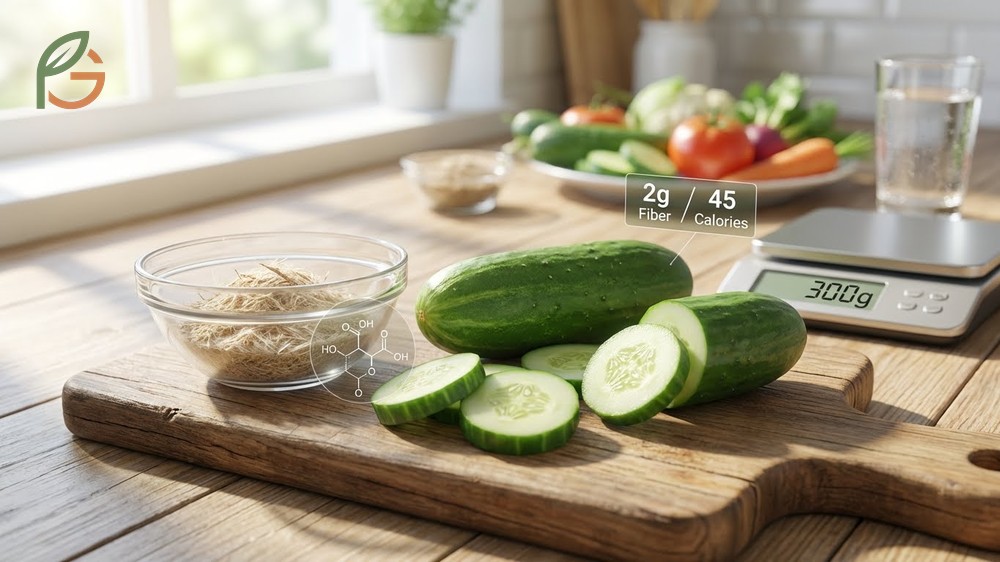
Yes, cucumbers contain dietary fiber, though they’re not considered a high-fiber food. USDA data shows one medium cucumber (approximately 300g) provides 2g of dietary fiber[1]. This represents about 7% of the daily recommended intake for adults.
The fiber content becomes more meaningful when you consider cucumber’s low calorie count—you get 2g fiber for just 45 calories. That’s a better fiber-to-calorie ratio than many other vegetables. Most of the fiber is insoluble, concentrated in the seeds and skin.
If you’re looking to increase fiber intake, eating cucumbers with the peel makes a difference. The skin provides additional insoluble fiber that supports digestive regularity. While you’d need to combine cucumbers with higher-fiber foods like beans or whole grains to meet daily targets, they’re a valuable contributor to overall fiber intake.
Fiber Content Breakdown
Cucumbers contain primarily insoluble fiber rather than soluble fiber. Insoluble fiber adds bulk to stool and helps food move through the digestive tract more efficiently. The seeds contain most of this fiber, with smaller amounts distributed throughout the flesh.
For reference, the fiber content varies slightly by cucumber size. A 100g serving (about 2/3 cup sliced) provides approximately 0.5-0.7g fiber. This means eating a whole medium cucumber throughout the day contributes meaningfully to your fiber goals without adding many calories.
Digestion Benefits
The combination of water and insoluble fiber makes cucumbers beneficial for digestive health. Research shows water-rich, high-fiber vegetables promote regular bowel movements and prevent constipation[3]. The fiber adds bulk while the water softens stool for easier passage.
Unlike some high-fiber foods that can cause gas or bloating, cucumbers are generally well-tolerated. Their mild flavor and easy digestibility make them suitable for sensitive stomachs. Including cucumbers in salads or as snacks helps maintain digestive comfort while supporting gut health.
- Add bulk to stool through insoluble fiber content
- Provide hydration that softens stool and prevents constipation
- Support beneficial gut bacteria with prebiotic compounds
- Promote regular bowel movements without causing gas or bloating
- Help maintain healthy digestive transit time
Cucumber Vitamins and Minerals
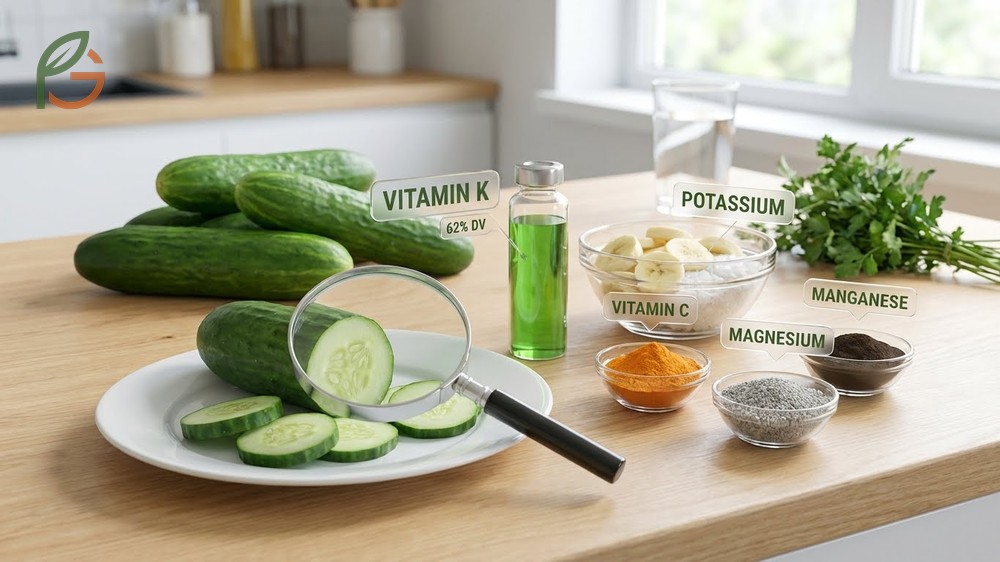
Cucumbers deliver a range of essential micronutrients that support various body functions. One raw medium cucumber provides 62% of the daily recommended vitamin K intake[3]. Vitamin K plays critical roles in blood clotting and bone metabolism, making this a significant contribution.
The mineral profile includes potassium, which helps regulate blood pressure and fluid balance. Cucumbers also contain smaller amounts of magnesium, manganese, and vitamin C. While none of these reach high percentages of daily values individually, together they support overall nutritional adequacy.
What makes cucumbers unique is their nutrient delivery with minimal calories. You’re getting vitamins and minerals without the energy density of starchier vegetables. This nutrient efficiency explains why they’re recommended for people managing calorie intake while ensuring adequate micronutrient consumption.
This table compares the nutrient amounts and percentage of daily values for key vitamins and minerals in one medium cucumber serving
| Nutrient | Amount | % Daily Value | Primary Benefit |
|---|---|---|---|
| Calories | 45[1] | 2% | Low-calorie hydration |
| Dietary Fiber | 2g[1] | 7% | Digestive health |
| Vitamin K | 49 mcg | 62% | Blood clotting, bone health |
| Potassium | 442 mg | 13% | Blood pressure regulation |
| Vitamin C | 8 mg | 14% | Immune function, antioxidant |
| Magnesium | 39 mg | 10% | Muscle and nerve function |
- Vitamin K: Essential for blood clotting and bone density maintenance
- Potassium: Regulates heart rhythm and reduces sodium’s blood pressure effects
- Vitamin C: Supports immune system and acts as an antioxidant
- Magnesium: Involved in over 300 enzymatic reactions in the body
- Manganese: Supports bone formation and wound healing
- Silica: Promotes collagen production for skin and connective tissue health
Cucumber for Weight Loss
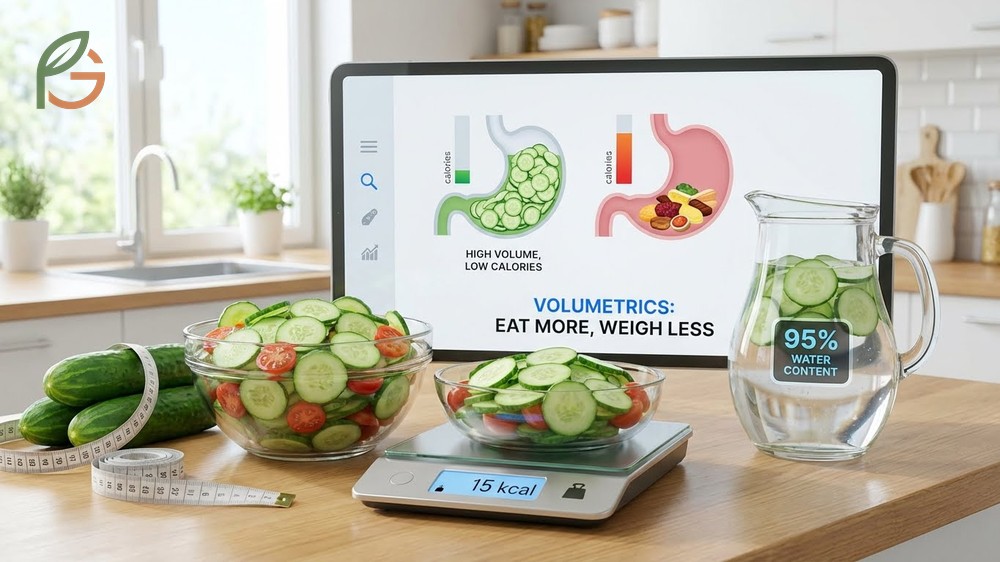
Cucumbers support weight management through their exceptional calorie density—or lack thereof. At just 15 calories per 100g and 95% water content, they’re among the lowest-calorie foods you can eat[4]. This means you can eat a substantial volume while consuming minimal calories.
The weight loss benefit comes from volumetrics—eating high-volume, low-calorie foods that fill your stomach. When you start a meal with cucumber salad, you’re taking the edge off hunger for very few calories. Studies on satiety show high-water-content vegetables trigger fullness signals, helping you eat less of more calorie-dense foods.
However, cucumbers aren’t a magic solution. They’re low in protein (0.65g per 100g) and relatively low in fiber compared to legumes or whole grains[4]. For lasting satiety, you’ll want to pair them with protein sources like grilled chicken, Greek yogurt, or hummus.
Calorie Density Advantage
The concept of calorie density explains why cucumbers work for weight loss. With only 45 calories in an entire medium cucumber, you’d need to eat nearly 7 cucumbers to equal the calories in one small candy bar. This dramatic difference allows you to eat satisfying portions without exceeding calorie targets.
Research on successful weight loss shows people who eat more low-calorie-dense foods lose more weight while reporting less hunger. The physical volume of food matters for psychological satisfaction—your brain registers “I ate a full plate” regardless of calories. Cucumbers excel at providing that volume.
Satiety and Fullness
Cucumbers create fullness through stomach stretching rather than through protein or fiber content. When you eat cucumber before or with meals, the high water and air content takes up significant space in your stomach. This triggers stretch receptors that send satiety signals to your brain.
The effect is moderate compared to high-protein or high-fiber foods, but it’s still valuable for calorie control. If you’re like most Americans trying to manage portions, using cucumber slices instead of crackers for dips immediately cuts hundreds of calories. Over time, these swaps contribute to meaningful calorie deficits without feeling deprived.
- Replace high-calorie snacks with cucumber slices and low-fat dip
- Start meals with cucumber salad to reduce overall calorie intake by 15-20%
- Use cucumber spirals as a low-carb pasta substitute (3g carbs vs 43g in regular pasta)
- Add cucumber to water for flavor without adding calories or artificial sweeteners
- Include cucumber in sandwiches for volume and crunch with minimal calories
- Prep cucumber sticks for between-meal snacks to prevent impulsive high-calorie choices
Weight Loss Tip: For maximum satiety, pair cucumbers with a protein source. Research shows combining low-calorie vegetables with 20-30g protein per meal increases fullness by 40% compared to vegetables alone, helping you stay satisfied for 3-4 hours between meals.
Cucumber Benefits for Skin

Cucumbers provide skin benefits through their silica content, a trace mineral that supports collagen production. Research demonstrates silica strengthens connective tissue and maintains skin elasticity[5]. As collagen naturally decreases with age, dietary sources that support its synthesis become increasingly important for maintaining firm, resilient skin.
The hydration factor also matters for skin health. Cucumbers’ 95% water content helps maintain skin moisture from the inside out. When you’re properly hydrated, your skin appears more plump and supple, which minimizes the appearance of fine lines. The combination of hydration and silica provides dual support for youthful-looking skin.
Beyond internal consumption, the vitamin C and caffeic acid in cucumbers have been studied for topical applications. These compounds may help reduce skin irritation and swelling, which is why you’ll see cucumber in many skincare products. However, eating cucumbers regularly provides more consistent benefits than occasional topical use.
- Silica supports collagen synthesis to maintain skin firmness and reduce sagging
- High water content keeps skin hydrated and plump from within
- Vitamin C acts as an antioxidant to protect against UV damage and environmental stressors
- Natural cooling properties help reduce puffiness, especially around eyes
- Antioxidants combat free radical damage that accelerates visible aging
- Low sodium content prevents water retention that can cause facial puffiness
Hydration Benefits of Cucumber
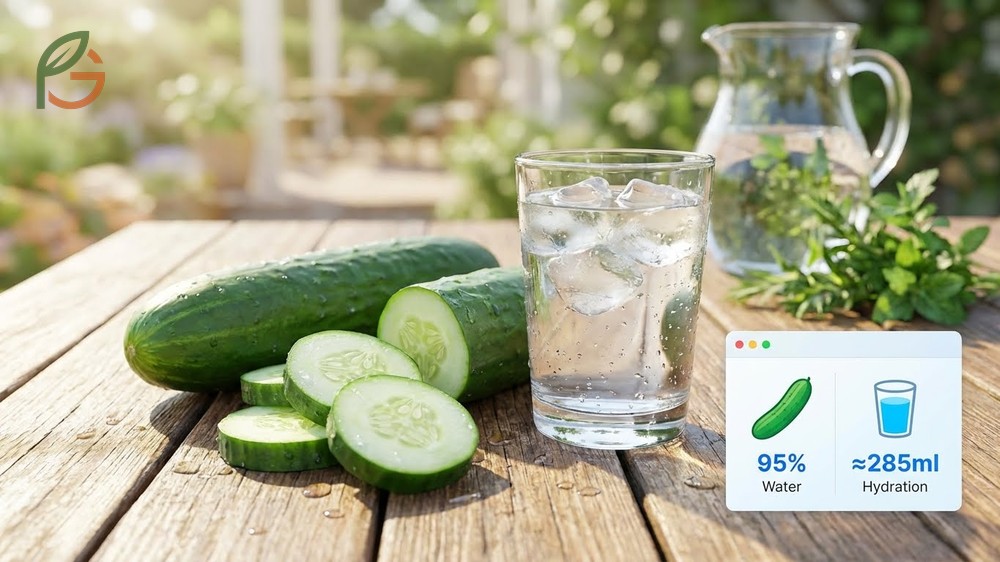
Cucumbers contribute significantly to daily hydration needs through their 95% water composition. Research on hydration shows water-rich foods effectively supplement fluid intake, especially for people who struggle to drink enough plain water[3]. One medium cucumber provides approximately 285ml of water—more than a standard glass.
This hydration matters particularly during hot weather or physical activity when dehydration risk increases. Unlike sugary drinks that add empty calories, cucumbers hydrate while providing vitamins and minerals. The electrolytes in cucumbers, particularly potassium, help maintain fluid balance more effectively than plain water alone.
Current guidance emphasizes getting fluids from multiple sources rather than relying solely on beverages. Cucumbers excel in this role because they’re convenient, portable, and don’t require preparation. Adding cucumber slices to water also encourages increased fluid intake for people who find plain water boring.
Hydration Strategy: If you’re active outdoors or live in a hot climate, eating one medium cucumber daily provides 10-12% of your fluid needs. This is especially valuable during summer months when you need 30-50% more fluids than in cooler seasons.
Conclusion
The evidence is clear: health benefits of cucumbers extend far beyond simple hydration to include digestive support, weight management, skin health, and anti-inflammatory effects. With 2g fiber, 62% of daily vitamin K, and powerful antioxidants for just 45 calories per serving, they’re one of the most nutrient-efficient vegetables you can eat. Don’t peel your cucumbers—the skin contains concentrated cucurbitacins and flavonoids that maximize health benefits.
Current nutritional guidance emphasizes including diverse, low-calorie vegetables like cucumbers in daily eating patterns. FruitGarden recommends eating at least one medium cucumber daily, either in salads, as snacks with protein-rich dips, or added to water for enhanced hydration. For optimal wellness, combine cucumbers with other colorful vegetables and adequate protein to create balanced, satisfying meals that support your health goals.
Medical Disclaimer
Important Medical Disclaimer: This content is for informational and educational purposes only. It’s not intended as a substitute for professional medical advice, diagnosis, or treatment. Always consult a qualified healthcare professional or registered dietitian before making significant changes to your diet, especially if you have existing medical conditions, take medications, or have allergies. Individual nutritional needs vary based on age, health status, and activity level.
Frequently Asked Questions
What Are Cucumbers Good For?
Cucumbers are excellent for hydration, weight management, and digestive health. They provide 95% water content, just 45 calories per cup, and 2g dietary fiber that supports regular bowel movements. They’re also rich in vitamin K for bone health and contain antioxidants that reduce inflammation and support immune function.
How Much Fiber in Cucumber?
One medium cucumber (approximately 300g) contains 2g of dietary fiber, representing about 7% of the daily recommended intake for adults. Most of this is insoluble fiber found in the seeds and skin. While not a high-fiber food, cucumbers offer a good fiber-to-calorie ratio at 2g fiber for only 45 calories.
Are Cucumbers High in Fiber?
No, cucumbers aren’t considered high-fiber vegetables. They provide 0.5-0.7g fiber per 100g serving, which is lower than beans (7-8g), broccoli (2.6g), or carrots (2.8g). However, their fiber content is meaningful when combined with their low calorie count, making them a valuable part of a high-fiber diet when eaten with other fiber-rich foods.
Why Are Cucumbers Good for You?
Cucumbers are beneficial because they deliver essential nutrients with minimal calories. Research shows they provide vitamin K (62% DV), potassium (13% DV), and powerful antioxidants like flavonoids and cucurbitacins that reduce inflammation. Their high water content supports hydration while their fiber aids digestion, and their low calorie density makes them ideal for weight management without sacrificing nutrition.
What Is Cucumber Good For in Terms of Health?
Cucumber supports multiple health areas: cardiovascular health through potassium that regulates blood pressure, bone health via vitamin K for proper calcium metabolism, digestive health from fiber and water content, skin health through silica that promotes collagen production, and inflammation reduction via cucurbitacins. Studies also show cucumbers help with hydration, weight management, and blood sugar regulation when eaten as part of balanced meals.
Benefits of Eating Cucumbers Daily?
Eating one cucumber daily provides consistent hydration (285ml water), supports digestive regularity with 2g fiber, delivers 62% of vitamin K needs for bone strength, and supplies antioxidants that combat inflammation. Daily consumption helps maintain healthy skin through silica, supports weight management with high volume and low calories, and contributes to cardiovascular health via potassium. Most people notice improved energy and digestion within 1-2 weeks of regular cucumber consumption.
Does Cucumber Have Soluble Fiber?
Cucumbers contain primarily insoluble fiber rather than soluble fiber. The insoluble fiber is concentrated in the seeds and skin, where it adds bulk to stool and promotes digestive regularity. While they do contain trace amounts of soluble fiber, it’s not a significant source. For meaningful soluble fiber intake, combine cucumbers with oats, beans, apples, or chia seeds which provide 3-5g soluble fiber per serving.