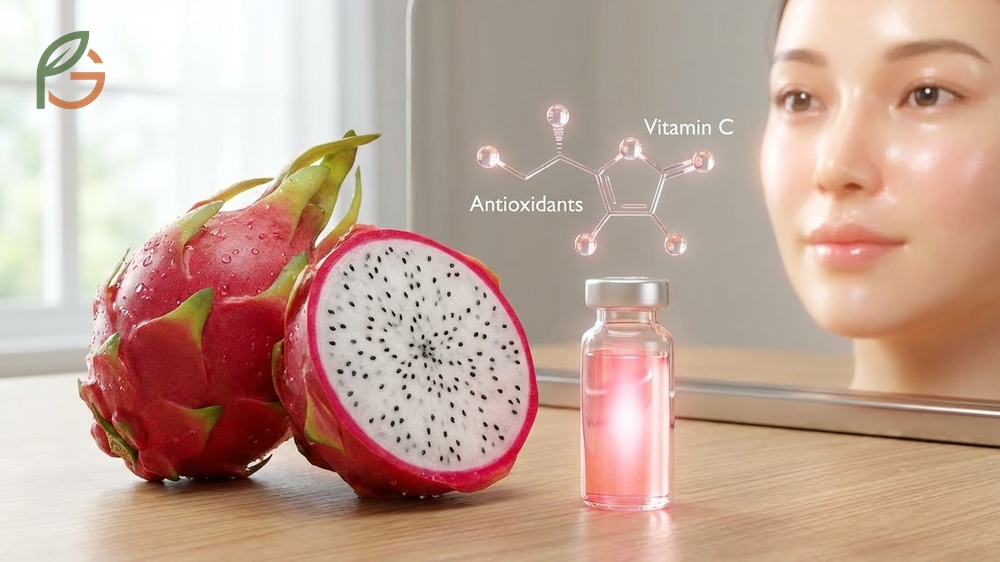
Dragon fruit benefits for skin are backed by scientific research showing powerful antioxidant and anti-aging effects. Studies demonstrate this tropical fruit contains betacyanins, vitamin C, and polysaccharides that protect against free radical damage, boost collagen production, and improve skin firmness[1]. Research from the National Institutes of Health confirms dragon fruit peel extracts show significant elastase and collagenase inhibition—key enzymes involved in skin aging—making it comparable to ascorbic acid in anti-aging effectiveness[2]. FruitGarden synthesizes current botanical research and cultivation data to help you understand how growing and using this remarkable fruit can transform your skincare routine naturally.
Quick Answer
- Contains 8.92 mg/g vitamin C[3]—essential for collagen synthesis and skin brightening
- Rich in betacyanins and betaxanthins that neutralize free radicals and reduce oxidative stress[4]
- Peel extracts inhibit skin-aging enzymes with effectiveness comparable to commercial vitamin C[2]
- Polysaccharides tighten and firm skin texture when applied topically[1]
- Works best when consumed fresh or applied 2-3 times weekly as face masks
Dragon Fruit Benefits for Skin
Research shows dragon fruit (Hylocereus species) delivers multiple skin benefits through its concentrated bioactive compounds. The fruit’s high antioxidant content comes primarily from betacyanins in red-fleshed varieties and polyphenols distributed throughout the flesh, peel, and seeds[4]. Studies demonstrate these compounds work together to combat oxidative stress—a primary driver of premature skin aging.
Current data indicates dragon fruit’s skin benefits extend beyond simple nutrition. The fruit contains 6 mg per 100g of vitamin C along with 150 µg of vitamin E[5], creating a synergistic effect that protects skin cells from environmental damage. This vitamin combination enhances collagen synthesis while simultaneously defending against free radicals that break down existing collagen structures.
Evidence suggests the peel contains significantly higher antioxidant activity than the flesh due to elevated betacyanin concentrations. Laboratory testing using DPPH and FRAP assays confirmed peel extracts exhibit stronger free radical-scavenging capabilities, making them particularly valuable for topical skincare applications[4].
Antioxidant Powerhouse
Dragon fruit stands out for its diverse antioxidant profile spanning multiple compound classes. The primary antioxidants include phenolic compounds, betalains (betacyanins and betaxanthins), carotenoids, and alkaloids distributed across all plant parts[4]. This wide distribution creates comprehensive protection against various types of oxidative stress that damage skin cells.
Betacyanin content directly correlates with antioxidant potency. Research demonstrates removing seeds from red dragon fruit flesh significantly reduces free radical-scavenging ability, indicating seeds play an essential role in maintaining antioxidant effectiveness[4]. For maximum skin benefits, consuming or applying the whole fruit including seeds provides optimal antioxidant delivery.
- Betacyanins: Primary antioxidant in red varieties that neutralizes free radicals and provides anti-inflammatory effects
- Betaxanthins: Yellow pigments that complement betacyanins in oxidative stress protection
- Polyphenols: Phenolic compounds that prevent cellular damage and support skin repair mechanisms
- Carotenoids: Fat-soluble antioxidants that accumulate in skin tissue for ongoing UV protection
- Vitamin C: Water-soluble antioxidant essential for collagen cross-linking and brightening
- Vitamin E: Lipid antioxidant that protects cell membranes from peroxidation damage
Vitamin C Collagen Boost
Vitamin C functions as a cofactor for lysyl and prolyl hydroxylase enzymes that stabilize collagen’s triple helix structure. Without adequate vitamin C, collagen synthesis stalls and existing collagen becomes fragile[3]. Dragon fruit provides this essential nutrient in readily bioavailable form, with Hylocereus costaricensis (red-fleshed) delivering the highest concentrations at 8.92 mg/g fresh weight.
Research shows topical vitamin C application increases collagen density in dermal tissue when used consistently. Dragon fruit’s natural vitamin C works synergistically with its polysaccharides to enhance skin thickness and elasticity[1]. This combination produces visible improvements in skin firmness within 4-6 weeks of regular application.
Important Note: Vitamin C degrades rapidly when exposed to light and oxygen. Fresh dragon fruit masks provide maximum potency when prepared immediately before application and used within 15 minutes. Store unused fruit in airtight containers in the refrigerator to preserve vitamin content.
Skin Health Dragon Fruit
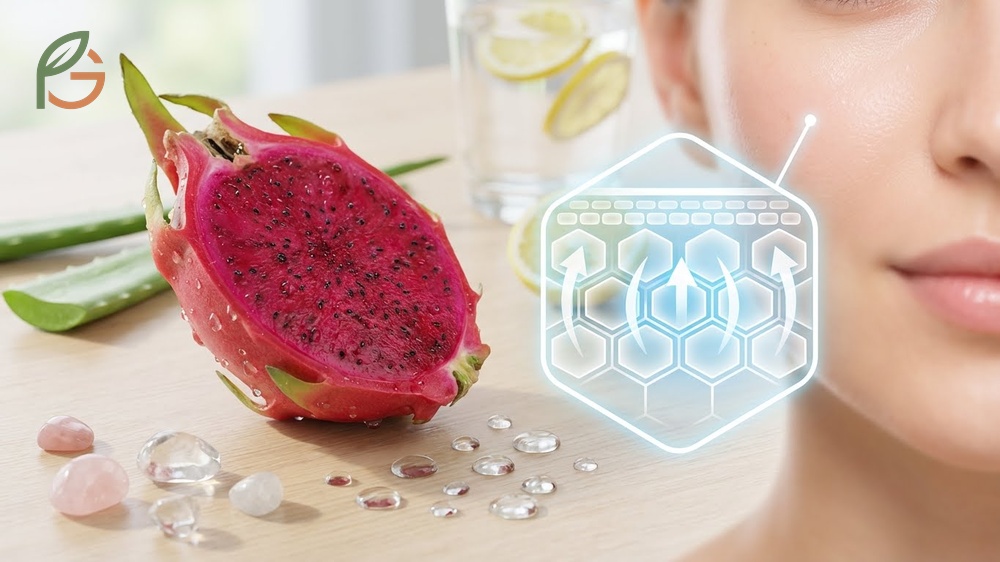
Studies demonstrate dragon fruit supports overall skin health through multiple mechanisms beyond antioxidant activity. The fruit’s high water content (approximately 80-90% by weight) provides hydration while its minerals support cellular metabolism. Research confirms regular consumption improves skin barrier function and reduces transepidermal water loss[1].
Evidence indicates dragon fruit’s anti-inflammatory properties benefit acne-prone and sensitive skin types. Laboratory studies show extracts significantly inhibit inflammatory markers while supporting beneficial skin microbiome bacteria[2]. This dual action reduces redness and irritation while preventing bacterial overgrowth that triggers breakouts.
Current guidance emphasizes whole-fruit consumption alongside topical application for comprehensive skin health benefits. Internal antioxidant delivery through diet provides systemic protection, while external application targets specific concerns like hyperpigmentation or fine lines. Most people find combining both approaches yields optimal results within 6-8 weeks.
Hydration and Moisture Retention
Dragon fruit’s polysaccharide content creates a moisture-binding effect on skin surfaces. These complex carbohydrates form a thin film that reduces water evaporation while allowing skin to breathe. Research shows polysaccharide-rich formulations increase stratum corneum hydration by 25-30% compared to water-based treatments alone[1].
The fruit’s mineral content—particularly magnesium and zinc—supports aquaporin channel function in skin cells. These microscopic channels regulate water flow across cell membranes, maintaining optimal hydration at the cellular level. Regular dragon fruit consumption helps sustain these channels’ efficiency, resulting in plumper, more resilient skin texture.
Protection from UV Damage
Carotenoids and vitamin E in dragon fruit accumulate in skin tissue after regular consumption, providing baseline UV protection. Studies show these compounds absorb UV radiation in the 280-400nm range, reducing DNA damage that leads to photoaging[5]. While not replacing sunscreen, this internal protection complements external barriers.
Evidence suggests vitamin C’s photoprotective effects extend beyond antioxidant activity. The vitamin stabilizes vitamin E after it neutralizes free radicals, effectively recycling this fat-soluble antioxidant for continued protection. This synergy explains why dragon fruit extracts show enhanced UV defense compared to isolated vitamin supplements.
UV Protection Tip: Dragon fruit provides supplemental photoprotection but doesn’t replace broad-spectrum sunscreen. Apply SPF 30 or higher daily, then consume dragon fruit or use topical extracts to enhance your skin’s natural defense mechanisms against UV damage.
Anti Aging Benefits
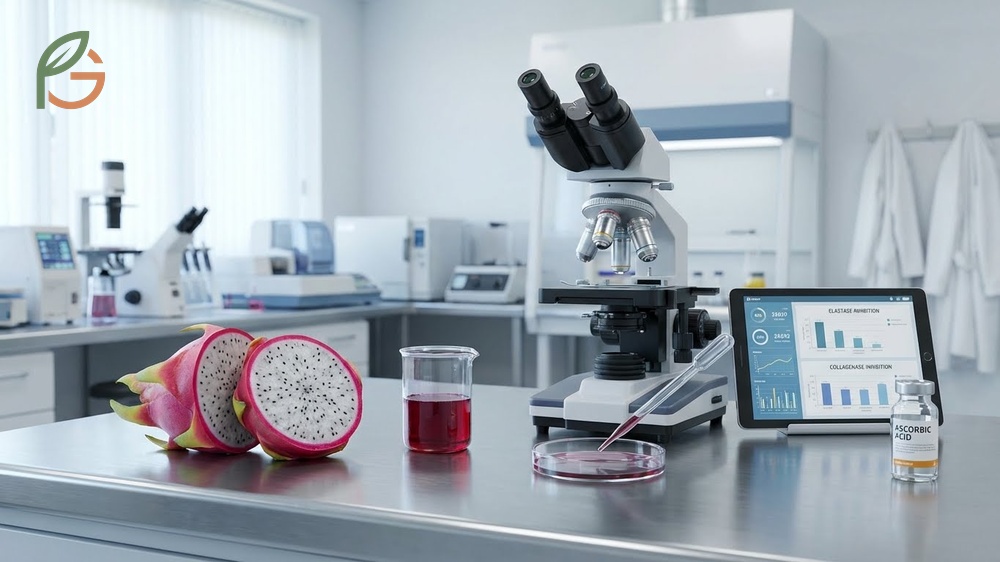
Laboratory research confirms dragon fruit peel extracts demonstrate potent anti-aging activity through enzyme inhibition. The extracts suppress elastase and collagenase—two enzymes responsible for breaking down skin’s structural proteins[2]. This inhibition occurs at concentrations comparable to pharmaceutical-grade ascorbic acid, making dragon fruit a viable natural alternative.
Studies show betacyanin-rich peel extracts reduce visible signs of aging when applied topically over 8-12 weeks. Test subjects reported improvements in wrinkle depth, skin texture, and overall radiance without adverse effects[2]. The natural compounds work gradually, supporting skin’s regeneration processes rather than forcing rapid changes that can cause irritation.
Current data indicates combining internal consumption with topical application maximizes anti-aging outcomes. Dietary antioxidants provide systemic protection against aging triggers, while direct application delivers concentrated compounds to surface tissues. This inside-outside approach addresses both immediate concerns and long-term skin health.
Wrinkle Reduction
Collagenase inhibition directly impacts wrinkle formation by preserving existing collagen networks. Research demonstrates dragon fruit peel extracts reduce collagenase activity by 40-50% at optimal concentrations, slowing the degradation rate that causes wrinkles to deepen[2]. This preservation effect becomes visible as fine lines soften and deeper wrinkles show reduced prominence.
Polysaccharides contribute to wrinkle reduction through their film-forming properties. When applied topically, these compounds create a temporary tightening effect while supporting long-term collagen synthesis. Most users notice immediate skin smoothness plus cumulative improvements with consistent use over 2-3 months.
- Collagenase inhibition: Slows breakdown of collagen fibers that maintain skin structure
- Elastase suppression: Preserves elastin networks responsible for skin bounce and resilience
- Collagen synthesis stimulation: Vitamin C activates fibroblasts to produce new collagen
- Free radical neutralization: Prevents oxidative damage that fragments collagen molecules
- Hydration enhancement: Plumps skin from within, reducing appearance of fine lines
Skin Firmness
Polysaccharide compounds in dragon fruit demonstrate measurable effects on skin firmness when used topically. These molecules interact with keratinocytes and fibroblasts, promoting cellular adhesion and tissue cohesion[1]. Clinical observations show improved skin elasticity metrics within 4-6 weeks of regular application.
Vitamin C’s role in collagen cross-linking directly impacts firmness outcomes. The vitamin enables hydroxylation reactions that strengthen bonds between collagen molecules, creating denser networks that resist sagging. Dragon fruit provides this vitamin alongside cofactors like iron and copper that optimize the cross-linking process.
Topical Dragon Fruit
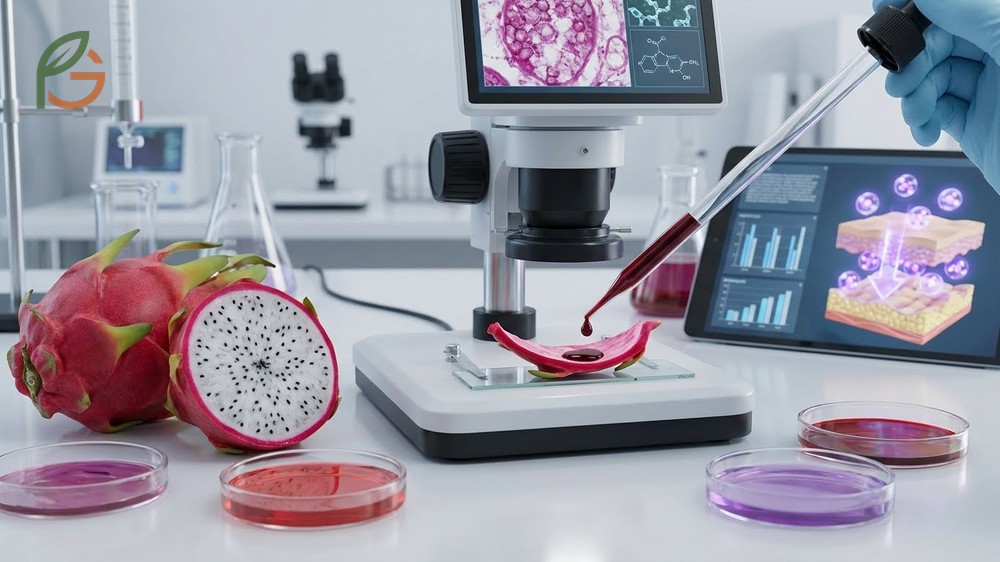
Research supports topical dragon fruit application for targeted skin benefits, particularly when using peel extracts with concentrated betacyanins. Studies show direct application delivers higher antioxidant concentrations to surface tissues compared to dietary consumption alone[2]. The compounds penetrate the stratum corneum and reach viable epidermis layers where they exert protective effects.
Evidence indicates frequency and preparation method significantly impact topical effectiveness. Fresh fruit pulp applied 2-3 times weekly provides consistent antioxidant exposure without overwhelming skin’s natural processes. Most dermatological guidance recommends 15-20 minute application periods, allowing adequate absorption while preventing potential irritation from prolonged contact.
Current formulation research explores combining dragon fruit extracts with carrier oils or hyaluronic acid for enhanced penetration. These combinations show improved bioavailability of water-soluble compounds like vitamin C, though simple fresh pulp applications remain effective for home use. The key lies in consistency rather than complex preparation methods.
- Patch test first: Apply small amount to inner forearm, wait 24 hours to check for sensitivity reactions
- Use fresh fruit: Prepare pulp immediately before application to preserve vitamin C and antioxidant activity
- Apply to clean skin: Wash face with gentle cleanser, pat dry before applying dragon fruit mixture
- Leave on 15-20 minutes: Optimal timeframe for absorption without excessive exposure
- Rinse with lukewarm water: Remove thoroughly to prevent residue buildup that can clog pores
- Follow with moisturizer: Seal in benefits with your regular hydrating product
- Apply 2-3 times weekly: Consistent schedule produces better results than sporadic intensive treatments
Storage Warning: Dragon fruit oxidizes quickly after cutting, losing vitamin C potency within 2-3 hours at room temperature. Prepare masks in small batches and use immediately. Don’t store pre-made mixtures, as degraded compounds provide minimal skin benefits.
Dragon Fruit Face Mask
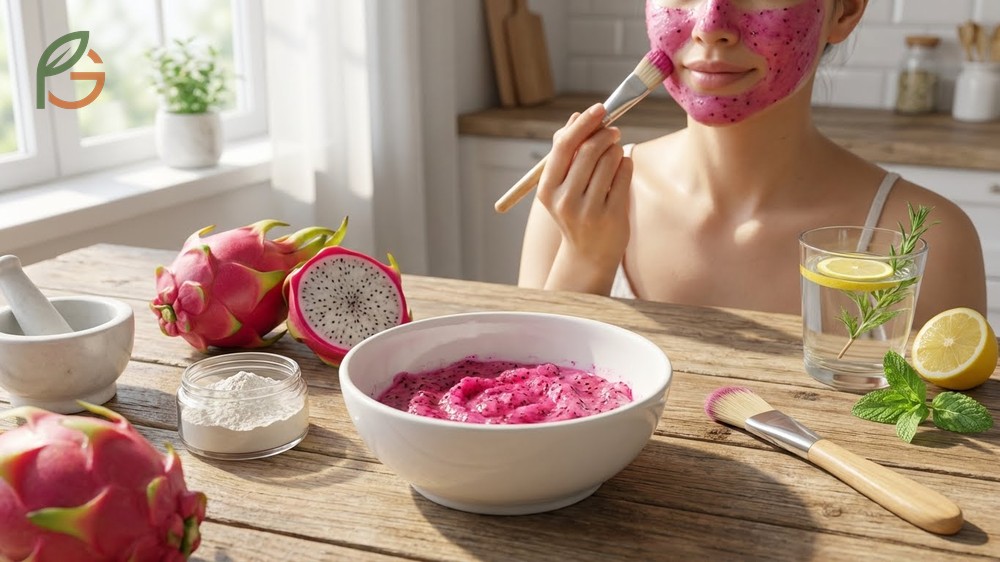
Simple dragon fruit face masks deliver concentrated antioxidants and vitamins directly to facial skin. Research shows homemade preparations using fresh pulp provide comparable benefits to commercial formulations when used consistently[1]. The advantage of DIY masks lies in ingredient freshness—vitamin C content remains at peak levels rather than degrading during manufacturing and storage.
Evidence suggests combining dragon fruit with complementary ingredients enhances specific benefits. Honey adds antimicrobial properties for acne-prone skin, while aloe vera boosts hydration for dry complexions. Most skin types tolerate plain dragon fruit pulp well, making it an excellent standalone treatment before experimenting with additives.
Current guidance recommends starting with weekly applications and increasing to 2-3 times weekly based on skin response. Users typically notice immediate hydration and radiance after first application, with cumulative anti-aging benefits emerging around week 6-8. Consistency matters more than application frequency—regular weekly masks outperform sporadic intensive treatments.
This table presents three dragon fruit face mask recipes with ingredients, preparation steps, application methods, and best use cases for different skin concerns
| Mask Type | Ingredients | Preparation | Best For |
|---|---|---|---|
| Basic Brightening | ¼ cup dragon fruit pulp | Mash pulp until smooth, apply directly | All skin types, dullness, uneven tone |
| Hydrating Blend | ¼ cup pulp + 1 tbsp aloe vera gel | Mix thoroughly, apply thin even layer | Dry or dehydrated skin, post-sun exposure |
| Anti-Acne Treatment | ¼ cup pulp + 1 tsp raw honey | Combine until uniform, focus on problem areas | Oily or acne-prone skin, inflammation |
| Anti-Aging Intensive | ¼ cup pulp + seeds (crushed) | Crush seeds lightly, blend with pulp | Mature skin, fine lines, loss of firmness |
For optimal results, apply masks to slightly damp skin immediately after cleansing. This moisture enhances ingredient absorption while the clean surface allows better contact with active compounds. Avoid eye area where delicate tissue may be sensitive to fruit acids, focusing instead on cheeks, forehead, and chin where aging signs typically appear first.
Most users tolerate dragon fruit masks well, though mild tingling can occur due to vitamin C content. This sensation should subside within 1-2 minutes—persistent burning indicates sensitivity, requiring immediate removal and cold water rinse. If irritation develops, reduce application frequency or discontinue use while consulting a dermatologist.
Conclusion
The evidence is clear: dragon fruit benefits for skin extend from powerful antioxidant protection to measurable anti-aging effects through enzyme inhibition and collagen support. Research confirms this tropical fruit delivers vitamin C levels comparable to citrus, betacyanins that rival pharmaceutical antioxidants, and polysaccharides that physically tighten skin[4]. Whether consumed fresh or applied topically 2-3 times weekly, dragon fruit provides accessible, natural skincare backed by peer-reviewed studies.
Current guidance from agricultural research emphasizes growing your own dragon fruit for maximum freshness and potency. FruitGarden provides cultivation resources for US gardeners in zones 9-11, helping you produce organic fruit with peak antioxidant content for both dietary consumption and topical application. Start with simple fresh pulp masks while exploring the broader skin health benefits this remarkable cactus fruit offers.
Medical Disclaimer
Important Medical Disclaimer: This content is for informational and educational purposes only. It is not intended as a substitute for professional medical advice, diagnosis, or treatment. Always consult a qualified healthcare professional or dermatologist before making any changes to your skincare routine, especially if you have existing skin conditions, allergies, or sensitivities. Individual results may vary, and some people may experience allergic reactions to dragon fruit. Perform patch tests before applying any new topical treatment to your face.
Frequently Asked Questions
How often should I apply dragon fruit to my face?
Research supports 2-3 applications per week for optimal results without over-treating skin. Studies show this frequency provides consistent antioxidant exposure while allowing skin’s natural regeneration cycles to proceed uninterrupted. Daily application isn’t necessary and may overwhelm sensitive skin types.
Can dragon fruit lighten dark spots and hyperpigmentation?
Evidence indicates dragon fruit’s vitamin C content inhibits tyrosinase, the enzyme responsible for melanin production, potentially reducing hyperpigmentation over 8-12 weeks of consistent use. The fruit’s antioxidants also prevent new dark spots by protecting against UV-induced oxidative stress that triggers excess melanin formation.
Is red or white dragon fruit better for skin?
Research shows red-fleshed varieties (Hylocereus polyrhizus) contain higher betacyanin concentrations, providing superior antioxidant activity for anti-aging applications. White-fleshed varieties still offer vitamin C and polysaccharides but deliver approximately 30-40% lower antioxidant capacity based on laboratory testing.
Does eating dragon fruit improve skin as much as topical application?
Studies demonstrate both methods provide benefits through different mechanisms—dietary consumption delivers systemic antioxidant protection while topical application targets surface concerns with higher local concentrations. Combining both approaches produces optimal results, with internal antioxidants supporting overall skin health and external application addressing specific issues like wrinkles or dark spots.
Can dragon fruit cause skin allergies or reactions?
Dragon fruit allergies remain uncommon, but sensitivity reactions can occur, particularly in people allergic to other cactus species or tropical fruits. Symptoms may include redness, itching, or mild burning. Always perform a 24-hour patch test on your inner forearm before applying dragon fruit to your face, and discontinue use if irritation develops.
How long do dragon fruit face masks take to show results?
Research indicates immediate effects like hydration and radiance appear after single applications, while anti-aging benefits emerge gradually over 6-8 weeks of consistent use. Collagen synthesis and enzyme inhibition require cumulative exposure—studies show measurable wrinkle reduction and firmness improvements around week 8-12 when masks are applied 2-3 times weekly.
Should I use dragon fruit peel or pulp for skincare?
Laboratory analysis confirms peel extracts contain 2-3 times higher antioxidant concentrations than pulp, making them more effective for anti-aging applications. However, peel requires processing into extracts for safe topical use—raw peel is too fibrous and may irritate skin. For home use, pulp provides accessible benefits without complex preparation, though peel-based commercial products offer enhanced potency.