Does cranberry juice make you pee? Yes, it can increase urination, though not because it’s a strong diuretic. Research shows cranberry juice is 86% water[1], which naturally promotes more frequent bathroom trips when you drink it regularly. The real benefit comes from its proanthocyanidins (PACs), compounds that help prevent urinary tract infections by stopping bacteria from sticking to your bladder walls. FruitGarden brings you evidence-based insights into how cranberries affect your urinary system and what you need to know about hydration, bladder health, and urine color changes.
Quick Answer
- Cranberry juice increases urination primarily due to its 86% water content[1], not strong diuretic properties
- Studies show 36mg of PACs daily reduces UTI risk by 18% when consumed for 12-24 weeks
- Cranberry juice won’t turn your urine red, but foods like beets, blackberries, and rhubarb can[3]
- It’s considered a mild bladder irritant due to acidity, similar to citrus fruits and coffee[4]
Does Cranberry Juice Make You Pee
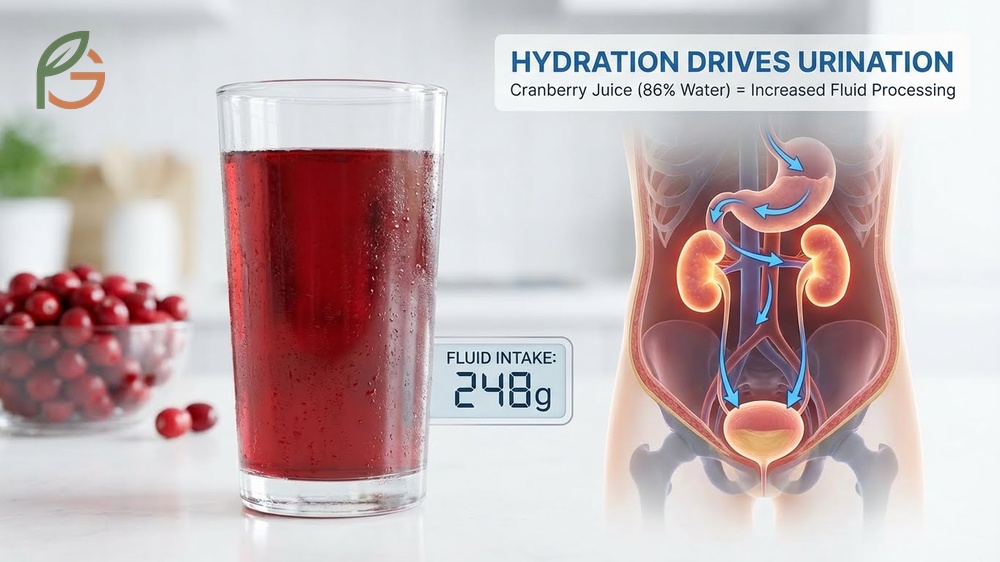
Research demonstrates that cranberry juice does increase urination frequency, but the mechanism differs from what most people expect. The juice consists of 86% water[1], making hydration the primary driver of increased bathroom visits rather than strong diuretic action. When you drink an 8-ounce glass, you’re consuming roughly 248 grams of fluid that your kidneys process and convert to urine within a few hours.
The active compounds in cranberries, particularly proanthocyanidins (PACs), don’t directly increase urine production. Instead, they work by preventing bacteria from adhering to urinary tract walls. Current data indicates that consuming at least 36mg of PACs daily reduces UTI risk by 18% when used continuously for 12-24 weeks[2]. This anti-adhesion effect helps flush out harmful bacteria through normal urination patterns.
Most people notice they need to urinate within 30-90 minutes after drinking cranberry juice. This timing reflects normal kidney filtration rates rather than diuretic stimulation. The slight acidity from citric acid in cranberries may also contribute to mild bladder stimulation in sensitive individuals, though this varies considerably between people.
How Cranberry Juice Affects Your Bladder
Your bladder responds to cranberry juice in two distinct ways. First, the high water volume stretches bladder walls, triggering the urge to urinate when capacity reaches 200-400 milliliters. Second, the juice’s acidity can mildly irritate the bladder lining in people with sensitive bladders or existing conditions like interstitial cystitis.
Studies show cranberry’s PACs create an anti-adhesion effect that prevents E. coli bacteria from sticking to uroepithelial cells[2]. This mechanism doesn’t increase bladder activity but rather supports natural defense systems. The acidified urine from cranberry consumption also inhibits bacterial multiplication, though this effect is secondary to the anti-adhesion properties.
Important Note: If you experience urgency or frequency that feels excessive (urinating more than 8 times in 24 hours), this may indicate bladder irritation rather than normal hydration response. People with overactive bladder or interstitial cystitis should monitor their symptoms when consuming cranberry products.
Water Content vs Diuretic Properties
The distinction between water-driven urination and diuretic-driven urination matters for understanding cranberry juice’s effects. True diuretics like caffeine and alcohol stimulate your kidneys to excrete more sodium and water than you consumed, leading to net fluid loss. Cranberry juice doesn’t trigger this response in most people.
An 8-ounce serving of cranberry juice provides approximately 248 grams of liquid, of which 213 grams is pure water[1]. Your kidneys process this water normally, producing urine volume roughly equivalent to intake. Compare this to caffeine, which can increase urine output by 15-30% beyond the fluid consumed.
Evidence suggests cranberry juice maintains better hydration status than caffeinated beverages. While you’ll visit the bathroom more frequently due to volume, you’re not depleting your body’s fluid reserves. This makes cranberry juice a reasonable choice for staying hydrated, though the sugar content (typically 11% carbohydrates[1]) means it shouldn’t replace water entirely.
Is Cranberry Juice a Diuretic
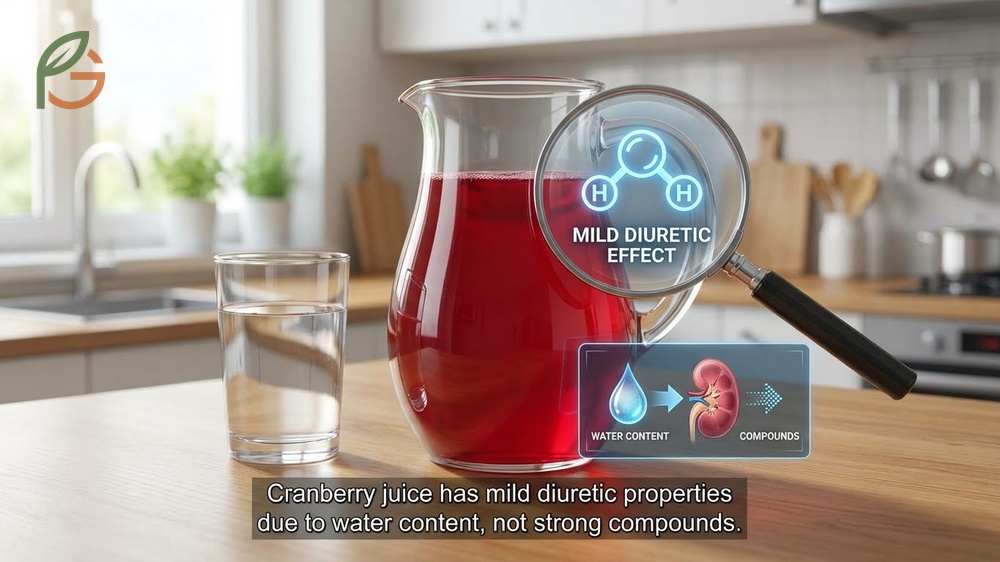
Cranberry juice isn’t classified as a strong diuretic, though it has mild diuretic properties. Medical experts distinguish between beverages that increase urination through volume versus those that actively stimulate kidney function. Cranberry falls into the former category, with its effects stemming primarily from water content rather than compounds that force fluid excretion.
Healthcare professionals note that cranberry’s reputation as a diuretic is somewhat overstated[5]. The mild increase in urination frequency helps flush bacteria from the urinary tract, which benefits people prone to infections. This therapeutic effect differs fundamentally from pharmaceutical diuretics that treat conditions like hypertension or edema.
Some individuals report stronger diuretic responses to cranberry juice, particularly when consumed in large quantities (more than 16 ounces daily). This variation likely reflects differences in bladder sensitivity, baseline hydration status, and individual kidney function. For most people, drinking 8-12 ounces daily won’t cause excessive urination beyond what the fluid volume alone would produce.
Natural Diuretics Compared
Natural diuretics vary significantly in their potency and mechanisms. Understanding where cranberry juice ranks among common foods and beverages helps set realistic expectations for its effects on urination frequency.
This table compares the diuretic strength, primary mechanism, and typical increase in urination for five common natural diuretics including coffee, cranberry juice, watermelon, cucumber, and parsley tea
| Beverage/Food | Diuretic Strength | Primary Mechanism | Urination Increase |
|---|---|---|---|
| Coffee (caffeinated) | Strong | Caffeine stimulates kidneys | 15-30% above fluid volume |
| Cranberry juice | Mild | High water content (86%) | Minimal above fluid volume |
| Watermelon | Mild | Water content (92%) | Volume-dependent only |
| Cucumber | Mild | Water content (95%) | Volume-dependent only |
| Parsley tea | Moderate | Flavonoids affect kidneys | 10-20% above fluid volume |
- Watermelon: Contains 92% water plus citrulline, which converts to arginine and mildly increases urine flow
- Celery: High water and potassium content promote fluid balance and natural kidney filtration
- Asparagus: Contains asparagine, an amino acid that directly stimulates kidney function
- Cucumber: Composed of 95% water with minimal diuretic compounds beyond hydration
- Lemon water: Citric acid and vitamin C create mild diuretic effects while supporting hydration
- Green tea: Caffeine content produces moderate diuretic action, though less than coffee
- Hibiscus tea: Flavonoids and organic acids stimulate kidney function moderately
Caffeine vs Cranberry Juice Diuretic
Caffeine and cranberry juice represent opposite ends of the diuretic spectrum. Caffeine blocks adenosine receptors in your kidneys, which reduces sodium and water reabsorption. This forces your kidneys to excrete more fluid than you consumed, potentially leading to net dehydration if you don’t compensate with additional water intake.
A typical 8-ounce cup of coffee contains 95mg of caffeine, which can increase urine output by 15-30% beyond the fluid volume consumed. In contrast, cranberry juice’s effects come almost entirely from its water content, without the kidney-stimulating compounds found in caffeinated beverages. This explains why coffee drinkers often experience more urgent bathroom needs compared to cranberry juice consumers.
Regular caffeine users develop tolerance, which reduces diuretic effects over time. Cranberry juice doesn’t produce tolerance because it lacks active diuretic compounds. Your body responds consistently to cranberry’s water content regardless of how long you’ve been drinking it, making urination patterns more predictable than with caffeinated alternatives.
Can Cranberry Juice Change Urine Color
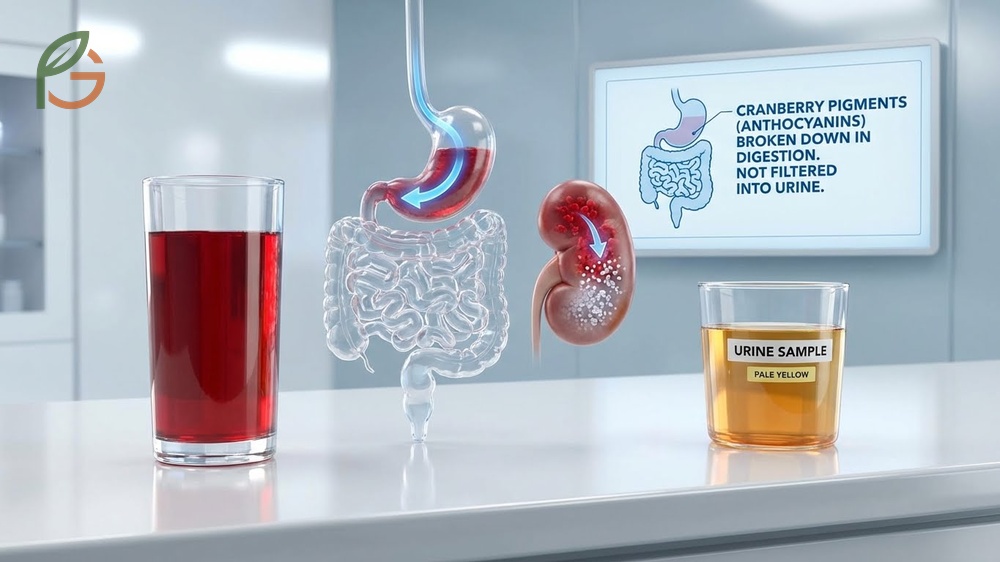
Despite its deep red appearance, cranberry juice doesn’t turn your urine red or pink. Medical research confirms no scientific evidence linking cranberry consumption to red urine coloration. The pigments responsible for cranberries’ color (primarily anthocyanins) get broken down during digestion and don’t survive kidney filtration in a form that colors urine.
Your urine color after drinking cranberry juice typically ranges from pale yellow to amber, depending on your hydration level. The high water content in cranberry juice (86%[1]) often dilutes urine, producing a lighter yellow shade than normal. This dilution effect reflects good hydration status rather than any pigment transfer.
If you notice red or pink urine after consuming cranberry products, investigate other potential causes. The timing may be coincidental, with the actual culprit being other foods, medications, or medical conditions that require evaluation.
Foods That Alter Urine Color
Several foods contain pigments that survive digestion and kidney filtration, emerging in your urine. Understanding which foods cause harmless color changes helps distinguish them from concerning medical symptoms.
- Beets: Contain betalains that turn urine pink or red in 10-14% of people, a harmless condition called beeturia[3]
- Blackberries: Rich in anthocyanins that can create pink to reddish urine when consumed in large quantities
- Rhubarb: Contains anthraquinones that produce pink or reddish urine coloration[3]
- Dragon fruit (red varieties): Betacyanin pigments can turn urine pink or light red, similar to beets
- Carrots: High beta-carotene content may produce orange-tinted urine with excessive consumption
- Asparagus: Changes urine smell distinctly but typically doesn’t alter color significantly
- Fava beans: Can cause dark brown or reddish urine, particularly in people with G6PD deficiency[3]
Hydration Tip: The most common urine color change comes from dehydration, which concentrates urine to dark yellow or amber. If your urine appears darker than light straw color, increase water intake to 8-10 glasses daily for optimal kidney function.
When to Worry About Red Urine
Red or pink urine requires medical attention when it appears without consuming known color-changing foods. Blood in urine (hematuria) can indicate infections, kidney stones, bladder issues, or more serious conditions. Healthcare providers distinguish between gross hematuria (visible blood) and microscopic hematuria (detected only through testing).
Seek medical evaluation if you notice red urine accompanied by pain during urination, fever, frequent urination with small volumes, or lower back pain. These symptoms suggest urinary tract infection, kidney stones, or bladder inflammation. Medical professionals at institutions like Mayo Clinic emphasize that “cranberry-juice colored or Coca-Cola colored” urine indicates serious kidney issues requiring immediate assessment[3].
Keep track of what you’ve eaten in the previous 24 hours before concluding blood is present. Beets, blackberries, or certain medications (like rifampin for tuberculosis) commonly produce harmless red urine. If you can’t identify a dietary cause and the color persists beyond 24 hours, schedule a medical appointment for proper testing.
Bladder Irritants and Frequent Urination
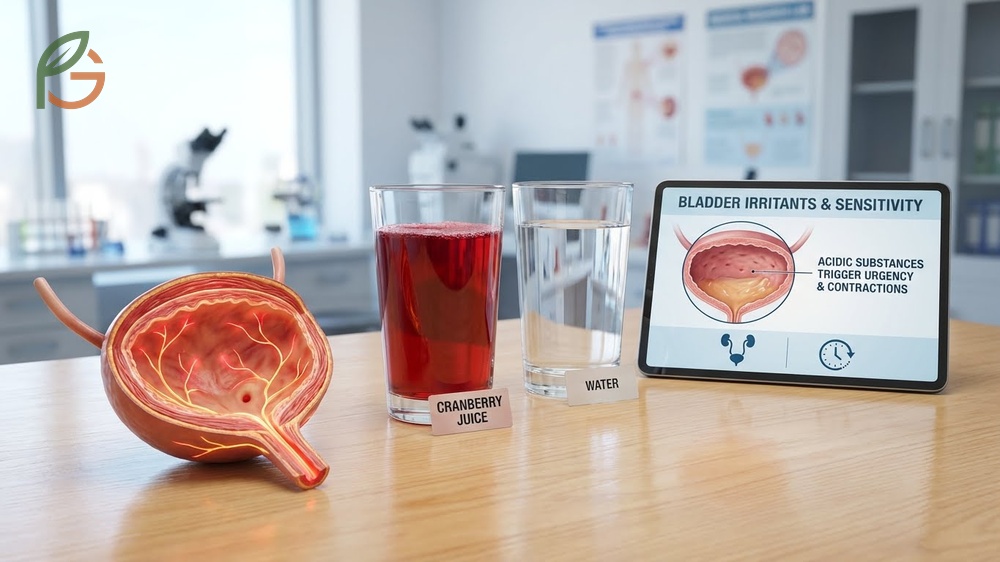
Bladder irritants trigger urgency and frequency beyond what fluid volume alone would cause. While cranberry juice helps prevent UTIs, its acidity places it on the list of potential bladder irritants[4], particularly for people with sensitive bladders or interstitial cystitis. Understanding common irritants helps you manage urination patterns more effectively.
The bladder lining responds to acidic substances by increasing sensitivity and muscle contractions. This creates the sensation of needing to urinate even when your bladder isn’t full. Research shows that concentrated cranberry juice can irritate some individuals, though diluting it with water often reduces this effect without eliminating the beneficial PACs.
Frequent urination causes extend beyond bladder irritants. Dehydration paradoxically increases bathroom trips because concentrated urine irritates bladder walls more than dilute urine. This creates a cycle where people drink less to urinate less, which worsens the irritation. Proper hydration with 8-10 glasses of water daily actually reduces frequency in many cases.
| Irritant Category | Specific Examples | Why It Irritates |
|---|---|---|
| Caffeinated beverages | Coffee, black tea, energy drinks | Caffeine stimulates bladder muscles and acts as diuretic[4] |
| Acidic foods | Citrus fruits, tomatoes, cranberry juice | Low pH irritates bladder lining[4] |
| Alcohol | Beer, wine, spirits | Diuretic effect plus bladder irritation |
| Spicy foods | Hot peppers, curry, wasabi | Capsaicin activates pain receptors in bladder |
| Artificial sweeteners | Aspartame, saccharin, sucralose | Chemical compounds trigger bladder sensitivity[4] |
Managing bladder irritation involves identifying your personal triggers through elimination diets. Remove suspected irritants for 1-2 weeks, then reintroduce them one at a time while monitoring symptoms. Many people tolerate cranberry juice better when diluted 50/50 with water, which maintains PAC benefits while reducing acidity.
Alternative approaches to UTI prevention include cranberry supplements that provide concentrated PACs without the juice’s acidity. Studies show supplements containing at least 36mg of PACs daily offer similar protective benefits[6] without triggering bladder irritation in sensitive individuals. This makes them a practical alternative for people who need UTI prevention but can’t tolerate acidic beverages.
Conclusion
The evidence is clear: cranberry juice makes you pee primarily due to its high water content rather than strong diuretic properties. With 86% water composition, an 8-ounce glass naturally increases bathroom visits through volume rather than kidney stimulation. The real value comes from PACs that reduce UTI risk by 18% when you consume at least 36mg daily for 12-24 weeks.
Current guidance emphasizes balancing cranberry juice’s benefits against potential bladder irritation from its acidity. Diluting juice with water or choosing low-acid cranberry supplements provides protective PACs without excessive bathroom trips. For optimal urinary health, combine moderate cranberry consumption with proper hydration (8-10 glasses of water daily) and awareness of personal bladder irritant triggers. FruitGarden synthesizes the latest urological research to help you make informed decisions about cranberry products for bladder health.
Medical Disclaimer
Important Medical Disclaimer: This content is for informational and educational purposes only. It is not intended as a substitute for professional medical advice, diagnosis, or treatment. Always consult a qualified healthcare professional before making any changes to your diet, supplement routine, or health management, especially if you have urinary tract conditions, kidney disease, diabetes, or take medications. If you experience persistent urinary symptoms, blood in urine, or severe pain, seek immediate medical attention.
Frequently Asked Questions
Why Does Cranberry Juice Make You Pee So Much?
Cranberry juice makes you pee frequently because it’s 86% water, which your kidneys process and convert to urine within 1-3 hours[1]. An 8-ounce glass contains about 248 grams of fluid, driving increased bathroom visits through volume rather than diuretic stimulation. Some people also experience mild bladder irritation from the juice’s acidity, which can intensify the urge to urinate.
Will Cranberry Juice Make Your Urine Red?
No, cranberry juice won’t make your urine red. Despite its deep red color, the pigments break down during digestion and don’t color urine. If you notice red urine, check whether you’ve eaten beets, blackberries, or rhubarb, which can turn urine pink or red[3]. Red urine without dietary explanation requires medical evaluation for potential blood presence.
How Much Cranberry Juice Should You Drink Daily?
Research shows 8-12 ounces of cranberry juice daily provides sufficient PACs for UTI prevention without excessive urination. Studies demonstrate that 36mg of PACs daily reduces UTI risk by 18%[2], which you can achieve with 8-10 ounces of quality juice. Drinking more than 16 ounces daily increases bathroom trips without additional protective benefits, while also adding unwanted sugar and calories.
Is Cranberry Juice Better Than Water Pills?
Cranberry juice isn’t a replacement for prescription diuretics (water pills) used to treat medical conditions like hypertension or heart failure. Water pills actively force your kidneys to excrete sodium and fluid, while cranberry juice simply provides hydration with mild natural diuretic effects. For UTI prevention specifically, cranberry juice or supplements offer benefits that water pills don’t provide, but they serve completely different medical purposes.
Can You Drink Cranberry Juice Before Bed?
Drinking cranberry juice before bed isn’t ideal if you want uninterrupted sleep. The high water content (86%[1]) triggers urination within 1-2 hours, likely disrupting your sleep. For better rest, consume cranberry juice at least 2-3 hours before bedtime, allowing time to empty your bladder. If you need UTI prevention overnight, consider cranberry supplements that provide PACs without the fluid volume.
Does Cranberry Juice Dehydrate You?
No, cranberry juice doesn’t dehydrate you. Unlike caffeinated beverages that stimulate excess fluid loss, cranberry juice contributes to your daily hydration needs through its 86% water content. While you’ll urinate more frequently due to the fluid volume, you’re not losing more water than you consumed. The juice maintains net positive hydration, though plain water remains the most efficient choice for pure hydration without added sugars.
What’s the Best Time to Drink Cranberry Juice?
The best time to drink cranberry juice is mid-morning or early afternoon when frequent bathroom access isn’t inconvenient. This timing allows PACs to work throughout the day while avoiding sleep disruption. For UTI prevention, consistency matters more than specific timing—drinking 8 ounces daily at the same time helps maintain steady PAC levels. Avoid drinking large amounts right before activities where bathroom access is limited, such as long drives or important meetings.