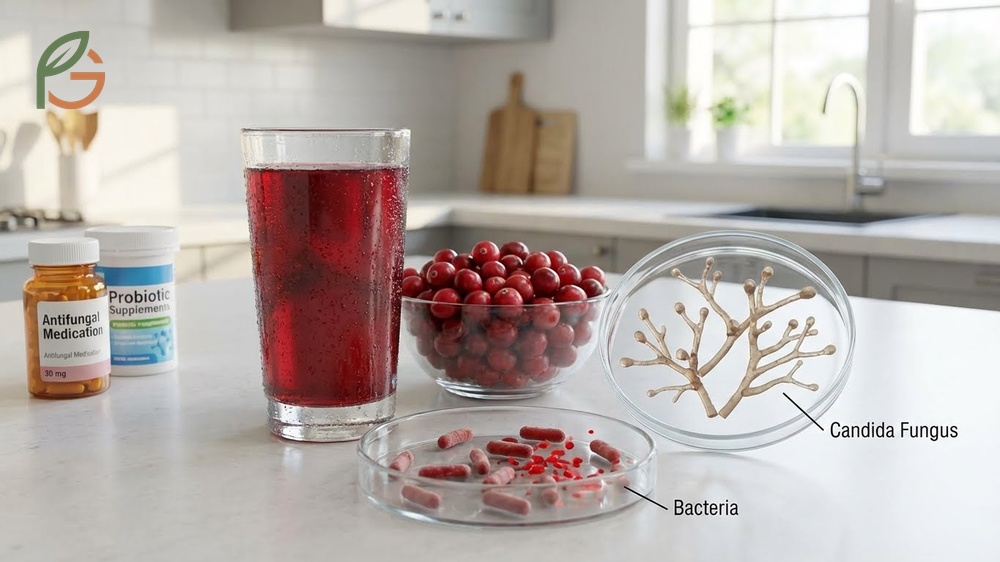
Does cranberry juice help yeast infections? Scientific evidence shows it’s not effective for treating or preventing yeast infections, despite its proven benefits for urinary tract infections. Research demonstrates that cranberry’s active compounds work primarily against bacteria, not the Candida fungus responsible for yeast infections[1]. Current medical data indicates that antifungal medications, probiotics, and dietary changes offer far more reliable results than cranberry juice for managing vaginal yeast infections. FruitGarden synthesizes the latest clinical research to help you understand which treatments actually work and which are myths.
Quick Answer
- Cranberry juice shows minimal to no effect on Candida albicans, the fungus causing most yeast infections[1]
- Studies found only 45% anti-adhesion activity against yeast compared to higher effectiveness for bacterial UTIs[2]
- Probiotic yogurt reduced fungal colonization from 54% to 29% in clinical trials—far more effective than cranberry juice[3]
- CDC recommends antifungal medications (fluconazole or topical azoles) for 7-14 days as first-line treatment[4]
Does Cranberry Juice Help Yeast Infections
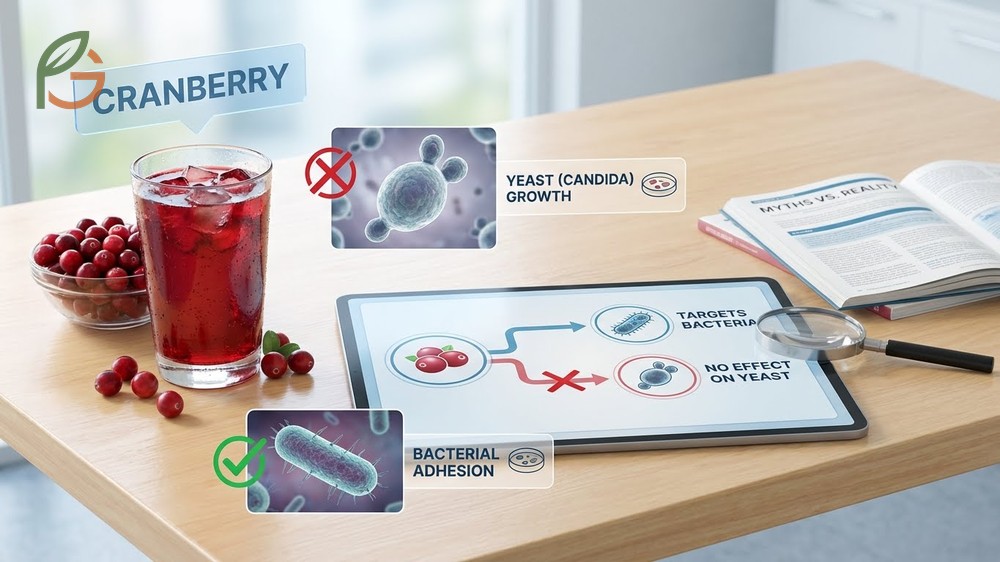
Cranberry juice doesn’t effectively treat or prevent yeast infections, despite widespread belief to the contrary. Studies demonstrate that cranberry’s beneficial compounds target bacterial adhesion, not fungal growth. A comprehensive 1968 study found that cranberry juice “has no apparent effect on Candida” species, the primary cause of vaginal yeast infections[1].
The disconnect between cranberry’s reputation and reality stems from its proven effectiveness against urinary tract infections (UTIs). Research shows cranberry prevents bacteria like E. coli from adhering to urinary tract walls, reducing infection rates. However, yeast infections involve Candida albicans, a fungus with entirely different cellular structures and mechanisms. What works for bacteria simply doesn’t work for fungi.
More recent evidence confirms this limitation. A 2010 analysis testing cranberry compounds against various pathogens found only 45% anti-adhesion activity against C. albicans, compared to significantly higher effectiveness against bacterial strains[2]. This weak response explains why women who drink cranberry juice for yeast infections rarely see improvement.
How Cranberry Works Against Infections
Cranberry contains proanthocyanidins (PACs), powerful compounds that prevent bacteria from sticking to mucosal surfaces. These PACs bind to bacterial fimbriae—hair-like projections bacteria use to attach to cells. Without attachment, bacteria can’t establish infections and get flushed out naturally.
This mechanism works brilliantly for bacterial UTIs. Studies show cranberry PACs reduce E. coli adhesion by 50-60% in a dose-dependent manner[2]. However, Candida fungi don’t have fimbriae or use the same adhesion process. They attach through entirely different proteins and cell wall components.
What Research Actually Shows
Clinical trials consistently demonstrate cranberry’s limitations against fungal infections. One laboratory study testing cranberry juice against eight dermatophyte species and Candida found strong antifungal activity against skin fungi but virtually no effect on Candida organisms[1]. This specificity matters—what kills one type of fungus won’t necessarily affect another.
A 2013 review examining cranberry compounds against C. albicans biofilm formation in artificial urine found some inhibitory effects in laboratory conditions. Yet these in vitro results haven’t translated to effective clinical treatments. Lab dishes don’t replicate the complex vaginal environment where multiple factors influence yeast growth.
Important Note: If you’re experiencing yeast infection symptoms, don’t rely on cranberry juice as treatment. The delay in seeking proper antifungal medication can allow infections to worsen or become recurrent, requiring longer treatment courses.
Cranberry Juice for Yeast Infection

The persistent myth about cranberry juice treating yeast infections causes real problems for women seeking relief. Many try drinking cranberry juice for days or weeks while symptoms persist, delaying effective treatment. Medical professionals consistently note this pattern—patients arrive with worsened infections after attempting home remedies that don’t work.
Commercial cranberry juice products present additional challenges. Most contain significant added sugars, which actually feed yeast growth rather than inhibiting it. A typical 8-ounce serving of cranberry juice cocktail contains 25-30 grams of sugar, creating conditions that promote Candida overgrowth.
Why the Confusion Exists
Three main factors explain why people believe cranberry juice helps yeast infections. First, cranberry’s proven effectiveness for UTIs creates a “health halo” effect—if it works for one infection, people assume it works for all infections. Second, UTI symptoms (burning, urgency) can overlap with yeast infection symptoms, leading to misdiagnosis.
Third, some women experience simultaneous UTIs and yeast infections, often triggered by antibiotic use. When they drink cranberry juice and the UTI improves, they credit the cranberry for overall relief, not realizing the yeast infection remains untreated. This anecdotal “evidence” then spreads through word of mouth and online forums.
The Sugar Content Concern
Sugar feeds Candida albicans growth, making sugary cranberry juice potentially counterproductive. Research demonstrates that yeast organisms thrive on glucose and other simple sugars. Studies examining Candida overgrowth consistently identify high sugar intake as a primary risk factor for recurrent infections.
Even unsweetened cranberry juice contains natural sugars from the fruit itself, though in lower amounts than cocktail versions. If you’re managing active yeast infections or prone to recurrence, reducing all sugar sources—including fruit juices—helps starve the fungus and restore normal vaginal flora balance.
Probiotics for Yeast Infection
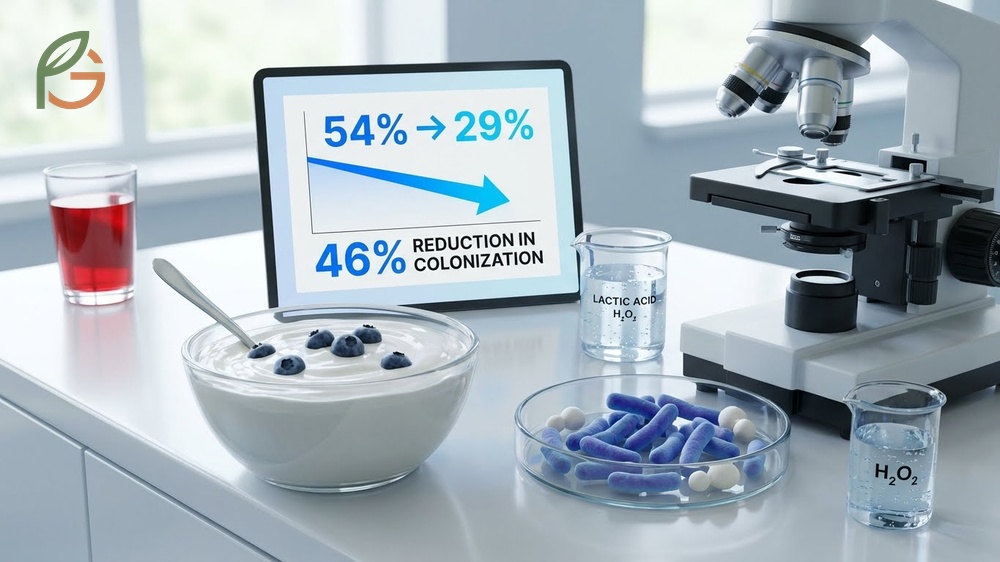
Probiotics offer evidence-based benefits for preventing and managing yeast infections, unlike cranberry juice. A clinical trial published in the NIH database found that women consuming probiotic yogurt reduced vaginal fungal colonization from 54% to 29%—a statistically significant 46% reduction[3]. This dramatic improvement far exceeds any effects observed with cranberry products.
Lactobacillus strains work by producing lactic acid and hydrogen peroxide, creating an acidic vaginal environment hostile to Candida growth. These beneficial bacteria also compete with yeast for nutrients and attachment sites. When lactobacilli populations remain robust, they crowd out opportunistic fungi naturally.
Research shows specific strains deliver the best results. Lactobacillus rhamnosus GR-1 and Lactobacillus reuteri RC-14 demonstrated effectiveness when combined with standard fluconazole treatment, improving cure rates beyond medication alone. Daily consumption of 8 ounces of yogurt containing Lactobacillus acidophilus resulted in a threefold decrease in vaginal yeast infections across multiple studies[3].
- Plain Greek yogurt with live active cultures (Lactobacillus acidophilus) consumed daily at 8 ounces
- Probiotic supplements containing 10-50 billion CFUs of Lactobacillus strains taken with or without food
- Fermented foods like kefir, sauerkraut, and kimchi providing diverse beneficial bacteria
- Vaginal probiotic suppositories inserted at bedtime for direct colonization support
- Combination therapy: oral probiotics plus topical antifungals for recurrent infections
- Preventive protocol: daily probiotics during and for 2 weeks after antibiotic courses
Probiotic Selection Tip: Choose products specifically labeled with Lactobacillus rhamnosus or Lactobacillus reuteri strains. Generic “probiotic” labels may contain bacterial species that don’t effectively colonize the vaginal tract or compete with Candida.
Sugar and Yeast Infections

High sugar consumption directly promotes yeast overgrowth by providing Candida’s primary fuel source. Studies examining dietary patterns in women with recurrent yeast infections consistently find elevated refined sugar intake compared to women without infections. Yeast organisms metabolize glucose rapidly, using it to reproduce and form biofilms that resist treatment.
This connection explains why diabetic women experience yeast infections at significantly higher rates. Elevated blood glucose levels create an ideal environment for Candida proliferation throughout the body, including vaginal tissues. Even women without diabetes who consume high-sugar diets show similar patterns, though less severe.
Reducing sugar intake helps restore vaginal flora balance and prevents recurrence. Clinical observations show that women who eliminate refined sugars, limit fruit intake, and avoid alcohol often see dramatic improvements within 2-4 weeks. This dietary approach doesn’t cure active infections but creates conditions less favorable for yeast survival.
- Eliminate added sugars in beverages, including sweetened cranberry juice, sodas, and energy drinks
- Reduce high-glycemic carbohydrates like white bread, pasta, and pastries that convert quickly to glucose
- Limit fruit consumption to 1-2 servings daily, focusing on berries with lower sugar content
- Avoid alcohol during active infections and limit to occasional consumption afterward
- Replace refined grains with whole grains, legumes, and non-starchy vegetables
- Read labels carefully—many “healthy” products contain hidden sugars under various names
- Monitor blood glucose if diabetic, maintaining levels below 130 mg/dL to reduce infection risk
Boric Acid Suppositories
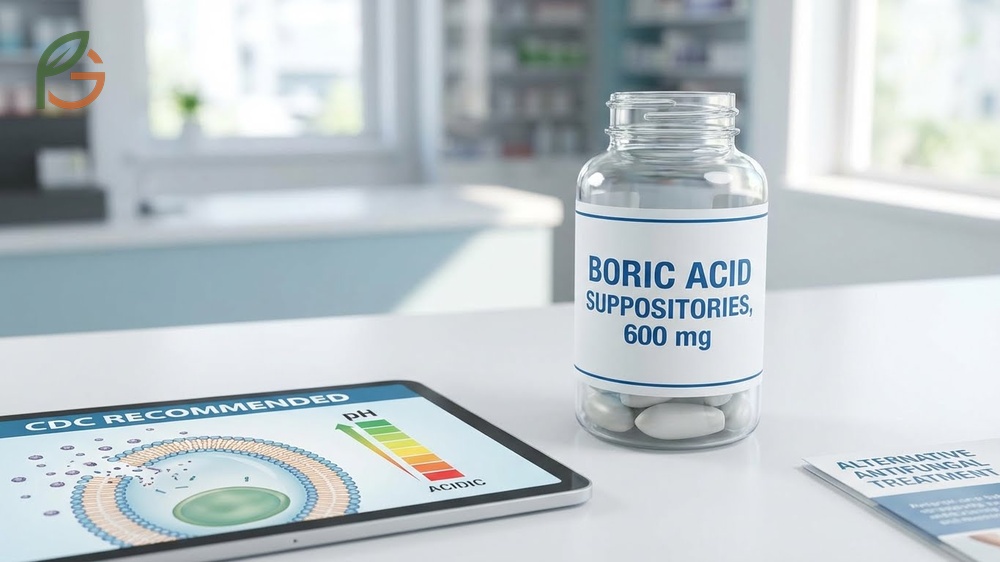
Boric acid suppositories provide an effective alternative treatment when standard antifungals fail or for non-albicans yeast species. The CDC recognizes boric acid as a treatment option for recurrent vulvovaginal candidiasis, recommending 600 mg intravaginally daily for 2 weeks with clinical and mycologic eradication rates of approximately 70%[4].
Research demonstrates boric acid works through multiple mechanisms. It disrupts fungal cell membranes, alters vaginal pH to levels unfavorable for yeast growth, and exhibits broad-spectrum antifungal activity against both C. albicans and resistant non-albicans species. This makes it particularly valuable for women who’ve developed azole resistance through repeated fluconazole use.
Treatment protocols typically involve inserting one 600 mg boric acid suppository vaginally at bedtime for 14 consecutive days for active infections. For prevention of recurrent infections, some healthcare providers recommend once or twice weekly insertions for 3-4 months. Most women notice symptom improvement within 3-5 days, though completing the full course prevents recurrence.
Safety Warning: Boric acid is toxic if ingested orally. Use only as vaginal suppositories and keep away from children and pets. Pregnant women should never use boric acid suppositories. Always consult a healthcare provider before starting treatment.
Bacterial Vaginosis vs Yeast Infection
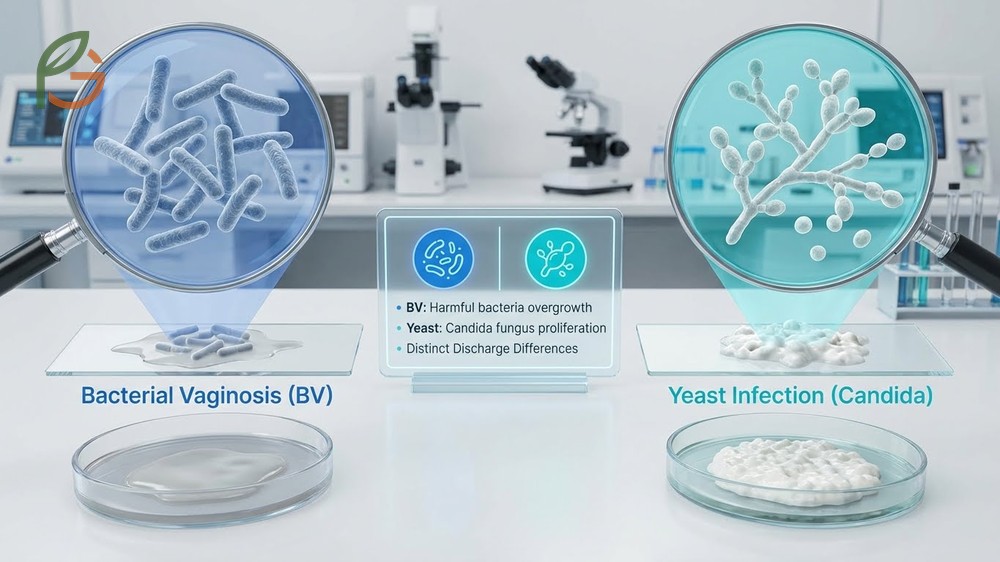
Bacterial vaginosis (BV) and yeast infections cause different symptoms despite both affecting the vagina. BV results from overgrowth of harmful bacteria, while yeast infections stem from Candida fungus proliferation. Understanding the differences ensures you seek appropriate treatment rather than relying on ineffective remedies like cranberry juice.
The most distinctive difference lies in discharge characteristics and odor. BV produces thin, gray or white discharge with a strong fishy smell that intensifies after sexual intercourse. Yeast infections create thick, white discharge resembling cottage cheese with no odor. This visual and olfactory distinction helps with initial self-assessment, though professional diagnosis remains important.
Treatment approaches differ fundamentally between these conditions. BV requires antibiotic therapy—typically metronidazole or clindamycin—to eliminate bacterial overgrowth. Yeast infections need antifungal medications like fluconazole or topical azoles. Using antibiotics for a yeast infection or antifungals for BV won’t work and may worsen symptoms.
This table compares discharge appearance, odor presence, itching severity, and recommended treatments between bacterial vaginosis and yeast infections
| Characteristic | Bacterial Vaginosis | Yeast Infection |
|---|---|---|
| Discharge Appearance | Thin, gray or white, watery | Thick, white, cottage cheese-like |
| Odor | Strong fishy smell (worse after sex) | No odor or mild yeast-like smell |
| Itching Intensity | Mild irritation, minimal itching | Intense itching and burning |
| Vulva Appearance | Usually no redness or swelling | Red, inflamed, visibly swollen |
| Treatment Type | Antibiotics (metronidazole, clindamycin) | Antifungals (fluconazole, azole creams) |
Misdiagnosis between BV and yeast infections occurs frequently because both cause vaginal discomfort. The CDC reports that many women who self-diagnose yeast infections actually have BV or other conditions. This explains why over-the-counter yeast treatments fail for roughly 30-40% of women who use them—they’re treating the wrong condition.
Conclusion
The evidence is clear: cranberry juice doesn’t help yeast infections and shouldn’t replace proven treatments. While cranberry effectively prevents bacterial UTIs through specific anti-adhesion mechanisms, these same compounds show minimal activity against Candida fungi. Research consistently demonstrates that antifungal medications, probiotics, and dietary sugar reduction deliver far superior results for managing vaginal yeast infections.
Current medical guidance emphasizes evidence-based treatments over folk remedies. When you experience yeast infection symptoms, consult a healthcare provider for proper diagnosis and prescription antifungals. Incorporate daily probiotics, reduce sugar intake, and consider boric acid suppositories for recurrent cases under medical supervision. FruitGarden recommends focusing on these scientifically validated approaches rather than ineffective alternatives that delay healing and potentially worsen infections.
Medical Disclaimer
Important Medical Disclaimer: This content is for informational and educational purposes only. It is not intended as a substitute for professional medical advice, diagnosis, or treatment. Always consult a qualified healthcare professional before making any changes to your diet, medication, or health routine, especially if you have recurrent yeast infections, diabetes, or other medical conditions. If you experience severe symptoms, unusual discharge, or symptoms that don’t improve with treatment, seek immediate medical attention.
Frequently Asked Questions
Will Cranberry Juice Help Yeast Infection Symptoms?
No, cranberry juice won’t relieve yeast infection symptoms like itching, burning, or discharge. Studies show cranberry compounds target bacterial adhesion, not fungal growth, making them ineffective against Candida albicans. Antifungal medications provide relief within 1-3 days, while cranberry juice offers no therapeutic benefit for yeast infections.
Can Cranberry Juice Prevent Yeast Infections?
No evidence supports cranberry juice for yeast infection prevention. Clinical trials demonstrate that probiotic yogurt reduces fungal colonization by 46%, while cranberry shows minimal preventive effects. If you’re prone to recurrent infections, focus on daily probiotics, sugar reduction, and maintaining healthy vaginal flora through evidence-based methods instead.
Is Cranberry Juice Good for Yeast Infection and UTI Together?
Cranberry juice may help with UTI symptoms but won’t address yeast infections that commonly occur alongside UTIs, especially after antibiotic treatment. You’ll need separate treatments: cranberry or antibiotics for the UTI, and antifungal medication for the yeast infection. Consult a healthcare provider for proper diagnosis and dual treatment approach.
Does Cranberry Juice Make Yeast Infections Worse?
Sweetened cranberry juice can worsen yeast infections because added sugars feed Candida growth. Commercial cranberry juice cocktails contain 25-30 grams of sugar per 8-ounce serving, creating conditions that promote fungal overgrowth. Even unsweetened cranberry juice contains natural sugars that may contribute to the problem rather than solving it.
What Actually Works Better Than Cranberry for Yeast Infections?
CDC-recommended fluconazole (150 mg oral dose) or topical azole creams for 7-14 days provide effective treatment with 80-90% cure rates. Probiotic yogurt reduces colonization by 46%, and boric acid suppositories achieve 70% eradication for resistant cases. These evidence-based treatments deliver measurable results that cranberry juice cannot match.
Can I Drink Unsweetened Cranberry Juice During Yeast Infection Treatment?
While unsweetened cranberry juice won’t help treat the infection, small amounts probably won’t harm your recovery if you’re taking proper antifungal medication. However, limiting all fruit juices during treatment helps starve yeast organisms. Water, herbal tea, and unsweetened beverages support better outcomes than any cranberry products.
Is Cranberry Juice Good for Thrush in the Mouth?
Cranberry juice doesn’t effectively treat oral thrush, which is also caused by Candida overgrowth. Oral antifungal medications like nystatin suspension or fluconazole tablets prescribed by healthcare providers work far better. The same limitations that make cranberry ineffective for vaginal yeast infections apply to oral Candida infections as well.