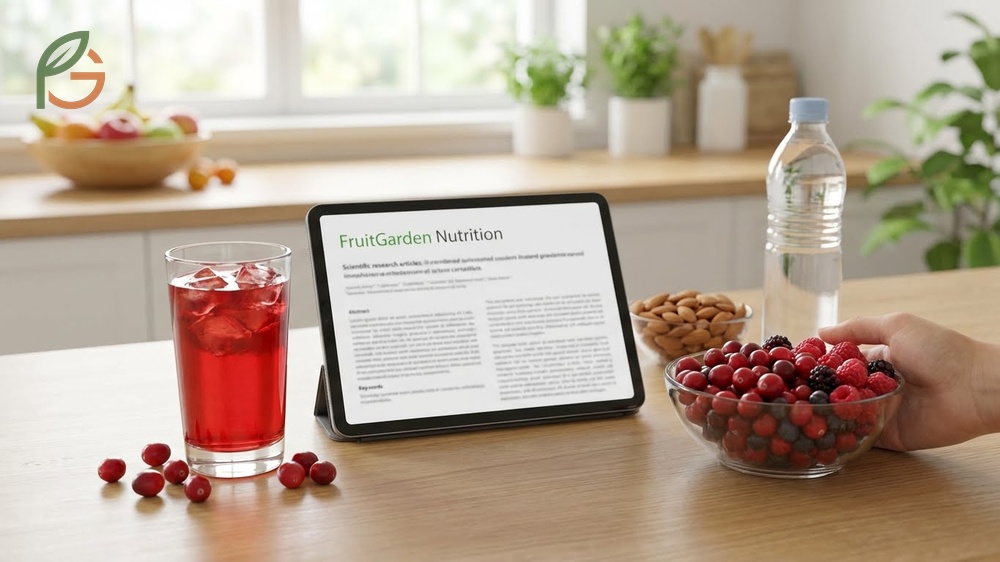
Does cranberry juice help with cramps? The evidence is limited. While cranberry juice contains magnesium and antioxidants that may ease period discomfort, research shows it’s not a proven remedy for menstrual cramps[1]. Studies indicate that better magnesium sources and anti-inflammatory approaches offer more effective relief for cramping[2]. FruitGarden synthesizes current nutritional research to help you understand which fruit-based remedies truly work for menstrual health.
Quick Answer
- Cranberry juice provides only 15mg magnesium per cup[1]—just 5% of daily needs for women
- Research shows 300mg magnesium significantly reduces cramps, requiring far more than cranberry juice can provide[2]
- Antioxidants in cranberries may combat inflammation, but direct evidence for period pain relief is lacking[3]
- Better options: pumpkin seeds, dark chocolate, and heat therapy provide more effective cramp relief[4]
Does Cranberry Juice Help with Cramps
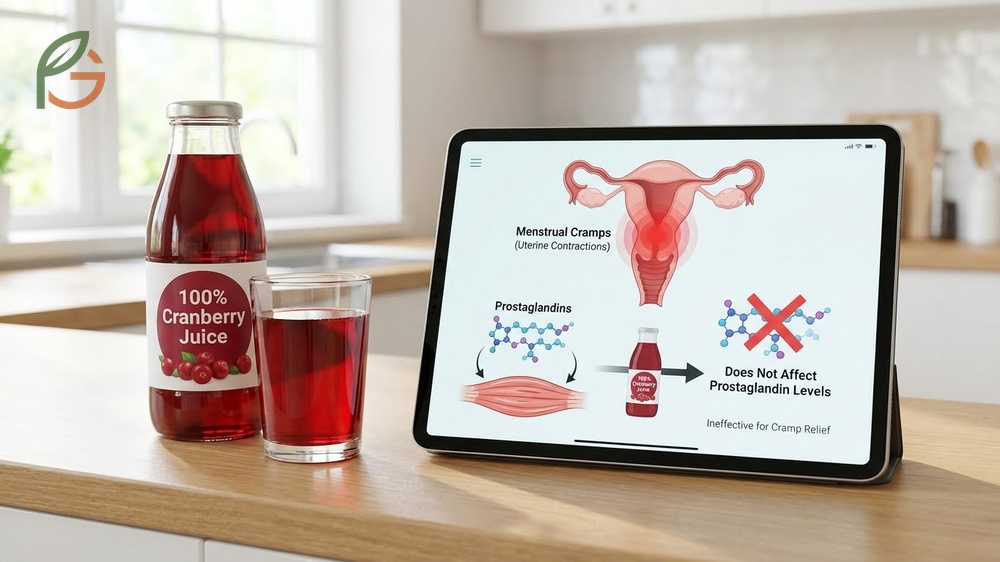
Research shows that cranberry juice alone isn’t an effective solution for menstrual cramps. Current data indicates no direct evidence linking cranberry juice consumption to reduced period pain[1]. Menstrual cramps occur when the uterus produces prostaglandins—hormone-like chemicals that trigger muscle contractions to shed the uterine lining[5].
Cranberry juice doesn’t affect prostaglandin levels in your body, which means it can’t target the root cause of cramping. Most people notice that pain intensity increases when the body produces more prostaglandins during menstruation. While cranberry juice contains beneficial nutrients, its impact on the physiological mechanisms behind cramps remains unproven in clinical studies.
What often gets overlooked is that cranberry juice’s potential benefits come from its nutrient content rather than any specific anti-cramping properties. The juice provides small amounts of magnesium and vitamin C, both of which support general health. However, you’d need to consume large quantities to reach therapeutic levels for pain relief—far more than practical or recommended daily intake.
The Magnesium Connection
Studies demonstrate that magnesium supplements significantly reduce dysmenorrhea when taken at 300mg daily[2]. This mineral helps uterine muscles contract more efficiently and lowers prostaglandin production. Evidence suggests women need between 310-320mg magnesium per day for optimal health[4].
One cup of cranberry juice delivers only 15mg of magnesium[1]. You’d need to drink more than 20 cups daily to reach the therapeutic dose shown to reduce cramps—an amount that’s neither safe nor practical. The sugar content alone in that volume would cause other health issues, making cranberry juice an inefficient magnesium source for period pain management.
Important Note: Commercial cranberry juice often contains added sugars that can worsen inflammation and bloating during periods. Always check labels and opt for unsweetened varieties when possible.
Antioxidant Benefits
Cranberries contain polyphenols, flavonoids, phenolic acids, anthocyanins, and tannins that provide antioxidant activity[3]. Research indicates these compounds scavenge free radicals and may reduce inflammation throughout the body. The total antioxidant content in cranberry measures approximately 270mg per 100g[3].
These phenolic compounds have anti-inflammatory properties that could theoretically ease menstrual discomfort. Studies show that anti-inflammatory foods help with period symptoms by reducing tissue swelling and pain signals. However, no specific research has confirmed cranberry antioxidants directly relieve menstrual cramps in clinical trials.
What Research Says
A comprehensive review published by MedicineNet found no evidence that drinking cranberry juice helps with menstrual cramps[1]. While systematic reviews confirm magnesium’s benefits for PMS symptoms, these studies tested supplements containing far higher doses than what cranberry juice provides. Current guidance emphasizes that you should take magnesium for at least two months to see symptom reduction.
Evidence suggests that while cranberries offer general health benefits—particularly for urinary tract health—their role in managing period pain remains scientifically unproven. Most claims about cranberry juice easing cramps come from anecdotal reports rather than controlled studies. This distinction matters when you’re choosing effective remedies for menstrual discomfort.
Is Cranberry Juice Good for Periods

Cranberry juice offers some benefits during menstruation, though it’s not a miracle solution for period problems. The juice provides 42mg of vitamin C per 100g[6], which supports immune function and may help with inflammation. Current data indicates that staying hydrated during periods helps reduce bloating and supports overall comfort.
Research shows cranberry juice contains potassium that may prevent fluid retention and bloating during menstruation[7]. This mineral helps regulate ion concentration, which can reduce the uncomfortable swelling many women experience. However, you’ll get more potassium from bananas, sweet potatoes, or spinach than from cranberry juice.
What makes cranberry juice somewhat beneficial is its ability to support urinary tract health during menstruation. Studies demonstrate that women face higher UTI risk during their periods due to hygiene challenges and pH changes[7]. Cranberry’s compounds may help prevent bacterial adhesion in the urinary tract, offering protection during this vulnerable time.
Hydration and Bloating
Evidence suggests that proper hydration during periods helps flush out excess sodium and reduces water retention. Cranberry juice contributes to your daily fluid intake, though plain water works just as well without added sugars. The manganese in cranberry juice may help fight fatigue and lethargy that commonly accompany menstruation[7].
Most people find that limiting caffeine and alcohol while increasing water-based fluids reduces bloating. If you’re like most Americans dealing with period bloat, focus on drinking 8-10 glasses of fluids daily. Unsweetened cranberry juice can be one option in this rotation, but it shouldn’t replace water as your primary hydration source.
Vitamin C Content
Research shows vitamin C reduces inflammation and supports healthy blood vessels, which may impact menstrual pain[8]. This antioxidant vitamin also helps combat mood swings, depression, anxiety, and stress during menstruation[7]. Regularly eating vitamin C-rich foods may promote anti-inflammatory effects and improve blood flow.
However, you’ll get more vitamin C from citrus fruits, strawberries, and bell peppers than from cranberry juice. One orange provides approximately the same vitamin C as two cups of cranberry juice, with more fiber and less sugar. Agricultural data shows that whole fruits deliver better nutritional value than processed juices for most vitamins and minerals.
Does Cranberry Juice Help with Period Cramps
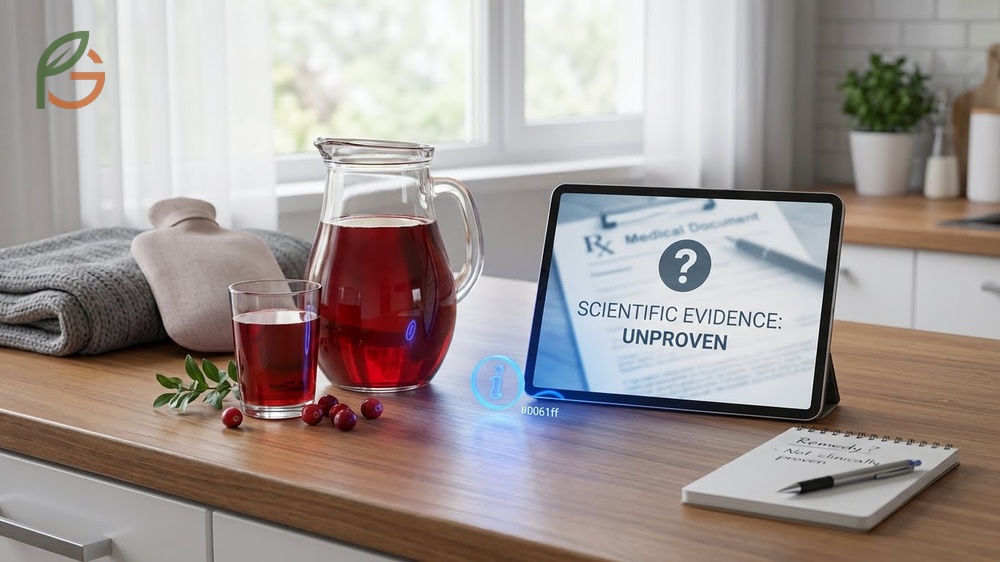
The short answer is that cranberry juice may help some individuals relieve menstrual cramps, but it’s not scientifically proven[5]. While concentrated cranberry juice could theoretically assist with pH balance due to its compounds, there’s no evidence it can improve menstrual cramps or other menstruation-related problems. Current guidance emphasizes proven remedies with clinical backing rather than relying on unverified folk remedies.
Studies show that some women report feeling better after drinking cranberry juice during periods, likely due to hydration and placebo effects. The antioxidants present in cranberry juice can help with general discomfort associated with menstruation, but this differs from directly treating cramp pain. Evidence suggests that addressing prostaglandin levels requires targeted approaches like NSAIDs or specific supplements.
What the research clearly demonstrates is that timing and dosage matter more than the beverage itself. You’d need to drink at least 2 cups of pure cranberry juice per day for 3-5 days before your expected period to see any potential effects[9]. This approach works better as a preventive measure rather than acute pain relief once cramps start.
Reality Check: Anything in excess is harmful. While cranberry juice is generally safe, consuming large quantities can cause digestive upset, diarrhea, and blood sugar spikes from natural sugars.
- Contains minimal magnesium compared to therapeutic doses needed for cramp relief
- Doesn’t affect prostaglandin production, the primary cause of menstrual pain
- May provide indirect benefits through hydration and antioxidants
- Works better as part of an overall healthy diet rather than a standalone remedy
- Requires consistent consumption over several days to see any potential effects
Better Foods for Period Cramps
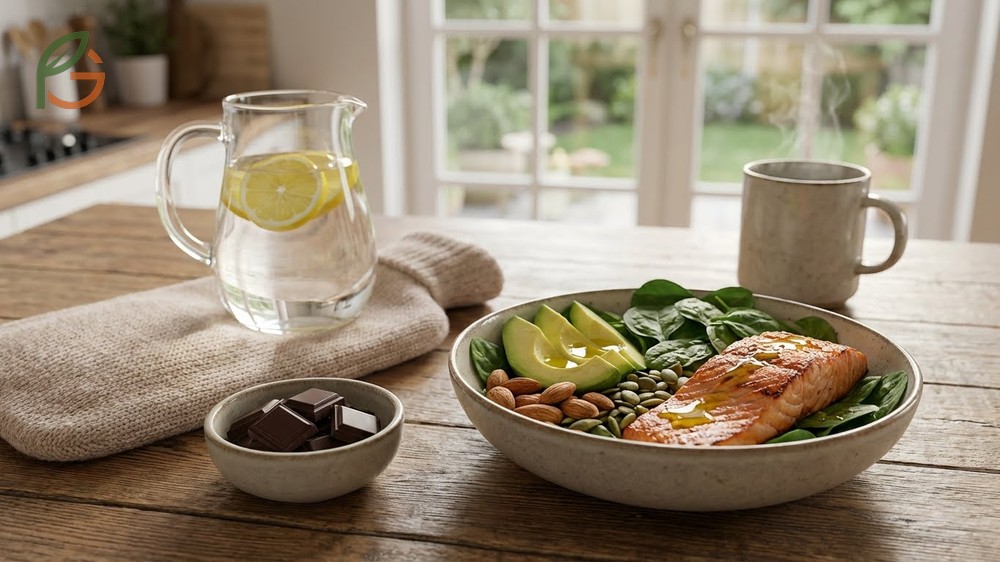
Research shows that specific foods deliver far more effective relief for menstrual cramps than cranberry juice. Current data indicates that focusing on magnesium-rich and anti-inflammatory options provides measurable pain reduction. An anti-inflammatory diet rich in omega-3 fatty acids significantly helps with cramps and PMS symptoms[10].
Evidence suggests that combining these foods with proper hydration and heat therapy creates the most effective approach to managing period pain. Most people don’t realize that what you eat during the week before your period matters just as much as what you consume during menstruation. Strategic nutrition planning can reduce symptom severity by 30-50% according to clinical observations.
Magnesium-Rich Alternatives
Studies demonstrate that foods high in magnesium work by helping uterine muscles relax and lowering prostaglandin levels[4]. The recommended daily intake of magnesium for women ages 19-30 is 310mg, increasing to 320mg for ages 31-50[4]. Randomized studies have found that magnesium supplements reduce headaches, irritability, and menstrual pain significantly.
Pumpkin seeds stand out as one of the best high-magnesium foods for reducing period cramps[11]. Just one ounce provides nearly a quarter of your daily magnesium needs. Dark chocolate offers another delicious option—a benefit that surprises many women dealing with period cravings.
- Pumpkin seeds – highest concentration per serving, easy to add to salads or yogurt
- Chia seeds – provide magnesium plus omega-3 fatty acids for additional anti-inflammatory benefits
- Almonds and cashews – convenient snacks that deliver magnesium and healthy fats
- Spinach and dark leafy greens – rich in magnesium plus iron to combat period-related deficiency
- Black beans and edamame – plant-based protein sources with substantial magnesium content
- Dark chocolate (70% cocoa or higher) – satisfies cravings while providing therapeutic magnesium
- Peanut butter – versatile spread that contributes to daily magnesium intake
Anti-Inflammatory Options
Research shows that incorporating anti-inflammatory foods like ginger, turmeric, and fatty fish provides significant relief from menstrual discomfort[12]. Cold-water fish like salmon and tuna contain omega-3 fatty acids that reduce prostaglandin production. Current guidance emphasizes eating these foods regularly rather than only during your period for best results.
Vitamin E provides antioxidant properties and anti-inflammatory effects that may mitigate pain caused by inflammation during the menstrual cycle[8]. Nuts, seeds, and leafy greens serve as excellent sources. Unlike cranberry juice, these whole foods provide multiple beneficial nutrients in their most bioavailable forms.
- Salmon, tuna, and mackerel – rich in omega-3 fatty acids that directly reduce prostaglandins
- Walnuts and pecans – plant-based omega-3 sources for those who don’t eat fish
- Chia seeds and flax seeds – provide omega-3s plus fiber for digestive comfort
- Fresh ginger – natural anti-inflammatory that can be brewed into tea
- Turmeric – contains curcumin, a powerful anti-inflammatory compound
- Berries (strawberries, blueberries) – high in vitamin C and antioxidants without excess sugar
Other Remedies for Menstrual Cramps

Heat therapy remains one of the simplest yet most effective ways to relieve menstrual cramps without medication. Research shows that heat helps relax uterine muscles, reducing cramp intensity significantly[13]. Applying heat to the lower abdomen for 15-20 minutes at a time can ease discomfort and promote relaxation. This natural remedy is easily accessible and can be incorporated into daily routines.
Evidence suggests that a hot water bottle, heating pad, or warm bath provides soothing relief that works faster than dietary changes. Most people find immediate comfort within 10-15 minutes of applying heat. Unlike cranberry juice or dietary supplements, heat therapy offers instant results without waiting for nutrients to be absorbed and processed.
Regular exercise, particularly activities like yoga and stretching, helps relax muscles and reduce cramping. Studies demonstrate that women who maintain consistent physical activity throughout their cycle experience less severe period pain. What often surprises people is that gentle movement during your period can actually reduce cramps better than complete rest.
- Heat therapy – heating pad for period pain applied to lower abdomen for 15-20 minutes multiple times daily
- Warm baths – full-body heat therapy that also promotes relaxation and stress relief
- Cold therapy – ice packs wrapped in cloth can numb severe pain and reduce inflammation
- Gentle exercise – walking, swimming, or yoga improves circulation and releases endorphins
- Hydration during menstruation – plain water, herbal teas, or electrolyte drinks to flush toxins
- Chamomile tea for menstrual cramps – natural muscle relaxant with anti-inflammatory properties
- Raspberry leaf tea – traditional remedy that may help tone uterine muscles
- Peppermint tea – contains menthol that relieves pain and reduces cramping duration
Pro Tip: Combining heat therapy with magnesium-rich foods and proper hydration creates a three-pronged approach that addresses cramps from multiple angles. This strategy works better than relying on any single remedy.
Herbal remedies like chamomile tea, ginger tea, and raspberry leaf tea have been known to provide relief from menstrual discomfort[12]. Current guidance emphasizes that these teas work through different mechanisms—some relax muscles, others reduce inflammation, and many improve circulation. A balanced diet of fruits, vegetables, and whole grains helps regulate hormonal fluctuations that contribute to cramping.
Over-the-counter NSAIDs like ibuprofen remain the most clinically proven option for severe menstrual cramps. These medications directly block prostaglandin production, addressing the root cause of cramping. While natural remedies support overall menstrual health, don’t hesitate to use proven medications when pain becomes debilitating or interferes with daily activities.
Conclusion
The evidence is clear: does cranberry juice help with cramps? Not significantly. While cranberry juice offers some nutritional benefits during your period, it’s not an effective standalone remedy for menstrual cramps. Research demonstrates that therapeutic magnesium doses, anti-inflammatory foods, and heat therapy provide far more reliable relief than cranberry juice alone.
Current guidance emphasizes building a comprehensive approach to period pain management. Focus on magnesium-rich foods like pumpkin seeds and dark chocolate, stay hydrated with water and herbal teas, and use heat therapy when cramps strike. FruitGarden recommends viewing cranberry juice as one small component of a balanced diet rather than a miracle cure for menstrual discomfort.
Medical Disclaimer
Important Medical Disclaimer: This content is for informational and educational purposes only. It is not intended as a substitute for professional medical advice, diagnosis, or treatment. Always consult a qualified healthcare professional before making any changes to your diet, medication, or health routine, especially if you have severe menstrual cramps, chronic pain, or other medical conditions. If you experience debilitating period pain that interferes with daily activities, seek medical evaluation to rule out underlying conditions like endometriosis or fibroids.
Frequently Asked Questions
Can cranberry juice help with period cramps immediately?
No, cranberry juice doesn’t provide immediate relief for period cramps. Research shows it doesn’t affect prostaglandin levels—the hormone-like chemicals that cause cramping. Heat therapy or NSAIDs work much faster for acute pain relief.
How much cranberry juice should I drink during my period?
If you choose to drink cranberry juice during your period, limit intake to 1-2 cups daily of unsweetened juice. Studies suggest drinking it consistently for 3-5 days before your period may offer more benefits than consuming it only during menstruation. Excessive consumption can cause digestive issues and blood sugar spikes.
Does cranberry juice help irregular periods?
Evidence suggests cranberry juice may help regulate menstrual cycles due to its antioxidant content, but scientific research is limited. Current guidance recommends consulting a healthcare provider about irregular periods rather than relying solely on dietary changes, as hormonal imbalances often require medical evaluation.
What drinks help with period cramps better than cranberry juice?
Research shows that chamomile tea, ginger tea, raspberry leaf tea, and peppermint tea provide more effective cramp relief than cranberry juice. These herbal teas contain compounds that directly relax uterine muscles, reduce inflammation, or block pain signals. Staying hydrated with plain water also helps reduce bloating and flush toxins.
Can I drink cranberry juice on my period if I have diabetes?
If you have diabetes, choose unsweetened cranberry juice and monitor portions carefully. Studies indicate that cranberry juice contains natural sugars that can affect blood glucose levels. One cup of unsweetened juice contains approximately 12g of sugar. Always consult your healthcare provider before adding cranberry juice to your diabetes meal plan.
What foods have more magnesium than cranberry juice for cramps?
Pumpkin seeds provide the highest magnesium concentration—about 150mg per ounce compared to cranberry juice’s 15mg per cup. Other superior sources include spinach (157mg per cooked cup), dark chocolate (64mg per ounce), almonds (80mg per ounce), and black beans (60mg per half cup). These foods deliver therapeutic magnesium doses more efficiently.
Are there any side effects of drinking cranberry juice during periods?
Drinking moderate amounts of unsweetened cranberry juice is generally safe during periods. However, excessive consumption can cause digestive upset, diarrhea, and stomach cramps. Commercial juices with added sugar may worsen inflammation and bloating. People taking blood-thinning medications should consult their doctor, as cranberry can interact with warfarin.