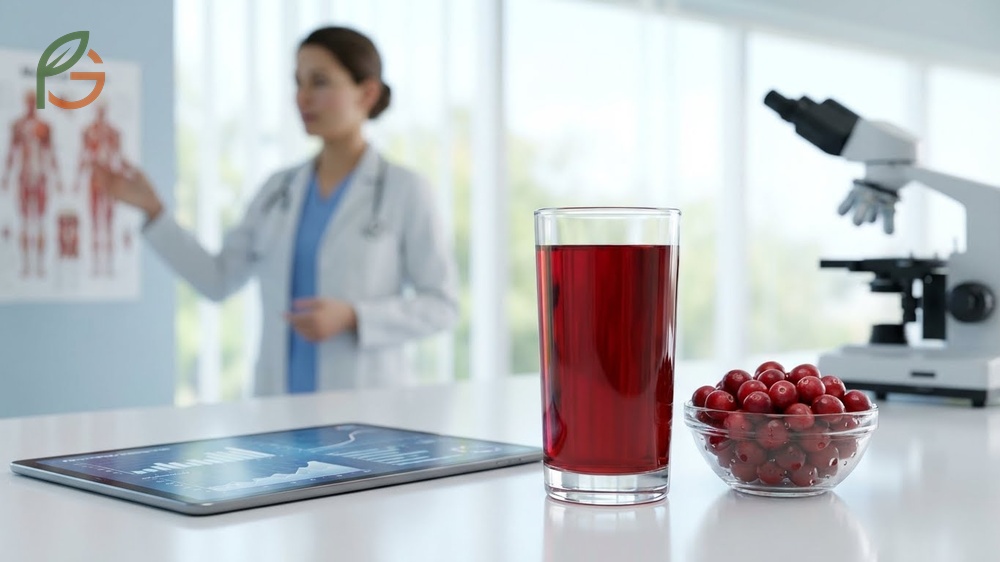
Does cranberry juice help BV? Evidence is limited for bacterial vaginosis specifically, though cranberries show strong effectiveness for UTI prevention. Research demonstrates that cranberry proanthocyanidins prevent bacterial adhesion in the urinary tract, but BV requires targeted antibiotic treatment recommended by healthcare providers. FruitGarden synthesizes current research on cranberries and women’s health to clarify what works and what doesn’t.
Quick Answer
- Cranberry juice isn’t proven to treat BV directly—antibiotics like metronidazole remain the gold standard treatment[1]
- Cranberries reduce UTI risk by 25-53% in women through bacterial anti-adhesion properties[2]
- One 2024 study shows cranberry A-PACs combined with antifungals help treat vulvovaginal candidiasis, not BV specifically[3]
- Probiotics like L. crispatus and L. rhamnosus show more promise for BV when combined with antibiotics[4]
Does Cranberry Juice Help BV
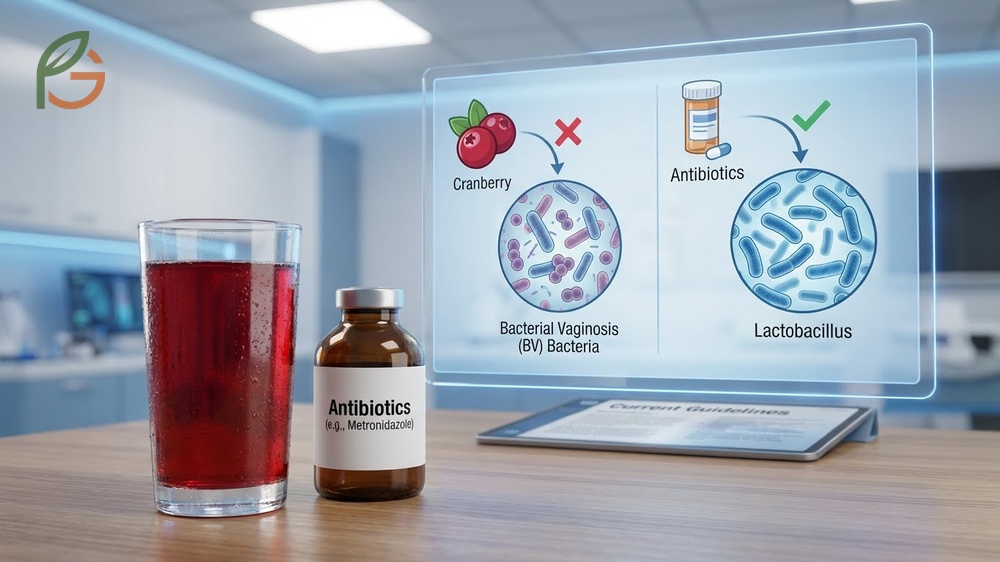
Research shows cranberry juice doesn’t directly treat bacterial vaginosis. BV occurs when harmful bacteria outnumber beneficial Lactobacillus species in the vagina, requiring antibiotic treatment with metronidazole or clindamycin[1]. Unlike urinary tract infections where cranberry demonstrates proven effectiveness, BV affects vaginal flora through different mechanisms.
Current medical guidelines don’t list cranberry as a primary or adjunct BV treatment. Studies demonstrate that up to 66% of women experience BV recurrence within 12 months after antibiotic treatment[5]. This high recurrence rate drives interest in alternative therapies, but cranberry hasn’t shown the same promise for BV that it has for UTI prevention.
One important consideration: the sugar content in commercial cranberry juice can raise vaginal pH levels, making the environment more alkaline. This pH shift may actually promote yeast infections rather than preventing bacterial imbalances[6].
Understanding BV vs UTI
Many people confuse bacterial vaginosis with urinary tract infections, but they’re distinct conditions affecting different areas. UTIs involve bacterial infection in the bladder or urethra, while BV affects the vaginal microbiome. Cranberry’s proven benefits apply to UTIs, where it reduces infection risk by preventing E. coli from adhering to urinary tract walls.
BV symptoms include gray-white discharge, fishy odor, and vaginal irritation. UTI symptoms differ—burning during urination, frequent urge to urinate, and lower abdominal pain. These conditions require different treatment approaches because they involve different bacterial species and body systems.
What Research Shows
A 2024 clinical trial found that cranberry A-type proanthocyanidins combined with azole antifungals effectively treated vulvovaginal candidiasis, not BV specifically[3]. The study showed comparable efficacy to standard antifungal regimens, but this applies to yeast infections rather than bacterial vaginosis.
Another study examining cranberry consumption’s effects on vaginal microbiota showed improvements in individuals with dysbiosis[7]. However, researchers noted that 42% of subjects showed apparent loss of potential vaginal pathogens after consuming cranberry drink twice daily. These findings suggest potential benefits but don’t establish cranberry as a BV treatment.
Important Note: If you’re experiencing BV symptoms, consult a healthcare provider for proper diagnosis and antibiotic treatment. Home remedies shouldn’t replace medical care, especially since untreated BV increases risks for STIs and pregnancy complications.
Why Cranberry for Feminine Health
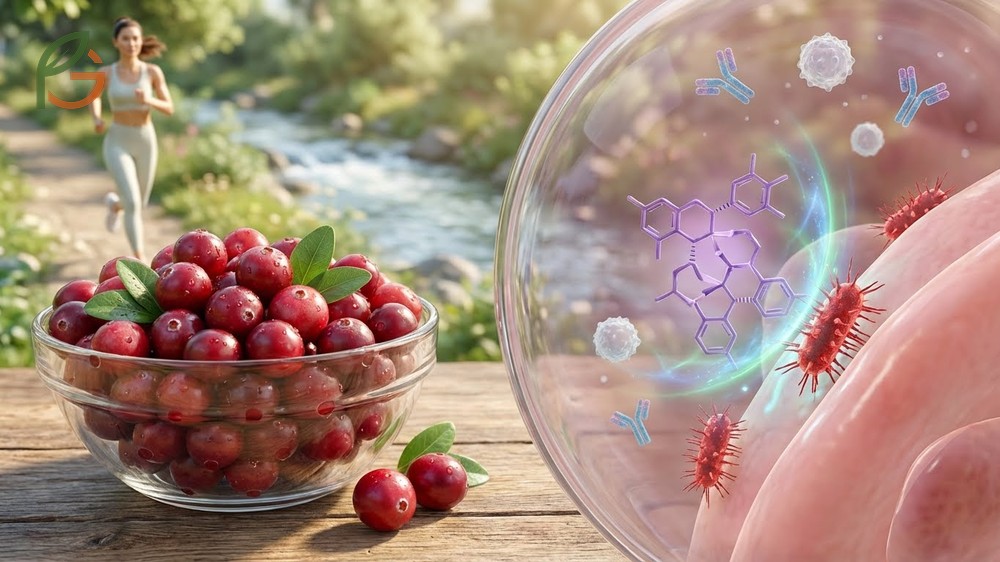
Cranberries contain unique A-type proanthocyanidins that distinguish them from other fruits. These compounds prevent bacterial adhesion more effectively than proanthocyanidins found in grape juice, apple juice, or green tea[8]. The mechanism works through competitive inhibition—PACs act as receptor analogs that block bacteria from attaching to cell surfaces.
Studies demonstrate cranberry juice reduces UTI antibiotic use by 49% compared to placebo and 59% compared to no treatment[2]. This reduction matters because it helps combat antibiotic resistance while providing a natural prevention strategy for women prone to recurrent UTIs.
Fresh American cranberries contain approximately 34.3 mg proanthocyanidins per 100 grams, with 51-91% being A-type PACs[3]. However, commercial cranberry juice often contains much lower PAC concentrations plus added sugars that can counteract potential benefits for vaginal health.
Proanthocyanidins Mechanism
When you consume cranberry juice, soluble PACs enter your bloodstream and pass into urine. These compounds interfere with bacterial adherence by binding to E. coli fimbriae—the hair-like projections bacteria use to attach to urinary tract cells[9]. Without attachment capability, bacteria can’t colonize and multiply, so your body flushes them out naturally.
This anti-adhesion property works specifically against uropathogenic bacteria like E. coli, Pseudomonas aeruginosa, and Proteus mirabilis. The mechanism doesn’t translate directly to vaginal bacterial species involved in BV, which include Gardnerella vaginalis, Prevotella species, and other anaerobes that thrive in altered vaginal pH conditions.
Vaginal Microbiome Effects
Research examining cranberry’s impact on vaginal microbiota shows mixed results. One study found no detrimental effects on vaginal microflora after consuming 500 ml reconstituted cranberry extract twice daily[10]. Some participants even showed loss of potential pathogens from the vagina.
However, vaginal health depends on maintaining acidic pH levels between 3.8-4.5, which Lactobacillus species support by producing lactic acid. Cranberry juice with added sugar can raise pH toward alkaline levels, potentially disrupting this delicate balance and promoting yeast overgrowth rather than preventing bacterial issues.
Is Cranberry Juice Good for Vaginal Health
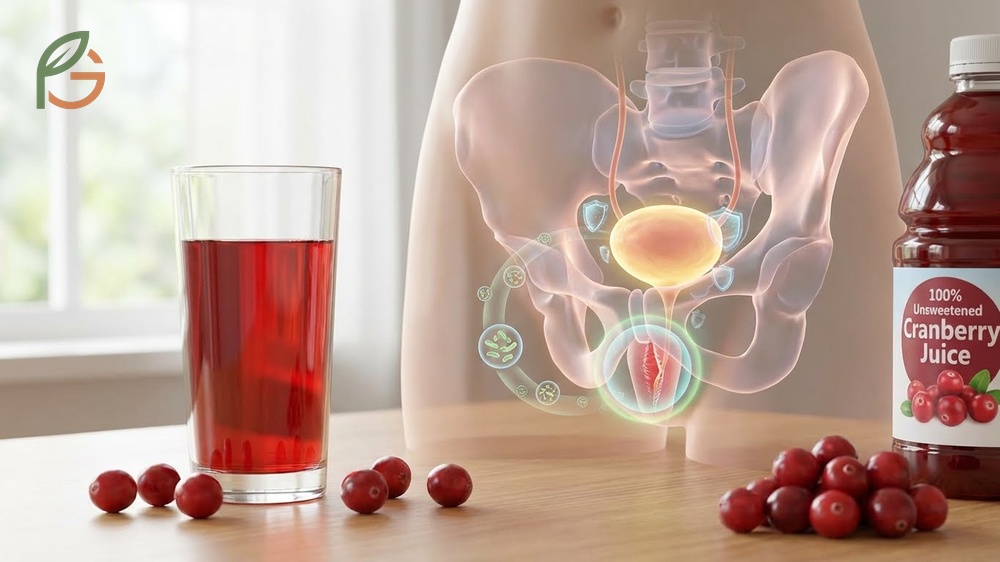
Cranberry juice offers limited direct benefits for vaginal health despite its proven effectiveness for urinary tract health. The connection between UTI prevention and vaginal wellness exists because UTIs often originate from bacteria migrating from the vaginal area to the urethra. By preventing UTIs, cranberries indirectly support overall urogenital health.
If you choose cranberry juice for feminine health, opt for unsweetened varieties or cranberry supplements with standardized PAC content. Research shows cranberry juice is 35% more effective than cranberry capsules or tablets for UTI prevention, possibly because the liquid helps flush bacteria from the urinary tract[11].
For women experiencing recurrent UTIs, consuming cranberry products may reduce infection rates by approximately 26% compared to placebo[12]. This preventive effect doesn’t extend to bacterial vaginosis treatment, but maintaining urinary tract health contributes to overall pelvic wellness.
Sugar Warning: Commercial cranberry juice cocktails often contain high sugar levels that can disrupt vaginal pH balance. Choose 100% cranberry juice or cranberry supplements without added sweeteners for potential health benefits.
- Cranberry juice works for UTI prevention but lacks evidence for BV treatment
- Unsweetened cranberry products preserve beneficial proanthocyanidin content
- Sugar content in commercial juices can raise vaginal pH and promote yeast infections
- Cranberry supplements with 36 mg PACs daily show UTI prevention benefits
- Liquid cranberry juice may flush bacteria more effectively than capsules
- Anti-inflammatory properties of cranberries support overall urogenital health
Cranberry Juice for BV Alternatives
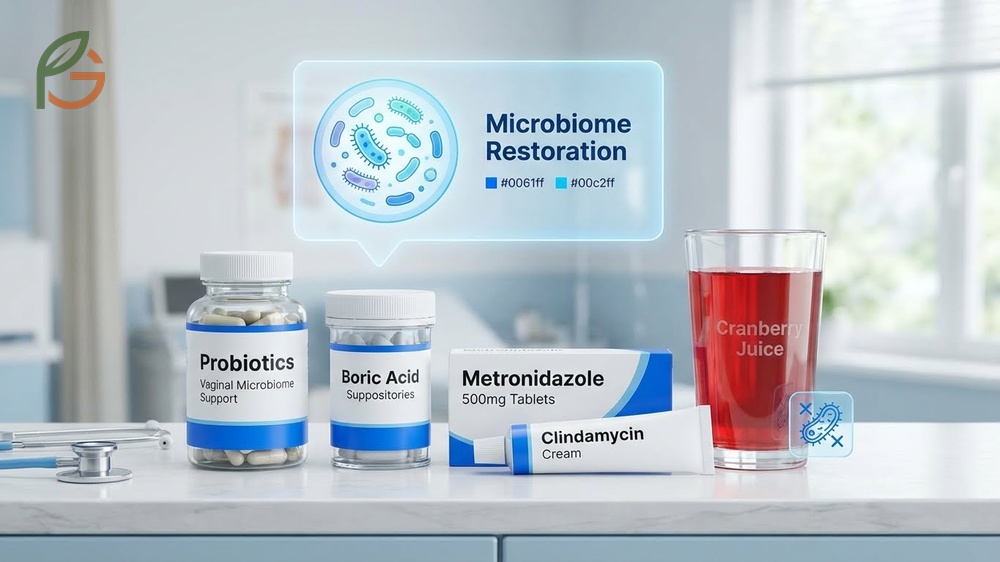
Since cranberry juice doesn’t effectively treat BV, evidence-based alternatives include probiotics, boric acid suppositories, and prescription antibiotics. These approaches target vaginal microbiome restoration more directly than cranberry’s anti-adhesion mechanism.
Medical guidelines recommend metronidazole 500 mg orally twice daily for 7 days or clindamycin cream as first-line BV treatments, with cure rates around 70-85%[1]. However, high recurrence rates drive many women to seek complementary therapies that support long-term vaginal health.
Probiotics for BV
Probiotics containing specific Lactobacillus strains show promise for preventing BV recurrence when combined with antibiotic treatment. Research demonstrates that L. acidophilus LA-14 and L. rhamnosus HN001 significantly improved BV symptoms and decreased recurrence rates compared to antibiotics alone[4].
A clinical trial using Lactin-V, an L. crispatus intravaginal suppository probiotic, showed reduced repeat UTIs and BV occurrences. L. crispatus is considered the most protective vaginal Lactobacillus species for vaginal health because it effectively maintains acidic pH levels and prevents pathogen colonization[13].
Studies show 61% symptom relief rates at 2 weeks for women taking oral Lactobacillus probiotics compared to 19% in placebo groups[4]. These results demonstrate probiotics’ potential as adjunct therapy, though they work best alongside conventional antibiotic treatment rather than as standalone remedies.
Boric Acid for BV
Boric acid vaginal suppositories combined with oral antibiotics help treat BV more effectively than antibiotics alone. A 2023 review found that long-term boric acid use was well-tolerated with high patient satisfaction and minimal side effects[14].
Boric acid works by restoring vaginal pH balance and creating an environment hostile to BV-causing bacteria. However, it’s crucial to use pharmaceutical-grade boric acid suppositories specifically formulated for vaginal use—never insert household boric acid, which can cause serious harm.
- Metronidazole 500 mg orally twice daily for 7 days (first-line treatment)
- Clindamycin cream 2% intravaginally for 7 days (alternative option)
- L. crispatus, L. acidophilus, and L. rhamnosus probiotics as adjunct therapy
- Boric acid 600 mg vaginal suppositories combined with antibiotics
- Fermented foods with live cultures to support gut and vaginal microbiome
- Avoid douching, which disrupts vaginal flora and increases BV risk
Vaginal pH Balance Diet
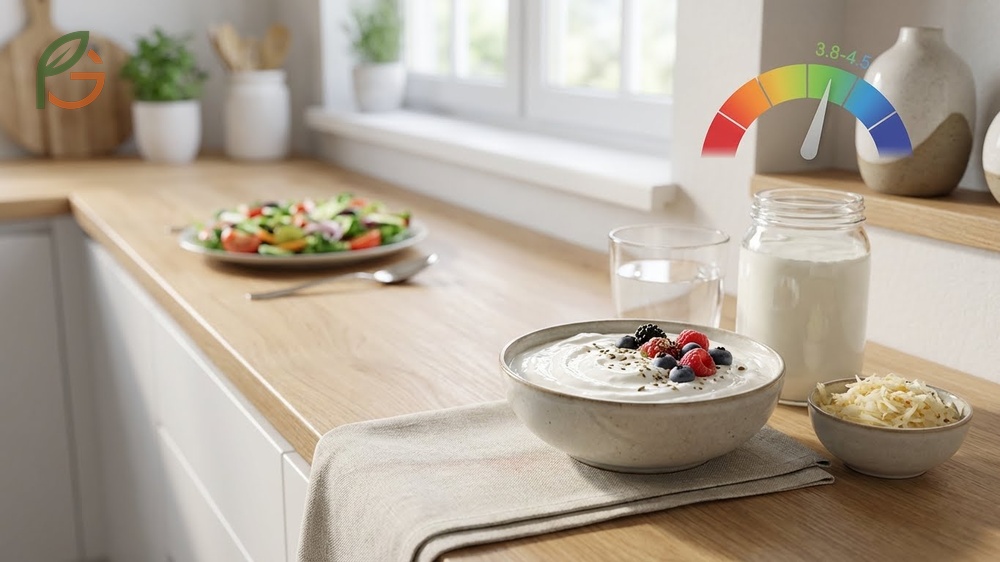
Maintaining optimal vaginal pH through diet supports overall feminine health and reduces infection risk. A healthy vagina maintains pH levels between 3.8-4.5, which Lactobacillus bacteria help achieve by producing lactic acid. Certain foods support this acidic environment while others may disrupt it.
Plain yogurt with live active cultures ranks among the best foods for vaginal health. The probiotics in yogurt help maintain beneficial bacterial populations that keep yeast and harmful bacteria in check[15]. Research shows yogurt consumption may reduce vaginal infection rates, though it can’t treat active BV.
Fermented foods including kimchi, sauerkraut, kombucha, kefir, and tempeh contain probiotics that benefit both gut and vaginal microbiomes. These foods support overall health while potentially reducing infection risk through improved microbial diversity.
Foods to Avoid: Limit refined sugars, processed carbohydrates, and alcohol, which can raise vaginal pH and promote yeast overgrowth. Women with recurrent BV should monitor how dietary changes affect symptoms over 4-6 weeks.
- Plain Greek yogurt with live cultures (L. acidophilus, L. rhamnosus)
- Fermented vegetables like sauerkraut and kimchi (refrigerated, unpasteurized)
- Unsweetened cranberry juice or supplements (36 mg PACs daily for UTI prevention)
- Probiotic-rich kefir and kombucha with minimal added sugars
- Garlic supplements with allicin content (oral only, never insert vaginally)
- Leafy greens and vegetables high in prebiotic fiber
- Water intake of 8-10 glasses daily to support urinary tract flushing
Conclusion
The evidence is clear: cranberry juice doesn’t effectively treat bacterial vaginosis, despite its proven benefits for urinary tract infection prevention. While cranberries contain powerful proanthocyanidins that prevent bacterial adhesion in the urinary tract, BV requires targeted antibiotic treatment combined with probiotics for optimal results.
Current research supports using prescription antibiotics as first-line BV treatment, with Lactobacillus probiotics and boric acid suppositories as complementary therapies. If you’re experiencing vaginal symptoms, consult a healthcare provider rather than relying on home remedies alone. FruitGarden emphasizes evidence-based approaches to women’s health that distinguish between proven treatments and popular myths.
Medical Disclaimer
Important Medical Disclaimer: This content is for informational and educational purposes only. It is not intended as a substitute for professional medical advice, diagnosis, or treatment. Always consult a qualified healthcare professional before making any changes to your diet, medication, or health routine, especially if you have bacterial vaginosis, recurrent UTIs, or other gynecological conditions. Self-treatment of BV can lead to complications including pelvic inflammatory disease and increased STI risk.
Frequently Asked Questions
Can Cranberry Juice Help with BV?
Cranberry juice isn’t proven to help with bacterial vaginosis. While cranberries effectively prevent urinary tract infections through anti-adhesion properties, BV requires antibiotic treatment targeting vaginal bacterial imbalances. Research shows metronidazole or clindamycin antibiotics remain the gold standard for BV with 70-85% cure rates.
Does Cranberry Juice Help with BV Symptoms?
No current evidence supports cranberry juice for relieving BV symptoms like gray discharge or fishy odor. These symptoms require medical diagnosis and prescription antibiotics. Some women report temporary relief from cranberry’s anti-inflammatory effects, but this doesn’t treat the underlying bacterial imbalance causing BV.
Is Cranberry Juice Good for Your Vagina?
Cranberry juice offers limited direct vaginal health benefits. While it prevents UTIs effectively, commercial cranberry juice contains sugars that can raise vaginal pH and promote yeast infections. Unsweetened cranberry juice or supplements with standardized PAC content provide better options if you want potential urinary tract benefits without pH disruption.
What Home Remedies Actually Work for BV?
Evidence-based BV home remedies include probiotic supplements containing L. acidophilus, L. rhamnosus, or L. crispatus, which show 61% symptom relief rates when combined with antibiotics. Boric acid vaginal suppositories demonstrate effectiveness as adjunct therapy. However, neither replaces prescription antibiotics as primary BV treatment.
How Much Cranberry Juice Should You Drink for Feminine Health?
For UTI prevention, studies use 240-500 ml unsweetened cranberry juice daily or supplements containing 36 mg proanthocyanidins. These amounts reduce UTI risk by 25-53% in susceptible women. However, no established dosage exists for vaginal health specifically, since cranberry doesn’t treat BV or vaginal infections.
What’s the Difference Between BV and UTI?
Bacterial vaginosis affects the vagina when harmful bacteria outnumber beneficial Lactobacillus species, causing gray discharge and fishy odor. UTIs involve bacterial infection in the bladder or urethra, causing burning urination and frequent urge to urinate. Cranberry prevents UTIs effectively but doesn’t treat BV.
Do Probiotics Work Better Than Cranberry for BV?
Yes, probiotics show significantly better evidence for BV prevention and treatment than cranberry juice. Lactobacillus strains reduce BV recurrence rates and improve symptoms when combined with antibiotics, achieving 61% relief rates compared to 19% for placebo. Cranberry lacks comparable evidence for vaginal bacterial infections.