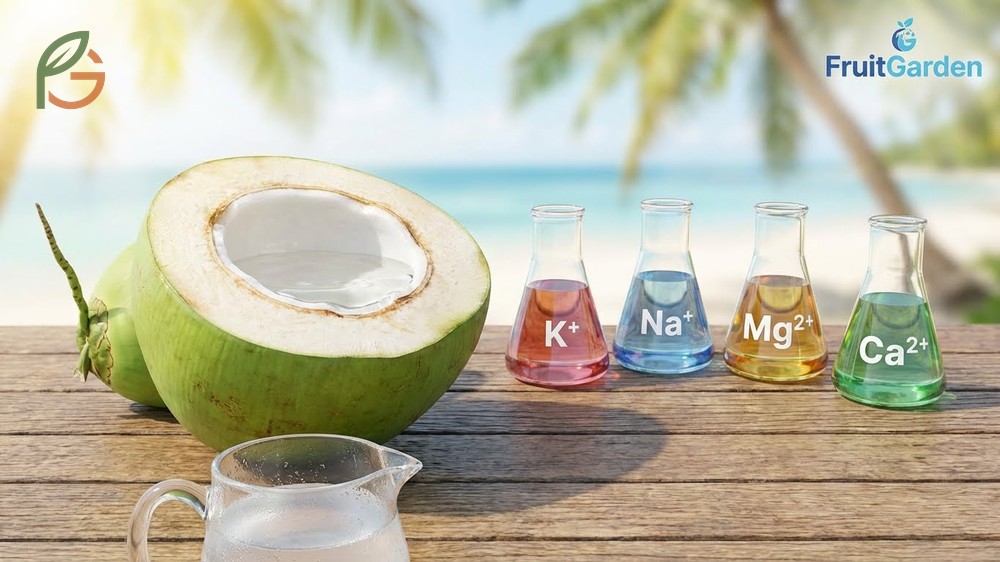
Does coconut water have electrolytes? Yes, research shows coconut water contains four essential electrolytes: potassium, sodium, magnesium, and calcium[1]. Studies demonstrate it’s an effective natural hydration solution, particularly for mild to moderate dehydration[2]. FruitGarden synthesizes current nutritional research to help you understand how coconut water supports hydration and when it’s most beneficial.
Quick Answer
Does Coconut Water Have Electrolytes
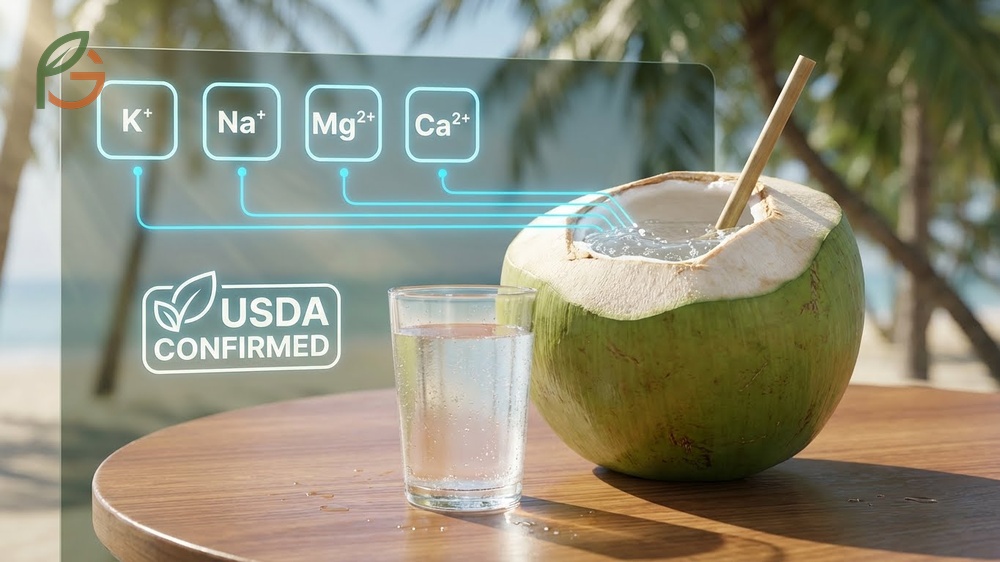
Coconut water naturally contains all four primary electrolytes your body needs for hydration. Research from the USDA confirms each 100ml serving provides potassium, sodium, magnesium, and calcium in measurable amounts[3]. This makes it a legitimate electrolyte drink, though its composition differs from formulated sports beverages.
Studies demonstrate coconut water’s electrolyte profile supports fluid balance and muscle function during physical activity. The drink contains roughly 94.99% water, making it an effective hydration vehicle that delivers minerals alongside fluids[3]. Most people find it works best for light to moderate exercise lasting under 90 minutes.
The natural sourcing sets coconut water apart from synthetic options. Unlike manufactured drinks, it doesn’t require added electrolytes or artificial ingredients to achieve its mineral content[1]. This matters because current nutritional guidance emphasizes whole-food sources when possible.
What Makes Coconut Water an Electrolyte Drink
An electrolyte drink must contain minerals that conduct electrical signals in your body—specifically sodium, potassium, calcium, and magnesium. Coconut water qualifies because it naturally provides all four in functional amounts. The potassium content stands out at 250mg per 100ml, which exceeds what you’ll find in most commercial sports drinks[3].
The drink’s electrolyte ratios mirror what your body loses through moderate sweating, though not heavy perspiration. This natural balance means it doesn’t require the same level of sodium fortification that athletes need during intense training. Evidence suggests this composition works effectively for casual exercisers and those recovering from mild dehydration[2].
How Electrolytes Support Hydration
Electrolytes don’t just tag along with water—they actively improve how your body absorbs and retains fluids. When you drink plain water, it passes through your system quickly. Adding electrolytes slows this process, giving your cells more time to absorb the fluid they need.
Potassium and sodium work together to regulate fluid balance across cell membranes. Research shows this pairing helps prevent both dehydration and overhydration, which can occur when you drink excessive plain water without electrolytes[1]. Magnesium and calcium support muscle contractions and nerve signaling that keep your cardiovascular system functioning during physical stress.
Important Note: Electrolyte needs vary based on exercise intensity, duration, and individual sweat rates. Coconut water works best for sessions under 90 minutes in moderate conditions.
Electrolytes in Coconut Water
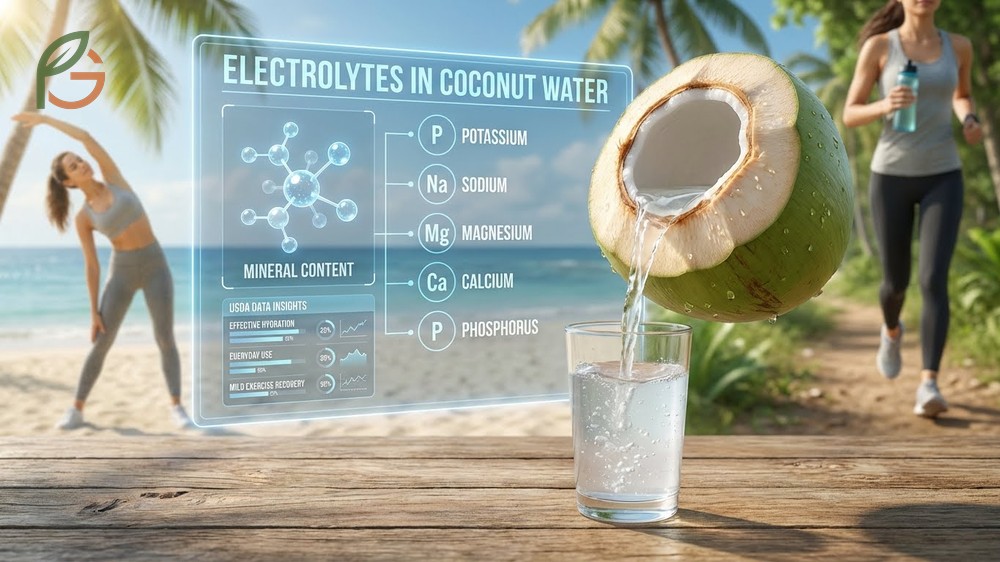
The exact mineral content in coconut water creates its effectiveness as a hydration drink. USDA data provides specific measurements that explain why it works for certain situations but not others. Understanding these numbers helps you decide when coconut water makes sense for your needs.
Each electrolyte serves distinct functions in your body. Current research shows the combination found in coconut water supports everyday hydration and mild exercise recovery. The natural balance differs significantly from what you’ll find in formulated sports drinks, which target different use cases.
Potassium in Coconut Water
Coconut water contains 250mg of potassium per 100ml serving—roughly 5% of the daily recommended intake[3]. This concentration makes it one of the richest natural sources of this mineral in beverage form. Most people don’t get enough potassium, so drinking coconut water helps address common dietary gaps.
Potassium regulates muscle contractions, including your heartbeat, and helps maintain healthy blood pressure levels. Studies demonstrate adequate potassium intake reduces muscle cramping during and after exercise. The high potassium-to-sodium ratio in coconut water (roughly 2.4:1) supports cardiovascular health better than drinks with inverse ratios[5].
Sodium and Other Minerals
Sodium levels in coconut water measure 105mg per 100ml, which is moderate compared to sports drinks[3]. This amount works well for light sweating but falls short during intense workouts where you lose more sodium. The drink also provides 25mg magnesium and 24mg calcium per 100ml, supporting bone health and muscle function.
Research shows this mineral combination helps maintain the electrical gradients that power nerve signals and muscle contractions. The calcium content, while modest, contributes to the drink’s overall hydration effectiveness. Evidence suggests these minerals work synergistically—meaning they’re more effective together than separately[1].
This table compares the electrolyte content per 100ml serving across four key minerals in coconut water with their daily value percentages
| Electrolyte | Amount | Daily Value % | Primary Function |
|---|---|---|---|
| Potassium | 250mg[3] | 5% | Muscle function, blood pressure regulation |
| Sodium | 105mg[3] | 5% | Fluid balance, nerve transmission |
| Magnesium | 25mg[3] | 6% | Energy production, muscle relaxation |
| Calcium | 24mg[3] | 2% | Bone health, muscle contraction |
- Provides more potassium than bananas per equivalent serving size
- Contains zero artificial sweeteners or synthetic electrolytes
- Delivers minerals in bioavailable forms your body absorbs easily
- Works as both a standalone drink and smoothie base
- Maintains electrolyte content when stored properly in sealed containers
Is Coconut Water Good for Hydration
Research confirms coconut water effectively rehydrates the body after mild to moderate fluid loss. A study published in the International Journal of Health Sciences found it performed better than plain water for maintaining hydration status during exercise[4]. The combination of electrolytes and natural sugars helps your body absorb water more efficiently than drinking plain H2O alone.
Studies show coconut water reduces urine specific gravity faster than water, indicating improved cellular hydration. This matters because proper hydration isn’t just about fluid intake—it’s about getting that fluid into your cells where it’s needed. The natural electrolyte content facilitates this process without requiring synthetic additives.
Current data indicates coconut water works best for specific hydration scenarios. It excels for everyday fluid intake, light exercise recovery, and situations involving mild dehydration from heat or travel. Evidence suggests it’s less effective for intense athletic performance lasting over 90 minutes, where higher sodium concentrations become necessary[2].
- Morning hydration to replenish fluids lost during sleep
- Recovery from hot yoga, pilates, or light cardio sessions
- Travel-related dehydration from flying or long car rides
- Post-sauna or steam room fluid replacement
- Daily hydration for people who struggle to drink enough plain water
- Mild stomach upset or digestive issues causing fluid loss
Hydration Tip: Drink coconut water chilled for better taste and absorption. The cold temperature encourages faster consumption, and studies show cold fluids empty from the stomach more quickly than room-temperature drinks.
Coconut Water vs Gatorade
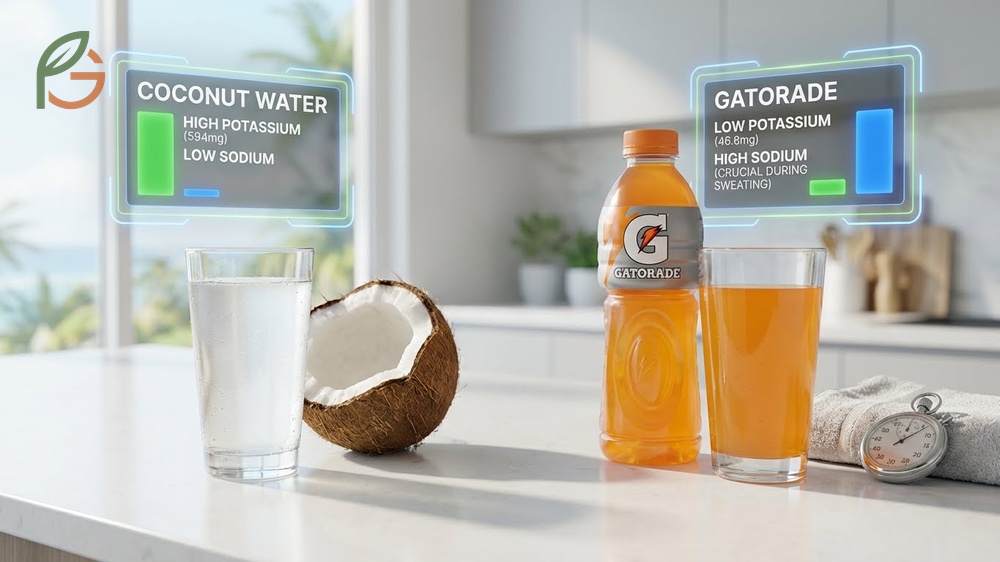
Coconut water and Gatorade serve different purposes despite both being electrolyte drinks. Research shows coconut water contains significantly more potassium but less sodium than Gatorade[5]. A typical serving of coconut water provides 594mg potassium compared to Gatorade’s 46.8mg—that’s nearly 13 times more. However, Gatorade delivers more sodium, which becomes crucial during intense sweating.
The carbohydrate content differs substantially between these drinks. Gatorade contains 22g carbs per serving versus coconut water’s 15.24g, providing more immediate energy for high-intensity athletics[5]. Studies suggest Gatorade works better for endurance events lasting over 90 minutes, while coconut water excels for shorter sessions and everyday hydration.
Current nutritional guidance indicates neither option is universally superior—your choice depends on activity level and goals. Most people find coconut water more appropriate for light to moderate exercise, daily hydration, and situations where natural ingredients matter. Athletes engaged in intense training typically need Gatorade’s higher sodium and carbohydrate concentrations.
| Nutrient | Coconut Water | Gatorade |
|---|---|---|
| Calories | 64.8 | 82.8 |
| Carbohydrates | 15.24g | 22g |
| Potassium | 594mg[5] | 46.8mg[5] |
| Sodium | Moderate | High |
- Coconut water comes from a natural source without artificial ingredients
- Gatorade provides faster energy through higher sugar concentration
- Coconut water costs more per serving than manufactured sports drinks
- Gatorade offers more flavor variety and longer shelf life
- Coconut water contains vitamin C and antioxidants not found in Gatorade
Is Coconut Water Good for Hangovers
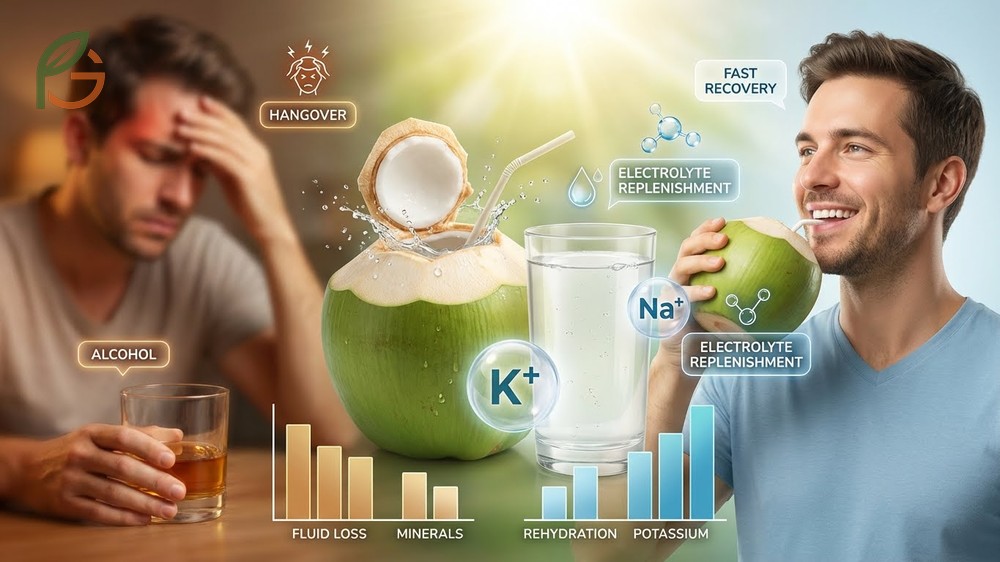
Evidence suggests coconut water can help alleviate hangover symptoms through rapid rehydration and electrolyte replenishment. Alcohol acts as a diuretic, causing significant fluid and mineral loss that contributes to headaches, fatigue, and nausea. Studies show coconut water’s electrolyte profile addresses these deficiencies more effectively than plain water[6].
The high potassium content specifically targets fatigue and weakness associated with hangovers. Research indicates potassium helps your body produce energy and restore normal muscle function after alcohol consumption depletes mineral stores. The natural sugars in coconut water also help stabilize blood sugar levels, which often drop after drinking alcohol.
Current data shows coconut water works best when consumed before bed after drinking or immediately upon waking. The drink’s antioxidants may help combat oxidative stress caused by alcohol metabolism, though more research is needed to confirm this benefit[6]. Most people find it more palatable than sports drinks when dealing with nausea.
- Rehydrates faster than water alone due to electrolyte content
- Replaces potassium lost through increased urination from alcohol
- Provides natural sugars that help stabilize blood glucose levels
- Contains antioxidants that may reduce alcohol-induced inflammation
- Easier on sensitive stomachs than acidic sports drinks
- Delivers magnesium that supports headache relief and muscle relaxation
Recovery Tip: Pair coconut water with protein-rich foods like eggs or Greek yogurt for optimal hangover recovery. The combination addresses both dehydration and low blood sugar more effectively than fluids alone.
Conclusion
The evidence is clear: coconut water does have electrolytes that support effective hydration for everyday needs and light to moderate exercise. Research confirms it provides potassium, sodium, magnesium, and calcium in naturally balanced ratios that help your body absorb and retain fluids better than plain water. Current nutritional guidance emphasizes choosing hydration sources that match your activity level—coconut water excels for most people’s daily needs while falling short for intense athletic training.
Understanding when to choose coconut water versus other options helps you optimize hydration. FruitGarden synthesizes agricultural and nutritional research to guide informed decisions about fruit-based beverages and their health applications.
Medical Disclaimer
Important Medical Disclaimer: This content is for informational and educational purposes only. It is not intended as a substitute for professional medical advice, diagnosis, or treatment. Always consult a qualified healthcare professional before making any changes to your diet, hydration routine, or exercise regimen, especially if you have kidney disease, heart conditions, diabetes, or other medical conditions that affect electrolyte balance. Individuals taking medications that affect potassium levels should speak with their doctor before consuming coconut water regularly.
Frequently Asked Questions
How much coconut water should I drink daily for hydration?
Most adults can safely consume 1-2 cups (240-480ml) of coconut water daily as part of their overall fluid intake. This amount provides beneficial electrolytes without excessive calories or potassium. Current guidance suggests treating it as a supplement to water rather than a complete replacement, especially if you have kidney concerns or take medications affecting potassium levels.
Can coconut water replace sports drinks after workouts?
Research shows coconut water effectively replaces sports drinks for workouts lasting under 60-90 minutes at moderate intensity. It provides sufficient electrolytes for light to moderate exercise recovery. However, intense training sessions over 90 minutes require higher sodium concentrations found in formulated sports drinks to prevent hyponatremia and maintain performance.
Does coconut water have more electrolytes than regular water?
Yes, coconut water contains significantly more electrolytes than regular water, which has essentially zero electrolyte content. Studies confirm coconut water provides 250mg potassium, 105mg sodium, 25mg magnesium, and 24mg calcium per 100ml serving. This makes it far more effective for rehydration situations where you’ve lost minerals through sweating or illness.
Is coconut water good for dehydration from illness?
Evidence suggests coconut water can help with mild dehydration from stomach upset, though it’s not a substitute for medical treatment in severe cases. The natural electrolyte content helps replace minerals lost through vomiting or diarrhea. However, individuals experiencing severe dehydration should seek medical attention and may require oral rehydration solutions with higher sodium concentrations.
What’s the best time to drink coconut water for maximum benefits?
Research indicates optimal timing depends on your goals. For exercise recovery, consume coconut water within 30 minutes post-workout when your muscles most readily absorb nutrients. For general hydration, drinking it first thing in the morning helps replenish fluids lost overnight. Before bed after alcohol consumption, it helps prevent hangover symptoms by maintaining hydration through the night.
Can you drink too much coconut water?
Yes, consuming excessive coconut water can lead to hyperkalemia (high potassium levels), particularly in people with kidney problems or those taking certain medications. Current guidance recommends limiting intake to 2-3 cups daily for most healthy adults. Symptoms of excess potassium include muscle weakness, irregular heartbeat, and nausea—consult a healthcare provider if these occur.
Does coconut water lose electrolytes after opening?
Studies show coconut water maintains its electrolyte content for 24-48 hours after opening when refrigerated in a sealed container. The mineral composition remains stable, though flavor and antioxidant content may degrade slightly. For maximum nutritional benefit, consume opened coconut water within two days and keep it refrigerated at 35-40°F (2-4°C) to prevent bacterial growth.