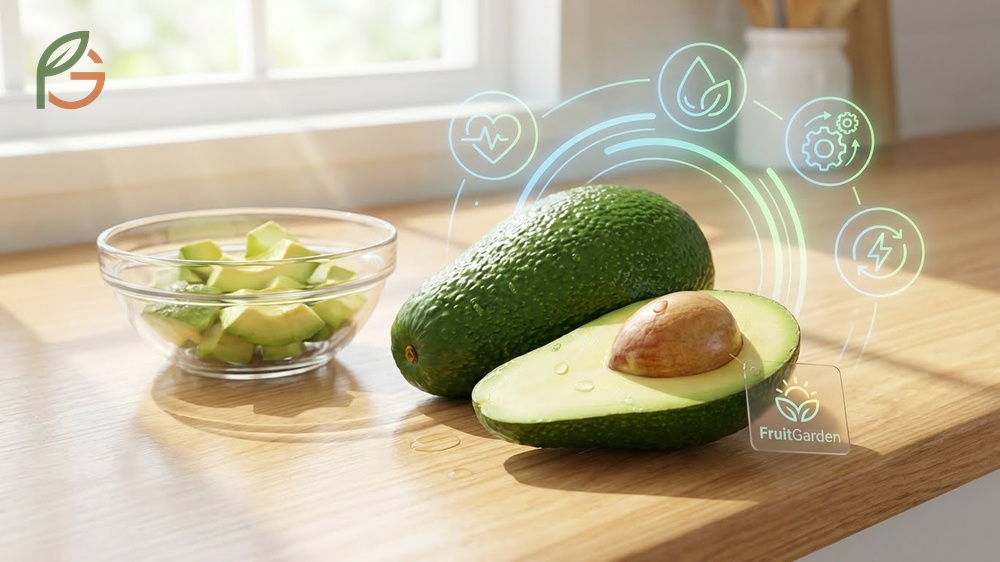
Does avocado have vitamin C? Yes, avocados contain approximately 10mg of vitamin C per 100g[1], which represents about 11% of your daily needs. Research shows this tropical fruit offers far more than just vitamin C—it’s packed with healthy fats, fiber, and essential nutrients that support heart health, skin vitality, and metabolic function. FruitGarden synthesizes current nutritional research and agricultural data to help you understand how avocados fit into a healthy diet and what potential concerns you should know.
Quick Answer
- One medium avocado provides 10mg vitamin C[2] (11% daily value)
- Contains 21μg vitamin K[3] and 58mg magnesium[4] per serving
- Low in purines, making it safe for gout management[5]
- Provides 167 calories and 7g fiber per 100g
Does Avocado Have Vitamin C
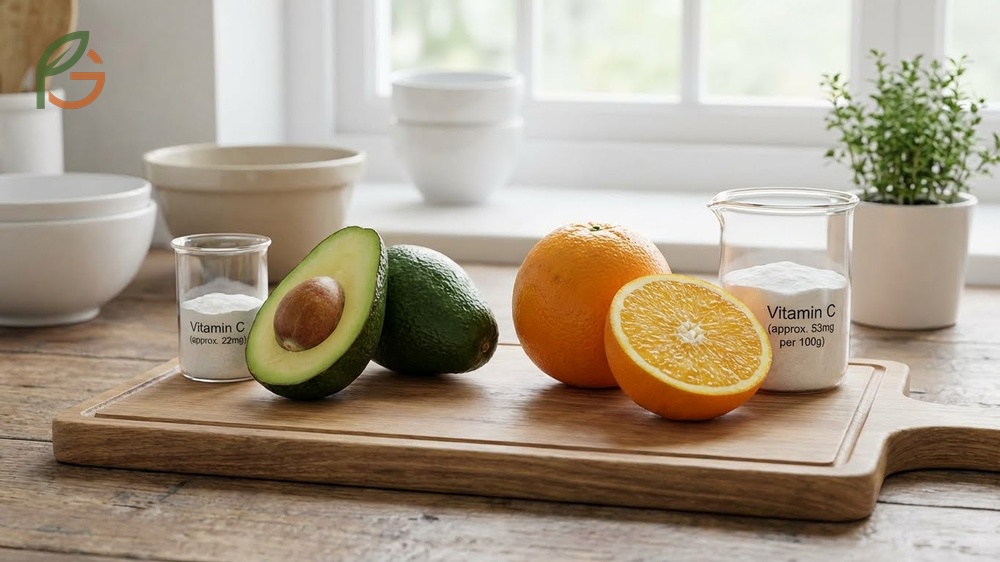
Studies demonstrate that avocados contain vitamin C, though they’re not considered a high-vitamin C fruit. A 100g serving provides about 10mg of vitamin C[1], while a whole medium avocado delivers approximately 20-22mg[2]. This represents roughly 11-24% of the recommended daily intake for adults.
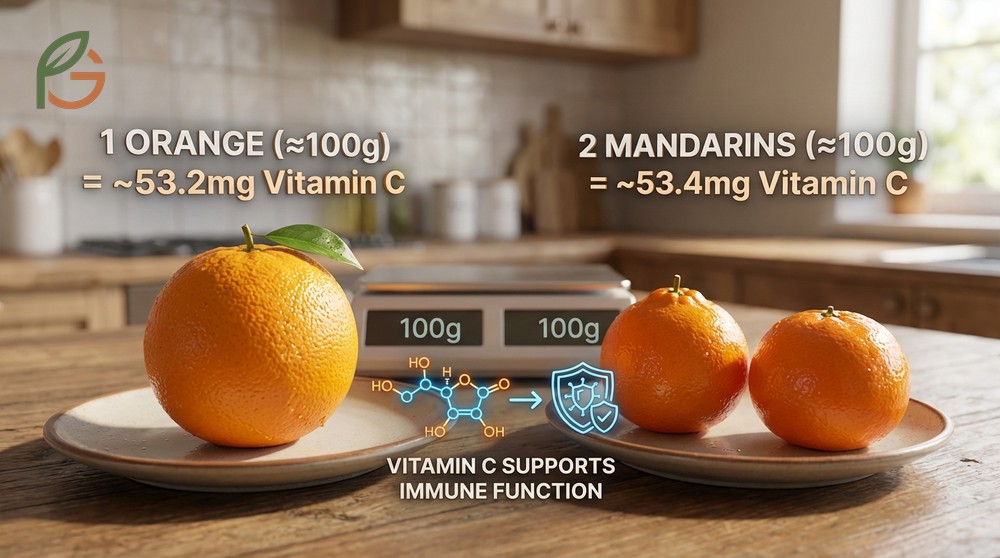
For comparison, oranges contain about 53mg per 100g, making them five times richer in vitamin C. However, avocados compensate with unique nutritional advantages—they’re one of the few fruits high in monounsaturated fats, which actually help your body absorb fat-soluble vitamins more efficiently. The combination of vitamin C and vitamin E in avocados creates a synergistic antioxidant effect that protects cells from oxidative damage.
What makes avocados particularly valuable isn’t just their vitamin C content, but how this nutrient works alongside other compounds. Research from the NIH shows that the vitamin C in avocados, combined with vitamin E, may help slow atherosclerotic progression in people with high cholesterol[6]. This means you’re getting functional nutrition, not just isolated vitamins.
Vitamin C Content Comparison
Understanding how avocados stack up against other fruits helps you make informed dietary choices. While they won’t replace citrus fruits, they offer a moderate vitamin C contribution with far more calories and healthy fats.
Most Americans don’t realize that pairing avocado with high-vitamin C foods creates a more balanced nutrient profile. For instance, adding avocado to a strawberry salad combines 98mg vitamin C from berries with the healthy fats from avocado, improving overall nutrient absorption.
This table compares vitamin C content in milligrams per 100g across five common fruits including avocado, orange, strawberry, kiwi, and banana
| Fruit | Vitamin C per 100g | % Daily Value | Calories per 100g |
|---|---|---|---|
| Avocado | 10mg[1] | 11% | 167 |
| Orange | 53mg | 59% | 47 |
| Strawberry | 98mg | 109% | 32 |
| Kiwi | 93mg | 103% | 61 |
| Banana | 9mg | 10% | 89 |
Absorption and Bioavailability
Current nutritional guidance emphasizes that vitamin C bioavailability depends on what you eat it with. The healthy fats in avocados don’t directly enhance vitamin C absorption—since it’s water-soluble—but they improve the uptake of fat-soluble vitamins A, D, E, and K that often accompany vitamin C in whole foods.
Evidence suggests that consuming avocados with vitamin C-rich vegetables like bell peppers or tomatoes maximizes overall nutrient absorption. The 15g of fat per 100g avocado creates an ideal environment for your body to process multiple nutrients simultaneously.
Important Note: Vitamin C is heat-sensitive and degrades during cooking. To maximize vitamin C intake from avocados, eat them raw in salads, smoothies, or as guacamole rather than in baked or cooked dishes.
Does Avocado Have Vitamin K
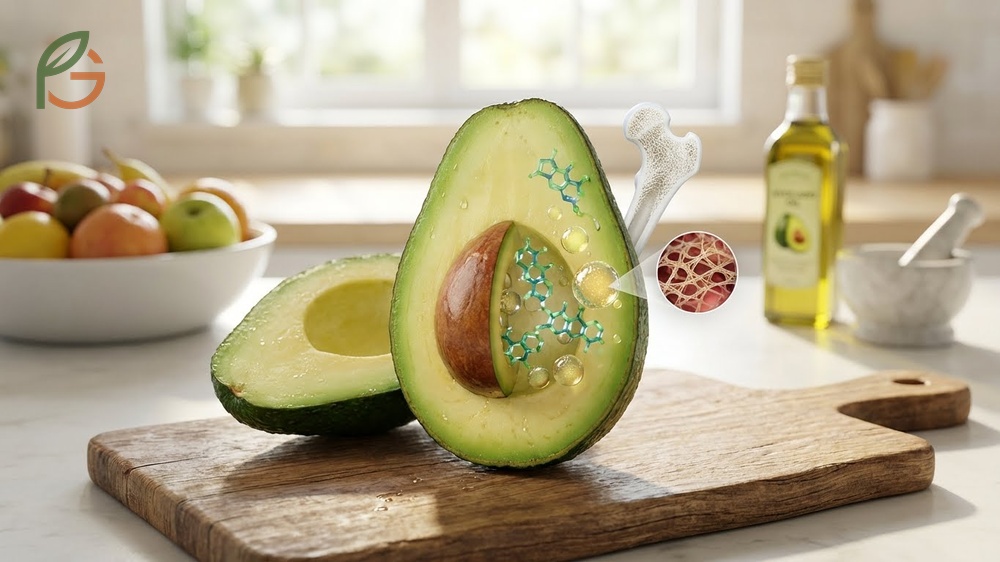
Research confirms avocados contain a significant amount of vitamin K, with approximately 21μg per 100g[3], representing about 18% of the daily value. This fat-soluble vitamin plays a crucial role in blood clotting and bone metabolism. Unlike vitamin C, vitamin K1 (phylloquinone) found in avocados gets absorbed much more efficiently because of the fruit’s high fat content.
One medium avocado provides roughly 30-35μg of vitamin K, which is substantial compared to most fruits. This matters for people taking blood-thinning medications like warfarin, who need to maintain consistent vitamin K intake. Agricultural data shows that avocado’s vitamin K content remains stable regardless of ripeness, though California varieties tend to have slightly higher levels than Florida varieties.
The vitamin K in avocados works synergistically with vitamin D and calcium to support bone health. Studies demonstrate that adequate vitamin K intake reduces fracture risk in older adults by improving bone mineral density and regulating calcium deposition in bones rather than arteries.
Blood Clotting Considerations
Current medical guidance emphasizes consistency rather than avoidance for people on anticoagulant medications. If you’re taking warfarin (Coumadin), you don’t need to eliminate avocados—just keep your intake steady. Eating half an avocado three times per week is safer than alternating between none and two whole avocados in a single day.
Healthcare providers typically recommend tracking vitamin K intake when starting anticoagulant therapy. A half avocado contains about 15-18μg vitamin K, which fits comfortably within most therapeutic ranges. The key is informing your doctor about your typical avocado consumption so they can adjust medication dosing appropriately.
Medical Alert: If you’re on blood thinners, don’t make sudden dietary changes involving high-vitamin K foods like avocados without consulting your healthcare provider. Even beneficial foods can interfere with medication effectiveness when consumption patterns change dramatically.
Avocado Nutrition Facts 100g
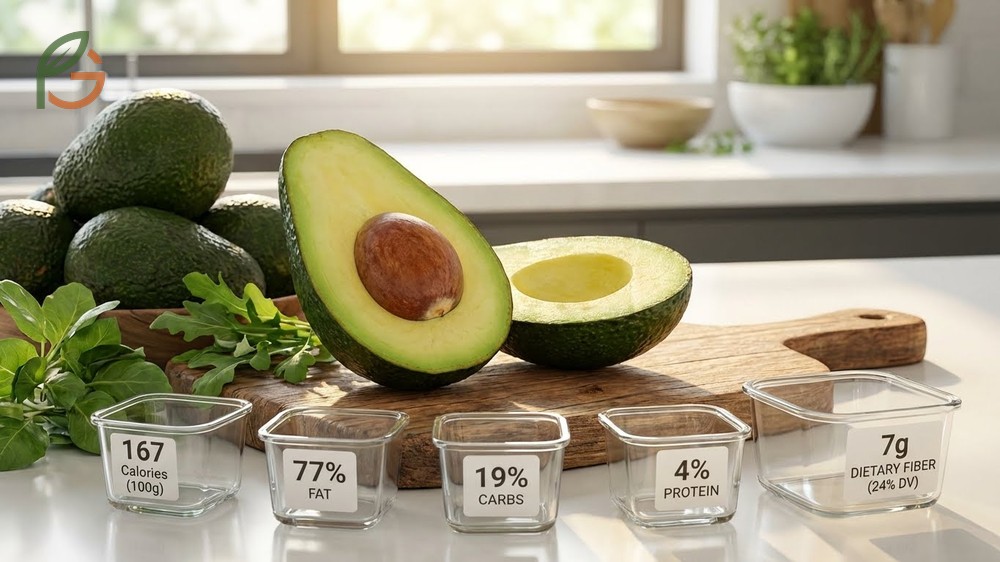
Agricultural data from USDA FoodData Central reveals that 100g of raw California avocado contains 167 calories[3], making it one of the most calorie-dense fruits available. The macronutrient breakdown is 77% fat, 19% carbs, and 4% protein—unusual for a fruit, which typically derives most calories from carbohydrates. This unique composition makes avocados incredibly satiating and useful for managing appetite.
The 7g of dietary fiber per 100g[3] represents 24% of your daily needs, with both soluble and insoluble types present. Soluble fiber helps regulate blood sugar and cholesterol, while insoluble fiber supports digestive health. The net carb content is only 2g per 100g after subtracting fiber, which explains why avocados fit into low-carb and ketogenic diets.
Beyond macros, avocados deliver an impressive micronutrient profile. They’re particularly rich in potassium (507mg per 100g[3]), providing more than bananas per serving. This mineral regulates blood pressure and supports heart function. You’ll also get significant amounts of folate, vitamin B6, pantothenic acid, and copper.
- Calories: 167 (about 80% from fat)
- Total Fat: 15g (mostly monounsaturated oleic acid)
- Dietary Fiber: 7g (24% daily value)
- Potassium: 507mg (11% daily value)
- Folate: 89μg (22% daily value)
- Magnesium: 29mg (7% daily value)
- Vitamin E: 2mg (13% daily value)
What’s often overlooked is avocado’s carotenoid content. It contains lutein and zeaxanthin, two antioxidants that accumulate in your retina and protect against age-related macular degeneration. The fat in avocados helps your body absorb these compounds more effectively than from low-fat sources.
Is Avocado Bad for Gout
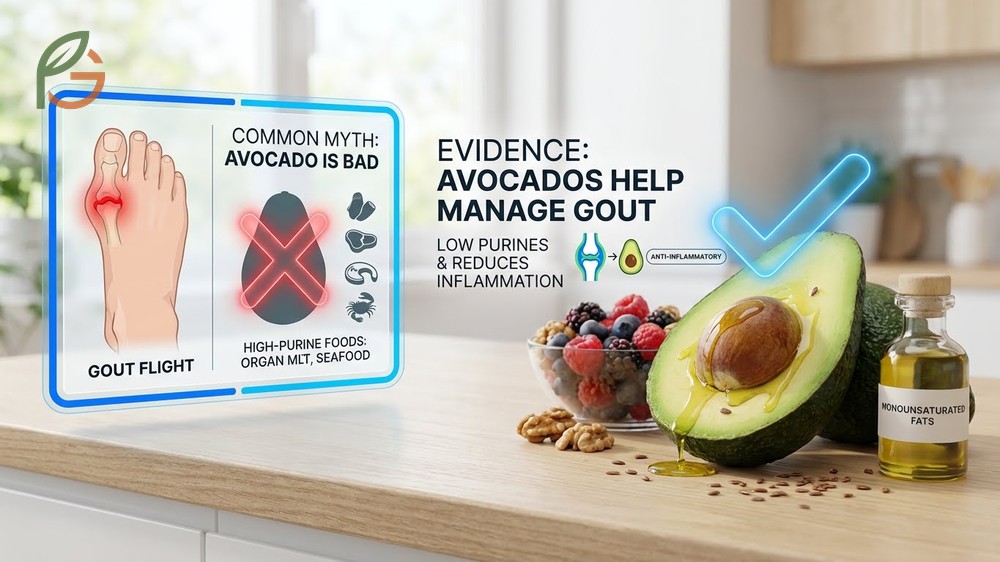
Evidence suggests avocados are actually beneficial for gout management, not harmful. Research shows they’re extremely low in purines—the compounds that break down into uric acid and trigger gout flares[5]. Most fruits contain minimal purines, but avocados offer additional anti-inflammatory properties that may reduce joint pain during flare-ups.
The monounsaturated fats in avocados help lower inflammation markers in the body. Studies demonstrate that replacing saturated fats with healthy fats like those in avocados can reduce C-reactive protein levels, a key inflammation indicator. For gout sufferers, this means potentially fewer and less severe attacks when avocados are part of a balanced diet.
Current dietary guidance for gout emphasizes foods rich in vitamin C, which helps lower uric acid levels. While avocados aren’t vitamin C powerhouses, their 10mg per 100g contributes to daily intake. More importantly, they’re satisfying enough to replace high-purine proteins like red meat and organ meats that trigger gout attacks.
- Low purine content: Won’t trigger uric acid spikes like meat, seafood, or alcohol
- Anti-inflammatory fats: Omega-3 fatty acids and oleic acid reduce joint inflammation
- Vitamin E benefits: Works as an antioxidant to protect cells from inflammatory damage
- Fiber content: Helps maintain healthy weight, reducing gout risk factors
- Potassium-rich: May help kidneys excrete uric acid more efficiently
- Heart-healthy: Gout patients have higher cardiovascular risk; avocados support heart health
The reason some people worry about avocados and gout relates to their fat content, not purines. However, research confirms that healthy unsaturated fats don’t increase gout risk. In fact, replacing butter or fatty meats with avocado can improve overall uric acid management by supporting weight loss and reducing inflammation.
Are Avocados Bad for Your Liver
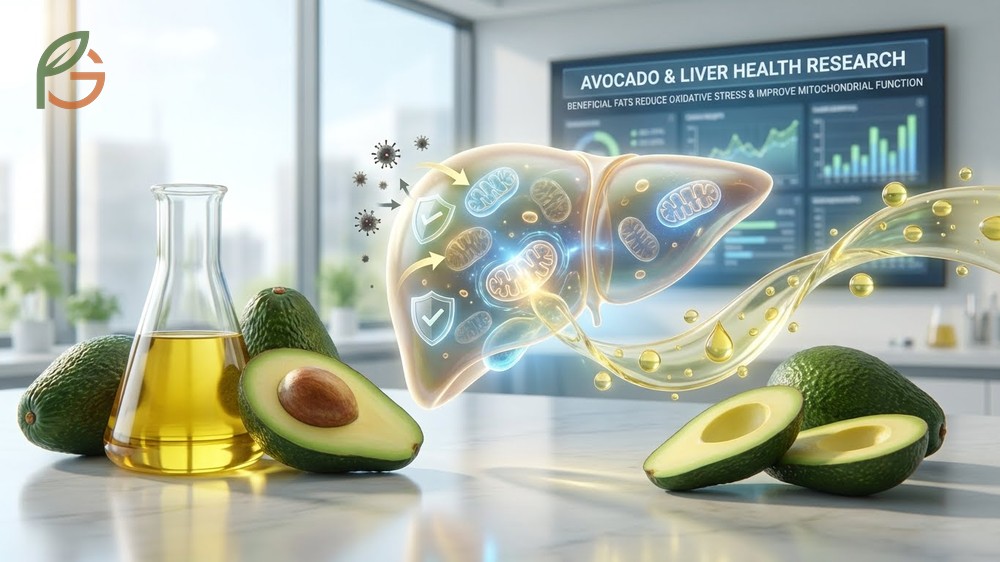
Research demonstrates that avocados can actually benefit liver health when consumed in moderation, contrary to common concerns about high-fat foods. Studies published in the Journal of Nutritional Biochemistry found that avocado oil alleviates non-alcoholic fatty liver disease (NAFLD) by improving mitochondrial function and reducing oxidative stress[7]. The key is understanding that not all fats affect your liver the same way.
The monounsaturated fats in avocados—primarily oleic acid—work differently than saturated fats from processed foods or excessive alcohol. These healthy fats help reduce liver inflammation and improve insulin sensitivity, two critical factors in preventing and managing fatty liver disease. Animal studies show that substituting high-fat diets with avocado supplementation reverses liver steatosis and hypertrophy.
However, moderation remains essential. Current guidance from UCSF researchers notes that excessive consumption of any fat—even “good” fats—can contribute to fatty liver when total calorie intake exceeds expenditure. The issue isn’t avocados themselves, but overconsumption combined with sedentary lifestyles and high overall calorie intake.
For people with existing liver conditions, avocados offer protective benefits. The antioxidants, fiber, and anti-inflammatory compounds help reduce lipid peroxidation and proinflammatory cytokines that damage liver cells. Half to one avocado daily fits well within hepatologist recommendations for healthy fat intake.
Portion Guidance: A reasonable serving is one-third to one-half of a medium avocado (50-75g), providing 85-125 calories. Eating two or three whole avocados daily may contribute to excessive calorie intake and potential weight gain, which negatively impacts liver health regardless of fat quality.
- Improves mitochondrial function: Enhances liver cells’ energy production and fat metabolism
- Reduces oxidative stress: Antioxidants neutralize free radicals that damage hepatocytes
- Lowers inflammation markers: Decreases proinflammatory cytokines associated with liver disease progression
- Supports healthy lipid profiles: Increases HDL cholesterol while reducing triglycerides
- Provides glutathione precursors: Helps liver produce its primary detoxification compound
Avocado for Skin Health
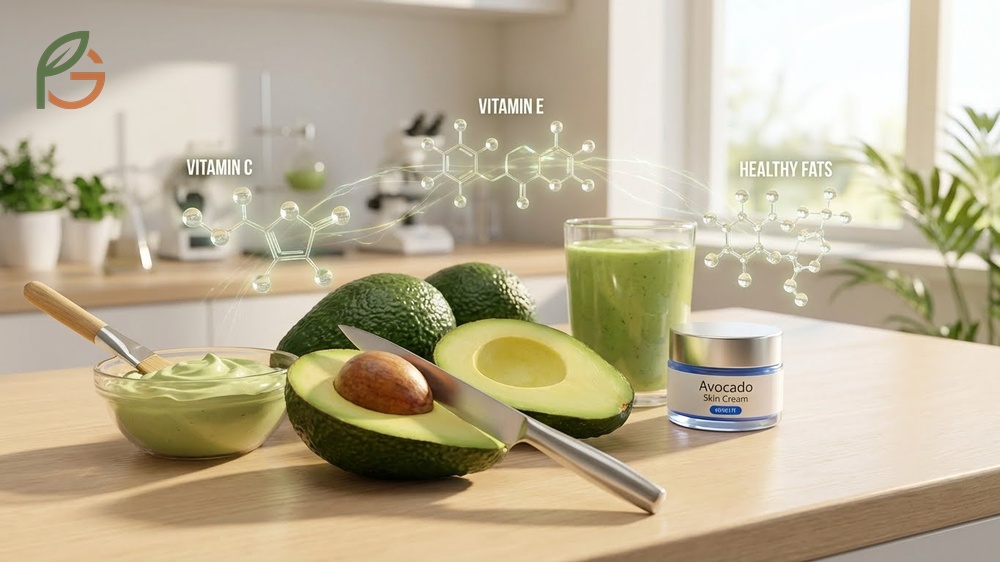
Studies demonstrate that avocados benefit skin health through both dietary consumption and topical application. The combination of vitamins C, E, and healthy fats creates a powerful trio for maintaining skin elasticity and protecting against environmental damage. Research shows these nutrients work synergistically—vitamin C builds collagen, vitamin E protects cell membranes, and fats ensure both vitamins absorb properly.
Current dermatological research highlights avocado’s anti-aging properties. The antioxidants fight free radicals that break down collagen and elastin, the proteins keeping skin firm and smooth. Regular avocado consumption may reduce the appearance of fine lines and wrinkles by supporting your skin’s natural repair mechanisms from the inside out.
What’s particularly interesting is avocado’s effect on skin hydration. The omega-3 and omega-9 fatty acids help strengthen your skin barrier, preventing transepidermal water loss. This explains why people who eat avocados regularly often report softer, more supple skin. The vitamin E content provides additional moisture-locking benefits.
- UV damage protection: Carotenoids and vitamin E help repair sun-damaged skin cells
- Collagen synthesis: Vitamin C supports production of new collagen fibers for firmness
- Anti-inflammatory effects: Omega-3s reduce redness, acne, and skin irritation
- Moisture retention: Healthy fats strengthen the protective skin barrier
- Improved skin tone: Vitamin B3 (niacinamide) reduces hyperpigmentation
- Faster wound healing: Nutrients support skin cell regeneration and tissue repair
For topical use, mashed avocado works as a natural face mask. The fatty acids and vitamins penetrate the outer skin layers, delivering nutrients directly where they’re needed. Combining mashed avocado with honey creates a hydrating treatment that dermatologists often recommend for dry or mature skin.
The lutein and zeaxanthin in avocados don’t just protect eye health—they also shield skin from oxidative stress. These carotenoids accumulate in skin tissue and filter harmful UV rays, providing internal sunscreen-like protection. This doesn’t replace topical SPF, but it adds an extra layer of defense against photoaging.
Application Tip: For a simple hydrating mask, mash one-quarter avocado with one teaspoon of honey. Apply to clean skin for 15 minutes, then rinse. The vitamin E and healthy fats absorb quickly, leaving skin soft without clogging pores.
Conclusion
The evidence is clear: avocados do contain vitamin C along with an impressive array of nutrients that support overall health. While they won’t replace citrus fruits as your primary vitamin C source, their unique combination of healthy fats, fiber, vitamins, and minerals makes them valuable for heart health, skin vitality, gout management, and even liver function when consumed in appropriate portions.
Current nutritional guidance emphasizes whole-food approaches rather than single-nutrient thinking. Avocados excel at this by delivering multiple beneficial compounds that work together. Whether you’re growing fruit trees in your garden or simply choosing nutritious options at the grocery store, understanding how avocados contribute to your diet helps you make informed decisions. FruitGarden continues to provide evidence-based information about fruits and their role in healthy, sustainable living.
Medical Disclaimer
Important Medical Disclaimer: This content is for informational and educational purposes only. It is not intended as a substitute for professional medical advice, diagnosis, or treatment. Always consult a qualified healthcare professional before making any changes to your diet, medication, or health routine, especially if you have gout, liver disease, diabetes, or other medical conditions. If you’re taking blood-thinning medications like warfarin, discuss vitamin K intake with your doctor before significantly changing your avocado consumption.
Frequently Asked Questions
How Much Vitamin C Is in a Whole Avocado?
A whole medium avocado contains approximately 20-22mg of vitamin C, which represents about 22-24% of the daily recommended intake for adults. This amount varies slightly depending on the avocado variety and size, with California Hass avocados typically containing slightly more than Florida varieties due to their higher nutrient density.
Can I Eat Avocado Every Day?
Yes, you can safely eat avocado daily in moderate portions. Research shows that consuming one-third to one-half of a medium avocado per day (50-75g) provides health benefits without excessive calorie intake. This portion delivers healthy fats, fiber, and essential nutrients while fitting into most dietary patterns, including heart-healthy and weight management diets.
Which Has More Vitamin C: Avocado or Banana?
Avocados contain slightly more vitamin C than bananas. Avocados provide about 10mg per 100g, while bananas contain approximately 9mg per 100g. However, neither fruit is considered a high-vitamin C source compared to citrus fruits, strawberries, or kiwis, which contain 50-100mg per 100g.
Does Cooking Avocado Destroy Vitamin C?
Yes, cooking significantly reduces vitamin C content in avocados. Vitamin C is heat-sensitive and begins degrading at temperatures above 140°F (60°C). To maximize vitamin C intake, eat avocados raw in salads, smoothies, or as guacamole. If you do cook with avocados, add them at the end of cooking or use them as a garnish to preserve nutrients.
Are Avocados Good for Anti-Inflammatory Diets?
Yes, avocados are excellent for anti-inflammatory diets. They’re rich in monounsaturated fats, omega-3 fatty acids, and vitamin E, all of which help reduce inflammation markers in the body. Studies show that replacing saturated fats with avocado’s healthy fats can lower C-reactive protein levels and reduce chronic inflammation associated with arthritis, heart disease, and metabolic disorders.
Can Avocados Help with Kidney Health?
Avocados can support kidney health in people without pre-existing kidney disease due to their potassium content and anti-inflammatory properties. However, individuals with chronic kidney disease (CKD) or hyperkalemia should limit avocado consumption, as the high potassium content (507mg per 100g) may be problematic. Always consult a nephrologist or dietitian before adding avocados to a kidney disease diet.
What’s the Best Time to Eat Avocado for Maximum Benefits?
The best time to eat avocado is whenever it fits your dietary goals. For weight management, eating avocado at breakfast can increase satiety and reduce snacking throughout the day. For nutrient absorption, pair avocado with vitamin-rich vegetables at lunch or dinner—the healthy fats enhance uptake of fat-soluble vitamins A, D, E, and K. There’s no wrong time nutritionally; consistency matters more than timing.