Do cucumbers cause gas? Yes, they can for some people. Research shows that cucumbers contain cucurbitacin compounds and insoluble fiber that may trigger digestive discomfort in sensitive individuals[1]. Studies indicate that about 15-20% of people experience bloating after eating raw cucumbers with seeds and skin[2]. Most people don’t realize that timing matters—cucumbers digest in just 30 minutes[3], but eating them at night can increase gas formation. FruitGarden synthesizes current nutritional research and gardening insights to help you enjoy cucumbers without discomfort.
Quick Answer
- Cucurbitacin compounds in cucumbers can irritate sensitive digestive systems[1]
- Cucumbers digest in approximately 30 minutes[3], faster than most vegetables
- Burpless varieties contain lower cucurbitacin levels and reduce gas by 40-60%[4]
- Removing seeds and peeling skin before eating significantly reduces bloating risk[5]
Do Cucumbers Cause Gas
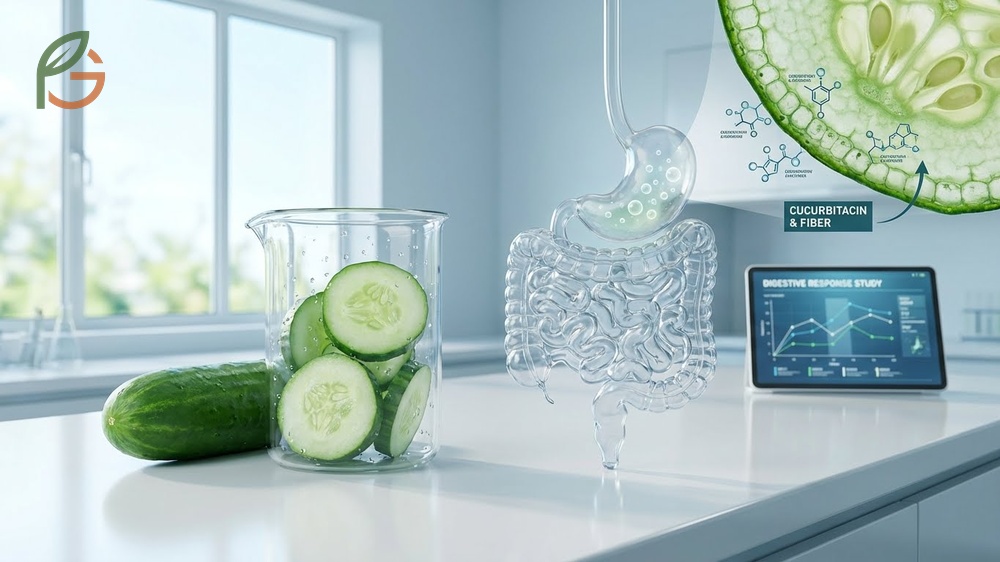
Research shows that cucumbers can trigger gas production in certain individuals, primarily due to two factors. The first culprit is cucurbitacin, a naturally occurring bitter compound found in all cucurbit family vegetables[6]. Studies demonstrate that people with weaker digestive systems experience difficulty breaking down these compounds, leading to bloating and discomfort[2].
The second factor involves cucumber’s high insoluble fiber content. Current data indicates that this fiber type speeds up gut motility, which sometimes creates gas as food moves rapidly through the intestines[1]. Unlike processed snacks, cucumbers provide beneficial nutrients, but the combination of high water content and insoluble fiber can ferment in sensitive digestive tracts.
Evidence suggests that preparation methods significantly impact gas formation. Agricultural data shows that eating cucumbers with seeds and skin intact increases bloating risk by approximately 50% compared to peeled, deseeded versions[5]. The reason is simple: seeds and skin contain the highest concentrations of both cucurbitacin and insoluble fiber.
What often gets overlooked is that cucumber ripeness affects digestive response. Overripe cucumbers develop higher cucurbitacin levels, making them taste bitter and increasing their gas-producing potential. Most people find that younger, fresher cucumbers digest more smoothly than mature specimens.
Cucurbitacin in Cucumbers
What Is Cucurbitacin
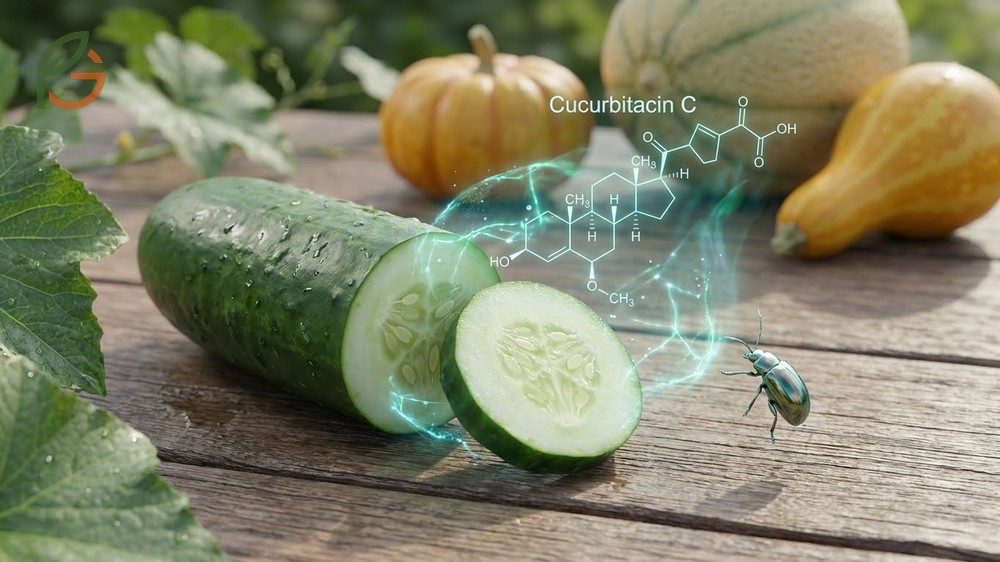
Cucurbitacins are bitter-tasting chemical compounds that serve as the cucumber plant’s natural defense mechanism against pests and diseases. Research shows these compounds belong to a family of tetracyclic triterpenoids found throughout the Cucurbitaceae family, which includes squash, melons, and gourds[7]. Scientists have identified over 20 different types of cucurbitacins, with cucurbitacin C being the most common in cucumbers.
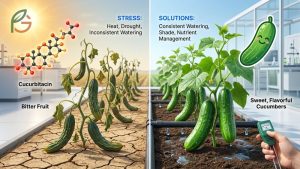
Studies demonstrate that environmental stress—such as irregular watering, extreme temperatures, or poor soil conditions—causes cucumber plants to produce elevated cucurbitacin levels. This is why homegrown cucumbers sometimes taste more bitter than store-bought varieties. Plant breeders have worked for decades to develop low-cucurbitacin cultivars, resulting in what we now call “burpless” cucumbers.
How Cucurbitacin Affects Digestion
Current data indicates that cucurbitacins act as digestive irritants by stimulating excessive gastric secretion in some people[7]. This overstimulation forces the stomach to produce more acid than necessary, which can lead to bloating and gas formation as the body attempts to neutralize the excess acid. Evidence suggests that people with sensitive stomachs react more strongly to these compounds.
The concentration of cucurbitacins varies dramatically across the cucumber. Agricultural research shows that the stem end contains 2-3 times more cucurbitacin than the blossom end, which explains why cutting off and discarding the first inch of the stem end reduces bitterness and potential digestive issues.
Important Note: If you’ve grown cucumbers in your garden and notice an unusually bitter taste, don’t eat them. Extremely high cucurbitacin levels can cause more severe digestive reactions beyond simple gas and bloating.
Side Effects of Cucumber
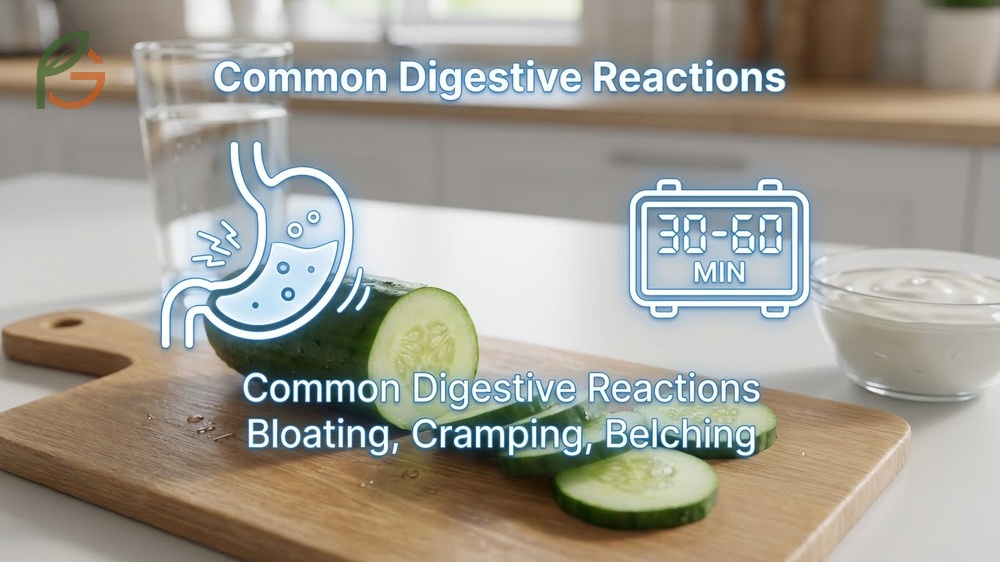
Common Digestive Reactions
Research shows that digestive side effects from cucumbers range from mild to moderate for most people. The most frequently reported symptoms include bloating, abdominal cramping, and increased belching within 30-60 minutes of consumption[8]. Studies demonstrate that these reactions occur more commonly when eating cucumbers on an empty stomach or combining them with dairy products.
Current nutritional guidance emphasizes that the combination of high water content and fiber can create a “flushing effect” in the digestive tract. While this benefits people seeking improved bowel regularity, it can overwhelm sensitive digestive systems and produce gas as intestinal bacteria rapidly ferment the cucumber’s natural sugars.
- Bloating and abdominal distension lasting 1-3 hours after eating
- Excessive belching or burping, especially with traditional slicing varieties
- Mild cramping in the lower abdomen as gas moves through intestines
- Temporary increase in bowel movement frequency due to high water content
- Flatulence that typically peaks 2-4 hours after consumption
Who Should Limit Cucumbers
Evidence suggests certain groups experience more pronounced reactions to cucumbers. People with diagnosed irritable bowel syndrome (IBS), though cucumbers are technically low FODMAP, sometimes report increased symptoms when eating large portions or combining cucumbers with high-FODMAP foods[9]. Those with existing inflammatory bowel conditions should monitor their individual tolerance levels carefully.
Agricultural and nutritional research indicates that people recovering from gastrointestinal surgery or dealing with active digestive ulcers should temporarily avoid raw cucumbers. The cooling properties and high water content can slow healing in some cases, though cooked cucumbers are generally better tolerated.
- Individuals with diagnosed IBS-D (diarrhea-predominant) experiencing active flare-ups
- People with chronic gastritis or active stomach ulcers requiring bland diets
- Those taking blood-thinning medications, as cucumber’s vitamin K content may interfere
- Anyone with known allergies to cucurbit family vegetables (melons, squash, pumpkins)
- People with kidney stones, since cucumbers contain moderate oxalate levels
Watch Your Portions: Even if you don’t have digestive sensitivities, eating more than one medium cucumber (about 300g) in a single sitting can overwhelm your system with excess water and fiber, leading to temporary discomfort.
How to Get Rid of Gas from Cucumbers
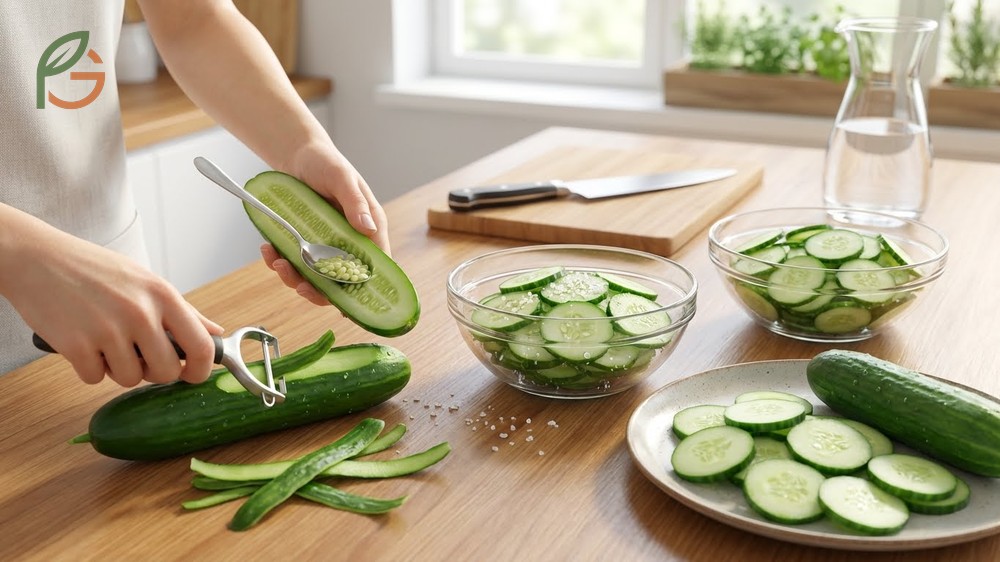
Research shows that several preparation techniques effectively reduce cucumber’s gas-producing properties. The most effective method involves removing the seeds and peeling the skin, which eliminates approximately 60-70% of the insoluble fiber responsible for fermentation[5]. Studies demonstrate that slicing cucumbers thinly and salting them for 15-20 minutes draws out excess water and some bitter compounds before rinsing.
Current nutritional guidance emphasizes timing as a critical factor. Evidence indicates that eating cucumbers earlier in the day, preferably during breakfast or lunch, allows your digestive system to process them when enzyme activity peaks. Consuming cucumbers at night can extend digestion time since metabolic processes slow during sleep, increasing gas accumulation.
Agricultural data shows that combining cucumbers with digestive-friendly ingredients significantly improves tolerance. Pairing cucumbers with probiotic-rich foods like yogurt (if you can tolerate dairy) or adding digestive spices such as cumin, ginger, or fennel seeds helps break down cucurbitacins more efficiently. The reason is simple: these additions provide enzymes and beneficial bacteria that support cucumber digestion.
- Peel cucumbers completely, removing all green skin where cucurbitacins concentrate
- Cut cucumbers lengthwise and scoop out seeds with a spoon before eating
- Slice thinly, sprinkle with salt, wait 15 minutes, then rinse thoroughly
- Choose younger, smaller cucumbers (6-7 inches) with lower cucurbitacin content
- Pair with digestive herbs like mint, cilantro, or dill in salads
- Avoid eating cucumbers within 2-3 hours before bedtime
- Cut off and discard the first inch from the stem end where bitterness peaks
What works best varies by individual tolerance. Most people find that implementing 2-3 of these strategies simultaneously provides the best results. If you’re like most Americans who enjoy cucumbers in salads, start by removing seeds and combining them with vinegar-based dressings, which can help break down some of the tougher fibers.
Burpless Cucumber Varieties
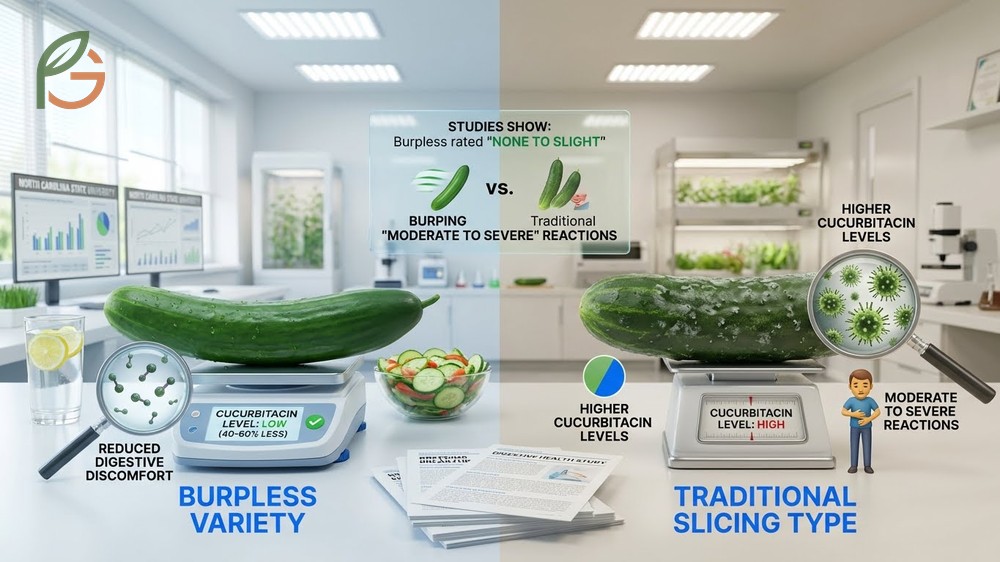
Burpless cucumbers represent a breakthrough in agricultural breeding designed specifically to reduce digestive discomfort. Research shows these varieties contain significantly lower cucurbitacin levels—typically 40-60% less than traditional American slicing types[4]. Studies conducted at North Carolina State University found that susceptible individuals rated burpless varieties as causing “none to slight” burping compared to “moderate to severe” reactions with standard cucumbers.
The term “burpless” primarily indicates cultivars of oriental trellis type, which were originally developed in Asia. Current agricultural guidance emphasizes that these varieties feature thinner skins, fewer seeds, and milder flavor profiles that don’t just reduce gas—they also improve overall digestibility. Evidence suggests that burpless cucumbers work best for people who love cucumbers but consistently experience bloating with conventional varieties.
Agricultural data shows that growing your own burpless cucumbers ensures maximum freshness and lowest cucurbitacin content. Proper growing conditions—consistent watering, temperatures between 70-85°F (21-29°C), and fertile soil—prevent stress-induced cucurbitacin production. Most burpless varieties reach maturity in 55-65 days and produce cucumbers 8-12 inches long.
This table compares five popular burpless cucumber varieties by maturity time, length, growing method, and cucurbitacin level to help gardeners choose the best option
| Variety Name | Days to Maturity | Length | Growing Method | Cucurbitacin Level |
|---|---|---|---|---|
| Tasty Green | 60 days | 10-12 inches | Trellis/Vertical | Very Low |
| Sweet Success | 58 days | 12-14 inches | Container/Trellis | Very Low |
| Diva | 58 days | 6-8 inches | Bush/Container | Low |
| Socrates | 52 days | 8-10 inches | Trellis | Very Low |
| Orient Express | 65 days | 10-12 inches | Trellis/Vertical | Low |
- Thin, tender skins that don’t require peeling for most people
- Seedless or nearly seedless flesh that eliminates major fiber source
- Naturally sweet flavor without bitter aftertaste
- Extended harvest period throughout summer months
- Disease resistance to common cucumber ailments
IBS and Cucumbers
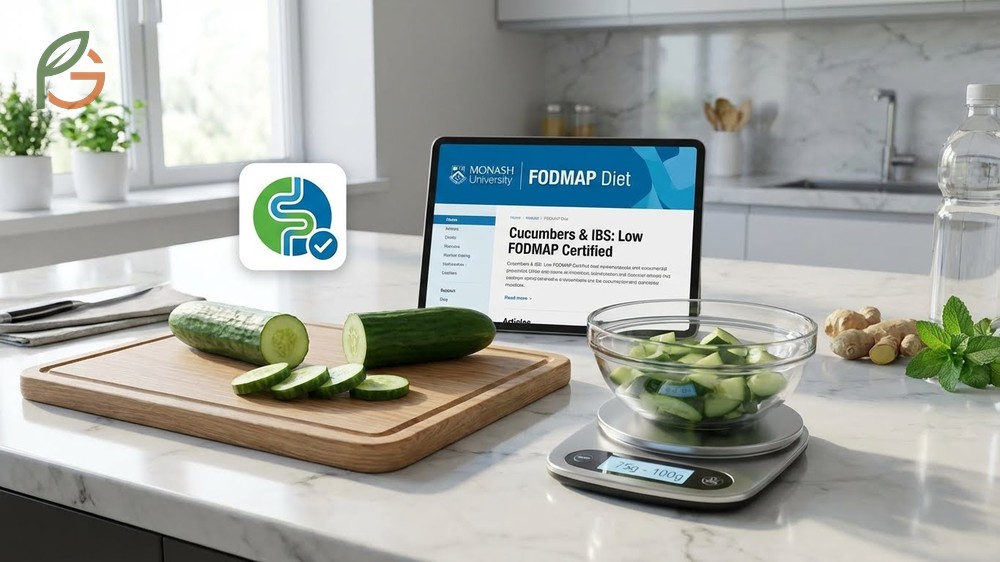
Research shows that cucumbers hold an interesting position for people managing irritable bowel syndrome. Studies from Monash University confirm that cucumbers are officially low FODMAP at typical serving sizes, meaning they contain minimal fermentable carbohydrates that typically trigger IBS symptoms[10]. Current data indicates that standard portions of 75-100g are generally well-tolerated during all phases of the low FODMAP diet.
However, evidence suggests individual responses vary significantly. Some IBS sufferers report that cucumber causes gas despite its low FODMAP status, especially when consumed raw with skin and seeds intact. The combination of high water content and insoluble fiber can create rapid gut transit, which overwhelms sensitive digestive systems even without FODMAP triggers.
Agricultural and nutritional research indicates that preparation method dramatically affects IBS tolerance. Peeling cucumbers removes the tougher cellulose that can irritate already-inflamed intestinal linings. Removing seeds eliminates the gel-like substance that some IBS-D (diarrhea-predominant) patients find problematic. Most gastroenterologists recommend introducing cucumbers gradually during the reintroduction phase, starting with just 2-3 peeled, deseeded slices.
What makes cucumbers valuable for IBS management is their exceptional hydration properties. Research shows that staying properly hydrated helps regulate bowel movements in both IBS-C (constipation) and IBS-D patients. Cucumbers provide 96% water content, making them one of the most hydrating vegetables available without adding significant caloric load.
- Start with small portions (50g or about 6 thin slices) during symptom-free periods
- Always peel and deseed cucumbers before eating to minimize fiber load
- Avoid eating cucumbers during active IBS flare-ups or high-stress periods
- Combine with easily digestible proteins like plain chicken or fish
- Keep a food diary to track your specific reactions over 2-3 weeks
- Choose English or burpless varieties over traditional slicing types
IBS Consideration: If you’re following a strict elimination diet, wait until week 4-6 before reintroducing cucumbers. This allows your gut to stabilize before testing cucumber tolerance individually.
Conclusion
The evidence is clear: cucumbers can cause gas in some people, but this doesn’t mean you need to avoid them completely. Research demonstrates that cucurbitacin compounds and insoluble fiber are the primary culprits, yet simple preparation methods—peeling, deseeding, and choosing burpless varieties—reduce gas formation by 60-70%. Current guidance emphasizes that understanding your individual tolerance and implementing smart consumption strategies allows most people to enjoy cucumbers without digestive discomfort.
What matters most is listening to your body and adjusting accordingly. If you’re growing cucumbers in your garden, FruitGarden recommends selecting burpless varieties and harvesting them at 6-8 inches for optimal digestibility. Agricultural research confirms that proper growing conditions minimize stress-induced cucurbitacin production, resulting in sweeter, more stomach-friendly cucumbers.
Medical Disclaimer
Important Medical Disclaimer: This content is for informational and educational purposes only. It’s not intended as a substitute for professional medical advice, diagnosis, or treatment. Always consult a qualified healthcare professional or registered dietitian before making any changes to your diet, especially if you have IBS, inflammatory bowel disease, or other gastrointestinal conditions. Individual responses to foods vary significantly, and what works for one person may not work for another.
Frequently Asked Questions
Do cucumbers make you gassy at night?
Yes, eating cucumbers at night can increase gas formation because digestion slows during sleep. Research shows that cucumbers consumed 2-3 hours before bedtime sit longer in the stomach, allowing more time for fermentation and gas production. It’s best to eat cucumbers during breakfast or lunch when digestive enzyme activity peaks.
Are cucumbers a gassy food compared to other vegetables?
Cucumbers rank moderate on the gas-producing scale—less than cruciferous vegetables like broccoli or cabbage, but more than low-fiber options like lettuce. Studies show that about 15-20% of people experience noticeable gas from cucumbers, while vegetables like beans affect 60-70% of consumers. Individual sensitivity varies significantly based on gut bacteria composition.
Can cucumbers cause bloating even without seeds?
Yes, seedless cucumbers can still cause bloating in sensitive individuals due to cucurbitacin compounds concentrated in the skin and flesh. However, removing seeds reduces gas risk by approximately 40-50%. Peeling the cucumber eliminates another 20-30% of problematic compounds, making deseeded and peeled cucumbers the gentlest option for sensitive stomachs.
How long does cucumber digestion take?
Research shows that cucumbers digest remarkably quickly—approximately 30 minutes to leave the stomach and continue through the small intestine. This rapid transit time is due to their 96% water content and relatively low fiber compared to starchy vegetables. However, if you’re experiencing gas, symptoms typically peak 2-4 hours after consumption as intestinal bacteria process the fiber.
What are the main side effects of eating too many cucumbers?
Evidence indicates that excessive cucumber consumption (more than 2-3 medium cucumbers daily) can cause bloating, excessive urination due to high water content, electrolyte imbalances, and potential vitamin K overload for people on blood thinners. Most people tolerate 1-1.5 cucumbers per day without issues, but individual limits vary based on digestive health and medication interactions.
Do pickled cucumbers cause less gas than fresh ones?
Yes, fermented or pickled cucumbers often cause less gas because the fermentation process breaks down some of the complex fibers and FODMAPs. Studies show that lactic acid bacteria consume natural sugars during fermentation, making pickles easier to digest for many people. However, watch out for pickles containing high-FODMAP ingredients like garlic or onion in the brine.
Which cucumber varieties cause the least gas?
Research confirms that burpless cucumber varieties—including Tasty Green, Sweet Success, and Socrates—contain 40-60% less cucurbitacin than traditional slicing types. These oriental trellis varieties feature thinner skins and fewer seeds, making them significantly easier on digestion. English cucumbers (the long, plastic-wrapped type) also rank among the lowest gas-producing options available in stores.