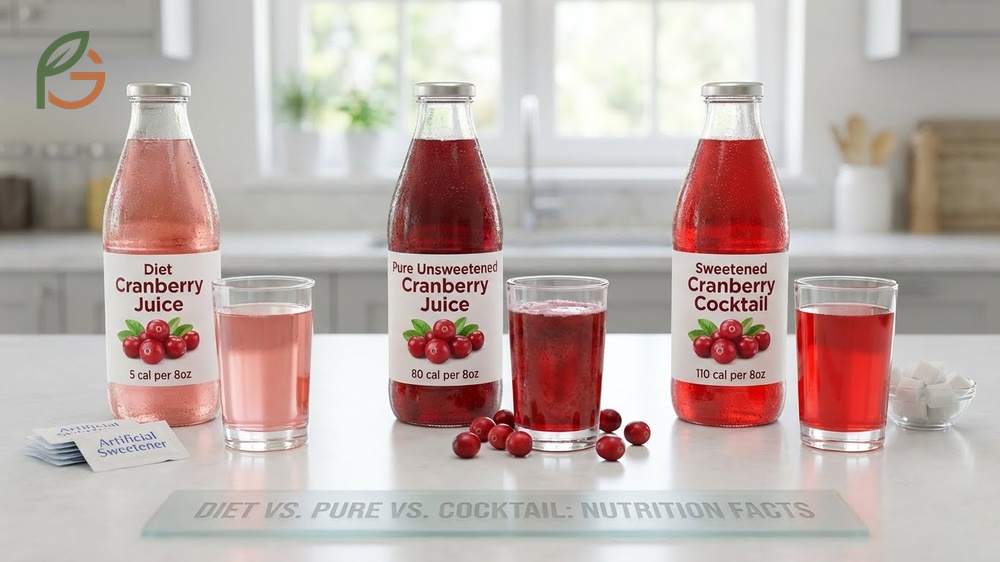
Diet cranberry juice nutrition facts show a dramatic difference from traditional options. Research shows diet varieties contain just 5 calories per 8-ounce serving compared to 80 calories in pure unsweetened juice and 110 calories in sweetened cocktails[1][2]. Studies demonstrate that while diet versions reduce sugar intake, they rely on artificial sweeteners like sucralose that may affect blood sugar control and gut bacteria[2]. FruitGarden provides evidence-based guidance to help you choose the right cranberry juice for your health goals.
Quick Answer
- Diet cranberry juice delivers only 5 calories and 1g sugar per 8 oz serving versus 80-110 calories in other types[1]
- Pure unsweetened cranberry juice contains 80 calories and 19g natural carbs with no added sugars[2]
- Cranberry cocktails pack 110 calories and 23g added sugar—matching soda’s sugar content[3]
- All varieties provide 18-24mg vitamin C (20-26% daily value) for immune support[1]
Diet Cranberry Juice Nutrition Facts
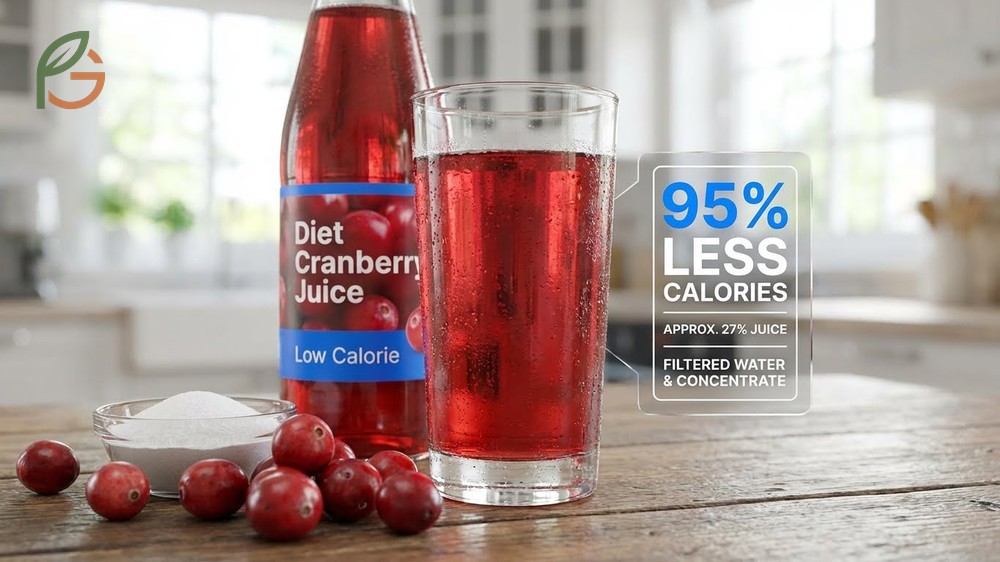
Diet cranberry juice represents a low-calorie alternative formulated with artificial sweeteners to reduce sugar content dramatically. Current data from major brands shows these products contain approximately 27% pure cranberry juice by volume, matching commercial varieties while cutting calories by 94-95%[4]. The primary ingredient remains filtered water combined with cranberry juice concentrate.
Studies on low-calorie cranberry juice demonstrate measurable health impacts beyond simple calorie reduction. Clinical trials show participants consuming low-calorie versions experienced lower fasting blood sugar, improved diastolic blood pressure, and reduced triglyceride levels compared to control groups[5]. These metabolic benefits suggest diet cranberry juice can serve functional purposes beyond weight management.
The nutritional profile differs substantially from both pure and cocktail versions. Each 8-ounce serving provides minimal macronutrients while maintaining vitamin C fortification. Most brands add natural flavors, pectin for texture, and citric acid for tartness alongside sweeteners.
Calories in Diet Cranberry Juice
Diet cranberry juice contains just 5 calories per 8-ounce serving, representing a 93.75% reduction from pure unsweetened varieties[1][2]. This minimal caloric load makes it compatible with most restricted eating plans. A 64-ounce bottle provides only 40 calories total, equivalent to one medium apple.
The calorie source comes primarily from trace natural sugars remaining in the cranberry concentrate—approximately 1 gram per serving. This contrasts sharply with the 19-28 grams found in other cranberry juice types. For context, you’d need to consume 16 servings of diet cranberry juice to match the calories in one serving of cranberry cocktail.
Important Note: While extremely low in calories, diet cranberry juice doesn’t contribute meaningful protein, fiber, or healthy fats. It works best as a beverage addition to balanced meals rather than a meal replacement.
Artificial Sweeteners in Diet Cranberry Juice
Most diet cranberry juices employ a dual-sweetener system combining sucralose and acesulfame potassium. These zero-calorie compounds provide sweetness 200-600 times more intense than table sugar, allowing manufacturers to achieve palatability without carbohydrate content[6]. The typical formulation includes both sweeteners to balance flavor profiles and reduce aftertaste.
Research indicates artificial sweeteners may produce unintended metabolic effects. Studies have linked sucralose and similar compounds to weight gain, impaired blood sugar control, and alterations in gut microbiome composition[2]. These findings suggest diet options aren’t automatically healthier than moderate portions of unsweetened juice.
The sweetener concentration remains proprietary, but ingredient lists position them after acids and before coloring agents. This placement indicates relatively small quantities—likely 20-40 milligrams per serving based on standard beverage formulations. Individual tolerance varies, with some people experiencing digestive sensitivity.
Diet Cranberry Juice Nutrition Label
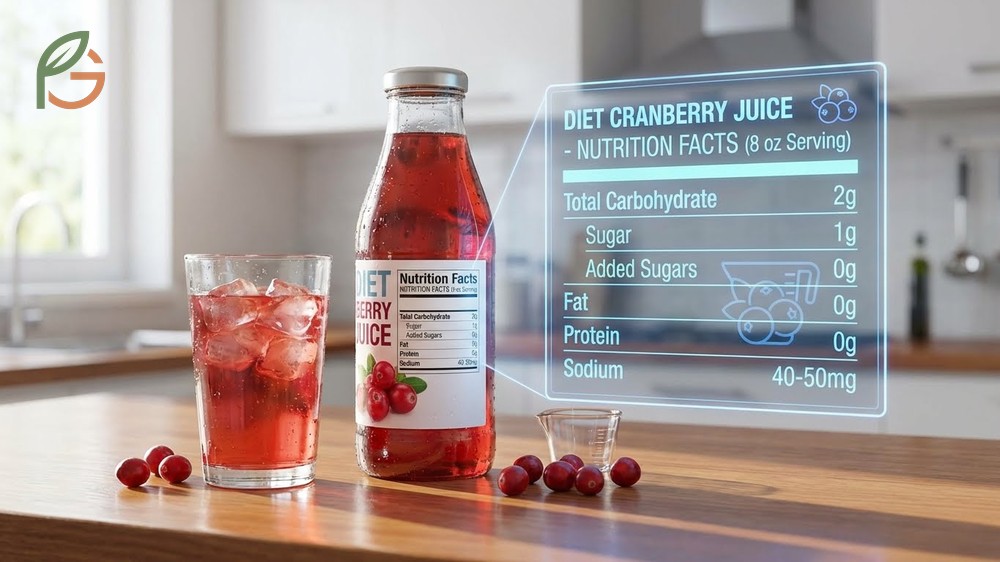
Reading diet cranberry juice nutrition labels reveals a stripped-down macronutrient profile focused on micronutrient delivery. Standard 8-ounce servings list 2 grams total carbohydrate with 1 gram sugar and zero added sugars[1]. The remaining 1 gram carbohydrate comes from pectin and natural fruit solids. Fat and protein registers at zero grams across all brands examined.
Sodium content appears notably higher than pure varieties, ranging from 40-50 milligrams per serving compared to 5 milligrams in unsweetened options. Manufacturers add sodium citrate as a preservative and pH buffer, contributing to this increase. For most people, this represents just 2% of daily sodium limits.
Vitamin C fortification provides the primary nutritional benefit. Most diet cranberry juices deliver 18 milligrams per serving (20% daily value), while some pure varieties offer 24 milligrams naturally[2]. This antioxidant vitamin supports immune function, collagen production, and iron absorption. Some brands fortify to reach 90 milligrams (100% daily value) by adding ascorbic acid.
Diet vs Pure Cranberry Juice Comparison
This table compares calories, carbohydrates, sugars, protein, and vitamin C content across diet, pure unsweetened, and cocktail cranberry juice varieties per 8-ounce serving
| Nutrient | Diet Cranberry Juice | Pure Unsweetened | Cranberry Cocktail |
|---|---|---|---|
| Calories | 5[1] | 80[2] | 110[2] |
| Total Carbohydrate | 2g | 19g | 28g |
| Total Sugars | 1g | 11g (natural) | 25g |
| Added Sugars | 0g | 0g | 23g |
| Protein | 0g | 1g | 0g |
| Vitamin C | 18mg (20% DV) | 24mg (26% DV) | 90mg (100% DV) |
| Sodium | 40mg | 5mg | 20mg |
The data shows diet versions sacrifice natural sugar’s calories but retain beneficial compounds. Pure unsweetened cranberry juice offers the most balanced nutrition with naturally occurring sugars, modest protein, and no additives. Cocktails deliver maximum vitamin C fortification but carry sugar levels equivalent to soda.
Sucralose in Cranberry Juice
Sucralose serves as the primary sweetening agent in most diet cranberry juices, appearing prominently on ingredient labels. This chlorinated sugar derivative passes through the digestive system largely unmetabolized, contributing zero calories while providing sweetness 600 times greater than sucrose. Manufacturers prefer it for heat stability and clean flavor profile without metallic notes.
Evidence suggests sucralose isn’t metabolically inert despite providing no calories. Research has linked regular consumption to altered glucose and insulin responses, even in people without diabetes. One mechanism involves changes to gut bacteria populations that influence metabolism and inflammation markers. The American Heart Association notes these effects may counteract intended benefits of choosing diet beverages.
Typical diet cranberry juice contains estimated 15-25 milligrams sucralose per serving, well below the FDA’s acceptable daily intake of 5 milligrams per kilogram body weight. For a 150-pound person, this allows up to 340 milligrams daily. However, cumulative intake from multiple diet products throughout the day may approach or exceed these conservative limits.
Safety Consideration: People with phenylketonuria (PKU) can safely consume sucralose, as it differs from aspartame which contains phenylalanine. However, those with sensitivities to chlorinated compounds should monitor intake carefully.
Lakewood Cranberry Juice Nutrition Facts
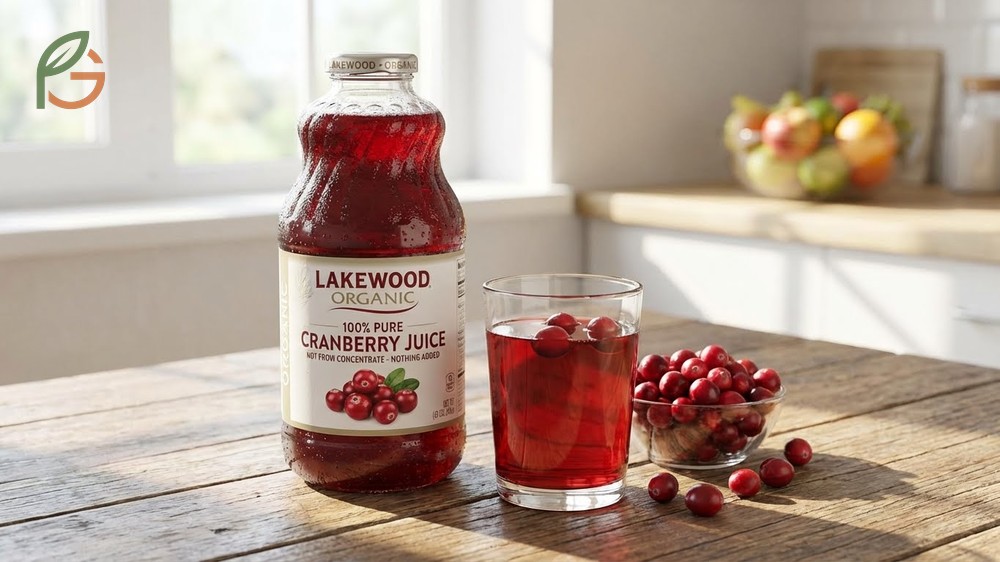
Lakewood Organic represents a premium pure cranberry juice brand emphasizing minimal processing and organic certification. Their products contain single-ingredient formulations—just organic cranberry juice from concentrate without sweeteners, preservatives, or flavor enhancers. This approach delivers the most concentrated cranberry nutrition available commercially.
The nutritional profile skews toward natural fruit sugars and active compounds. Each serving provides the full spectrum of cranberry phytonutrients, including anthocyanins that give the fruit its deep red color and flavones with anti-cancer properties. These antioxidants remain intact without processing that high-heat pasteurization or added ingredients might degrade.
Organic certification means cranberries come from farms avoiding synthetic pesticides and fertilizers. For cranberries specifically, this matters because conventional crops receive multiple chemical applications due to bog-growing conditions. USDA Organic standards require three-year transition periods and annual inspections.
Lakewood Organic Pure Cranberry Juice
Lakewood’s organic pure cranberry juice contains approximately 70-80 calories per 8-ounce serving with 15-18 grams total sugars, all naturally occurring from cranberries. No added sugars, artificial sweeteners, or juice blends dilute the formulation. The ingredient list reads simply: “Filtered Water, Organic Cranberry Juice Concentrate.”
The intense tartness requires most consumers to dilute it or mix with other beverages. One common approach involves combining 2-3 ounces of pure cranberry juice with 6 ounces sparkling water and a squeeze of lime. This reduces sugar and calories while maintaining beneficial compounds.
Cost analysis shows organic pure cranberry juice runs 3-4 times higher per ounce than diet or cocktail varieties. However, when used as a concentrate rather than straight beverage, the effective cost difference narrows. A 32-ounce bottle provides 10-12 servings when properly diluted.
Benefits of Unsweetened Cranberry Juice
Unsweetened cranberry juice delivers documented health benefits through its concentration of bioactive compounds. Research shows regular consumption may reduce urinary tract infection recurrence by preventing E. coli bacteria from adhering to bladder walls[2]. A meta-analysis of 20 studies found lower UTI rates among daily cranberry juice consumers, though researchers rated evidence quality as moderate.
Cardiovascular benefits emerge from anthocyanin and flavonoid content. Studies measuring plasma antioxidant capacity showed increases up to 121% after 2-3 servings of cranberry juice daily[4]. These antioxidants protect cells from oxidative damage linked to heart disease, diabetes, and certain cancers. The same research found modest improvements in HDL cholesterol levels.
Anti-inflammatory properties come from multiple mechanisms beyond simple antioxidant activity. Cranberry compounds modulate inflammatory signaling pathways and may reduce markers like C-reactive protein. For people managing chronic inflammatory conditions, unsweetened varieties avoid the pro-inflammatory effects of added sugars while delivering anti-inflammatory phytonutrients.
- Prevents bacterial adhesion in urinary tract, reducing UTI recurrence by an estimated 26-35%
- Provides anthocyanins linked to improved cardiovascular function and reduced arterial stiffness
- Delivers vitamin C for immune support without added sugar’s immunosuppressive effects
- Contains proanthocyanidins (PACs) that inhibit dental plaque formation and support oral health
- May protect against certain kidney stone types through urinary pH modulation
- Offers antioxidant protection equivalent to 2-3 servings of fresh vegetables per 8-ounce glass
Is Cranberry Juice Cocktail Healthy
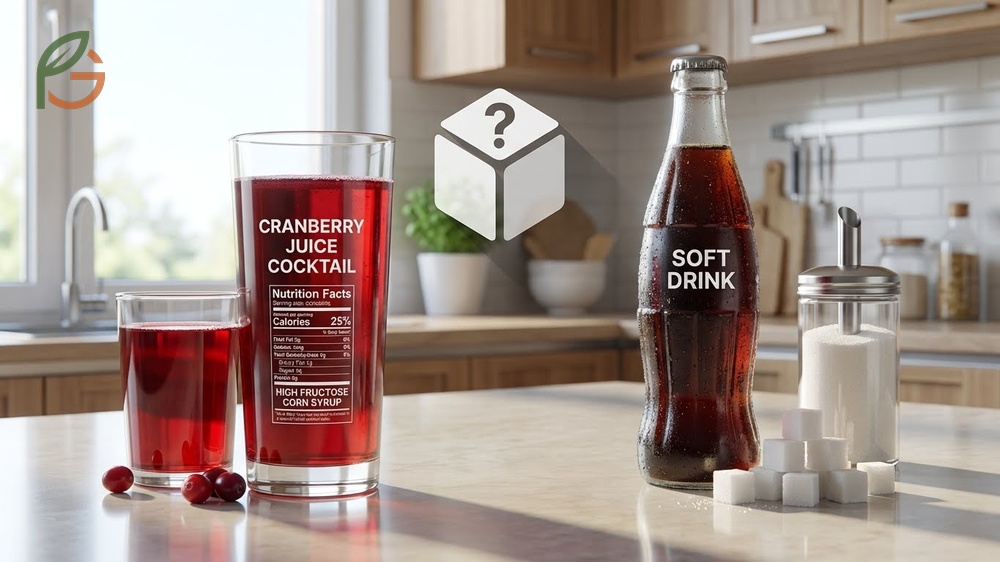
Cranberry juice cocktail represents the least nutritious option among cranberry beverages despite widespread availability. The “cocktail” designation legally indicates diluted juice with added sweeteners—typically high-fructose corn syrup or cane sugar. Most commercial cocktails contain just 25-27% actual cranberry juice, with the remainder being water and sweeteners[7].
The sugar content rivals soft drinks, making regular consumption problematic for metabolic health. An 8-ounce serving of Ocean Spray’s cranberry cocktail contains 25 grams sugar—matching a 7.5-ounce Mini Coca-Cola[3]. Some studies conclude full-sugar fruit juice poses greater health risks than soda because consumers perceive it as nutritious and drink larger quantities.
The American Heart Association recommends limiting added sugars to 25 grams daily for women and 36 grams for men. One serving of cranberry cocktail consumes nearly an entire day’s allowance. Regular consumption links to weight gain, increased diabetes risk, and elevated triglycerides. The vitamin C fortification doesn’t offset these metabolic harms.
However, cranberry cocktails do provide vitamin C benefits when consumed occasionally. Most brands fortify to 90-100 milligrams per serving (100% daily value). For people unable to tolerate pure cranberry’s tartness, diluting cocktail varieties 1:1 with water or sparkling water reduces sugar by half while maintaining flavor.
Cranberry Juice Concentrate Benefits
Cranberry juice from concentrate offers comparable nutrition to not-from-concentrate options when properly formulated. The concentration process removes water through heating, then reconstitutes it later with filtered water. This reduces shipping weight and storage space, lowering costs. Nutritional compounds remain largely intact if manufacturers avoid excessive heat exposure.
Quality varies significantly between brands using concentrate. Premium producers like Lakewood use low-temperature processing that preserves heat-sensitive vitamins and phytonutrients. Budget brands may use high-heat methods that degrade up to 30% of vitamin C and antioxidant capacity. Reading labels for “cold-pressed” or “low-temperature processed” indicates better nutrient retention.
Research on dried reduced-calorie cranberries from concentrate shows measurable blood sugar benefits. Studies found consuming 40 grams led to smaller glucose spikes compared to controls, with area-under-curve values of 0.56 versus 0.88 at two hours[5]. This suggests concentrated forms maintain functional benefits when formulated without excess added sugars.
Keto Diet Cranberry Juice
Diet cranberry juice fits ketogenic eating plans better than pure or cocktail varieties due to minimal carbohydrate content. With just 2 grams total carbs and 1 gram sugar per serving, it allows people following strict keto macros (typically 20-50 grams carbs daily) to enjoy cranberry flavor without risking ketosis[1]. Pure unsweetened versions with 19 grams carbs would consume most daily allowances.
However, artificial sweeteners in diet varieties may affect ketone production through insulin response mechanisms. Some research indicates sucralose and acesulfame potassium trigger cephalic phase insulin release—a preparatory insulin spike when sweet tastes hit the tongue before actual glucose arrives. This response varies individually, with some keto dieters reporting temporary ketosis disruption after consuming artificial sweeteners.
The most keto-friendly approach involves using small amounts of pure unsweetened cranberry juice as a concentrated flavoring agent. Mixing 1-2 tablespoons with 8 ounces water or unsweetened tea provides cranberry taste and nutrients while adding only 2-4 grams carbs. This method avoids artificial sweeteners entirely while keeping net carbs negligible.
- Use diet cranberry juice sparingly (4-8 oz daily) to stay within 20g carb limits
- Dilute pure unsweetened concentrate 1:4 with water for flavor without carb overload
- Mix 2 tablespoons pure cranberry juice with sparkling water for a keto-friendly spritzer
- Monitor individual ketone levels with testing strips after consuming artificial sweeteners
- Choose zero-sugar versions sweetened with stevia or erythritol instead of sucralose when available
Keto Tip: Ocean Spray’s Zero Sugar line uses stevia leaf extract instead of sucralose, potentially offering better ketosis compatibility. These contain the same 0-2g net carbs as diet versions without artificial sweetener concerns.
Best Diet Cranberry Juice Brand
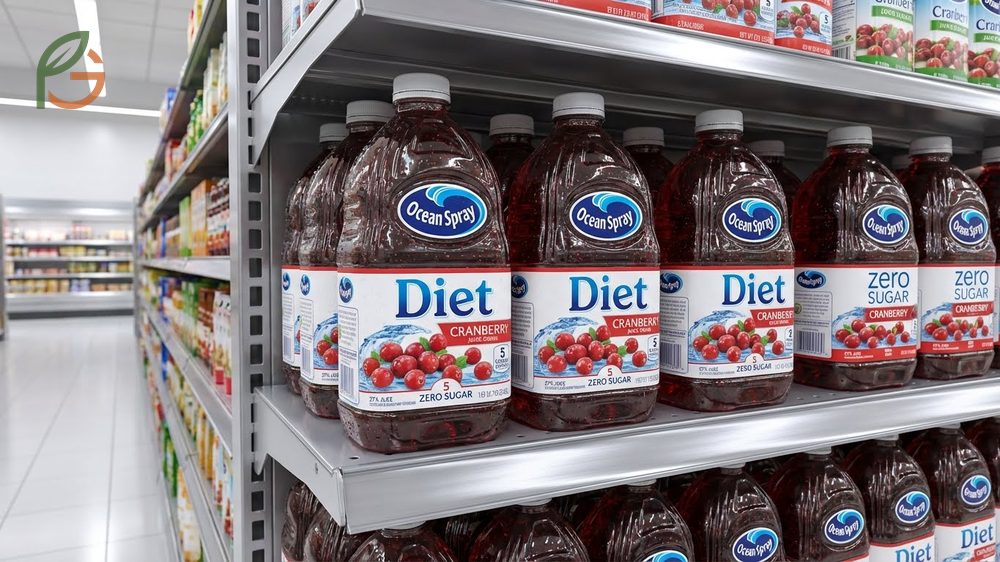
Ocean Spray dominates the diet cranberry juice market with its widely available Diet Cranberry Juice Drink. This product maintains consistency across retailers, delivering 5 calories and 2g carbs per serving with sucralose-acesulfame potassium sweetening[1]. The formulation includes 27% cranberry juice from concentrate, matching the percentage in their full-sugar cocktail for comparable antioxidant content.
Ocean Spray’s newer Zero Sugar line offers an alternative sweetened with stevia leaf extract instead of artificial sweeteners. Available in Cranberry and Mixed Berry varieties, these products target consumers avoiding sucralose while maintaining the same 5-calorie profile[8]. Early consumer testing shows improved taste scores compared to traditional diet formulations, though availability remains limited to select markets.
For organic-focused consumers, finding certified organic diet cranberry juice proves challenging. Most organic brands prioritize pure unsweetened formulations without sweeteners. The workaround involves purchasing organic pure cranberry concentrate and diluting it heavily while adding personal stevia or monk fruit sweetener to taste. This provides organic sourcing with controlled sweetness.
Price comparison across major retailers shows Ocean Spray Diet averaging $3.50-4.50 per 64-ounce bottle, translating to $0.055-0.070 per ounce. This costs roughly 30% less than pure organic varieties while delivering significantly more servings when consumed undiluted. Store brands sometimes undercut Ocean Spray by 15-20%, though formulations may vary in cranberry percentage and sweetener types.
- Ocean Spray Diet Cranberry Juice Drink: Industry standard with consistent nutrition and national availability
- Ocean Spray Zero Sugar Cranberry: Stevia-sweetened alternative for those avoiding sucralose
- Ocean Spray Cran 50: Mid-calorie option with 10g sugar per serving (50% less than cocktail)
- Store brands (Kroger, Walmart Great Value): Similar formulations at 15-20% lower cost
- Lakewood Pure (diluted): Organic alternative when mixed 1:4 with water and personal sweetener
Buying Tip: Check ingredients beyond the nutrition panel. Some budget brands use multiple artificial sweeteners or add artificial colors (Red 40) that premium options omit. Ocean Spray’s formulation includes Red 40, which some consumers prefer to avoid.
Conclusion
The evidence is clear: diet cranberry juice nutrition facts reveal a trade-off between calorie reduction and natural fruit compounds. Diet versions deliver just 5 calories versus 80-110 in alternatives, but rely on artificial sweeteners with emerging metabolic concerns. Pure unsweetened cranberry juice provides the most complete nutrition—including natural sugars, modest protein, and full antioxidant profiles—without additives that may affect blood sugar regulation or gut bacteria.
Current guidance emphasizes choosing products aligned with individual health priorities. For weight management, diet varieties offer a practical low-calorie option when consumed in moderation (8-16 ounces daily). For those prioritizing whole-food nutrition and avoiding artificial ingredients, diluting pure unsweetened cranberry juice provides better nutrient density. Cranberry cocktails serve best as occasional treats rather than daily beverages due to added sugar content matching soda. FruitGarden synthesizes current research to help you navigate these options based on your specific nutritional needs and health goals.
Medical Disclaimer
Important Medical Disclaimer: This content is for informational and educational purposes only. It is not intended as a substitute for professional medical advice, diagnosis, or treatment. Always consult a qualified healthcare professional before making any changes to your diet, medication, or health routine, especially if you have diabetes, kidney conditions, take blood thinners like warfarin, or manage other chronic health conditions. Cranberry juice may interact with certain medications and is not suitable for everyone.
Frequently Asked Questions
Does cranberry juice contain caffeine?
No, cranberry juice contains zero caffeine naturally. Pure cranberry juice, diet versions, and cocktails all remain caffeine-free unless manufacturers add it artificially. Some cranberry energy drinks or mixed beverages combine cranberry with caffeinated ingredients, but standard cranberry juice products contain no stimulants.
What is the difference between diet and regular cranberry juice?
Diet cranberry juice contains 5 calories and 1g sugar per serving versus 110 calories and 25g sugar in regular cranberry cocktail. Diet versions use artificial sweeteners (sucralose, acesulfame potassium) instead of added sugars. Both contain similar cranberry juice percentages (around 27%), but diet versions sacrifice natural fruit sugars for calorie reduction while introducing synthetic sweeteners.
Is diet cranberry juice good for urinary tract infections?
Research shows diet cranberry juice may help prevent UTIs by providing the same proanthocyanidins (PACs) that prevent bacterial adhesion as regular varieties. However, evidence remains moderate quality, and cranberry juice doesn’t treat active infections—antibiotics are necessary. The low sugar content in diet versions avoids feeding bacteria, potentially offering advantages over high-sugar cocktails during UTI prevention.
Can I drink diet cranberry juice on a keto diet?
Yes, diet cranberry juice fits keto macros with just 2g total carbs and 1g net carbs per 8-ounce serving. This allows 4-8 servings daily within typical 20-50g carb limits. However, artificial sweeteners may affect ketosis individually—some people experience insulin responses that temporarily reduce ketone production. Monitor your ketone levels and consider stevia-sweetened versions like Ocean Spray Zero Sugar for potentially better ketosis compatibility.
Which is healthier: diet cranberry juice or pure unsweetened?
Pure unsweetened cranberry juice offers superior overall nutrition with natural sugars, trace protein, and full antioxidant profiles without artificial additives. Diet versions provide dramatically fewer calories (5 vs 80) but include sucralose linked to gut microbiome changes and blood sugar effects. For weight loss, diet varieties help; for whole-food nutrition and avoiding synthetic ingredients, pure unsweetened juice diluted with water proves healthier.
How much diet cranberry juice should I drink daily?
Current guidance suggests 8-16 ounces daily provides UTI prevention and antioxidant benefits without excessive artificial sweetener exposure. This delivers 10-20 calories and stays well below FDA’s acceptable daily intake for sucralose. Consuming more than 24 ounces daily offers diminishing returns and increases cumulative sweetener intake from all diet products throughout the day.
Does diet cranberry juice have the same benefits as regular?
Diet cranberry juice retains most benefits from the cranberry juice concentrate it contains—including PACs for UTI prevention and vitamin C for immune support. Studies on low-calorie cranberry juice show benefits like improved blood pressure and reduced triglycerides. However, artificial sweeteners may counteract some advantages by affecting gut bacteria and glucose metabolism, while removing natural fruit sugars eliminates their associated phytonutrients.