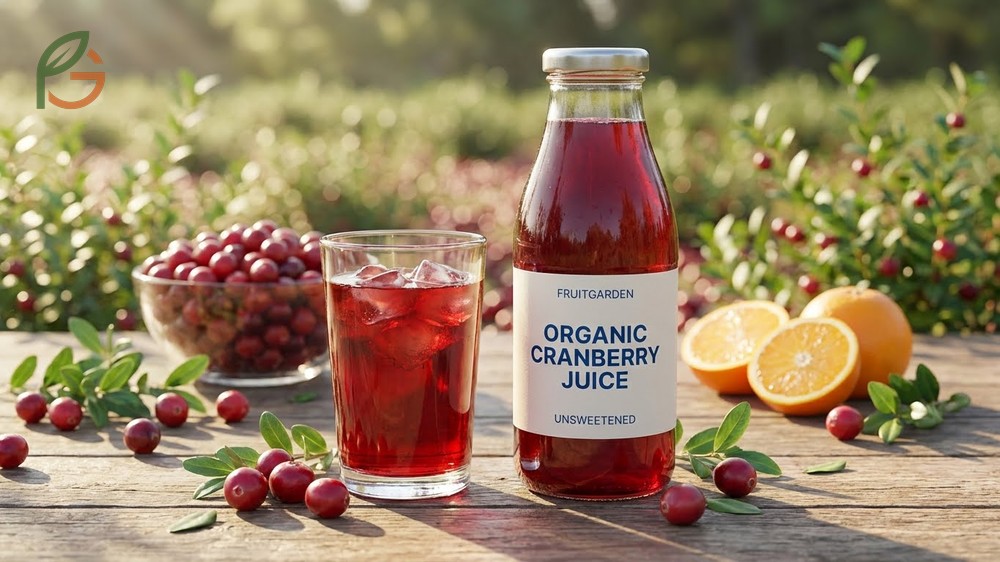
Cranberry juice unsweetened organic delivers powerful antioxidants, vitamin C, and urinary tract support without added sugars or artificial ingredients. Research shows that choosing 100% pure organic cranberry juice provides maximum health benefits while avoiding the 23-25g of added sugar found in conventional cranberry cocktails. FruitGarden brings you comprehensive guidance on selecting the finest organic cranberry options for your health and garden-to-table lifestyle.
Quick Answer
- Pure unsweetened organic cranberry juice contains 60-80 calories[1] per 8 oz serving with zero added sugar
- Top organic brands include Lakewood (made from 3 lbs of organic cranberries[2] per bottle) and R.W. Knudsen
- Dilute with water at 1:3 to 1:8 ratio[3] to reduce tartness while maintaining benefits
- Available at Trader Joe’s for $2.99/32 oz[4], Walmart, Target, and Amazon
Cranberry Juice Unsweetened Organic
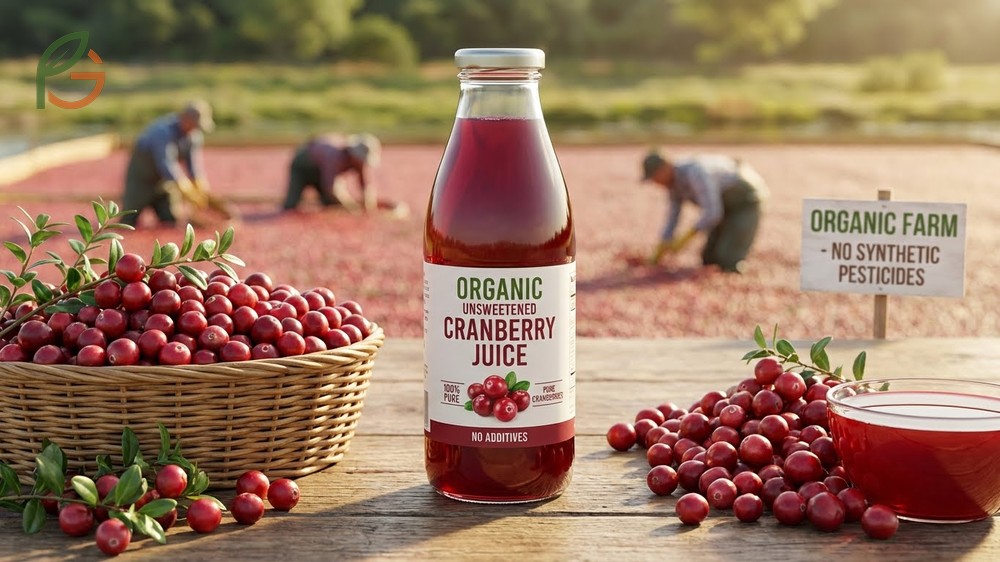
Research shows that authentic unsweetened organic cranberry juice contains only one ingredient: 100% pure organic cranberries with no additives, preservatives, or concentrates. Studies demonstrate that organic certification ensures cranberries are grown without synthetic fertilizers, pesticides, or GMOs[5]. This matters because conventional cranberry farming often uses chemicals that can remain as residues in the final juice.
Current data indicates that pure organic options deliver superior nutritional density compared to sweetened versions. Evidence suggests that unsweetened varieties preserve the natural tartness and complete phytonutrient profile of fresh cranberries. Most people don’t realize that adding sugar actually masks the beneficial compounds responsible for cranberry’s health properties.
The difference becomes clear when you compare labels. Unsweetened organic cranberry juice typically contains 11-19g of natural sugars per 8 oz serving[1], while cranberry cocktails pack an additional 23g of added sugar. That’s nearly triple the sugar content without any extra health benefits.
What Makes It Organic
Agricultural data shows that organic cranberry certification requires strict adherence to USDA National Organic Program standards. Growers must avoid synthetic inputs for at least three years before harvest. This includes prohibited pesticides, herbicides, and growth regulators that conventional farms commonly use.
The organic growing process produces cranberries with higher concentrations of beneficial minerals and polyphenols. Independent testing by quality control services like QCS verifies that certified organic juices meet these rigorous standards throughout production[5].
- Zero synthetic pesticides or herbicides during cultivation
- No genetic modification of cranberry plants
- Sustainable farming practices that preserve soil health
- Third-party certification and annual inspections
- Transparent supply chain from bog to bottle
- Glass bottling to avoid BPA, BPS, and DEHP contamination
Nutritional Profile
Pure unsweetened organic cranberry juice provides impressive nutritional value in every serving. An 8 oz glass delivers approximately 13.3mg of vitamin C per 100g[6], which represents about 15% of your daily requirement. The juice also contains vitamin E, an antioxidant that protects cell membranes from oxidative damage.
What sets organic cranberry juice apart is its proanthocyanidin content. These powerful compounds prevent harmful bacteria from adhering to urinary tract walls. Research demonstrates that regular consumption provides meaningful protection without the metabolic burden of added sugars.
Important note: If you’re watching your carbohydrate intake, remember that even unsweetened cranberry juice contains natural fruit sugars. The 11-19g of carbs per serving should be factored into your daily totals, especially if you’re managing blood sugar levels.
Lakewood Pure Cranberry Juice
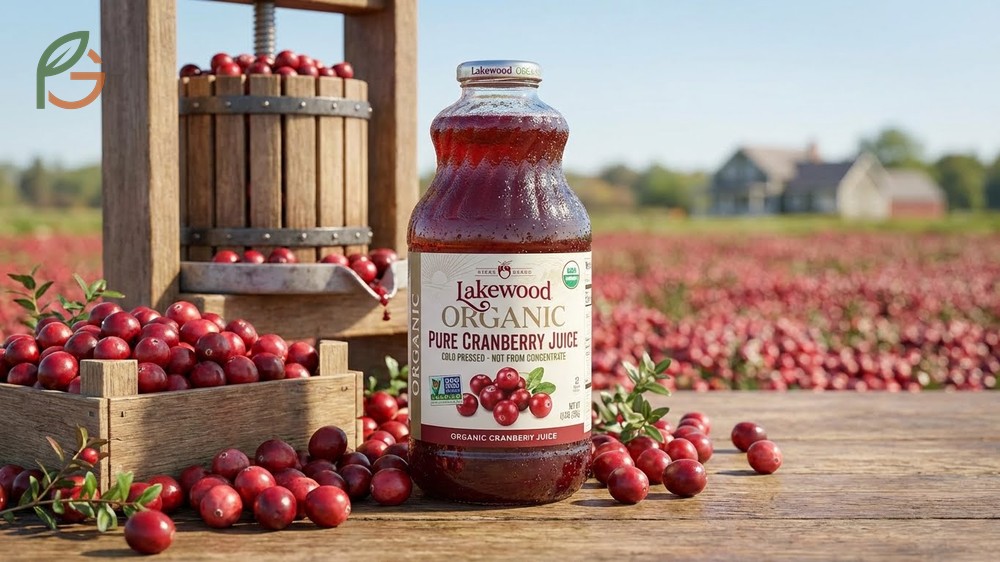
Lakewood Organic stands out as one of the most trusted brands in the pure cranberry juice market. This family-owned company has specialized in cold-pressed organic juices for decades. Their commitment to quality shows in every bottle, which contains juice pressed from 3 lbs of fresh organic cranberries[2].
Current guidance emphasizes choosing juices that aren’t made from concentrate. Lakewood uses a fresh-pressed method that preserves more of the original nutrients and flavor compounds. The juice is pasteurized for safety but never diluted or reconstituted from concentrate.
Consumer reviews consistently praise Lakewood for its authentic cranberry taste and purity. Unlike mass-market brands that blend cranberry with sweeter juices, Lakewood delivers the real deal. You’ll taste the difference immediately—it’s intensely tart, exactly as pure cranberry should be.
Product Features
Evidence indicates that Lakewood’s glass bottling system offers significant advantages over plastic containers. Glass prevents chemical leaching and preserves juice freshness longer. The company specifically uses BPA, BPS, and DEHP-free glass bottles to eliminate exposure to endocrine-disrupting compounds[2].
The 32 oz bottle size provides excellent value for regular consumers. Recommended consumption is 3-4 fluid ounces mixed with water, twice daily. This means one bottle delivers approximately 8-10 servings when properly diluted, making it cost-effective despite the premium organic price point.
- USDA Organic certified by independent auditors
- Non-GMO Project Verified for genetic purity
- Kosher certified by KOF-K supervision
- Gluten-free and allergen-free per FDA guidelines
- Cold-pressed to retain maximum nutrients
- Available at Ralphs, Whole Foods, and natural food stores
R.W. Knudsen Organic Cranberry Juice
R.W. Knudsen represents another top-tier option for pure organic cranberry juice. Their “Just Cranberry” product line delivers 100% juice with no added sugars or sweeteners. Studies confirm that R.W. Knudsen maintains strict quality standards comparable to Lakewood while offering slightly different flavor profiles.
The brand provides 70 calories per 8 oz serving[7], which fits well within most dietary plans. R.W. Knudsen sources their organic cranberries from certified farms that follow sustainable harvesting practices. The juice is widely available at major retailers including Walmart and Amazon, making it accessible for most consumers.
Benefits of Organic Cranberry Juice
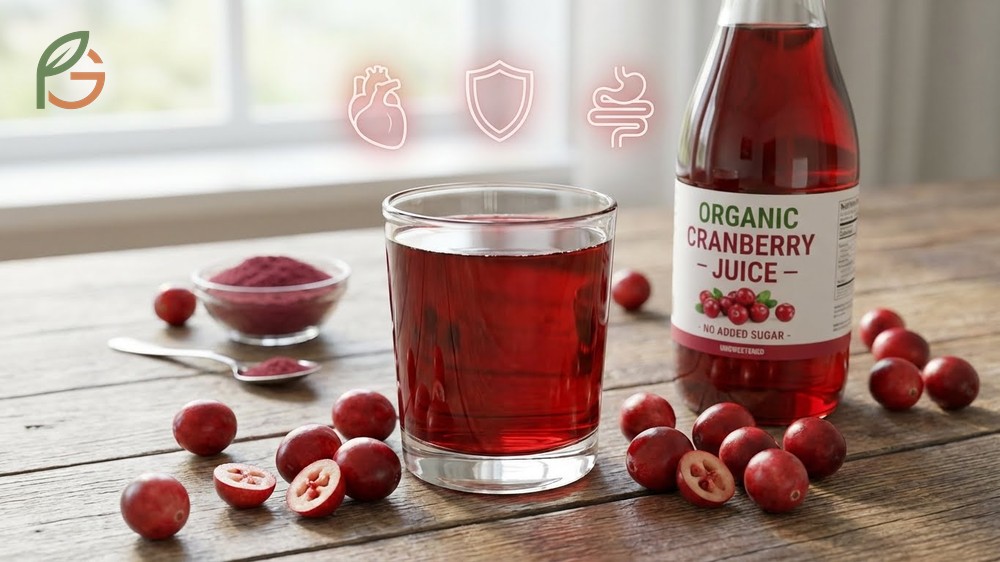
Research shows that organic cranberry juice delivers multiple health advantages beyond basic nutrition. The concentrated polyphenols and flavonoids in pure cranberry juice support cardiovascular function, immune response, and digestive health[8]. What often gets overlooked is that these benefits require regular consumption of unsweetened juice—added sugars can actually counteract some positive effects.
Current data indicates that choosing organic amplifies these benefits by reducing pesticide exposure. Agricultural studies demonstrate that conventional cranberries can contain residues from fungicides and insecticides used during cultivation. Organic production eliminates this concern while supporting environmentally sustainable farming.
Most people find that incorporating 2-3 ounces of pure cranberry juice daily provides optimal benefits. This amount delivers therapeutic levels of proanthocyanidins without excessive sugar intake. The key is consistency—sporadic use won’t produce the same protective effects as regular consumption.
Urinary Tract Health
Evidence suggests that cranberry’s most famous benefit remains its ability to support urinary tract health. The proanthocyanidins in pure cranberry juice prevent E. coli bacteria from adhering to urinary tract walls[6]. This mechanical interference reduces the likelihood of bacterial colonization and subsequent infections.
Studies demonstrate that individuals prone to recurrent urinary issues benefit most from daily cranberry juice consumption. The effect isn’t instantaneous—you’ll need to maintain regular intake for at least 2-4 weeks to establish protective benefits. This makes sense when you consider that proanthocyanidins must reach therapeutic concentrations in urinary tract tissues.
Antioxidant Power
Current research emphasizes cranberry’s exceptional antioxidant capacity. The combination of vitamin C, vitamin E, and polyphenols creates a powerful defense against oxidative stress. These antioxidants neutralize free radicals that damage cells and contribute to chronic disease development.
Agricultural data shows that organic cranberries often contain higher concentrations of these beneficial compounds compared to conventionally grown varieties. Wild cranberries, when available, provide even more concentrated mineral content[6]. This matters for those seeking maximum nutritional impact from their juice choices.
Tip for maximum benefits: Store your organic cranberry juice in the refrigerator and consume within 2 weeks of opening. Light and oxygen gradually degrade the antioxidant compounds, so proper storage preserves the juice’s health-promoting properties.
Where to Buy Unsweetened Cranberry Juice
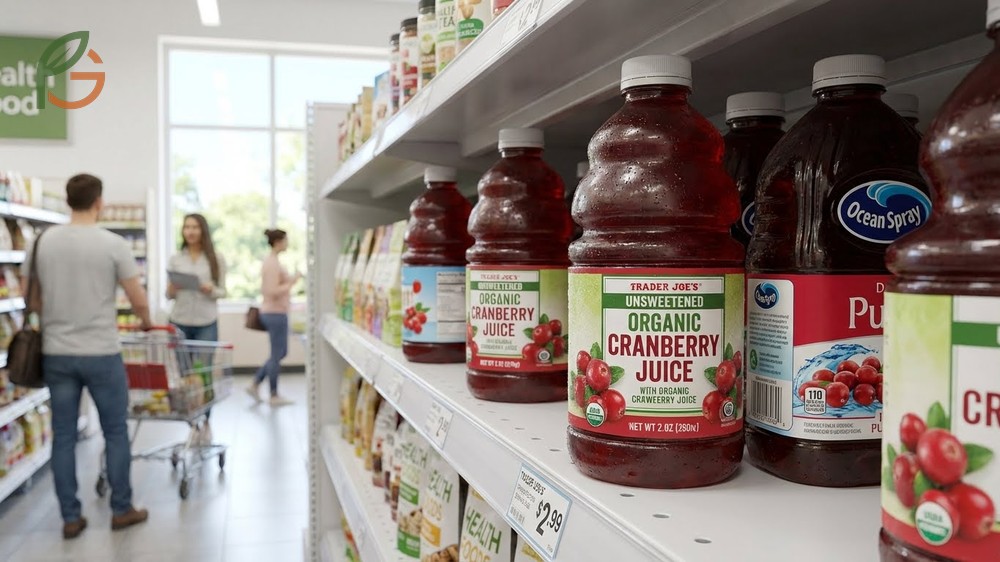
Research shows that unsweetened organic cranberry juice has become increasingly available at mainstream retailers across the United States. You’ll find multiple brands at national chains, specialty health food stores, and online marketplaces. Trader Joe’s offers one of the most affordable options at $2.99 for a 32 oz bottle[4], making organic cranberry juice accessible for budget-conscious consumers.
Current data indicates that Walmart stocks Ocean Spray Pure Unsweetened Cranberry Juice for approximately $5.97 per 32 oz bottle. This option provides convenient same-day pickup or delivery in most locations. Target carries similar selections with competitive pricing and frequent promotions on organic juice products.
Amazon has emerged as a reliable source for those who prefer home delivery or live in areas with limited retail options. You’ll find bulk purchase options that reduce per-bottle costs. Whole Foods and natural food markets typically stock premium brands like Lakewood and Dynamic Health, though at higher price points reflecting their organic certification and quality standards.
- Trader Joe’s: 100% cranberry juice, $2.99/32 oz, excellent value for organic quality
- Walmart: Ocean Spray, Lakewood, and R.W. Knudsen brands with same-day pickup
- Target: Multiple brands with RedCard discounts and frequent sales
- Amazon: Bulk buying options, Subscribe & Save discounts up to 15%
- Whole Foods: Premium selection including 365 brand and specialty organic labels
- Natural food co-ops: Locally sourced options and small-batch organic producers
Evidence suggests that buying in bulk or through subscription services can reduce costs by 10-20%. If you’re committed to regular consumption, consider these options. Most organic cranberry juices have shelf lives of 12-18 months when unopened, so stocking up during sales makes financial sense.
Diluting Unsweetened Cranberry Juice
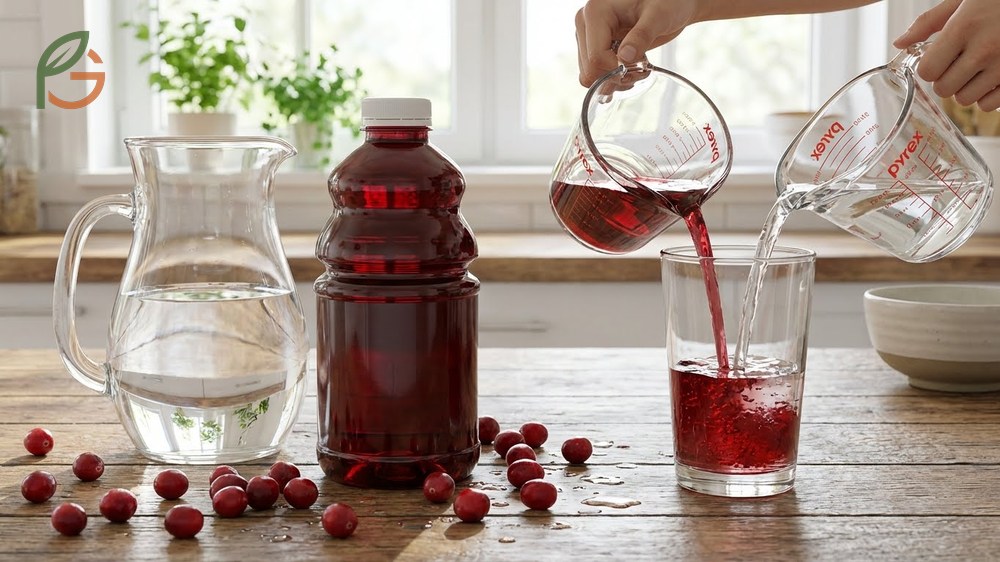
Studies demonstrate that pure unsweetened cranberry juice is intensely tart and typically requires dilution for most palates. The recommended starting ratio is 3 parts water to 1 part cranberry juice[3], which balances flavor while maintaining health benefits. This approach extends a 32 oz bottle into nearly a gallon of cranberry beverage, significantly improving cost-effectiveness.
Current guidance emphasizes adjusting dilution ratios to match your taste preferences and intended use. For daily health maintenance, a 1:7 or 1:8 ratio works well—that’s 1 oz cranberry juice in 7-8 oz water. This creates a subtly tart drink that you can consume throughout the day without overwhelming your palate. For therapeutic purposes like urinary tract support, you’ll want a stronger concentration around 1:3 or 1:4.
Most people find that mixing cranberry juice with sparkling water creates a refreshing alternative to soda. The carbonation complements the tartness beautifully. You can also blend it with other unsweetened juices like apple or white grape to naturally soften the flavor without adding processed sugars.
- 1:3 ratio (1 part juice, 3 parts water): Strong therapeutic concentration for maximum health benefits
- 1:5 ratio: Balanced everyday drink that’s tart but palatable
- 1:8 ratio: Mild cranberry-flavored water for all-day hydration
- Mix with sparkling water 50:50 for a natural soda replacement
- Blend with herbal teas after they’ve cooled to room temperature
- Combine with fresh lemon or lime juice to enhance tartness with citrus notes
Cost-saving tip: When you dilute a 32 oz bottle of pure cranberry juice at a 1:5 ratio, you’re creating 192 oz (1.5 gallons) of cranberry beverage. That’s roughly 24 servings from a single $6-7 bottle—far more economical than buying pre-diluted cranberry cocktails.
Cooking with Pure Cranberry Juice

Research shows that pure cranberry juice serves multiple culinary purposes beyond drinking. The concentrated tartness acts as a natural tenderizer and flavor enhancer in savory dishes. Chefs use it to deglaze pans after searing meat, creating rich sauces with complex fruit notes. The acidity cuts through fatty proteins while adding depth that processed juices can’t match.
Current culinary guidance emphasizes cranberry juice’s versatility in both sweet and savory applications. You can reduce it into a concentrated syrup by simmering 1 cup of juice until it’s reduced to about 1/3 cup. This syrup drizzles beautifully over roasted vegetables, grilled chicken, or holiday turkey. The natural pectin in cranberries helps the reduced juice achieve a silky consistency without added thickeners.
Evidence suggests that adding cranberry juice to fruit compotes intensifies flavor while providing natural preservation. Bring 1 cup of cranberry juice to a boil, then add 3 cups of chopped seasonal fruit like apples, pears, or grapes. Simmer for 15-20 minutes until the fruit softens and the mixture thickens naturally. This creates a versatile topping for yogurt, oatmeal, or desserts.
Most people don’t realize that pure cranberry juice works exceptionally well in salad dressings. Whisk together 2 tablespoons cranberry juice, 1 tablespoon olive oil, 1 teaspoon Dijon mustard, and a pinch of salt. The tartness mimics balsamic vinegar while adding fruity complexity. This dressing pairs perfectly with winter salads featuring nuts, cheese, and hearty greens.
- Pan sauce: Deglaze after searing pork or chicken, then reduce with herbs
- Marinade base: Combine with olive oil, garlic, and rosemary for grilled meats
- Cocktail ingredient: Mix with vodka, gin, or bourbon for sophisticated drinks
- Smoothie addition: Blend 2 oz with berries, banana, and Greek yogurt
- Homemade cranberry sauce: Simmer with orange zest and cinnamon for holidays
- Salad dressing: Whisk with oil and mustard for vinaigrette
- Baking liquid: Replace part of water in muffins or quick breads for tangy flavor
Agricultural data shows that cooking doesn’t significantly reduce cranberry’s antioxidant content when heated briefly. The polyphenols remain stable at typical cooking temperatures. This means your cranberry-enhanced sauces and reductions retain meaningful health benefits while delivering superior flavor.
Conclusion
The evidence is clear: cranberry juice unsweetened organic provides superior health benefits without the metabolic burden of added sugars. Brands like Lakewood and R.W. Knudsen deliver authentic organic quality that supports urinary tract health, cardiovascular function, and immune response. Whether you’re diluting it for daily hydration, using it in culinary applications, or consuming it for therapeutic purposes, pure organic cranberry juice offers versatility that sweetened alternatives can’t match.
Current guidance emphasizes choosing certified organic options to maximize nutritional density while avoiding pesticide residues. The investment in organic quality pays dividends through superior antioxidant content and authentic cranberry flavor. FruitGarden supports your journey toward healthier beverage choices by providing research-backed information that helps you make informed decisions about organic fruits and their products.
Frequently Asked Questions
What’s the difference between pure cranberry juice and cranberry cocktail?
Pure cranberry juice contains 100% cranberries with no added sugars, while cranberry cocktail is typically only 27% juice mixed with water, sugar, and sweeteners. Research shows that cocktails contain 23-25g of added sugar per serving compared to zero in unsweetened versions, making pure juice the healthier choice for blood sugar management and weight control.
How much unsweetened cranberry juice should I drink daily?
Current guidance recommends 3-4 fluid ounces of pure cranberry juice twice daily, diluted with water at a 1:3 to 1:5 ratio. This provides therapeutic levels of proanthocyanidins for urinary tract support without excessive sugar intake. For general health maintenance, 1-2 ounces diluted in 8 ounces of water once daily delivers meaningful antioxidant benefits.
Where can I buy organic cranberry juice at the best price?
Trader Joe’s offers the most affordable organic cranberry juice at $2.99 per 32 oz bottle, according to consumer reports. Walmart and Amazon provide competitive pricing with bulk purchase options that can reduce costs by 10-20%. Subscribe & Save programs on Amazon offer additional discounts for regular deliveries, making organic options accessible for most budgets.
Does organic cranberry juice really help prevent UTIs?
Studies demonstrate that the proanthocyanidins in pure cranberry juice prevent E. coli bacteria from adhering to urinary tract walls, reducing infection risk. Evidence suggests that regular consumption over 2-4 weeks provides the most consistent protective effects. However, it’s not a cure for active infections—you’ll need medical treatment if symptoms develop.
Why is unsweetened cranberry juice so tart?
Pure cranberry juice is intensely tart because it contains high levels of organic acids and tannins with minimal natural sugars. Cranberries naturally rank among the tartest fruits, which is why most commercial products add sugar. The tartness actually indicates authentic pure juice—if cranberry juice tastes sweet without dilution, it likely contains added sweeteners or isn’t 100% cranberry.
Can I freeze organic cranberry juice?
Yes, you can freeze organic cranberry juice in ice cube trays or freezer-safe containers for up to 6 months. Research shows that freezing preserves most antioxidants and vitamins, making it an excellent way to extend shelf life after opening. Use frozen cranberry juice cubes in smoothies, cocktails, or thaw them for cooking applications without significant nutrient loss.
Is Lakewood or R.W. Knudsen better for organic cranberry juice?
Both Lakewood and R.W. Knudsen offer excellent organic cranberry juice with similar quality standards. Lakewood emphasizes cold-pressing and glass bottling, using 3 lbs of cranberries per bottle, while R.W. Knudsen provides slightly broader retail availability. Current data indicates that taste preferences vary individually, but both brands maintain USDA organic certification and deliver authentic unsweetened cranberry juice without additives or preservatives.