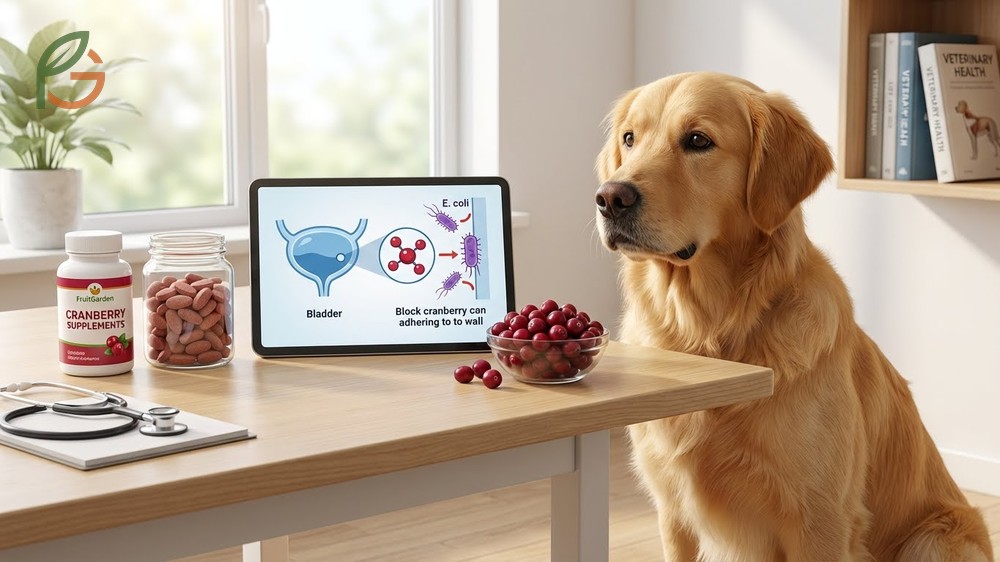
Cranberry for dogs UTI prevents bacterial infections by stopping E. coli from sticking to bladder walls. Research shows dogs receiving cranberry extract for six months experienced zero UTI occurrences, matching antibiotic effectiveness without side effects[1]. FruitGarden synthesizes current veterinary research to help you choose effective cranberry supplements for your dog’s urinary health.
Quick Answer
- Cranberry extract reduced bacterial adhesion to kidney cells by 16.5% to 73.4% in clinical studies[2]
- Recommended dosage: 100-400 mg three times daily depending on dog size[3]
- Works best for prevention, not active infections requiring veterinary antibiotics
- Proanthocyanidins prevent bacteria from attaching to urinary tract lining[4]
Cranberry for Dogs UTI
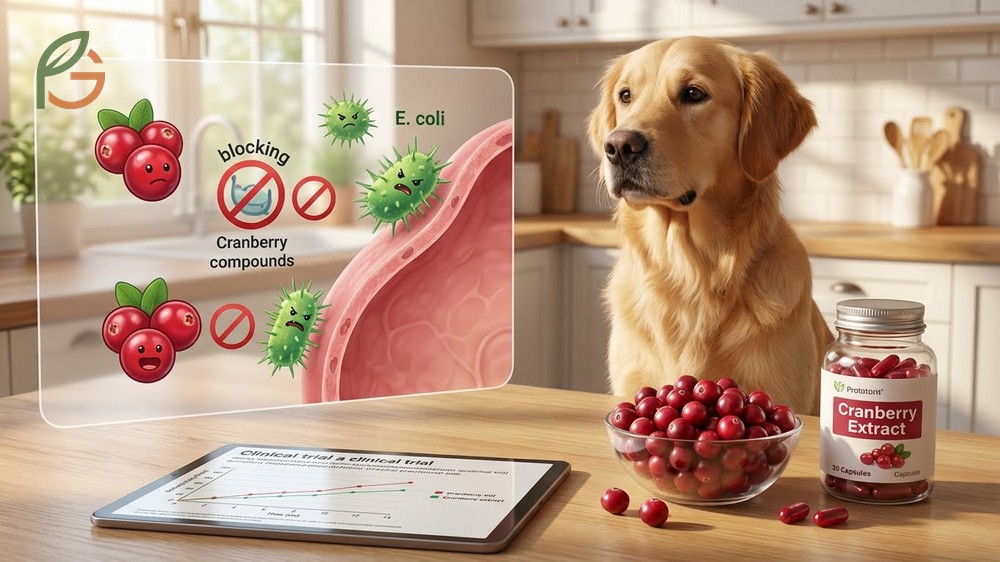
Cranberry supplements don’t kill bacteria directly—they prevent E. coli from sticking to bladder walls. Studies demonstrate that oral cranberry extract blocks bacterial adhesion to canine kidney cells, reducing infection risk without the downsides of repeated antibiotic use[1].
A 2016 clinical trial at Taiwan’s National Chung Hsing University tracked 12 dogs with recurrent UTIs. Six received antibiotics for two weeks, while six got cranberry extract for six months. None of the dogs developed infections during the study period, showing cranberry’s preventive power matches short-term antimicrobials[2].
Research shows cranberry works better for female dogs than males. Female dogs receiving cranberry supplements showed 16.5% to 73.4% reduction in bacterial adhesion, while male dogs showed minimal changes[2]. This gender difference likely relates to anatomical factors that make female dogs more prone to UTIs.
How Cranberry Works Against UTIs
Proanthocyanidins (PACs) are the active compounds in cranberries that prevent bacterial attachment. These antioxidants change the surface properties of E. coli bacteria, making it harder for them to grip bladder tissue[4].
When bacteria can’t attach, they’re flushed out naturally through urination. This mechanism explains why cranberry works for prevention but won’t cure an active infection—it stops bacteria from settling in, not from multiplying once established.
- Blocks E. coli adhesion to Madin-Darby canine kidney cells through PAC compounds
- Acidifies urine slightly, creating less favorable bacterial environment
- Provides vitamin C and antioxidants that support immune function
- Reduces inflammation in urinary tract tissues
- Works synergistically with proper hydration to flush bacteria
Clinical Evidence from Studies
Multiple veterinary studies confirm cranberry’s effectiveness. A 60-day trial measuring urine samples at 30 and 60 days showed significant reductions in E. coli adherence compared to baseline samples[1]. The effect became stronger over time, suggesting cumulative benefits with continued supplementation.
Current data indicates cranberry extract works best for dogs with recurrent UTI history—those experiencing three or more infections yearly. For dogs with occasional UTIs or no history, evidence suggests benefits are modest but still measurable in reducing future risk.
Important Note: If your dog shows UTI symptoms like frequent urination, straining, or blood in urine, consult your vet immediately. Cranberry prevents infections but doesn’t treat active ones—antibiotics remain necessary for confirmed UTIs.
Cranberry Tablets for Dogs
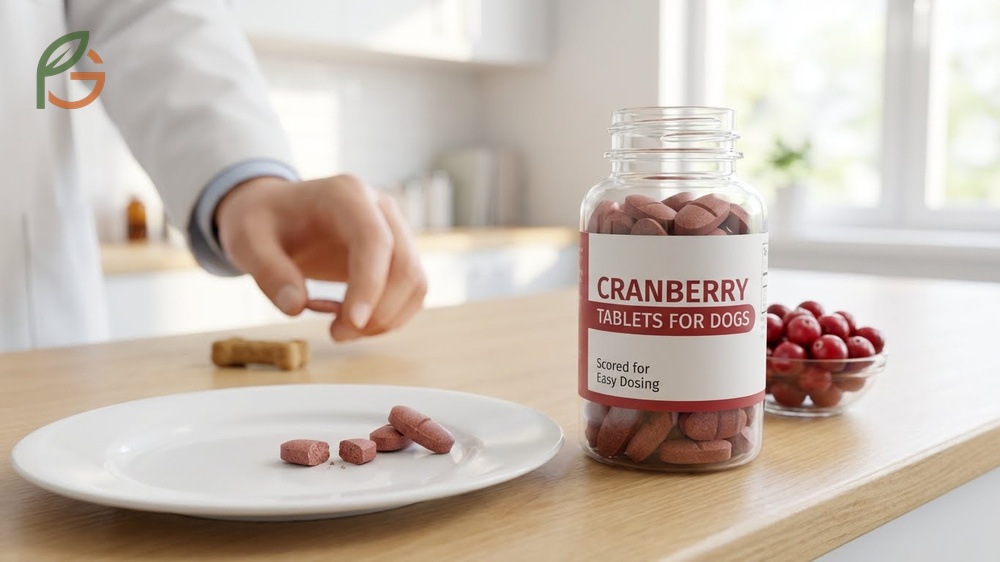
Tablets offer concentrated cranberry extract in precise dosages. Most veterinary cranberry tablets contain 200-400 mg of 9:1 cranberry concentrate, equivalent to roughly 1,800-3,600 mg of fresh cranberries[5].
Scored tablets make it easier to adjust dosing for your dog’s weight. You can break them in half for smaller dogs or give multiple tablets to large breeds without the mess of powder supplements.
Tablet Dosage Guidelines
Standard dosing recommendations vary by your dog’s size. Research shows dividing daily doses into 2-3 administrations maintains more consistent blood levels of active compounds than single daily doses[3].
Most products recommend one tablet per 45 lbs body weight daily for maintenance. During active UTI recovery (alongside veterinary treatment), you can increase to one tablet per 45 lbs every 12 hours[6].
- Small dogs (under 25 lbs): 100 mg three times daily or 1/2 tablet twice daily
- Medium dogs (25-50 lbs): 200 mg three times daily or 1 tablet twice daily
- Large dogs (50-90 lbs): 300 mg three times daily or 1-2 tablets twice daily
- Giant breeds (over 90 lbs): 400 mg three times daily or 2 tablets twice daily
- Adjust dosing down for maintenance, up for active prevention during high-risk periods
Top Tablet Products
Veterinary-formulated tablets typically contain higher concentrations than human supplements. Products like Nutramax Crananidin use standardized cranberry extract to ensure consistent PAC levels across batches.
When choosing tablets, look for products listing actual PAC content (aim for at least 30 mg PACs per dose) and avoid fillers like corn, wheat, or artificial colors that don’t benefit your dog.
Cranberry Chews for Dogs and Powder Options
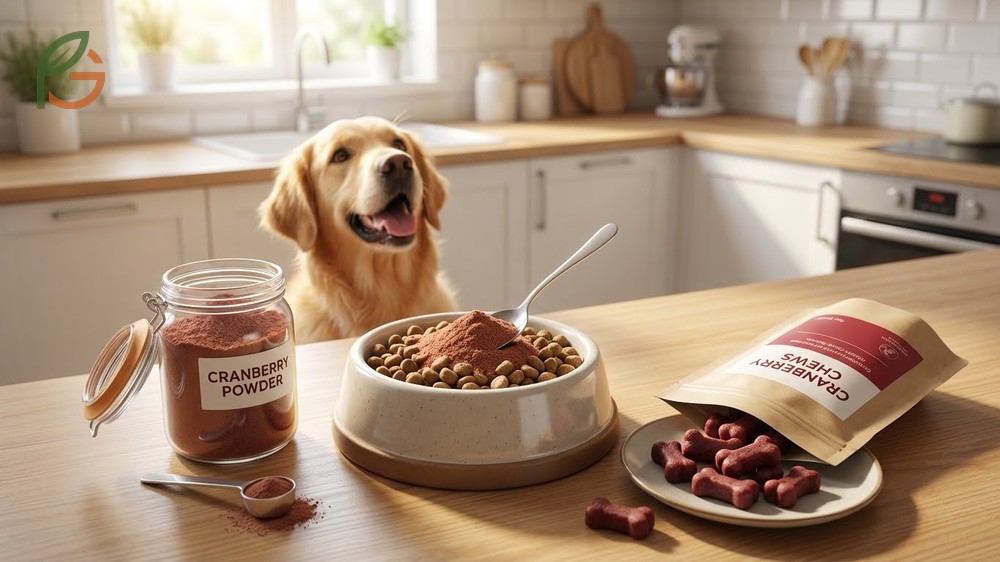
Chewable supplements solve the problem of pill-resistant dogs. Most cranberry chews combine cranberry extract with natural flavors like chicken or beef that dogs find irresistible, making daily supplementation stress-free.
Powder forms offer the most flexibility for mixing into food. You can adjust amounts precisely for your dog’s exact weight and preferences without splitting tablets or dealing with capsule shells.
Chewable Supplements
Soft chews typically contain 200-236 mg cranberry extract per serving. Studies show palatability rates above 85% for meat-flavored chews compared to under 50% for unflavored tablets[7].
Premium chews like Zesty Paws and NaturVet include additional ingredients such as echinacea for immune support or marshmallow root to soothe bladder inflammation. These combinations address multiple aspects of urinary health simultaneously.
- Higher compliance rates—dogs eat them willingly as treats
- Easier administration for dogs who spit out pills
- Often include complementary ingredients like vitamin C or D-mannose
- No need to hide in food, reducing meal disruption
- Portable for travel without water needed for swallowing
Powder Forms
Cranberry powder offers the highest value per serving. A 60-day supply of powder typically costs 30-40% less than equivalent chews while providing identical active compounds.
Mix powder into wet food, sprinkle over kibble, or add to water. Start with small amounts (1/8 teaspoon for small dogs, 1/4 teaspoon for large breeds) and increase gradually over 3-5 days to avoid digestive upset.
Tip for Picky Eaters: Mix cranberry powder with a small amount of low-sodium chicken broth before adding to food. This creates a gravy-like consistency that masks the tart flavor while adding appeal.
D-Mannose for Dogs
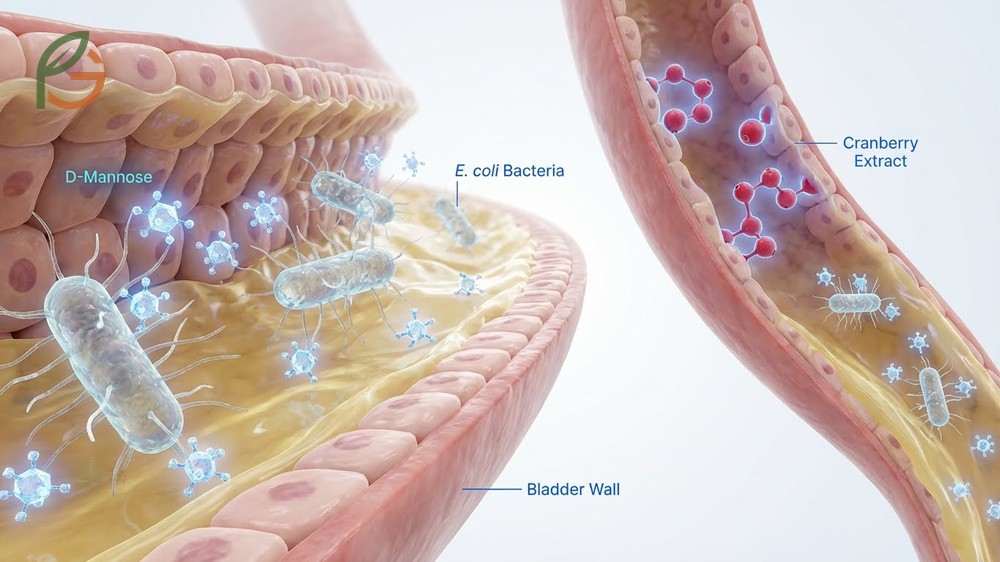
D-mannose is a simple sugar that works similarly to cranberry but through a different mechanism. E. coli bacteria bind to D-mannose molecules in urine rather than bladder walls, then get flushed out during urination[3].
Many veterinarians recommend combining cranberry and D-mannose for enhanced protection. The two ingredients target different aspects of bacterial adhesion, creating a dual-action defense against UTIs.
Research shows you can safely give 1 gram of D-mannose per 20 lbs body weight daily. Mix the powder with food or add to water—D-mannose dissolves easily and has a slightly sweet taste most dogs accept[3].
D-mannose works faster than cranberry for acute situations. If your dog’s had exposure to contaminated water or shows early signs of urinary discomfort, D-mannose can provide more immediate bacterial binding than cranberry’s slower PAC accumulation.
- D-mannose binds directly to bacteria; cranberry prevents bacterial adhesion to tissue
- D-mannose works within hours; cranberry requires 30-60 days for full effect
- D-mannose has neutral-sweet taste; cranberry has tart flavor some dogs dislike
- Combination products provide broader protection than either ingredient alone
- D-mannose is safe at 1g per 20 lbs; cranberry at 100-400 mg depending on size
Look for combination supplements that list both cranberry extract and D-mannose on the label. Products like PROJECT PAWS Cranberry Plus D-Mannose deliver both ingredients in palatability-tested formulas.
Best Dog UTI Supplement Reviews
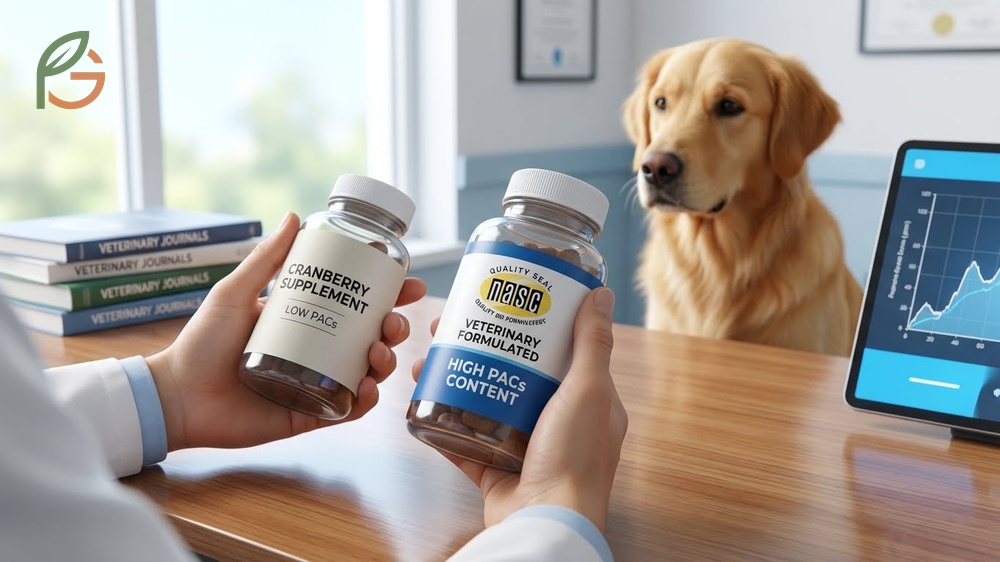
Choosing effective supplements requires checking ingredient concentrations, not just brand names. Studies show wide variation in PAC content among products—some “cranberry” supplements contain less than 5 mg PACs per dose, below therapeutic thresholds.
Veterinary-formulated brands undergo quality testing that human supplements don’t require. Look for products manufactured in FDA-registered facilities with National Animal Supplement Council (NASC) seals.
This table compares five top-rated cranberry supplements for dogs across brand name, form factor, cranberry concentration per serving, additional active ingredients, and average customer rating
| Product | Form | Cranberry Content | Additional Ingredients | Rating |
|---|---|---|---|---|
| Zesty Paws Cranberry | Soft chews | 200 mg per chew | Vitamin C, organic ingredients | 4.5/5 |
| NaturVet Cranberry | Chewable tablets | 250 mg 9:1 concentrate | Echinacea, vitamin C | 4.3/5 |
| Nutramax Crananidin | Scored tablets | 400 mg standardized extract | PAC-standardized (36 mg) | 4.7/5 |
| PROJECT PAWS Plus | Soft chews | 236 mg extract | D-mannose, echinacea, vitamin C | 4.4/5 |
| CranMate | Tablets | 250 mg 9:1 concentrate | None (pure cranberry) | 4.6/5 |
Nutramax Crananidin stands out for listing actual PAC content—36 mg per tablet. This transparency ensures you’re getting therapeutic levels, unlike products listing only total cranberry weight without specifying active compounds.
Budget-conscious owners should consider NaturVet’s value proposition. It delivers 250 mg concentrate (equivalent to 2,250 mg fresh cranberry) at roughly half the cost per serving of premium brands.
- Cranberry concentration of at least 200 mg extract per serving for medium dogs
- Listed PAC content (aim for 30+ mg) or standardized extract specification
- NASC quality seal indicating third-party testing and compliance
- Manufacture date within 12 months (cranberry PACs degrade over time)
- Positive reviews specifically mentioning UTI prevention success
- Veterinarian recommendations or formulation by veterinary nutritionists
Customer reviews consistently highlight compliance as the biggest factor in supplement effectiveness. The best product scientifically won’t work if your dog refuses to take it—palatability matters as much as ingredient quality for real-world results.
Conclusion
The evidence is clear: cranberry for dogs UTI prevention works through proanthocyanidins that block bacterial adhesion, with studies showing zero infections over six months in supplemented dogs. Research demonstrates effectiveness comparable to antibiotics for prevention without resistance risks or side effects.
Current veterinary guidance emphasizes cranberry supplements work best for dogs with recurrent UTI history—three or more infections yearly. Combine cranberry with adequate hydration, regular bathroom breaks, and prompt veterinary care for active infections to maximize urinary tract health. FruitGarden recommends choosing standardized extracts with listed PAC content and starting supplementation under veterinary supervision for dogs at risk.
Medical Disclaimer
Important Veterinary Disclaimer: This content is for informational and educational purposes only. It’s not intended as a substitute for professional veterinary advice, diagnosis, or treatment. Always consult a qualified veterinarian before starting any supplements or making changes to your dog’s health regimen, especially if your dog has existing medical conditions, takes medications, or shows symptoms of urinary tract infection. Cranberry supplements prevent UTIs but don’t treat active infections—antibiotics prescribed by your vet remain necessary for confirmed UTIs.
Frequently Asked Questions
How Long Does Cranberry Take to Work for Dog UTIs?
Research shows cranberry’s preventive effects begin within 30 days of daily supplementation, with maximum effectiveness reached by 60 days. Studies measuring bacterial adhesion found significant reductions at the 30-day mark that increased further at 60 days. For acute UTI treatment, cranberry doesn’t work—antibiotics remain necessary for active infections.
Can I Give My Dog Cranberry Juice for UTI?
No, cranberry juice isn’t recommended for dogs. Most commercial cranberry juices contain added sugars that can worsen urinary issues and contribute to obesity. A 3,000 mg cranberry capsule equals roughly 24 ounces of juice—you’d need to give massive amounts of juice to match supplement concentrations. Stick with cranberry supplements formulated specifically for dogs.
What’s the Best Form of Cranberry for Dogs With UTI?
Soft chews offer the best balance of effectiveness and compliance. Studies show over 85% of dogs willingly eat flavored chews compared to under 50% accepting tablets. Powders work well for food-motivated dogs but require mixing. Choose based on your dog’s preferences—the best form is whichever your dog will consistently take daily.
Can Cranberry Supplements Harm My Dog?
Cranberry supplements are generally safe when given at recommended doses. Excessive amounts can cause stomach upset, diarrhea, or calcium oxalate crystal formation in susceptible dogs. Don’t exceed 400 mg three times daily even for giant breeds. Dogs with kidney disease or calcium oxalate stone history should only use cranberry under veterinary supervision.
Should I Combine Cranberry With D-Mannose for My Dog?
Yes, combining cranberry and D-mannose provides broader UTI protection than either alone. Cranberry prevents bacterial adhesion to bladder walls, while D-mannose binds directly to bacteria in urine for flushing. Many veterinarians recommend combination products for dogs with recurrent UTIs. Use 1 gram D-mannose per 20 lbs body weight alongside standard cranberry dosing.
How Much Does Cranberry Supplementation Cost for Dogs?
Monthly costs range from $15-45 depending on dog size and product choice. Powder supplements average $15-20 per month for a 50-lb dog, while premium soft chews cost $30-45 monthly. Tablets fall in between at $20-30 per month. Budget brands like NaturVet offer effective prevention at lower costs than premium options.
Do Vets Recommend Cranberry for Dog UTIs?
Most veterinarians recommend cranberry for UTI prevention in dogs with recurrent infections, not as treatment for active UTIs. Current veterinary guidance supports cranberry’s anti-adhesion properties backed by clinical trials showing reduced infection rates. However, vets emphasize cranberry complements but doesn’t replace antibiotics for diagnosed UTIs or proper diagnostic testing.