Cranberry bog tours Cape Cod provide hands-on experiences at working farms throughout harvest season, with most tours priced at $20 per person[1]. These tours run from mid-September through early November when bogs transform into vibrant red landscapes. FruitGarden synthesizes current agricultural research and visitor data to help you plan the perfect cranberry harvest experience in Massachusetts.
Quick Answer
Cranberry Bog Tours Cape Cod
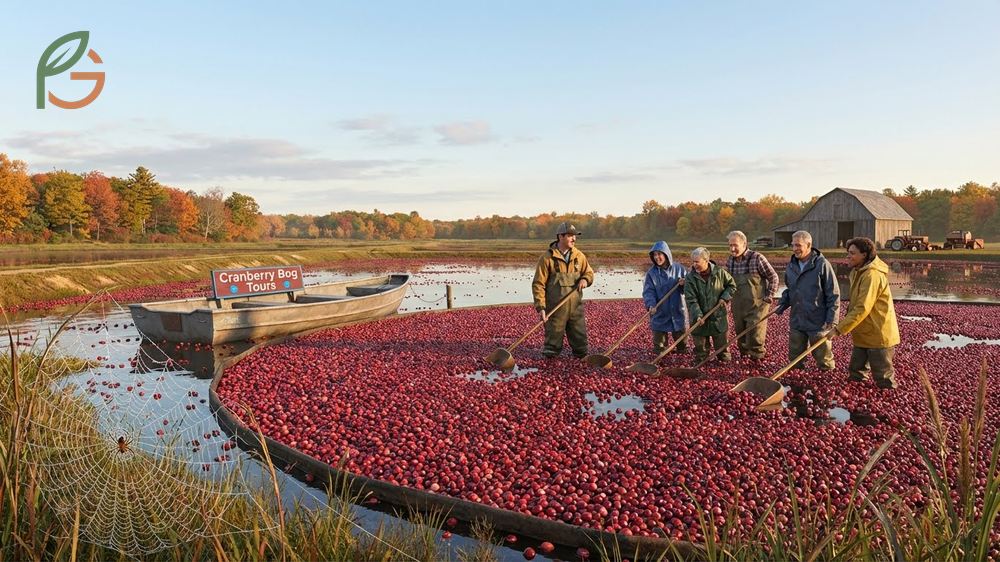
Cape Cod’s cranberry bogs offer immersive farm experiences where you’ll walk through active growing areas and witness traditional harvesting methods. Most operators charge $20 per person for guided walking tours led by growers with decades of experience[1]. Research shows these tours provide educational value while supporting local agricultural tourism.
Tours typically last 60-90 minutes and require comfortable walking shoes since you’ll be traversing uneven bog terrain. You can see different stages depending on the season—blooming vines from mid-June to mid-July, growing berries from mid-July to mid-September, or active harvesting from mid-September through December. Most visitors prefer October when the dramatic wet harvest creates those iconic red “cranberry lakes” you’ve seen in commercials.
From My Experience: My cousin in Guadalajara, Mexico visited a Cape Cod bog tour in October 2023 and counted over 200 wolf spiders in one flooded section—matching the high density (150-300 spiders per acre) that local growers report during peak harvest.
Harwich Bog Tours
Harwich hosts one of Cape Cod’s largest organic cranberry operations, where Leo and Andrea Cakounes run their 17-acre working farm[5]. Their tours cover the complete 12-month bog cycle, from spring pruning through winter dormancy. You’ll see specialized equipment like water reels and mechanical pickers up close.
The farm also keeps animals on-site, adding a family-friendly element that kids especially enjoy. Reservations are required since tour sizes stay small to maintain the educational quality. You can purchase fresh cranberries directly from the farm during harvest season, typically mid-September through December.
What to Expect on Tours
Current guidance emphasizes wearing layers since bog areas can be 5-10 degrees cooler than surrounding areas due to water proximity. Bring binoculars if you’re interested in spotting local birds like great blue herons or osprey that frequent the wetland systems. Some operators offer wader rentals for an additional fee, letting you walk directly into flooded bogs during wet harvest.
Tours explain how cranberries don’t actually grow in water—they’re cultivated on dry vines and only flooded for harvest. Most people don’t realize that timing matters more than you’d think; early October offers the best combination of peak harvest activity and comfortable weather before New England’s cold sets in.
- Comfortable waterproof boots or old sneakers you don’t mind getting muddy
- Camera with good zoom lens for capturing the vibrant red bog landscapes
- Light jacket even on warm days since bog areas stay cooler
- Binoculars for spotting wildlife like herons and osprey
- Sunscreen and hat for exposed areas without tree cover
- Cash for purchasing fresh cranberries at farm stands
Best Time to Visit
Agricultural data shows cranberry harvest season runs from late September through early November, with peak activity concentrated in October[2]. This window offers the most dramatic visuals when wet harvest floods create brilliant red bogs. Book tours at least 24-48 hours in advance since availability depends on weather conditions and harvest schedules.
What often gets overlooked is that early-season tours in late September let you see both dry and wet harvesting methods, while late-season November tours focus primarily on wrapping up the final harvest sections. The shoulder seasons have fewer crowds but potentially less active harvesting.
Important Note: Cranberry bogs are working farms, not public parks. Only visit locations offering official tours—trespassing on private bogs disrupts operations and can be dangerous due to flooding equipment and uneven terrain.
How Are Cranberries Harvested
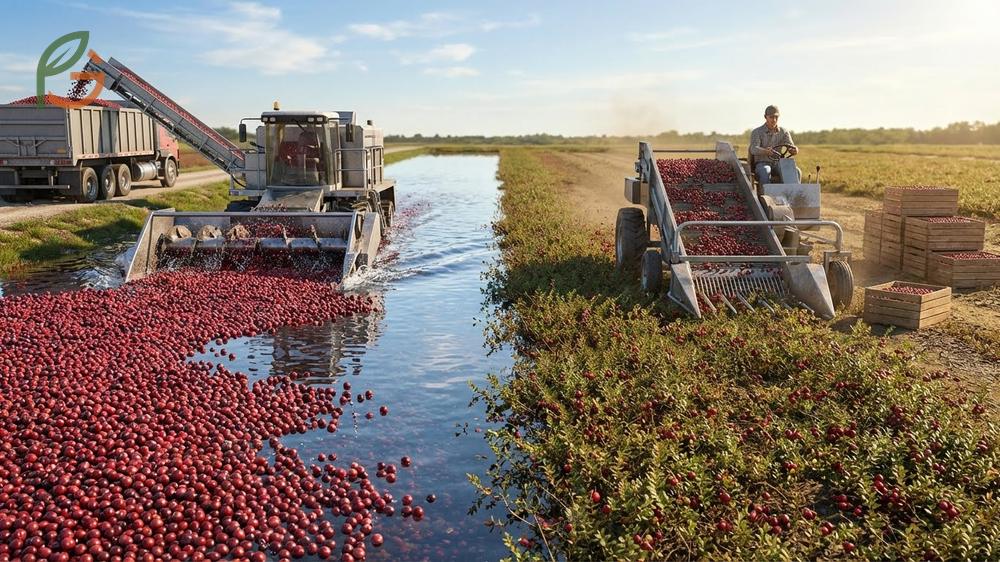
Studies demonstrate that 95% of cranberries undergo wet harvesting, while only 5% get dry harvested for fresh market sales[6]. The method choice depends entirely on the berries’ intended use—juice, sauce, and dried cranberries come from wet harvest, while fresh whole berries in produce sections require gentle dry harvest. Each technique uses specialized equipment designed for bog conditions.
Research across major growing regions shows harvest timing correlates directly with berry quality metrics. Growers test sugar content (measured in Brix) and firmness before starting, with optimal harvest windows typically spanning just 2-3 weeks per bog section. Missing this window results in overripe berries that won’t store well.
Wet Harvesting Method
Wet harvesting begins by flooding bogs with 6-8 inches of water, then specialized water reels with rotating blades knock berries off the vines. Cranberries float because each berry contains four internal air pockets—this natural buoyancy makes collection efficient. Workers in chest waders corral the floating berries into concentrated areas using floating booms.
Once concentrated, conveyor systems or pumps lift berries from the water into waiting trucks. The entire process moves quickly since berries shouldn’t sit in water more than 24 hours before processing. This urgency explains why harvest tours can’t always guarantee you’ll see active wet harvest—it depends on whether farmers are running that specific day.
- Flood bog sections with 6-8 inches of water using irrigation systems
- Deploy water reels with rotating blades to dislodge berries from vines
- Berries float to surface due to internal air chambers
- Workers use floating booms to corral berries into tight groups
- Conveyor belts or pumps lift berries from water into trucks
- Transport berries to processing facilities within 24 hours
- Drain and dry bog before winter freeze
Dry Harvesting Method
Dry harvesting uses walk-behind mechanical pickers with rotating metal tines that comb berries off vines onto conveyor belts. These machines treat berries more gently than wet harvest equipment since the fruit needs to survive transport and retail display without bruising. Dry harvested cranberries command higher prices—typically 40-60% more than processed berries.
The berries drop onto collection surfaces, then workers manually sort out damaged fruit, leaves, and debris. This hands-on quality control explains why only 5% of production goes this route despite the premium pricing. Dry harvest happens earlier in the season, typically starting in early September before wet harvest begins.
Harvest Tip: If you want to see dry harvesting, schedule Cape Cod tours for early to mid-September. By late September, most operations switch exclusively to wet harvest methods.
Spiders in Cranberry Bogs
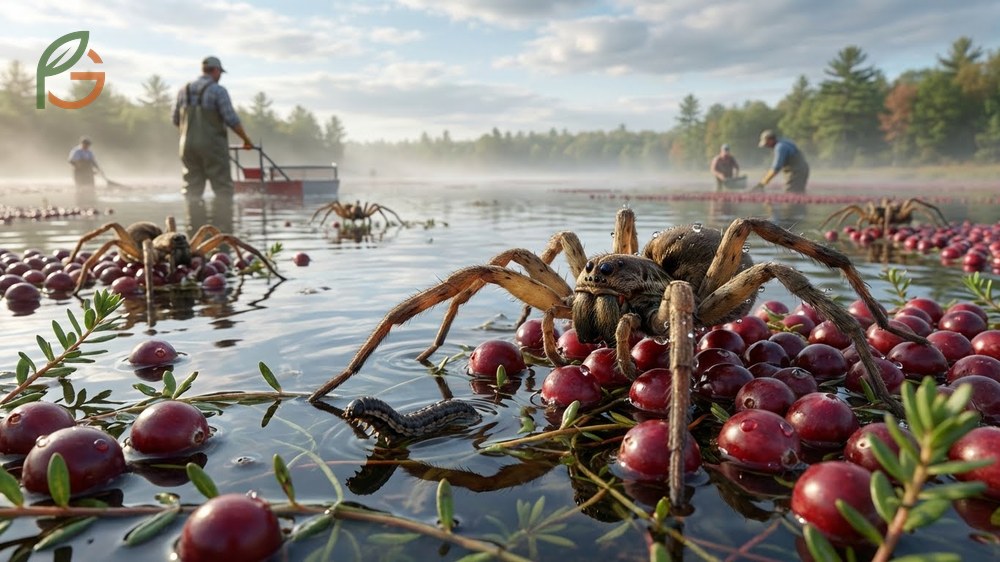
Wolf spiders serve as natural pest control in cranberry bogs, consuming cutworms, fruit worms, and weevils that would otherwise damage crops[4]. These brown hunting spiders don’t build webs—instead, they actively chase down prey across bog surfaces. They’re not dangerous to humans despite their intimidating appearance, though many people find the sight unsettling when thousands swarm during wet harvest.
Evidence suggests cranberry farmers consider wolf spiders so valuable that job interviews often include questions about spider tolerance. Workers wading into flooded bogs become the tallest objects in the water, so desperate spiders climb onto people to escape drowning. This creates dramatic videos that circulate online showing hundreds of spiders covering workers’ waders and arms.
Wolf Spider Behavior
Wolf spiders prefer hiding under rocks and logs between hunting sessions, emerging primarily at night to patrol for prey. They have eight eyes arranged in three distinct rows, with the bottom row featuring four small eyes, a middle row with two large forward-facing eyes, and a top row with two medium eyes. This eye configuration provides nearly 360-degree vision for tracking fast-moving insects.
When bogs flood for harvest, wolf spiders can swim if necessary, but they prefer staying dry by climbing onto floating cranberries or any available surface—including human waders. What often surprises visitors is how quickly spiders cover the floating berry carpet; within minutes of flooding, you’ll see hundreds dotting the red surface as they seek refuge.
Natural Pest Control
Current agricultural guidance emphasizes wolf spiders as beneficial organisms that reduce chemical pesticide needs in cranberry production. A single spider consumes dozens of harmful insects weekly during the growing season. The most problematic pests they target include cranberry fruitworms (which bore into berries), black vine weevils (which damage roots), and various moth larvae.
Farmers sometimes introduce additional wolf spiders to bogs that show low natural populations, though this practice remains less common than simply protecting existing spider habitat. The key is maintaining the bog ecosystem with minimal disturbance during off-season months when spiders shelter in surrounding vegetation.
- Consume crop-damaging insects including fruitworms and weevils
- Reduce need for chemical pesticides in organic and conventional bogs
- Active hunters that patrol bogs nightly during growing season
- Harmless to humans despite intimidating appearance
- Can swim when bogs flood but prefer staying on floating surfaces
- Help maintain ecological balance in wetland bog systems
Visitor Warning: If you rent waders to walk into flooded bogs during harvest, expect wolf spiders to climb onto you. They’re seeking dry surfaces, not attacking. Most tour operators warn about this beforehand so visitors can decide their comfort level.
How to Plant Cranberry
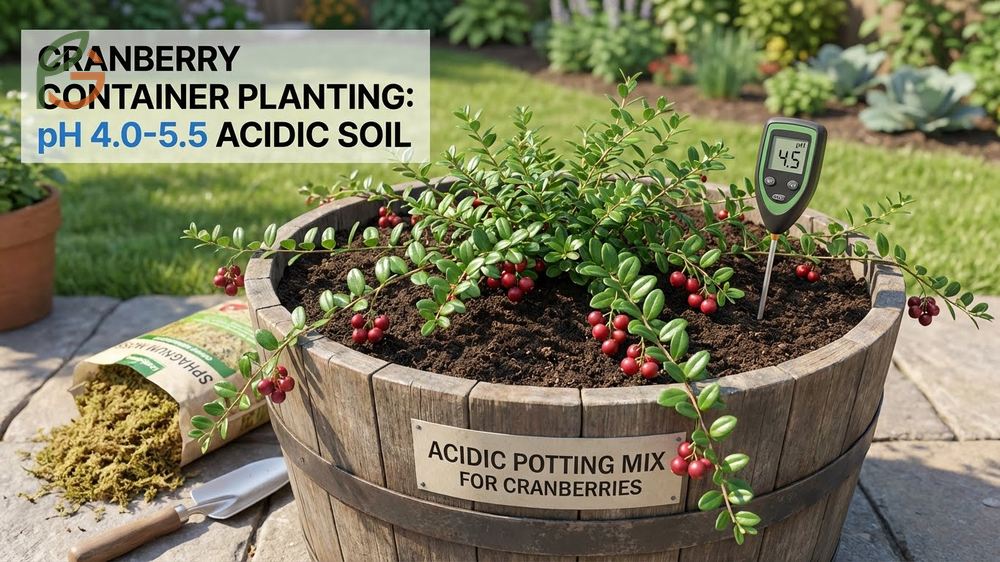
Research shows cranberries require highly acidic soil with pH levels between 4.0 and 5.5 to thrive[7]. Home gardeners struggle most with maintaining these acidic conditions since typical garden soil ranges from 6.0 to 7.0 pH. Planting in containers with specialized acidic potting mix often succeeds better than in-ground beds for small-scale growing.
Cranberries grow as low spreading vines rather than upright bushes, reaching only 8-10 inches tall but spreading 2-3 feet wide per plant[8]. Most people don’t realize cranberries need full sun and consistent moisture but not waterlogged conditions except during harvest. It takes 3 years to produce a full crop from new plantings.
Soil Requirements
Testing your soil pH before planting saves time and frustration—use a reliable pH testing kit from garden centers or extension offices. If your soil tests above 5.5, you’ll need to amend it heavily with sulfur, peat moss, or pine needles to lower pH gradually. Adding these amendments can take 6-12 months to achieve target acidity levels, so plan accordingly.
Drainage matters just as much as acidity. Mix sand into clay-heavy soils to mimic the natural sandy bog environment. Cranberries have shallow root systems concentrated in the top 6 inches, so surface drainage prevents root rot. Organic matter like compost helps, but avoid heavy nitrogen fertilizers that cranberries can’t process well.
Planting Instructions
Start cranberry seeds indoors any time of year, but they require cold stratification before germinating—soak seeds for 1-3 days, then mix with moist soil in a plastic bag and refrigerate for 90 days. After stratification, sow 2-3 seeds per small pot at 1/4-inch depth in acidic potting mix. Keep soil moist and warm at 70°F (21°C) or above; germination occurs within 2-4 weeks under proper conditions.
Transplant seedlings outdoors in spring or fall after frost danger passes. Space plants 2-3 feet apart since they spread horizontally through runners. Don’t plant deeper than the original pot depth—the crown should sit right at soil level with roots just beneath the surface. Water thoroughly after planting with a weak fertilizer solution to help establish roots.
This table compares optimal and problematic soil pH ranges with amendments needed for cranberry cultivation
| Factor | Optimal Range | Amendment If Needed | Application Rate |
|---|---|---|---|
| Soil pH | 4.0-5.5[7] | Sulfur, peat moss, pine needles | 1-2 lbs sulfur per 100 sq ft |
| Sunlight | Full sun (6+ hours)[8] | Clear shade sources | N/A |
| Spacing | 2-3 feet apart[8] | N/A | N/A |
| Plant Height | 8-10 inches[8] | N/A | N/A |
| Time to Production | 3 years for full crop | N/A | N/A |
- Test soil pH and amend to 4.0-5.5 range using sulfur or peat moss
- Choose a sunny location with good drainage and space for spreading vines
- Stratify seeds in refrigerator for 90 days before planting
- Start seeds indoors in acidic potting mix at 70°F (21°C)
- Transplant seedlings outdoors spacing 2-3 feet apart in spring or fall
- Plant at same depth as pot with crown at soil surface level
- Water consistently to keep soil moist but not waterlogged
- Expect first full harvest in year three after establishment
Ocean Spray Cranberry Bog
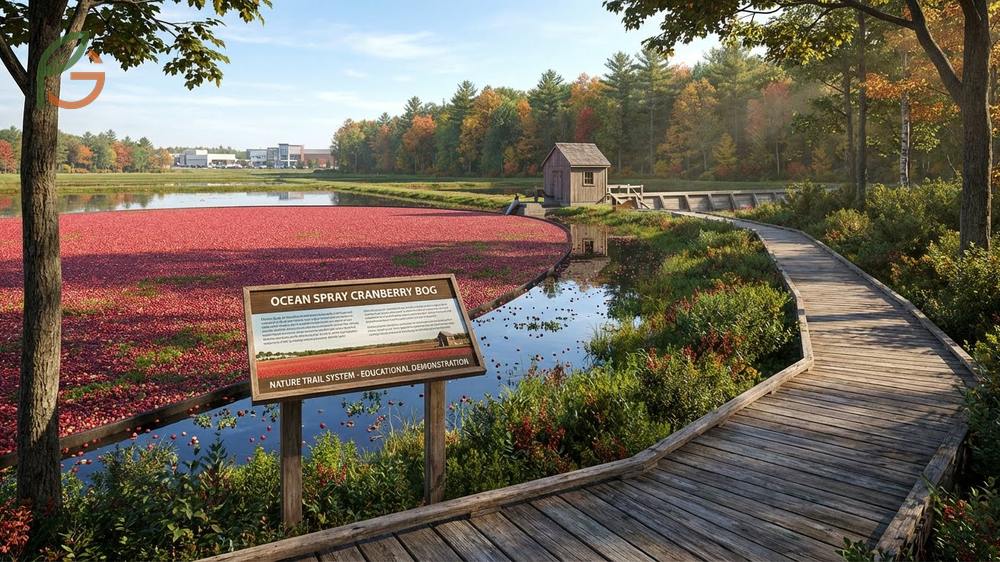
The Ocean Spray Cranberry Bog at Patriot Place in Foxborough features the last remaining active bog in the town, originally planted in 1929[9]. This 7-acre demonstration bog operates within a 16-acre nature trail system that’s free to visit from dawn to dusk, seven days a week. Unlike Cape Cod tour bogs, this location focuses on education rather than commercial production.
The self-guided trail includes interpretive signage explaining cranberry life cycles, wetland ecosystems, and historical cultivation methods. You won’t see active harvesting here since it’s primarily maintained as a living exhibit, but the bog provides excellent photo opportunities year-round. Spring visitors can see the bog’s irrigation system, summer shows blooming pink flowers, and fall displays ripening red berries on the vines.
This location works well for families with young children since the flat half-mile trail requires minimal walking endurance. The Nature Trail and Ocean Spray Cranberry Bog demonstrates how cranberry wetland systems include reservoirs, ditches, sand sources, and the production bogs themselves—a complexity most people don’t realize exists beyond just the flooded harvest scenes.
Cranberry Festivals
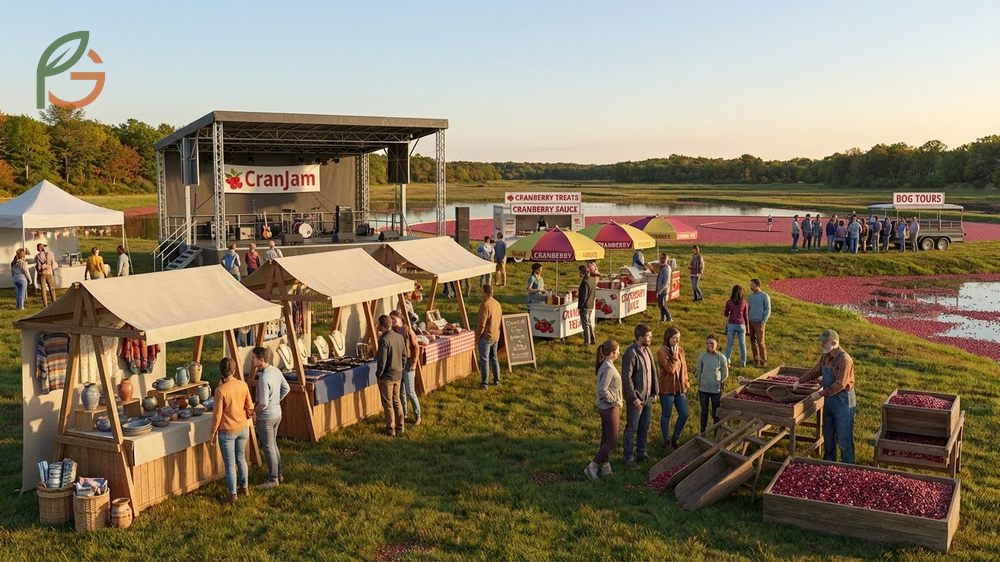
The Harwich Cranberry Festival takes place every September on Cape Cod, featuring craft fairs, live music at the CranJam stage, and food vendors serving cranberry-themed treats[2]. Farmers demonstrate traditional harvesting equipment and showcase their crops during the festival weekend. This timing coincides with early harvest season, so attendees can often book bog tours immediately before or after festival activities.
Wisconsin hosts even larger cranberry festivals since the state produces 60% of America’s cranberry crop[3]. The Warrens Cranberry Festival in central Wisconsin attracts over 100,000 visitors annually during the last full weekend of September. Events include marsh tours, cranberry recipe contests, arts and crafts, and the crowning of the Cranberry Festival Queen.
What makes these festivals valuable beyond entertainment is the direct farmer access—growers answer questions about cultivation challenges, climate impacts, and future industry trends. You can purchase fresh cranberries, cranberry wine, cranberry salsa, and countless other local products that rarely appear in standard grocery stores. The combination of education and agritourism supports regional farming economies while preserving cultural traditions.
Conclusion
The evidence is clear: cranberry bog tours Cape Cod offer unmatched hands-on agricultural experiences from late September through November, with October providing peak harvest activity and dramatic flooded bog landscapes. Tours cost $20 per person at most locations, delivering educational value through direct grower interaction and equipment demonstrations. Current guidance emphasizes booking 24-48 hours in advance since harvest schedules depend on weather conditions and berry ripeness.
Agricultural data from USDA confirms cranberry production trends remain stable at around 8 million barrels annually, supporting the continuation of tour operations and festival traditions. FruitGarden tracks seasonal timing and visitor recommendations to help you maximize your cranberry country experience.
Frequently Asked Questions
How much do cranberry bog tours cost on Cape Cod?
Most Cape Cod cranberry bog tours charge $20 per person for guided walking tours lasting 60-90 minutes. Larger groups and bus tours can negotiate rates by calling operators in advance. Some locations offer wader rentals for an additional fee if you want to walk into flooded bogs during wet harvest.
When is the best time to see cranberry harvest on Cape Cod?
Late September through early November offers the best cranberry harvest viewing, with peak activity concentrated in October. Early September tours may show dry harvesting methods, while October features dramatic wet harvest when bogs flood and turn bright red. Book tours at least 24 hours in advance since harvest schedules depend on weather.
Are wolf spiders dangerous during cranberry bog tours?
Wolf spiders aren’t dangerous to humans despite their intimidating appearance when hundreds climb onto waders during wet harvest. These beneficial spiders control crop-damaging pests like fruitworms and weevils naturally. They climb on people seeking dry surfaces when bogs flood, not to attack—most tour operators warn visitors beforehand.
Can you grow cranberries in a home garden?
Yes, but cranberries require highly acidic soil with pH between 4.0-5.5, full sun, and consistent moisture. Container growing often works better than in-ground beds for home gardeners since pH control is easier. Plants take 3 years to produce full crops and spread as low vines 8-10 inches tall rather than upright bushes.
What’s the difference between wet and dry cranberry harvesting?
Wet harvesting floods bogs and uses water reels to knock berries off vines—95% of cranberries undergo this method for juice and sauce production. Dry harvesting uses mechanical pickers with gentle rotating tines for fresh whole berries sold in stores. Dry harvest berries command 40-60% higher prices but require more careful handling.
Where is the Ocean Spray cranberry bog located?
The Ocean Spray Cranberry Bog sits at Patriot Place in Foxborough, Massachusetts, featuring 7 acres of functioning bogs originally planted in 1929. The site offers free self-guided nature trail access from dawn to dusk daily. Unlike commercial Cape Cod bogs, this location focuses on education with interpretive signage rather than active harvesting.
What should I bring on a cranberry bog tour?
Bring waterproof boots or old sneakers, a camera with zoom lens, light jacket (bogs stay 5-10 degrees cooler), binoculars for wildlife viewing, sunscreen, and cash for purchasing fresh cranberries. Tours involve walking on uneven terrain, so comfortable shoes are essential. Some operators offer wader rentals if you want to enter flooded bogs.