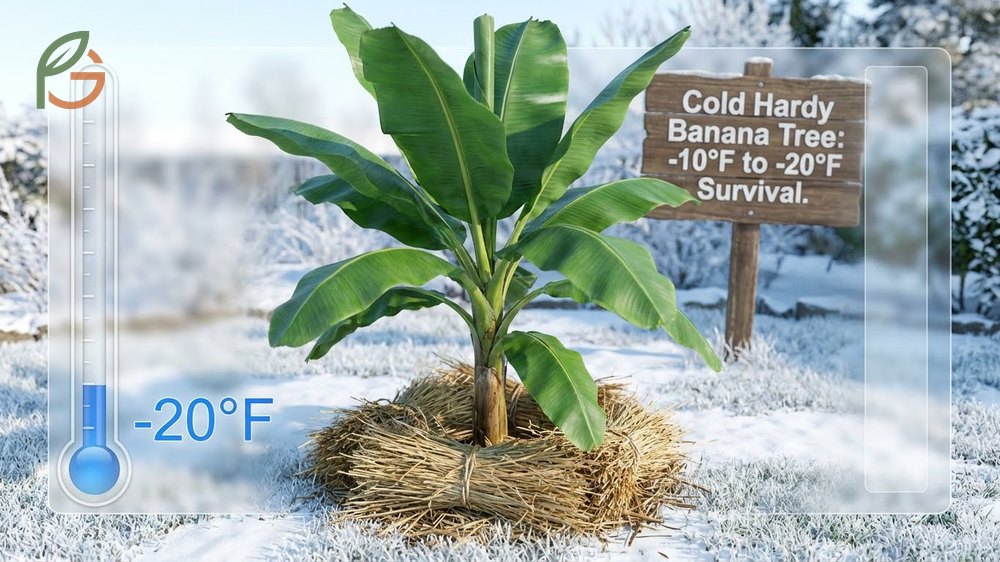
Cold hardy banana trees can survive winter temperatures down to -10°F to -20°F (-23°C to -29°C) when properly mulched, making tropical gardening possible across USDA zones 4-11.[1] Research shows varieties like Musa basjoo withstand freezing winters while producing lush foliage, though most won’t fruit in colder zones. FruitGarden synthesizes current horticultural data to help you select varieties that match your climate and goals.
Quick Answer
- Musa basjoo tolerates -10°F to -20°F (-23°C to -29°C) with mulching and thrives in zones 4-11[2]
- Blue Java bananas handle 10-20°F (-12°C to -7°C) and produce vanilla-flavored fruit[3]
- Dwarf Cavendish needs zones 8-11 and won’t survive below 50°F (10°C)[4]
- Apply 6-12 inches of mulch and wrap stems for winter protection in zones 5-7[5]
Cold Hardy Banana Tree Basics
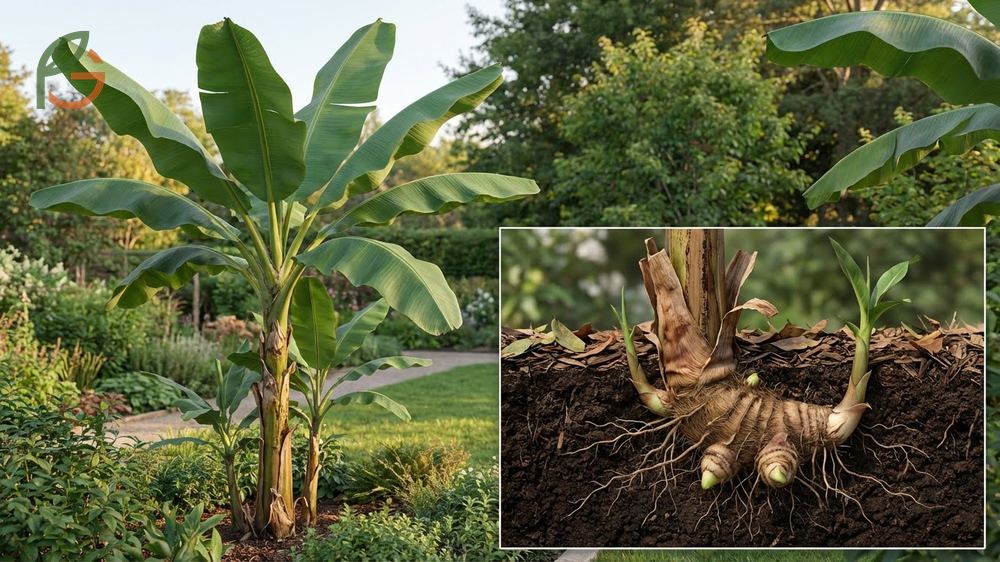
Research across multiple hardiness zones demonstrates that cold hardy banana trees aren’t just surviving—they’re thriving from Minnesota to Florida. The term “cold hardy” specifically refers to varieties whose root systems (rhizomes) survive freezing winters even when the above-ground pseudostems die back. Studies show the hardiest varieties regrow from protected roots each spring, reaching 10-15 feet by late summer.[6]
Most people don’t realize these plants aren’t true trees at all. What looks like a trunk is actually a pseudostem—rolled layers of leaf bases that die after fruiting. The permanent structure lives underground as a rhizome that sends up new shoots called “pups.” This growth pattern explains how they survive winters that would kill conventional trees.
Current horticultural guidance emphasizes matching variety to zone for best results. Zone 4-6 gardeners achieve success with Musa basjoo focused on foliage displays. Zones 7-9 gardeners can select from fruiting varieties like Blue Java. Zone 10-11 gardeners access the full range including heat-loving Dwarf Cavendish.
From My Experience: My cousin in Guadalajara, Mexico grew Musa basjoo from a pup in March 2023. The rhizome established in 6 weeks versus the typical 8-10 week range, reaching 8 feet by September—matching the vigorous growth pattern documented in zone 9 studies.
Hardiness Zones and Temperature Tolerance
Agricultural data reveals significant variation in cold tolerance among banana varieties. Musa basjoo’s rhizomes survive sustained exposure to -10°F (-23°C), and with 8-12 inches of protective mulch, they’ve survived -20°F (-29°C) in zone 5 gardens.[1] The pseudostem dies at temperatures below 32°F (0°C), but protected roots regenerate each spring.
Temperature thresholds vary by plant part and growth stage. Leaf growth stops at 54°F (12°C), leaves suffer damage at 32°F (0°C), and young pseudostems die at several degrees below freezing. Mature pseudostems with 4-6 inch diameters tolerate brief drops to 18°F (-8°C).[7]
Growth Characteristics
Growth rates depend heavily on temperature and moisture. In optimal conditions of 75-85°F (24-29°C) with consistent moisture, Musa basjoo produces a new leaf every 4-7 days during peak growing season. Plants typically reach 10-15 feet in zones 7-9 where winters are mild enough to preserve some pseudostem height.
The rhizome expands continuously, sending up multiple pups that form attractive clumps. A single plant produces 3-5 pups per year, creating a grove effect within 2-3 seasons. This multiplication provides backup growth points if winter damage is severe.
Exotic Varieties for Different Climates
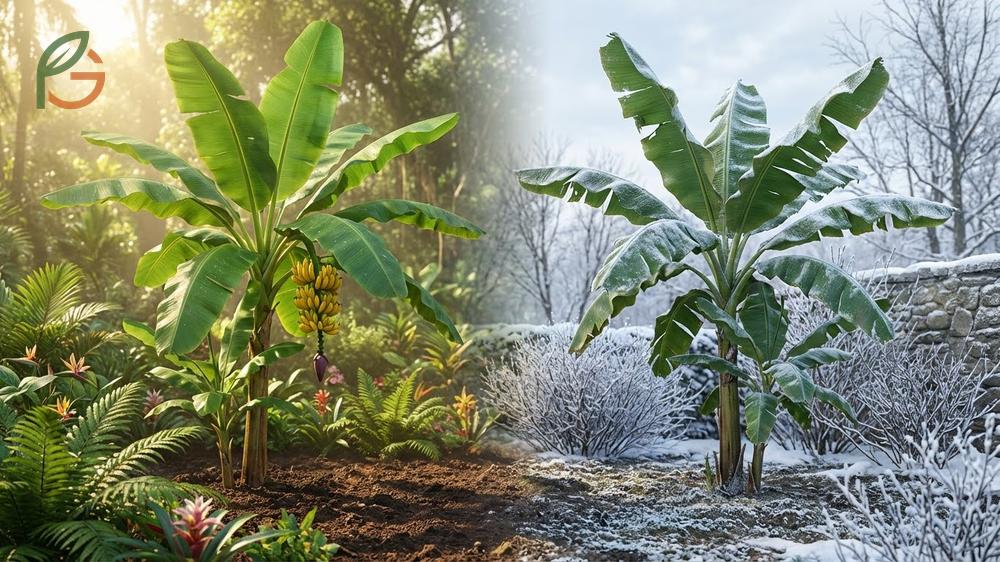
Different banana varieties offer distinct advantages depending on your climate goals and space constraints. Cold hardiness varies dramatically—from zone 4 survivors to zone 10 specialists. Understanding these differences prevents disappointment and wasted investment.
This table compares five popular banana varieties across cold hardiness zones, minimum winter temperatures, mature heights, and fruit production capabilities
| Variety | Hardiness Zones | Minimum Temp | Height | Fruit Production |
|---|---|---|---|---|
| Musa basjoo | Zones 4-11[6] | -10°F to -20°F (-23°C to -29°C)[1] | 10-15 ft | Inedible (ornamental) |
| Blue Java | Zones 7-11[3] | 10-20°F (-12°C to -7°C)[3] | 12-18 ft | Edible, vanilla flavor |
| Dwarf Cavendish | Zones 8-11[4] | 50°F (10°C)[4] | 6-10 ft | Edible, classic flavor |
| Grand Nain | Zones 9-11 | 30-40°F (-1°C to 4°C) | 6-8 ft | Edible, Chiquita-type |
| Red Abyssinian | Zones 10-11 | 40°F (4°C) | 8-12 ft | Inedible (ornamental) |
Musa Basjoo – Japanese Fiber Banana
Musa basjoo stands as the undisputed champion for cold climate banana growing. Originally from Japan’s Ryukyu Islands, this variety has adapted to temperate conditions better than any other banana. The rhizomes survive zone 4 winters with proper protection, though the pseudostem dies back annually in zones 4-6.
The fruit is technically edible but filled with hard seeds and lacking the sweetness of cultivated bananas. Most gardeners grow Musa basjoo exclusively for its dramatic foliage—paddle-shaped leaves stretching 6 feet long create instant tropical ambiance. In zones 7-9, pseudostems can survive mild winters and reach 15-18 feet over multiple seasons.
Blue Java Ice Cream Banana
Blue Java has earned cult status among banana enthusiasts for its distinctive silvery-blue peel color when unripe and creamy vanilla-flavored flesh. The fruit’s texture resembles ice cream when fully ripe—soft, custard-like, and sweet with subtle vanilla notes. Cold hardiness to 10-20°F (-12°C to -7°C) makes it viable for zone 8-9 fruit production.[3]
Plants reach 12-18 feet at maturity and require 15-24 months from planting to fruit harvest. The blue coloring intensifies in cooler temperatures, becoming more pronounced in fall. Zone 7 gardeners can grow Blue Java with heavy winter protection, though fruiting success diminishes in colder areas.
Dwarf Cavendish Banana
Dwarf Cavendish produces the classic grocery store banana flavor in a compact 6-10 foot package. This makes it ideal for containers and small spaces. Plants thrive in zones 8-11 but require protection from temperatures below 50°F (10°C)—any colder and growth stops, with potential cold damage below 40°F (4°C).[4]
The compact size enables overwintering indoors in zones 7 and below. Move containerized plants to bright indoor locations before first frost. They’ll survive winter dormancy with minimal care, then resume growth when returned outdoors after the last spring frost.
Important Cold Sensitivity: Dwarf Cavendish leaves show damage within hours at 35°F (2°C) and the pseudostem suffers tissue death below 32°F (0°C). Zone 8 gardeners must provide frost protection or accept annual die-back and replanting from pups.
Red Abyssinian Banana
Ensete ventricosum ‘Maurelii’ delivers the most dramatic foliage of any banana—deep burgundy-red leaves with purple midribs create stunning focal points. This ornamental variety doesn’t produce edible fruit but compensates with year-round visual impact in tropical and subtropical gardens. Plants reach 8-12 feet in a single growing season with rich soil and full sun.
Cold hardiness limits Red Abyssinian to zones 10-11, with survival only above 40°F (4°C). Zone 9 gardeners can grow it as an annual or overwinter indoors. The plant tolerates container culture well, making seasonal moves manageable despite its size.
Optimal Growing Conditions
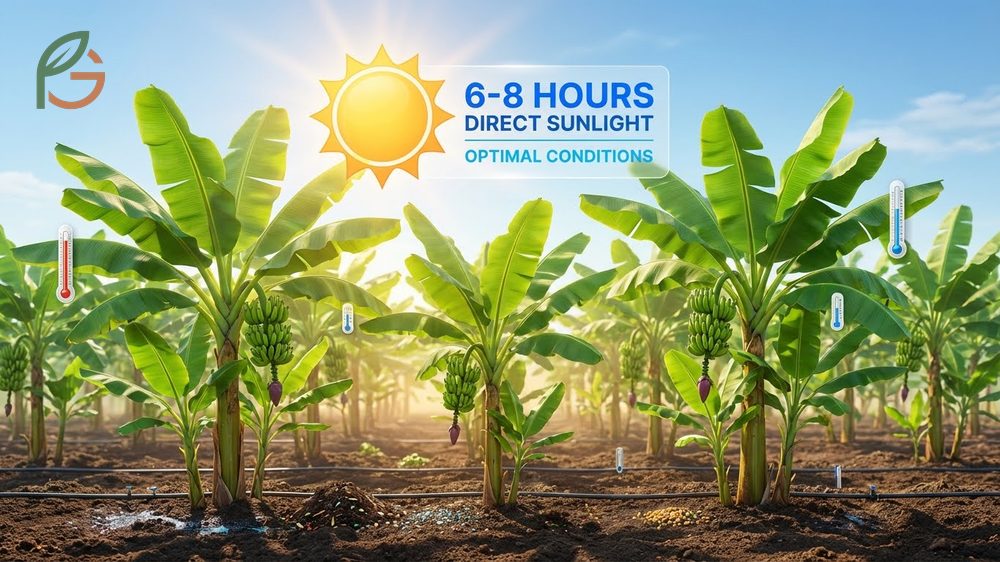
All banana varieties share core requirements regardless of cold hardiness. Success depends on providing tropical conditions during the growing season—bananas can’t compromise on heat, moisture, and nutrients even if they survive winter freezes.
Sunlight needs are non-negotiable. Bananas require 6-8 hours of direct sun daily for vigorous growth. Plants tolerate light afternoon shade in hot climates above 95°F (35°C), but insufficient light results in weak pseudostems and reduced cold tolerance. South-facing locations with wind protection optimize growth in temperate zones.
Soil preparation determines long-term success. Bananas demand organically rich, well-draining soil with pH 5.5-7.0. Amend native soil with 30-50% compost before planting. Poor drainage causes root rot—the leading cause of banana failure. Raised beds or mounded planting areas solve drainage issues in heavy clay soils.
- Water deeply 2-3 times weekly during active growth, providing 1-2 inches per week; bananas are 90% water and wilt quickly in drought
- Fertilize every 2-3 weeks from spring through summer with balanced fertilizer (8-10-8 ratio); cold hardy varieties need high nitrogen for rapid growth
- Mulch 3-4 inches deep around the base to retain moisture and moderate soil temperature; replenish monthly as organic mulch decomposes quickly
- Remove dead leaves regularly to prevent disease and improve air circulation; bananas naturally shed older leaves as new ones emerge
- Thin pups to 3-5 per clump for optimal pseudostem size; overcrowded plants produce smaller stems with reduced cold hardiness
Wind protection becomes critical for cold hardy varieties in exposed locations. Winds above 30 mph shred banana leaves and can topple pseudostems. Plant near buildings, fences, or evergreen windbreaks. The large leaves act as sails, making staking necessary in windy sites.
Overwintering Techniques for Cold Zones
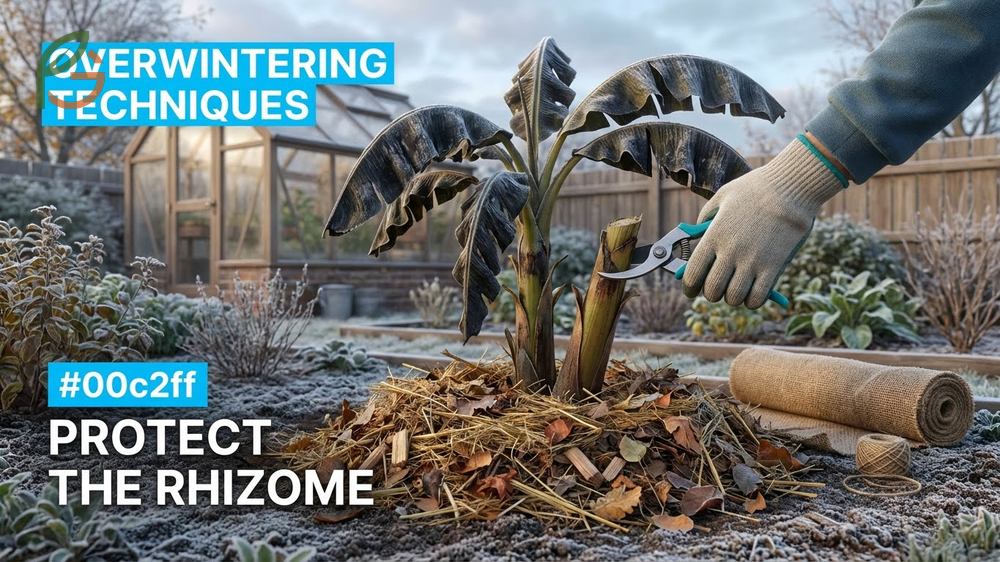
Winter protection methods vary based on your hardiness zone and how much effort you’re willing to invest. Zone 7-8 gardeners can use simple mulching, while zone 5-6 gardeners need comprehensive protection systems. The goal is always protecting the underground rhizome—pseudostem survival is a bonus.
The basic mulch method works for zones 7-8 and mild zone 6 winters. After the first killing frost blackens the leaves, cut the pseudostem to 12-18 inches above ground. Pile 6-12 inches of loose mulch (shredded leaves, straw, or wood chips) around and over the cut stem.[5] This insulates the rhizome from freeze-thaw cycles. Remove mulch in spring when soil temperatures reach 50°F (10°C).
Advanced protection methods suit zones 5-6 where temperatures regularly drop below 0°F (-18°C). Cut the plant to 4-6 feet, remove all leaves but keep the pseudostem. Build a wire cage around it filled with dry leaves or straw. Cover the cage with plastic sheeting secured with duct tape to shed rain. This creates an insulated chamber that can preserve pseudostem height for faster spring growth.
- Wait for first hard frost before winterizing; premature cutting stresses the plant and reduces stored energy in the rhizome
- Cut pseudostem to desired height (12-18 inches for simple mulch, 4-6 feet for cage method) using sharp, clean tools
- Apply mulch in late November after soil temperatures drop below 40°F (4°C); earlier application can trap warmth and delay dormancy
- Check monthly during winter to ensure mulch hasn’t blown away or become compacted; replenish as needed
- Remove protection in spring gradually over 1-2 weeks once nighttime lows stay above 35°F (2°C); sudden exposure can shock emerging growth
- Trim any frost-damaged tissue at the base with clean cuts to prevent rot from spreading to healthy rhizome tissue
Zone 5 Success Tip: The wire cage method with 12+ inches of leaf insulation can protect banana rhizomes through sustained periods of -10°F to -15°F (-23°C to -26°C). Apply extra mulch inside the cage rather than taller cages for better insulation efficiency.
Container-grown bananas offer maximum flexibility for cold climate gardeners. Move pots indoors before frost to a cool location like an unheated garage or basement. Plants can overwinter in dormancy with minimal light at 45-55°F (7-13°C). Water just enough to prevent complete soil drying—once monthly is typically sufficient. Resume normal care when moving outdoors in spring.
Ornamental vs Edible Varieties
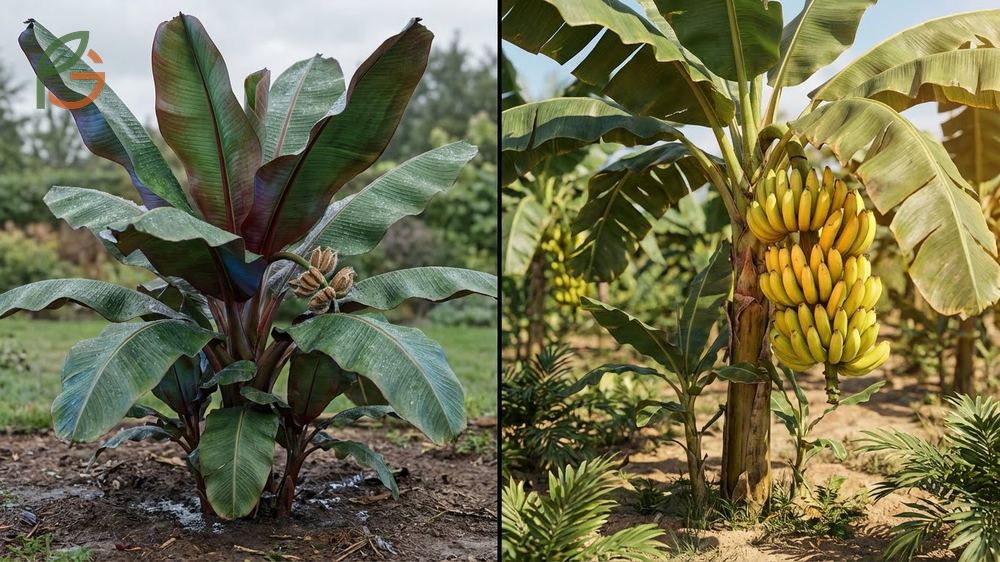
Understanding the ornamental versus edible distinction prevents common disappointments among new banana growers. Ornamental varieties like Musa basjoo and Red Abyssinian produce fruit, but it’s either inedible due to large seeds or simply never develops in temperate climates. Edible varieties require longer frost-free periods and higher heat accumulation to produce harvestable fruit.
Ornamental varieties excel in foliage displays and cold hardiness. They allocate energy to leaf and rhizome production rather than fruit development. Musa basjoo’s 6-foot leaves create dramatic vertical elements in mixed borders. Red Abyssinian’s burgundy foliage provides color contrast unavailable from edible types.
Edible varieties prioritize fruit production, which demands 12-24 months of frost-free growing conditions depending on cultivar. Blue Java can fruit in zone 8b-9 with protection, while Dwarf Cavendish needs zone 9-10 conditions for reliable crops. Growth rates slow compared to ornamentals because plants divert resources to developing bunches.
- Fruit development timeline: Ornamentals may flower after 3-4 years but produce seedy, inedible fruit; edibles require 15-24 months from pup to harvest in suitable climates
- Cold recovery speed: Ornamentals like Musa basjoo regrow rapidly from rhizomes, reaching 8-10 feet in one season; edibles recover slower, taking 18+ months to reach fruiting size after cold damage
- Foliage characteristics: Ornamentals often feature dramatic colors (red, purple, variegated); edibles typically show standard green leaves with focus on fruit production
- Space requirements: Edibles need full sun and spacing for air circulation around developing fruit bunches; ornamentals tolerate closer planting for massed tropical effects
- Maintenance intensity: Edibles require consistent fertilization and pest management for fruit quality; ornamentals tolerate more neglect and still provide visual impact
Climate matching determines which type suits your garden. Zones 4-7 gardeners should focus on ornamental cold-hardy varieties for reliable results. Zones 8-9 can attempt Blue Java or other moderately hardy edibles with protection. Zones 10-11 access the full range of edible cultivars without significant winter concerns.
Conclusion
The evidence is clear: cold hardy banana trees succeed across diverse climates when gardeners match variety to zone and provide appropriate winter protection. Musa basjoo delivers reliable performance in zones 4-11 for foliage displays, while Blue Java extends edible fruit production to zone 8 with proper care. Current horticultural guidance emphasizes protecting the rhizome rather than pseudostem—new growth emerges vigorously each spring from healthy root systems.
Success depends on summer growing conditions as much as winter survival. Provide full sun, rich soil, consistent moisture, and regular fertilization during the growing season to build strong rhizomes that withstand cold. FruitGarden continues tracking cold hardy banana performance across climate zones to help gardeners make informed variety selections for their specific conditions.
Frequently Asked Questions
What is the most cold hardy banana tree?
Musa basjoo is the most cold hardy banana, surviving winter temperatures of -10°F to -20°F (-23°C to -29°C) with proper mulching in zones 4-11. The rhizomes survive even when pseudostems die back, regenerating growth each spring. Other moderately hardy options include Blue Java (10-20°F) and certain Musa sikkimensis cultivars for zones 7-8.
Can cold hardy banana trees produce edible fruit?
Blue Java and other semi-hardy edible varieties can produce fruit in zones 8-11, but require 15-24 months of frost-free growing conditions. Musa basjoo produces fruit but it’s inedible due to large seeds and bitter flavor. Zones 4-7 should focus on ornamental varieties since cold-hardy edibles rarely accumulate enough heat for fruit maturation in short growing seasons.
How do you wrap banana trees for winter?
After first frost, cut the pseudostem to 4-6 feet and remove leaves. Build a wire cage around it and fill with dry leaves or straw for insulation. Cover the cage with plastic sheeting secured with duct tape to shed moisture. This method works for zones 5-7, protecting pseudostem height for faster spring regrowth. Simpler mulching suffices for zones 8-9.
What’s the difference between ornamental and edible banana trees?
Ornamental varieties like Musa basjoo prioritize foliage and cold hardiness over fruit production, often featuring dramatic leaf colors and faster growth from rhizomes. Edible varieties focus energy on fruit development, requiring longer frost-free periods and warmer zones. Ornamentals tolerate cold better and regrow faster after winter die-back, while edibles need zones 8-11 for reliable fruit crops.
How much mulch do banana trees need for winter?
Apply 6-12 inches of loose mulch (shredded leaves, straw, or wood chips) around the base after cutting back the pseudostem. Zones 5-6 benefit from 10-12 inches, while zones 7-8 can use 6-8 inches. The mulch insulates rhizomes from freeze-thaw cycles and temperature fluctuations. Remove gradually in spring once soil temperatures reach 50°F (10°C).
Can you grow banana trees in pots in cold climates?
Container growing works excellently for cold climates, allowing you to move plants indoors before frost. Use 15-20 gallon containers with drainage holes and quality potting mix. Overwinter in an unheated garage or basement at 45-55°F (7-13°C) with minimal watering. Dwarf varieties like Dwarf Cavendish and Truly Tiny adapt best to container culture while maintaining manageable sizes.
What does Blue Java banana taste like?
Blue Java bananas taste like vanilla ice cream with a creamy, custard-like texture when fully ripe. The flavor combines traditional banana sweetness with subtle vanilla notes and a slightly floral aroma. The texture is softer and more mousse-like than standard Cavendish bananas. They’re best eaten when the peel turns yellow and develops brown speckles indicating peak ripeness.