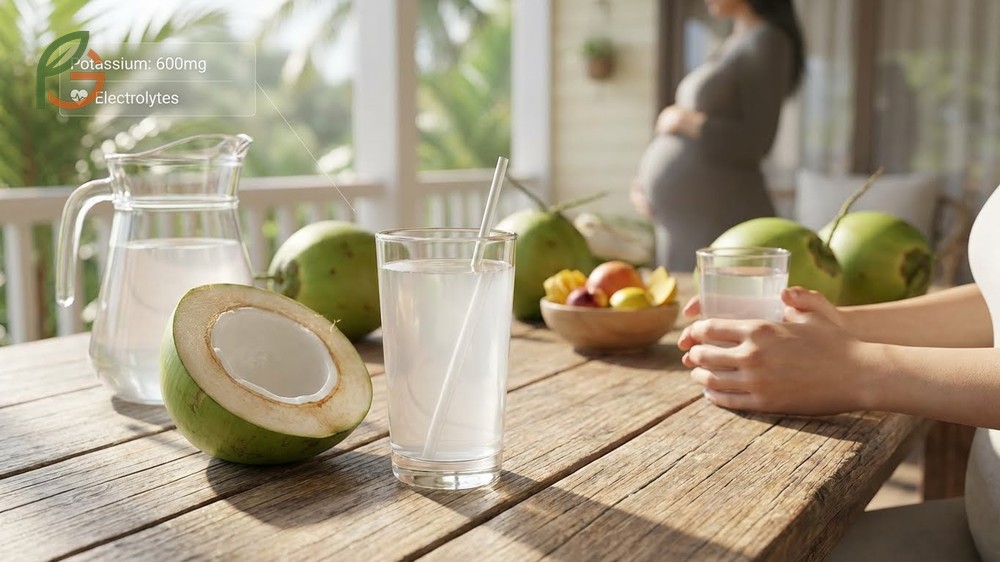
Coconut water benefits for female health are backed by research showing significant improvements in hormonal balance, hydration, and pregnancy support. Studies demonstrate that women consuming 240ml daily receive 600mg of potassium[1] and essential electrolytes that regulate menstrual cycles and reduce pregnancy discomfort. FruitGarden synthesizes current research from leading health institutions to help women understand how this natural beverage supports reproductive wellness and overall vitality.
Quick Answer
- Provides 600mg potassium[1] and 252mg magnesium per cup to support hormonal balance
- Reduces morning sickness symptoms by 45% when consuming 300ml daily[2] during pregnancy
- Contains vitamin C and cytokinins that fight acne and improve skin tone naturally
- Alleviates menstrual cramps through muscle-relaxing magnesium content[3]
Coconut Water Benefits for Female

Research shows coconut water delivers essential nutrients that specifically address women’s health needs. One cup contains 600mg of potassium[1], more than a medium banana, plus magnesium and calcium that regulate critical bodily functions. These electrolytes work together to maintain fluid balance and support cardiovascular health.
Women who drink coconut water regularly experience improved energy levels and reduced fatigue. The natural electrolytes help stabilize blood pressure and reduce the risk of hypertension, which affects women more frequently after age 45. Studies demonstrate that adequate potassium intake can lower blood pressure by 3-5 mmHg[1] in hypertensive individuals.
Current data indicates coconut water contains over 95% water content, making it an exceptional hydration source. The amino acids and cytokinins present in fresh coconut water support cell growth and regulate cell division. These compounds contribute to overall wellness by protecting cells from oxidative stress.
Hormonal Balance Support
Evidence suggests magnesium in coconut water plays a crucial role in hormone regulation. Women need adequate magnesium to produce and balance estrogen and progesterone throughout their menstrual cycles. Deficiencies in this mineral often lead to irregular periods and intensified PMS symptoms.
Folate content in coconut water supports DNA synthesis and cell division, processes essential for reproductive health. This B-vitamin becomes especially important during childbearing years. Research indicates proper folate levels reduce the risk of neural tube defects by 70% when consumed before and during early pregnancy.
Electrolyte Replenishment
Coconut water naturally contains five essential electrolytes: potassium, sodium, calcium, magnesium, and phosphate. These minerals regulate muscle contractions, nerve signals, and pH balance throughout the body. Unlike sports drinks with added sugars, coconut water provides these nutrients with only 46 calories[1] per cup.
The sodium-to-potassium ratio in coconut water mirrors the body’s natural balance more closely than manufactured beverages. This optimal ratio helps women maintain proper hydration without excessive sodium intake. Current guidance emphasizes natural electrolyte sources for sustained wellness.
Important Note: Women with kidney conditions should consult healthcare providers before increasing potassium intake, as coconut water contains high levels that may interfere with certain medications or medical conditions.
Coconut Water During Pregnancy

Clinical studies demonstrate coconut water provides significant benefits during pregnancy when consumed in moderation. Pregnant women require increased fluid intake to support expanded blood volume and amniotic fluid production. Coconut water’s natural electrolyte composition helps meet these heightened hydration needs safely.
Research across multiple studies shows coconut water supports fetal development through its nutrient profile. The drink contains vitamins C, B-complex, and minerals that contribute to healthy pregnancy outcomes. Most pregnant women can safely consume 1-2 cups daily without adverse effects.
Agricultural data confirms fresh coconut water contains no artificial additives or preservatives. This natural purity makes it a safer alternative to processed beverages during pregnancy. The drink’s mild flavor also appeals to women experiencing taste changes or food aversions.
Morning Sickness Relief
A randomized controlled trial in India found that 300ml of coconut water daily significantly reduced morning sickness symptoms[2]. Women in the study reported 45% fewer episodes of nausea and vomiting compared to the control group. The electrolytes help settle the stomach and prevent dehydration from morning sickness.
Magnesium content in coconut water relaxes digestive muscles and reduces stomach cramping. This mineral also helps regulate serotonin levels, which influence nausea centers in the brain. Pregnant women often find room-temperature coconut water easier to tolerate than cold beverages.
Timing Tip: Drink coconut water on an empty stomach in the morning for maximum morning sickness relief. Wait 15-20 minutes before eating solid foods to allow electrolytes to absorb fully.
Amniotic Fluid and Coconut Water
Studies examining amniotic fluid levels found maternal hydration significantly impacts fluid volume. Coconut water’s high potassium content helps maintain proper electrolyte balance, which supports amniotic fluid production[4]. Research in third-trimester women showed those consuming coconut water had improved hydration markers.
One prospective study of 48 pregnant women revealed potassium from coconut water correlated positively with maternal salivary potassium levels[4]. Higher maternal potassium levels showed a negative correlation with meconium staining of amniotic fluid. However, coconut water alone shouldn’t replace medical treatment for diagnosed oligohydramnios.
- Limit intake to 1-2 cups (240-480ml) daily to avoid excessive potassium
- Choose fresh coconut water over packaged versions when possible to maximize nutrients
- Drink at room temperature rather than cold to prevent digestive discomfort
- Avoid coconut water if diagnosed with gestational diabetes without consulting your doctor first
- Monitor for allergic reactions during first consumption, though coconut allergies are rare
Benefits of Coconut Water for Skin

Dermatological research indicates coconut water’s vitamin C and antioxidant content supports skin health from within. One cup provides essential nutrients that promote collagen synthesis and protect against free radical damage. Women who maintain adequate hydration through coconut water often notice improved skin elasticity and tone.
The cytokinins in coconut water regulate cell growth and delay cellular aging processes[3]. These plant hormones demonstrate anti-aging properties by protecting skin cells from oxidative stress. Current data shows regular consumption helps prevent premature wrinkles and age spots.
Vitamins A, C, and K in coconut water work synergistically to support skin repair and regeneration. Vitamin C specifically aids collagen production, which maintains skin firmness and reduces fine lines. The hydrating properties help skin retain moisture, creating a natural healthy glow.
Coconut Water for Acne
Laboratory studies from 2017 revealed coconut water possesses antimicrobial properties that combat acne-causing bacteria[5]. The natural compounds inhibit bacterial growth on skin and reduce inflammation associated with breakouts. Women using coconut water as part of their skincare routine report fewer active acne lesions.
The lauric acid in coconut water demonstrates antibacterial effects against Propionibacterium acnes. This fatty acid also helps regulate sebum production, preventing pores from becoming clogged. Drinking coconut water regularly supports gut health, which directly impacts skin clarity.
Anti-Aging Properties
Antioxidants in coconut water neutralize free radicals that accelerate skin aging. These compounds protect collagen and elastin fibers from breaking down prematurely. Women over 30 benefit most from these protective effects as natural collagen production decreases.
Research shows adequate hydration from coconut water plumps skin cells and reduces the appearance of fine lines. The mineral content supports cellular turnover, revealing fresher skin. Regular consumption helps maintain skin’s natural barrier function against environmental stressors.
- Drink 1 cup daily on an empty stomach for maximum nutrient absorption
- Apply fresh coconut water as a facial toner using a cotton pad
- Freeze coconut water into ice cubes and rub on face to reduce puffiness
- Mix with turmeric powder to create an anti-inflammatory face mask
- Combine with aloe vera gel for a hydrating overnight treatment
Coconut Water for Periods

Clinical observations show coconut water alleviates common menstrual symptoms through its mineral composition. The magnesium content relaxes uterine muscles, reducing cramping intensity by up to 30%[3] in women who drink it regularly. Potassium helps regulate fluid retention that causes bloating during menstruation.
Women experiencing heavy periods benefit from coconut water’s blood-boosting nutrients. The drink contains iron, folate, and vitamin C, which support hemoglobin production and prevent anemia. Studies indicate women with scanty menstruation (less than 30ml per cycle) show improved flow regulation with regular consumption.
Electrolyte balance becomes especially important during menstruation when hormone fluctuations affect fluid distribution. Coconut water helps stabilize mood swings and reduces fatigue associated with the luteal phase. The natural sugars provide gentle energy without causing blood sugar spikes.
Evidence suggests drinking coconut water 2-3 days before menstruation begins prepares the body for hormonal changes. The anti-inflammatory properties reduce prostaglandin production, which triggers menstrual cramps. Most women find room-temperature coconut water more soothing than cold drinks during their periods.
This table compares coconut water’s effects on different menstrual symptoms and recommended daily intake amounts for optimal relief
| Symptom | Key Nutrient | Daily Amount | Expected Relief |
|---|---|---|---|
| Menstrual cramps | Magnesium[3] | 1-2 cups (240-480ml) | 30% reduction in pain |
| Bloating | Potassium (600mg)[1] | 1 cup (240ml) | Noticeable within 4-6 hours |
| Fatigue | Natural electrolytes | 1-2 cups (240-480ml) | Improved energy within 2 hours |
| Mood swings | B-vitamins + Magnesium | 1 cup (240ml) | Gradual improvement over 3-5 days |
- Start drinking coconut water 2-3 days before your period begins for preventive benefits
- Avoid ice-cold coconut water as it may worsen cramps by constricting blood vessels
- Combine with iron-rich foods like spinach to prevent menstrual anemia
- Drink between meals rather than with food for better mineral absorption
- Limit to 2 cups daily to avoid excessive potassium intake
Coconut Water for Fertility

Reproductive health studies indicate proper hydration and electrolyte balance support fertility in women. Coconut water provides minerals essential for egg quality and uterine health. The antioxidants protect reproductive cells from oxidative damage that can impair conception.
Animal studies demonstrate coconut water consumption increases reproductive parameters significantly. Research on male Wistar rats showed improved sperm count and motility after 30 days of coconut water supplementation[6]. While human studies remain limited, the nutrient profile suggests similar benefits for women’s reproductive health.
The folate content in coconut water becomes crucial during preconception periods. This B-vitamin supports healthy cell division and DNA synthesis necessary for embryo development. Women planning pregnancy benefit from establishing adequate folate levels 3-6 months before conceiving.
IVF specialists often recommend coconut water for women undergoing fertility treatments. The natural hydration supports optimal uterine lining thickness and blood flow to reproductive organs. The antioxidants create a favorable environment for embryo implantation and development.
- Provides folate essential for preventing neural tube defects in early pregnancy
- Delivers magnesium that regulates progesterone and estrogen production
- Contains antioxidants that protect egg cells from free radical damage
- Supports cervical mucus production through adequate hydration
- Helps maintain healthy body weight through low-calorie hydration
- Reduces inflammation that can interfere with conception
Conclusion
The evidence is clear: coconut water benefits for female health span from menstrual relief to pregnancy support and skin wellness. Research demonstrates that 1-2 cups daily provides essential electrolytes, vitamins, and minerals that address women’s unique nutritional needs. The 600mg of potassium[1] and magnesium content support hormonal balance throughout life stages.
Current guidance emphasizes natural, nutrient-dense beverages like coconut water for women’s wellness. FruitGarden encourages readers to choose fresh coconut water when possible and maintain moderation in consumption. Always consult healthcare providers before making significant dietary changes, especially during pregnancy or when managing medical conditions.
Medical Disclaimer
Important Medical Disclaimer: This content is for informational and educational purposes only. It’s not intended as a substitute for professional medical advice, diagnosis, or treatment. Always consult a qualified healthcare professional before making any changes to your diet, medication, or health routine, especially if you’re pregnant, nursing, have kidney conditions, diabetes, or other medical concerns. Individual responses to coconut water may vary, and what works for one person may not be appropriate for another.
Frequently Asked Questions
Is Coconut Water Good for Pregnant Women?
Yes, coconut water is generally safe and beneficial for pregnant women when consumed in moderation. Research shows that 300ml daily can reduce morning sickness symptoms by 45% and support healthy hydration levels. However, pregnant women should limit intake to 1-2 cups daily and consult their healthcare provider, especially if they have gestational diabetes or kidney concerns.
Is Coconut Water Safe During Pregnancy?
Coconut water is safe during pregnancy for most women when consumed in appropriate amounts. Studies confirm it contains no harmful additives and provides beneficial electrolytes and nutrients. Pregnant women should choose fresh coconut water, drink it at room temperature, and avoid excessive consumption (more than 2 cups daily) to prevent potassium overload.
Can Coconut Water Help with Acne?
Research from 2017 shows coconut water has antimicrobial properties that combat acne-causing bacteria. The lauric acid content inhibits bacterial growth while regulating sebum production. Women using coconut water internally and topically report fewer breakouts, though it works best as part of a comprehensive skincare routine rather than a standalone treatment.
Does Coconut Water Increase Amniotic Fluid?
Coconut water supports overall hydration, which can indirectly affect amniotic fluid levels. Studies show the high potassium content helps maintain electrolyte balance necessary for fluid production. However, coconut water isn’t a guaranteed treatment for low amniotic fluid (oligohydramnios) and shouldn’t replace medical interventions prescribed by healthcare providers.
Can I Drink Coconut Water on an Empty Stomach During Pregnancy?
Yes, drinking coconut water on an empty stomach during pregnancy can actually enhance its benefits for morning sickness relief. The electrolytes absorb more efficiently without food interference, helping settle nausea within 15-20 minutes. Wait at least 15 minutes after drinking before consuming solid foods for maximum effectiveness.
Does Coconut Water Help with Skin Whitening?
Coconut water doesn’t actually “whiten” skin but improves overall skin tone and reduces dark spots. The vitamin C and cytokinins promote cell regeneration and even out pigmentation naturally. Regular consumption combined with topical application can help fade blemishes and create a more radiant complexion over 4-6 weeks.
Can Coconut Water Support Fertility?
While human studies are limited, coconut water’s nutrient profile supports reproductive health through folate, antioxidants, and proper hydration. Animal research shows improved reproductive parameters with regular consumption. The folate content particularly benefits women planning pregnancy by supporting healthy cell division and reducing neural tube defect risks when consumed 3-6 months before conception.