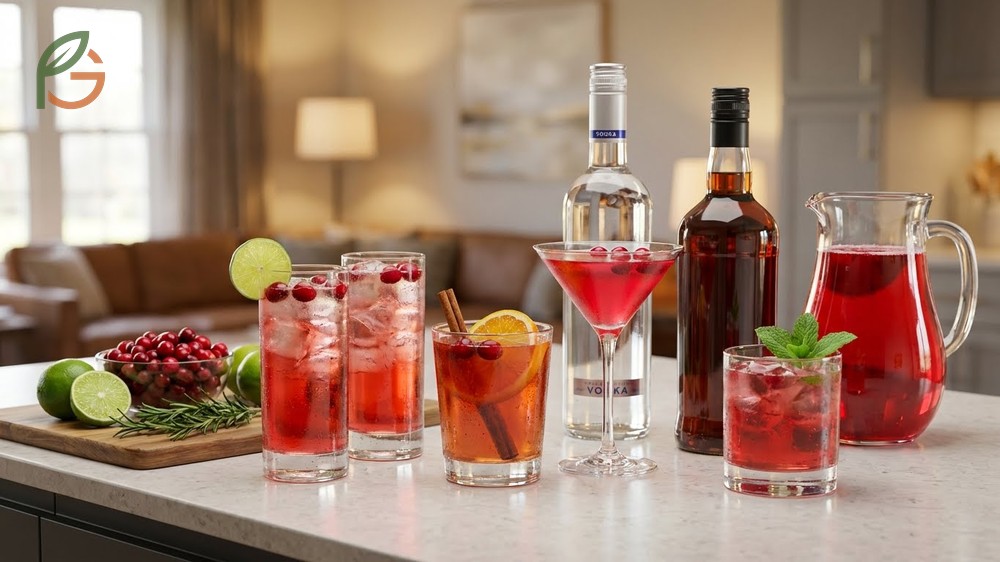
Cocktails with cranberry juice are among the most versatile drinks you can make at home. Research shows cranberry juice pairs exceptionally well with vodka, rum, tequila, and gin, creating everything from classic Cape Codders to festive holiday punches[1]. The natural tartness of cranberries, which contain just 116 calories per cup of unsweetened juice[2], balances sweet spirits perfectly. FruitGarden brings you expert recipes and tips for making restaurant-quality cranberry cocktails using fresh ingredients from your garden or local market.
Quick Answer
- Cranberry juice works with vodka, rum, tequila, gin, and whiskey for balanced cocktails[1]
- Classic vodka cranberry (Cape Codder) uses a 2:1 ratio of cranberry juice to vodka[3]
- Ocean Spray cranberry juice remains the top choice for balanced sweetness and tartness[4]
- Mocktails with Sprite and cranberry deliver refreshing alternatives with zero alcohol[5]
Cocktails with Cranberry Juice
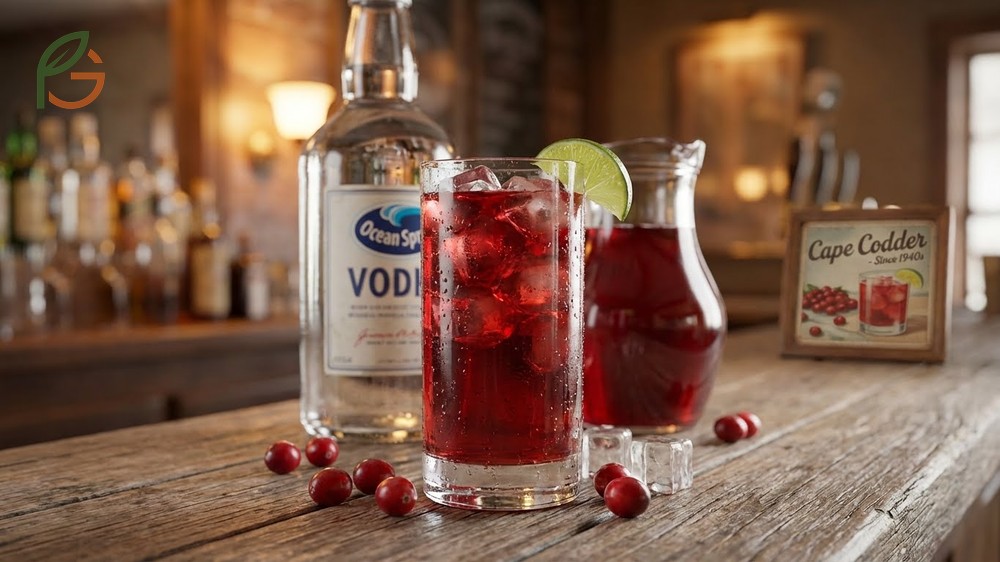
Cranberry juice cocktails gained mainstream popularity in the 1940s when Ocean Spray launched marketing campaigns promoting vodka-cranberry combinations[3]. The drink originally carried the name “Red Devil” before evolving into what bartenders now call the Cape Codder. Its simple two-ingredient formula makes it perfect for beginners and entertaining.
The versatility of cranberry juice comes from its balanced acidity and natural sweetness. Unlike citrus juices that can overpower spirits, cranberry complements without masking the base alcohol’s character. This works particularly well with neutral spirits like vodka and light rums.
Modern bartenders favor cranberry juice for both classic and contemporary cocktails. The Cosmopolitan revitalized cranberry’s reputation in upscale bars during the 1990s, while craft mixologists now incorporate cranberry into seasonal drinks and holiday punches. You’ll find cranberry pairs exceptionally well with herbs like rosemary and thyme.
Why Cranberry Juice Works in Cocktails
The chemistry behind cranberry’s success lies in its tartness. Unsweetened cranberry juice contains approximately 31g of natural sugars and 0.3g of fat per cup[2], creating a naturally balanced mixer that doesn’t require additional sweeteners in many recipes. The vitamin C content adds brightness to drinks.
Most professional bartenders recommend using 100% cranberry juice blends rather than cranberry cocktail for better control over sweetness. The concentrated flavor means you need less juice per drink, which prevents dilution. This approach works especially well for shaken cocktails where ice already adds water.
Choosing the Right Cranberry Juice
Ocean Spray consistently ranks as the top choice among bartenders and home mixologists for its balanced flavor profile that’s neither too sweet nor aggressively tart[4]. The brand’s 100% juice blend delivers reliable results across different cocktail styles. Store-bought alternatives like 365 by Whole Foods work well for cooking and mixed drinks.
For cocktails requiring intense cranberry flavor, pure unsweetened juice provides maximum control. You can adjust sweetness by adding simple syrup or agave to taste. Cocktail-style cranberry juice (which contains added sugar) works better for high-volume party drinks where consistency matters more than customization.
Pro Tip: Always taste your cranberry juice before mixing. Brands vary significantly in tartness and sugar content, which affects your cocktail ratios. Start with less juice than recipes suggest, then adjust upward.
Vodka Cranberry Recipe
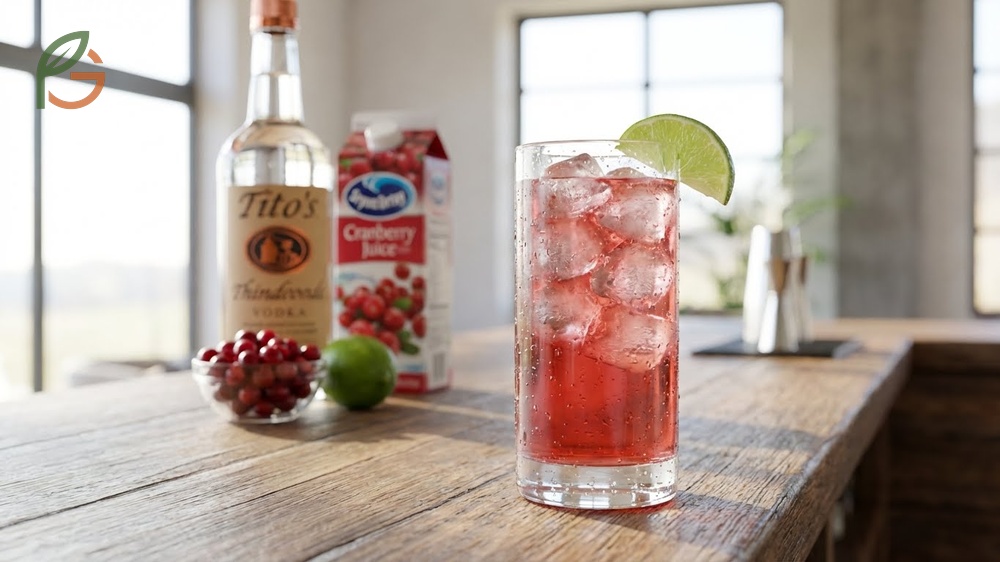
The vodka cranberry represents cocktail simplicity at its finest. Standard proportions call for 1.5 oz vodka to 3-4 oz cranberry juice over ice, though ratios adjust based on personal preference. Many bartenders add a lime wedge squeeze for extra complexity.
Quality vodka matters less here than in martinis since cranberry’s bold flavor dominates the profile. Mid-shelf vodkas like Tito’s or Smirnoff work perfectly without breaking your budget. Save premium vodkas for cocktails where the spirit shines through.
Cape Codder Cocktail
The Cape Codder gained its name from Cape Cod, Massachusetts, where Ocean Spray sources much of its cranberry harvest from natural bogs[3]. This classic highball took hold in the 1980s when metropolitan cocktail culture embraced vivid colors and sweet-tart flavor profiles. The drink’s simplicity makes it ideal for large gatherings.
To make an authentic Cape Codder, fill a highball glass with ice, add 1.5 oz vodka and 4 oz cranberry juice, then squeeze a fresh lime wedge over the top. Stir gently and garnish with the spent lime wedge. Some variations add a splash of soda water, transforming it into a Cape Cod Cooler.
Cosmopolitan Cocktail Recipe
The Cosmopolitan elevates cranberry juice with triple sec and lime for sophisticated balance. Combine 1.5 oz vodka, 1 oz triple sec, 0.5 oz lime juice, and 1 oz cranberry juice in a shaker with ice[1]. Shake vigorously for 15 seconds until well-chilled.
Strain into a chilled martini glass and garnish with an orange peel twist. The citrus oils from the peel add aromatic complexity that complements the cranberry’s tartness. This drink gained massive popularity through its association with upscale cocktail culture.
Sea Breeze Drink
The Sea Breeze adds grapefruit juice to the vodka-cranberry formula for a refreshing tropical twist. Mix 1.5 oz vodka, 3 oz cranberry juice, and 1.5 oz fresh grapefruit juice over ice[6]. The combination creates a perfectly balanced drink that’s neither too sweet nor too sour.
Interestingly, the Sea Breeze originated as a gin-based cocktail during Prohibition before evolving into its current vodka form. The grapefruit addition came later when Ocean Spray promoted cranberry juice as a versatile mixer during the 1950s. Garnish with a lime wheel for presentation.
- Use fresh lime juice instead of bottled for brighter flavor profiles
- Chill your glassware in the freezer for 10 minutes before serving
- Shake citrus-based cranberry cocktails; stir simple vodka-cranberry drinks
- Add one dash of orange bitters to Cosmopolitans for depth
- Garnish with fresh cranberries skewered on cocktail picks during holidays
Rum and Cranberry Juice
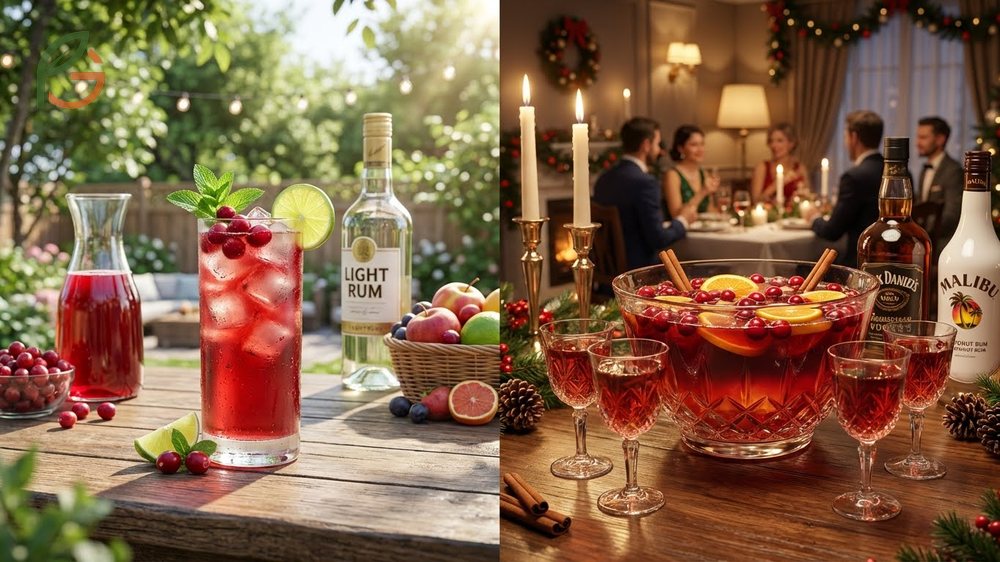
Rum brings caramel and vanilla notes that transform cranberry’s tartness into complex, layered drinks. Light rums work best for refreshing summer cocktails, while gold and dark rums add richness to holiday punches. The combination suits both casual backyard gatherings and elegant dinner parties.
Malibu rum creates particularly popular cranberry combinations because the coconut flavor bridges the gap between tropical and tart. Standard recipes call for 2 oz Malibu rum to 4 oz cranberry juice with a splash of pineapple juice. This creates a vacation-worthy drink that’s easy to batch for crowds.
Cranberry Mojito
The cranberry mojito reinvents Cuba’s classic cocktail with seasonal American flavors. Muddle 8-10 fresh mint leaves with 0.5 oz lime juice and 0.25 oz simple syrup in a highball glass[7]. Add ice, 2 oz white rum, and 3 oz cranberry juice, then top with club soda.
The key to great mojitos lies in proper muddling technique. Press and twist the mint gently to release oils without tearing leaves, which creates bitterness. The cranberry addition provides visual appeal with its ruby color contrasting against bright green mint.
Bay Breeze Drink
The Bay Breeze switches the Sea Breeze’s grapefruit for pineapple juice while keeping the vodka-cranberry base. However, many variations use rum instead, creating a more tropical profile. Combine 1.5 oz light rum, 3 oz cranberry juice, and 1.5 oz pineapple juice over ice.
This drink works exceptionally well for summer entertaining because pineapple’s sweetness balances cranberry’s acidity without additional sugar. The rum’s light character lets both fruit flavors shine through. Garnish with a pineapple wedge and fresh cranberries.
Batch Recipe Tip: For parties, multiply recipes by the number of guests and mix in a pitcher 2 hours ahead. Add ice only when serving to prevent dilution. This works perfectly for rum-cranberry combinations.
Tequila and Cranberry Juice
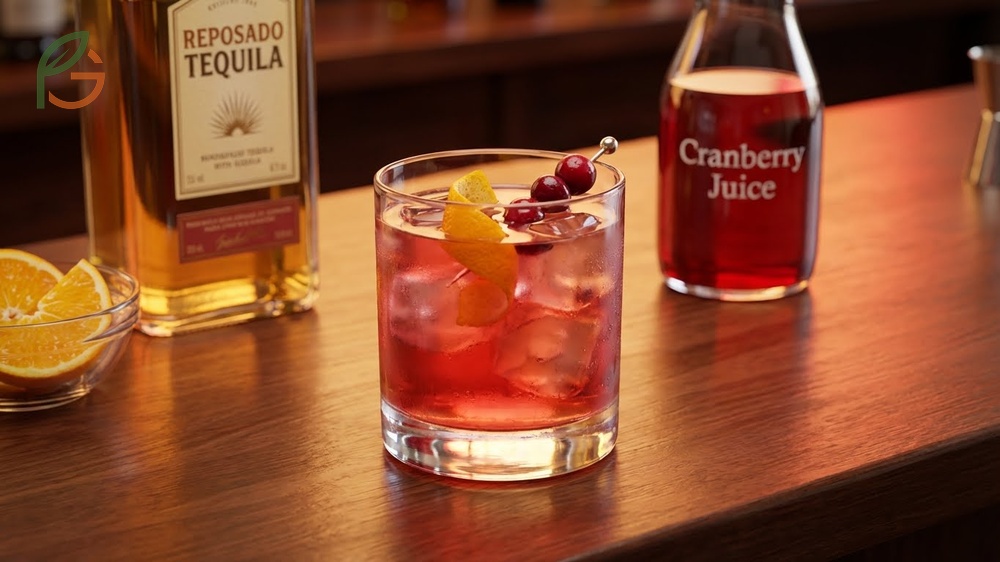
Tequila and cranberry juice create surprisingly sophisticated cocktails that challenge traditional margarita formulas. The agave’s earthy, peppery notes complement cranberry’s tartness better than many expect. Reposado tequilas work particularly well because oak aging adds vanilla undertones that soften cranberry’s bite.
Most tequila-cranberry recipes incorporate orange liqueur (Cointreau or triple sec) to bridge the flavor gap between agave and cranberry. This creates a holy trinity of sweet, sour, and bitter that defines balanced cocktails. The combination works year-round but shines during fall and winter holidays.
Cranberry Margarita
The cranberry margarita transforms Mexico’s most famous cocktail into a festive celebration drink. Rim a rocks glass with lime and coarse salt, then fill with ice[7]. Shake 2 oz reposado tequila, 1 oz Cointreau, 2 oz cranberry juice, and 0.75 oz fresh lime juice with ice.
Strain into the prepared glass and garnish with a lime wheel and fresh cranberries. The salt rim provides essential contrast against the sweet-tart liquid. Many bartenders use a sugar-salt blend on half the rim, giving guests the choice of sweet or savory with each sip.
Cranberry Paloma
The Paloma ranks as Mexico’s actual most-consumed tequila cocktail, and the cranberry variation adds American flair. Rim a Collins glass with sugar, add ice, then combine 2 oz blanco tequila, 2 oz cranberry juice cocktail, and 1.5 oz fresh grapefruit juice. Top with 2 oz club soda and stir gently.
This drink’s effervescence makes it incredibly refreshing for warm weather. The club soda lifts the cranberry and grapefruit flavors without diluting them. Garnish with a grapefruit twist and a few fresh cranberries for visual impact.
- Blanco tequilas work best for crisp, clean cranberry drinks
- Reposado tequilas add complexity to margarita-style cranberry cocktails
- Añejo tequilas overpower cranberry juice in most recipes
- Always use 100% agave tequila for quality results
- Fresh lime juice is non-negotiable in tequila-cranberry combinations
Mocktails with Cranberry Juice
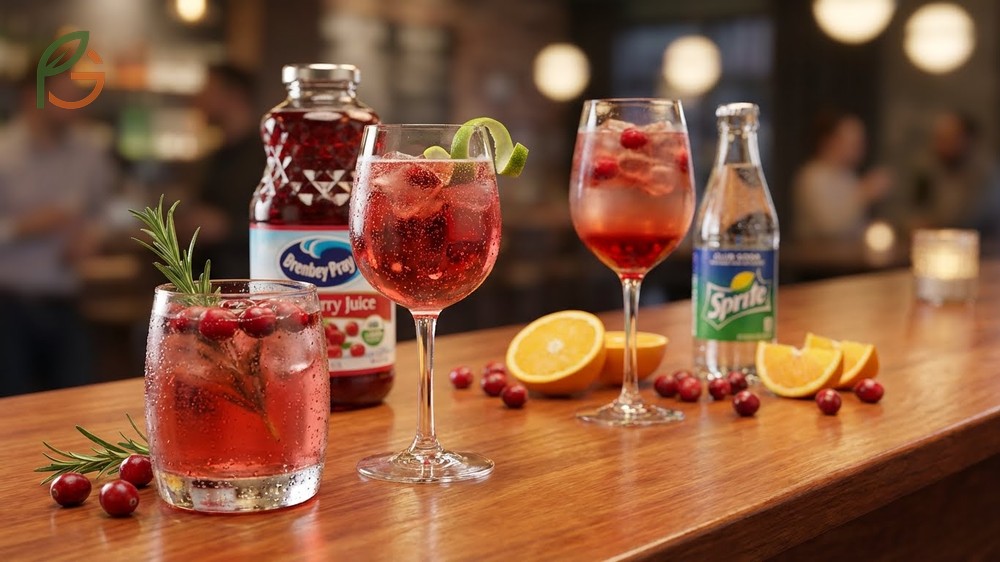
Cranberry mocktails deliver sophisticated alternatives for non-drinkers without sacrificing flavor complexity. The juice’s natural tartness creates depth that many alcohol-free drinks lack. These recipes work perfectly for designated drivers, pregnant guests, and anyone choosing sobriety.
The key to great mocktails lies in balancing sweetness, acidity, and carbonation. Cranberry provides the sour element naturally, while Sprite or club soda adds effervescence that mimics the “burn” of alcohol. Fresh citrus and herbs elevate these drinks beyond simple juice combinations.
Cranberry Sprite Mocktail
This simple mocktail requires just four ingredients but delivers restaurant-quality results. Fill a glass with ice, add 4 oz unsweetened cranberry juice, 4 oz Sprite, and a splash of fresh lime juice[5]. Stir gently to combine without losing carbonation.
Garnish with fresh cranberries, lime slices, and a rosemary sprig for aromatic appeal. The rosemary adds an herbal note that makes the drink feel more sophisticated than its simple ingredient list suggests. This works perfectly for holiday gatherings when you need both alcoholic and non-alcoholic options.
Virgin Cosmopolitan
The virgin Cosmo captures the original’s elegance without alcohol. Shake 3 oz cranberry juice, 1 oz fresh orange juice, 1 oz lime juice, and 0.5 oz simple syrup with ice. The orange juice replaces triple sec’s citrus notes, while simple syrup provides the sweetness that vodka’s neutral profile allowed to shine through.
Strain into a chilled martini glass and garnish with an orange peel twist. The presentation matches the alcoholic version exactly, making non-drinkers feel equally celebrated. This mocktail works particularly well for bridal showers and baby showers.
Mocktail Enhancement: Add a splash of non-alcoholic bitters (like Angostura or Fee Brothers) to cranberry mocktails for complexity. Just 2-3 dashes provide depth without alcohol content exceeding trace amounts.
Best Cranberry Juice for Cocktails
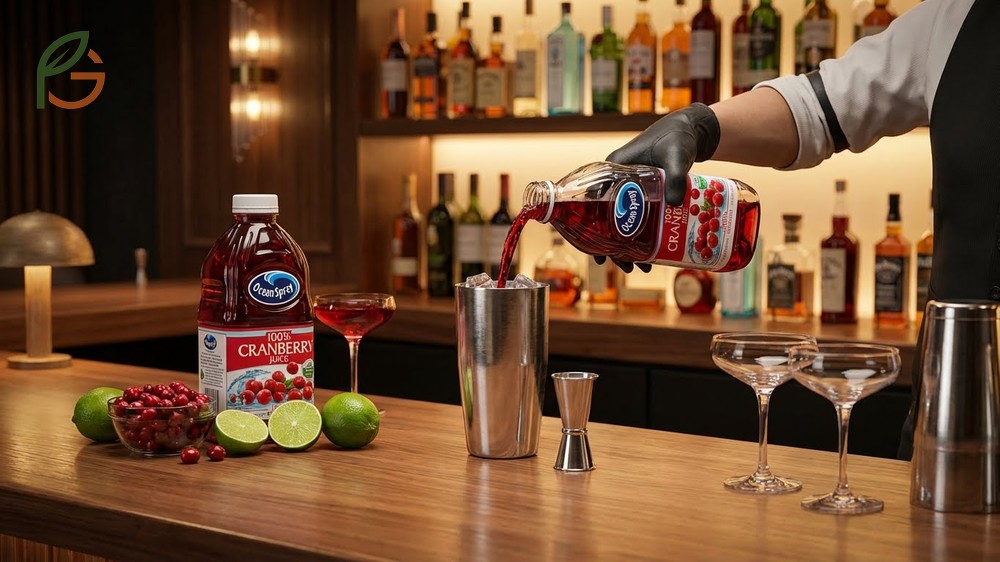
Choosing the right cranberry juice dramatically affects your cocktail’s final flavor. Ocean Spray leads professional taste tests for its balanced approach to sweetness and tartness that works across multiple cocktail styles[4]. The brand’s consistency means your recipes turn out the same every time.
For maximum control, bartenders prefer 100% cranberry juice blends over cranberry cocktail (which contains added sugar). Ocean Spray’s Pure Cranberry contains just 60 calories per 8 oz serving with no sugar added, made from the juice of over 2 pounds of cranberries per bottle. This concentration provides intense flavor that lets you adjust sweetness independently.
Alternative brands like 365 by Whole Foods Market and R.W. Knudsen Family work well for budget-conscious mixing. These options deliver good cranberry flavor at lower price points. Avoid cranberry juice drinks labeled “from concentrate” with multiple added ingredients, as these dilute flavor and add unwanted sweetness.
This table compares four cranberry juice types across sweetness level, best cocktail uses, and approximate price per ounce
| Juice Type | Sweetness Level | Best For | Price Range |
|---|---|---|---|
| 100% Pure Cranberry | Very tart | Craft cocktails, professional mixing | $0.15-$0.20/oz |
| Cranberry Juice Cocktail | Moderately sweet | Simple highballs, party drinks | $0.08-$0.12/oz |
| Cranberry Blend (Apple, Grape) | Balanced sweet-tart | All-purpose cocktails, mocktails | $0.10-$0.15/oz |
| White Cranberry | Mild, slightly sweet | Clear cocktails, champagne mixers | $0.12-$0.18/oz |
- Store opened cranberry juice in the refrigerator and use within 7-10 days
- Freeze cranberry juice in ice cube trays for instant cocktail mixing
- Check ingredient lists for high fructose corn syrup and avoid when possible
- Buy cranberry juice in glass bottles when available for better flavor preservation
- Organic options provide cleaner flavor without pesticide residues
Conclusion
The evidence is clear: cocktails with cranberry juice offer unmatched versatility for home bartenders and professionals alike. Whether you’re mixing vodka Cosmopolitans, rum mojitos, tequila margaritas, or alcohol-free Sprite combinations, cranberry’s balanced tartness creates drinks that satisfy year-round. Current guidance from mixologists emphasizes using 100% cranberry juice blends for maximum control over sweetness and flavor intensity.
Start with Ocean Spray for consistent results, master the basic Cape Codder ratio, then experiment with seasonal variations. FruitGarden encourages you to grow fresh herbs like mint and rosemary alongside your fruit garden to elevate these cocktails with homegrown garnishes.
Frequently Asked Questions
What alcohol goes best with cranberry juice?
Vodka pairs best with cranberry juice for its neutral profile that lets cranberry’s tartness shine. Rum, tequila, and gin also work excellently, with each spirit adding different character notes. Research shows vodka-cranberry combinations remain the most popular globally since Ocean Spray’s 1940s marketing campaigns established the pairing.
How much cranberry juice should I use in a cocktail?
Standard cocktails use 3-4 oz cranberry juice to 1.5 oz spirits for balanced flavor. This 2:1 ratio prevents the juice from overpowering the alcohol while providing enough tartness. Adjust based on your cranberry juice type—pure unsweetened juice needs less volume than cranberry cocktail.
Can I use cranberry juice cocktail instead of 100% juice?
Yes, cranberry juice cocktail works well for simple drinks like Cape Codders and party punches. The added sugar means you’ll need less (or no) simple syrup. However, 100% cranberry juice provides better control for craft cocktails where you want to adjust sweetness independently.
What’s the difference between a Cape Codder and vodka cranberry?
They’re the same drink with different names. Cape Codder is the formal cocktail name that stuck in the 1980s, while vodka cranberry describes the simple two-ingredient combination. Purist bartenders add lime juice to “true” Cape Codders, but most bars treat them identically.
How do I make cranberry mocktails taste better?
Add fresh citrus juice (lime or orange), carbonation (Sprite or club soda), and aromatic garnishes like rosemary or mint. The combination creates complexity that mimics alcoholic drinks. Non-alcoholic bitters (2-3 dashes) add depth without significant alcohol content.
What garnishes work best for cranberry cocktails?
Fresh cranberries (skewered or floating), lime wheels, orange peels, and rosemary sprigs provide the best visual and aromatic appeal. During holidays, sugared cranberries add festive elegance. Avoid garnishes that compete with cranberry’s tartness, like lemon or grapefruit unless they’re in the recipe.
Can I batch cranberry cocktails for parties?
Absolutely. Multiply your recipe by the number of guests, mix spirits and juices in a pitcher 2 hours before serving, then add ice when pouring. Don’t add carbonation (club soda or Sprite) until serving to maintain fizz. This works perfectly for Cape Codders, Sea Breezes, and cranberry mojitos.