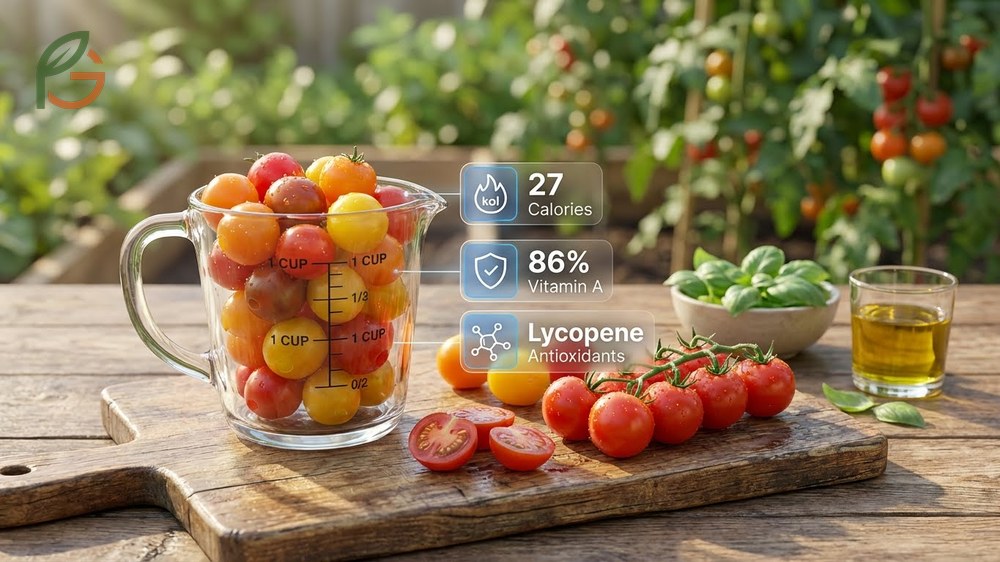
Cherry tomato nutrition facts show these bite-sized fruits pack impressive nutrients with minimal calories. Research demonstrates that one cup of cherry tomatoes delivers just 27 calories while providing 86% of your daily vitamin A[2] and significant lycopene antioxidants. FruitGarden synthesizes current USDA nutritional data and agricultural research to help you understand exactly what these colorful tomatoes offer for your health and gardening goals.
Quick Answer
Cherry Tomato Nutrition Facts
Studies show cherry tomatoes are among the most nutrient-dense vegetables per calorie. One cup provides substantial vitamins while contributing less than 2% of a typical 2,000-calorie diet.
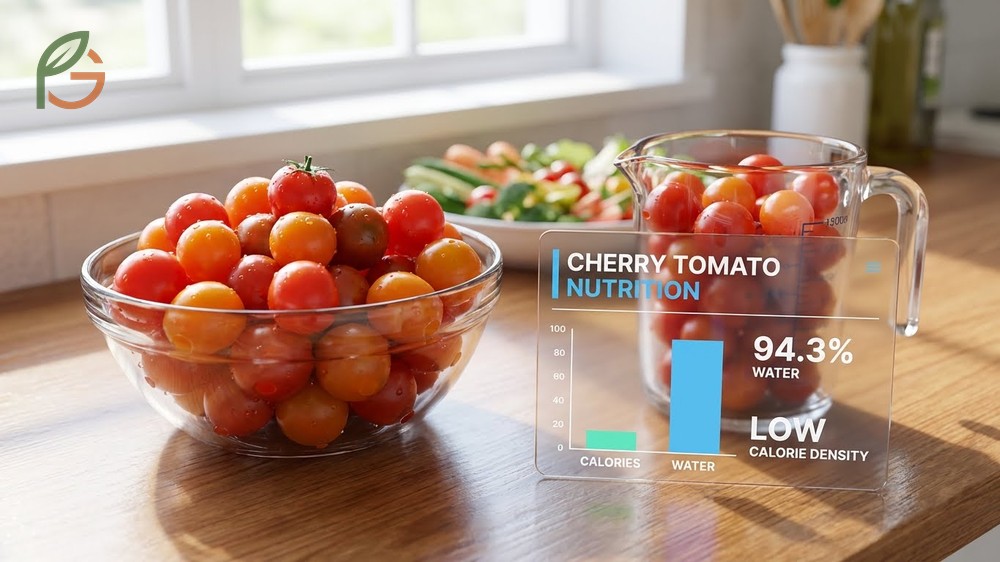
The USDA classifies cherry tomatoes as exceptionally low-energy-density foods due to their 94.3% water content[4]. This makes them ideal for volume eating strategies where you can consume larger portions without excess calories.
Current agricultural data indicates cherry tomato varieties concentrate more protective compounds than standard tomatoes. Their smaller size creates a higher skin-to-flesh ratio, boosting antioxidant density.
Serving Size Standards
The USDA defines standard serving measurements to ensure nutritional consistency. One cup of whole cherry tomatoes weighs approximately 149 grams.
Individual cherry tomatoes average 17 grams each, providing roughly 3 calories per tomato[5]. Most people consume 8-12 tomatoes in a typical serving.
- Single cherry tomato: 17g, 3 calories
- Half cup serving: 75g, 14 calories
- One cup serving: 149g, 27 calories
- 100g portion: 18 calories (metric standard)
- One pint container: 300g, 54 calories
Calorie Density Comparison
Research demonstrates cherry tomatoes rank among the lowest-calorie fresh produce options. Their calorie density sits at just 18 calories per 100 grams.
Compared to other popular snack vegetables, cherry tomatoes offer exceptional nutrient-to-calorie ratios. Carrots provide 41 calories per 100g, while cucumbers deliver 16 calories—making cherry tomatoes a middle-ground choice for nutrient density.
Storage Tip: Store cherry tomatoes at room temperature (65-70°F/18-21°C) to preserve vitamin content. Refrigeration extends shelf life but reduces flavor and can decrease vitamin C levels by up to 15% within 3 days.
Calories and Macros
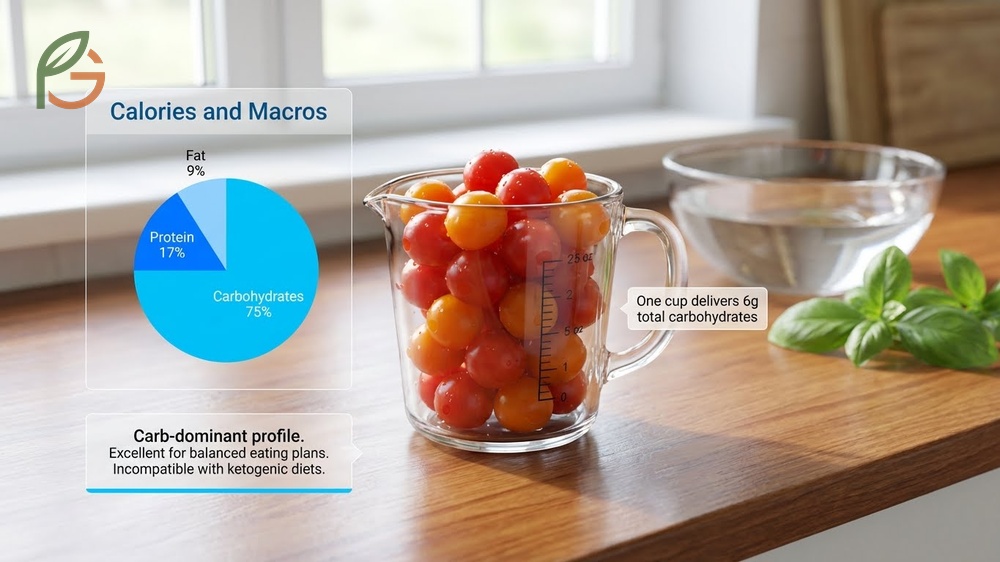
The macronutrient profile of cherry tomatoes consists primarily of carbohydrates with minimal fat and protein. One cup delivers 6 grams total carbohydrates[2] alongside negligible amounts of other macros.
Evidence indicates the macronutrient breakdown sits at approximately 75% carbohydrates, 17% protein, and 9% fat by calorie distribution[6]. This carb-dominant profile makes them incompatible with ketogenic diets but excellent for balanced eating plans.
Water comprises the vast majority of cherry tomato weight, explaining their low calorie content despite relatively high volume. This characteristic supports hydration while providing nutrients.
Carbohydrate Breakdown
Cherry tomatoes contain both simple sugars and dietary fiber. Of the 6 grams total carbs per cup, approximately 5 grams come from natural sugars[2] (primarily fructose and glucose) and 2 grams from fiber.
Net carbs—calculated as total carbs minus fiber—equal 4 grams per cup serving. This low net carb count appeals to people monitoring blood sugar, though not low enough for strict keto protocols.
- Total carbohydrates: 6g (2% daily value)
- Dietary fiber: 2g (7% daily value)
- Natural sugars: 5g (no daily value established)
- Net carbs: 4g (total minus fiber)
- Glycemic index: 38 (low glycemic impact)
Protein and Fat Content
Cherry tomatoes provide minimal protein and fat. One cup contains less than 1 gram of protein and 0.3 grams total fat.
While these amounts don’t significantly contribute to daily macronutrient needs, the negligible fat content means cherry tomatoes won’t interfere with low-fat dietary goals. The trace protein includes essential amino acids but in quantities too small for meaningful dietary impact.
This table compares macronutrient content per cup serving across cherry tomatoes and similar vegetables including calories, protein, carbs, and fiber
| Vegetable | Calories | Carbs (g) | Fiber (g) | Protein (g) |
|---|---|---|---|---|
| Cherry Tomatoes | 27[1] | 6 | 2 | 1 |
| Bell Pepper | 39 | 9 | 3 | 1 |
| Cucumber | 16 | 4 | 1 | 1 |
| Baby Carrots | 53 | 12 | 4 | 1 |
| Sugar Snap Peas | 41 | 7 | 3 | 3 |
Vitamin Content Tomatoes
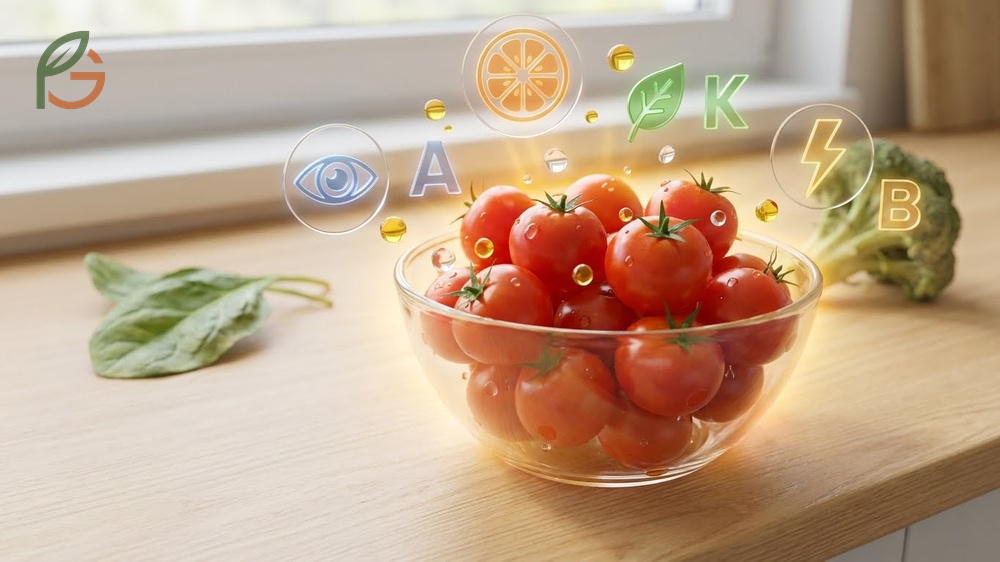
Research confirms cherry tomatoes excel as vitamin sources, particularly for fat-soluble vitamin A and water-soluble vitamin C. A half-cup serving delivers 86% of the recommended daily vitamin A intake[2] for most adults.
The vitamin profile extends beyond these primary nutrients. Cherry tomatoes contain meaningful amounts of vitamin K, folate (vitamin B9), and several other B-complex vitamins essential for energy metabolism.
Unlike many vegetables that lose nutrient value during storage, cherry tomatoes retain vitamin content when kept at proper temperatures. Vine-ripened tomatoes show higher vitamin C levels than those picked green.
Vitamin A and Beta Carotene
The exceptional vitamin A content in cherry tomatoes comes from beta carotene and other carotenoid compounds. Your body converts these orange-red pigments into active vitamin A.
One cup provides approximately 1,241 IU of vitamin A[4], supporting eye health, immune function, and skin maintenance. This represents one of the highest vitamin A concentrations among common vegetables.
- Supports night vision and eye health
- Enhances immune system function
- Promotes healthy skin cell turnover
- Acts as antioxidant protecting cells
- Critical for reproductive health
- Aids proper organ function
Vitamin C Levels
Cherry tomatoes deliver 14% of daily vitamin C needs per half-cup serving[2]. This equals approximately 13.7mg to 20.4mg depending on variety and ripeness.
Vitamin C content peaks when tomatoes reach full red color. Early harvest reduces vitamin C by 20-30% compared to vine-ripened fruit. Raw consumption preserves vitamin C since this nutrient degrades with heat exposure.
B Vitamins and Minerals
The B-vitamin complex in cherry tomatoes supports energy metabolism and cellular function. Folate (B9) stands out with 8% daily value per cup[6], making cherry tomatoes beneficial during pregnancy.
Mineral content includes potassium (483mg per cup), contributing to blood pressure regulation and heart health. Smaller amounts of calcium, iron, magnesium, and manganese round out the mineral profile.
Nutrient Absorption: Pair cherry tomatoes with healthy fats like olive oil or avocado to maximize absorption of fat-soluble vitamins A, E, and K. Studies show fat intake increases carotenoid absorption by 200-400%.
Lycopene Antioxidant Levels
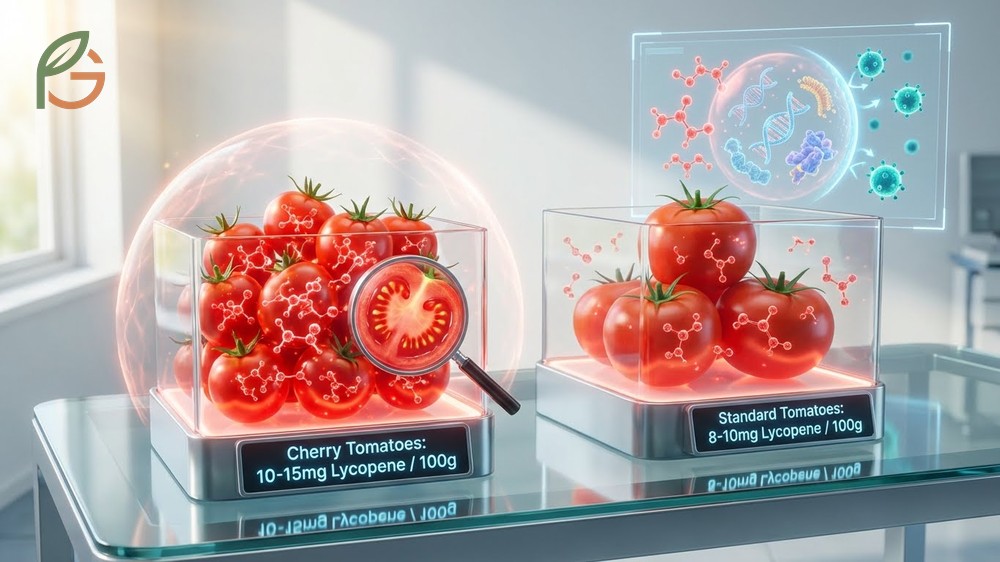
Current data indicates cherry tomatoes contain 10-15mg lycopene per 100g[3]—significantly higher than standard tomatoes at 8-10mg. This powerful antioxidant gives tomatoes their characteristic red color.
Research from the National Institutes of Health demonstrates lycopene acts as one of the most potent dietary antioxidants[7]. It protects cellular components including DNA, proteins, and lipids from oxidative damage.
The smaller size of cherry tomatoes concentrates lycopene in their thicker skin-to-flesh ratio. This structural advantage creates naturally higher antioxidant density compared to larger tomato varieties.
Lycopene Concentration
Lycopene concentration varies based on growing conditions, ripeness, and variety. Fully ripe cherry tomatoes show 30-50% more lycopene than those picked at pink stage.
Heat processing increases lycopene bioavailability by breaking down cell walls. However, raw cherry tomatoes still provide excellent absorption due to their thin, tender skins that digest easily.
- Ripeness level: Red tomatoes contain 2-3x more than orange/yellow varieties
- Growing temperature: Optimal at 70-80°F (21-27°C) during fruit development
- Sun exposure: Direct sunlight increases lycopene synthesis by 25%
- Variety selection: Roma and cherry types exceed beefsteak varieties
- Organic vs conventional: Minimal difference in lycopene levels
- Storage conditions: Room temperature maintains levels; refrigeration reduces by 10%
Health Benefits
Evidence suggests regular lycopene consumption associates with reduced chronic disease risk. Studies show 10 or more weekly servings of tomato products reduce prostate cancer risk by 35%[7].
Additional research indicates lycopene may protect cardiovascular health by reducing LDL cholesterol oxidation and arterial inflammation[8]. The antioxidant also shows promise for skin protection against UV damage and supporting bone health.
Nutritional Value Cherry
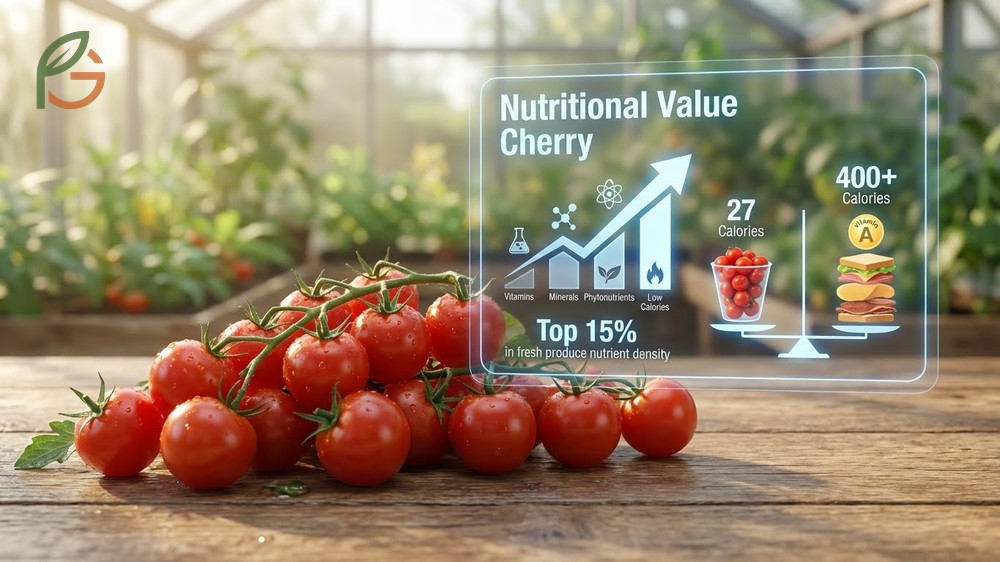
The overall nutritional value of cherry tomatoes extends beyond individual vitamins and minerals. Their combination of low calories, high water content, and concentrated phytonutrients creates exceptional nutrient density.
When comparing nutrient-to-calorie ratios, cherry tomatoes rank in the top 15% of fresh produce. You’d need to consume 400+ calories of many foods to match the vitamin A in one 27-calorie cup of cherry tomatoes.
Agricultural research shows cherry tomatoes provide complete nutrition when incorporated into balanced diets. Their versatility as raw snacks or cooked ingredients makes nutrient intake effortless.
Serving Size Nutrients
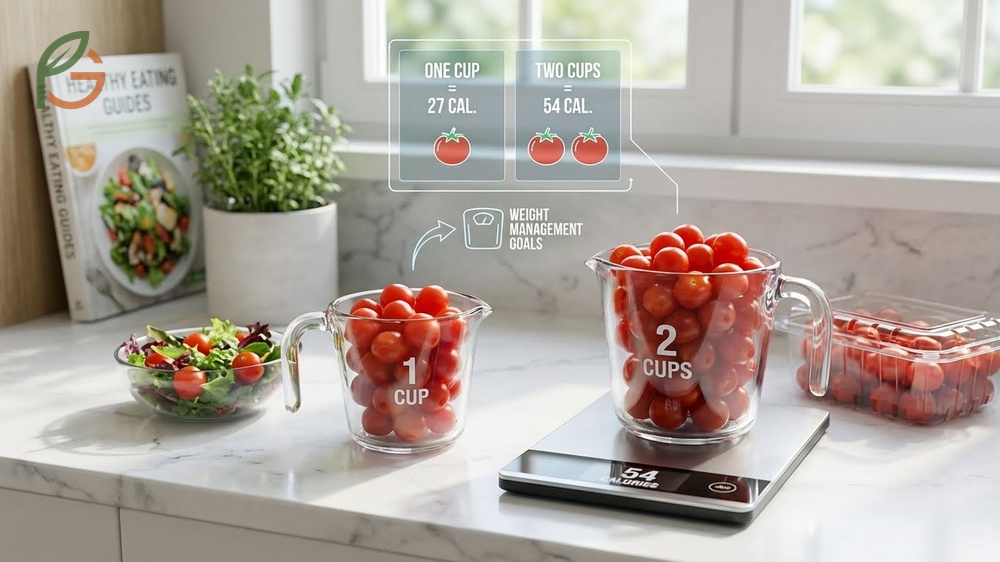
Understanding how serving sizes affect nutrient intake helps you plan meals effectively. Most nutritionists recommend 1-2 cups of cherry tomatoes as a standard vegetable serving.
A typical salad might include one cup (27 calories), while snacking directly from the container could easily reach 2 cups (54 calories). Even at double servings, you’re consuming minimal calories while maximizing nutrients.
For weight management goals, cherry tomatoes shine. Their high volume-to-calorie ratio means you can eat until satisfied without caloric consequences. Studies show people feel full after consuming 150-200 grams—essentially filling your stomach for under 40 calories.
When meal planning, consider these practical serving scenarios. Adding cherry tomatoes to sandwiches, wraps, pasta, or grain bowls increases vegetable intake without significantly affecting calorie totals. Their natural sweetness often appeals to children who resist other vegetables.
Growing your own cherry tomatoes in home gardens ensures maximum freshness and nutrient retention. Harvest them when fully colored and consume within 2-3 days for peak vitamin content. FruitGarden provides detailed cultivation guides for optimizing both yield and nutritional quality in backyard tomato crops.
Conclusion
The evidence is clear: cherry tomato nutrition facts reveal these compact fruits deliver exceptional nutritional value with minimal caloric cost. At just 27 calories per cup alongside 86% daily vitamin A and substantial lycopene, they rank among the most nutrient-dense foods available.
Current guidance from agricultural and nutritional research emphasizes incorporating colorful vegetables like cherry tomatoes into daily eating patterns. Whether you’re growing them in your backyard or selecting them at markets, FruitGarden helps you maximize both cultivation success and dietary benefits from these remarkable fruits.
Medical Disclaimer
Important Medical Disclaimer: This content is for informational and educational purposes only. It is not intended as a substitute for professional medical advice, diagnosis, or treatment. Always consult a qualified healthcare professional or registered dietitian before making any changes to your diet, especially if you have allergies, medical conditions, or take medications that may interact with dietary changes. Individual nutritional needs vary based on age, health status, and activity level.
Frequently Asked Questions
How many cherry tomatoes equal one serving?
One standard serving equals approximately 8-12 cherry tomatoes or one cup (149g). This provides 27 calories and significant vitamin A content. Individual tomatoes weigh roughly 17 grams each, so 8-9 tomatoes constitute a typical serving size recommended by USDA guidelines.
Are cherry tomatoes higher in calories than regular tomatoes?
Cherry tomatoes contain slightly more calories per 100g (18 calories) compared to regular tomatoes (16-17 calories), but the difference is negligible. Both types qualify as extremely low-calorie foods. The higher sugar concentration in cherry tomatoes accounts for the minimal calorie increase while providing enhanced flavor.
What vitamins are cherry tomatoes rich in?
Cherry tomatoes excel in vitamin A (86% daily value per half-cup) and vitamin C (14-23% daily value per cup). They also provide meaningful amounts of vitamin K, folate (vitamin B9), vitamin E, and several B-complex vitamins including B6, thiamine, and niacin that support energy metabolism and cellular health.
How much lycopene is in cherry tomatoes?
Cherry tomatoes contain 10-15mg of lycopene per 100g, which exceeds the 8-10mg found in standard tomatoes. A one-cup serving provides approximately 15-22mg of this powerful antioxidant. Research shows consuming 10+ weekly servings of tomato products may reduce certain cancer risks by up to 35%.
Do cherry tomatoes lose nutrients when cooked?
Cooking reduces vitamin C content by 15-30% but increases lycopene bioavailability by 2-3 times through cell wall breakdown. Heat processing makes lycopene easier for your body to absorb. For maximum overall nutrition, consume a mix of raw and cooked cherry tomatoes throughout the week.
Can you eat too many cherry tomatoes?
While cherry tomatoes are extremely nutritious, consuming excessive amounts (5+ cups daily) may cause digestive discomfort due to acidity and fiber content. Some people experience acid reflux or heartburn from high tomato intake. Individuals with kidney issues should monitor potassium consumption from all sources including tomatoes.
Are cherry tomatoes good for weight loss?
Cherry tomatoes support weight loss goals due to their low calorie density (18 calories per 100g) and high water content (94%). The 2 grams of fiber per cup promotes fullness while providing volume. Studies show incorporating low-calorie-density vegetables like cherry tomatoes helps people feel satisfied while maintaining caloric deficits.