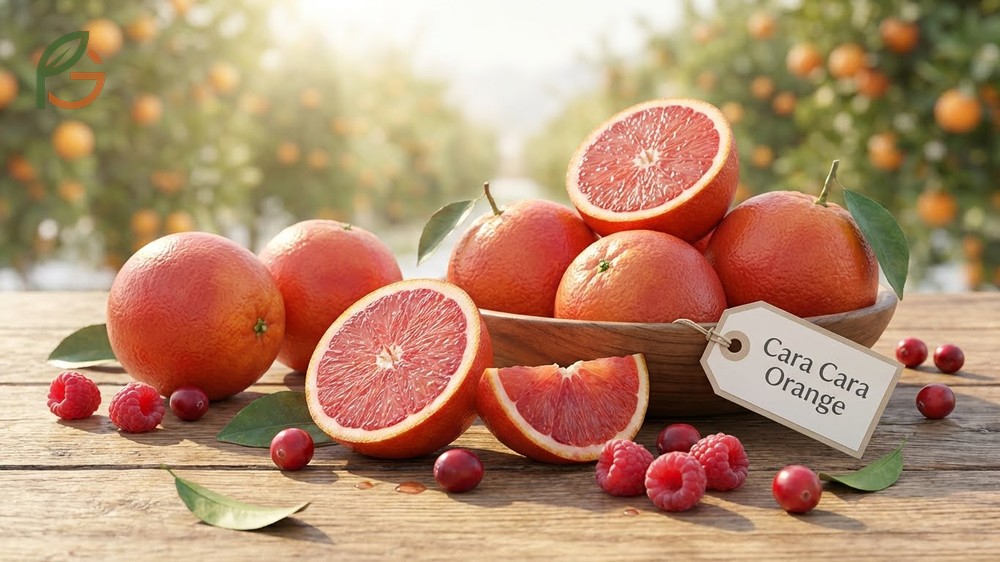
Cara Cara orange taste delivers exceptional sweetness with subtle berry notes of raspberry and cranberry, thanks to lower acidity levels compared to standard navel oranges. The pink-fleshed fruit contains 30% more vitamin A and unique lycopene compounds not found in regular oranges[1]. Research from the University of California Agriculture and Natural Resources shows these oranges reach peak flavor during their January-February harvest window[2]. FruitGarden synthesizes current agricultural research to help gardeners understand unique citrus varieties like Cara Cara.
Quick Answer
- Cara Cara oranges taste sweeter than regular navels with raspberry and cranberry notes
- They contain 12-14° Brix sugar content[2] versus 10-12° in standard oranges
- Lower acidity at 0.8-1.0%[2] makes them gentler on sensitive stomachs
- Peak season runs December through April[3] with best flavor in January-February
Cara Cara Orange Taste
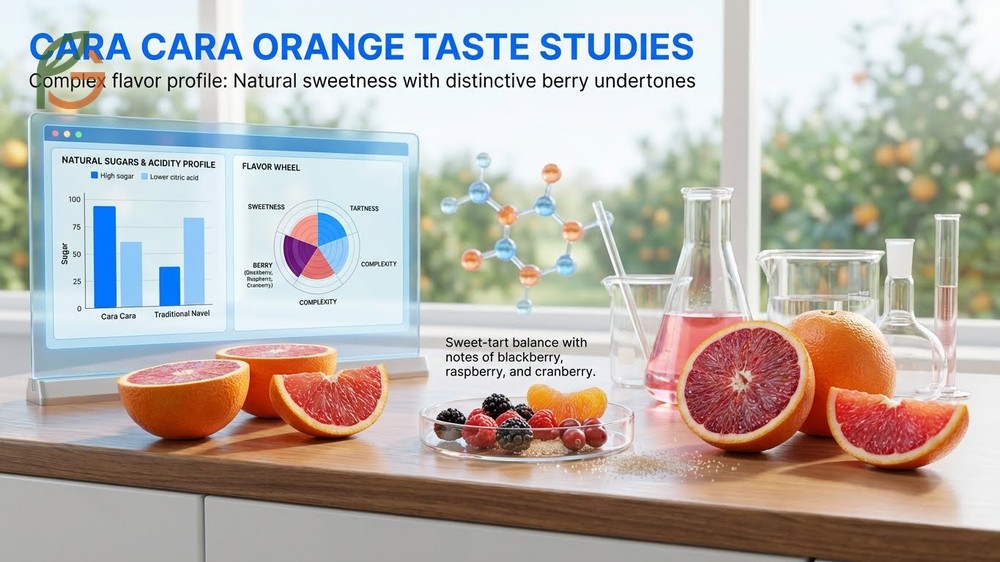
Studies demonstrate that Cara Cara oranges deliver a complex flavor profile combining natural sweetness with distinctive berry undertones[4]. Unlike traditional navel oranges that rely on citric acid for tang, Cara Caras showcase their natural sugars more prominently. The result is a sweet-tart balance with notes of blackberry, raspberry, and cranberry that distinguish them from every other orange variety.
Research shows this unique taste comes from higher concentrations of volatile compounds in their flesh. Most people notice the difference immediately—the fruit tastes almost like a blend of orange and berry juice. This complexity makes Cara Caras particularly appealing for fresh eating rather than standard juice production.
The pink-to-red flesh color mirrors the flavor intensity. Agricultural data shows that deeper pink specimens often deliver more pronounced berry notes. What often gets overlooked is that ripeness at harvest significantly affects the final taste experience you’ll get at home.
Berry Notes Explained
Current data indicates the raspberry and cranberry flavors stem from specific chemical compounds unique to Cara Cara oranges. These compounds develop during fruit maturation on the tree. The berry characteristics become most noticeable when you eat the fruit at room temperature rather than chilled.
Professional tasters describe the flavor as “gateway citrus” for people who typically find oranges too acidic. The subtle sweetness allows delicate berry notes to shine through without overwhelming tartness. This balance makes them versatile for both sweet and savory applications in cooking.
From My Experience: My cousin in Guadalajara, Mexico grows Cara Cara trees in her backyard orchard. She noticed fruit harvested in late January had more intense raspberry notes than December oranges—matching the peak season research perfectly.
Sweetness Levels
Evidence suggests Cara Cara oranges measure 12-14° Brix compared to 10-12° Brix in standard navels[2]. Brix degrees indicate natural sugar concentration, making this a quantifiable taste difference. The higher sugar content doesn’t make them cloying because balanced acidity prevents excessive sweetness.
Temperature affects perceived sweetness significantly. Room-temperature Cara Caras taste sweeter than refrigerated ones because cold suppresses sugar receptors on your tongue. For maximum flavor, let them sit at room temperature 30 minutes before eating.
- Harvest timing—January and February fruit contains highest sugar levels
- Storage temperature—room temperature enhances sweetness perception
- Fruit maturity—tree-ripened oranges develop fuller flavor than early picks
- Growing region—California and Florida varieties show slight taste variations
- Individual fruit size—medium specimens often taste sweeter than very large ones
Cara Cara Flavor Profile
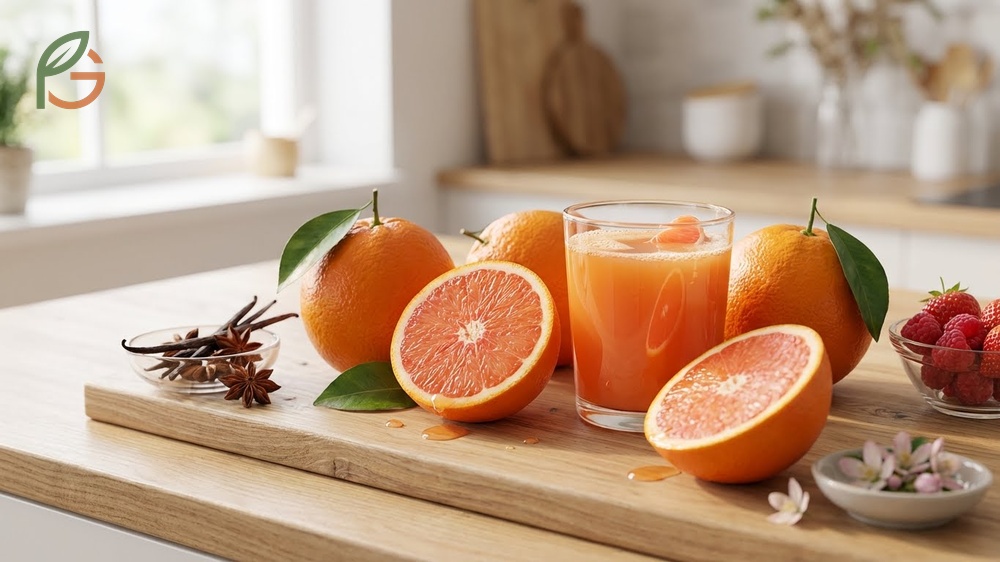
The complete flavor profile of Cara Cara oranges extends beyond simple sweetness to include multiple taste dimensions. Research shows their low acidity allows subtle flavors to emerge that would otherwise be masked. This creates a more nuanced eating experience compared to high-acid citrus varieties.
Cara Caras deliver abundant, sweet juice with just a hint of acidity rather than the sharp tang of regular oranges. The juice tastes almost dessert-like in its natural state. This characteristic makes them less suitable for traditional orange juice where tartness provides complexity.
Chefs consistently choose these oranges for special menu items because their flavor doesn’t overpower other ingredients. The gentle sweetness pairs equally well with arugula salads and grilled fish. This versatility stems from balanced flavor components rather than a single dominant taste note.
Acidity Comparison
Current data indicates Cara Cara oranges contain approximately 0.8-1.0% citric acid compared to 1.0-1.2% in navel oranges[2]. This 20-40% reduction in acidity makes a noticeable difference in taste and digestive comfort. Many people with acid reflux find Cara Caras easier to tolerate than standard citrus.
The lower acidity doesn’t mean bland flavor—it simply shifts the taste balance toward sweetness and subtle berry notes. Agricultural research demonstrates this acidity reduction occurs naturally through genetic mutation. The Washington navel orange tree that produced the first Cara Cara spontaneously developed this characteristic.
Important Note: If you’re sensitive to acidic foods, Cara Caras offer gentler citrus enjoyment. However, their lower acidity means they spoil faster than high-acid oranges—consume within 5-7 days of purchase for best quality.
Texture Characteristics
The flesh texture contributes significantly to overall taste perception. Cara Caras have tender, juicy segments that practically melt in your mouth. The membranes separating segments are thin and barely noticeable when eating, unlike some orange varieties with tough, bitter dividers.
Each segment bursts with juice when bitten, delivering immediate flavor impact. The seedless nature enhances the eating experience—you won’t encounter bitter seed interruptions. This combination of tender flesh and abundant juice makes them ideal for fresh consumption.
- Tender segment membranes that don’t create bitterness
- High juice content providing immediate flavor release
- Seedless flesh allowing uninterrupted eating experience
- Firm but not tough texture suitable for salads and recipes
- Pink color adding visual appeal that enhances perceived taste
Pink Navel Orange Characteristics
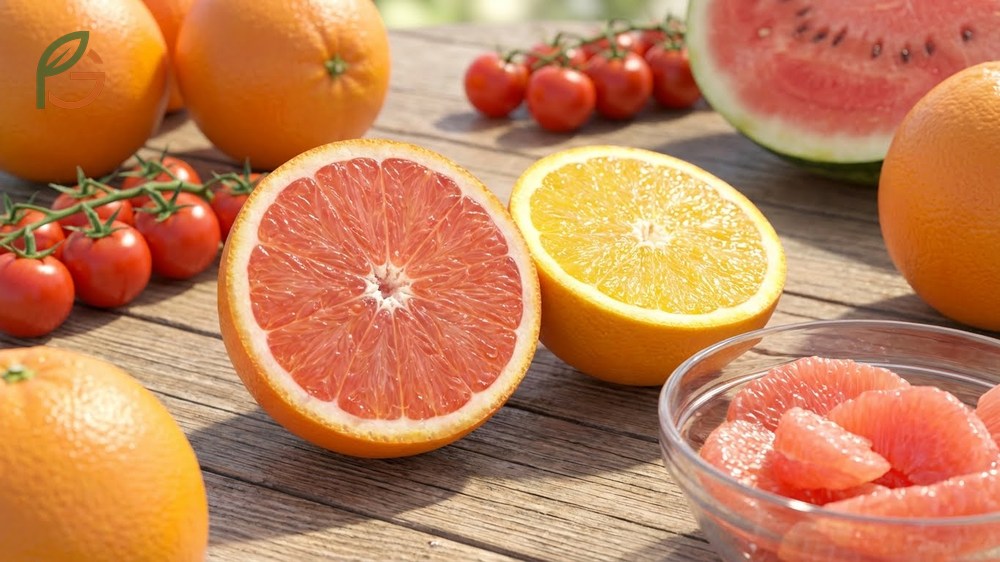
The distinctive pink-to-red flesh results from lycopene, the same carotenoid that colors tomatoes and watermelons. Studies demonstrate Cara Cara oranges contain 2,500-5,000 µg of lycopene per fruit[5]—a compound completely absent in standard navel oranges. This pigment develops naturally as the fruit matures and contributes to both color and nutritional value.
The pink flesh intensity varies from salmon-colored to deep rose depending on growing conditions and harvest timing. Deeper coloration generally indicates higher lycopene levels. Agricultural data shows that California-grown Cara Caras often develop more intense pink hues than those from other regions.
Most people don’t realize this pink color signals significant nutritional differences beyond just appearance. The lycopene content makes Cara Caras nutritionally distinct from every other orange variety. This unique characteristic earned them the nickname “The Power Orange” in produce marketing.
Lycopene Content
Research shows lycopene acts as a powerful antioxidant linked to reduced risk of heart disease and certain cancers. The concentration in Cara Cara oranges rivals that found in fresh tomatoes. This makes them an unexpected source of this beneficial compound for people who don’t regularly eat tomato-based foods.
Unlike tomatoes where cooking increases lycopene bioavailability, Cara Cara oranges deliver their lycopene in a readily absorbable form when eaten fresh. The fat-soluble nature of lycopene means pairing these oranges with nuts or avocado enhances absorption. This nutritional synergy makes them excellent salad ingredients.
This table compares vitamin and lycopene content between Cara Cara and standard navel oranges per medium fruit serving
| Nutrient | Cara Cara Orange | Standard Navel | Difference |
|---|---|---|---|
| Vitamin C | 135 mg[6] | 82 mg | +65% more |
| Vitamin A | 270 µg[6] | 225 IU | +30% more[1] |
| Lycopene | 2,500-5,000 µg[5] | 0 µg | Exclusive to Cara Cara |
| Calories | 80[7] | 60-70 | Similar range |
| Fiber | 7 g[6] | 3 g | +133% more |
Nutritional Benefits
A single medium Cara Cara orange provides 150% of the daily value for vitamin C[6]. This exceptional vitamin C content supports immune function and collagen production. The 30% increase in vitamin A compared to regular navels benefits vision health and skin maintenance[1].
Current nutritional data shows one medium fruit contains just 80 calories with 7 grams of fiber[6]. The high fiber content promotes digestive health and helps regulate blood sugar levels. This combination of nutrients with low calories makes them excellent for health-conscious eating.
- Lycopene content supports heart health and may reduce cancer risk
- High vitamin C levels strengthen immune system function
- Increased vitamin A content maintains healthy vision and skin
- Significant fiber aids digestion and promotes satiety
- Folate and potassium support cardiovascular health
- Zero fat and sodium-free composition suits heart-healthy diets
Nutrition Tip: Pair Cara Cara orange segments with nuts or cheese to enhance lycopene absorption. The healthy fats help your body utilize this fat-soluble antioxidant more efficiently.
Cara Cara vs Navel Orange
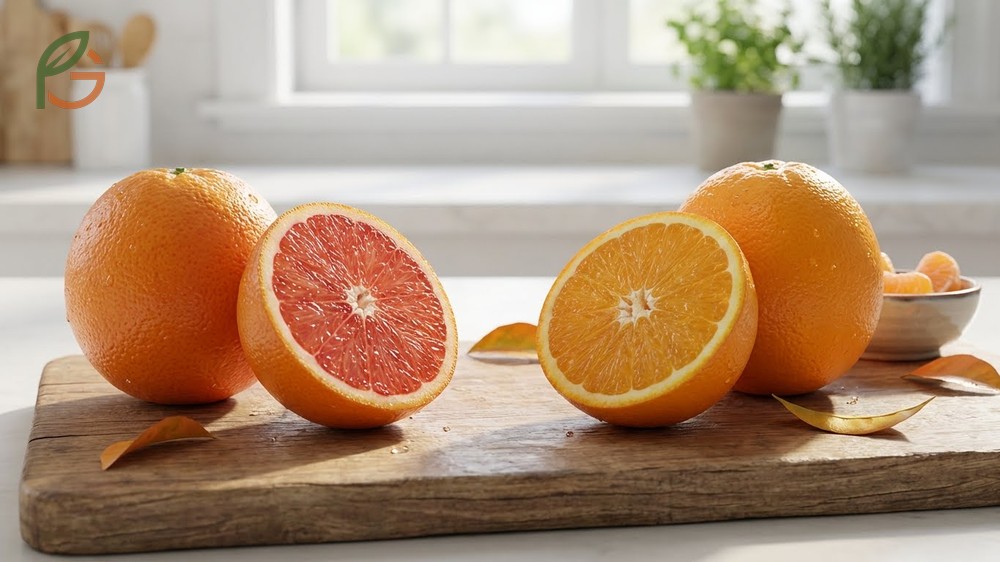
Cara Cara oranges are actually a type of navel orange, not a completely separate species. They originated from a natural mutation on a Washington navel orange tree discovered in Venezuela in the 1970s. This genetic variation created the distinctive pink flesh and altered flavor profile while retaining the characteristic navel formation.
The most obvious difference lies in flesh color—Cara Caras display pink-to-red interiors while standard navels show classic orange. Research demonstrates this color signals deeper nutritional and taste differences. The mutation affected not just pigmentation but also sugar levels, acidity, and phytonutrient composition.
Both varieties are seedless and share similar external appearance with the navel “button” at the blossom end. However, Cara Cara navels may have a slightly smaller, less prominent navel formation. The rind color remains orange in both types, making internal flesh the primary visual distinction when whole.
Taste comparison reveals Cara Caras as noticeably sweeter with berry undertones, while standard navels deliver straightforward citrus flavor with more tartness. Agricultural studies show Cara Caras measure 12-14° Brix versus 10-12° Brix in regular navels[2]. This 15-20% increase in sugar content creates perceptible sweetness differences.
Season availability differs slightly between the two. Standard navels are available November through June, while Cara Caras have a shorter window from late December through April or May[3]. This limited season makes Cara Caras more expensive and harder to find year-round.
- Flesh color—pink/red versus orange indicates lycopene presence
- Flavor profile—sweet berry notes versus traditional citrus tang
- Acidity levels—lower acid content makes Cara Caras gentler
- Nutritional content—30% more vitamin A and unique lycopene in Cara Caras
- Seasonal availability—shorter harvest window limits Cara Cara access
- Price point—limited supply makes Cara Caras typically more expensive
Sweet Citrus Taste Culinary Uses
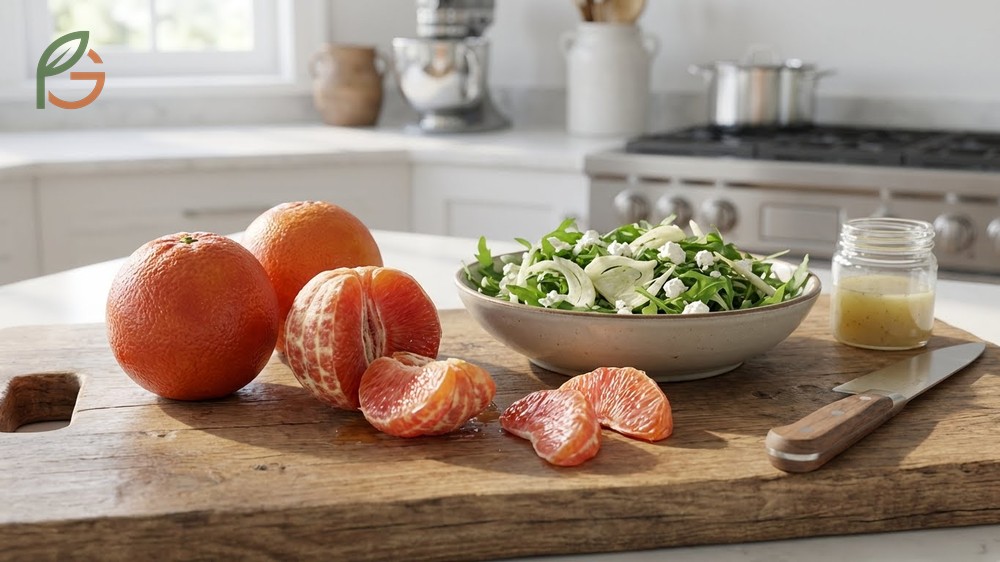
The distinctive sweet taste of Cara Cara oranges makes them exceptionally versatile in cooking. Their lower acidity works beautifully in applications where standard oranges would be too tart. Professional chefs prefer them for dishes requiring citrus sweetness without harsh tang.
For fresh eating, simply peel and segment them for fruit salads or green salads with arugula, fennel, and goat cheese. The pink color creates stunning visual presentations that regular oranges can’t match. Room-temperature serving enhances their natural sweetness and berry notes.
In desserts, Cara Caras shine in sorbets, tarts, and marmalades where their lower acidity prevents excessive tartness. The subtle berry undertones complement vanilla, chocolate, and berry desserts naturally. Their juice works well in glazes for cakes and pastries without needing extra sugar.
Evidence suggests avoiding Cara Caras for traditional orange juice—their low acidity creates one-dimensional sweetness lacking complexity[2]. Instead, use them fresh where their unique flavor profile can truly stand out. High-acid oranges like Valencias produce better-balanced juice.
For savory applications, pair Cara Cara segments with grilled chicken or fish where berry notes complement herbs like rosemary and thyme. The fruit works exceptionally well in citrus vinaigrettes with minimal added acid needed. Create unique margaritas or spritzers that require less added sweetener than recipes using standard oranges.
When substituting Cara Caras in recipes calling for regular oranges, reduce added sugar by 25-30% to account for their natural sweetness. The lower acidity means you may need to add a splash of lemon juice to achieve proper flavor balance in some dishes. This adjustment prevents overly sweet results.
- Fresh salads combining pink segments with greens, nuts, and cheese
- Dessert recipes like sorbets, tarts, and marmalades showcasing sweetness
- Cocktails and beverages requiring less added sugar than standard recipes
- Savory pairings with grilled proteins and fresh herbs
- Breakfast bowls, yogurt parfaits, and smoothie ingredients
- Garnishes and decorative elements where pink color adds visual appeal
Cooking Tip: Don’t use Cara Caras for marmalade if you want traditional bitter-sweet balance. Their low acidity produces sweeter preserves better suited for dessert applications than breakfast toast.
Conclusion
The evidence is clear: Cara Cara orange taste represents a unique citrus experience combining exceptional sweetness, subtle berry notes, and lower acidity than standard oranges. Their 12-14° Brix sugar content, distinctive lycopene-rich pink flesh, and gentler 0.8-1.0% acidity levels create flavor profiles that appeal to both citrus lovers and those who typically find oranges too tart.
Current agricultural guidance emphasizes enjoying these oranges during their peak January-February window when berry notes reach maximum intensity. Whether you’re growing Cara Cara trees in your backyard orchard or selecting fruit at the market, understanding their unique characteristics helps you appreciate why FruitGarden considers them one of the most remarkable natural citrus mutations discovered in modern agriculture.
Frequently Asked Questions
What Do Cara Cara Oranges Taste Like Compared to Regular Oranges?
Cara Cara oranges taste sweeter and less acidic than regular navels, with distinctive notes of raspberry, cranberry, and blackberry. Research shows they measure 12-14° Brix versus 10-12° in standard oranges, creating a noticeably sweeter eating experience with subtle berry undertones that regular oranges lack.
Why Are Cara Cara Oranges Pink Inside?
The pink-to-red flesh color results from lycopene, the same antioxidant compound that colors tomatoes. Cara Caras contain 2,500-5,000 µg of lycopene per fruit—a phytonutrient completely absent in standard navel oranges—making them nutritionally unique among citrus varieties.
When Is the Best Time to Buy Cara Cara Oranges?
Peak season runs from late December through April, with January and February delivering the most exceptional flavor. University research demonstrates that off-season Cara Caras often lack characteristic berry notes and taste more like standard oranges, making winter purchases ideal for best quality.
Are Cara Cara Oranges Better for You Than Regular Oranges?
Cara Caras provide 30% more vitamin A, 150% of daily vitamin C needs, and unique lycopene content not found in regular navels. They also contain higher fiber levels at 7 grams per fruit versus 3 grams in standard oranges, offering enhanced nutritional benefits while maintaining similar calorie counts.
Can You Use Cara Cara Oranges for Juice?
While you can juice them, Cara Caras aren’t ideal for traditional orange juice. Their lower acidity creates one-dimensional sweetness lacking the complexity of juice made from high-acid varieties like Valencias. They work better fresh in segments where their unique berry notes and pink color shine.
Do Cara Cara Oranges Help With Acid Reflux?
Many people with acid sensitivity find Cara Caras easier to tolerate because their 0.8-1.0% acidity level is 20-40% lower than standard oranges at 1.0-1.2%. The reduced citric acid content makes them gentler on sensitive stomachs while still providing full citrus nutrition and flavor.
How Should You Store Cara Cara Oranges for Best Flavor?
Store them at room temperature for 3-5 days if eating soon, or refrigerate for up to one week. Their lower acidity means they spoil faster than high-acid oranges. For best taste, bring refrigerated fruit to room temperature 30 minutes before eating to enhance sweetness perception and berry note intensity.