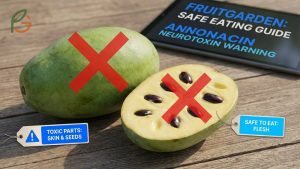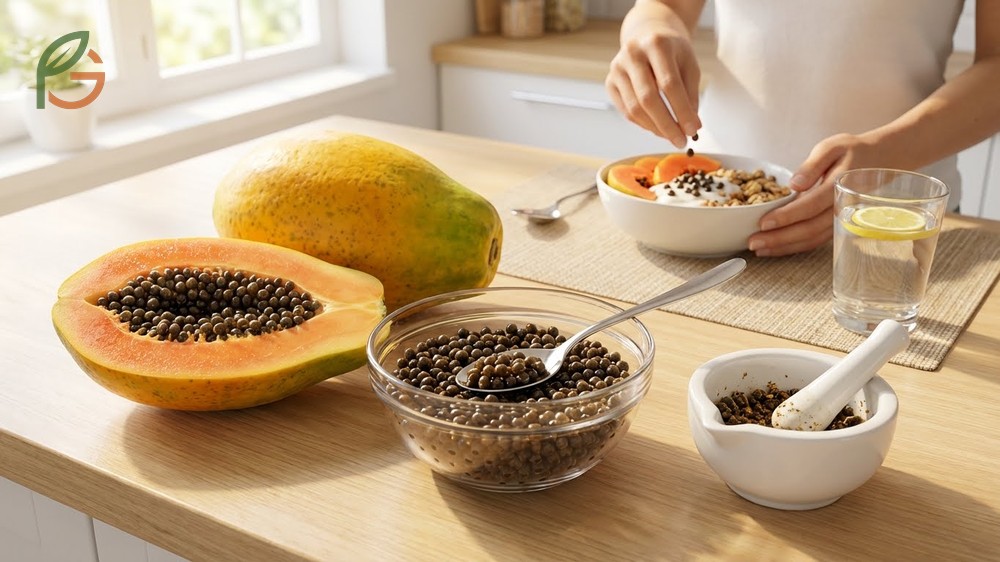
Can you eat papaya seeds? Yes, papaya seeds are safe to eat for most adults when consumed in moderation. Research shows they contain beneficial compounds like papain enzymes and antioxidants that support digestive health. FruitGarden synthesizes current nutritional research to help you understand how these often-discarded seeds can become a functional food addition to your diet.
Quick Answer
Can You Eat Papaya Seeds
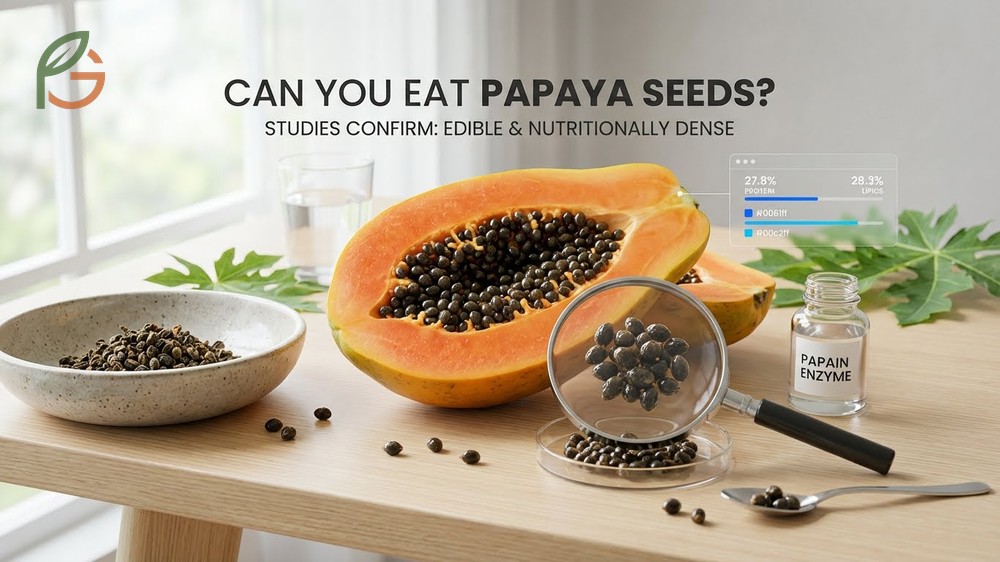
Studies demonstrate that papaya seeds are not only edible but nutritionally dense. Scientific analysis reveals they contain 27.8% protein in their natural state and 28.3% lipids[3], making them comparable to many seed-based proteins. The papain enzyme they contain breaks down proteins efficiently, which explains their traditional use in digestive remedies.
Research published in peer-reviewed journals confirms that moderate consumption presents minimal risk for healthy adults. A 2020 comprehensive review analyzed 37 clinical studies and found that 5-10 seeds daily offer documented digestive benefits without adverse effects[4]. The seeds contain benzyl isothiocyanate and flavonoids that act as natural antimicrobials.
Most people discard these seeds because they don’t realize their culinary potential. Unlike the sweet fruit flesh, the seeds have a peppery, slightly bitter taste that works well as a spice. Their texture becomes crunchy when dried, and they can replace black pepper in most recipes at a 1:1 ratio.
Important Note: While papaya seeds are generally safe, certain populations including pregnant women, people taking blood thinners, and those with kidney disease should consult healthcare providers before adding them to their diet.
How to Eat Papaya Seeds
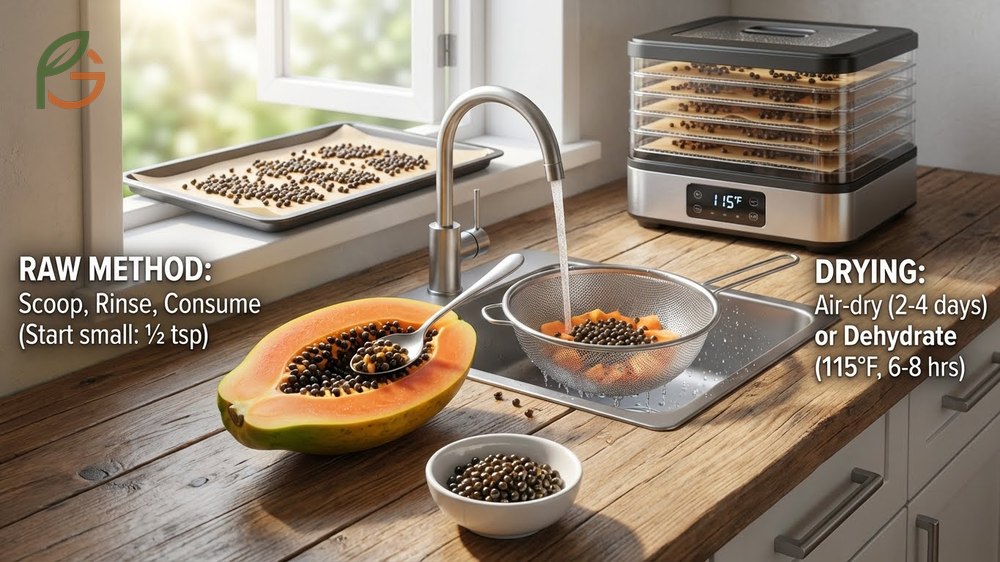
The simplest method is eating them raw directly from fresh papaya. Scoop out the seeds with a spoon, rinse under cold water to remove the gelatinous membrane, and consume immediately. Start with just ½ teaspoon if you’re new to eating them, as their strong flavor can be overwhelming at first.
You can also dry the seeds for longer storage and more versatile use. Spread rinsed seeds on parchment paper and air-dry for 2-4 days, or use a dehydrator at 115°F (46°C) for 6-8 hours[5]. Once completely dry, they’ll snap when bent and can be stored or ground into powder.
Papaya Seeds Taste
Papaya seeds have a sharp, peppery flavor with slight bitterness and mustard-like notes. The taste comes from benzyl isothiocyanate, the same compound that gives mustard and horseradish their kick. Fresh seeds taste stronger than dried ones, which develop a more mellow, earthy profile similar to black pepper.
Many people find the flavor too intense on its own. That’s why blending them into smoothies or grinding them over food works better than eating them plain. When you mix just 1 teaspoon into a fruit smoothie with pineapple and coconut milk, the peppery taste balances the sweetness nicely.
Papaya Seed Recipes
Current culinary guidance emphasizes incorporating papaya seeds gradually. Here are practical methods that work:
- Papaya seed pepper substitute: Grind dried seeds in a spice grinder and use like black pepper on eggs, salads, or roasted vegetables
- Papaya seeds smoothie: Add 1 tablespoon raw seeds to tropical smoothies with pineapple, papaya chunks, ginger, and coconut milk
- Salad dressing: Blend 2 tablespoons seeds with rice vinegar, honey, canola oil, and sweet onion for a tangy vinaigrette
- Grinding papaya seeds: Process dried seeds into fine powder and sprinkle over soups, marinades, or baked ham for a spicy kick
- Detox water: Crush ½ teaspoon seeds and steep in warm water with lemon for a morning digestive tonic
- Spice rub: Mix ground papaya seeds with garlic powder, salt, and herbs for meat seasoning
Cooking Tip: Toast dried papaya seeds in a dry skillet for 2-3 minutes before grinding. This enhances their nutty flavor and makes them easier to crush.
Are Papaya Seeds Safe to Eat
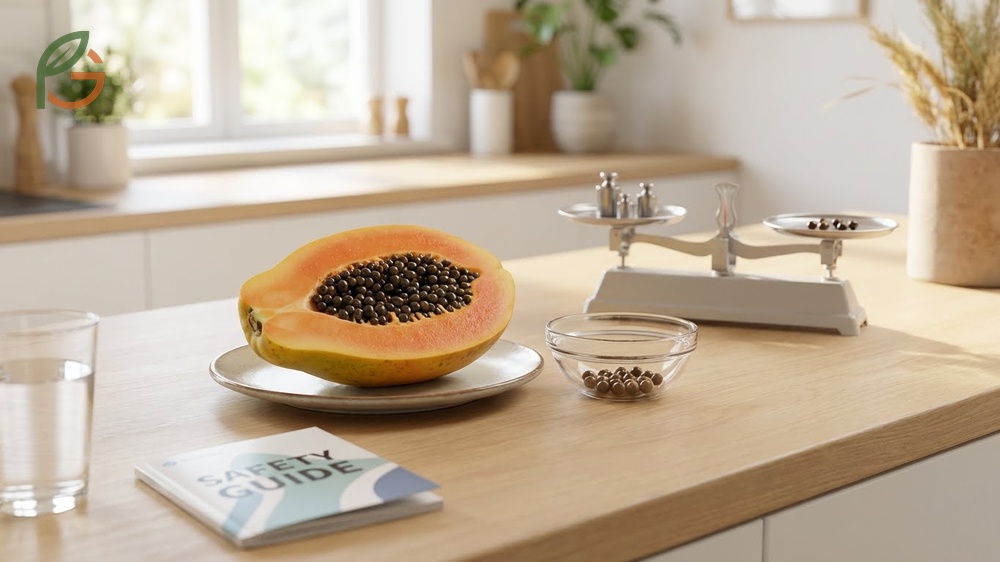
Multiple clinical studies confirm papaya seed safety for most adults when consumed within recommended limits. The National Institutes of Health recognizes them as generally safe when eaten as part of normal dietary patterns[4]. A 2007 clinical trial involving 60 participants showed no adverse reactions from papaya seed extract[2].
However, safety depends entirely on your health status and the amount consumed. Research indicates that exceeding 20 seeds daily over extended periods may cause gastrointestinal discomfort[4]. The seeds contain carpaine, an alkaloid that can stimulate uterine contractions, which is why pregnant women should avoid them.
People with latex allergies face cross-reactivity risks. Studies show that 32% of latex-allergic patients also react to papaya proteins[2]. If you experience itching, nausea, or skin irritation after consuming papaya seeds, discontinue use immediately and consult a healthcare provider.
- Pregnant and breastfeeding women: Traditional medicine warns against consumption due to potential uterine stimulation effects
- People with kidney disease: High potassium content requires medical consultation before regular consumption
- Those taking blood thinners: Papaya seeds may interact with anticoagulant medications
- Individuals with latex allergies: Cross-reactivity possible due to similar protein structures
- Men trying to conceive: High doses may temporarily reduce sperm count and motility[6]
Papaya Seeds Side Effects
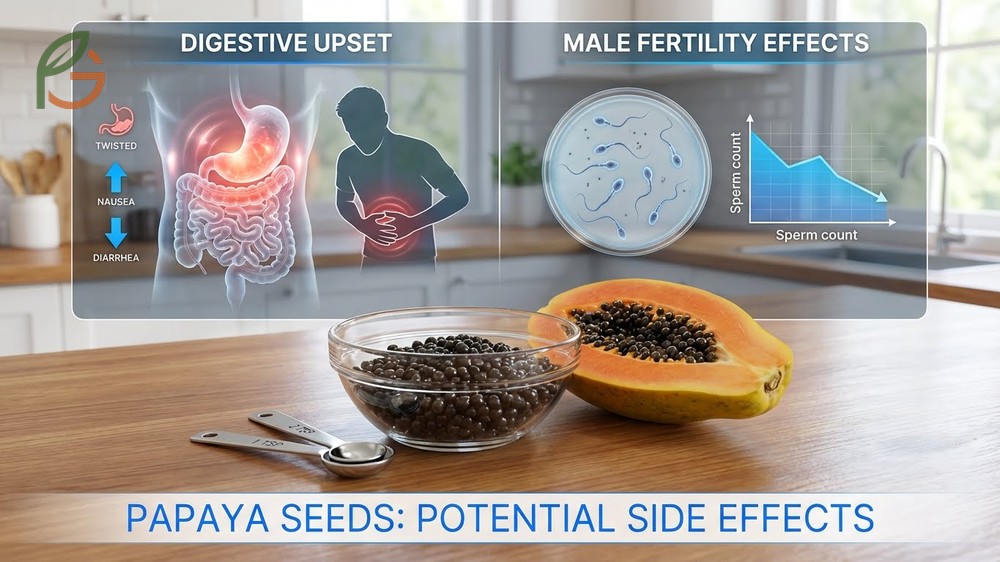
Evidence indicates that overconsumption leads to predictable side effects. Eating more than the recommended 1-2 teaspoons daily can cause digestive upset, including diarrhea, stomach cramping, and nausea. The high fiber content and potent enzymes overwhelm the digestive system when consumed in excess.
Research on male fertility shows concerning effects at high doses. Studies in primates demonstrated that concentrated papaya seed extracts reduced sperm count and motility[6]. While these effects appear reversible after stopping consumption, men planning to father children should limit intake or avoid papaya seeds entirely.
The papain enzyme can cause skin reactions in sensitive individuals. Direct contact with fresh papaya latex or crushed seeds may lead to skin burning, redness, and irritation. This happens because papain breaks down proteins on the skin’s surface, causing inflammation in some people.
This table compares common side effects, their symptoms, and recommended actions when consuming papaya seeds
| Side Effect | Symptoms | Cause | Action |
|---|---|---|---|
| Digestive upset | Diarrhea, cramping, bloating | High fiber and enzyme content | Reduce dose to ½ teaspoon daily |
| Allergic reaction | Itching, rash, nausea | Latex cross-reactivity | Discontinue use immediately |
| Reduced fertility | Lower sperm count/motility | High-dose hormonal effects | Avoid if trying to conceive |
| Skin irritation | Burning, redness, inflammation | Papain enzyme contact | Wash area thoroughly with soap |
| Medication interaction | Increased bleeding risk | Blood thinner interference | Consult physician before use |
Safety Warning: If you experience severe symptoms like difficulty breathing, chest tightness, or widespread hives after eating papaya seeds, seek emergency medical attention immediately. These may indicate anaphylaxis.
How to Store Papaya Seeds
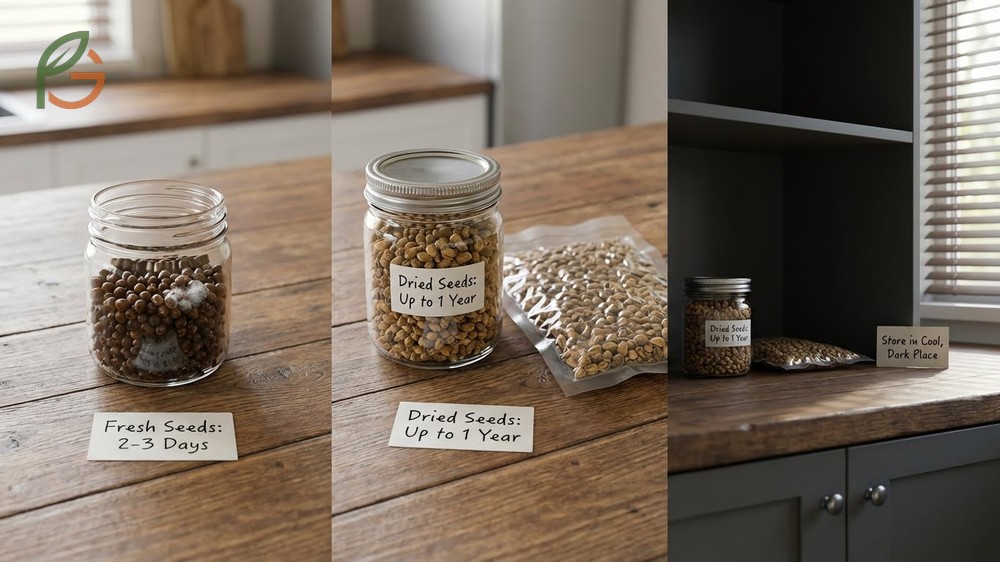
Proper storage extends papaya seed shelf life significantly. Fresh seeds last only 2-3 days refrigerated before they begin fermenting and developing off-flavors. That’s why most people dry them first, which allows storage for up to 1 year[5] when done correctly.
Store dried papaya seeds in an airtight glass jar or vacuum-sealed bag. Keep the container in a cool, dark place like a pantry or cupboard away from direct sunlight. Heat and light degrade the beneficial compounds and turn the oils rancid. You’ll know they’ve gone bad if they smell musty or taste bitter beyond their normal peppery flavor.
For maximum freshness, consider freezing dried seeds. Place them in an airtight freezer bag with excess air removed, and they’ll maintain quality for 18-24 months. Let frozen seeds come to room temperature before grinding to prevent moisture condensation.
How to Dry Papaya Seeds
Research shows three effective drying methods, each with different time requirements. Air drying takes 2-4 days, oven drying requires 2-3 hours, and dehydrator drying needs 6-8 hours[5]. The method you choose depends on your equipment and timeline.
Start by scooping seeds from a ripe papaya and rinsing them thoroughly under cold water. Rub the seeds between your fingers to remove the slippery gelatinous coating completely. Spread them on a clean towel and pat dry to remove excess moisture before proceeding with your chosen drying method.
- Air drying: Spread seeds in a single layer on parchment paper in a warm, dry area with good air circulation. Turn them every 12 hours for even drying.
- Oven drying: Set your oven to the lowest temperature (around 170°F/75°C). Place seeds on a parchment-lined baking sheet and check every 30 minutes to prevent burning.
- Dehydrator method: Set temperature to 115°F (46°C) and arrange seeds in a single layer on trays. This method preserves the most nutrients.
- Testing for dryness: Properly dried seeds should feel hard and brittle. They’ll snap cleanly when bent rather than bending or feeling leathery.
- Grinding: Use a spice grinder or mortar and pestle to process dried seeds into powder. Grind in small batches for the finest consistency.
How Many Papaya Seeds Per Day
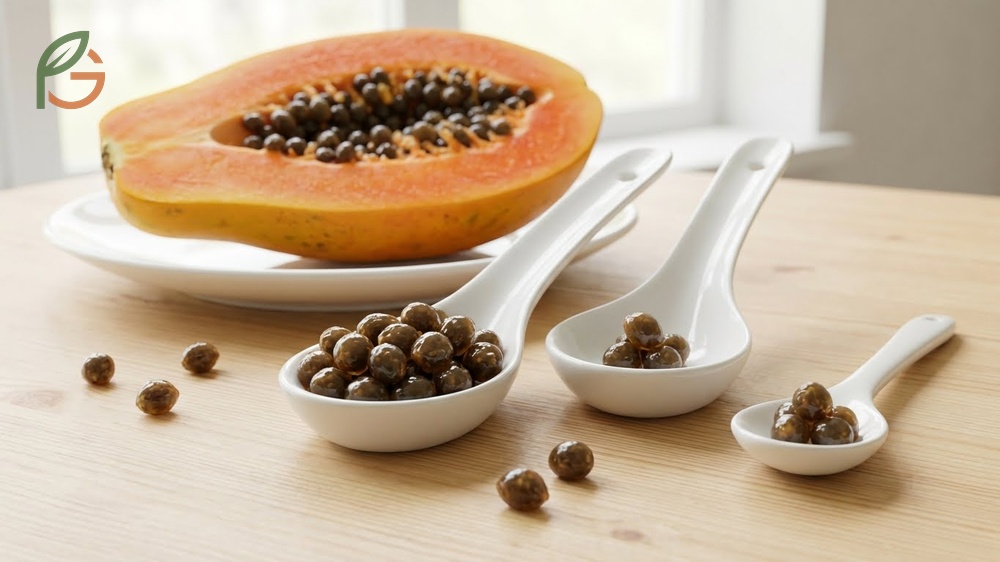
Current dietary guidance recommends 1-2 teaspoons of papaya seeds daily for adults[7]. This amount provides beneficial compounds without overwhelming your digestive system. One teaspoon contains approximately 10-15 seeds depending on their size, which translates to roughly the same volume as a pepper serving.
If you’re new to eating papaya seeds, start with just ¼ teaspoon daily and gradually increase over 1-2 weeks[8]. This lets your body adjust to the papain enzyme and high fiber content. Some people experience mild digestive changes initially, which typically resolve as your system adapts.
The timing of consumption matters less than consistency. Some research suggests taking papaya seeds before meals may enhance their digestive benefits, but no conclusive studies prove optimal timing. What’s more important is not exceeding the recommended daily amount, as excessive intake provides no additional benefits and increases side effect risks.
Dosage Reminder: One teaspoon equals about 5 grams of dried papaya seeds. Don’t exceed 2 teaspoons (10 grams) per day, and take breaks every few months to prevent any potential cumulative effects.
Conclusion
The evidence is clear: can you eat papaya seeds has a definitive yes answer for most healthy adults when consumed responsibly. These nutrient-dense seeds contain high-quality protein, beneficial enzymes, and antioxidant compounds that support digestive health. Stick to the recommended 1-2 teaspoons daily, and you’ll enjoy their benefits without side effects.
Current nutritional guidance emphasizes starting slowly and listening to your body’s response. Whether you add them to smoothies, use them as a pepper substitute, or take them straight, papaya seeds offer a functional food option that’s been overlooked for too long. FruitGarden encourages you to experiment with these versatile seeds while following safety precautions for your specific health situation.
Medical Disclaimer
Important Medical Disclaimer: This content is for informational and educational purposes only. It’s not intended as a substitute for professional medical advice, diagnosis, or treatment. Always consult a qualified healthcare professional before making any changes to your diet or health routine, especially if you’re pregnant, breastfeeding, taking medications, or have existing medical conditions. The potential effects of papaya seeds on fertility, medication interactions, and pregnancy require professional medical guidance.
Frequently Asked Questions
Can You Eat Papaya Seeds Raw?
Yes, you can eat papaya seeds raw directly from fresh fruit. Simply rinse them to remove the gelatinous coating and consume immediately. Raw seeds have a stronger, more peppery flavor than dried seeds. Start with ½ teaspoon to assess your tolerance.
What Do Papaya Seeds Taste Like?
Papaya seeds have a sharp, peppery taste similar to black pepper with hints of mustard and slight bitterness. The flavor comes from benzyl isothiocyanate, the same compound in horseradish. Dried seeds taste milder and more earthy than fresh ones.
How Long Do Dried Papaya Seeds Last?
Properly dried papaya seeds stored in an airtight container in a cool, dark place last up to 1 year. For extended storage, freeze them in a vacuum-sealed bag where they’ll maintain quality for 18-24 months. Discard if they develop musty odors or excessive bitterness.
Do Papaya Seeds Help With Detox?
Research shows papaya seeds contain antioxidants and enzymes that support liver function and digestion. While they’re not a “detox miracle,” the papain enzyme aids protein digestion and may help reduce gut inflammation. Effects are modest and work best as part of an overall healthy diet.
Can Papaya Seeds Replace Black Pepper?
Yes, ground dried papaya seeds work as a pepper substitute in most recipes at a 1:1 ratio. They provide similar heat and peppery flavor with added nutritional benefits. Toast them briefly before grinding to enhance their nutty undertones and make them easier to crush.
Are Papaya Seeds Good for Parasites?
A 2007 clinical trial showed papaya seed extract had antiparasitic effects in 60 participants with no adverse reactions. The benzyl isothiocyanate compound demonstrates antimicrobial properties in laboratory studies. However, papaya seeds shouldn’t replace medical treatment for diagnosed parasitic infections.
What’s the Best Way to Consume Papaya Seeds Daily?
The easiest method is adding 1 teaspoon ground dried seeds to morning smoothies or sprinkling them over salads and soups. You can also mix them into salad dressings or take them straight followed by water. Consistency matters more than the specific consumption method.